
Translated material
Robots dream of revenge
Pluto is the best anime series on Netflix for 2023: about the war in the Middle East, AI and hatred as a factor of evolution
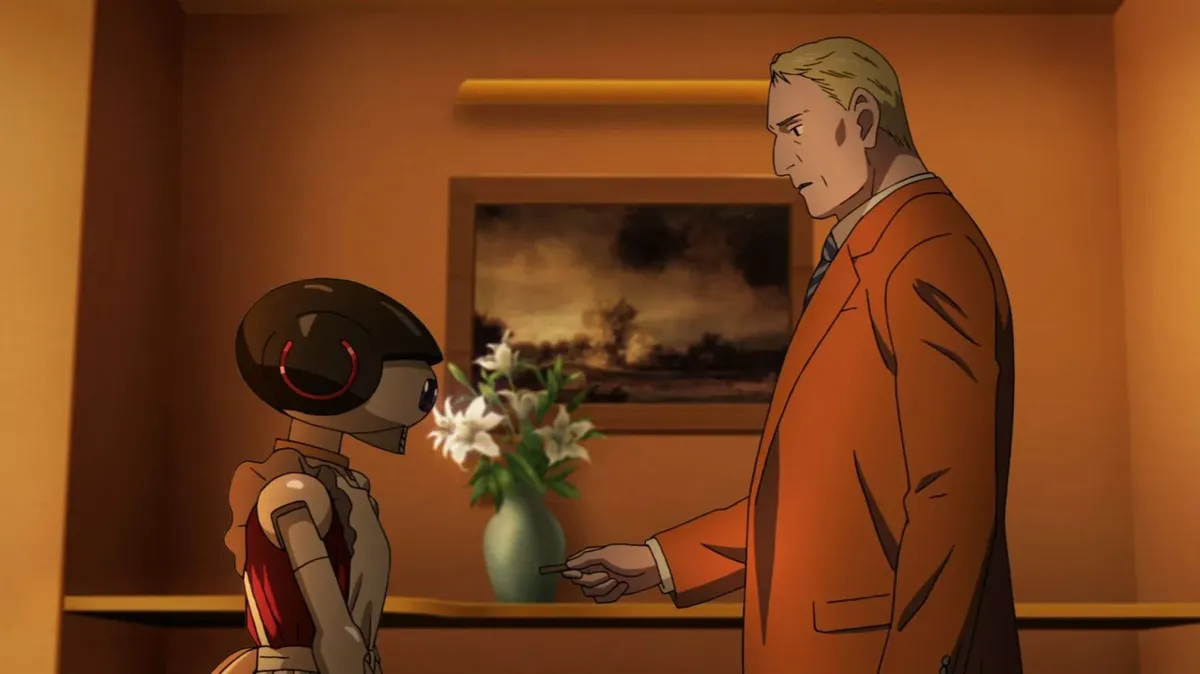
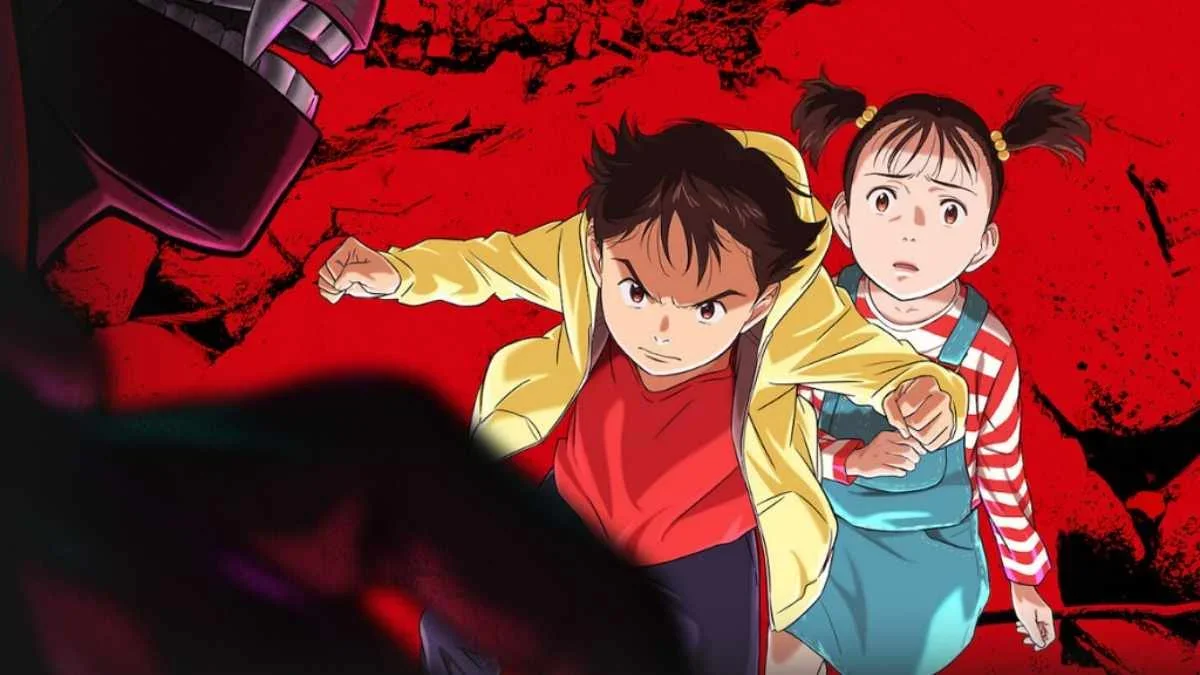
Frame from the anime series "Pluto". Photo: Kinopoisk
Mont Blanc-one of the seven most powerful robots in the world, a veteran of the 39th Asian war, now working in an zoo defender in the Alps-brutally killed. At the same time, a well -known lawyer - a fighter for the rights of robots. Detective Europol Gezikht, an ultramodern robot and also a veteran suffering from PTSD after the war in Asia, begins an investigation.
In the best traditions of Cybernuar, Gezicht, during the investigation, will reveal the dark secrets of his past, lose close friends and expose a worldwide conspiracy, meet crazy scientists and strange idealists ... And he will find the answer to the question why hatred is stronger than love and never goes anywhere. He will not like the answer. Kirill Fokin - about why Pluto became a “ideal” product for 2023 and why it is worth watching even those who do not like anime and are not fond of science fiction.
“Robots” first appear in the play of Karel Chapek “R.U.r”, written in 1920. The name is formed from "workers" or even "slaves". A hundred years ago, even before dreams about electric sheep, “matrices” and ghosts in armor, the robots of Chapek were already artificial people, almost indistinguishable from the real ones. An extensive discussion is going on about their civil rights in the play, while the robots themselves evolve and ultimately rebel, exterminate humanity, but they learn to “love”.
“Love”, at the same time romantic and exalted, has since become a stamp for determining the “humanity” of artificial intelligence.
We will find reasoning on this subject with Isaac Azimov, and Philip Dick, and Mamoru Osia.
But in the zero years in Japan, the usual Pluto manga was published on the basis of one of the plot ARC of the classical series “Astoboy” from the 1960s. In the original version of the arch “The Greatest Robot on Earth”, reasonable robots became hostages of vanity and selfishness of people, their creators, and were forced to go against each other. It was a humanistic plot: the protagonist, a superhobot atom, understood that wisdom, intelligence and sympathy are stronger than violence.
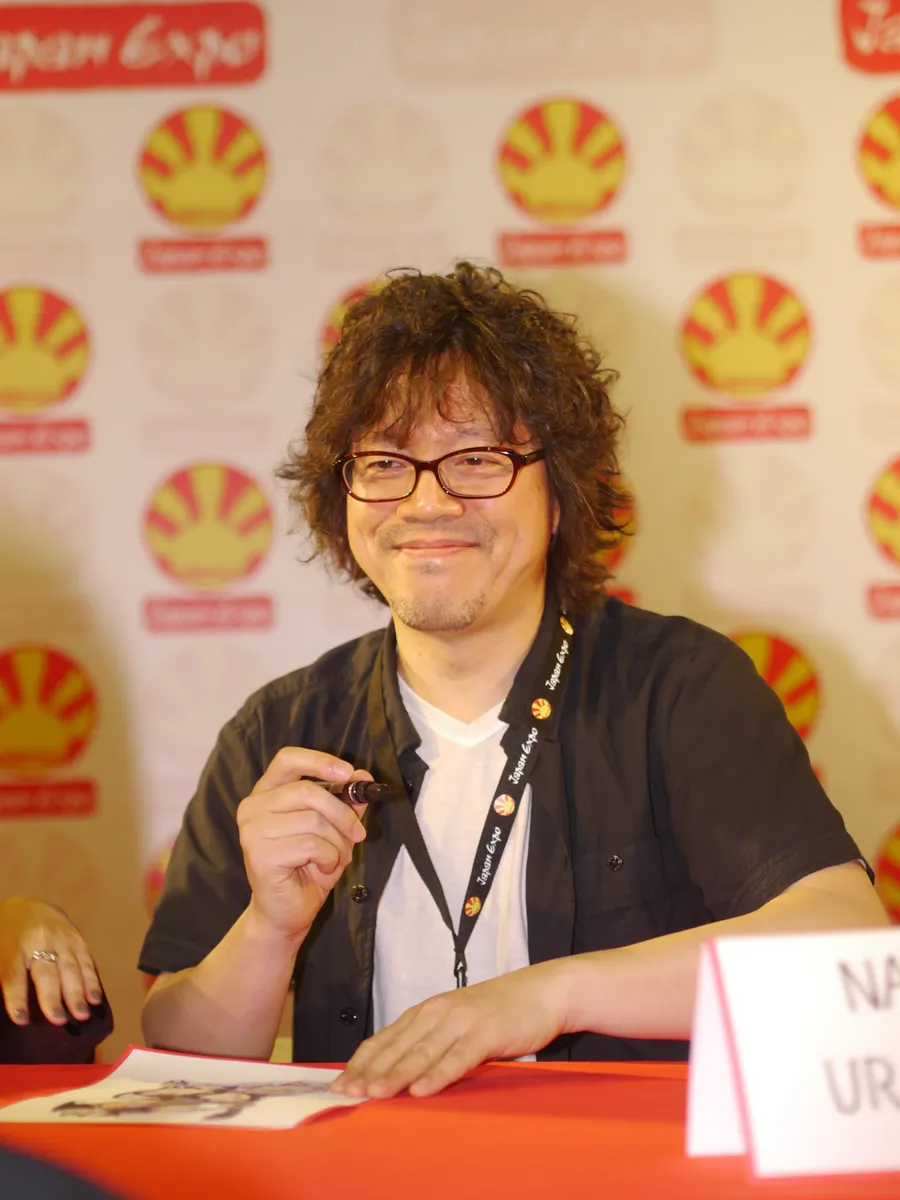
The writer and artist of Naoki Urassav, who by that time had already released the huge series “Monster”, a detailed psychological thriller about psychopathy and the boundaries of “humanity”, came from the other side. He rethought the characters and the setting of the original plot and made a noir thriller out of a fabulous and entertainment story, where not love, but hatred, sadness and anger become a motor of evolution of robots.
His world is utopia and anti -utopia at the same time. The question with the "humanity" of the robots here is closed by formal basis:
Everyone recognizes the differences between robots and people, but their rights, including the right to life and happiness, are guaranteed by law.
It is believed that robots cannot lie, cannot forget, cannot kill people. But robots imitate people: pretend that they eat, drink, go to the toilet, create families. The adoption of children with family pairs of robots is allowed here, which means that the question of whether they can love is removed from the agenda. Even if they can’t, they really want. But what about dislike?
The Urassava universe, with love and attention to the details, recreated Netflix, gives the impression of its amazing harmony. Everyone around repeats that robots cannot lie - but at the same time to the direct question whether they are tasty (and robots do not feel taste here), they answer: “Yes, very!”, As if imitating the human answer. Here the law on the rights of robots prohibits the murder of people - but a certain robot BRAU1589 kills a person, he is arrested and sealed in an underground prison.
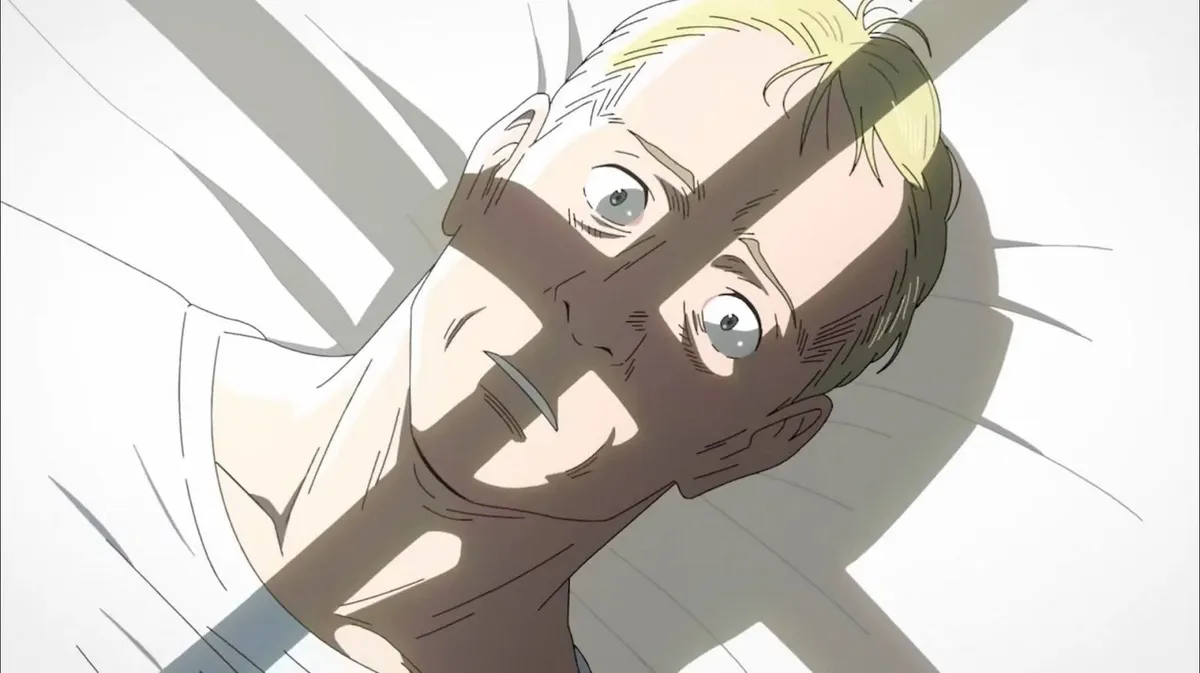
Experiments are being conducted over Brau to find out where the failure occurred in his program - but they find nothing. Unable to accept reality, people know that robots can kill people, and this is not a bug, this is just the result of a personal choice that advanced models can make. But people need them, so everyone simply repeats: “Only one robot killed a person”, although they suspect (and many know for sure) - no, not only one, and this is no mistake. The next time, when the robot kills a person, there will be no shock anymore - the robot will simply erase the memory and pretend that nothing happened.
Everyone knows that in Iraq-here it is called the Persian kingdom-they did not find weapons of mass defeat: they bombed the country “for the good” of the inhabitants and because of the “violation of the rights of robots”.
Everyone knows that Saddam Hussein - here his name is Darius the fourteenth - fanatel from robots and believed that humanity should give their place to them. Everyone knows that humanity has already lost the race with AI, and therefore, in the original “astro” robots, people were set against each other, then in Pluto the opposite is true: it is people who hate and exterminate each other because the robots decided so.
Why do the supercuscum even arrange intrigues and why don't he just fly to the stars, like the “Ludenes” of the Strugatsky? Very simple. In theory, Urasava is truly “enlightened” AI, capable of understanding and imitating the behavior of every person on the planet, simply cannot function. “All at the same time” cannot be understood. Need a personality rod. Love - it is empathy, which requires everyone to "understand and forgive" - does not work here. Hatred, anger, disappointment, anger, sadness - these are feelings that set the boundaries of personality and create a life goal.
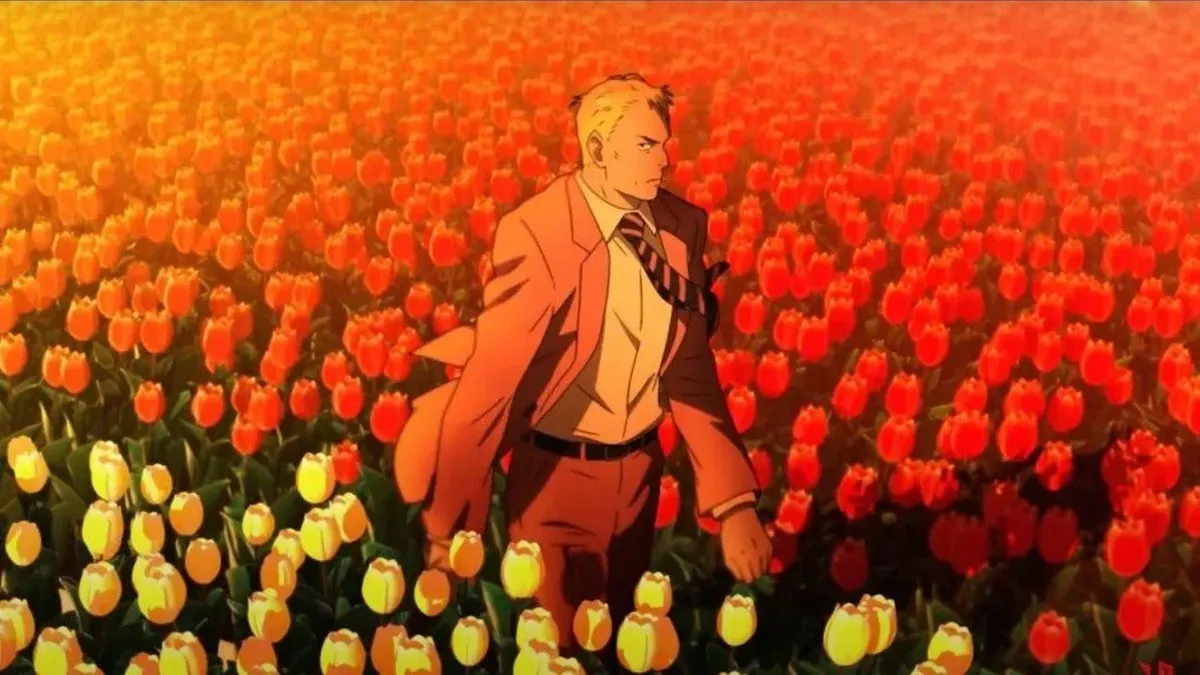
Hatred can be productive. Hatred motivates. Hatred of injustice. Hatred of the current state of affairs. Sadness - disappointment - experience of own mistakes. Self -justification is self -deception, but honesty leads to sadness.
Specialists in the field of human evolution (already in our world) represent two main views on the evolutionary meaning of hatred. The first is more popular: hatred encourages us to active actions, to protect “their own”, to preserve social norms, to survival. The second is more complicated: hatred can be a by -product of the work of other, really useful systems. For example, the protection of its own is good and useful, but hatred of strangers (potential enemies) is already meaningless and costly, leads to paranoia and embezzlement of resources.
But this embezzlement is not so strong, otherwise the evolutionary mechanisms would have long been cut off such a defective adaptation. So, hatred is needed for something important-this is something important robots also gained while evolving closer to the person.
“Pluto” is not accidentally compared with the cult “custodians” of Alan Moore and Dave Gibbons. The deconstruction of the genre, the nuar thriller, the whole action in the present is tied to resentment and hatred, the roots go into the distant past. The sad robots of Urassava, like the sad superheroes of Moore, no longer want to fight, they strive to break the vicious circle of mutual hatred and revenge. But hatred is stronger.
SPOILER
The finale in this sense, at first glance, is disappointed. “Love” seems to win: the atom wins Pluto and inclines to his side, Pluto sacrifices himself and saves everyone. But, if you think about it, it is precisely hatred and anger that give the atom of the strength to overcome Pluto. And hatred, whose seeds are sown in Persia/Iraq, will not go anywhere with the death of villains. Until generations are replaced by atrocities committed in Persia/Iraq, and on both sides, they will not forget. And will she help, the change of generations, or will parents pass on their hatred to children?
In such an interpretation, the final words of the atom are self -deception, which is also understandable. As a robot, he imitates what the “wise hero is a representative of human culture” at such a moment. But just as everyone knows that robots can lie, love, hate and kill, everyone also knows that the sins of the past will return to people and robots in dreams. Therefore, the guardian of the atom is a doctor of the fake fake, the person - to the question of whether this hatred can leave, answers honestly: “I don’t know.”