
Translated material
Leo constellation
The life, struggle and death of Trotsky, one of the main organizers of the 1917 revolution
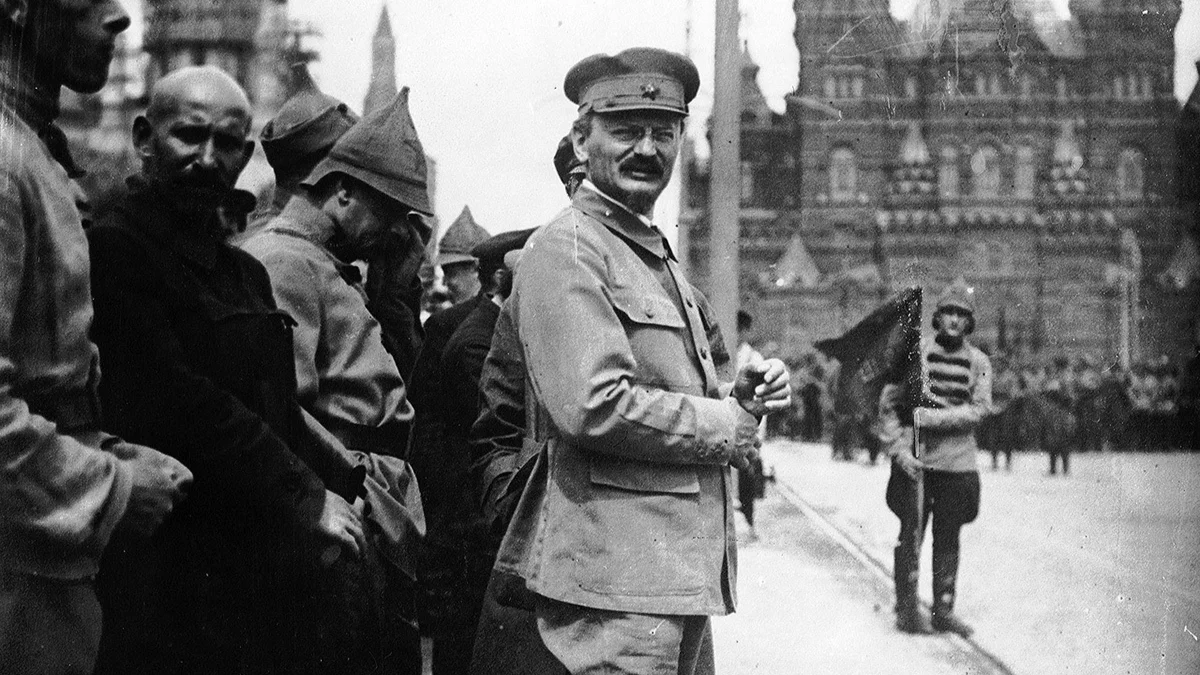
Lev Trotsky on Red Square, 1920s. Photo: Sergey Strunnikov / Balabinrm / Wikimedia
The October rebellion, which laid the foundation for the 1917 revolution and led the Bolsheviks to power, was supposed to begin in the early days of the month. This was insisted by Vladimir Lenin. But the leader of the Bolsheviks during the preparation of the uprising was in Finland, and the actual organizer Lev Trotsky specially pulled the beginning to confuse him for his own birthday - November 8 (October 26). Most Western researchers believe that only thanks to the Trotsky Bolsheviks it was relatively easily possible to seize power in Petrograd and keep it in the early years of government. It was Trotsky who created the Red Army, which repel the scattered armed forces of the White movement. Lenin’s ally thought of a large scale and set himself global goals, but lost sight of the processes that was conducted behind him and first led to his expulsion from Soviet Russia, and then to death. On the part of Joseph Stalin, the elimination of Trotsky was not an urgent necessity, but rather revenge on a more popular revolutionary.
The path to the revolutionaries of Leo Bronstein (the real name of Trotsky) was not much different from the ways of most other revolutionaries. From the consistent Menshevik and the criticism of the Leninist approach to building the party, Trotsky turned into his furious follower, and then again turned onto the path of condemning Bolshevism, becoming an example for oppositions within the communist parties around the world.
From hatred to love
Despite the fact that Trotsky did not even graduate from universities in absentia, he had a sharp mind and good memory, which allowed him to argue on equal terms with the owners of diplomas, in particular with Lenin. Their first meeting took place in the UK, at the II Congress of the RSDLP. Recall that it was at that congress in 1903 that the recently created party of Russian Social Democrats split into two factions-the Bolsheviks (it was headed by Lenin) and the Mensheviks (Julius Martov became their actual leader).
Initially, there was no strict division into both. The same Georgy Plekhanov seemed to be the Bolsheviks, but in many matters he supported Martov.
Trotsky first took the side of Lenin and violently defended his position, which deserved from the prominent Social Democrat David Ryazanov, who founded the Marx and Engels Institute in 1921, the nickname "Lenin Dubinka."
But just a year later, the Light saw Trotsky’s pamphlet “Our political tasks”, in which the author subjected Lenin to build a party sharply criticism. For example, in the split of the Social Democrats into two factions, Trotsky accused Lenin and opposed to form a party exclusively from revolutionaries, and not ordinary workers. In addition, Trotsky compared the Leninist ideas with the principles of the French Jacobins - suspicion, doctrinet, intolerance to rivals, a thirst for power. “If the party moves this way, then the wave of terror against its members and allies awaits it first, and everything will end as it ended for Robespierre - cutting off the head on Grevskaya Square,” Lev Trotsky wrote in his first large -scale work in 1904.
At the beginning of the first Russian revolution (January 9, 1905), Lev Trotsky was in Switzerland. He returned to Petrograd in early March 1905 by one of the first of the leadership of the RSDLP and immediately began to promote the idea of creating a temporary revolutionary government. Such an authority, according to Trotsky, was supposed to lead the country until the rulers were destroyed, and the authorities finally transferred to the hands of the proletariat.
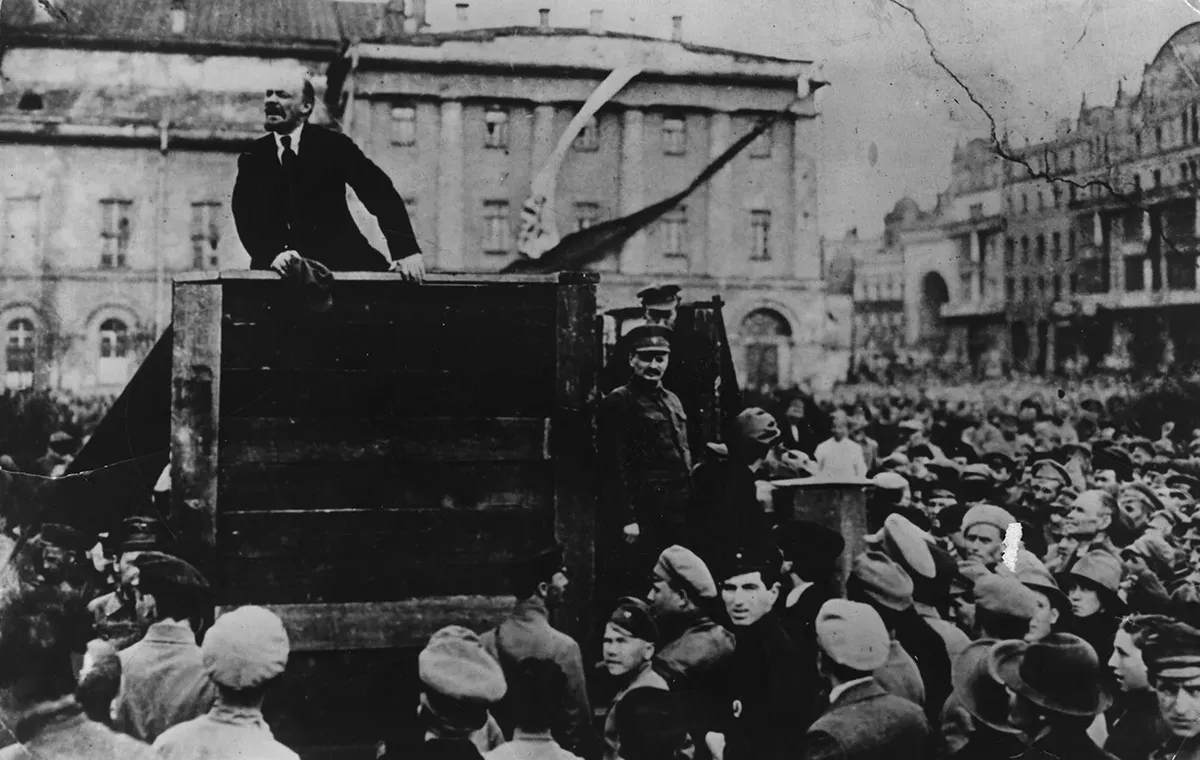
Trotsky’s ideas responded to many working capital, and the gendarmes began a real hunt for politics. Lev Davidovich disappeared in Finland to return after the proclamation of the October manifesto (published on October 17 (30), 1905, signed by Nicholas II, proclaimed inviolability of the individual, freedom of speech, meetings, unions and conscience). Trotsky took an active part in the work of the St. Petersburg Council of Workers' Deputies (Petrosote). After the arrest of the Chairman of the Council of Georgy Khrustalev-Nosar on November 26, 1905, Trotsky headed the Petrosopher and began to prepare an armed uprising, but on December 3 he was also arrested, and a few months later sentenced to deprivation of all rights and the eternal settlement in Siberia. From there he escaped in 1907, a donkey in Vienna and began to publish the newspaper Pravda: Working Gazeta.
For several years, this newspaper was the main mouthpiece of the Social Democrats, but lost this status in 1912, when Lenin proposed to name the newspaper of the RSDLP (b) "Pravda".
In fact, Lenin appropriated a rather widely promoted brand.
During the first (September 1912 - May 1913) and the second (June 29 - August 10, 1913) of the Balkan wars, Trotsky was in the war zone as a military correspondent. Later, his articles were included in the collection of foreign journalists about the events of the Balkan Wars as an example of "brilliant journalism and classics of anti -war journalism."
With the outbreak of World War I, Trotsky is finally determined with his political position and completely supports Vladimir Lenin, who opposed the war and condemned those social democrats who “stood on a par with their class oppressors in a long-predicted capitalist massacre” and put the interests of the country above the interests of the party and the labor movement.
"Trotsky fought well in October, but then even backwards became heroes ..."
The February Revolution of 1917 found Trotsky in the United States. From there, he hastily leaves for Russia, but on the way he is arrested by the British authorities - "for receiving German money received by the Bolsheviks to overthrow the Provisional Government of the Russian Empire." Trotsky is sent to a prisoner of prisoner of prisoners of war in Amperst (Canada). The topic of receiving the Bolsheviks of money from the German government was often raised in those years by opponents of Lenin, Trotsky, Stalin. But the evidence was not presented to this, which Lenin was particularly rested with, demanding that Trotsky are free. Soon, Lev Davidovich was really released and on May 4, 1917 arrived in Petrograd.
In Petrograd, Trotsky is elected a member of the Petrosovet, which he had already headed in 1905. The first attempt to shift the Provisional Government takes place in early July 1917. It was undertaken shortly before the major offensive of the German troops on the Eastern Front, which led to a sharp fall in the rating of the Bolsheviks and strengthening the ultra -right moods in Petrograd, insisting in the "war to the victorious end, which is no longer along the mountains."
The headquarters of the Bolsheviks in the Kshesinskaya mansion was defeated. About 800 participants in the faction were arrested and sent to the Crosses. Lenin and Zinoviev were forced to urgently flee from the capital, a real hunt was announced to them. Moreover, supporters of the continuation of the war sought not to arrest the fugitives, but to eliminate them. In particular, when an officer who goes to Terioki (now Zelenogorsk), where, according to some information, Lenin could be located, asked General Peter Polovtsev (in July 1917 - commander of the troops of the Petrograd Military District): “Do you want to receive this gentleman in an integral form or disassembled?” - He, grinning, answered: "The arrested people often make attempts to escape."
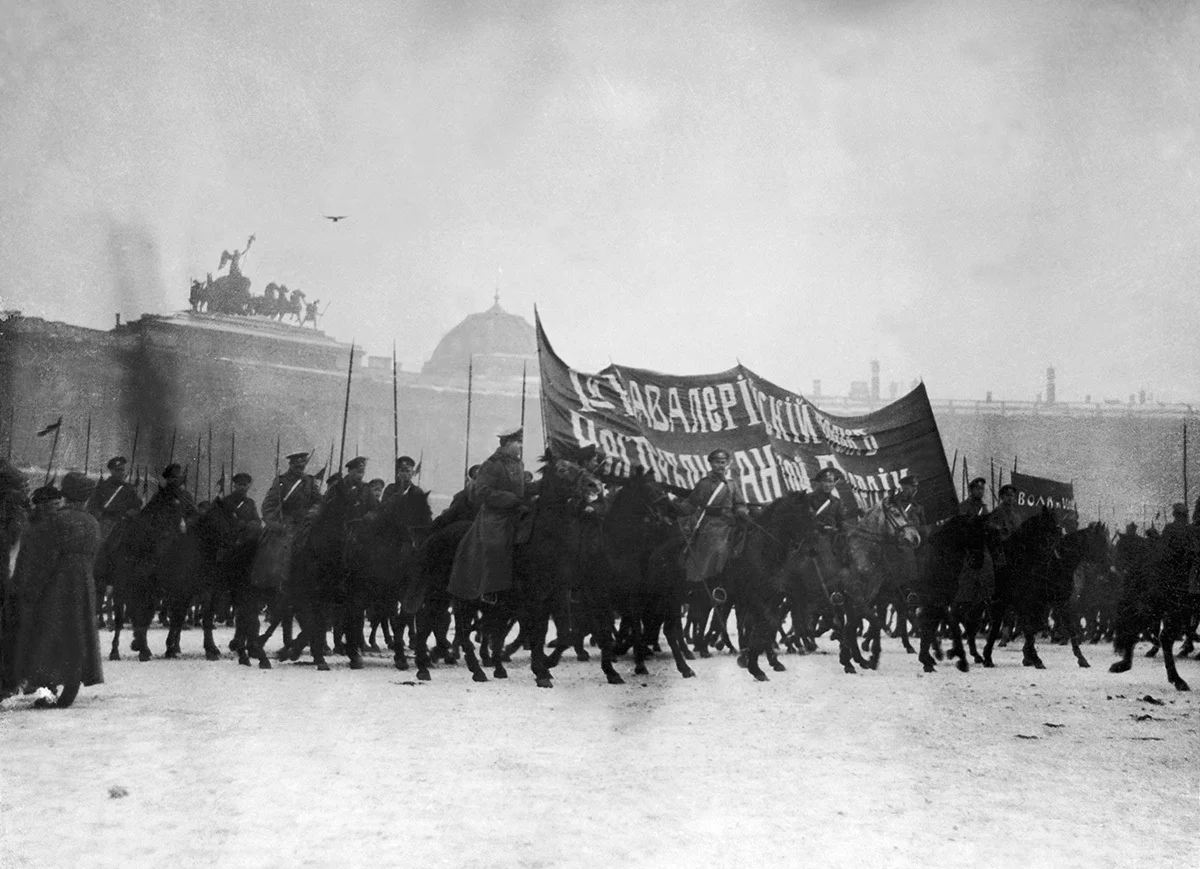
Trotsky was also arrested, but on his own request: they say, I attribute myself to the Bolsheviks, and therefore is ready to share their fate. In September 1917, after Kerensky eliminated General Kornilov from the political arena of his main enemy in the struggle for power, the Bolsheviks were released. On September 22 (October 9, in a new style), Trotsky is elected head of the Petrosovet, a deputy of the pre -Parliament, a delegate of the II Congress of Soviets and the Constituent Assembly.
On October 12, Trotsky forms the Petrograd Military Revolutionary Committee (VRK), which formally submits to the Petrosovet. In fact, military units supporting the Bolsheviks are consolidated in the VPR. Thanks to the oratory, Trotsky, who at that time, built his campaigning that “Western imperialists use the Russian soldier as cannon fodder” and that “in this war of Russia, nothing needs, it only defended the interests of France and England” , the general opinion of the Bolsheviks among the soldiers of the Petrograd garrison and sailors of Kronstadt again changed. By mid -October, the Bolsheviks could count on 100 thousand bayonets. The Provisional Government was ready to protect about 70 thousand.
Lenin insisted on an immediate armed performance, believing that Kerensky could withdraw regiments from the eastern front. But Trotsky managed to convince the Central Committee of timing the uprising to the II Congress of Soviets.
Moreover, on October 22, he personally spoke to the garrison of the Peter and Paul Fortress and pulled him to the side of the Bolsheviks, thereby significantly reducing the number of those who were ready to support Kerensky.
After the coup on October 25, 1917, it was Trotsky who organized the defense of Petrograd, not allowing the city to capture the troops of General Peter Krasnov in early November. A year later, Stalin wrote about those events:
“All work on the practical organization of the uprising was under the direct leadership of the chairman of the Petrograd Council of Trotsky. It is safe to say that the party is obliged primarily and mainly Comrade by the rapid transition of the garrison to the side of the Council and the skillful setting of the work of the military revolutionary committee. Trotsky. Comrades Antonov-Ovseenko and Podvoisky were the main assistants of Comrade Trotsky. ”
In 1926, Stalin completely changed his opinion in the work "Trotskyism or Leninism?" wrote:
“... You cannot deny that Trotsky fought well in the period of October. Yes, this is true, Trotsky really fought well in October. But in the period of October, not only Trotsky fought well, even such people as the Left Socialist -Revolutionaries, who were then side by side with the Bolsheviks, fought well. In general, I must say that during the period of the victorious uprising, when the enemy is isolated, and the uprising is increasing, it is easy to fight well. At such moments, even backwards become heroes. ”
Despite the fact that the birthday of the Red Army is considered February 23, 1918, in reality until the fall of 1918 there was no army in Soviet Russia. There were armed detachments of the Red Guards, detachments of the protection of the revolution (mainly from workers), Cossack detachments and others, but there were no regular army. Trotsky began its creation in the summer of 1918, and achieved real success only after he became the chairman of the Revolutionary Military Council of the RSFSR in September.
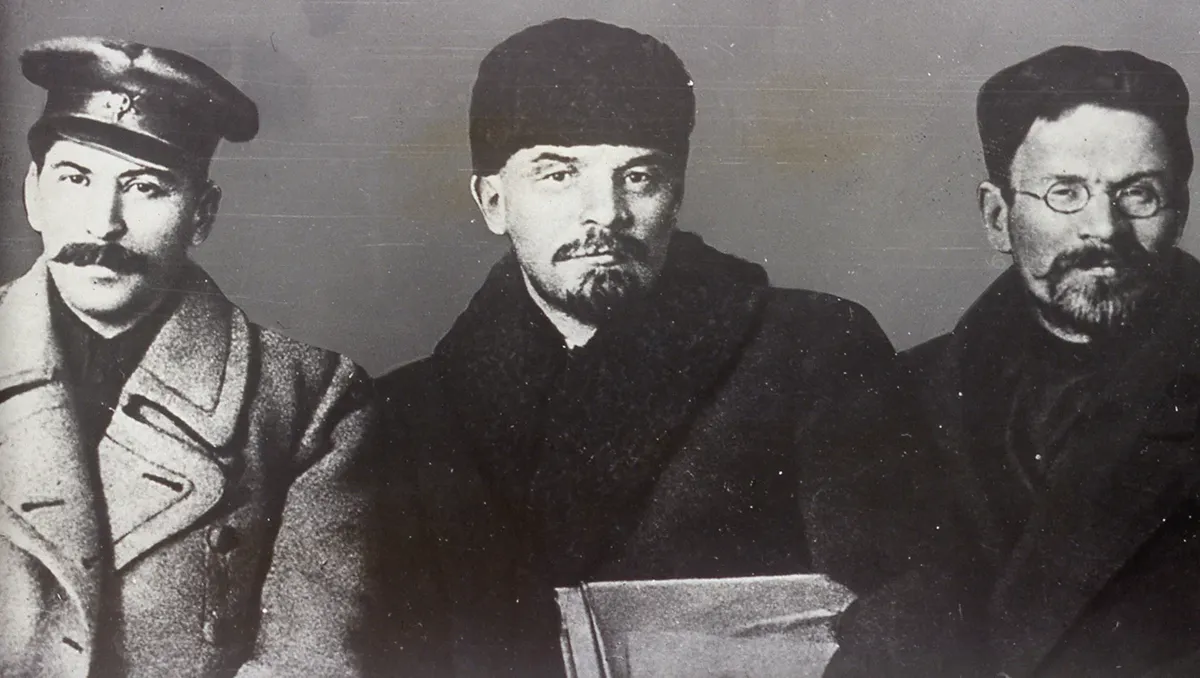
For this period, Trotsky’s conflict with Stalin and Klim Voroshilov accounts for this period. Stalin was sent to Tsaritsyn to ensure food supply from the Caucasus to the central regions of Russia. And Voroshilov broke through to Tsaritsyn at the head of the detachment, after the parts of the Red Army were defeated near Lugansk. Both were extremely negative about Trotsky’s idea of attracting military specialists from the former tsarist army to the Red Army. Stalin even created his own military council, who did not obey Trotsky. “Volbita [Trotsky] in the head ... For the benefit of the case, I need military powers ... I myself will, without formalities, overthrow those commanders and commissars who destroy the case ... The lack of a piece of paper from Trotsky will not stop me,” Stalin was telegraphed to Lenin.
Lenin for a long time could not decide which side to support him. On the one hand, in the words of Stalin there was logic: many specialists at the first opportunity really fled to the White Guards.
On the other hand, Trotsky proved that the army organized by him is able to fight on equal terms not only with the White Guards, but also with the Germans.
In the end, Trotsky raised the question with an edge: either he is given all the fullness of power, or he leaves all his posts. Lenin went back and chose the side of Trotsky, advising him to establish relations with Stalin. But either Trotsky did not want to, or Stalin, but since then these two members of the Central Committee have greatly disliked each other.
Money for the world revolution
In mid -1918, Lenin, Trotsky and Dzerzhinsky launched an operation on a mass removal of money from Russian banks abroad. With the help of a relative of Trotsky, Abram Zhivotovsky, who had the shares of several large banks and was included in the councils of the directors of a dozen financial organizations, registered accounts in Switzerland and the USA were opened. In March 1921, the New York Times published an article in which she actually accused the Bolsheviks of plundering her own country. The article noted:
“The goal of the“ workers ”of the leaders of Bolshevik Russia is apparently a manic desire to become the second Garun al-Rashids with the only difference being that the legendary caliph kept his treasures in the basements of his palace in Baghdad, while the Bolsheviks, on the contrary, prefer to keep their wealth in the banks of Europe and America. Only over the past year, as we became aware, the Bolshevik leaders received:
From Trotsky - $ 11 million in US Bank alone and 90 million Swiss francs in the Swiss bank.
From Zinoviev - 80 million Swiss francs to the Swiss bank.
From Uritsky - 85 million Swiss francs to the Swiss bank.
From Dzerzhinsky - 80 million Swiss francs.
From Ganetsky - 60 million Swiss francs and 10 million US dollars.
From Lenin - 75 million Swiss francs. ”
Later, the Communists will argue that the information in the newspaper was invented, paying attention to the fact that in 1920 Uritsky was not alive for two years. However, in the 60s it became widely known that at the beginning of the 20th century, Swiss banks used to identify the owner of the Key account. It could be a certain bill, a kind of jewelry, photography, etc. The main thing is that the one who opened the score pronounces this “key” in advance.
It is unlikely that those who were indicated in them were opened. Most likely, the accounts for the names provided to him were opened by Armand Hammer, an American entrepreneur, who was on wonderful relations with the Bolshevik elite and was engaged in selling art objects massively exported from Soviet Russia. Well, Felix Dzerzhinsky, who had arrived in Switzerland in the fall of 1918, set up the Keys on the accounts. Already being expelled from the USSR, Lev Trotsky indirectly confirmed in an interview with one of the American newspapers the fact of withdrawing money abroad, but said that the money was intended for the activities of the Comintern and financing of Western Communist Parties. When asked by the journalist why this money was not used to purchase food during hunger in the Volga region (1921-1922), Trotsky shrugged and said: “The world revolution is more important than a couple of hundred thousands of starving” (by 1922 the number of starving reached 15 million people, and Trotsky could not know about it).
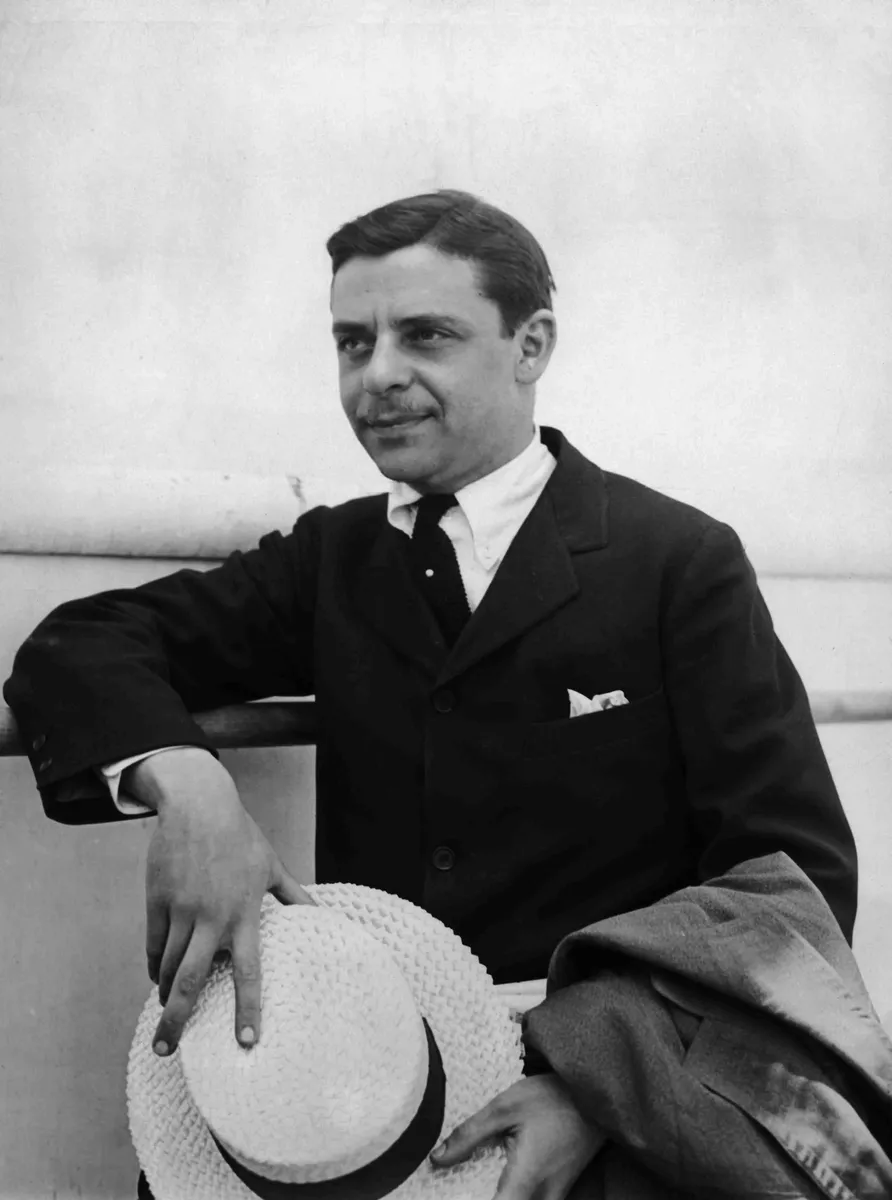
Trotsky was really obsessed with the idea of the world revolution. And after the army he created won the civil war, Trotsky believed that no one except him could become Lenin’s successor as head of state. Stalin thought differently. For the future struggle with Trotsky, he attracted Kamenev and Zinoviev and gradually placed his people on hardware posts. In April 1922, Kamenev and Zinoviev submitted an offer to establish the position of General Secretary General of the RCP (b), which Stalin was elected to.
Since it was assumed that this position is purely technical, and the head of state was the chairman of the Council of People's Commissars, Trotsky did not pay much attention to these actions. Meanwhile, Stalin put forward his people to the technical posts. By 1924, he completely controlled the Secretariat of the Central Committee, the Organizing Bureau of the Central Committee, the main Soviet control body Rabcrin and the Central Control Commission, became part of the Politburo and became the Secretary General of the RCP (b). After the death of Lenin, Trotsky was removed from the posts of the chairman of the Revolutionary Military Council and the People's Commissar of the military and naval affairs.
The next five years, Trotsky tried to return to politics through the opposition and the lower party structures, but Stalin also outplayed him.
In February 1929, a special meeting at the collegium of the OGPU of the USSR decided to send Trotsky and his family outside the USSR.
According to Stalin’s calculations, finding himself in a bourgeois environment and having lost his usual electorate, which could be sagitized, Trotsky had to quietly fade away, abandoned and forgotten. But Stalin already miscalculated. In 1930, Trotsky published an autobiography “My Life”, which first published in the USA, and then in the UK, France, Czechoslovakia, Poland (the book is published in two languages at once: Polish and Yidish), Germany. Через год автобиография Троцкого издается в Китае и некоторых азиатских странах, странах Латинской Америки и некоторых странах Африки.
О Троцком как о пламенном революционере заговорил весь мир. А он, почувствовав огромный интерес к своей персоне, продолжил излагать свои мысли о мировой революции и построении социализма в отдельно взятой стране. В книге «Преданная революция, что такое СССР и куда он идет?» Троцкий обвиняет Сталина в бонапартизме, а строящийся им режим называет «бюрократическим абсолютизмом». Автор проводит параллели между СССР и нацистской Германией, утверждает, что «свинцовый зад бюрократии перевесил голову революции… При помощи мелкой буржуазии бюрократии удалось связать по рукам и ногам пролетарский авангард и раздавить большевистскую оппозицию». В книге Троцкий предостерегает, что перерожденная советская бюрократия может превратиться в новый имущий класс, в котором бывшие управленцы (экспроприировав государство) станут владельцами-акционерами трестов и концернов. В заключение он призвал к новой революции в СССР — революции против абсолютизма «жадной, лживой и циничной касты правителей» и созданию многопартийной политической системы. Правда, под многопартийностью Троцкий подразумевал разные фракции внутри единой партии.
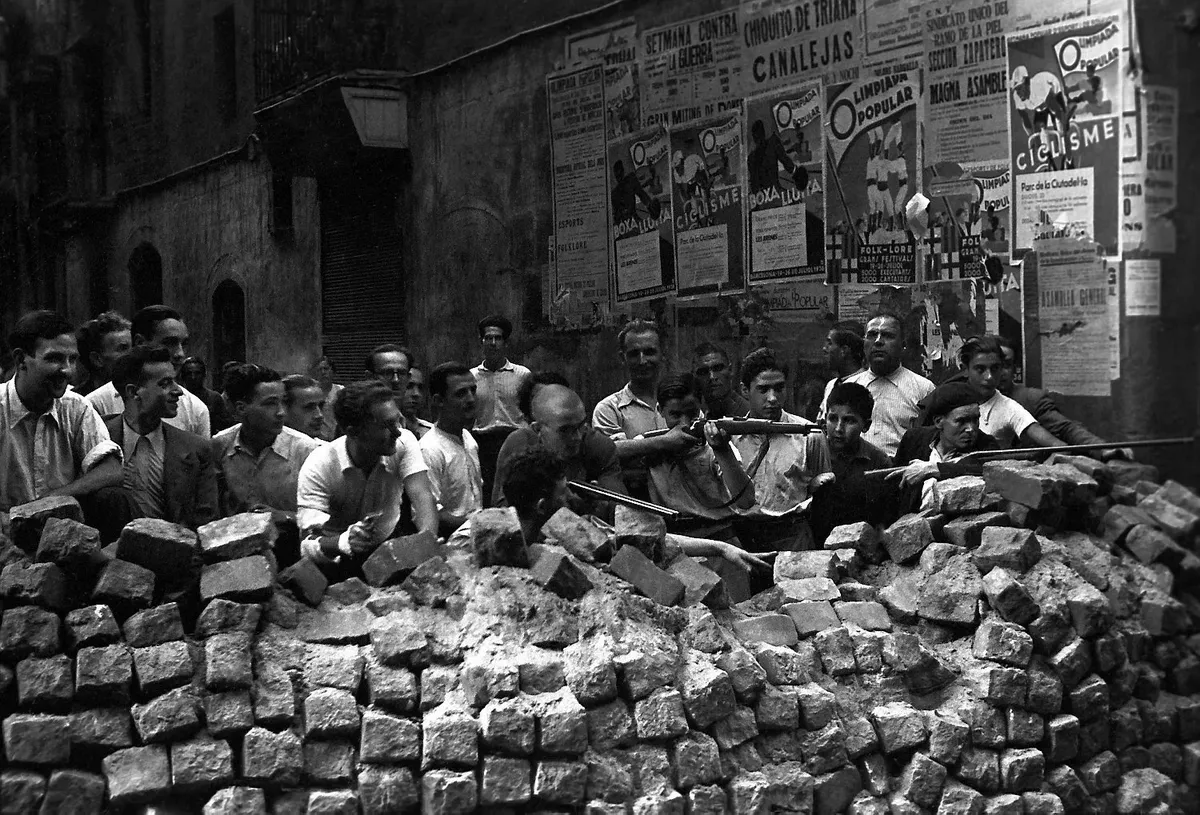
Последней каплей для Сталина стало участие Троцкого в гражданской войне в Испании. Нет, лично Троцкий в войне не участвовал, но на его призыв поддержать революцию в Испании откликнулись тысячи добровольцев со всего мира. Троцкий посылает секретное письмо в ЦК ВКП(б) с предложением объединить все силы левого толка в Испании в борьбе против режима Франко. Сталин накладывает на письмо резолюцию: « Я думаю, г-на Троцкого, этого пахана и меньшевистского шарлатана, следовало бы огреть по голове через Исполнительный Комитет Коммунистического Интернационала. Пусть знает свое место. И. Сталин ».
Не получив ответа из Москвы, Троцкий публикует свое письмо в «Бюллетене оппозиции». «Троцкисты», прибывавшие в Испанию, сперва сотрудничали с Альянсом рабочих и крестьян (ПОУМ). Затем, по требованию Троцкого, из ПОУМ они вышли, но оставались в ополчении. В 1937 году на «троцкистов» и ПОУМовцев началась охота, приведшая к настоящим боям в Барселоне в мае 1937 года. Советский разведчик Вальтер Кривицкий, участник антитроцкистских мероприятий в Испании и автор нескольких разоблачающих режим Сталина книг, так описывает события тех дней:
«…уже в декабре 1936 года террор свирепствовал в Мадриде, Барселоне и Валенсии, были созданы специальные тюрьмы ОГПУ, его агенты убивали и похищали людей, вся эта сеть функционировала совершенно независимо от законного правительства».
В декабре 1939 года Троцкий прямо обвинил Сталина в поражении республиканцев в Испании:
«Травля против “троцкистов”, ПОУМистов, революционных анархистов и левых социалистов; грязная клевета, фальшивые документы, пытки в сталинских шкафах, убийства из-за угла, — без всего этого буржуазный режим, под республиканским флагом, не мог бы устоять и двух месяцев. ГПУ оказалось хозяином положения только потому, что оно последовательнее других, то есть с наибольшей подлостью и кровожадностью, защищало интересы буржуазии против пролетариата».
Операция «Утка»
Эти слова привели Сталина в ярость. Скорее всего, он и сам понимал, что его ненависть к Троцкому и всему, что от того исходит, лишь навредила испанским революционерам. Но даже самому себе диктатор не желал в этом признаться. Вместо этого он вызвал генерал-лейтенанта НКВД Павла Судоплатова и приказал ему в кратчайшие сроки устранить Троцкого.
Для Судоплатова это задание оказалось спасением. К моменту вызова к Сталину он был отстранен от всех должностей и ожидал ареста. Для разработки операции по ликвидации Троцкого Судоплатов привлек Наума Эйтингтона, уже успевшего себя зарекомендовать как специалиста по ликвидациям «предателей». Эйтингтон же решил привлечь к ликвидации испанских революционеров. Тем более что в советской пропаганде вина за провал в Испании возлагалась как раз на Троцкого, которого советская пресса выставила двуличным мерзавцем.
Для реализации операции «Утка» (от первых букв слов «устранить Троцкого») Эйтингтон решил создать две независимые друг от друга группы. Первую, получившую оперативное название «Конь», возглавил знаменитый мексиканский художник и участник войны в Испании Альфаро Сикейрос. Вторую, под кодовым названием «Мать», возглавила испанская революционерка Каридад Меркадер.
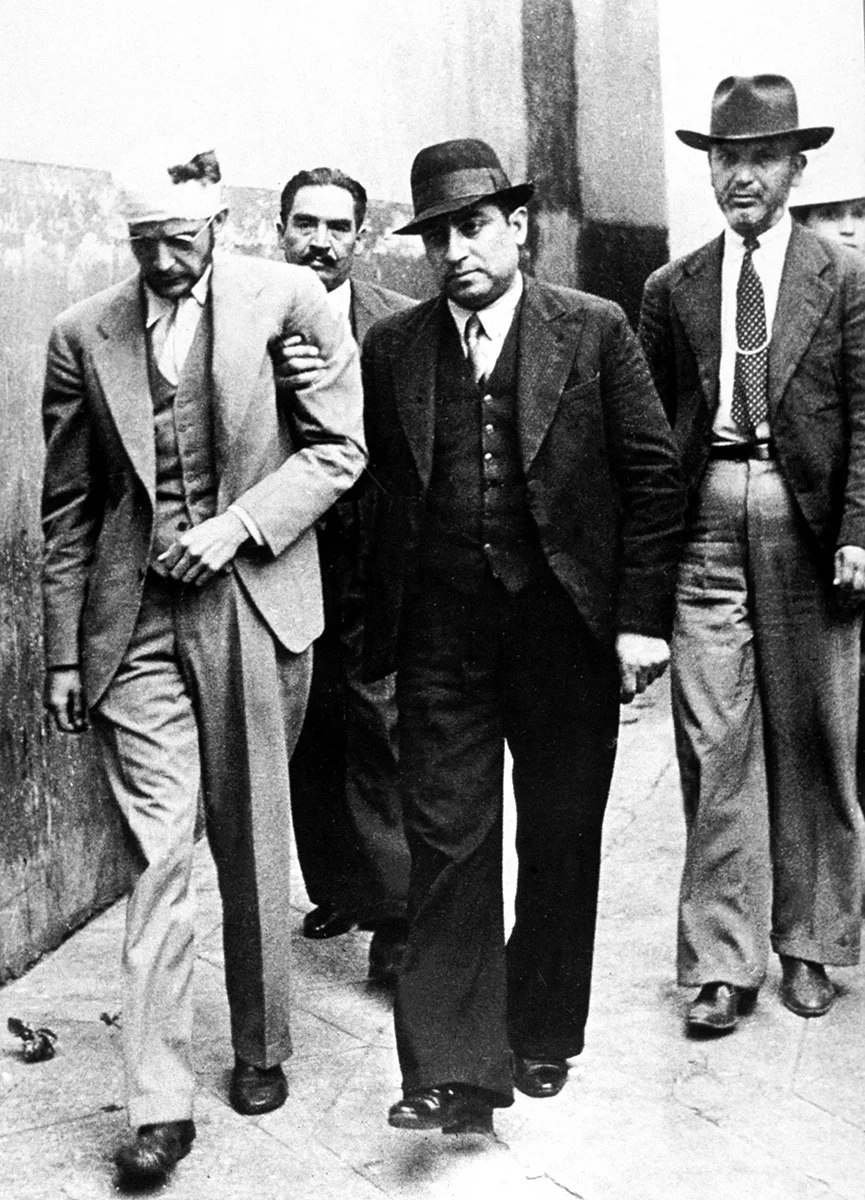
Сикейрос вместе с советским разведчиком Иосифом Григулевичем планировали вооруженный налет на виллу в пригороде Мехико, где жил Троцкий. Для этой операции были закуплены и нелегально ввезены в страну новейшие американские автоматы «Томпсон». Деревянные стены виллы не были препятствием для автоматных очередей. Некоторое время ушло на то, чтобы раздобыть план здания. В ночь на 24 мая 1940 года группа «Конь» подобралась к вилле и открыла ураганный огонь по спальне Троцкого. Пули свободно дырявили деревянные стены, но при первых же выстрелах Троцкий и его жена упали на пол и спрятались под кроватью.
Несмотря на то, что по спальне было выпущено более 200 пуль, ни одна из них не достигла цели. Троцкий и его жена даже не были ранены.
После этого покушения охрана виллы была усилена, а стены дома укреплены. Наступил черед второй группы, которая решила подобраться к Троцкому изнутри, через кого-то из близких к нему людей. Ключевым звеном стал сын руководительницы группы Рамон Меркадер.
Собственно, подготовка к операции началась задолго до того, как Сталин отдал приказ о ликвидации. Но первоначально она имела целью внедрить агента в ближайшее окружение Троцкого. Путем хитроумной комбинации советская разведчица в США Руби Вайль весной 1938 года довольно близко сошлась с сестрой одной из преданных помощниц Троцкого Сильвией Агелов.
Летом 1938 года Вайль «неожиданно» получила наследство во Франции и пригласила подругу в Париж, где в это время уже находился Рамон. Он успел познакомиться со многими троцкистами, которые вращались вокруг сына Троцкого Льва Седова. Рамон не пытался влезть в доверие, не принимал участия в их делах, он просто играл роль сочувствующего идеям мировой революции.
1 июля 1938 года Рамон в кафе встретил «старую знакомую» Руби Вайль, которая представила его своей подруге Сильвии. Как и рассчитывали в советской разведке, между молодыми людьми вспыхнул бурный роман. Но вскоре Сильвии пришлось вернуться в Нью-Йорк. Рамон пообещал любовнице, что вскоре они опять встретятся, и не обманул. Больше года он провел в США, успев познакомиться со многими видными троцкистами. Но опять же ни в какие дела Меркадер не лез и даже добывать информацию не пытался: у него была другая задача.
В октябре 1939 года Рамон был «вынужден» выехать в Мехико по неотложным делам. Сильвии он сообщил, что задержится в Мексике надолго. Разработчики операции предполагали, что страстно влюбленная Сильвия найдет возможность последовать за ним. И опять оказались правы. Девушка смогла уговорить сестру порекомендовать ее Троцкому и вскоре тоже прибыла в Мехико, где стала работать секретаршей Троцкого.
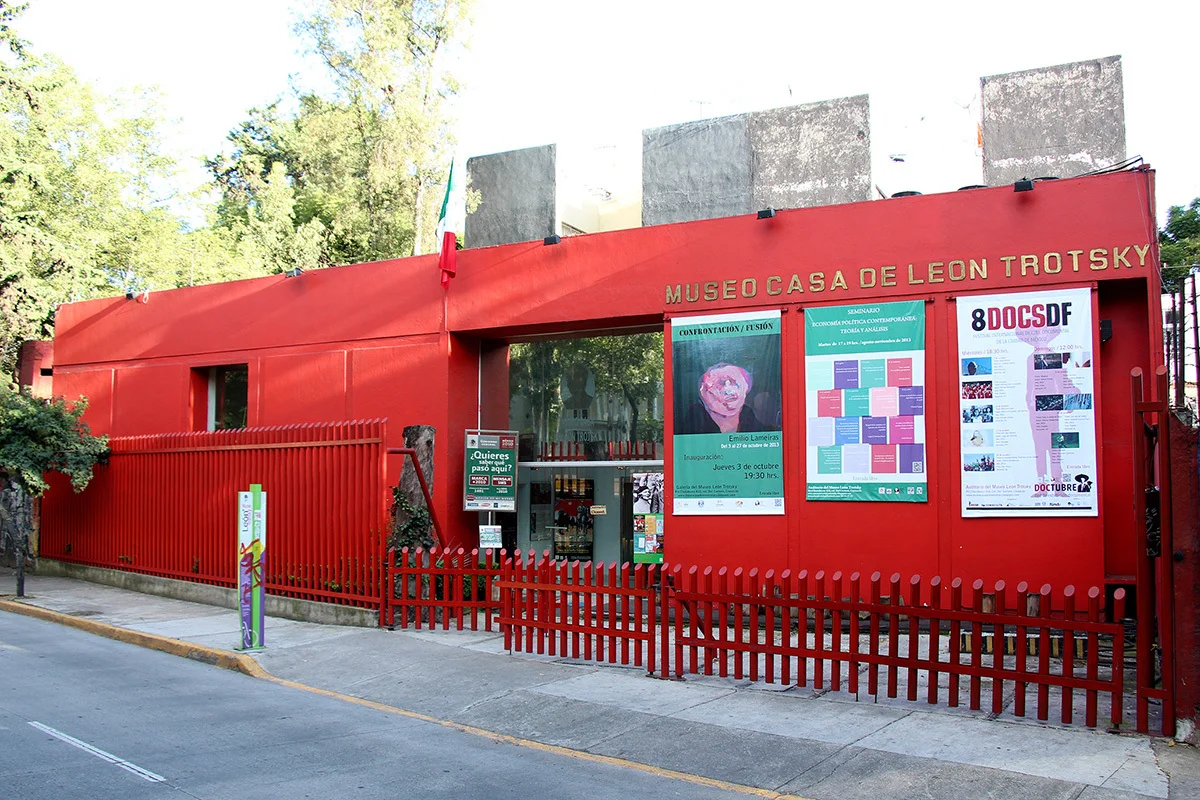
И опять Рамон не стал гнать лошадей. Он не пытался проникнуть на виллу или познакомиться с «вождем мировой революции». Однако почти ежедневно приезжал к воротам, чтобы встретить свою подругу. Постепенно охрана к нему привыкла, а в марте 1940 года его впервые пригласили на виллу. Согласно записям охраны, за месяц он побывал там 12 раз, провел внутри в общей сложности более пяти часов, сумел познакомиться с Троцким и несколько раз побеседовать с ним. Молодой человек Льву Давидовичу понравился. Перед Меркадером открылись возможности получать полезную информацию. В частности, именно он добыл подробный план виллы и передал его Эйтингтону, который в то время тоже находился в Мексике, поддерживая связь с обеими группами. План виллы был передан Сикейросу, после чего, собственно, и стал разрабатываться план налета.
Первый налет закончился неудачей, и вся надежда теперь возлагалась только на Рамона Меркадера. Он получил задание как можно ближе сойтись с Троцким. Однако после покушения тот стал еще более осторожным. Но Рамон нашел выход.
В то время у Троцкого гостили его старинные приятели Маргарита и Альфред Росмеры. Именно через них Рамон сумел снова подобраться к своей цели.
В августе 1940 года, в очередной раз оказавшись на вилле, Рамон «случайно» встретил в саду Троцкого и, смущаясь, попросил высказать мнение о своей статье, в которой шла речь о троцкистских организациях в США. Троцкий заинтересовался, просмотрел статью (которую готовили настоящие специалисты, знавшие, чем можно «зацепить» Троцкого) и попросил молодого человека прийти к нему 20 августа 1940 года.
20 августа Рамон Меркадер пришел на виллу, вооруженный пистолетом, ножом и ледорубом. Охрана, привыкшая к частым визитам Рамона на виллу, не удосужилась обыскать его. Молодого человека проводили в кабинет Троцкого и оставили наедине с ним. Это тоже было частью плана, так как Троцкий не переносил присутствия посторонних людей в своем кабинете, когда работал.
Троцкий разложил на столе статью и принялся высказывать свои мысли, подчеркивая карандашом строки, которые, на его взгляд, следовало изменить. Рамон стоял за его спиной, чтобы лучше видеть, и старательно поддакивал. Улучив момент, он достал из-под пиджака ледоруб, размахнулся и обрушил его на голову Троцкого. Но тот в самый последний момент, видимо, что-то почувствовал, обернулся и истошно заорал. В кабинет ворвалась охрана и скрутила Рамона.
Лев Троцкий скончался на следующий день, не приходя в сознание. Рамон Меркадер на суде утверждал, что это был акт борца-одиночки. Несмотря на все попытки мексиканских властей выбить у него показания по поводу участия СССР в убийстве, Рамон в этом так и не признался. Приговор был вынесен в 1944 году. Меркадера приговорили к максимальному по мексиканским законам сроку — 20 лет лишения свободы. Он отсидел их полностью.
Уже после войны в советской разведке не раз поднимался вопрос об организации побега Рамона Меркадера. Резидентурам в Нью-Йорке и Мехико даже было дано задание разработать варианты операции. Однако Рамон сам отказался от побега, мотивировав это тем, что подобная операция в случае провала обойдется слишком дорого разведсетям в Мексике и США. Он был освобожден 6 мая 1960 года и сразу уехал на Кубу, откуда его тайно вывезли в Советский Союз. Указом Президиума Верховного Совета СССР от 31 мая 1960 года Рамону Меркадеру (принявшему советское гражданство и получившему имя Романа Ивановича Лопеса) было присвоено звание Героя Советского Союза с вручением ордена Ленина и медали «Золотая Звезда». Он стал первым советским разведчиком, получившим это звание при жизни.
До 1974 года Роман Лопес проживал в Москве и преподавал в Институте марксизма-ленинизма при ЦК КПСС. Но северный климат плохо сказывался на здоровье бывшего разведчика. В 1974 году он переехал на Кубу, где по просьбе Фиделя Кастро работал советником при министерстве иностранных дел. Умер в 1978 году от рака. Согласно воле покойного, его прах был доставлен в СССР и погребен на Кунцевском кладбище в Москве.