
Translated material
"I ask you, stop bloody revenge!"
XX century: Chronicle of Jewish pogroms in Russia. From 100 to 150 thousand people were killed. But no one still knows the exact number of dead
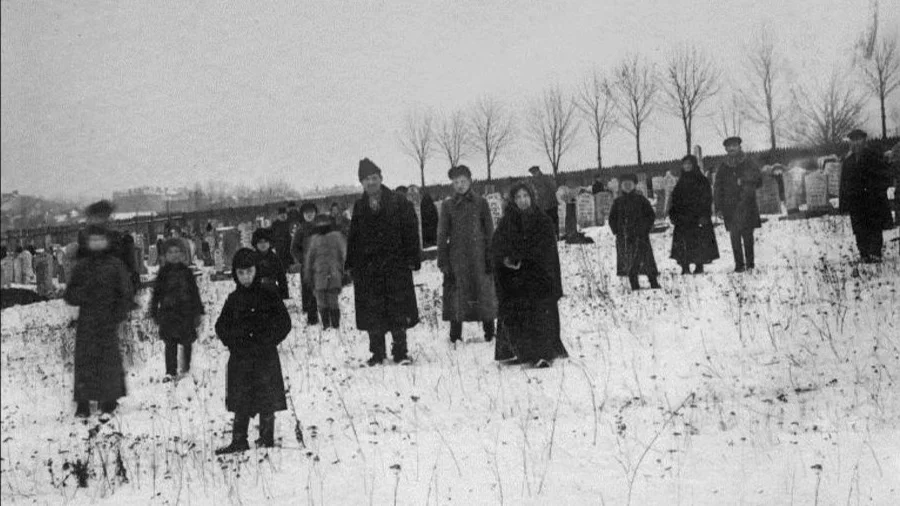
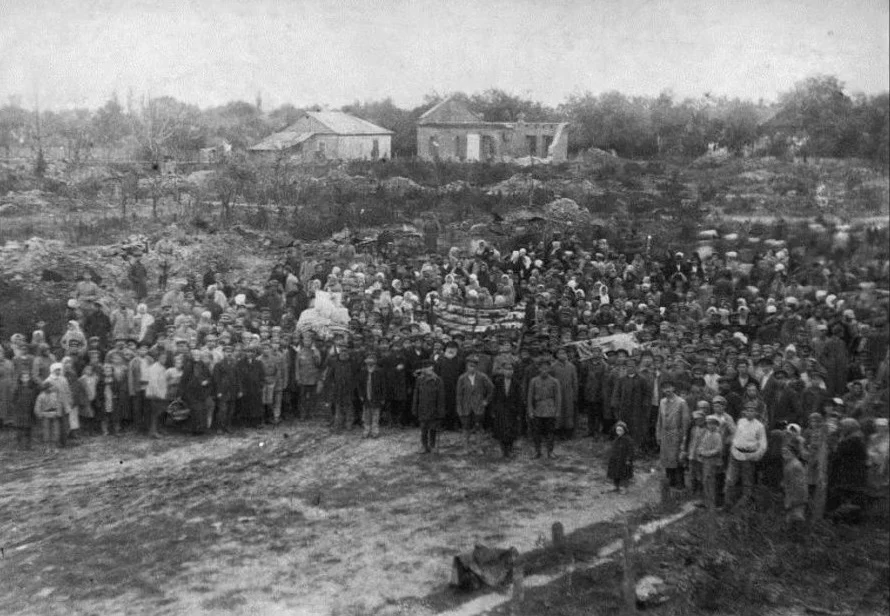
Jewish cemetery. After the funeral of the victims of the pogrom. 1919. Archive photos
In March 1903, in the town of Dubossars, the fourteen -year -old teenager Mikhail Rybachenko was killed and then found killed. The only daily Chisinau newspaper Bessarabets, edited by the famous anti -Semite Krushevan, began to discuss the possible ritual background of this murder and began to reprint the dubossar of rumors in support of this version. In particular, it was reported that the corpse was found with sewn eyes, ears and mouth, incisions on the veins and traces of the ropes in the hands. The assumption was put forward: the teenager was abducted and bloodless in order to use his blood in the "Easter ritual". In some of the articles it was written that one of the already caught killers-Jews spoke about the details of the crime.
At the request of the investigator who at that time, the absence of the absence of the murder by that time (the real killer was found later, he was an uncle of the boy who claimed the inheritance), the same “Bessarabts” was published by official overthrow, the results of the autopsy showing that the teenager died from multiple chief wounds, and not from blood loss. Indicated the lack of incisions, seams in the eyes, etc. But many citizens considered a refutation of the attempt by the authorities to hide the crime under the pressure of the Jews.
And on Sunday afternoon on April 6, 1903 - on the last day of Jewish Easter and on the first day of Easter Orthodox - stones flew from the crowd in the square to Jewish houses. “The police failure of energetic measures to the immediate suppression of the riots” led to the defeat of two Jewish shops.
By evening, everything calmed down, and the night passed calmly. The police arrested 60 people. Military patrols were taken to the streets, but the soldiers did not receive any orders. The Chisinau governor and other senior officials actually provoked the pogrom with their inaction.
The slowly of the police gave rise to new rumors that the government allowed the Jews, because they were the enemies of the Fatherland.
"Some of the Jews, armed with revolvers, resorted to self -defense and began to shoot at Gromil ... aimlessly and ineptly." This caused "... wild rampant passions. The crowd smashed, and everywhere where the shots were heard, it immediately broke and carried everything to smithereens, repairing violence against the Jews that got there. ”
The fateful became "a shot, which was killed by the Russian boy of the stop." By one o'clock in the afternoon, “violence against the Jews took on more and more severe”, accompanied by “a number of murders” (Alexander Solzhenitsyn, “two hundred years together”).
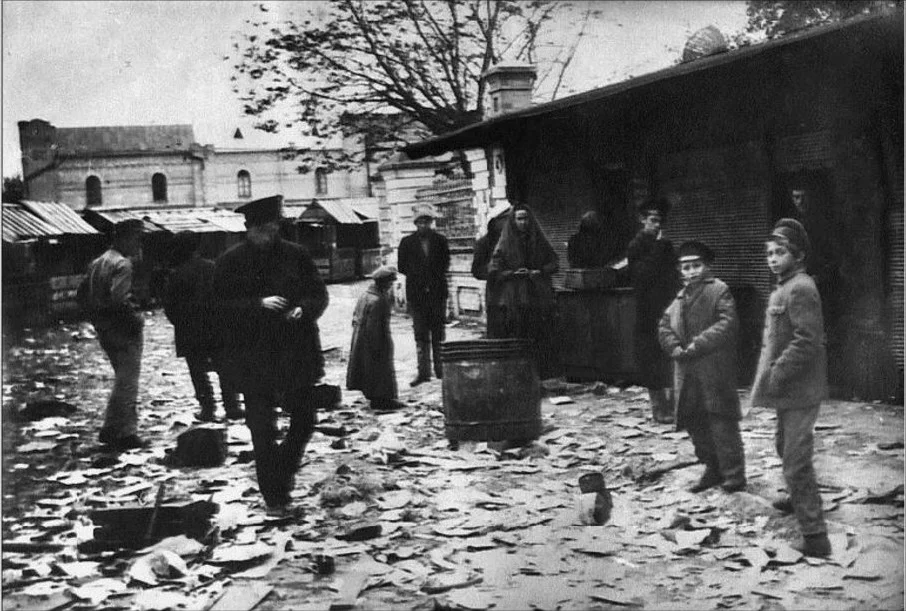
According to the Jewish encyclopedia, 49 people were killed as a result of the pogrom, 586 were injured, 1,500 houses were destroyed (more than a third of those in Chisinau at that time).
The authorities arrested over 800 pogroms, about 300 of them were devoted to the court, which was held in closed mode. Some were sentenced to hard labor and imprisonment, and Governor Rudolf von Raaben was resigned. In the course of an independent investigation, suspicions were expressed that the pogrom was prepared and organized by the captain of the security department by Baron Lewndal in order to put some groups of the population on others.
After the Chisinau events, the Russian word "pogrom" entered all the languages of the world.
Battleship "Chisinau" for the Japanese
The Russian-Japanese war initially caused an explosion of patriotic delight throughout the country. The Jewish newspaper Voskhod wrote in those days: “Russia is our homeland‚ and we all ... to the last ‚we will firmly fulfill our duty to the Motherland‚ with which historical fates connected us ... we will try, because it is our own forces from Port Arthur ‚and Chisinau and Gomel pogroms‚ and much more ... ”served in the synagogues in the synagogues. The solemn prayers “On the Giving Valiant Victory to the Russian Army”, for all communities collected donations “for military needs” ‚“ for strengthening the domestic fleet ”,“ for the needs of the families of killed and mutilated warriors ”, the Odessa banker Ashkenazi for their own formed a sanitary detachment, the poor places donated large amounts from the“ box collection ".
At the beginning of the war, not only in the government circles of Russia, but also popularly prevailed in confidence in a quick victory over the enemy.
But soon it became clear that the war would not be "short and victorious." From the front there were reports of the failures of the Russian army, about huge losses among soldiers and officers. For example, near Liaoyan, the Russians lost 19 thousand killed and wounded, near Mukden - 42 thousand. It was necessary to find the guilty. And they were found.
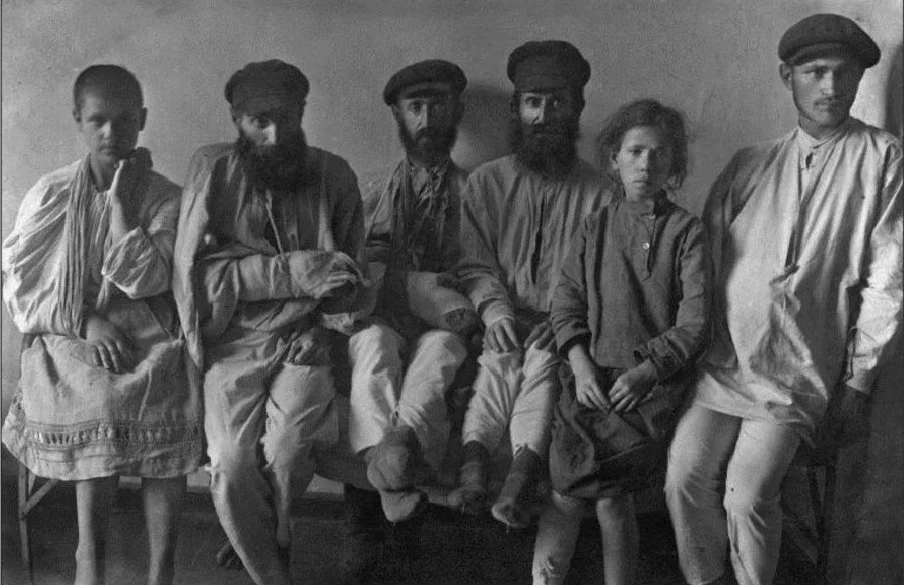
“New Time” was accused by “World Jewish”, as if pushing Japan to this war, right -wing newspapers vied with the way Russian Jews help the Japanese “related to the race”. Everywhere they distributed a banner “Banner” with instigator articles everywhere, and in Odessa, agitators explained to the crowd: “The Jews in America collected money to build the battleships“ Chisinau ”and present it to the Japanese. This battleship - in revenge for the Chisinau pogrom - will fight against the Russian fleet. ”
All the worst that is in any people suddenly rose and wiped his eyes ...
In the city of Alexandria of the Kherson province in Yom Kipur, a drunken crowd burst into the synagogue, there were killed.
In Mogilev, the Jewish houses were smashed all day, where the laborers huddled ‚cripples‚ widows with children, beggars. Among the pogroms, Jews recognized their neighbors.
In Bykhov, the crowd plundered all the Jewish shops, and then burned them. Smolensk ‚Minsk‚ Mstislavl, Simferopol, Zhytomyr ...
In Odessa, the Jews participated in general demonstrations with red flags and calls "Down with autocracy!" Sleats with the police led to the first victims on both sides, and then began the pogrom, which lasted 4 days. The official investigation established that the local authorities only observed the pogrom, without preventing them from. The Odessa mayor bowed to the crowd smashed: "Thank you, brothers!" And when the beaten people rushed to him for help, he said: “I can’t do anything. You wanted freedom - here you have a Jewish freedom. ”
From October 18 to 29, 1905 ‚within 12 days, 690 Jewish pogroms took place in provincial and district cities in villages and places. Most are in the southern and southwestern provinces “Pale of Settlement”. The pogroms also covered the cities outside the Pale of Settlement-the Great Luki ‚Vyazmu‚ Eagle ‚Bryansk‚ Kursk, Tver, Rostov-on-Don ‚Voronezh‚ Ryazan ‚Yaroslavl‚ Saratov. Traders ‚artisans‚ railway and factory workers, peasants, employees and officials took part in the pogroms.
According to official statistics, 810 Jews were killed during these 12 days, of which more than 400 ‚in Rostov-on-Don-more than 150‚ in Yekaterinoslav-67 ‚in Minsk-54‚ in Simferopol-over 40 ‚in Orsha-more than 30‚ in Chisinau-19.
But tsarism, as you know, did not save. The revolution began.
Only the Jews did not kill ... the Germans
On the way from Zhytomyr to Kyiv, the soldiers of the Ukrainian regiments arranged pogroms, Jews robbed and killed in Korosten, Berdichev, at railway stations along the path, especially brutal violence was made on trains: they took money, they cut it with belts and ropes, threw it on the moves of the wagons. When the power was replaced, on the streets of the liberated Kyiv, Gaidamaki beat the Jews with Nagikes, led to the Mikhailovsky monastery and shot under the guise of the "Jewish Commissars" ‚and the corpses were dropped into the Dnieper. The mayor printed a call to the military authorities in the newspaper: “Stop the execution without trial ... Stop the pursuit of the Cossacks of the Jews - only because the Jews were in the Effer of the Bolsheviks. The Jews were and are among the Bolsheviks who were fighting against the Bolsheviks, as there were Ukrainians among the Bolsheviks ... I ask you, stop bloody revenge! .. ”
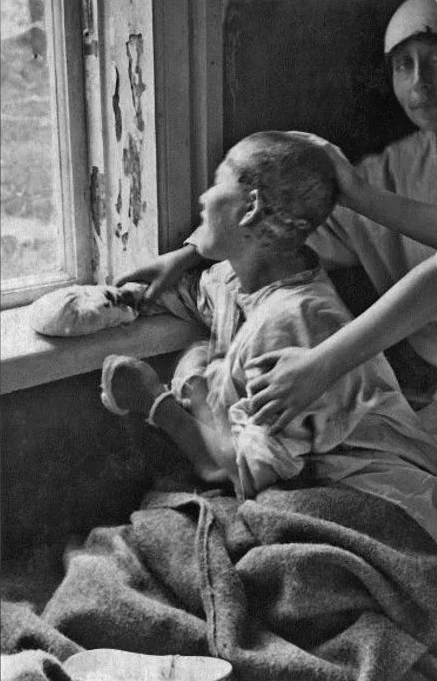
During the retreat of the Red Army, her fighters, in turn, were smashed by Jewish settlements near Nikolaev ‚Kherson‚ Poltava, Yekaterinoslav ‚Kharkov. In March 1918, they killed 15 Jews in the city of Mglin of the Chernihiv province, among the dead were a two -year -old girl. The detachment of the first regiment named after Lenin robbed Jewish apartments in Surazh, but the most terrible pogrom fell on Glukhov: “Two and a half days the city was in the power of angry ink ... Almost exclusively Jews were injured ... Many of the survivors were chopped off. In front of their mothers, young children were killed ... Men were dragged into the street, they beat with butt, pricked and shot. All this with drunken songs and wild swearing ... "
For two days in a row, the Red Army robbed the Jewish population ‚and then peasants appeared from the surrounding villages and took the remaining property and goods in crushed houses and shops, even removed clothes from the dead.
Pravda called this massacre (more than a hundred Jews were killed in Glukhov) by a military episode: “Glukhov occupied the valiant Roslavl detachment after stubborn resistance. The streets of Glukhov and the places adjacent to the railway line are covered with corpses. The city is organized in the city. "
Next, the Red Army defeated Novgorod-Seversky: 88 Jews died. The pogrom in the city stopped with the advent of German troops, but a day later the Red Army knocked out the Germans from the city ‚and behind the retreating German detachment, eyewitnesses reported," as the entire Jewish population reached out from Egypt. "
According to the Brest Treaty, German troops entered Ukraine. And again, as before, the Jews were among the culprits. "Jews brought the Germans!" - the peasants shouted during the robbery.
Only at the beginning of 1921, Petlyura addressed the Ukrainian people: “Transfer this appeal from the village to the village, from the hut to the hut, from hand to hand ... the Jewish population, small merchants, artisans and workers ... Just like you, villagers, will not wait for liberation from the communist robbers. If you meet Jews among the communists, remember that for their people the same Kaina-representatives who forgot the faith and laws of their fathers, as well as those our traitors who were bored with the Communists; It would be unfair to shift the blame for them to the whole Jewish people, just as one cannot shift the guilt for our communist traitors to the entire Ukrainian people ... "
Petliura was killed in 1926 in Paris by a Jew terrorist.
"We cannot allow the Jewish kingdom in Russia"
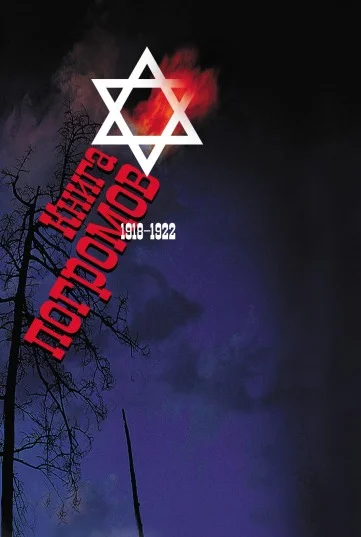
16 years ago, the Pogrom Book published in Rospen. 1918-1922. " 1032 Pages of documents is a professional feat of the author’s team, headed by Lydia Milyakova from the Institute of Slavic Studies of the Russian Academy of Sciences. The book "Absolutely crushing in relation to that version of the Civil War, which today is imposed on people both in Russia and in Ukraine." And of course, it is necessary to say the word of belated gratitude to those who have collected thousands of evidence from the surviving eyewitnesses. These materials were published only in a small part in the 20s of the last century. Then this meeting, stored for some time, stored by its chief collector I. Cyrikover (1881–1943), broke up. Part was lost, some left Russia. The rest was placed under strong castles of Soviet archives.
But the "Book of Pogroms" practically did not notice. In one of the few reviews published in hot pursuit in the New World, sociologist Alexei Levinson wrote:
“In most definitions of pogroms found in encyclopedias and dictionaries, there is no one important point, namely: the pogrom is then possible and insofar as usual norms and rules of behavior, as well as criminal laws that protect peace, dignity, property, property, health and life of a citizen, are canceled. In other words, when an encroachment on such is recognized as legitimate from the holders of the norm and is not repressed by them.
It is the presence of the pogroms of consciousness/sensations not only of the actual non -punishability, but also the justification of their actions distinguishes pogroms from socially condemned criminal manifestations, such as hooliganism and banditry, on the one hand, and military operations, which are sanctioned by law and social morality of and destruction - on the other. This problem of “socially allowed violence” is both in relation to the historical events described in the book, and in relation to many processes that occur today. ”
It is just right to reprint this book from any page - unless, of course, there are enough human strength to read all this. I bring selectively, without links to the numbers of archival affairs (they are in the book).
“... For 3.5 hours, about 1650 Jews were killed in the city (Zhitomir), including children of different ages, including infants.
... Several Jews lived in the village of Geshevo, but they all managed to scatter. There was only one deaf old man - Melamed (teacher). His Cossacks took with them and took him towards Ovruch. On the way, they met another old man who returned to their place. They also captured him and immediately hung both on a high tree, one on a telegraph wire, the other on the strap. The latter, according to the stories of the peasants, broke several times, but he was suspended each time again. Then they immediately removed them from a high tree and hung them on a low tree, to which they were nailed a note that "to the one who removes them, to live no more than two minutes." As a result, the peasants did not allow them to shoot. And only when the corpses began to decompose, the Jews managed to remove them and bury them in the nearest place.
... The Felstean pogrom lasted several hours. 485 people were killed, and the wounded - 180. Of the wounded over 100 people died from wounds. Thus, 600 people were killed, which is almost a third of the Jewish population in a town with only about 1900 Jewish residents.
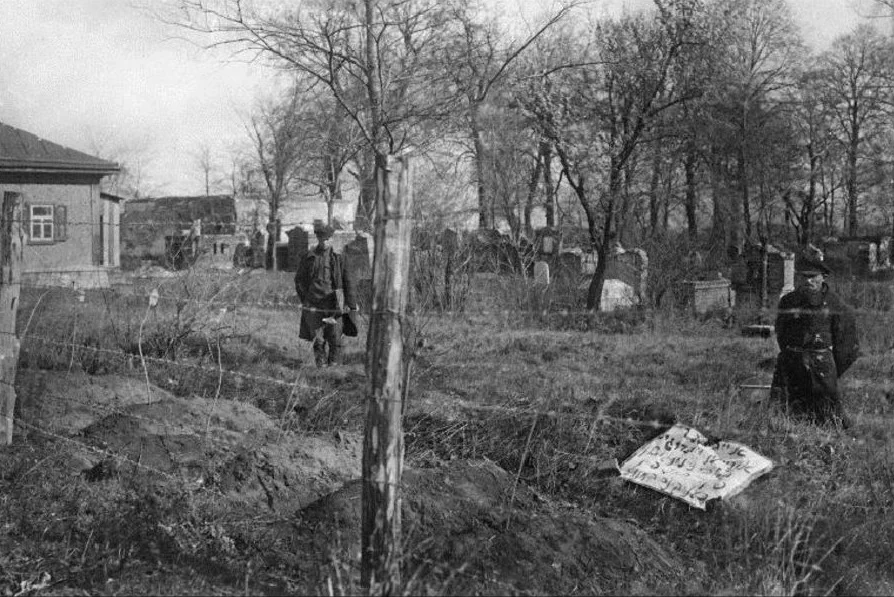
... Separate graves were not allowed Jews to dig, demanding more likely to bury the dead in common graves. When the driven Jews, among whom were fathers, mothers, wives, brothers, sisters and children of the dead, crying, dug holes, the rebels laughed in every way and mocked them, pug them up, did not allow women to cry, threatening weapons. The rebel groups passing by the cemetery at the sight of a funeral singed funny songs. ”
REPORT
From the report of the authorized person in the Cherkassky district of I. Wernik, the central section of assistance to the victims of the victims of the counter -revolution of the NKSR of the Ukrainian SSR for help to the population after the Grigoryevsky pogroms of May 1919:
“By the number of killed and wounded, the first place belongs to Cherkasy. 617 people were registered, the wounded 100 people were registered. And the missing 25 ... left the population only in the clothes that were on it, and this was already removed from the heated population with the 1st Soviet cavalry regiment, which, passing two weeks ago through the place and without what to rob, took off their clothes from the population and left very many in the same laundry.
... In mid -August, Soviet troops left M. Korsun. The last Soviet units passed through the place: some of the Red Army soldiers began to rob the Jewish population, while three murders were committed.
On Sunday, Denikins joined Korsun. The Jewish population crawled out of their Nor. This time, the regiment of the 2nd Terek Plastun brigade entered the place. The soldiers immediately began robberies and murders. Among the others, the rabbi was killed. The pogroms subjected him to terrifying torment: they cut off parts of the body, injected with bayonets and finally stabbed.
... The rabbi decided and went, accompanied by several Jews to the general, the head of the division Markevich. The deputation was forced to wait long ... Rabbi smaller drew the general's attention to the horror-killer horror (during this time 14 murders and rape have already been registered). In particular, Mr. Men insisted on the cessation of the bacchanalia of rape. “Can I forget that the Jewish Commissioner in Rostov killed my mother and my sister? - There was the response of the general. - My soldiers are embittered against the Communists, and all the communists are Jews. We cannot allow the Jewish kingdom in Russia ”...
... Cossacks asked a stereotypical question: "Are you a Jew?" If the Jew declared himself to be Russians, then he was invariably offered to pronounce the word "corn", in order to make sure that he would not rush.
... The Cossacks were intensively helped by volunteers from the local population. One Jew was taken out for the execution and, stripping it, they said: “Run away, Trotsky,” they call the Jews in general Trotsky.
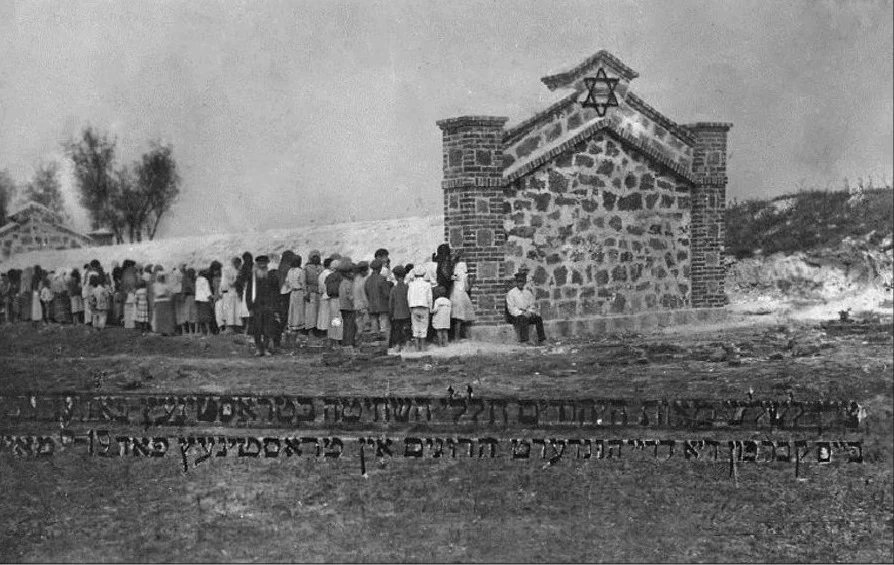
... Cherkasy survived three pogroms: Grigoryevsky (May 16, 1919), Denikinsky (August 17–20, 1919) and the Second Denikinsky (December 1919). The Grigoryevsky pogrom gave the following results: the dead - 617, missing - 25, wounded - over 100. About 2500 apartments and all stores were defeated. The vast majority of the dead are men aged 18 to 25 years. Во время первого деникинского погрома убито 129 чел., раненых — 202, зарегистрировано в еврейском комитете помощи — изнасилованных 84 (по словам врачей, число изнасилованных достигает 400), разгромлено 2178 семейств с общим числом душ 9862. Во время второго деникинского погрома убито 112 чел., сожжено около 80 магазинов и домов. Всего около 900 убитых и свыше 300 раненых. Более подробных сведений о последнем [деникинском] погроме не удалось собрать. В феврале в город ворвались красные партизаны, которые в течение одного часа убили 28 евреев».
SURVEY
Из опросов городского медицинского персонала о пострадавших от добровольческих погромов в г. Черкассы Киевской губ. в декабре 1919 г.:
«Изнасилования носили групповой характер. Насильников было большей частью 3–4 чел. Бывали случаи, когда число насильников доходило до 10–12 чел. на женщину. Случаи индивидуального изнасилования — 1 чел. — были крайне редки.
Так, одну несчастную изнасиловало 12 чел. После этого негодяи заставили мужа пострадавшей в свою очередь совершить половой акт с несчастной жертвой. Казак при этом следил, чтобы не было симуляции. Часто в одном и том же доме насиловали нескольких девушек одновременно, одна группа насиловала в одной комнате одну девушку, другая группа насиловала в следующей комнате другую и т.д. Крики и вопли жертв шли с разных сторон и сливались в один хор. Родителей и хозяев дома в это время обыкновенно избивали…
При входе добровольцев ими было произведено до 66 изнасилований (это официальная, зарегистрированная врачами цифра). При уходе деникинцев было, по предположению доктора, не менее 200 случаев…»
REPORT
Из доклада следственной комиссии о погроме красноармейцами 391-го Таращанского полка РККА в м. Корсунь Каневского уезда Киевской губ. 11–18 мая 1920 г.:
«…Еврейское население м. Корсуня пострадало поголовно в количестве около 500 семейств, а русского — 20 семейств.
В пятницу 14 мая, после ухода поляков из местечка, вошло несколько красноармейцев со стороны р. Рось, которые и начали грабить. Местная охрана задержала двух красноармейцев и повела в штаб 391-го Таращанского полка. По дороге группа красноармейцев разоружила охрану, освободила красноармейцев и стала избивать охрану. После этого в течение пяти дней происходили повальные грабежи, избиения, в которых принимали участие красноармейцы Таращанского полка и местные бандиты».
REFERENCE
Из справки Еврейской общественной комиссии о погромах (Евобщесткома) в Киевской губернии в 1919 г. и в мае 1920 г.:
«…Если патронов мало и пуль жалко, то убивают другими способами. Так, в Проскурове 15 февраля (атаман) Семесенко приказал применять только холодное оружие, и 1600 евреев были убиты в течение четырех часов саблями и штыками. В м. Дубово 13 мая их убивали топорами, а 17 июня пригоняли к подвалу, и двое палачей ударами кривых сабель по голове сваливали их мертвыми или ранеными в погреб… В Фастове в сентябре любимым приемом пластунов-казаков для получения денег было подвешивание, а в Белой Церкви поджаривание на огне… Раны наносятся крайне тяжелые, многочисленные. Раненые редко выживают, громилы обычно добивают их. Поэтому соотношение раненых к убитым гораздо менее, чем на войне. Изнасилование в июне и июле чрезвычайно увеличилось. Врывались иногда специально для насилия над женщинами после того, как ограблено было все до последней нитки. В августе и сентябре без массовых изнасилований и растлений малолетних не обходился ни один набег погромных банд…»
ЗАПИСЬ
Запись начальника городской милиции г. Житомира Аббариуса о действиях польских воинских подразделений в городе с 9 по 12 июня 1920 г.:
«Мы пришли сюда с тем, чтобы избавить вас от ига большевиков, а вы заплатили нам за это пулею в спину», — сказал полковник. «Вот уже третий год уже двадцать пятая власть приходит к нам, — возразил ему остроумно В.Н. Добринский, — с тем, чтобы спасать нас. Одни спасают нас от большевиков, другие от поляков, третьи от Петлюры, и при этом все нас жестоко бьют. Мы же молим судьбу об одном — чтобы нас покинули все наши спасители и предоставили бы нам спасаться нашими собственными силами».
«Подвиги» Первой конной
Осенью 1921 года Красная армия потерпела поражение в советско-польской войне и в панике отступила. 3 октября в Реввоенсовет пришла телеграмма от командира дивизии красного казачества Виталия Примакова. Телеграмма вызвала немедленную реакцию Троцкого, главкома Каменева и военкома Полевого штаба РВСР Данишевского, направивших Реввоенсовету 1-й Конармии требование «проверки донесения начальника 8-й кавалерийской дивизии Примакова о погромах буденновцев».
TELEGRAM
«Вчера и сегодня, — рапортовал Примаков, — через расположение вверенной мне дивизии проходила 6-я дивизия 1-й Конной армии, которая по пути производит массовые грабежи, убийства и погромы. Вчера убито свыше 30 чел., в м. Сальница убит председатель Ревкома и его семейство, в м(естечке) Любар свыше 50 чел. убито. Командный и комиссарский составы не принимают никаких мер. Сейчас в м. Уланов продолжается погром, в котором участвуют три эскадрона 2-й бригады 6-й дивизии 1-й Конармии. Какие будут приказания от Вас: применить ли вооруженную силу по отношению к погромщикам ввиду того, что в погроме принимает участие и командный состав; борьба с погромщиками, очевидно, выльется в форму вооруженного столкновения между моими казаками и буденновцами. Вчера я говорил с начдивом 6-й. Начдив сообщил мне, что военком дивизии и несколько лиц комсостава несколько дней тому назад убиты своими солдатами за расстрел бандитов. Солдатские массы не слушают своих командиров и, по словам начдива, ему больше не подчиняются».
Отбрехаться командованию Первой конной не удалось. 6-ю дивизию расформировали, трибунал в закрытом заседании приговорил сразу 151 бойца и командира к расстрелу (расстреляно более 100). Куда там Бабелю с его «Конармией», которую сам Буденный обвинил в клевете!
СВОДКА
Сводка Евобщесткома о погромах еврейского населения частями 1-й Конной армии в Киевской губернии в начале октября 1920 г.:
- «Вахновка Киевской губ., Липовецкого уезда
2 октября 1920 г. части 6-й кав. дивизии совершили ряд налетов на еврейские квартиры. Погром в полном смысле этого слова начался 3 октября. Солдаты целыми партиями врывались в еврейские дома, требовали денег, грабили, избивали и убивали евреев, рвали священные книги.
Изнасилованы почти все еврейские женщины, не различая возраста. Вечером солдаты подожгли много еврейских домов, не давая тушить пожар. В результате убито 28, тяжело ранено 30, легко ранено ок. 100, сожжено около 20 домов, масса изнасилованных.
Милиция пыталась приостановить погром, но безуспешно.
- м. Самгородок Киевской губ. Бердичевского уезда
В начале октября 1920 г. 6-я дивизия 1-й Конной армии устроила в местечке погром. Начали погром главные силы дивизии, в первый же день ограбившие большую часть еврейских квартир и лавок. В последующие дни солдаты группами совершали налеты на местечко. Во всех еврейских квартирах разбиты стекла, ограблены или сломаны вещи. Кроме грабежей, буденновцы несколько евреев убили. Около 30 женщин изнасиловано, причем сопротивляющихся калечили.
- Спиченцы Киевской губ. Бердичевского уезда
4 октября 1920 г. от проходившей буденновской части отделился отряд человек в 50, который ограбил большую часть еврейского населения, причем двое евреев было убито… Тех, кто пытался бежать из местечка, солдаты ловили и убивали. Был случай, когда несколько женщин, желая избегнуть насилия, бросились в реку. Солдаты вытащили их и изнасиловали. Вообще погром носил крайне жестокий характер. Детям разбивали голову о камни, женщинам отрезали груди и т.п.
Убито несколько десятков чел., изнасиловано более 100 женщин, население совершенно ограблено, дома разгромлены…»
Очевидно, уже тогда дело недопущения в «публичное пространство» компрометирующих материалов о защитниках Отечества было поставлено хорошо. Вот и Реввоенсовет республики лаконично сообщает в Евобщестком о непричастности Красной армии к еврейским погромам: «Несмотря на самые тщательные справки, не было установлено ни одного случая какого бы то ни было отношения Красной армии к еврейским погромам, кроме повсемерной и повседневной агитации и борьбы, производимой частями Красной армии против таковых погромов, организуемых бандами Петлюры, Савинкова и другими бандами зарубежного происхождения».
Обратите внимание: все неприятности у нас — исключительно «зарубежного происхождения». И так — десятилетиями.
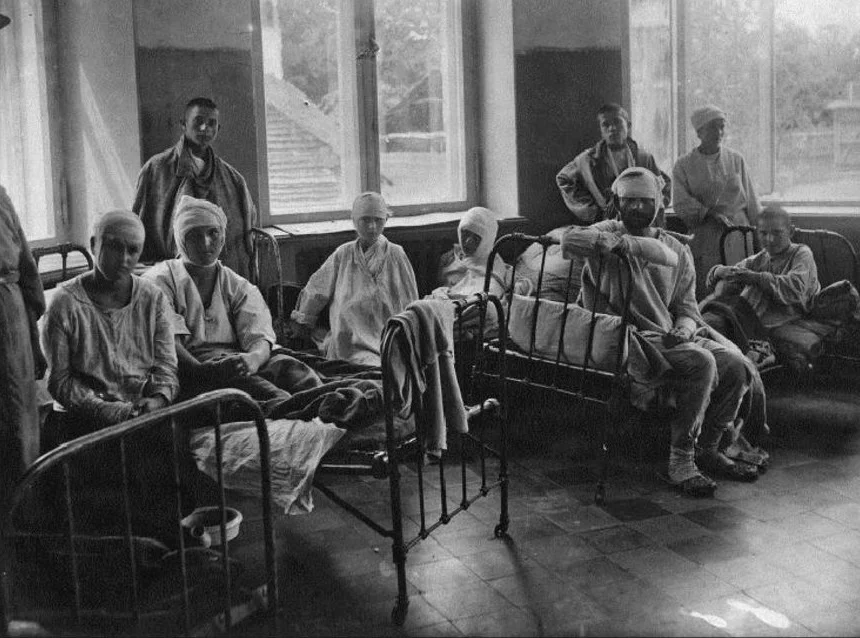
***
Белые, красные, зеленые, петлюровцы, гайдамаки, махновцы… Погромщики!
Точного подсчета жертв, разумеется, нет и не будет. Называют от 100 до 150 тысяч убитыми. Для сравнения: «при царе» в погромах погибло (максимум) около 900 человек. Уровень одичания и совершенных зверств тоже несравним, его рост можно определить словом «катастрофический».
Впрочем, что считать? На каких весах взвешивать?
Еще раз процитирую социолога Левинсона:
«Коль скоро речь идет о состоявшихся погромах, то все они без исключения имели место либо при попустительстве властей, либо при полном безвластии.
Какая ирония истории веет с тех страниц книги, на которых видно, что и деникинская власть, и большевистская в России, и, почитай, все, кто себя провозглашал во главе Украины, выпускали воззвания, приказы и указы, которые в одних и тех же словах декларировали недопустимость насилия над людьми по национальному признаку, их равные права на жизнь и т.п. А повод приводить эти документы в «Книге погромов» тот, что войска всех этих сторон либо сами чинили погромы, либо нарочито попустительствовали погромщикам».