
Translated material
"The European audience does not have enough stories about people who continue to fight in Russia"
Jessica Gorter made a documentary about the case of Yuri Dmitrieva
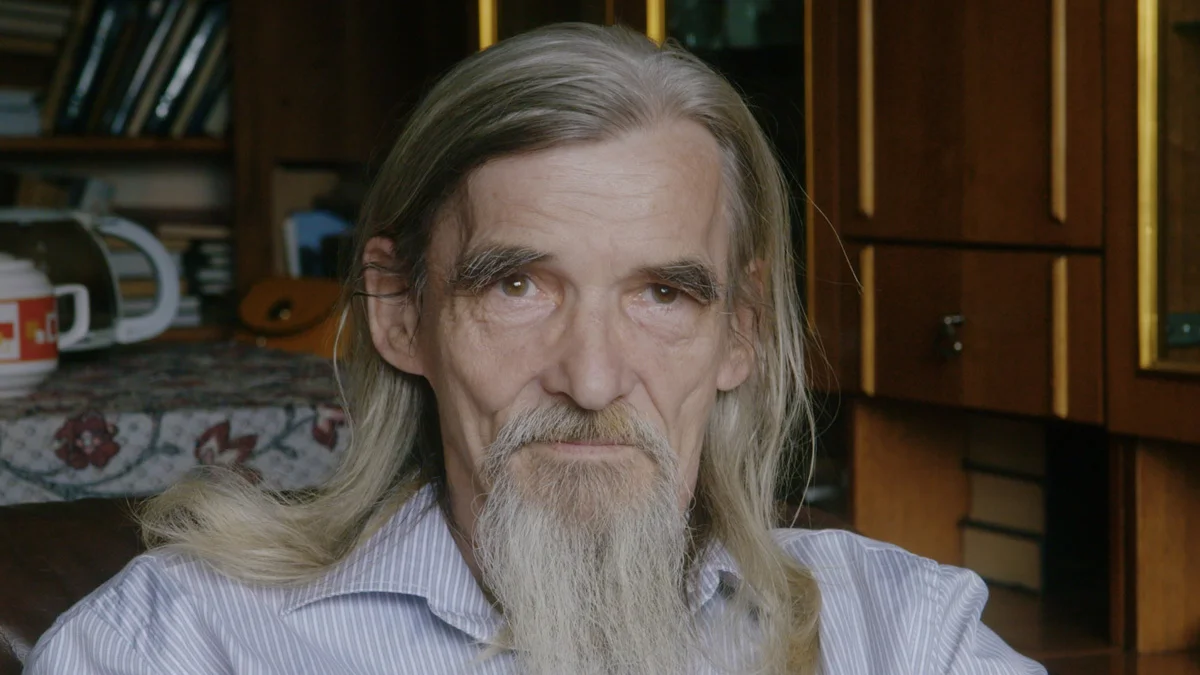
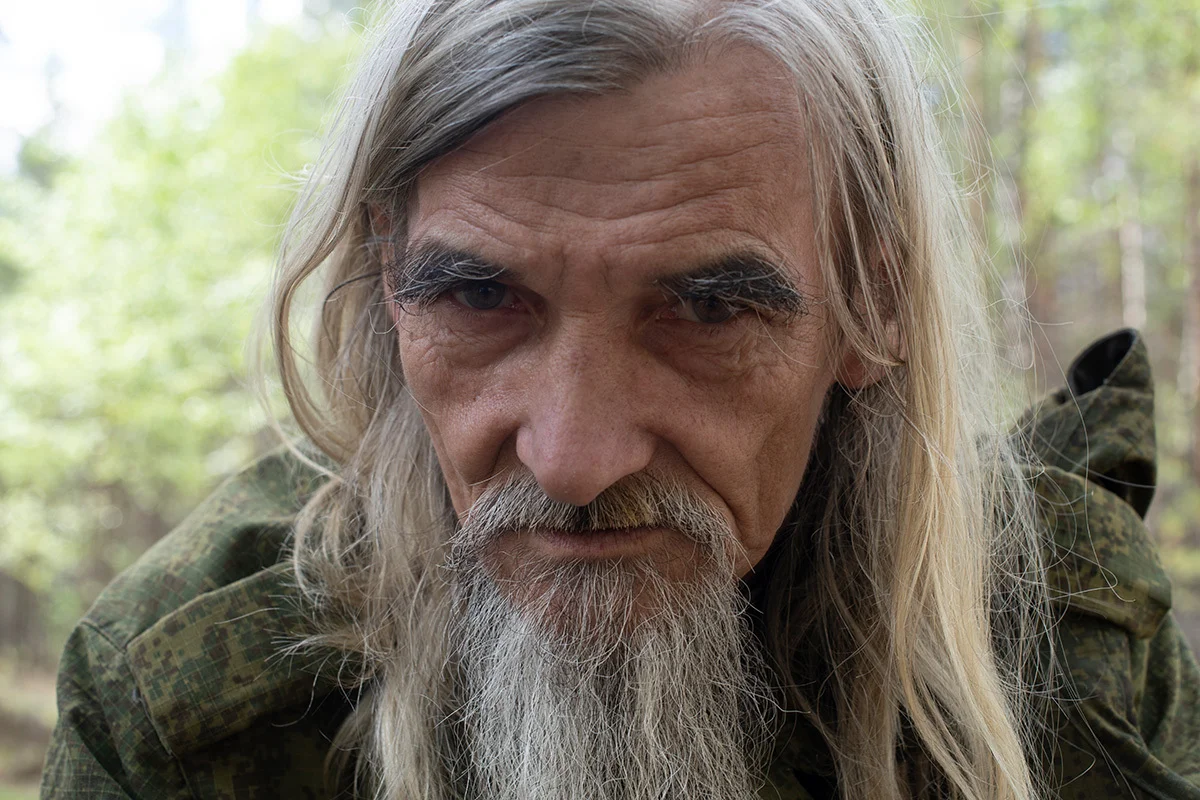
Historian Yuri Dmitriev. Frame from the film by Jessica Gorter "Dmitrieva Case"
In the summer of 2023, in the Netherlands, the film of Jessica Gorter “Dmitriev’s case” was released about the last months of Yuri Dmitriev’s life at large. The historian, human rights activist and head of the Karelian branch of the Memorial was convicted of 15 years in the colony, and the Memorial considers Dmitrieva political prisoner ("Novy-Europe" wrote about the trial). Now the film is actively traveling on large international film scabs and on November 12, 2023 will be shown in New York in the Doc NYC film festival competition program. The film is also nominated for the National Premium of the Netherlands in the category "Best Feature Documentary".
We talked with Jessica Gorter about how she managed to approach Yuri Dmitriev and his family, to capture him recently at large; How to make a movie when your hero is in prison, and why it is important for Europeans to know his story.
Turbulent Russian history, multiple incomplete injuries of the Soviet past, the depreciation of personal tragedy in Russia, the stamina of a particular person before propaganda are the main topics of Jessica Gorter's films. It seems that with each of her film she is trying to answer the questions that she herself arose while working in Russia. “Dmitriev’s case” is the fourth film Gorter, which she shoots in Russia and seems to be the most tragic.
This is a film about a person who has passed with endless dignity to the very end, never frightened. He is not afraid and does not give up now. When I think about the work that Dmitriev did, I get the impression: he seemed to know that he has a short period, during which it is possible and should be able to find out the truth and convey it to those who are especially needed.
Its story is similar to an antique myth: telling the truth about past monstrous atrocities, the hero reconciles the victims with pain of losses.
With his discoveries, he endlessly angers those who continue to do monstrous with the people - both their own and strangers. Soviet lessons in cruelty and the ability to intimidate and humiliate people were not in vain for the current Russian government. Today, the hero, looking for answers and justice, will first be disgraced, and then he will be punished in conclusion. And evil continues to multiply, it only becomes even more inhuman and dodgy.
After the film, there are no illusions. The authorities have not hinted for a long time, but speaks directly: there will be no answers to “uncomfortable” questions about the past and present, asking to bite the tongue and shut up, leave, and it is better to disappear completely.
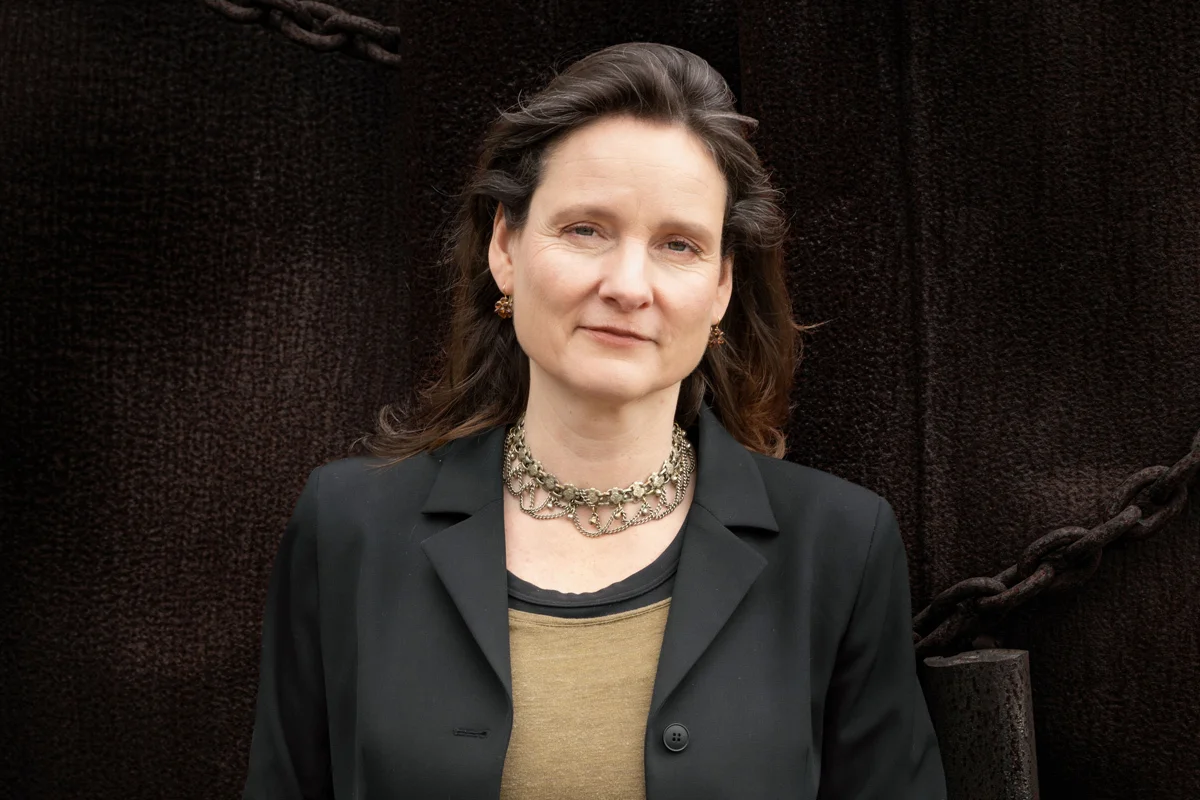
- Our audience will be interested to know how Yuri Dmitriev attracted your attention and when you first realized that you want to tell his story.
-I have made films in Russia since the beginning of the 1990s. My previous film is called the “Red Soul” and explores the reasons for Stalin's inaccurate popularity, despite the fact that 70 years have passed since his death. This is a difficult past in which practically no family avoided repression, should have left deep scars in the lives of the current generations. I was interested in why this piece of history does not cause proper interest in modern Russia and why Stalinism can be again popular in Russian society, not only among older generations.
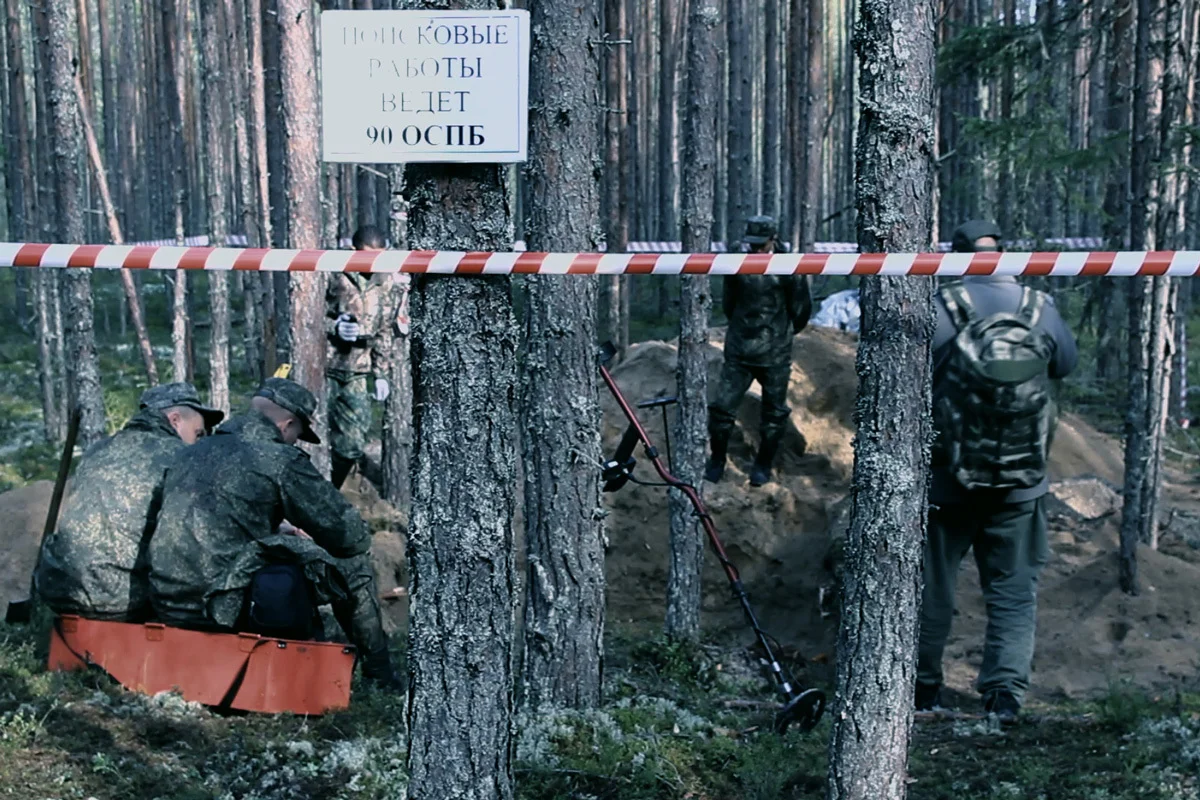
I started traveling around the country and shooting various heroes with a variety of views, origin and life experience. Many people in Russia advised me to contact Yuri Dmitriev, as this man literally dug up the dark secrets of the Stalin past. When I returned to the Netherlands after one of my trips, I decided to contact Yuri and ask him if we can come and shoot him. And Yuri replied: "Well, first I need to get acquainted with the director." I organized a meeting with him through Skype. Yuri was always busy, and only at midnight he had time for me. This conversation happened between us. My Russian is imperfect: I understand, but I say badly. But in some miraculous way we talked for two hours. We could easily find a common language. We had a very interesting conversation. It was fun. Yuri sat in his large leather chair, and after 2 hours agreed to act.
- In what year it was?
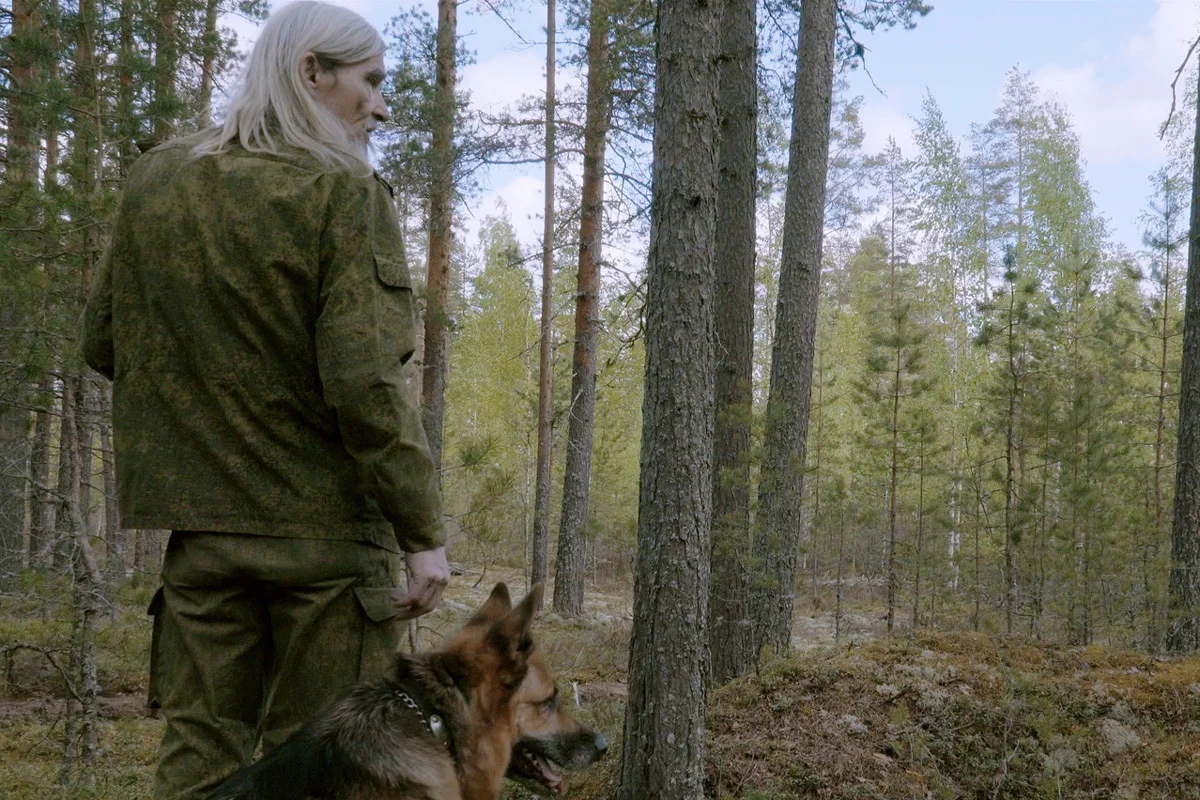
- It was in early 2016. Then in May 2016 I took my film crew to start shooting Yuri. Both I and my operator were immediately amazed at him - Dmitriev walked through the forest with his long gray beard, his shepherd walked nearby.
He looked quite exotic, but this was not the main reason for our interest: we were really struck by his work.
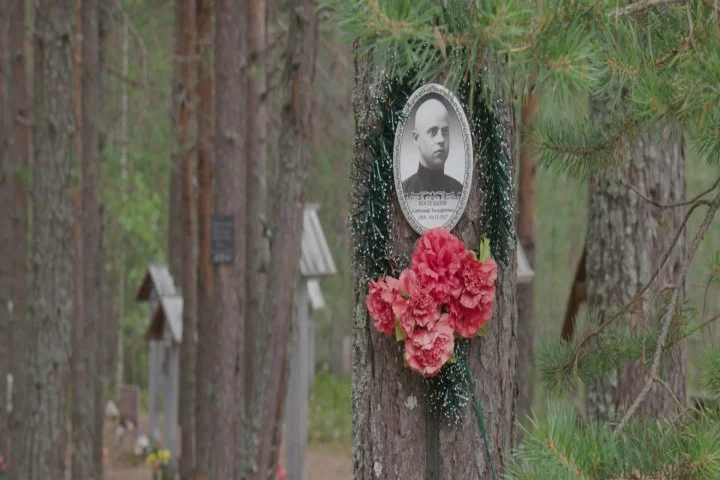
I have worked in Russia over the past 20 years, and I saw how the process of reconciliation with the past began in the 1990s after the start of perestroika, how it was possible to talk and write about the gulag and horrors that took place during the time of communism. A sense of hope for a better future was in the air, despite difficult times, especially economically difficult. Apparently, many terrible things really became available to the public, and people began to deal with the traumatic issues of the past. People began to read books, there were many discussions, films were shot, programs were created about what happened. Archives opened. But then slowly, gradually everything slowed down and began to move in the opposite direction. But contrary to everything, Yuri Dmitriev was still striving for what he believed, and it was important not only for him personally, but for the whole country. He literally dug the past. Yuri was tiredly looking for the names and mass graves of people who were secretly killed during the great terror - so that relatives finally find out what happened to their relatives then. He helped people reconcile with the past and cope with the collective injury. It was this, according to Dmitriev, that could help Russian society become better. This point of view seemed amazingly important to me.
In 2016, we shot more than needed. So my intuition prompted; A feeling of the absolute need for these filming was in the air right in the air. Traveling around the country, I felt how Russia was closing. People have become more suspicious than before. The nuts twisted, there was more fear. But I did not suspect that everything would happen so cruelly and so soon. Yuri has always been much more pessimistic and clearly foresaw terrible changes. Talking to us about his life, he made several prophetic statements. When we said goodbye, I told Yuri that I would like to return to make a separate film about him and his work after I finish the “Red Soul”. And then Yuri said: "Of course, come back, but I'm not sure that you will catch me." I was embarrassed and asked: "What do you mean?" And then he replied: "You know, they follow me." Six months later, when I was in the installation, completing the “Red Soul”, they called me and said that Yuri was arrested.
“Then you realized that you need to shoot about him?”
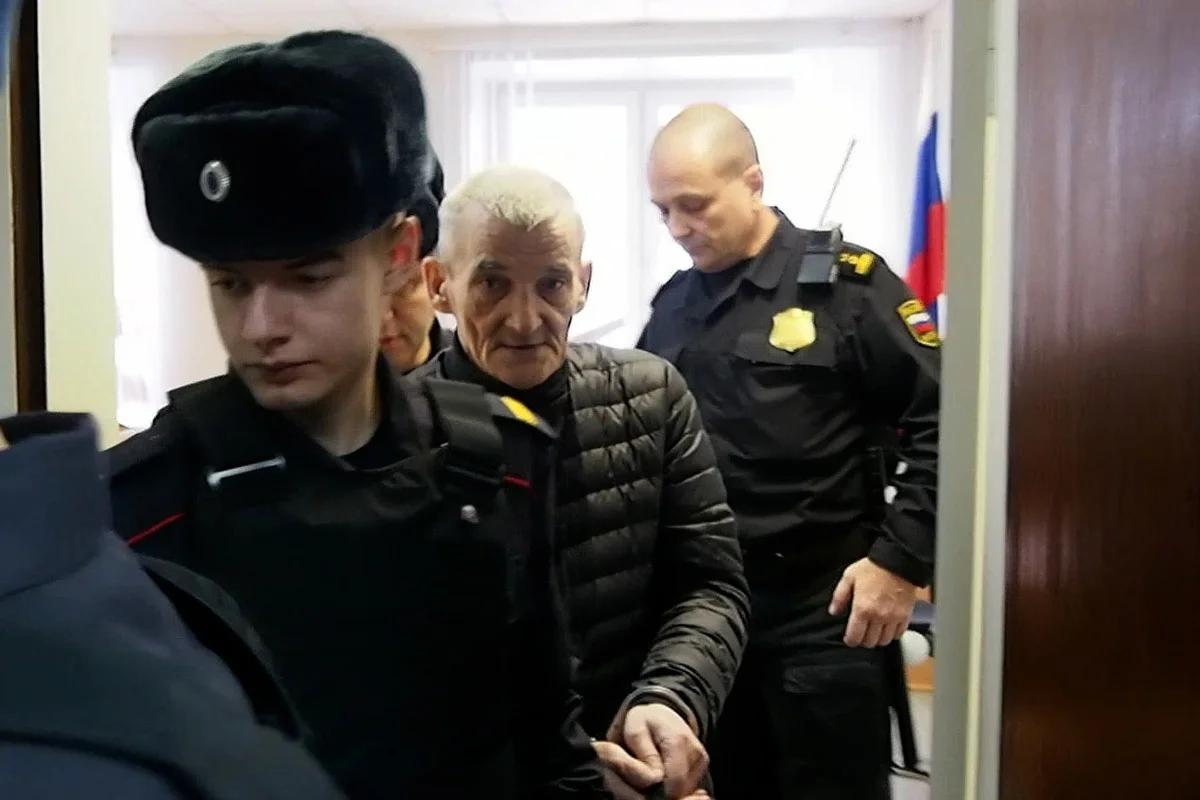
- It was at the time when they called me that I realized that I was really obliged to make this film. I learned a lot about Russia while working in the country. And having this knowledge, I understood that I had no other choice, I just felt that I needed to shoot - and see where this story would lead. An anonymous complaint came to Dmitriev that he allegedly shot pornographic photos of his adopted daughter. A few weeks after his arrest, news on Russian television began to appear. According to the intonations of leading on television, according to how this was presented, it seemed that everything was built against him, that he was guilty and the case did not require additional investigation. But unexpectedly, Yuri was fully justified in the First Court.
The Memorial also got into the news as an organization where Yuri Dmitriev worked. It was presented as an organization that receives support from abroad and “denigrates” the history of Russia and its people.
The Memorial was already recognized as a foreign agent. Yuri Dmitriev was the head of the local branch of Memorial in Karelia. And then he was accused of pedophilia.
- The archives that you used in the film are amazing.
-Yes, especially archives with young Dmitriev from the 1990s, the viewer can easily recognize him. This is terribly touching, because Yuri is absolutely the same. Just the color of the hair has changed.
- Personnel from the opening of the monument in Sandarmokh are very valuable. 1998. In the crowd, we see people who carry the Ukrainian flag; At this moment, it is not easy to restrain tears. And then this turn happens in your film-and we see a scene with soldiers and military-historical society, and how they try to get rid of historical evidence.
- Yes, it was in 2018.
- Soldiers notice traces and try to create a new history of Russia. It is impossible not to compare with the current events. Let's get back to the archives: I wonder how you found them? Was these the archives of the "memorial" or private?
- You mentioned the Ukrainian flag. This is important to note. Yuri discovered many Ukrainians. Ukrainians, but, in my opinion, most of all there were Poles. In total, if I am not mistaken, there were 56 nationalities. Before the annexation of Crimea by Russia, a large delegation from Ukraine annually came to Sandarmokh to honor the memory of its compatriots who died there. This is Dmitriev’s direct merit that this memorial has appeared.
I received archives from various sources, but the main archive that you ask about is belongs to the "memorial." Also, some archives were provided to me by participants in the events, they themselves shot. I contacted these people. Some of them asked not to publish their names, but I want to notice that they all generously shared their materials. I tried to show different times. The film has an excerpt from the painting “The White Sea-Baltic Water Way” (1932) directed by Alexander Lemberg-it was a propaganda film of the thirties. The director shows how wonderful this project was, not mentioning anything about the victims. People from Solovki and Gulag built a canal in extremely difficult conditions. Many died there.
I decided to use several personnel from this film because it was shot in the same area where Yuri worked - I wanted to give an idea of the past.
- You had a rare chance to look into the everyday life of Yuri Dmitriev, to see his life from different sides: how he lives, what he eats and how he behaves in different situations. A striking close observation. We see how he raises his daughter, see how they walk together and how he teaches her to see things correctly.
- Indeed, I was lucky. I had a truly unique access. We immediately found a common language. I successfully passed his test in Skype (laughs) . We spent a week with my film crew in May 2016 by Yuri. After that, I maintained contact with him through Skype. Then he was arrested. A year later, Yuri was released on bail and could be at home before the sentence. I realized that I needed to go there - since the prosecutors demanded 9 years in a maximum security colony, it could be the last week when Yuri was free. Intuition suggested that taking the entire film crew is dangerous. I went alone with my camera. I spent a week in his house before the sentence. In a sense, it became part of his family. More precisely, partly about the losha family, the communities of people who supported him at this difficult moment. It was an amazing experience for me. All independent media that remained in Russia were there. "New Gazeta", "Rain", "Radio Liberty" and others. Friends, colleagues from Memorial, were all in his apartment before the sentence. Dmitry Bykov also came to take an interview from Yuri Dmitriev. Then I still did not know who it was. But I saw how everyone gathered around him and carefully listened to Bykov’s conversation with Dmitriev. So I just thought: “Well, I don’t know who it is, but I need to take it off. This is interesting".
- The scene with the advent of Bykov is quite funny. And his conversation, and the questions that he asks. From his interaction with Yuri you understand a lot.
- That week I also met a local journalist. He wrote and shot for independent media about the Dmitriev case. It seemed to me that he had a good look. Of course, he shot in a journalistic style. His shootings were very short. But he knew how to communicate with people and was close to Katya (the eldest daughter of Yuri Dmitriev) and her family.
At the end of the week, to universal surprise, Yuri was justified. Freedom did not last long, new charges appeared, and he again ended up in prison. It was then that I began to think that it was necessary to shoot his family more. But Kovid began, and I could not return. In addition, the political situation became more and more intense every day. Therefore, I decided to call that journalist and ask him to continue our shooting. And he agreed. My operator and I began to train him remotely. We conducted a quick course of directing and shooting with him. It took a lot of time, but he quickly studied. Ultimately, he took off an important part, for example, when the dog Yuri died.
- This little personal tragedy is symbolic for the film. It is impossible to imagine Yuri without his dog. And her death became a sign. It was not easy for me to look at it, but at the same time I endlessly admired Katya and how she coped with the whole situation around her father, his arrest and death of the dog.
- Katya is a cheerful girl, but a real fighter. She faced serious consequences due to the decision of her father to take the mission of a human rights activist. She just had no choice. Katya may sometimes disagree with her father, but she did truly significant things.
- I was delighted with the dignity with which Yuri passes through everything. How he accepts his fate, how realistic he is in relation to his future and future of the country. It is amazing that in this situation, Yuri is able to joke. Your film is not just a portrait of a rare, outstanding person with all his principles and faith, you showed a whole era, this is a historical document. How did you look for money - the Netherlands Film Fund immediately supported you?
- I work with the same producer already on my third film. We are very close to cooperate. I introduced him my idea, and he immediately agreed, realized that this film needed to be made. The topic corresponded to the previous films that we made together. Despite the fact that we did not know how history would end, it was clear: behind the fate of Yuri Dmitriev, there is a global story about how the Russian state was erasing memory, rewriting history and treating its own citizens. We quickly collected the budget.
- It is very difficult to make a film when your main character is in prison. Material in different formats, removed different operators. When the installation began - in parallel or when did you finish shooting?
- No one knew what was happening with the lawsuit, Yuri was still in jail. In previous films, I had much more control over filming. This film is completely different. I had to work with what was shot. After we removed the death of the dog, I realized that it was time to start the installation, because I needed to understand the structure of the film. Katarina Varten was an editor. She understands the form very well. Often the rhythm of the films that it mounts resembles a musical work. In addition, she masterfully tells complex stories. We had a diverse material and a difficult story with many plot lines. And for me, as a director, it was important to show a lot more through this microcosm: what people who decided to fight within Russia are going and with. Why what happened in Sandarmokh is unknown in the world. As Russian history, perhaps, is not exactly repeated, but everything that happened in the thirties remained unexplored. The fact that there was no reconciliation with the past, and why it so strongly affects what is happening today.
Installation took a lot of time. At first in the film was my own sunbathing voice. But then I realized that no matter how exciting, interesting or poetic, I would sound, it did not matter - my voice threw the viewer out of history. I removed the sunbathing text, and after I realized that it was I who needed to be finished in order to complete the story.
I asked Yuri's best friend to read some of his letters that he wrote from prison. Then everything turned out.
- He reads Dmitriev’s letters emotionally. You feel their friendly connection, connection and support within this special community in Russia. Could you meet Dmitriev in prison?
- Unfortunately no. But Katya visited him. Katya watched the film, and she was very pleased with them. My film is probably support for her and her children.
“Do you know where Natasha is now, the daughter of Yuri, and how does she feel?”
- Unfortunately no. Nothing is known, because the case is still ongoing. All I can say is that she is also a victim of this system.
- How did the Dutch audience perceive the film?
- The film distribution in the Netherlands began in the summer, before our world premiere at the Krakow International Film Festival. The reaction was amazing. Фильм был очень хорошо воспринят прессой, было огромное количество публикаций. Я почувствовала, что европейской аудитории не хватает историй о людях, которые продолжают бороться внутри России. Они никогда не понимали, какая на самом деле ситуация в России. Просто не задумывались. Некоторые даже сказали мне, что после фильма были разочарованы собой, тем, что они видели Россию и всех русских как врагов. Они поняли, насколько непросто бороться с авторитарным режимом. Увидели, что есть очень смелые люди, которые не сдаются и о которых мы, к сожалению, мало слышим.