
Translated material
Save civilization
Vladimir Pastukhov* - About whether it is possible to unite Russia without the help of bureaucracy on new conditions and with new purposes
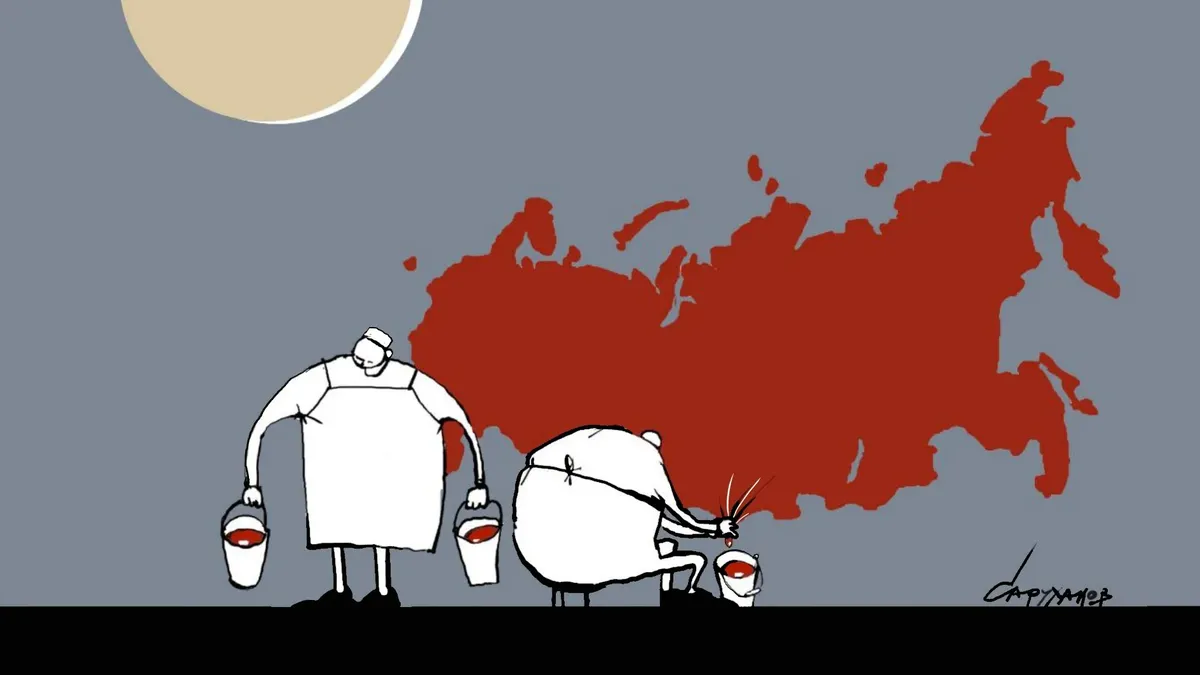
Peter Sarukhanov / "New Gazeta"
18+. This material (information) was produced, distributed and (or) sent by foreign agent Pastukhov Vladimir Borisovich or concerns the activities of foreign agent Pastukhov Vladimir Borisovich
It seems to me that the majority of the “rescue of Russia” are not “crazy” for this country today are not “crazy about this country” today.
Her historical experience indicates that only the most fantastic, most odious plans were often successful in it. And, on the contrary, all the “normal”, “reasonable” and “balanced” ideas here failed with a bang, remaining only notes in the draft of Russian history. In this regard, I wanted to pay attention to the script, who was bored in the stuffy hall of the anatomical theater, seeming quite crazy to be a sales in Russia.
I. Here is your grandmother and rose from the knees ...
I was always surprised that the criticism of Putinism was mainly conducted on two sides: either from the standpoint of humanism (he is also liberalism, democracy, constitutionalism and all the same good), or from the standpoint of Black -Hundred chauvinism, which in a strange way believes that everything is done correctly, but not enough. In my opinion, most of all questions to Putinism should arise in normal Russian nationalism, and it was on the line that Putin designated today as a priority for himself: Russian civilization, the Russian world, the fate of Russian culture and even sovereignty with independence.
Instead of continuing to build its civilizational path, offering itself as a highway between the East and West, North and South, the Kremlin tickles Russia to the Chinese plan of global expansion.
The fact that in Russia for 20 years, instead of investing in development, they put money in a cube, half of which was stupidly lost, and half pierced in Ukraine, says a lot. They did not develop, because for all 20 years they were preparing to attack, saved up for a rainy day and did not even hide it. On the contrary, they were proud. Black day and got in the end. And there is no neoliberal wisdom in the financial policy of Kudrin, but there is a service policy of the vizier who served the phobias of the regime, delaying “funeral money”. They eventually became funeral in the literal sense of the word.
In terms of destructive consequences, this policy is comparable only with the tragedy of China, which, in the framework of bureaucratic optimization, destroyed its entire fleet on the eve of the era of great geographical discoveries. This predetermined the degradation of China to the level of the west colony for several centuries. But, God have mercy, it is not necessary to cosplay imperial China to such an extent. And for what? To become a colony of that very China by the middle of the 21st century? Here you have a grandmother and rose from the knees ...
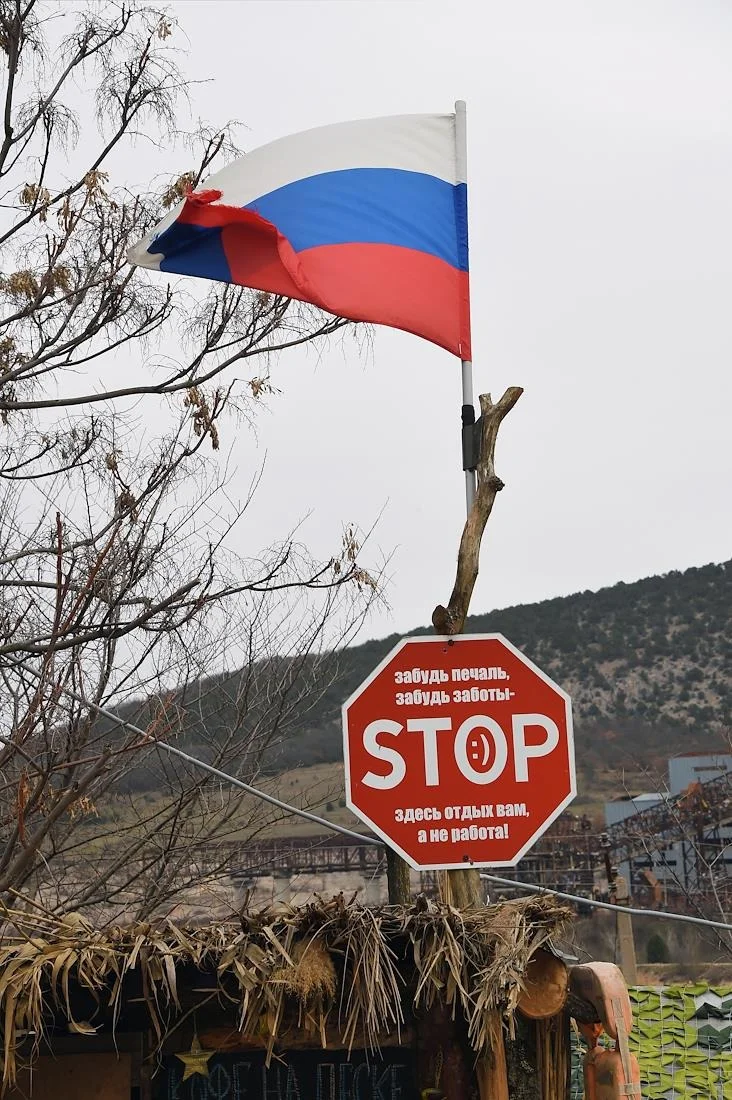
II. Historical corkscrew
In fairness, it must be admitted that Russia's troubles began much earlier than Putin appeared on the stage. Moreover, he therefore appeared on the stage that Russia was already in trouble before him. Already at the beginning of the 20th century, Russian civilization experienced a deep crisis, the consequence, and not at all the cause of which was just a revolution, shocked not only in Russia, but the whole world. This crisis has acquired the systemic character in the last quarter of the XIX - the first quarter of the 20th century and has not stopped since then.
The regime that arose on the crest of this revolution seemed to many - and not only in Russia - a civilizational decision, but was actually a “civilizational pocket”, in which Russia was lost for 70 years. As a result, at the end of the 20th century, the crisis showed himself with a vengeance and led to the collapse of the “transit” Soviet empire. Since its fundamental reasons were never eliminated, it continued with acceleration and after reformatting the USSR to Russia, "falling" in the end under Putin that we are now observing.
The systemic crisis of Russian civilization began long before Putin, and, unfortunately, with the departure of Putin from the historical scene, it will not end, but may even accelerate.
Another thing is that this crisis can be tried to overcome, but you can aggravate, and Putin is clearly not about overcoming.
Putin’s historical role will be evaluated not by how he managed to consolidate power around him, but by the people around the authorities, but by how exactly he took advantage of this almost unlimited power in the interests of the people. Not Putin put us all on a plane that broke into a historical corkscrew. In general, he was only one of us, who were on this unhappy side. Together with us, at first he enjoyed the sweetness of zero gravity for ten years, which some took for freedom, and also shocked with us when overloads began. But then by some draft he was carried into the cockpit of the pilot, and he turned out to be in the role of Kamikadze. Well, sooner or later the helm will be in the hands of another kamikadze, but how to align the liner and get Russia out of the corkscrew?
III. Request for salvation and spoiler of the answer
Or maybe there is no crisis and all these are fiction? What can you answer? You can be proud of the period of Russian history, which is so colorfully described in the Medinsky textbook, or horrified by it, you can argue for a long time about definitions, calling the disease health and vice versa, but there is one extremely simple criterion indicating the dynamics of this crisis, - demography. Over the past 100 years in Russia, demographic changes have occurred mainly in one direction: a total population decline, ahead of the decline in the Russian population itself (title ethnic group), ahead of the decline and degradation of Russian elites (mainly due to continuous wars and repressions). That is, at least a demographic crisis in Russia should be recognized as a fact that is not subject to contesting.
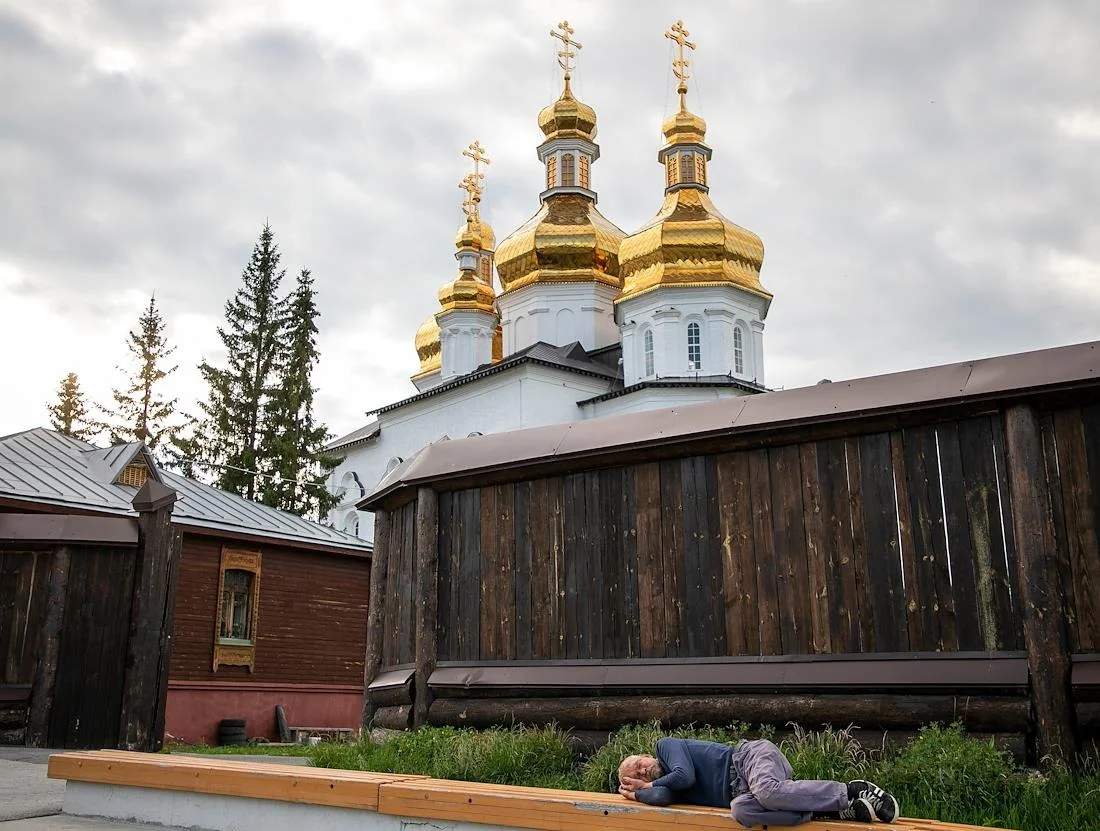
Why is the demographic crisis in Russia directly related to the civilizational crisis (in general, this is an optional relationship)? Because from the moment of its occurrence and up to today, Russian civilization has been and remains extensive, that is, developing due to continuous, often territorial expansion, for which constant outerbing growth of the population is needed. The crisis of Russian civilization is, first of all, the crisis of its usual historical being. Losing the population, it can no longer develop in the same way. And not only because she rested from all sides on other civilizations, which develop faster and more aggressive than it itself, but also because the quantitative and qualitative degradation of the title ethnic group does not allow Russia to hold and normally develop the territories already available.
The Russian civilization, experiencing chronic population shortage, begins to compress. This resembles the evolution of a dull star losing energy: when the plasma energy ends, at first a sharp expansion (Soviet empire) occurs, which is replaced by the same sharp and catastrophic compression (post-communist Russia), which, most likely, ends with the transformation of Russia into some “red dwarf” or even into a “black hole”. The only way to save the civilization at this dramatic stage of its evolution is to find a new source of energy and restart the engine. Everything else is futile attempts to deceive themselves and others, doomed to failure even when they seem promising and give a short -term effect.
Subconsciously, society guesses how deep the crisis is, and therefore, regarding the “Russian world”, there really exists not formulated in the rational terms “request for salvation”.
But who is looking for, offering, or at least discussing these new sources of power, new meanings and new ways to develop Russian civilization among the Russian opposition? Almost no one. It is not surprising that no opposition program finds mass support among the population. And who is imitating this search today, constantly talks about the civilizational threat and the salvation of the Russian world? Putin. It is not surprising, therefore, that his pseudo-resort program is still massive support and understanding among the essential part of the same population.
Putin gives a false, but a simple and understandable answer to the question of what will save Russia. And this answer is a military man. And for lack of other intelligible answers, he is accepted as the only possible and correct. That is, Putin sells Russia to the old civilization at a new price, giving out old, outlined ideas for innovative ones.
IV. Siberia - Russian civilization engine
The evolution of Russian civilization over the past 500 years has occurred mainly due to the protrusion of the “geopolitical hernia”. Being a model of extensive development and not having the opportunity to significantly advance to the West, Russia was “squeezed out” out along the line of the least resistance, that is, in the eastern and southeastern directions. In a more poetic language, it grew Siberia. Siberia and the Far East, and not Ukraine at all are the main stabilizer of Russian civilization. It is this giant “hernia bag” that gave and gives Russia unique stability.
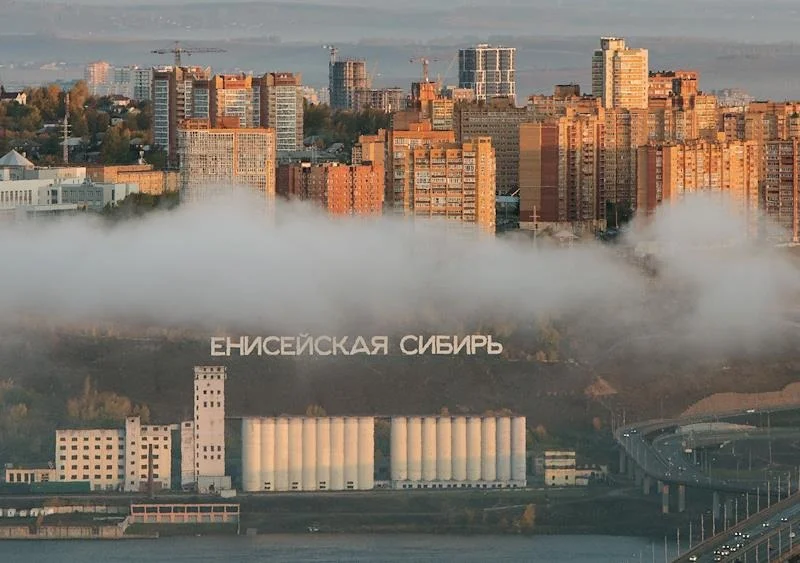
NB1: At this place you need to pause. One of the most stable myths of our time, to my great surprise, equally widespread both within Russia and in Europe (most often I heard it in the university circles of Britain), is the myth of the sacred role for the Russian Empire (and, accordingly, for Russian civilization) of Ukraine. Like, Ukraine is a sacred Grail, having lost which Russia will cease to exist as an empire or even exist altogether.
It is difficult for me to understand the origins of this strange error, and even more so, it is difficult for me to find any rational arguments that protect this thesis. As far as I can imagine, Brzezinsky and Solzhenitsyn are the direct inspirers of this hypothesis. They are so different, but still in this they are together. In fact, Ukraine does not play any system -forming role for the existence of Russian civilization. All these are the prooferens of the Soviet consciousness, accelerated by the "Versailles syndrome." Unlike Siberia and the Far East.
... It is in Siberia and in the Far East that all truly existential risks are concentrated for Russia today, and they are not associated with the pressure of the West, but with the formation of a new world center of force (China, Japan, Korea). This is not about the war or economic expansion of China, although in principle they cannot be excluded. But, frankly, there is no need for them.
Siberia and the Far East themselves will be slowly, but steadily and at the same time completely naturally switching to new “external” centers of attraction only because their connection with Moscow, stagnated in their European “graters”, will degrade.
For the normal functioning of Russian civilization, strong China today poses a threat to the very fact of its existence. He will not have to do anything, and in 50–70 years everything will happen by itself. But if Russia does not do anything, then it will lose control (actual) over these territories, which will inevitably lead to the loss of its civilizational identity. It was necessary to possess the rare historical blindness in order to lead to such a geopolitical adventure as military operations in Ukraine, with the prevailing configuration of forces.
Giving a comprehensive assessment of Putin’s era, I have to state that at first Russia in 2014 exchanged Crimea throughout Ukraine, and then in 2022 exchanged all Ukraine for Siberia and the Far East. Here is such a chain of non -excessive exchanges. But if nothing can be done with the first exchange - the past is the past, then for the second one can still compete. It is Siberia and the Far East that are the bridgehead that can allow Russian civilization to gain a second wind. Lomonosov was right, although and could not foresee all the details.
Putin did a lot in order to “drag” the capital or at least part of the capital's functions to his native Petersburg. But that water flowed and this action, even if it had succeeded, would not have any historical meaning.
Another thing is Siberia. In November 1994, I and Vadim Tsymbursky held a seminar in Shaninka, at which they considered the model of the transfer of the capital of Russia to Novosibirsk as an incentive for the formation of new geopolitical orientations. Then it was a kind of cheerful game of young frolicing minds. From the height of today, this is seen with a gloomy proactive utopia. Only the achievement of the quality of civilizational “superproofing”, in which the communication of the East and West through Russian Eurasia will be more preferable than through the notorious Chinese “one path”, provides the Russian civilization with a chance of survival in the long run.
V. From civilization-fever to civilization-intermediary
Is it possible to do something else to save Russian civilization, or is it doomed? Theoretically, there is a chance of salvation, but its implementation in practice seems extremely difficult. If there are two, if not three, powerful civilizations, competing, each of which surpasses Russia in its resources, the latter can only be preserved only in a completely new quality-as a civilization that makes itself a necessary link in global inter-cyvision interaction. If it is impossible to impose your game, you must competently integrate into someone else's game on decent conditions. But how?
In one of the stories of Victoria Tokareva, an emigrant with experience, teaching a young artist who wanted to flee from the USSR to the west at all costs, so that “just revenge floors” said: “All the brooms are born here!” Unfortunately, today in the world all “civilization brooms” have long been distributed. To get into the civilizational Premier League, Russia, if it is at least three times by democracy, you will have to work hard, pushing competitors with elbows. The situation is complicated by the fact that in addition to the usual competition from the West, which occasionally aggravated by joining the west, Russia encounters powerful players in the rapidly growing east. There was no such combination of historical challenges before.
For this transformation from civilization-severity to civilization-intermediary, the most important prerequisite is to preserve effective and balanced interaction with all competing civilization platforms. And that is why it is not explained by anything except the narrow egoist interests of St. Petersburg (in the broad sense of the word) of the clan, the conflict with the West and the course on self -isolation in relation to the West are a suicidal strategy for the future Russian world.
However, all this has already been described in literature. As Henry Bolenry, young Abigal Churchill said, "if a large state intends to win a small state, then a small state is doomed, but if two large states intend to win a small state, then a small state has a chance." This also applies to civilizations.
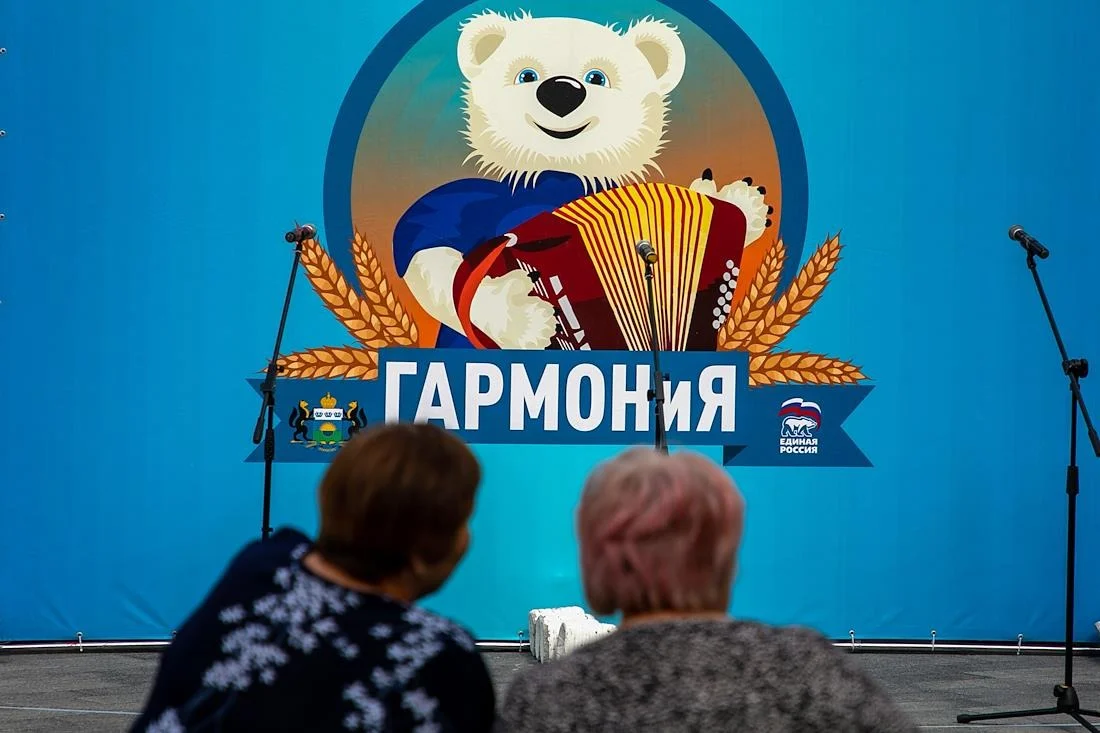
VI. Alternative civilization of the city of Kitezh
When all the illusions of Putin's restoration disappears, the historical truth will appear before Russia in all its terrifying nudity: the method by which Russian civilization has developed over five hundred years has completely exhausted itself. And if so, then the answer to the question: to be or not to be Russian civilization? - It will depend exclusively on its ability or inability to reincarnate, that is, to the radical and uncompromising redeeming of itself. More radical, for example, than the Bolshevik coup, which in fact turned out to be a “turning over” of the empire “fur inside”.
But what does it mean? You can’t just take and become others just because I really want to. This does not happen. To rebuild yourself on fundamentally different grounds from scratch is utopia. Calling to this is the same as becoming a hero of the joke about Filin, who advised the hares to become hedgehogs to escape from the fox. But there is one good news. This place is not entirely empty. At its origins, Russian civilization potentially planned two development lines, each of which promised to be successful. Subsequently, however, only one model turned out to be in demand, and the second became another Russian “hail whale” and went to the bottom of historical memory as an unrealized opportunity. Therefore, we are not talking about the construction of a new-fashioned historical line, but about the restoration of a forgotten tradition. Paradoxically, the salvation of Russian civilization can be a return to the lost roots, but only much deeper buried and therefore more fundamental than those roots that the authors of the new short course of the history of Russia managed to finish.
In the 15th century, the Great Russian nationality stood at the fork of two roads. One led to Muscovy, to the state, which several centuries later, one of the Russian emperors, according to the existing apocrypha, defined as a “military power”, the meaning of which is the threat to the world. This road, in fact, has gone historical development, we know its bends and bumps in all the smallest details.
Но был и другой путь, о котором если и вспоминают, то нехотя и пренебрежительно. Этот путь пролегал через Тверское княжество и через Северную Русь (Великий Новгород и Псков), ее многочисленные торговые города-республики. По сути, речь идет о двух моделях колонизации: «Руси Ермака» (сценарий военно-коммерческой колонизации) и «Руси Никитина» (сценарий цивильно-коммерческой колонизации). Справедливости ради необходимо признать, что для успешной торговой колонизации в ту эпоху было мало шансов, что доказывается, в том числе, коммерческой несостоятельностью проекта Афанасия Никитина. Но это не значит, что потенциал для такой колонизации отсутствовал вовсе.
Изворотливость, адаптивность, инициативность русского торгового класса даже сегодня, пятьсот лет спустя, производит впечатление.
Сейчас, когда пространство для силовой экспансии русской цивилизации стало крайне ограниченным и любые попытки вернуться на эту стезю лишь приводят к катастрофическому и бесперспективному изничтожению ресурсов, обращение к доселе недоиспользованному альтернативному методу, к той другой составляющей русской культуры, которую реформы Ивана Грозного и Петра Первого маргинализировали, видится почти единственным шансом на продление исторического бытия русского мира.
Если русские хотят сохранить свое единое культурное и политическое пространство, они должны продемонстрировать такую же выдающуюся способность торговать (в широком смысле — взаимодействовать) с другими мирами, которую до этого они демонстрировали в основном только в умении завоевывать иные миры. Но это совершенно другой тип цивилизации, чем тот, к которому они привыкли; принципы его организации не просто отличаются от принципов организации русского мира за последние 500 лет, но и прямо противоположны ему. Россия будущего либо будет неузнаваемой, либо ее не будет.
VII. Сказка о потерянном времени для затерянного мира
Итак, допустим, русские переосмыслили все, что с ними произошло, причем не за последние 40, а за последние 400 лет, увидели себя в историческом зеркале в полный рост, ужаснулись, отшатнулись и решили «стать ежиками». What next?
Если вбить в поисковик вопрос о том, во сколько России уже обошлась военная кампания в Украине, то заслуживающим доверие выглядит ответ: 167 млрд долларов США. Думаю, что расходы даже выше, но возьмем эти цифры за базовые. Запомнив эту цифру, посмотрим на проблему с другой стороны. Тоннель под Беринговым проливом, соединяющий Россию с Америкой, обошелся бы в 65 млрд долларов. Мост, связывающий материк с Сахалином, стоил бы 30 млрд долларов, а следующий, связывающий Сахалин с Японией, — еще 50 млрд долларов. Железнодорожная ветка, связывающая существующие магистрали с Беринговым проливом, обошлась бы еще в 30 млрд долларов. То есть все вместе как раз столько, сколько режим уже отдал на военные цели, у которой конца-края не видно. И это я еще молчу о тех трехстах миллиардах долларов, замороженных на западных счетах, которые, как я считаю, в Россию, скорее всего, не вернутся.
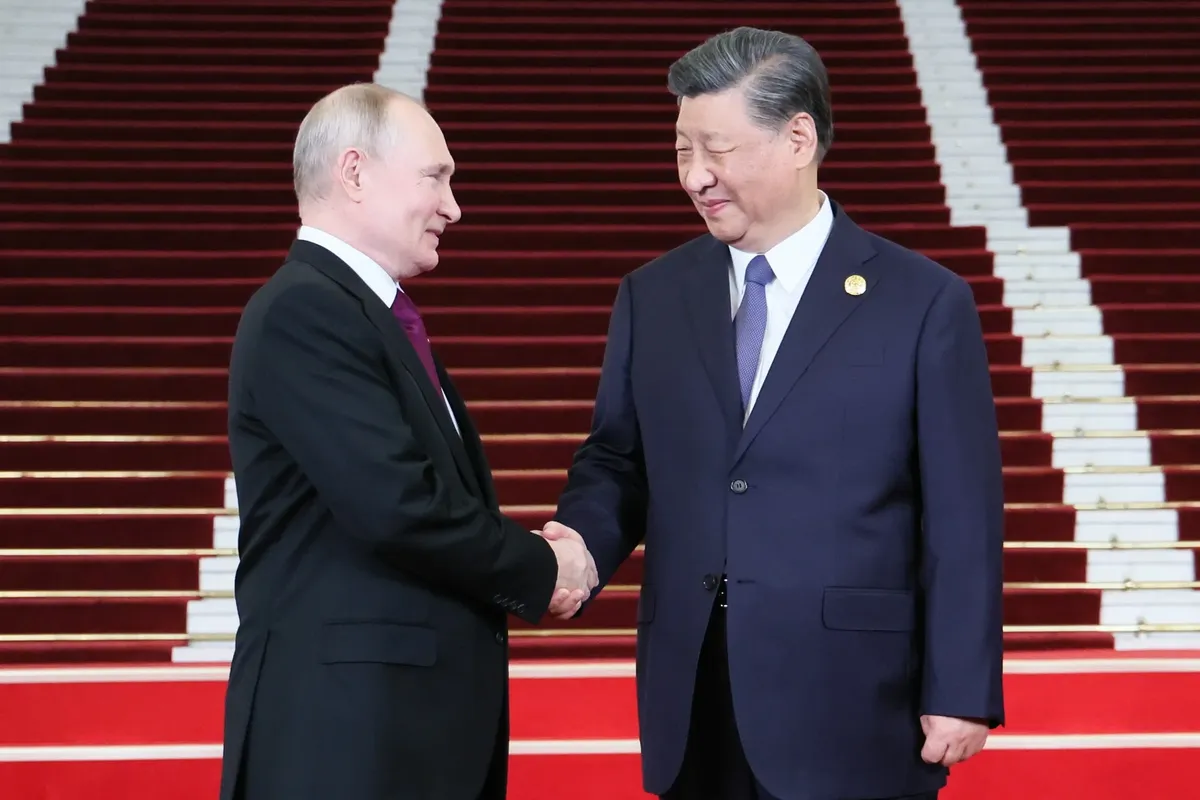
Мало того что эти проекты изменили бы не только облик Сибири и Дальнего Востока, но и всей России, они-то как раз и дали бы русской цивилизации шанс на выживание даже в условиях демографического кризиса. Как нетрудно понять — это ее единственный шанс: быть цивилизацией-посредником. И да, в этом качестве Россия — прямой конкурент Китая, который выстраивает свой «один путь». Ведь потому и один только путь, что все другие Китай уничтожит. И поэтому, когда
Си обнимает Путина в Пекине, он таким образом душит будущее России как цивилизации в своих объятиях.
Тут необходимо уточнить, что я собираюсь писать не о том, что русские на самом деле будут делать (это мы как раз, к сожалению, неплохо представляем), а о том, что они могли бы сделать теоретически, чтобы сохраниться как цивилизация. Даже на этот вопрос ответить непросто, потому что положение России сейчас очень сложное, и, чтобы реализовать запрос на спасение, русским придется пройти сквозь очень узкое историческое сито, которое до этого многих и не таких «великих» оставило за бортом.
Таким образом, первое условие самосохранения русской цивилизации — перестать сжигать себя в топке военных действий. Остальные условия должны быть надстройкой над этим базисом.
VIII. Инструкция по восстановлению цивилизаций
Русский мир сегодня, как поврежденный файл, — он где-то существует, но доступ к нему утрачен. Я бы свел «необходимое и достаточное» для восстановления доступа к русской цивилизации к пяти простым шагам:
- Во-первых, придется прекратить гражданскую войну и устроить всеобщее «прощеное воскресенье», потому что «ежиками» можно стать либо всем вместе, либо никак. Военных преступников вроде тех, что убили семью в Волновахе, будут, конечно, судить, но в целом и бывшие ветераны боевых действий, и бывшие борцы с режимом должны будут научиться жить в одной норе. Единственное условие — все принимают новые правила игры. И, конечно, так выйдет, что очень многие последние станут первыми, как это ни противно. С этим придется жить.
NB2: Я хорошо понимаю, какое отторжение этот первый шаг вызывает у обеих сторон противостояния, и поэтому готов здесь сделать еще одну паузу в изложении, чтобы прояснить свою позицию. Все войны заканчиваются, кроме гражданских. Эти могут продолжаться бесконечно. И главная причина в том, что победа одной стороны в гражданском противостоянии означает не его прекращение, а его развитие. Просто доминанты меняются местами.
И чем оглушительней победа, тем глубже становится гражданский конфликт и тем больше насилия требуется со стороны государства для его подавления. Это замкнутый круг, выход из которого один — компромисс между идеологическими врагами. Но не беспринципный компромисс, а компромисс на основе признания определенных принципов как незыблемых. В конце концов, и Лени Рифеншталь продолжала снимать фильмы о природе после поражения нацизма, и Карл Шмитт продолжал преподавать конституционное право, несколько сотен тысяч членов творческих союзов нацистской Германии тоже не улетели на Луну, а продолжили заниматься своим делом. Для меня достаточно того, чтобы Соловьев не мог заниматься пропагандой в том виде, в котором он сейчас ею занимается. Видеть его «распятым» не обязательно. На то есть высший суд.
* …Во-вторых, потребуется заново учиться со всеми дружить и всем улыбаться, хоть это даже еще противней, чем улыбаться самим себе. Когда нельзя задушить военной силой (а к этому моменту станет окончательно понятно, что нельзя), остается одно — душить в объятиях. Учиться ладить со всеми, всем быть нужными, всем полезными и со всеми отзывчивыми, ну прямо как Пригожин в Кремле, пока был жив (шутка). И со всеми — значит, со всеми, поэтому не надо стремглав бросаться от Китая в Америку и от Турции в Европу. Надо и старое вернуть, и новое не растерять.
В-третьих, для посредничества нужно создать инфраструктуру. Я начал эту серию постов с гипотезы о том, что за уже уплаченную цену военной операции Россия могла бы приобрести существенную часть того технологического «интерфейса», который необходим ей для полноценного использования тех цивилизационных преимуществ, которые предоставляет ей ее географическое положение. Для этого, прежде всего, требуется «прорубить» новое «окно в Европу», но уже не на Западе, а на Востоке, через США, Японию и Южную Корею.
В-четвертых, все эти новые «входы-выходы» из России окажутся в лучшем случае прожорливыми и бесполезными «белыми слонами», а в худшем — «отвязками», отцепляющими Сибирь и Дальний Восток от европейской России и пристегивающими их к чужим берегам, если втрое больших ресурсов не будет потрачено на создание инфраструктуры, соединяющей обе части России в единый логистический хаб. Россия не сможет долго существовать в форме гантели, где Восток и Запад соединены лишь тонким перешейком Транссиба.
В-пятых — и это, пожалуй, самое главное — необходима новая политическая сервисная система для обслуживания этой новой сложной инфраструктуры. Очень часто можно услышать сегодня: «А зачем России демократия, федерализм, правовое государство? Баловство это». И действительно, незачем, если Россия остается военной цивилизацией. Более того, такой России это только во вред. Но другой России, сформированной вокруг другой цивилизационной парадигмы — не военной, а торговой, — без этого сложного интерфейса не выжить. Нынешняя «вертикаль власти» не способна обслуживать столь сложный механизм, каким является цивилизация-посредник.
Один большой утопист когда-то написал, что все предшествующие исторические формации лишь усиливали государство как машину насилия, в то время как в рамках предлагаемой им утопии предполагается эту машину уничтожить.
Написал и создал систему государственного насилия, равной которой человечество на тот момент еще не знало. Я буду осторожнее в выражениях и обещаниях, чтобы не попасть впросак, как упомянутый мною утопист. Все, что мы знали о государственном единстве русского народа до этого, сводилось к идее объединения народа в единое целое при помощи московской (в течение трехсот лет — питерской) бюрократии. Политическая задача, которую предстоит решить по ходу «цивилизационного разворота», сводится к тому, чтобы заменить бюрократическую иерархию Москвы в качестве основы русского единства консенсусом местных элит, подобрав для этого подходящий политический формат. Эта задача сопоставима по сложности с петровскими и большевистскими реформами, но это не значит, что она теоретически не имеет решения.
Вы еще хотите спасать русскую цивилизацию или проще все-таки уйти вместе с ней на дно, причитая, проклиная, взывая, обличая, сочувствуя — но ничего не делая?..