
Translated material
"I was afraid every day." To Europe through St. Petersburg: Refugees Stories
Ukrainian refugees continue to travel from occupied territories to the European Union through Russia. According to the volunteers who help them, there are now more so -called "heavy shoots" - elderly, sick people go to their previously left children. The correspondent of North. Realia recorded several stories of refugees, which were helped by volunteers. The names of those who leave were changed for their safety purposes, since everyone has relatives in the occupied territories.
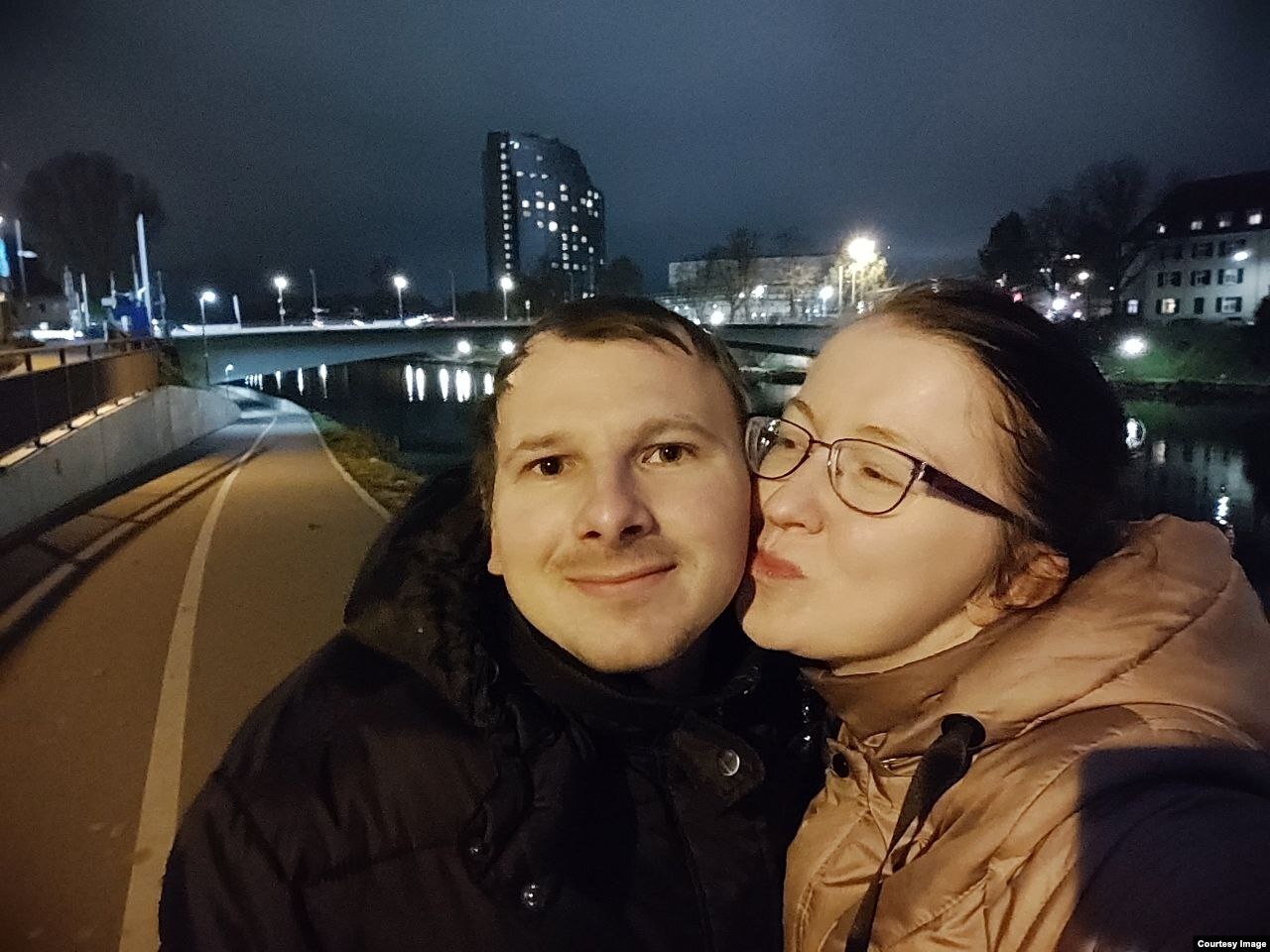
Victoria and Vladimir Shishkin now live in Germany. If Russia had not attacked Ukraine, they would have lived in their native Mariupol, and their son would have been for a year and seven months. But their child was killed by Russia.
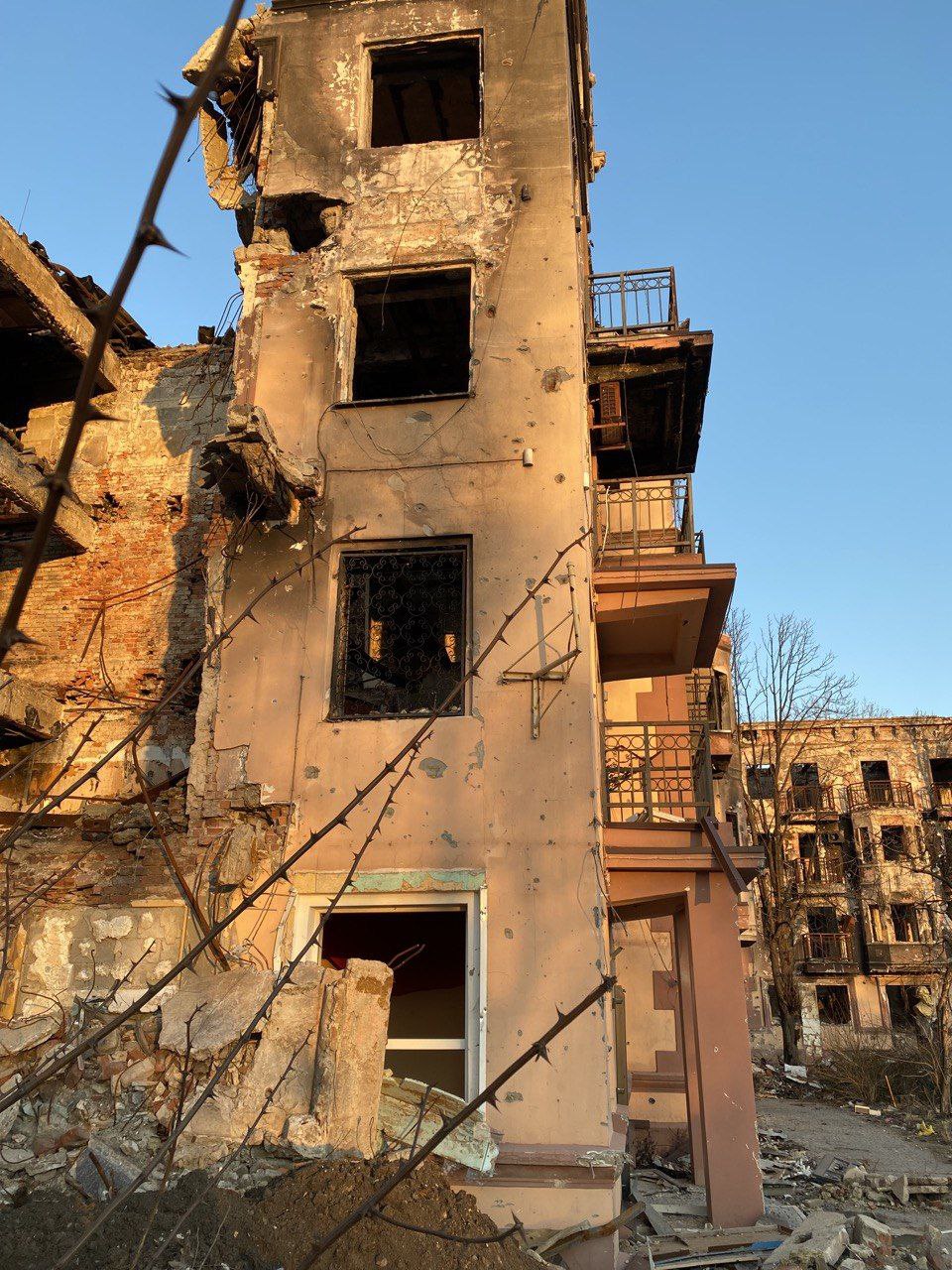
Vika and Volodya really wanted the baby. Several years ago, in 2019, Vika failed to maintain pregnancy at a rather late period-at the 21st week, so in 2022 they put on conservation. There was a 37th week of pregnancy. Vika at that time was 37 years old, her husband Volodya 32.
First, she was put in the perinatal center of Mariupol - the first hospital, in the same place she met a message about the beginning of the war.
“We were evacuated from the perinatal center on February 25, since there was no light there,” Vika recalls. - They brought to the hospital number three, where I was until March 9th.
Left -bank maternity hospital. The Russian blow to it was on March 9, Russian propagandists claimed that the Russian Military District was in the Ukrainian military, and all the injured women were stolen actresses. Vika was at the epicenter of the blow, the fragments excreted her legs and arms, and one of them hit the stomach right and killed her child.
- On the eighth of March it went quietly - no shootings. And the weather was sunny. Ninth day everyone was resting. All this happened suddenly. We had heard before that the plane flew, I threw off the bomb somewhere ... We waited with bated breath-where, close or not close. It became clear after a few seconds. And this arrival is just a “boom”, and everything turned out like a house of cards, everything turned out [from the usual places]. I was still conscious, and then, when I was scooped up from under these rubble, I chopped off because I lost a lot of blood, ”said Vika.
Vika, along with other injured women, was pulled out from under the rubble and taken to another hospital, to the basement, where they urgently operated on the light of flashlights from mobile phones. The child died, in fact, her unborn boy weighing 3700 g and a height of 55 centimeters took upon himself a blow and saved the life of the mother. Vika, when I woke up, found the strength to look at the dead baby. She was shown Taurus, she said that she looked like a husband ...
I was still conscious, and then, when I was scooped up from under these rubble, I chopped off, because I lost a lot of blood
In the basement lay operated, women in labor, who had just given birth to women and their babies.
- So it was hollowed, these arrivals are the feeling that they knock on the wall: “Boom, boom”. And also a hellish cold, the cold cold, we are all shaking in the corridors, and from all sides “boom, boom”, the walls are shaking. You sleep in clothes, from the cold thirty -three blankets, you will be covered with everyone, but still shakes from the cold. I thought we would not get out of the basement. The situation oppressed, such thoughts climbed into the head: and if it falls asleep? In the basement, one could hear the wind whistling. Where we lay together with the girl after the operation, so there it was so whistling and blew, and it all seemed that they would fill us with all, ”Vika recalled. - But at least we saw the light through the gap, distinguished us when day, evening and night, - there was complete darkness in the corridors. The generator was turned on three times a day for an hour: at nine in the morning, from two to three days and eight in the evening to nine to charge phones, lanterns, and at least drink warm tea. Then there was an arrival, it hit the generator. Some man from neighboring houses brought the old generator, from which it smelled very much as diesel fuel. They cooked to eat on the street under bombing, the cook was stunned by the arrival nearby. Water is a separate nightmare: collected from pipes, snow, rain, which they did not drink. At first, someone else could say “I don’t drink the technical”, and then it was no longer to choose, and the word “wash” was not even pronounced. Neither wash nor wash, wet wipes - this is already good. You will remember all this - it does not fit in your head.
Volodya the next day, March 10, went to visit Vika, he did not know about the tragedy. On the way, he fell under fire, was seriously wounded in the leg, which in the end had to be amputated as high as possible. Moreover, amputations were carried out in parts, as the condition worsens. He was treated in Russia already, in St. Petersburg, where volunteers who transported Ukrainians to the European Union took the family. There, in St. Petersburg, he was healing wounds and Vika.
It is worth noting that it is very difficult to organize the treatment of people who are not Russian citizens, and in this Volodya and Vika, like other wounded Ukrainian refugees, a whole chain of volunteers helped: some agreed with doctors, others collected money, others were looking for housing, the fourth arranged the necessary life. Negotiations with European clinics, paperwork, buying tickets, and volunteers also engaged in fees on the road.
In the summer of last year, the couple, again with the help of volunteers, left Russia, their path lay in Germany, to the Bundeswehr clinic in the city of Ulm in the federal land of Baden-Württemberg.
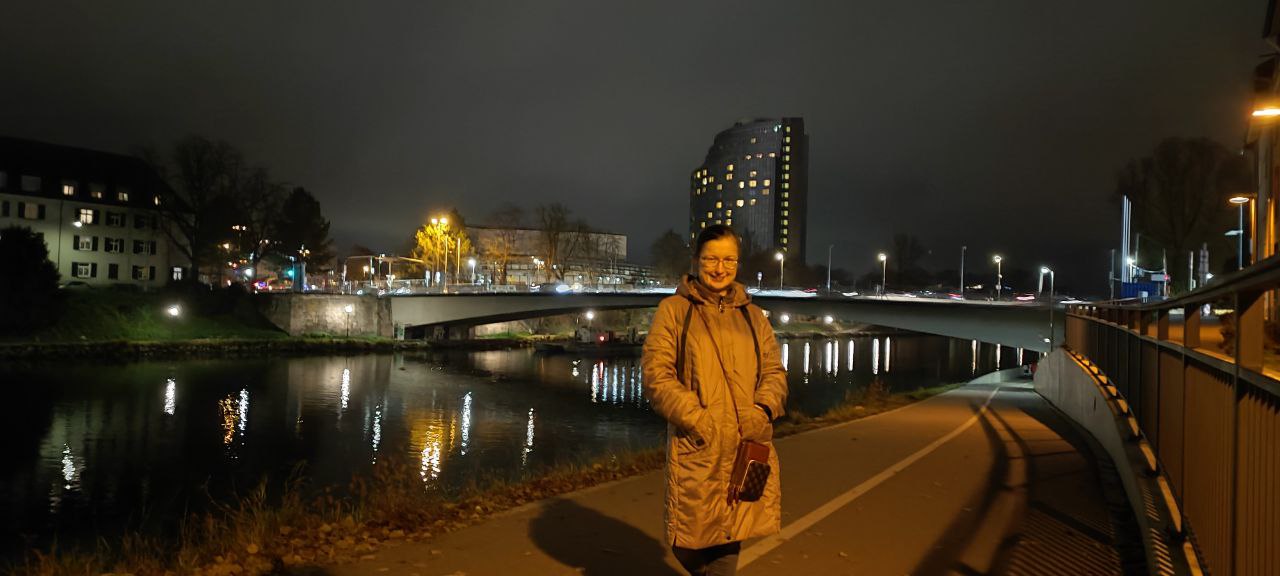
The apartment was provided and pays for the employment center Ulma.
“The volunteers gathered furniture and dishes, they made comfort - everything is so beautiful and good,” Volodya said in December last year.
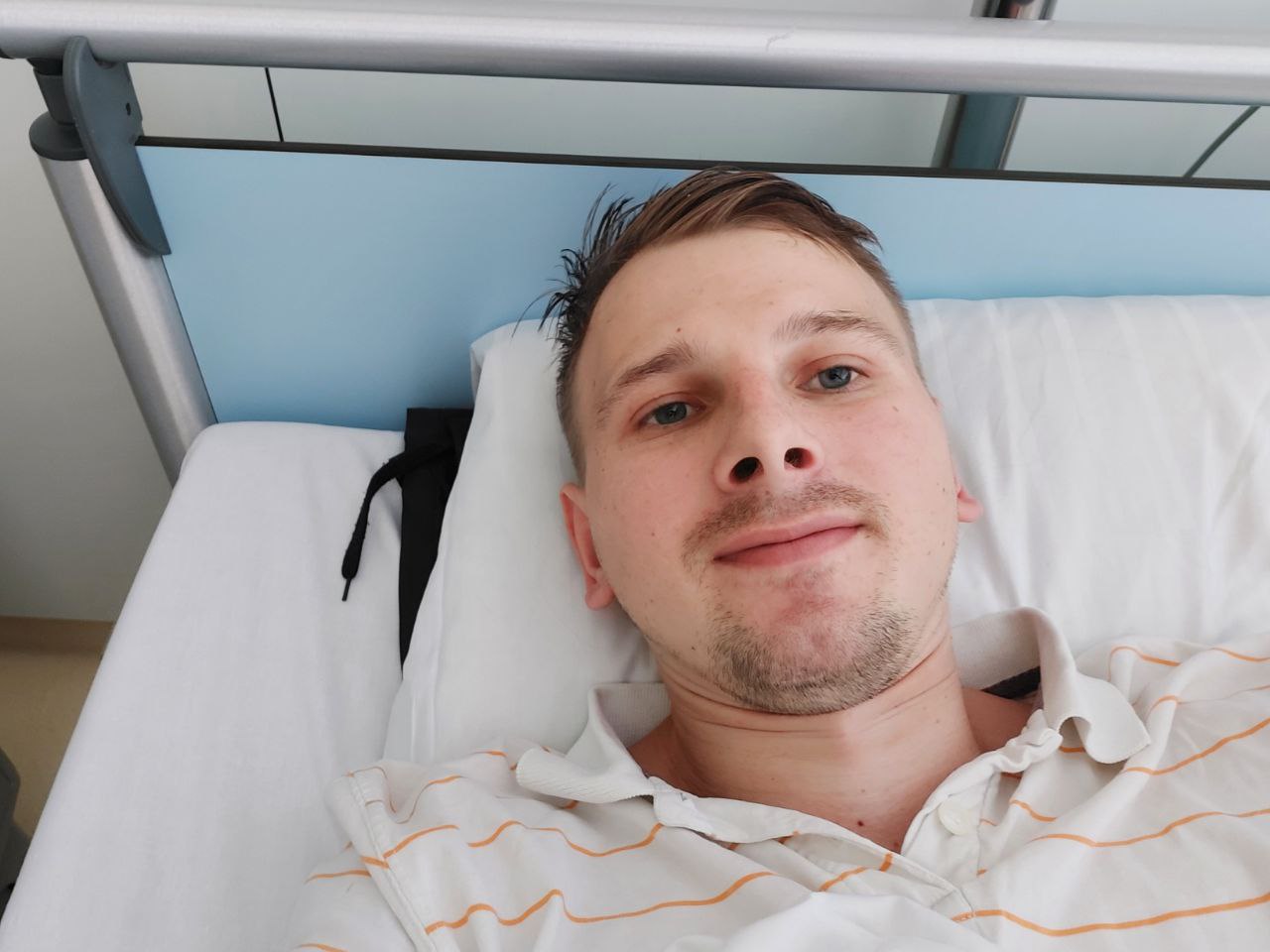
In the clinic, he underwent several more complex operations. Only recently, at the end of the summer of 2023, he began to learn to walk on a prosthesis - and this is a very difficult process.
“It is very difficult to learn how to walk correctly, to keep balance, this is such a great very difficult work,” says Volodya. - This is both physical activity, both moral and psychological. I’m not used to walking with a prosthesis, it is very heavy, but I train every day, I think that the brain will get used to the prosthesis and I will walk well and feel completely confident.
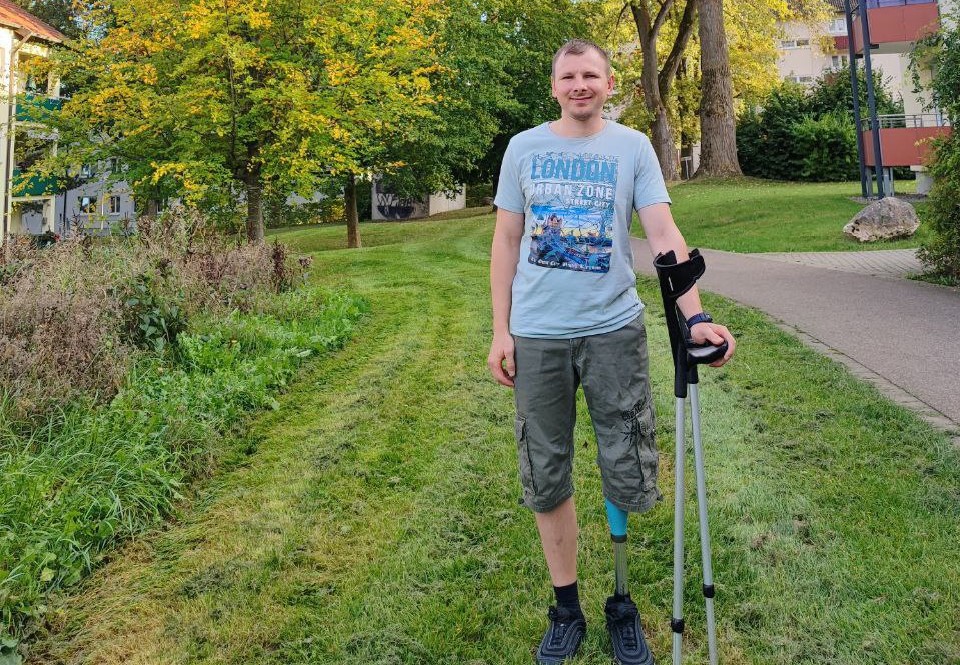
“I am engaged in my health, Vova trains every day,” Vika said the other day to the correspondent of the North. Realiy.
-Slowly we are moving further, we have a lot of things, and there is not enough time. We are still studying the German language now, we had an exam, but we have not yet passed it, so we will need to train and train again, again from November. Germany provides us: pays benefits, medical insurance and housing for us are free. We are very grateful to them, here we feel real protection.
Vika and Volodya do not give up in the main thing - they hope to become parents. They love and support each other in everything.
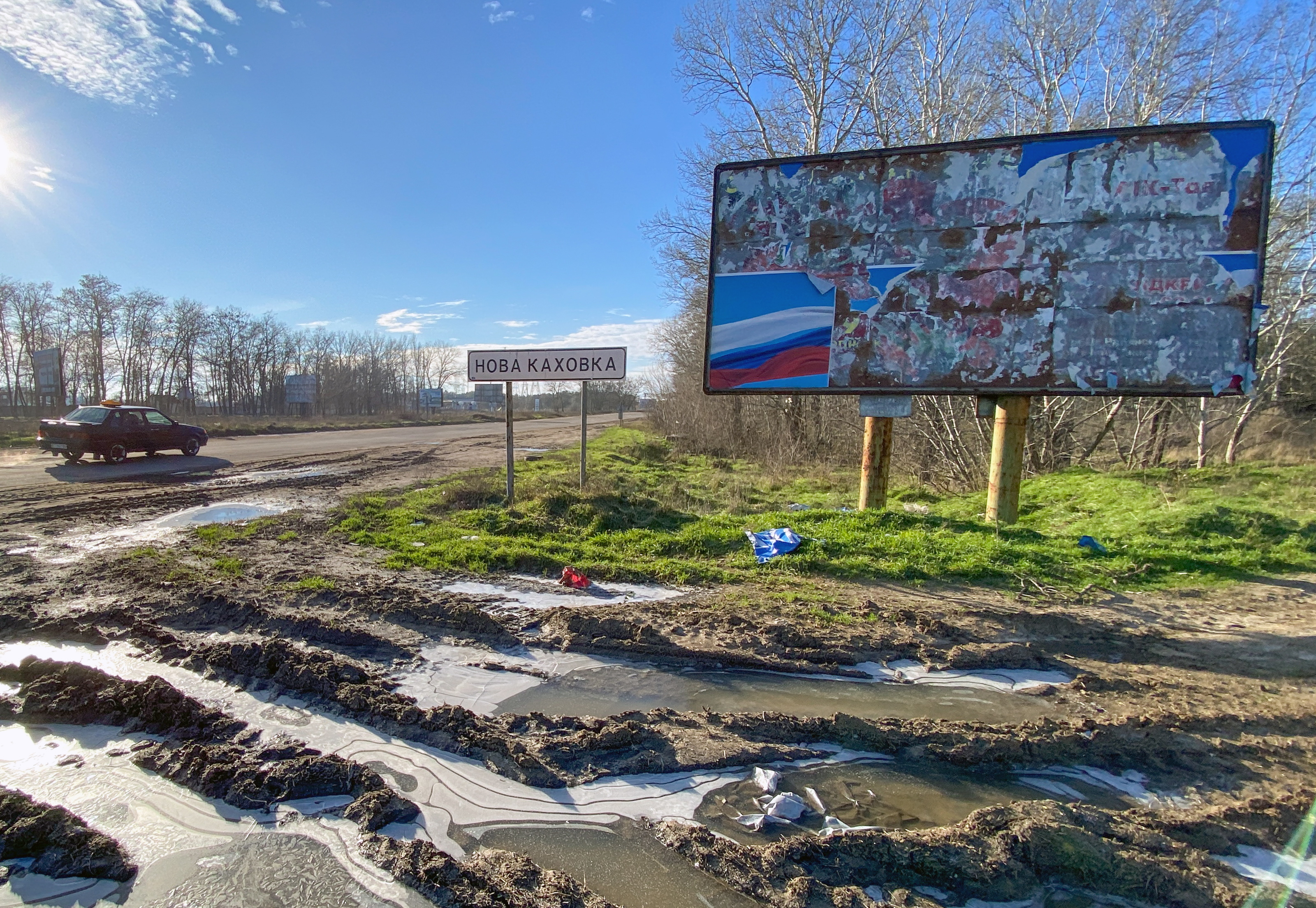
Love is a mother of many children. Her five children and little grandchildren are the most important thing that she has in life. Now Lyuba with two sons - Igor and Glory - is going to Norway. There are older children. Lyuba’s husband remained in their old house in New Kakhovka. He is “Non -School,” Lyuba says harshly and no longer returns to the topic of the remaining husband in a conversation.
On the first day in St. Petersburg, Lyuba took her sons and went to the Hermitage - to the Atlanteans. Show. Here, in the center of Leningrad, her childhood passed - she came here from Ukraine very often, because a grandmother, who had died a long time ago, but Lyuba remembers the place where she lived on a fountain, opposite the circus. Lyubov’s grandmother and father survived the blockade of Leningrad, almost died. Lyuba could not visit the Piskarevsky cemetery, where relatives lie on her transit path from Ukraine through Russia. He says, there was not enough spirit.
- My dad, who survived the blockade, was bald and toothless, and he was a window, a thief, I wanted to eat unbearable after the blockade, - Lyuba is frank. - He sat, then ended up on the virgin lands, where he met my mother.
Lyuba’s mother was a German, her family from the city of Engels, like thousands of Soviet Germans at the beginning of the Great Patriotic War, repressed - they sent to the labor to Kazakhstan.
“My grandfather died there, in Kazakhstan,” the workstation was overwhelmed, just a concentration camp, and my mother’s stepmother rushed under the train, ”Lyuba says and illustrates a stingy story with a document in German - this is a testimony of her mother’s birth, Lyuba takes him with him as a family relic. - My mother of an orphan rear dashing sagged to the fullest.
When Lyuba was six months, the family left for Ukraine, on the left bank of the Dnieper, where, in fact, Lyuba lived all her life. She gave birth and raised children, nursed the first grandchildren. Before the start of this war.
“They force Russian passports to take, men undress on checkpoints, it was even scary to get out of the house again,” Lyuba recalls how they lived in the occupation.
Her youngest senior son has not studied since the beginning of the war-there was neither a school nor the Internet to study online in Ukraine. He worked part as an older brother.
- I was afraid every day - when they left the house, I was waiting for the return, shook with fear for them, - Lyuba almost cried. - And this devil is a commandant hour. Without a passport, nowhere, be ready to stop by the first word of the Russian military, show documents. And they still love to ask: "Do you love Russia?"
Be ready to stop by the first word of the Russian military. And they still love to ask: "Do you love Russia?"
Lyuba twitches when she recalls how the Russians who arrived brought equipment out of a city hospital, and from local schools - “smart boards”, computers, all that was possible.
- The Russian Guard has rolled up - ATMs shot, telephone salons, computer stores plundered, our city was plundered, they opened the doors at home - they carried things away, - contempt trembles in her voice. - If they are so poor, well, they would have contacted us, we would have thrown off, sent them everything to Russia, we did not live poor.
Once, Lyuba’s eldest daughter went to the market, and when she returned home, the house was already occupied by the Kadyrovites, the doors were opened, they were located in a businesslike way.
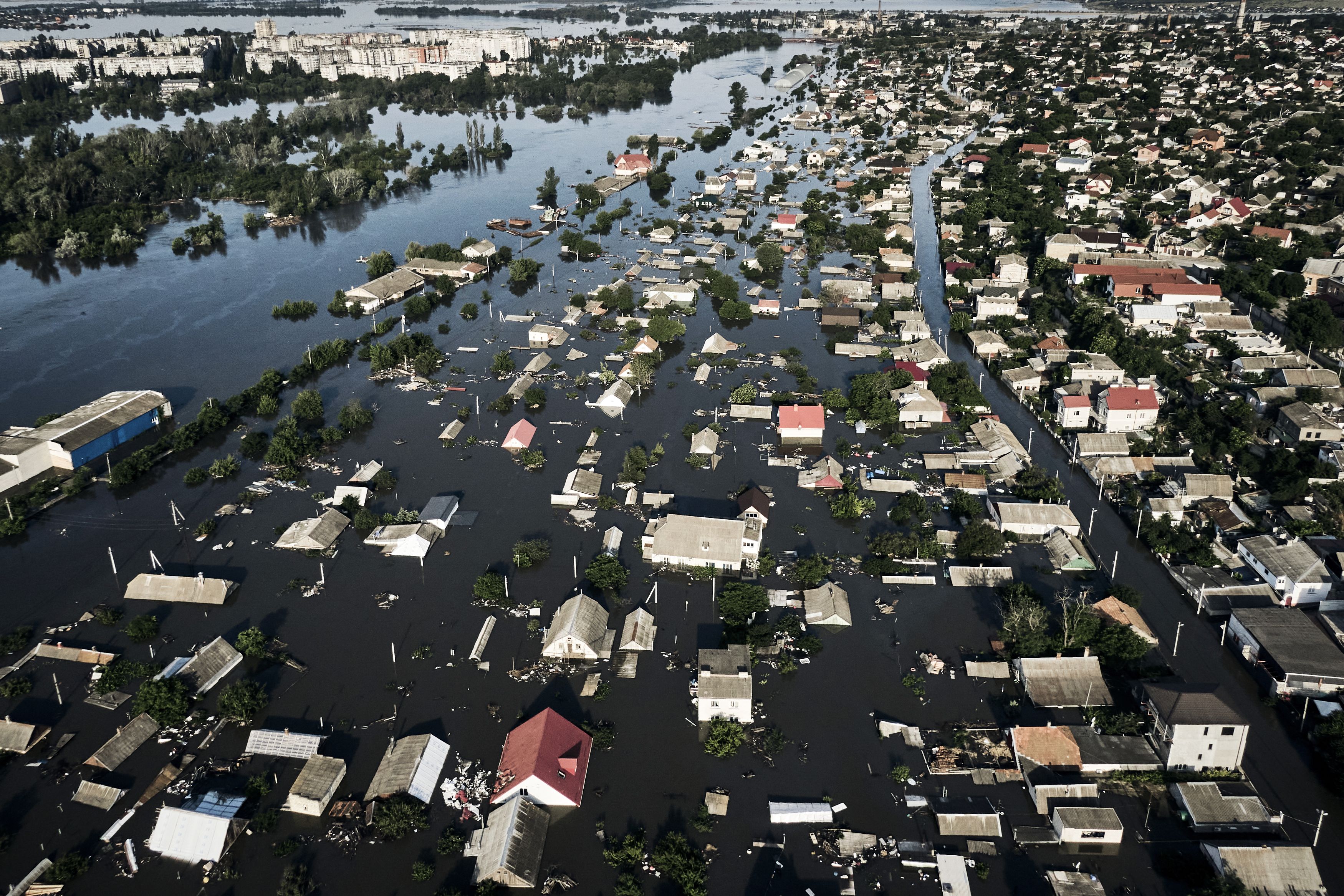
After the explosion at the Kakhovskaya hydroelectric power station, Lyuba decided to leave. The family, except for the husband of Lyuba, did not want to take Russian passports.
Lyuba is longing and crying about the burned forests that burned in the district, so that saboteurs do not hide there, about flooded and stained lands, beautiful Dnieper floods. Crys about the house, garden, ducks, goose and sunsets - home blanks.
“All summer I was harassed by the thought that all this would not be mine,” she says. - And he recalls the nineties, how hard it was to survive. But then she knitted fishing nets, caught and sold fish - did not give up, raised children.
When the war began, the Russian military burst into Lyubin’s house at 7.30 in the morning on February 24. She yelled at them: "Who are you?" They replied: "Russian army, check."
When they later went into the house several more times, large Lyuba was not afraid to ask why they were fighting:
- In all seriousness, they told me what kind of homeland. Well, what is the homeland? We have Ukraine here, they have Russia.
Lyuba speaks and thinks in Russian, Ukrainian began to teach really not so long ago, although she always understood.
“But now I have the wildest accent,” she smiles. And he says that she never experienced pressure about the language. Children, on the other hand, are all free in Ukrainian without any accent. True, among the acquaintances Luba there are many those who took Russian passports and certificates for housing:
-They plan to buy apartments in Crimea, Russian pensions received-some of 20 thousand rubles each, but we have rather big prices there, the same as yours. And in general, why did the Russians come to destroy us? We are the same people ... I now need to get used to the fact that there are no arrivals and curfew. - Lyuba is configured for the future, although for the first time he goes so far into the unknown.
At the time of publication of this text, Lyuba and the children reached Norway.
Peter and Lydia , son and mother, have already left Russia. Mother in eighty, and she barely walks, and her son is fifty, but he is praying and pulling up.
Peter rolled across the bridge across the Narov River on the border of Russia and Estonia by a wheelchair, in which Lydia was sitting, and dragged a heavy bag with things. Lydia has the fourth stage of lung cancer. Peter wants only one thing - so that his mother was with him until her last seconds.
For the first time, Peter took his mother from Mariupol on March 20 last year - there were still fighting, there were terrible shelling. In the basement, where the family was hiding, there was a hellish cold. They did not starve - the children of Peter had a cafe, they brought food from there, but the cold tormented the cold.
Peter recalls that his mother was very worried about the apartment during the seating in the basement, demanded to go with her in a shot city, to look with housing. Once Peter went with her.
“It was scary to even lean out of the basement, and not only to go, but we began to make our way, met a military man, his own, who warned him to move on, and warned that the Ukrainian military was leaving,” Peter recalls.
It was scary to even lean out of the basement, not what to go
With the risk of life, the mother and son still reached the five -story building, where Lydia's apartment was, and saw that there were no windows, no doors, everything was broken and plundered. There were Russians around. Peter and his mother again returned to the basement under the shelling - they were not touched, they were allowed to leave. They still had a road through the front.
Before the war, Peter gave his wife a “Tavria” car-to learn to drive, on this “Tavria” and then he took his wife, mother-in-law and mother under fire. They rode through Russian checkpoints, through the shot "gray zone", where the cars with the bodies of dead people inside and around came up. Then the Ukrainian military appeared, standing a rare chain and directing travelers in complete darkness, and finally the first Ukrainian checkpoint. For four months the family lived in Zaporozhye. At this time, Peter's mother -in -law fell ill with cancer, there was nowhere to treat her, so the family was preparing to go to Europe. But here Lydia stubborn: “I want to in Mariupol, there is an apartment that my late husband still earned in the north.”
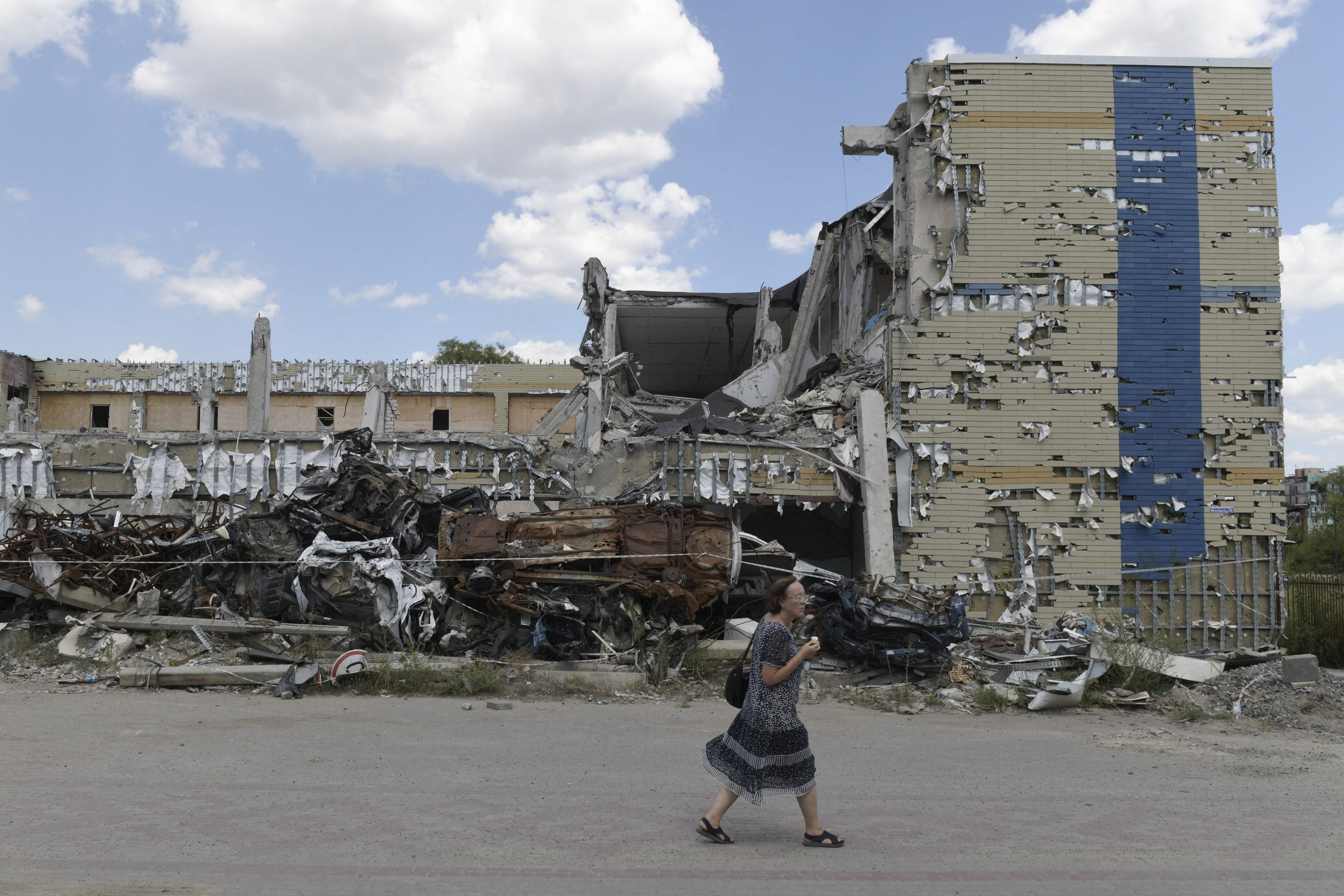
She demanded to take her back persistently, to the scandal. Incredibly, last August, Peter in the same car through the "gray zone" and the checkpoints brought it back to Mariupol, where Lydia got into her apartment. Peter had to tighten the window with a film, somehow attach the door.
“The ruins are everywhere, people are angry, there are many strangers,” Peter recalls what he saw in Mariupol. - There are many visitors from Central Asia, we never had them.
His mother -in -law and wife had already reached that time before Norway. Peter traveled to them through Russia, through filtration, through endless interrogations, in which he was again and again asked: whose Crimea, how do you feel about the "special operation", to the "Kyiv regime" and V.V. Putin.
Whose Crimea, how do you feel about the "special operation", to the "Kyiv regime" and V.V. Putin
In Norway, the family was given an apartment on the ground floor of a four -story building, where everything was adapted for a sick mother -in -law - there were no thresholds, but there was a bed with a bedroom remote control, a toilet and a bathroom equipped for the disabled, a special chair, so that the patient was convenient to sit. The mother -in -law died a month ago. And Peter again gathered on the road: his mother begged through friends to come, felt very badly, practically did not go. The son rode again after half the European Europe, through Russia for the sake of his mother. Found it almost immovable. With the help of volunteers, he took to Petersburg, where the diagnosis was made - the fourth stage of lung cancer. She went to the border, she was already on painkillers.
Once in St. Petersburg, Peter told how the family lives in Norway.
- We go to school for six hours a day, we learn the tongue, this is our work, it is difficult to learn the language, but it is necessary. I’m going to work, I’m not afraid of any work, my daughter and son -in -law will come from Poland.
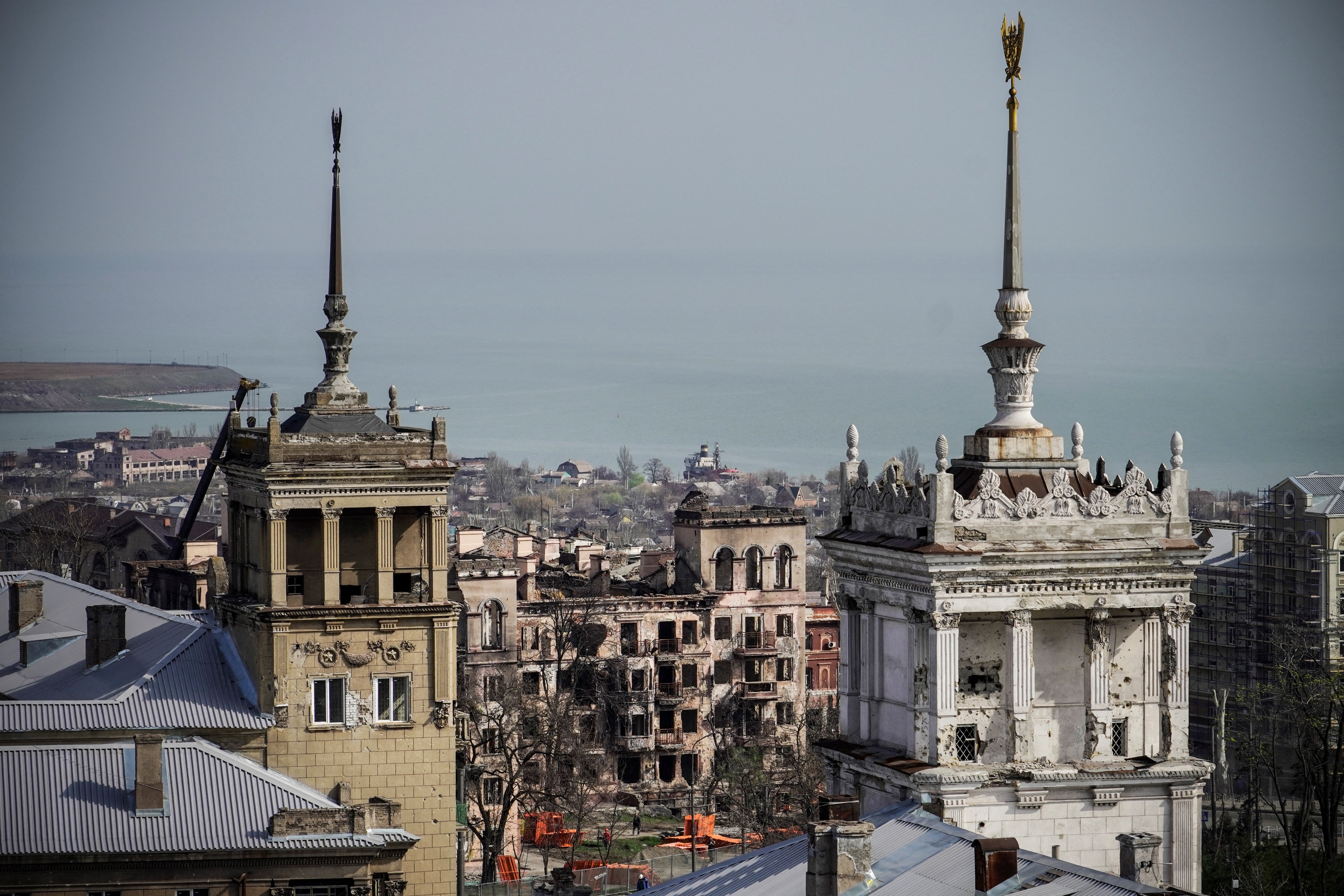
In Mariupol, Peter worked as a mechanic of the shipyard. He is not going to return to the city: "There is nothing left of my Mariupol."
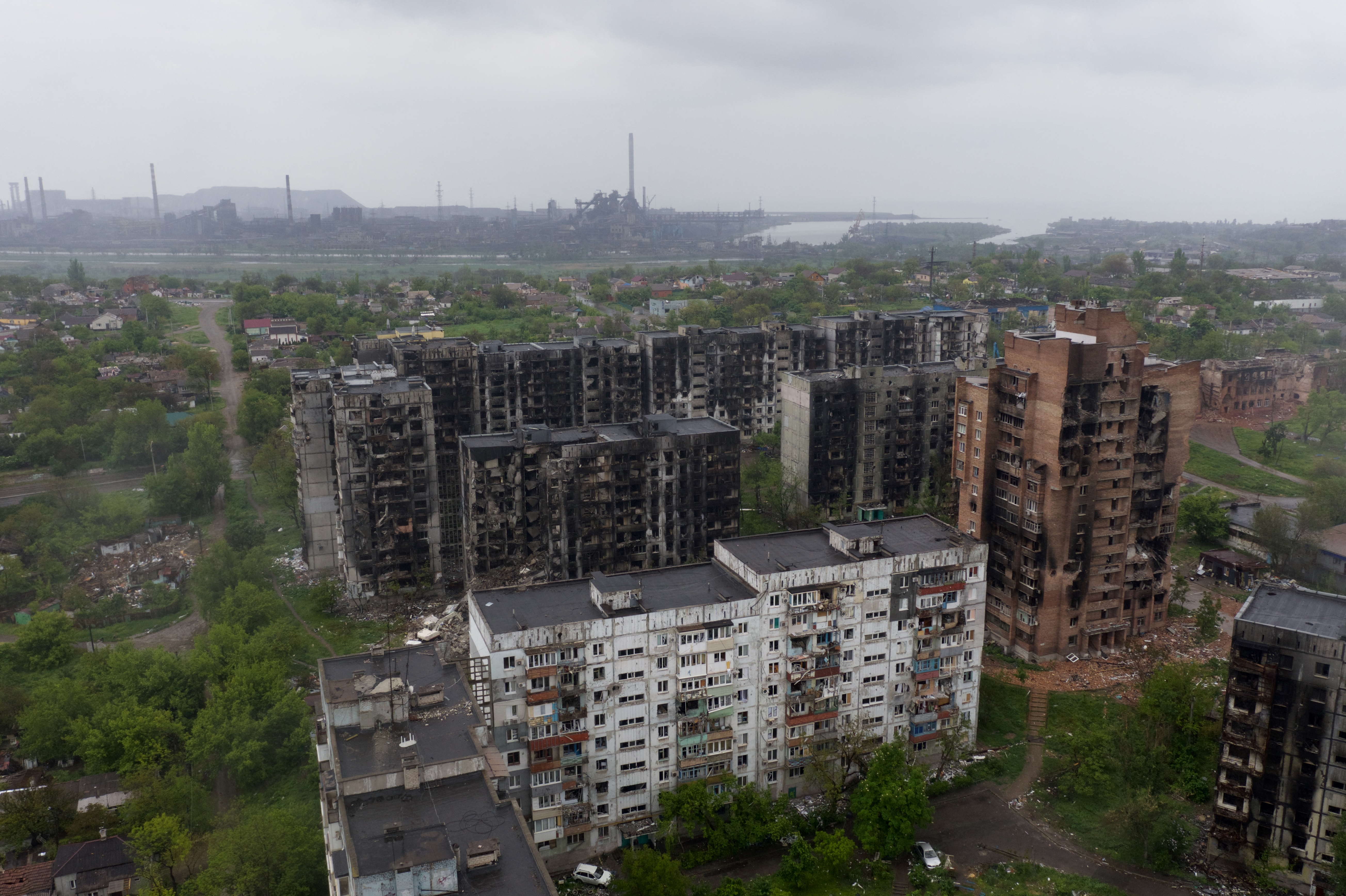
On this visit, he saw that a lot of ruins were demolished in the city, everywhere wastelands, some destroyed houses were restored, new roads were laid.
“But I tried to walk less - everything oppressed me,” Peter recalls. He met acquaintances who remained in the city at the occupation authority. - Some do not care what power, if only they would pay money and there was something to support the family, many pensioners are very satisfied: they receive two pensions, Russian and Ukrainian, receive rations, give them blankets, heaters, and those who thumped under Ukraine, are just as thumping now.
Peter is surprised at those who return to Mariupol forever, but understands that for people it turns out that their apartment survived.
When they shoot at you unarmed - it is impossible to endure
- It’s easier for us - our house and our wife were destroyed.
Five people died from his house due to shelling, and many old people died of heart attacks.
- When they shoot at you - this is such a fear, I myself served in the army, shot from the tank, but when they shoot at you unarmed, it is impossible to endure it.
Peter recalls that when the Russians came - not the "Deneyer", but the Russian regular army, well -equipped fighters, he was amazed at their detached expression:
- They are at work, only work, nothing personal.
Peter asked them to take away several strokes from the basement. The soldiers silently went, took it, carried it, put it on the ground in the yard.
– Я туда никогда не вернусь, надо быть сумасшедшим, [чтобы это сделать], – говорит Петр.
Из его более молодых знакомых мужчин, оставшихся в Мариуполе, никто не верит, что их призовут в армию России. Но они надеются, что Мариуполь останется российским – ведь в город уже столько вложено. Петр считает, что эти люди с новенькими российским паспортами уже просто никуда не могут уехать.
– Кто пограмотнее – все смылись, а эти злятся на меня, что я в Норвегии.
Петра и Лидию к границе с Эстонией должна была везти частная скорая, но после вступления в силу решения Еврокомиссии о конфискации машин с российскими номерами медики опасались ехать, так что повезли автоволонтеры. А мост через реку Нарову Петр переходил пешком, везя Лидию на инвалидной коляске. Они успели. Они уже в Норвегии.