
Translated material
Prochida Atenboro, or 60 years later
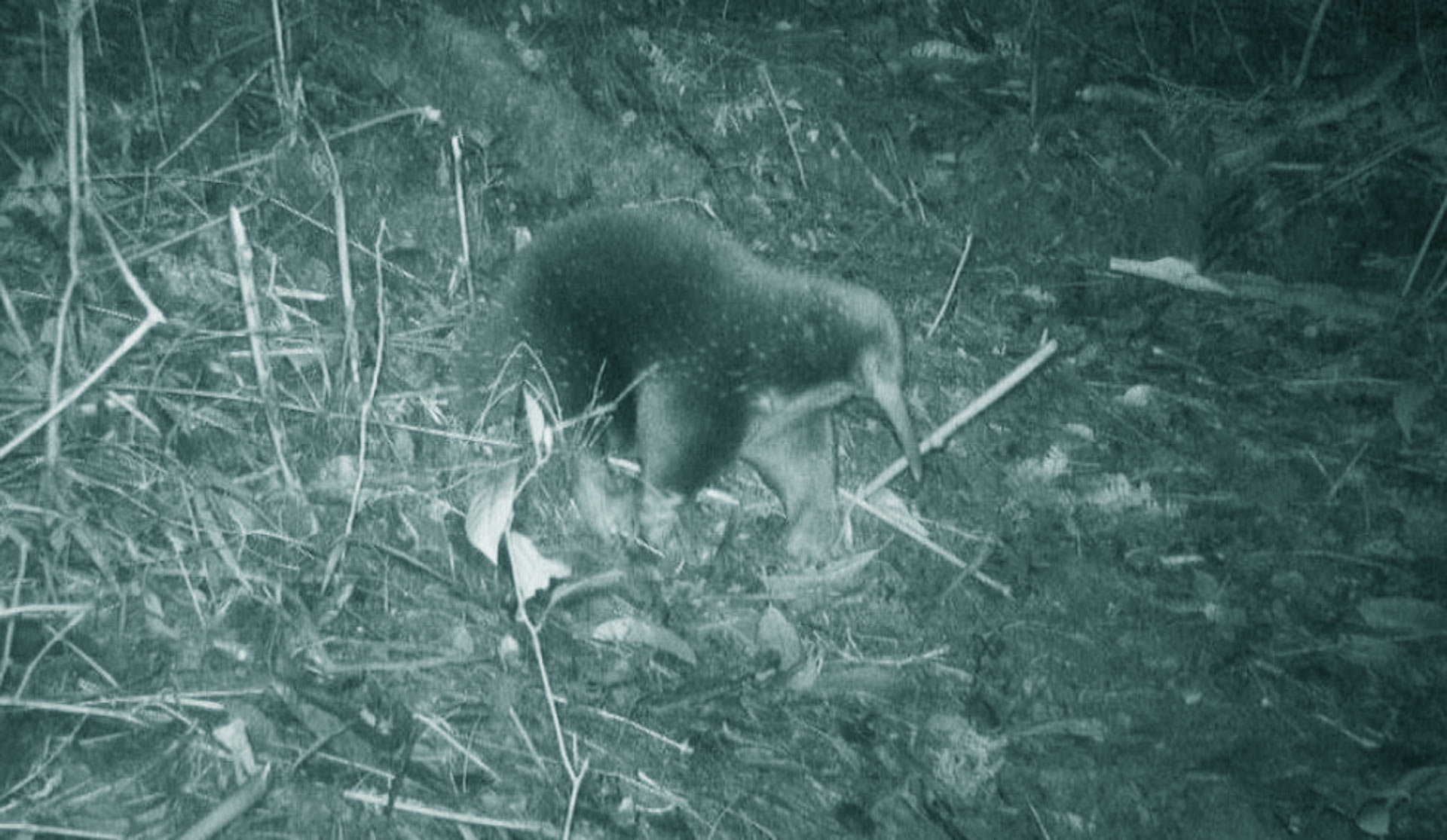
Looking at the pictures from automatic cameras installed in the forests in the north of New Guinea, the scientists saw Atenboro's Proekhid ( Zaglossus Attenboroughhi ) - a species that was previously known for the only copy caught in 1961.
The hedgehog reminiscent refers to the oviparous mammal, her close relatives are Australian plasticos and echidna, as well as two more types of prohibits living on New Guinea: Brighton Prokhidna Probena. Atenboro's proxy was caught in those days when these places were called the Netherlands New Guinea (now the Indonesian province of Papua). She lives in the forests of the cyclops mountains in the north of the island, not far from the border with the state of Papua - New Guinea. In 1998, the Australian zoologists Tim Flannery and Colin Grovs, who audited the Ychidov family, came to the conclusion that this specimen represents a special species that they gave the name in honor of the famous naturalist and the author of the nature of David Atenboro. But new representatives of this type could not be found.
In the 2000s, zoologists stumbled upon the cyclops mountains on the burrows, presumably belonging to this prochist, and the traces of her meal on anthills, and polls of local residents showed that they had encountered her, but the Atheborough Proekhidnoye escaped her scientists. In 2017, the attenboro’s pro is included in the 25 “most wanted” species that are in the focus of attention of the initiative of Global Wildlife Conservation “Search for lost species”.
James Kempton of the University of Oxford and his colleagues enlisted the support of the inhabitants of the village of Yonsu Sapari in the cyclops mountains and with their help set up more than eighty automatic cameras in the most remote places. Within a month, their efforts remained unsuccessful, but then finally in the hands of the scientists were photographs of Atheboro's prohibitive.
Researchers hope that the re -discovery of this species will draw attention to the needs of preserving the nature of the cyclops mountains and the Indonesian New Guinea as a whole. They intend to maintain long -term monitoring of attenboro.