
Translated material
ABC of growing up
These in the summer I ended up in one of the regional points of temporary accommodation, where families from Ukraine live. I came to participate in the summer camp for children as a volunteer. And also-to shoot a report for the organizers and, perhaps, understand something itself. As a result, I asked each adult participant in the camp one question: "Why are you here?"
The regional center, a taxi to the village - go about half an hour. Behind the village - Soviet times of the sanatorium.
The driver says: "Once I did an electrician here, and who are you?" I answer that I'm going to work with children.
On the way to the sanatorium on a country road, we select a woman. She comes from the store - to the next three kilometers through the forest. The woman says that we are the first to suggest that. The driver supports the conversation: "I’m taking your colleague, also work with children."
The woman lives here. The driver is local, but does not know that in the sanatorium there is more than a year for a temporary accommodation (PVR) for "displaced persons" from Ukraine.
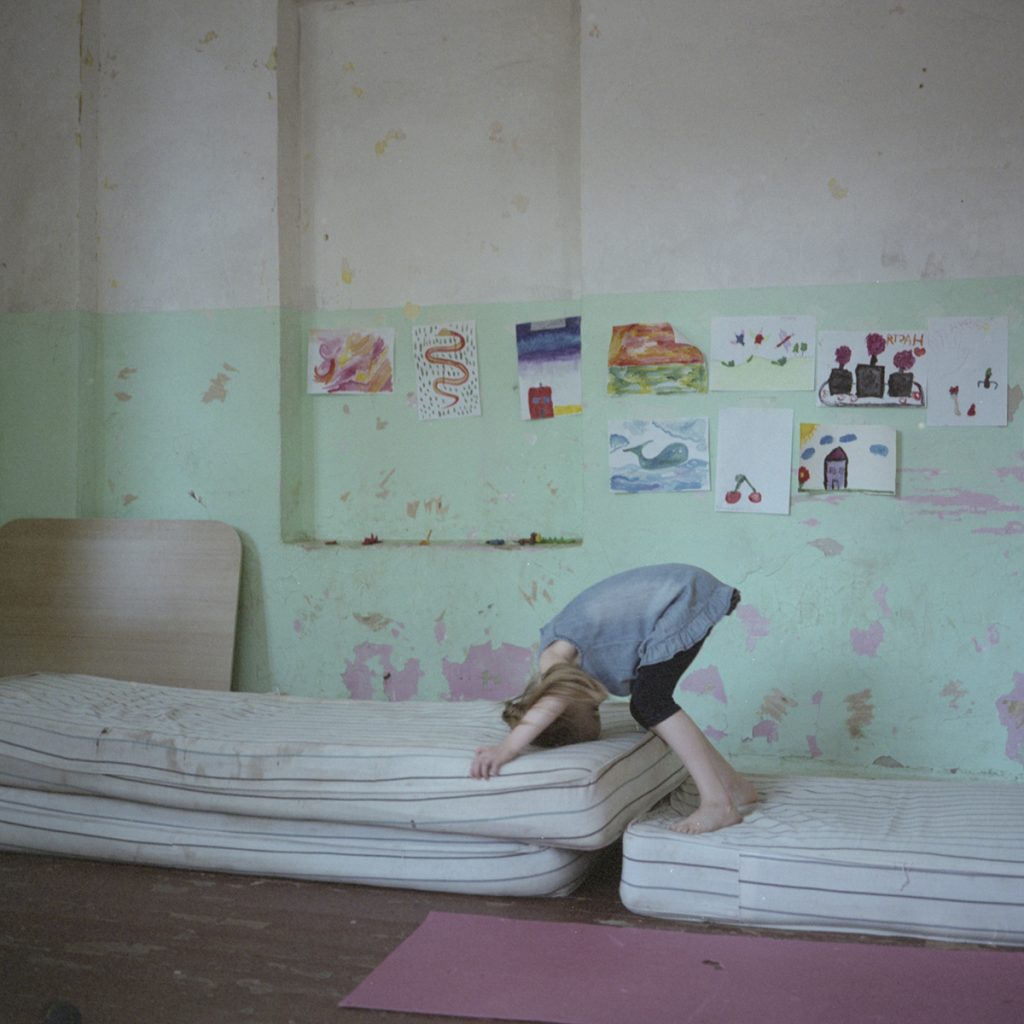 A room for classes the younger group. CHILDRENTS WITH BEASS AND MALESS, during the camp, they adapted them under the mats. You can only smoke and jump under supervision, everyone observes the distance: Polina Soyref
 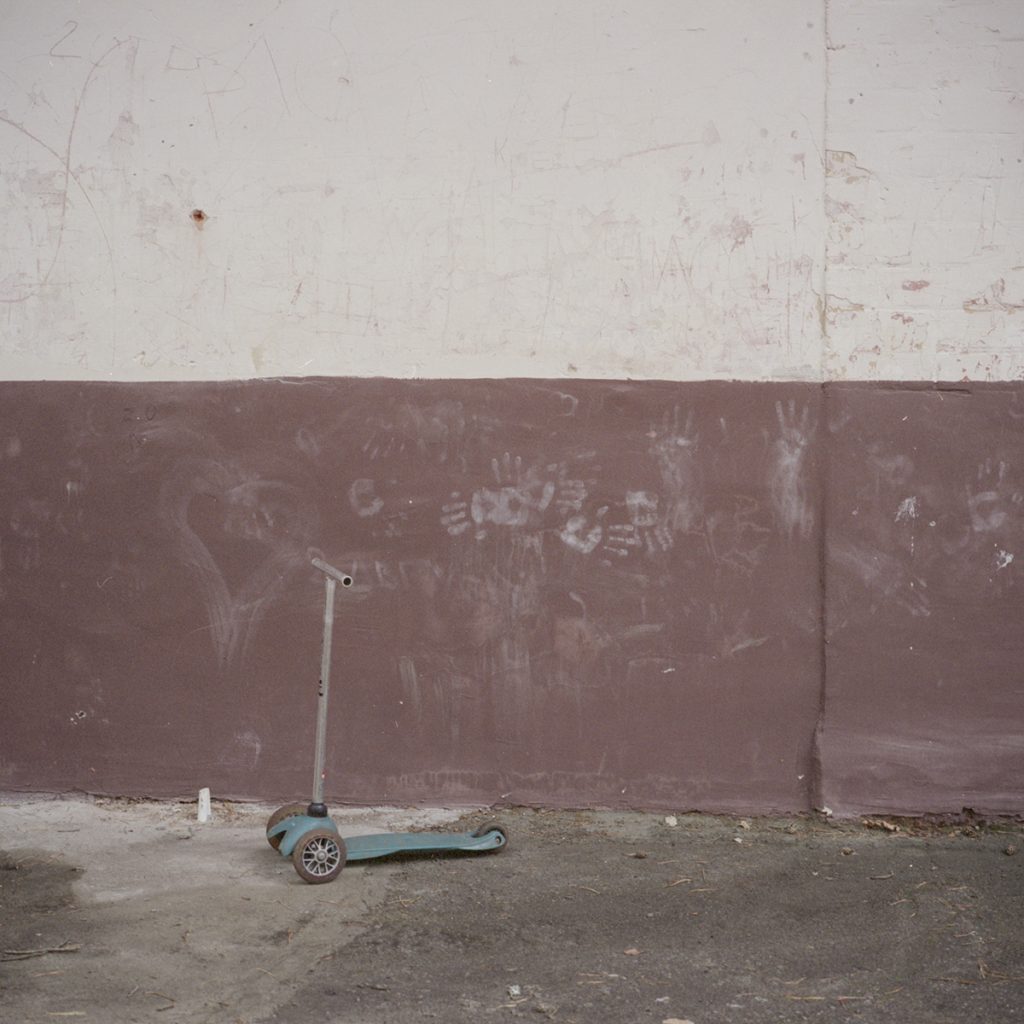 General scooter near the wall of the building where classes are held: Polina Soyref
 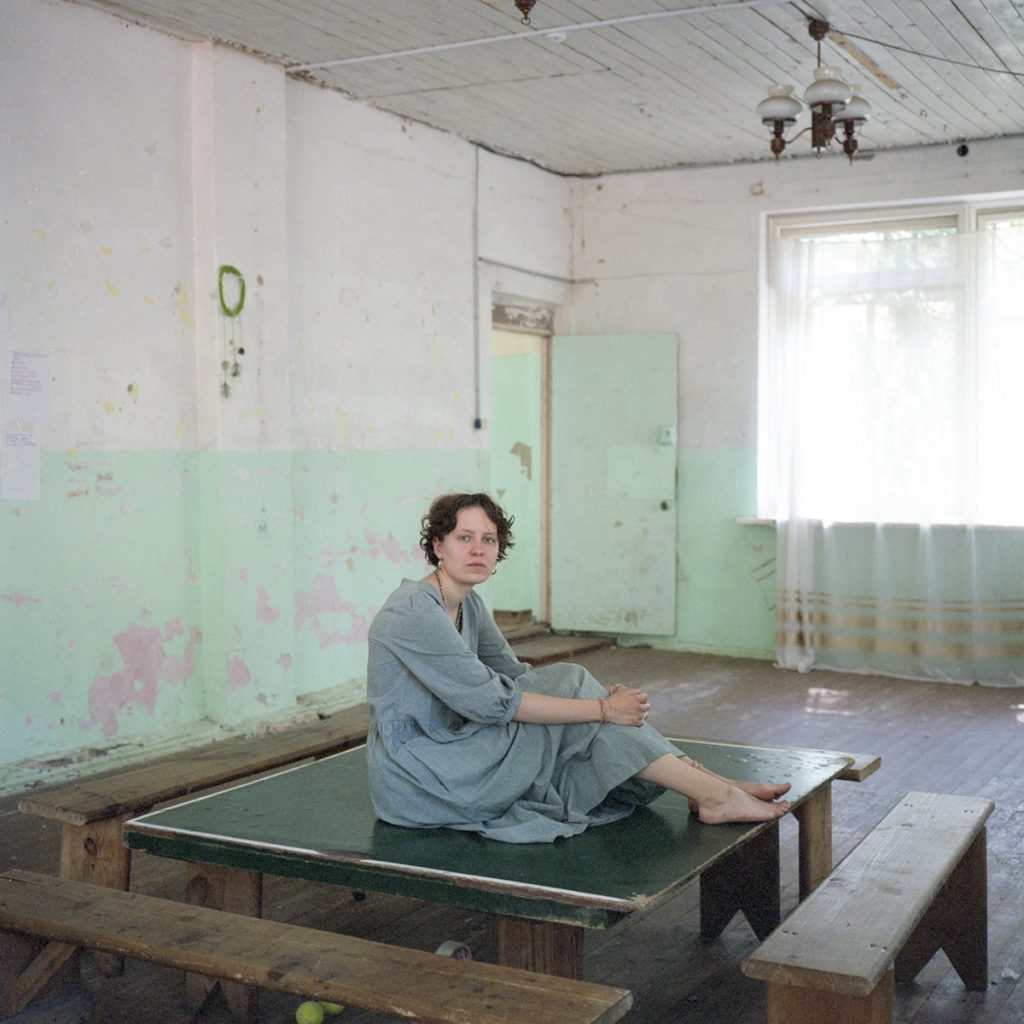 Masha, curator of the senior group, leading a workshop of texts, tutor in a private school: Polina Soyref
Deaf iron gates, gate, pine trees grow throughout the territory. The main building is repairs from the zero, the administrator at the entrance, the announcement: "A request do not park cars in the front yard." The schedule of the change of bedding and the work of the dining room. They feed three times a day, many come with their dishes and take portions into the rooms.
I notice that in the dining room children often eat on their own, with each other or sit at the tables to the curators, and not to their adults.
The curators of the children's camp live in the house of the first -aid post. The neighboring building is an assembly hall and two more premises, already without repair - all this is a territory for activities with children.
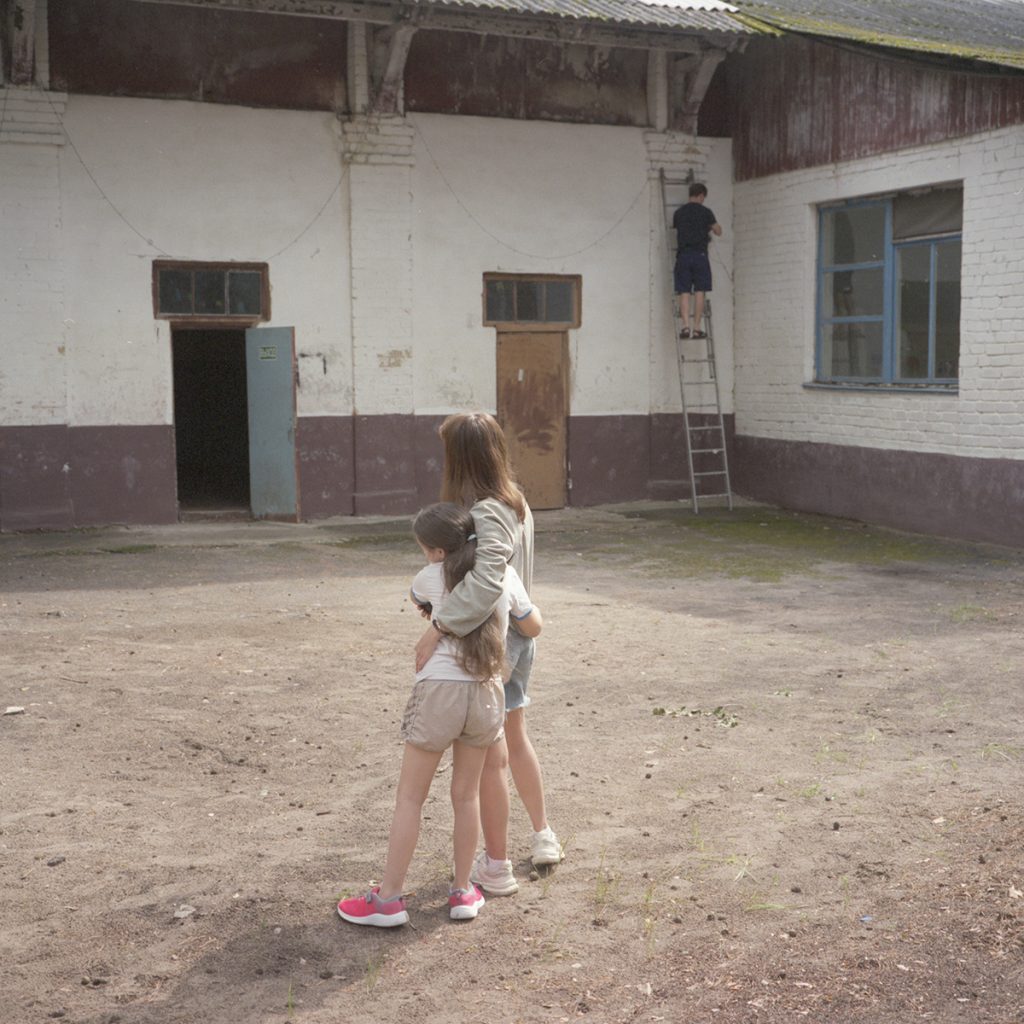 Zhenya removes lighting, Vika says goodbye to one of the girls: Polina Soyref
About 160 people live in this PVR: adults, children, pensioners. Many of the residents received Russian citizenship, who did not want to - a residence permit. They work here, for example, in the dining room, and someone in the regional center. Those who managed to find a good job rent housing and leave the PVR. The rest remain in place. The prospects are unclear.
All children, and here there are about 30 people, go to school, but there is nothing to do on the holidays, and the summer camp solves this problem.
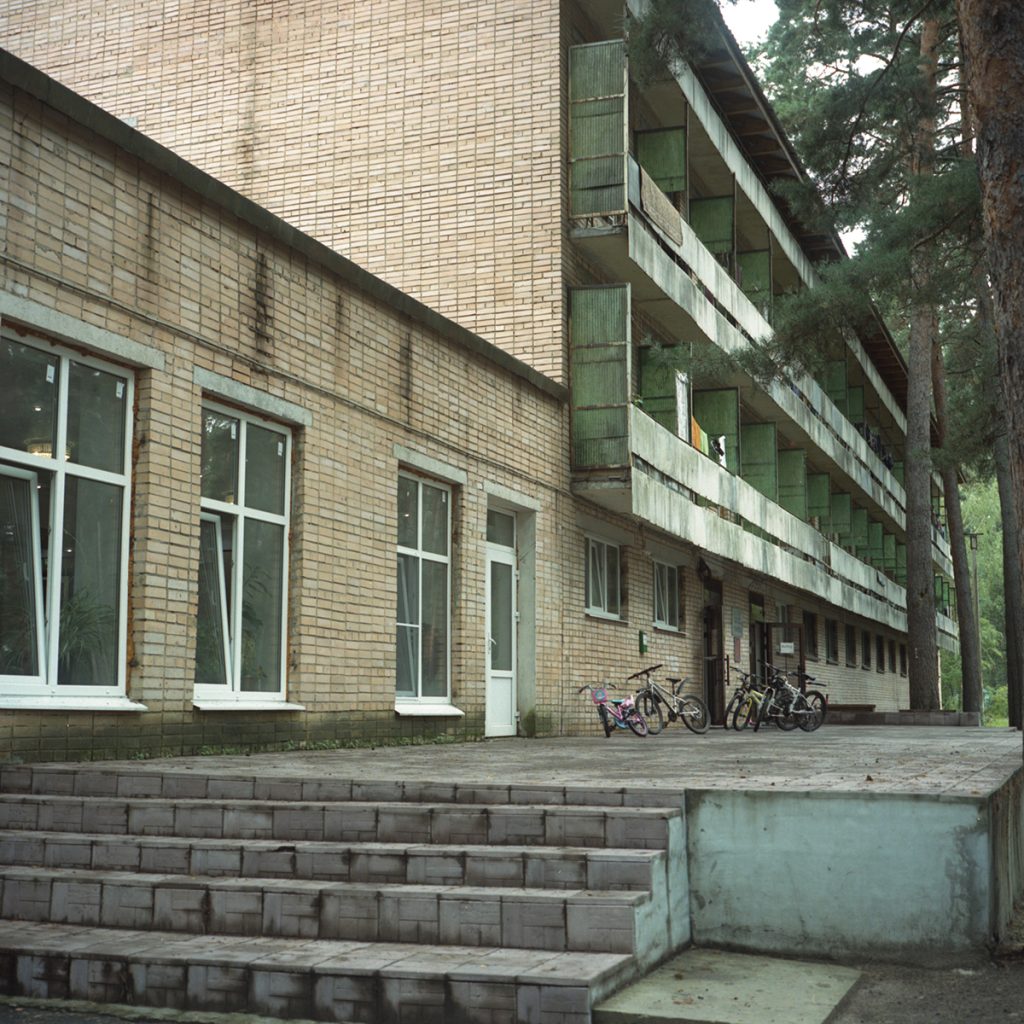 The main building of the sanatorium. "Displaced" live here and there is a dining room: Polina Soyref
Classes begin immediately after breakfast: a general gathering, and then curatorial and creative workshops. After - a lunch break, then - options, gatherings with books, rehearsals, evening curatorial. In the evening there may be a concert, a movie or a game of the mafia.
Curatorial-something like reflective groups. Discussion who has a mood, what happened in a day. Conversations often in a playful way: “What kind of wind are you today? If you were fire, then what? "
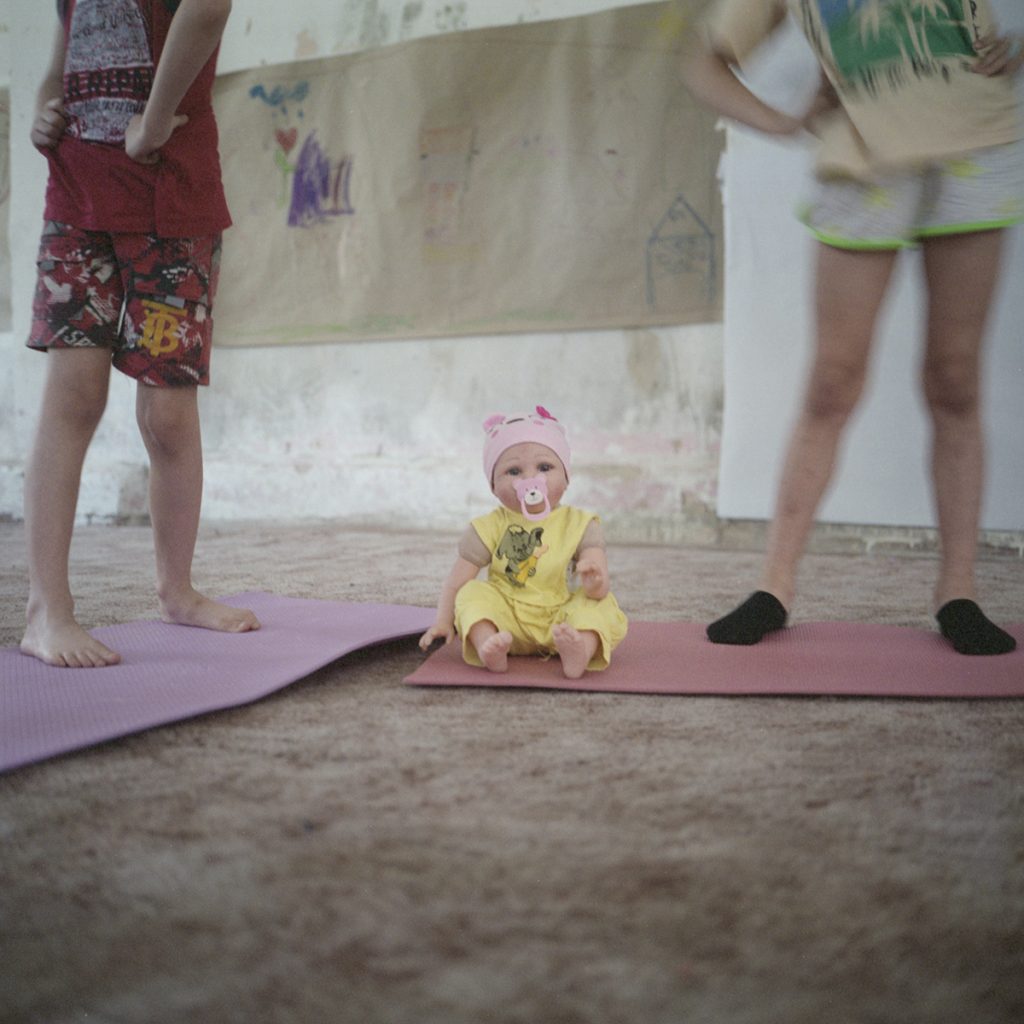 Charging in the morning curators in the younger group photo: Polina Soyref
I draw attention to the fact that both teachers and children, if not in the spirit or tired, talk about it freely. The head of the camp Ira tells me about the techniques of "informal pedagogy." The fact that this is OK, when you are not ok. That children can experience different emotions, and it is important to support them in this.
Perhaps for me this is the most noticeable difference from any other school summer camp. There are no deliberate fun and attempts to stir up, to amuse everyone who got bored or sad. Here they are carefully treated with the emotional state of each other.
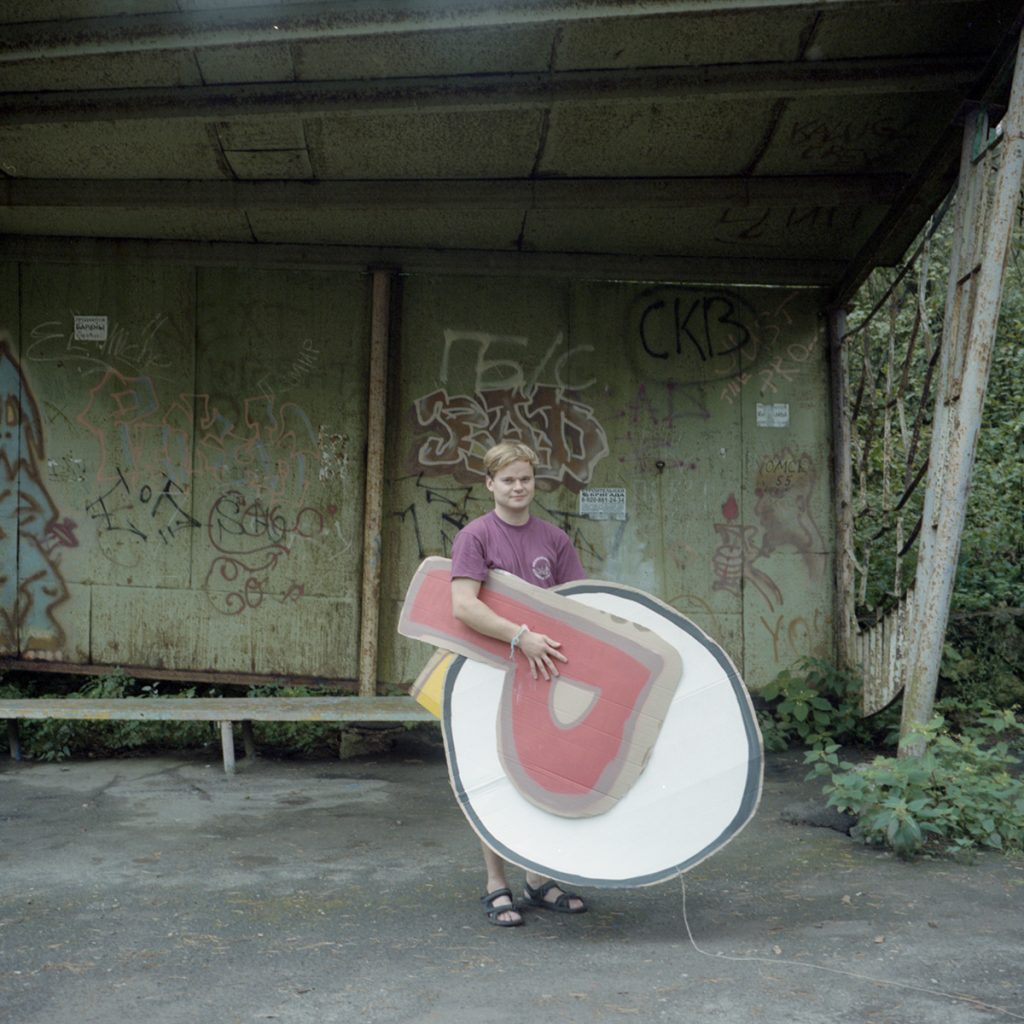 Zhenya throws up the jewelry of the assembly hall on the last day of a change of shift: Polina Soyref
This camp, like several others in the region, organizes the program "equally different." Since 2017, its employees have been working with children with experience in migration, implementing adaptation programs for children and learning programs for teachers. Initially, the project appeared as the initiative of several teachers working in schools in the Kaluga region and encountering the difficulties of teaching in polyetonic classes.
Curators here are professional teachers and volunteers. Creative workshops come to conduct directors, dance teachers, artists, musicians from different cities of the country.
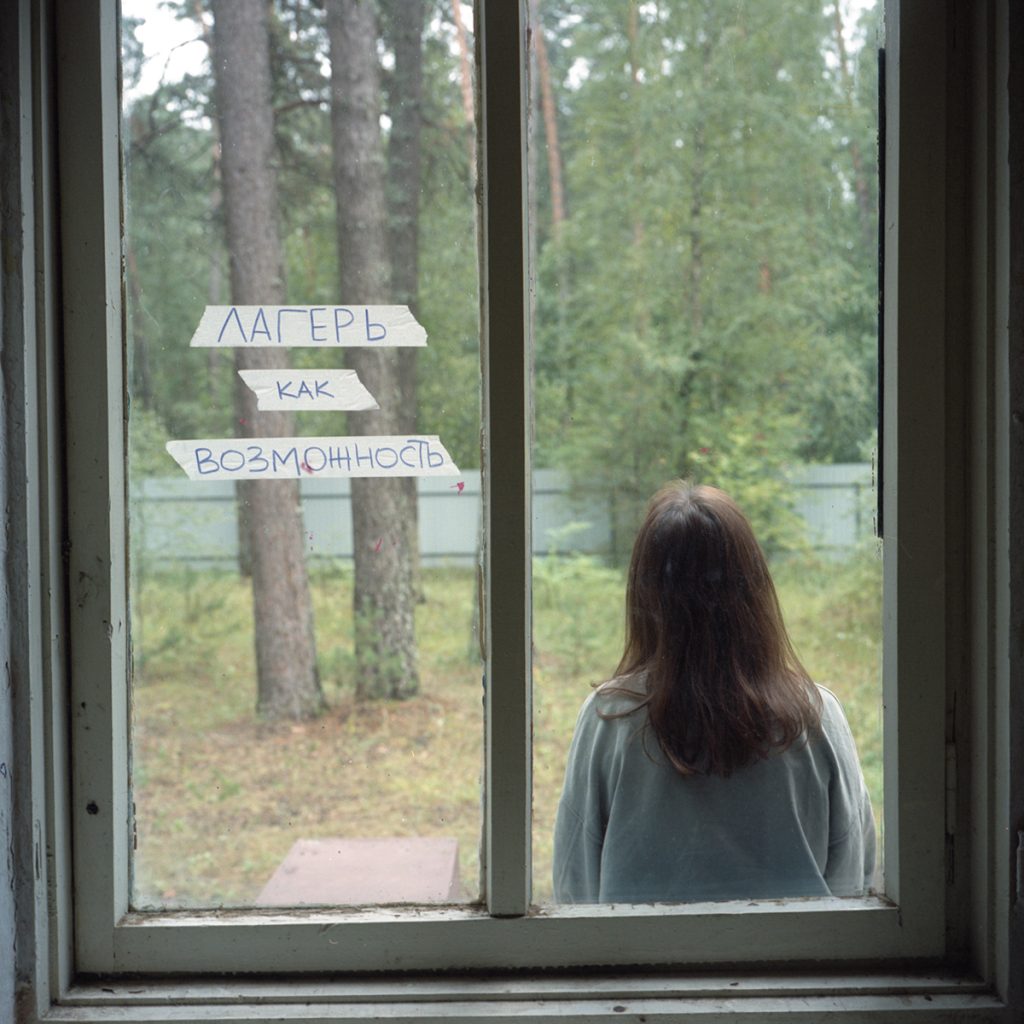 Vika against the background of the window. Stick - part of the video design, which was shot by the guys from the older group: Polina Soyref
One of the ideas of the camp is to show children interesting adults, give the children the opportunity to get acquainted and chat with different people.
They don't talk about politics. They talk about plans for the day, about children's crises, about parties at the weekend. I see professional and at the same time very human, living teachers: they work sensitively and well, rejoice, angry, get tired. One evening, after all the camp affairs, we are leaving for the fence, through the forest, to the clearing - to lie and look at the stars.
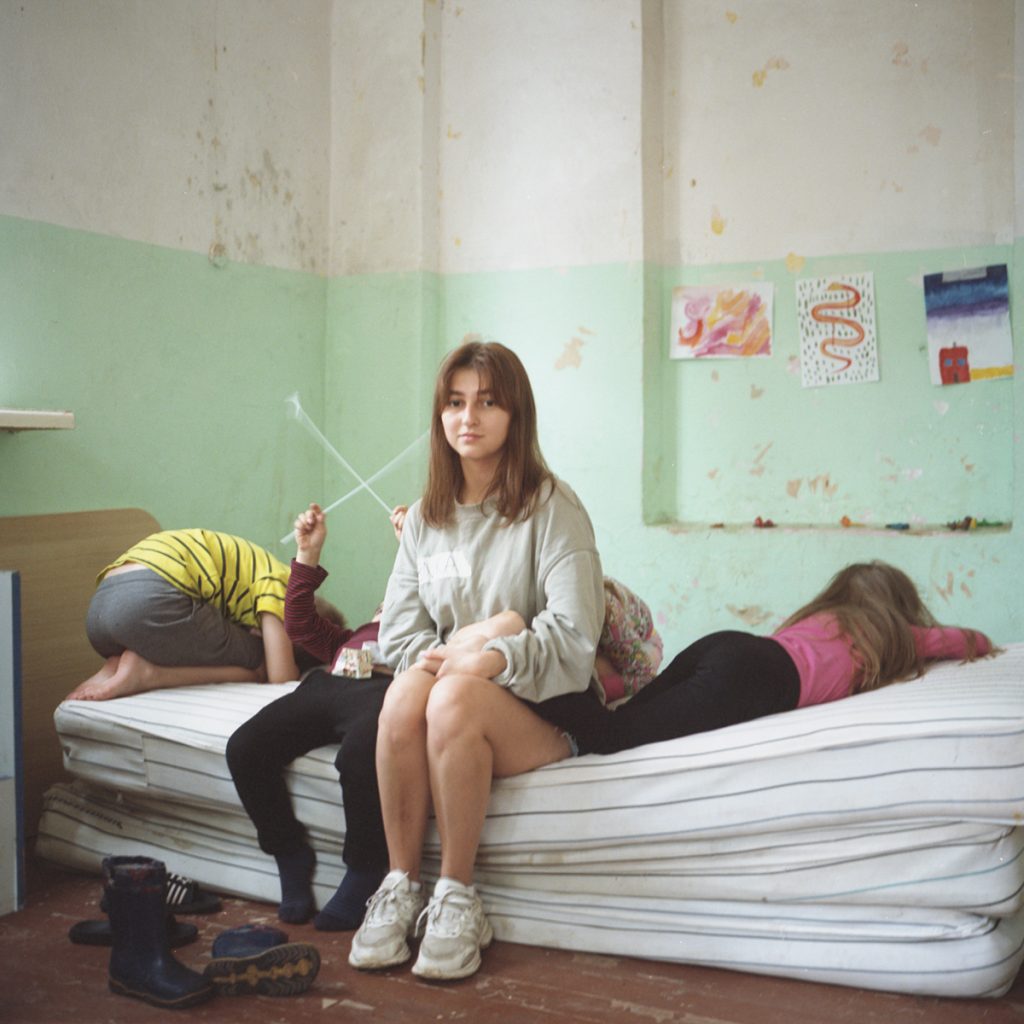 Vika, curator of the younger group, primary school teacher: Polina Soyref
Vetch
curator of the younger group, primary school teacher
I have long known about the “equally different” program, I knew that they go to the PVR on weekends and make camps on their holidays. But in my life there is so much work with children, so I did not go. At the beginning of this summer, the guys called and said that curators were not enough. I have a great leader experience, and I went without expectations and almost without emotion. I ended up in a camp in which it was difficult, some bureaucratic issues, I had to adapt, and solve everything on the go. There were rather complex guys who constantly arose conflicts, but by the end of the shift, all, without exception, became very affectionate.
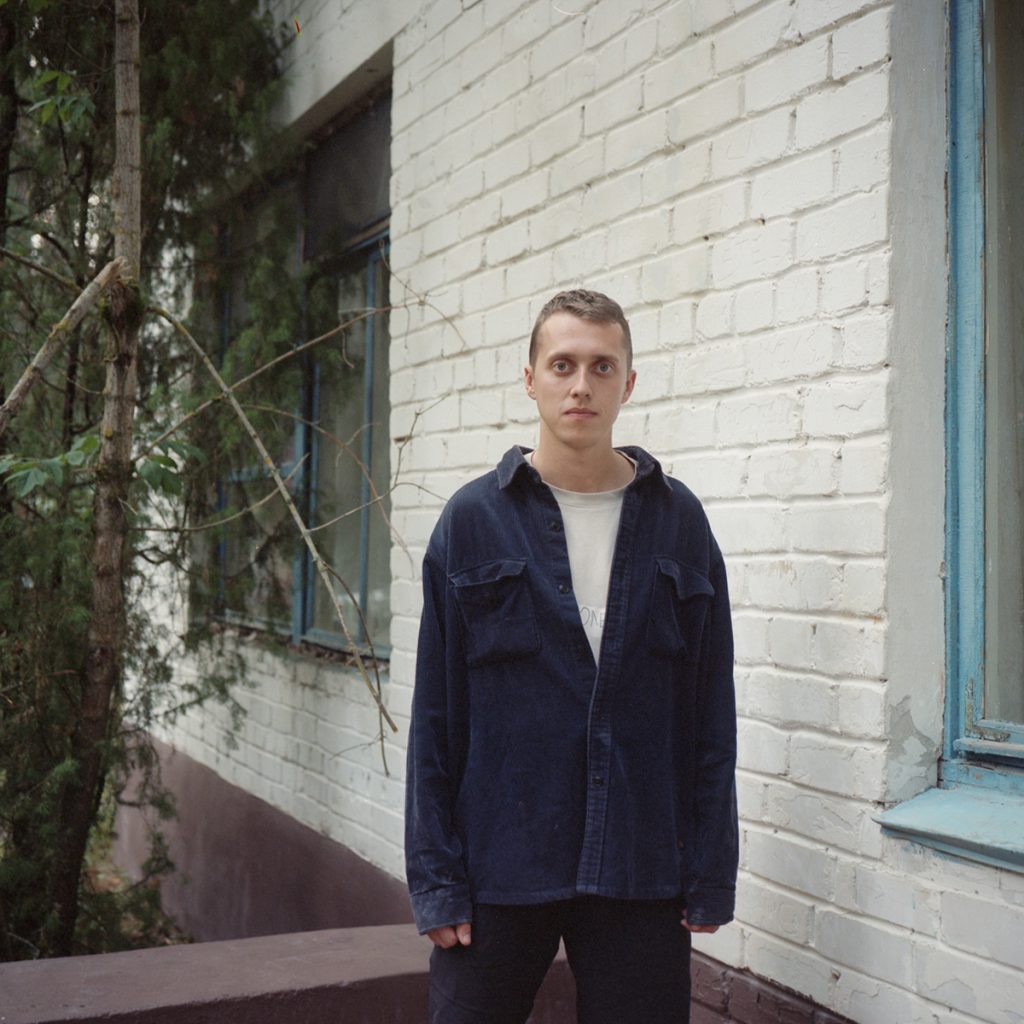 Oleg, curator of the younger group, teacher of computer science photo: Polina Soyref
Oleg
curator of the younger group, computer science teacher
For me, this trip to the PVR is not the first. It seems to me that we are here as if we are creating an additional reality for children, in which they are friendly, they are all together, they have many new forms for self -expression. I would say that I see ours - ours - a mission in bringing good memories during this period of their life.
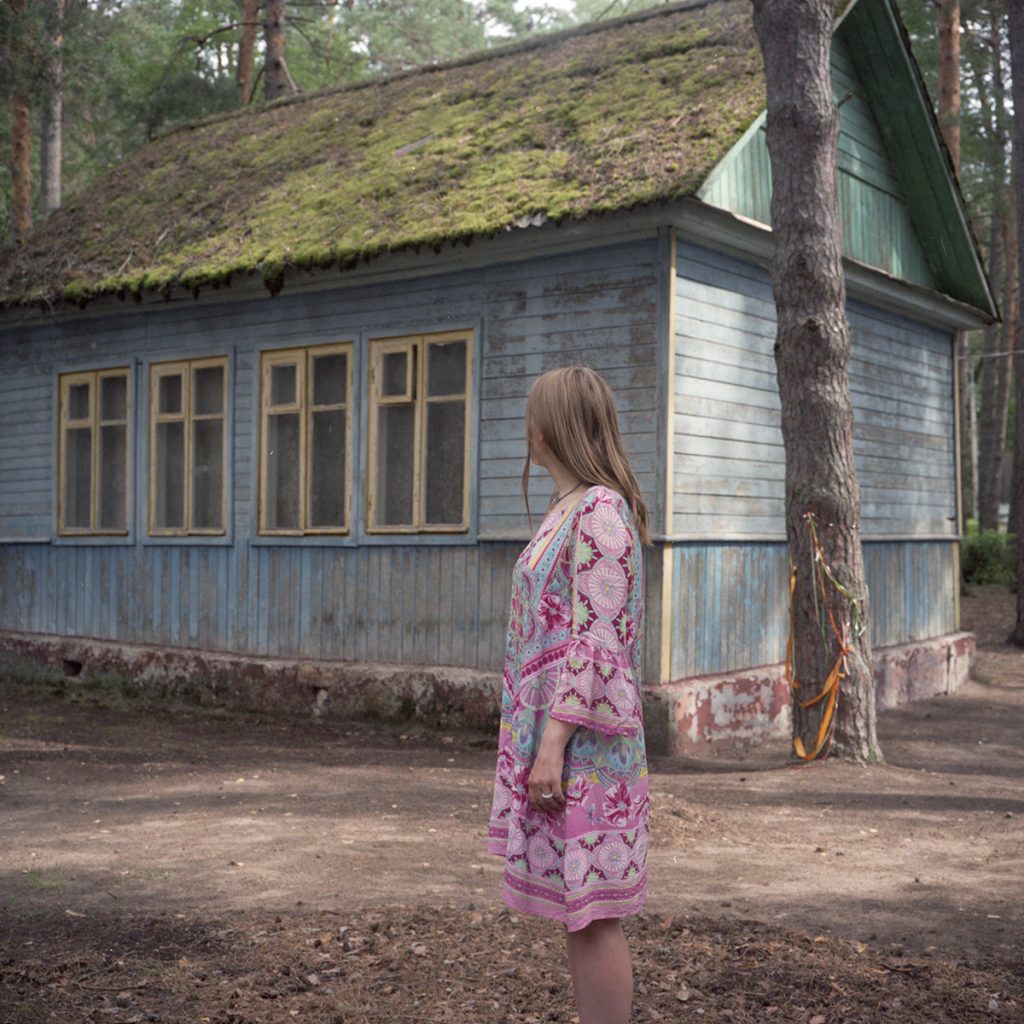 Ira, head of the camp, host of the workshop of texts, director of the "equally different" photo: Polina Soyref
Ira
Leading workshop of texts, director of the "equally different" program
We are here because in early March 2022 we tried to find options to help. Even then, it was clear that there would be a lot of refugees and among them there would probably be children. And already on March 26, they launched the first summer camp.
We had to study and invent a lot on the go. When the camp ended, I realized that it would not be possible to leave here until people leave. Then there was a hope that this would happen in the coming months. I thought: who will find sneakers for tribute? What will the children do in the summer? How will they meet in a neighboring rural school? Do they have backpacks and notebooks? How will they spend the New Year?
Now we have four PVR, with whom we have been working constantly for a year and a half. We buy stationery for the school, organize camps, come to children on weekends, spend every holidays together. We get a lot of support, our main funding is small donations from our friends and supporters. We also buy New Year's gifts, organize libraries in the PVR.
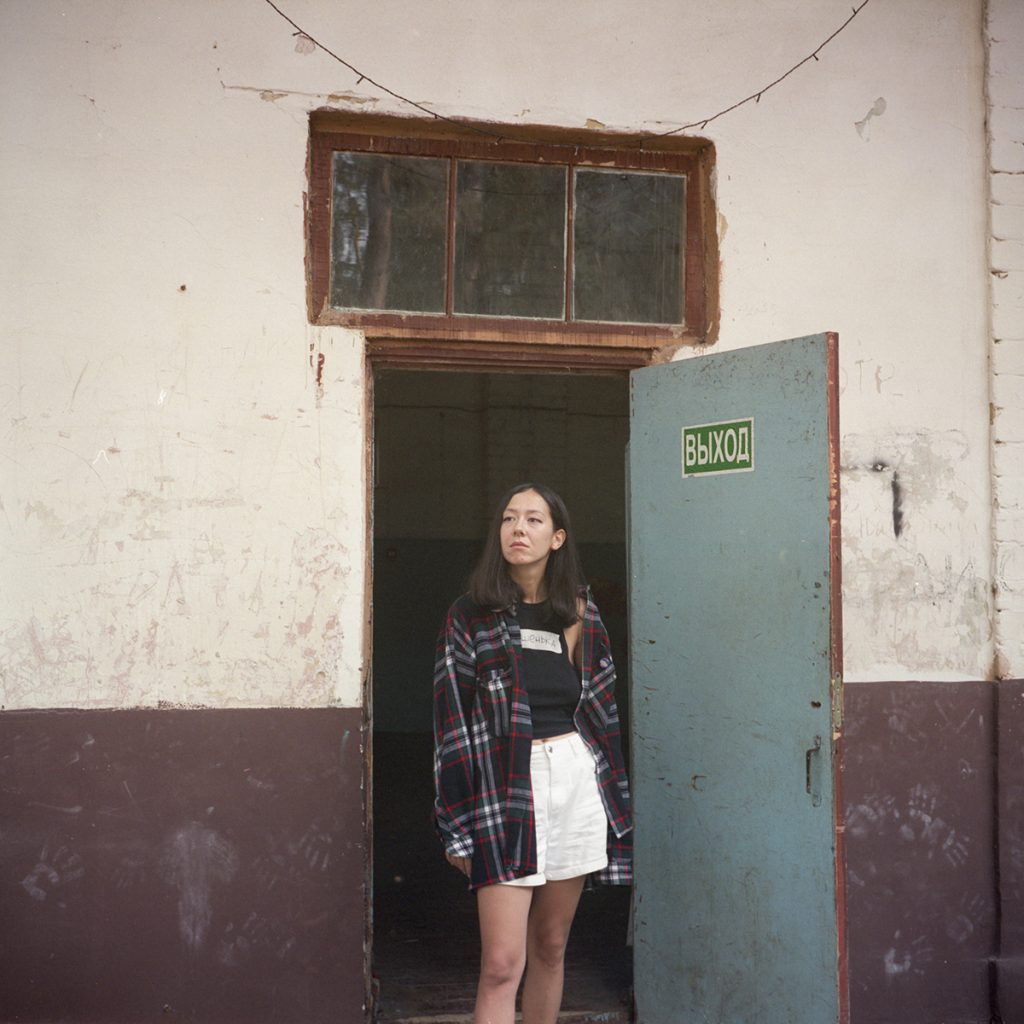 Sasha, curator of the younger group, school psychologist: Polina Soyref
Sasha
curator of the younger group, school psychologist
Participation in the camps is my attempt to do something where there is nothing to do, to cope with what has already happened.
Sometimes it seems that there is no sense in each specific action, in each particular camp, but we do what is in our power, and what will help children be children, and not refugees or “moved”. Here the PVR is a hostel in the forest, children live with parents in one small space, usually far from large cities and shops. Of the entertainment-the yard of Les and the swing of broken football gates. And we take our skills and bring them here so that children also have a childhood. At some point, you understand that you cannot stop. Usually the project has a final, but there is no final, while there is still PVR.
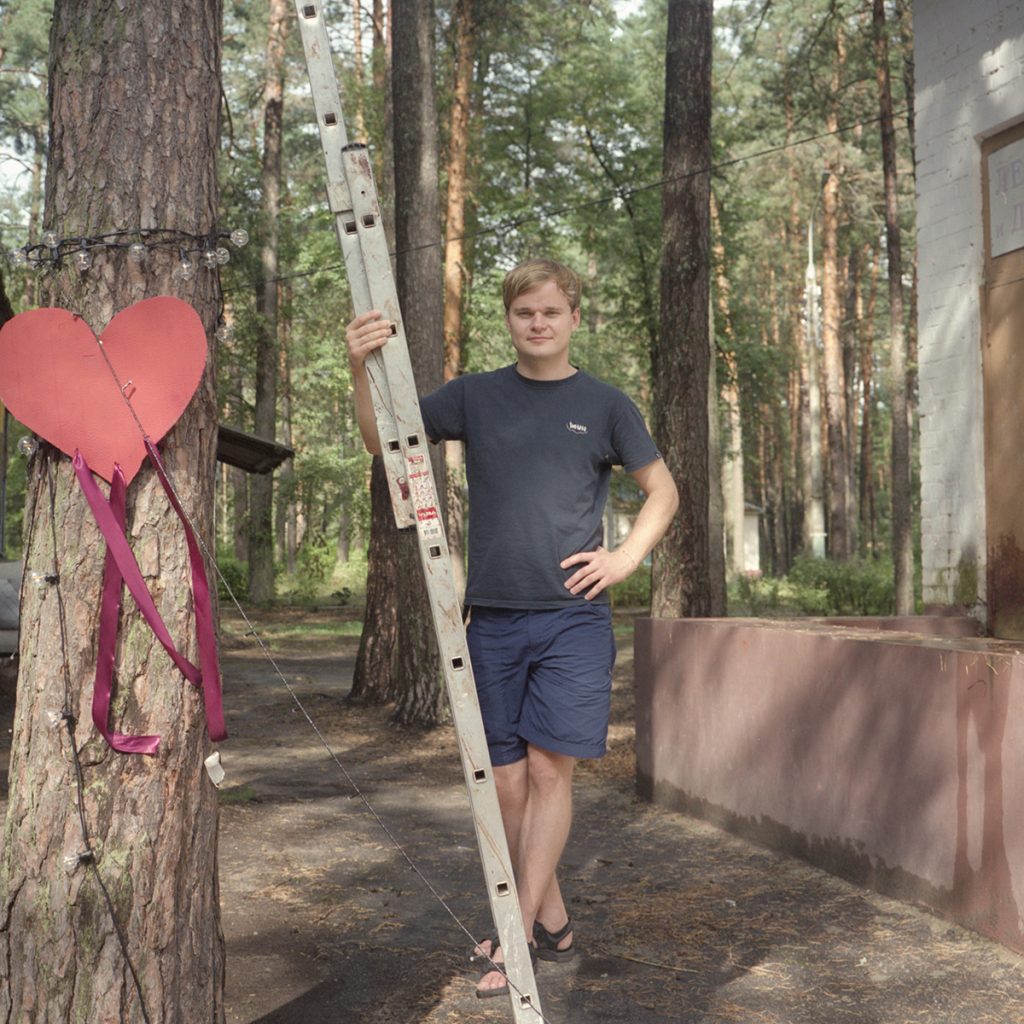 Zhenya, the curator of the senior group, leading a creative workshop, teacher of musician: Polina Soyref
Zhenya
curator of the senior group, leading a creative workshop, music teacher
I was called to work in the project last summer. I understood that it was necessary to spend time with these children, it is important for them. We held two summer camps that year in the same PVR. After that, we began to make a weekend camp. At some point, it became a way of life: six working days, on the seventh food in the PVR. The work is not separated from life, but becomes life. I can’t quit, I don’t want, on the contrary, perhaps I would like these PVR at all.
There were already winter, spring camps, we plan some new ones each time. It turns out close ties with children, with parents, we come to them as home.
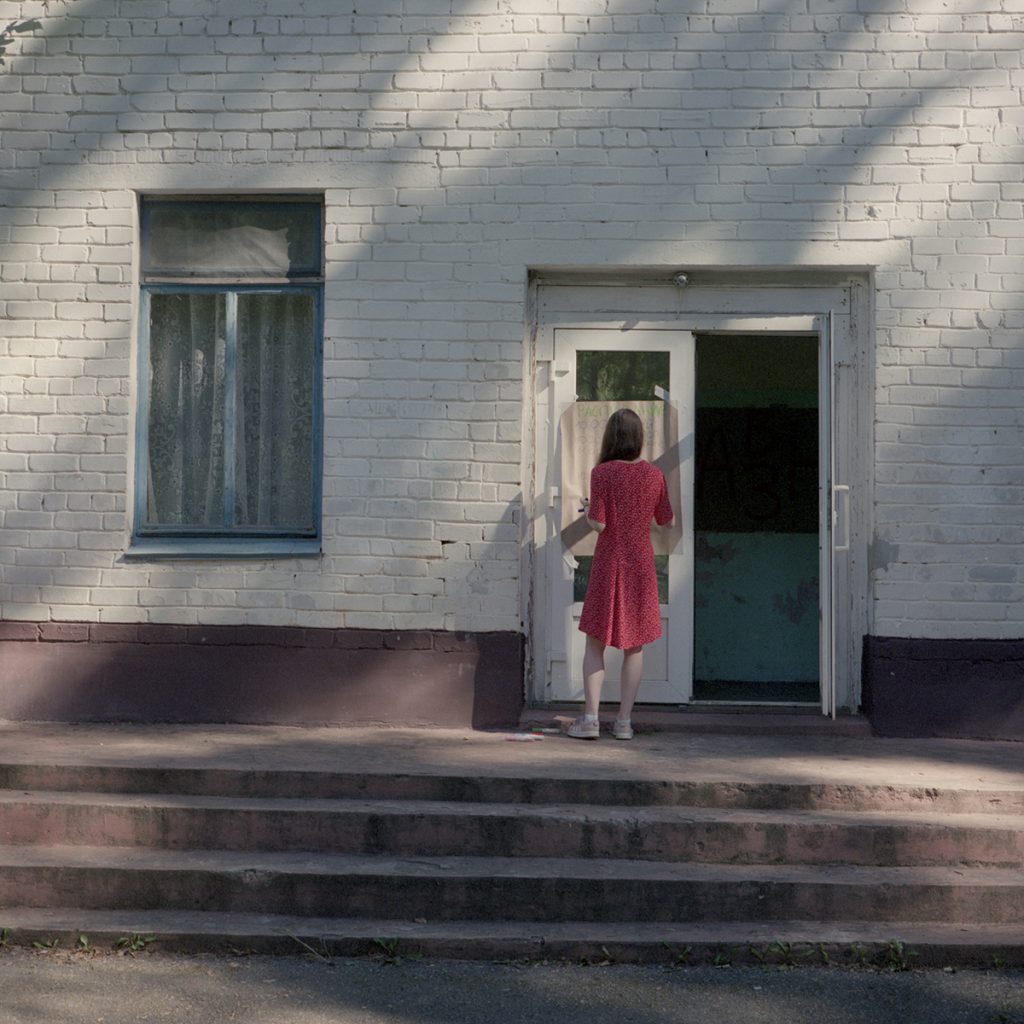 Ira writes a schedule for the day: Polina Soyref
In one of the PVR there were two brothers, they moved to the city where I work, and came to my school, one of me became a class teacher. And on weekends we often took them to the camp, because their friends remained there.
For me, this has long been about politics, but just something human, I understand what's what, but this is not the main thing. At first, I wanted to distract the children, although they themselves quickly switch. And now I just like to participate in this, like the team, I like to get acquainted with new people who come. At some point, I remember why we are here, what context, but in the process this is often forgotten-children are like children.
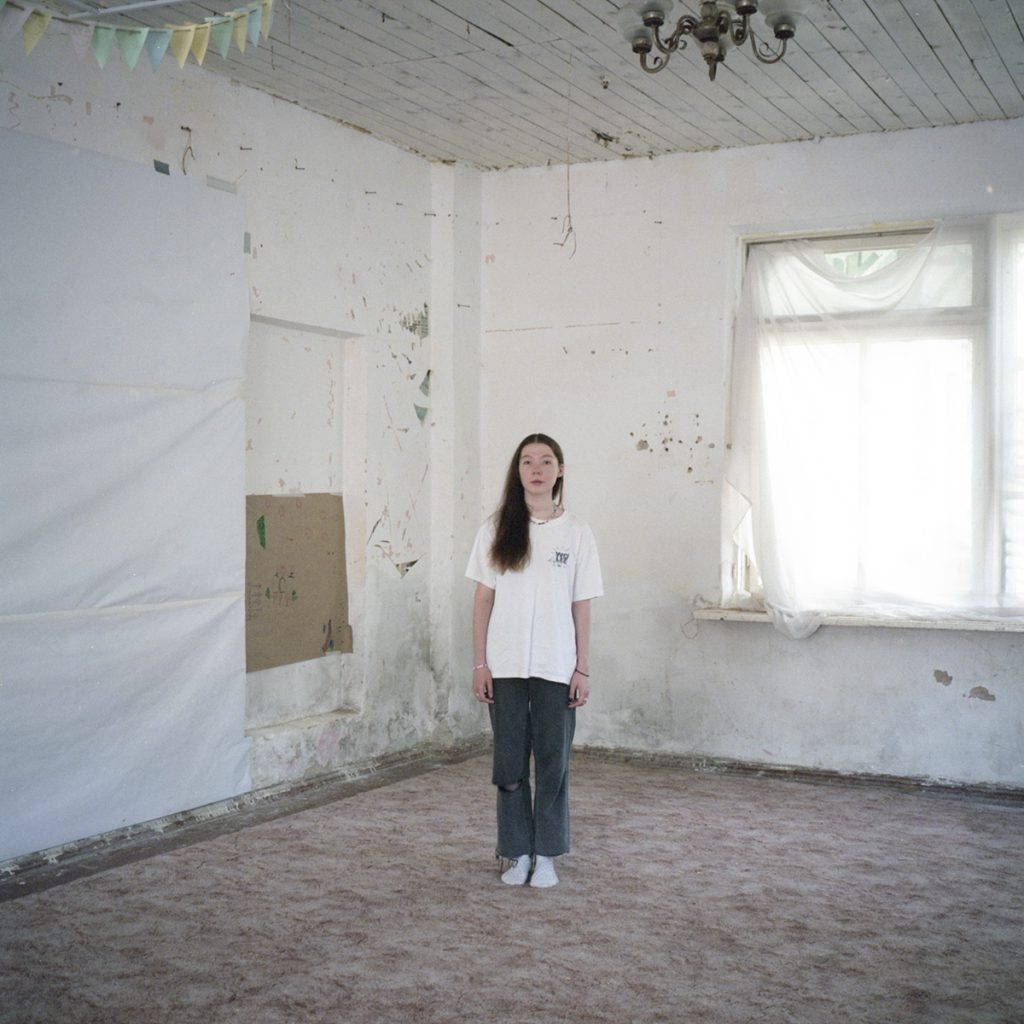 Lisa, curator of the senior group, leading a free workshop, studentcapoto: Polina Soyref
Lisa
The curator of the senior group leading a free workshop, a student
This year I was called to work with children in the summer camp. I have not been engaged in any public projects for a long time, and the experience was great. Initially, I did not mean any specific goal for myself why I was going here. For me, this trip is an opportunity to do a good and useful thing that I can. And what Ira does to me is important, I trust her, her values are close to me.
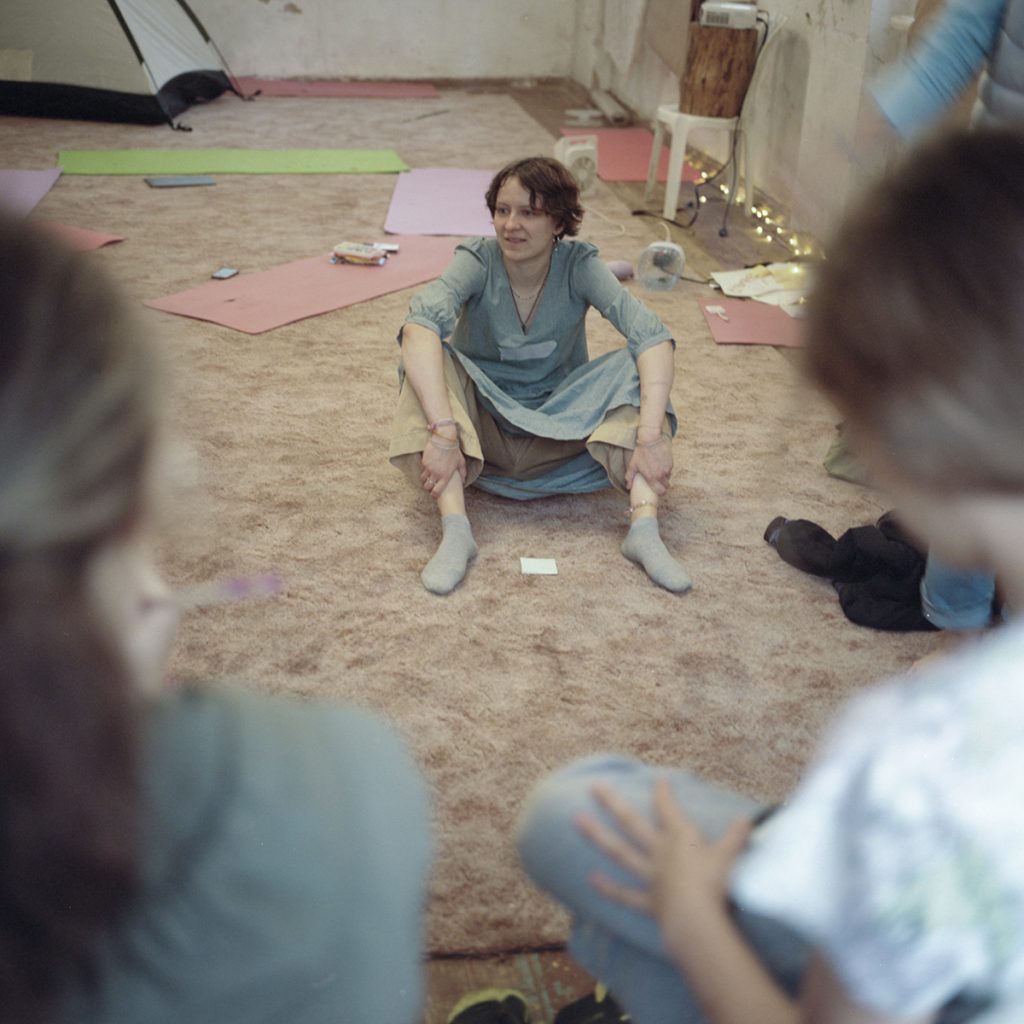 Masha rehearses with the older group performance in the final concertototo: Polina Soyref
Masha
The curator of the senior group leading the workshop of texts, the tutor in a private school
This is my third camp in the PVR. Probably, I'm here, because for me working with children is one of the few ways now available to actively respond to what is happening. Children will grow up and become new adults. Growing up is in principle difficult, and children here are in an even more vulnerable position.
None of this should have happened to them, with us, but it is and is happening. And you need to try to do something even in such circumstances: I understand that I can’t radically change something, but I can stay nearby.
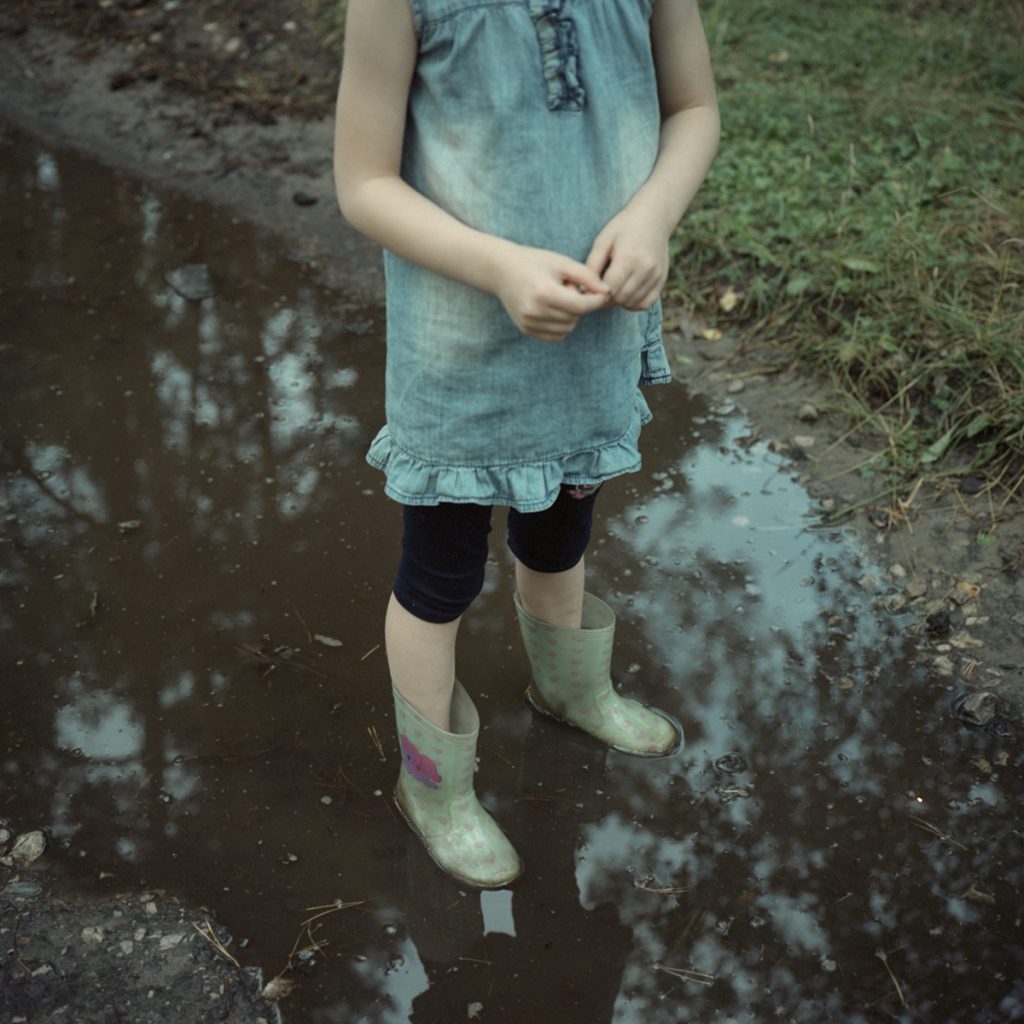 Girl from the younger group on the way to classes after rain: Polina Soyref
 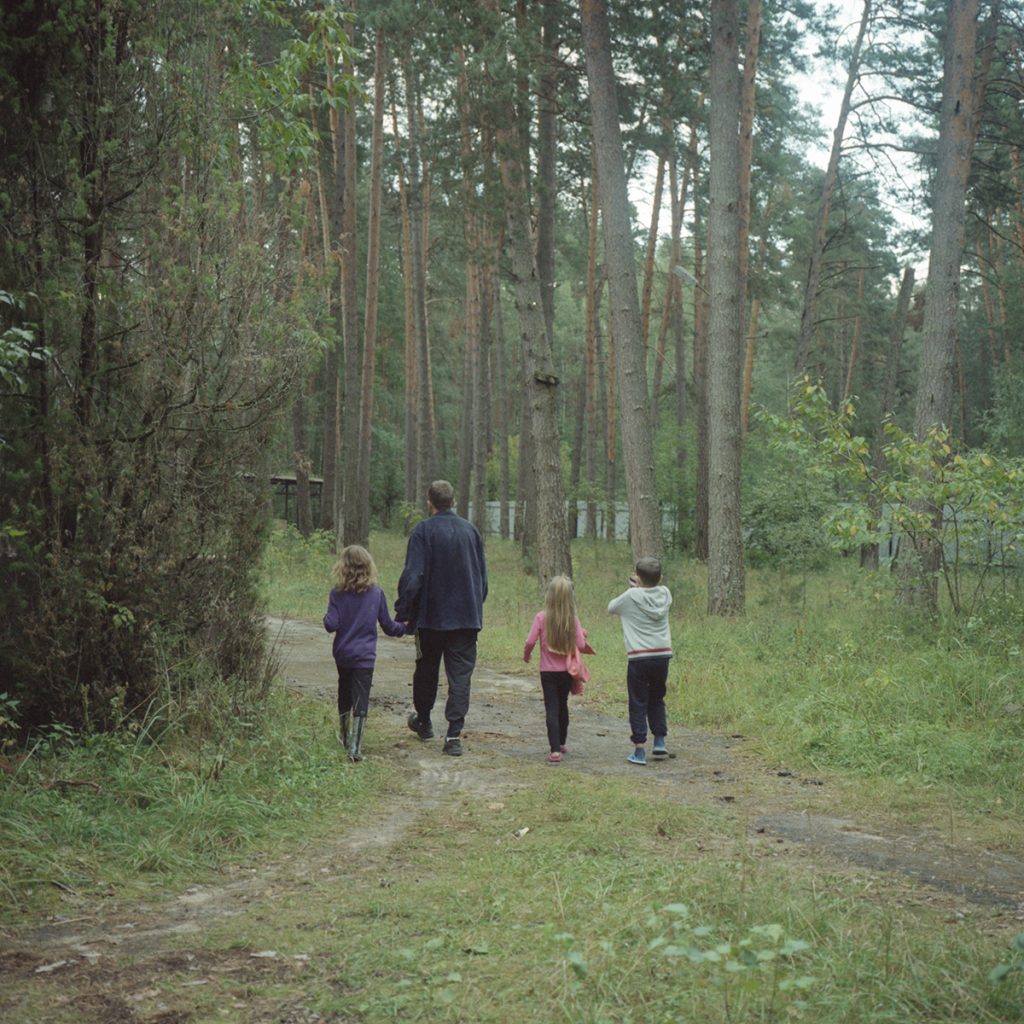 Oleg with the guys from the younger group goes to class after playing hide and seek
* * *
It is important for the author of the project to me that the organizers of these educational camps receive quite a lot of negativity addressed to them. Sovereigns scold them for insufficient patriotism, they say, there is no propaganda in the camp. And people, opposed, are unhappy with such projects in Russia and accuse the guys of “cooperation with the authorities”, although they do not receive state money and everyone works autonomously and independently. Despite such difficulties, volunteers and activists are sure: their work is necessary.
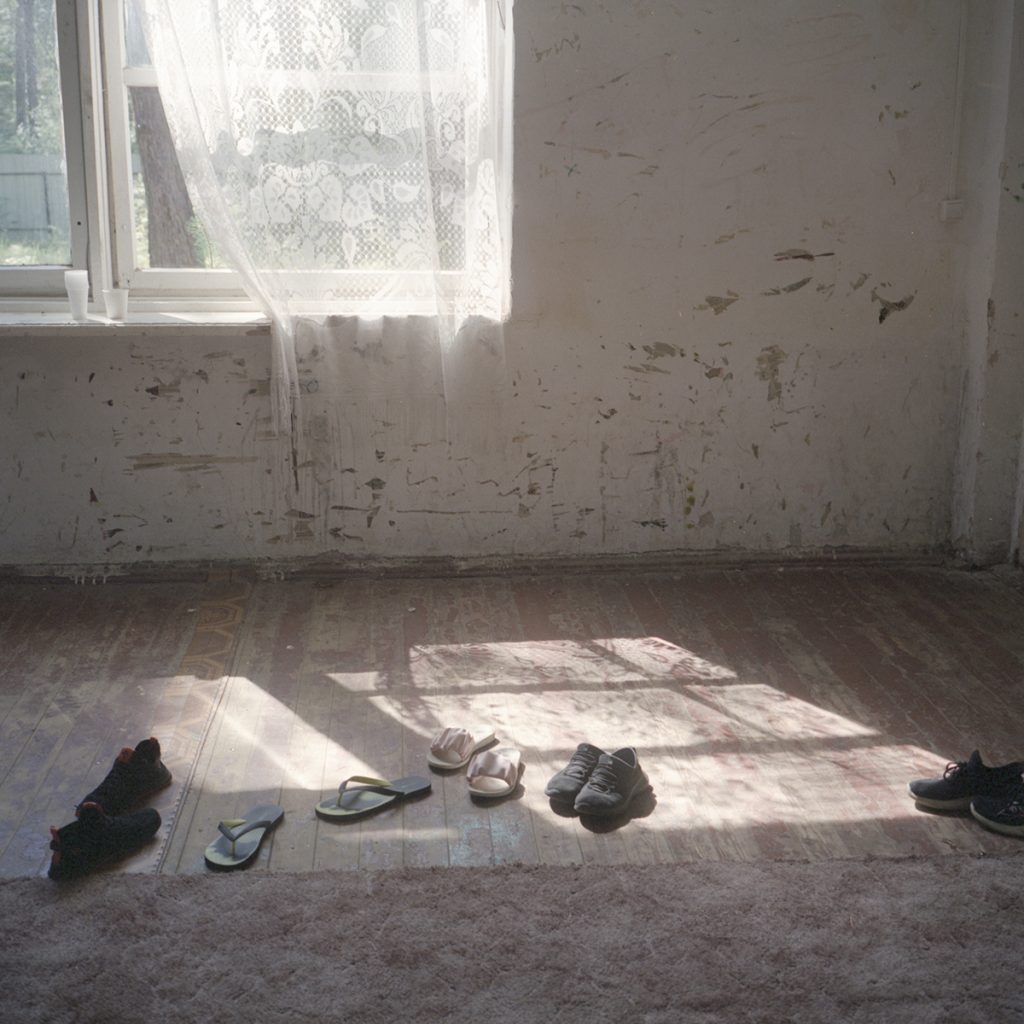 Room for classes, on the carpet - only Bosimophoto: Polina Soyref
Fragments from the text "ABC of growing up", written by the senior group of the camp in the classroom in the workshop of texts
“Adults speak obscenity, decisive, caring, gullible, deceptive, negative, romantic, indifferent, indifferent, funny, rude, sad, sports, famous, rich, poor, medium, high, low. Low cannot be in the casino. "
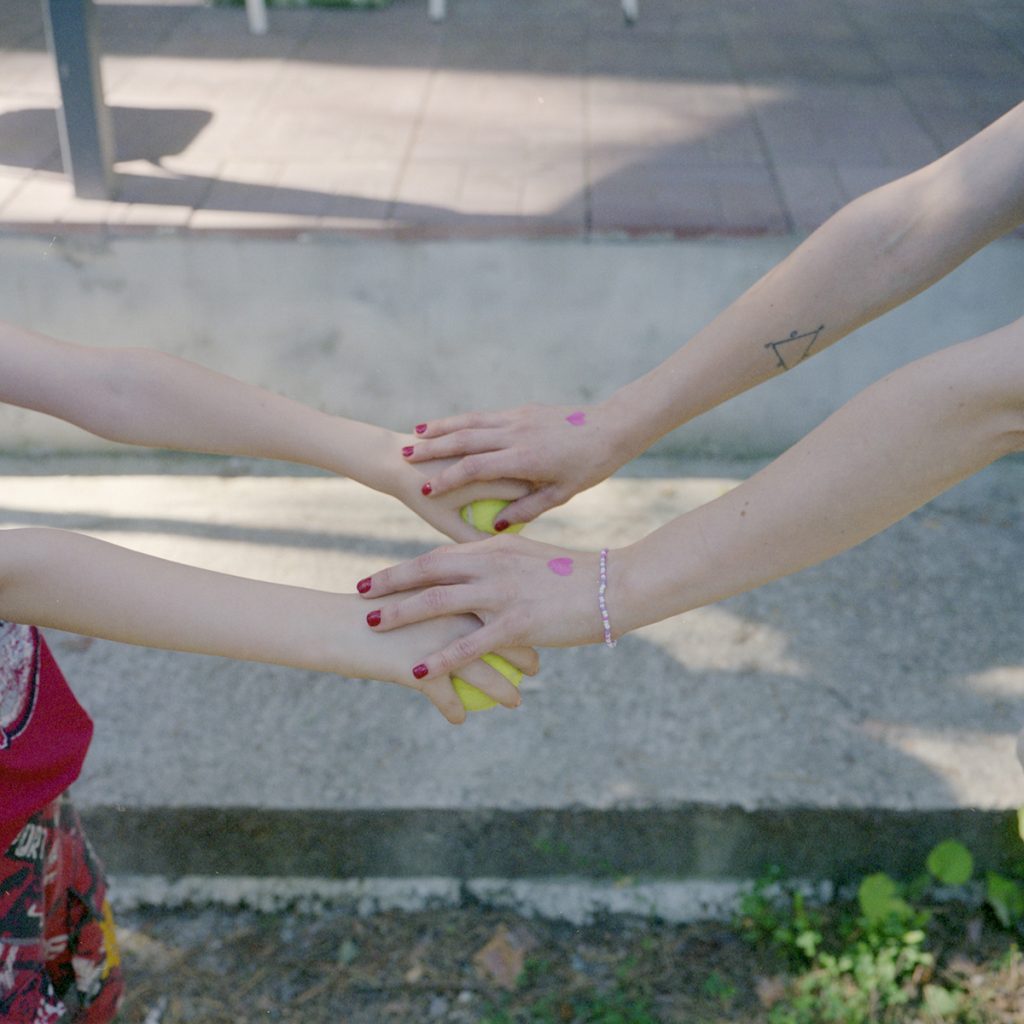 Game for coordination of the movements: Polina Soyref
“Adults go to work, sleep, smoke, cook, paint, drink, talk, protect, dream too, do good. They believe, but not like children. Give money. They want to be children. Take loans, microloans, have debts. They make children, they grow children. They drive a car, study in mistakes, fly in airplanes, participate in tournaments, serve in the army, remove porn, invest. ”
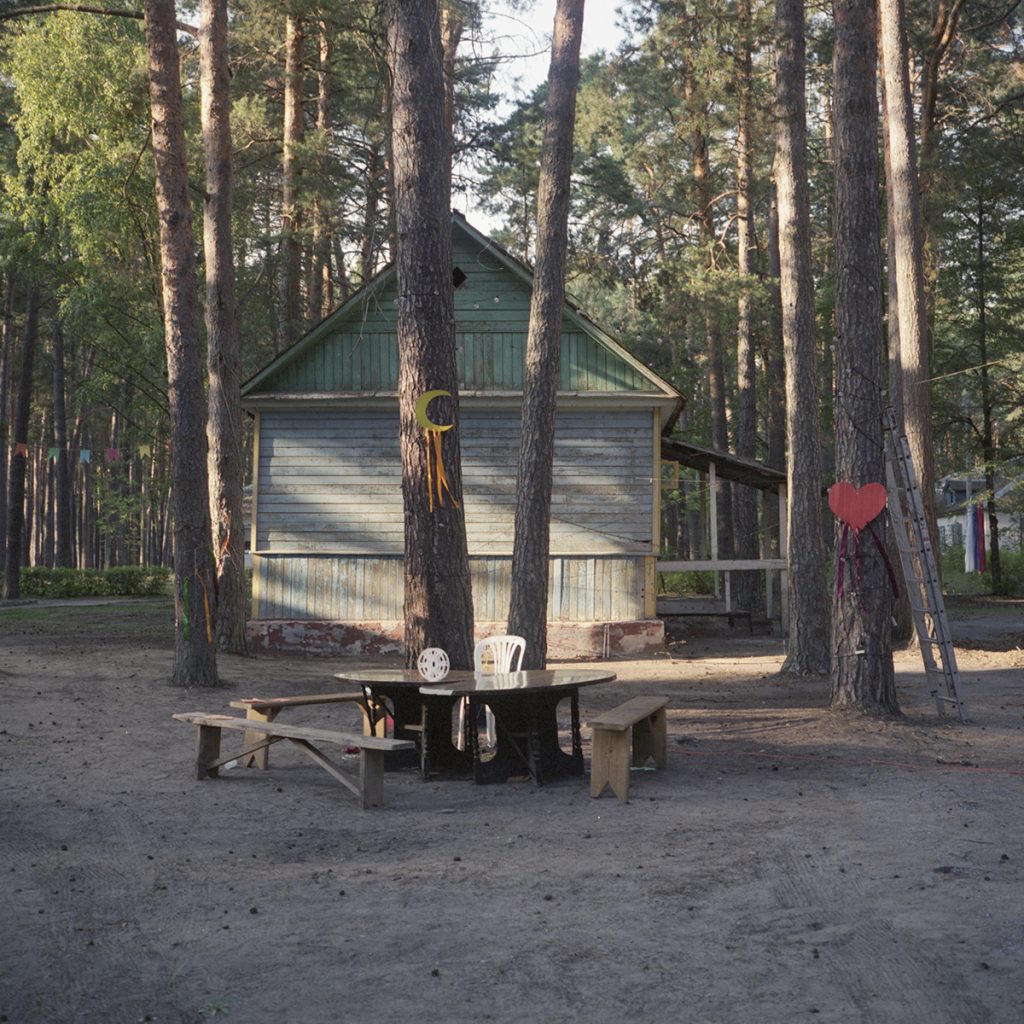 The court of the camp. In good weather, optional classes are held here (plasticine modeling and beads, sports, board games) photo: Polina Soyref
“Adults are kind, evil, they say obscenities, wear metal, work in a taxi, people build houses, maybe shops. Men and women, men make cars, women do not, adults drink, women work as a hairdresser, make nails, dye their hair. ”
“Children are different, smart, they don’t say obscenities, evil, kind, can spoil, children can be in Russia, children grow up.”
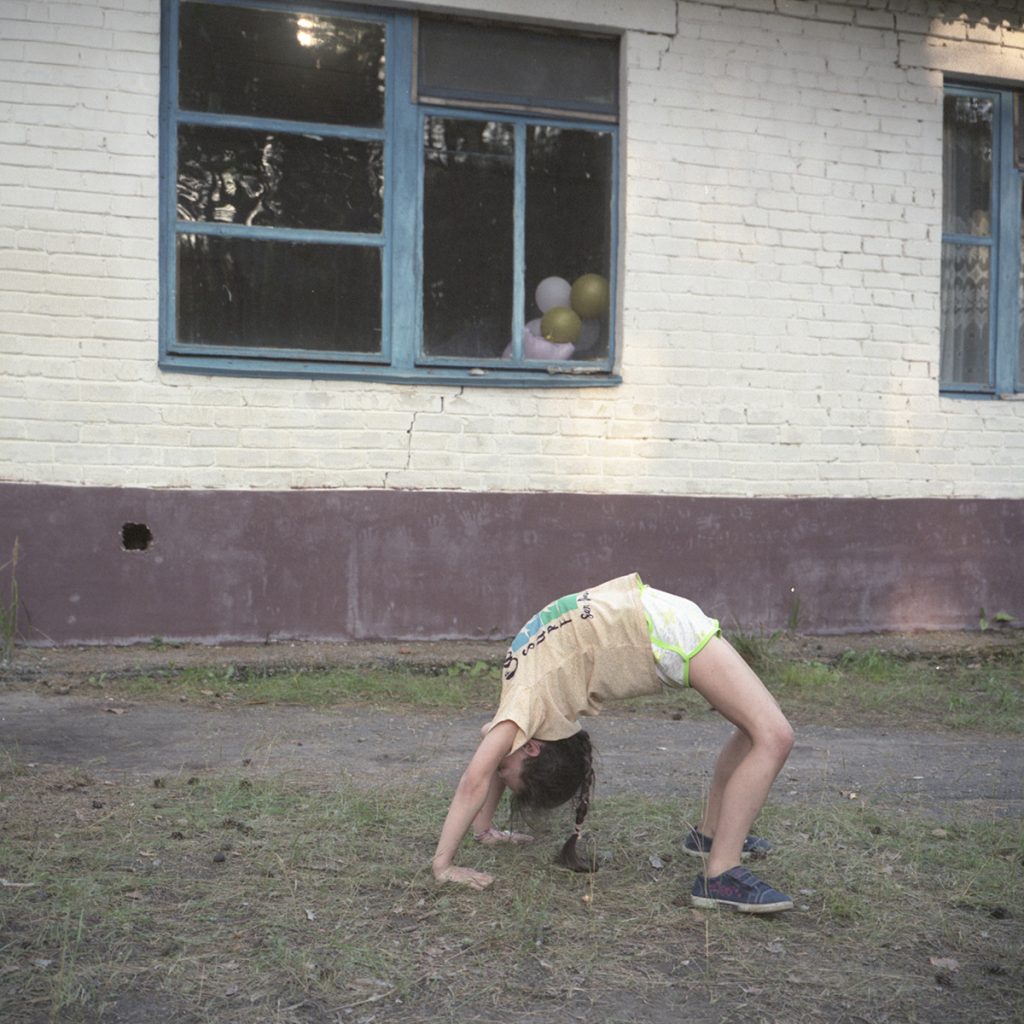 One of the girls shows how she knows how to get up on a bridge: Polina Soyref
* * *
You can read about the project on the website of the "equally different" program .