
Translated material
"Airbnb effect"
The pandemic turned the endangered settlement in Oklahom into the city of successful landlords. Nyt tells the story of the rapid heyday
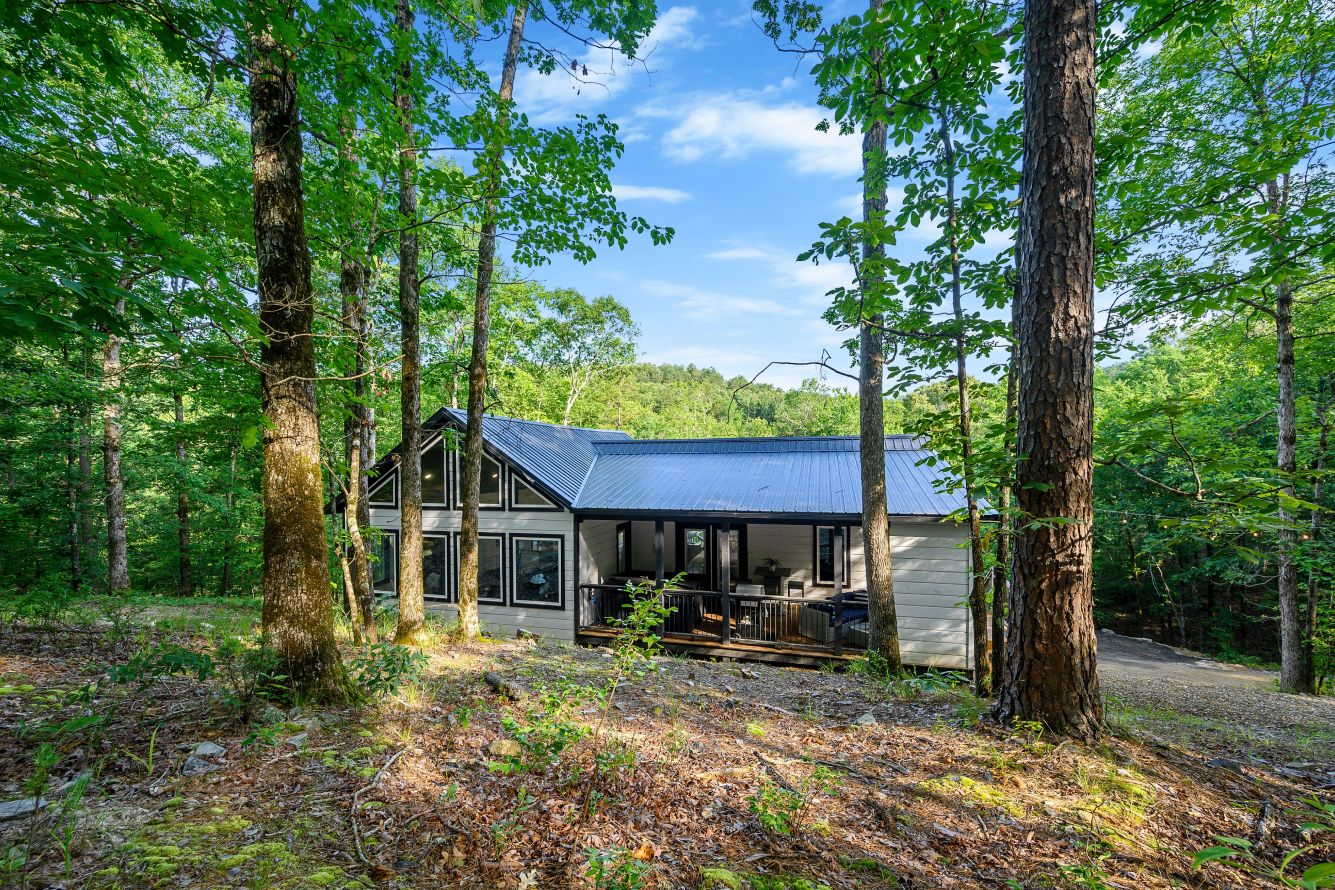
During the Pandemia of Coronavirus, many residents of large American cities moved (some for a while, and someone is forever) closer to nature, which is why the demand for housing sharply grew up in small settlements and the infrastructure began to develop rapidly. About the economic rise of one of these settlements is written by The New York Times (NYT). Thanks to the attention of tourists and the so -called Airbnb effect, I wanted in Oklahom an unexpected flowering and received the status of the city. Medusa retells this story.
Chochatown is located on the shores of Lake Broken-Bow in the southeastern part of the state of Oklahom. The population of the city, depending on the day of the week, ranges from 200 to 50 thousand people. From the Texas metropolis Dallas, you can get here in three hours, so many townspeople come to Chochataun for the weekend-to rafting on Kayaki on Yash-Krick, fishing and walking among waterfalls and pine forests.
Judging by the flint spears and marks from the arrows discovered in this region during excavations, people first settled the territory of Kochtown in 6000 BC, and later the representatives of the indigenous people of Gaddo used it as hunting. In the 1830s, the Chokto tribe forcibly resettled by the American government arrived. At the end of the XIX - beginning of the 20th century, the region mastered white lumberjacks, and during the dry law they also produced moonshine. Local businessmen nicknamed the territory of Chochatown, although officially the toponym did not fix it.
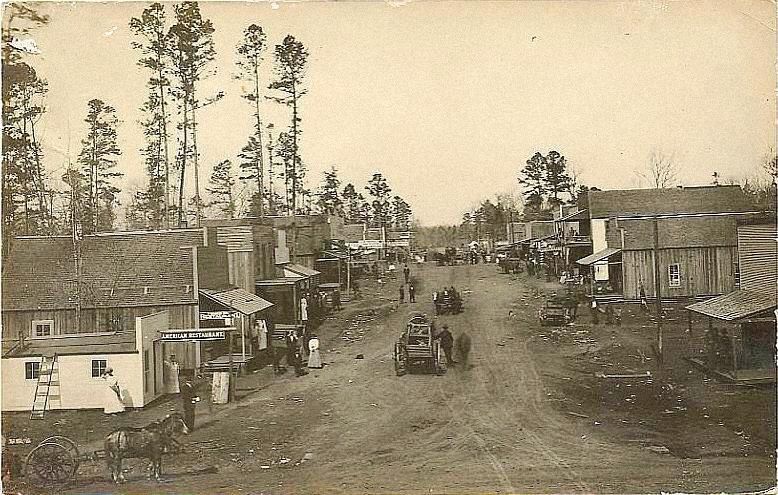
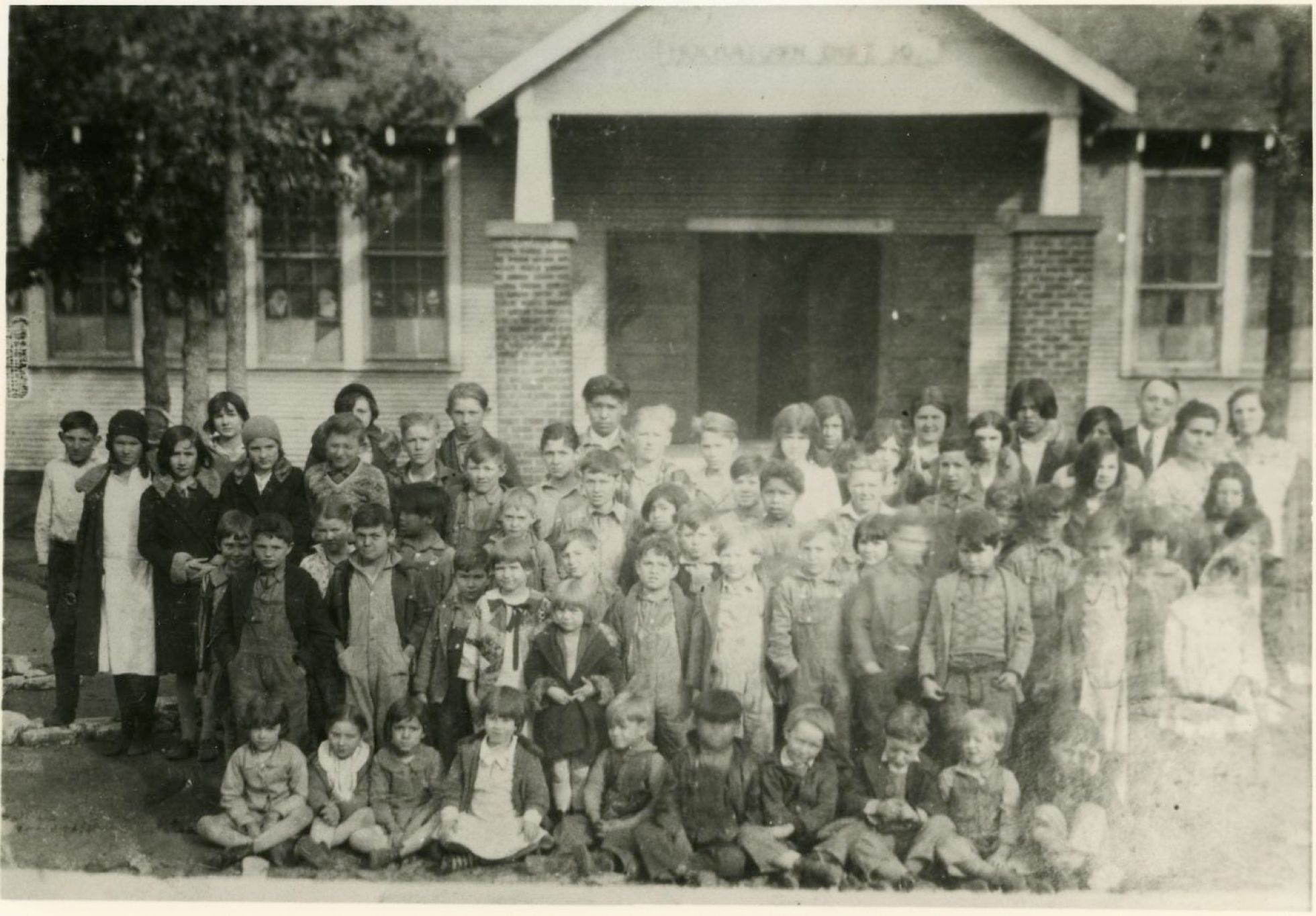
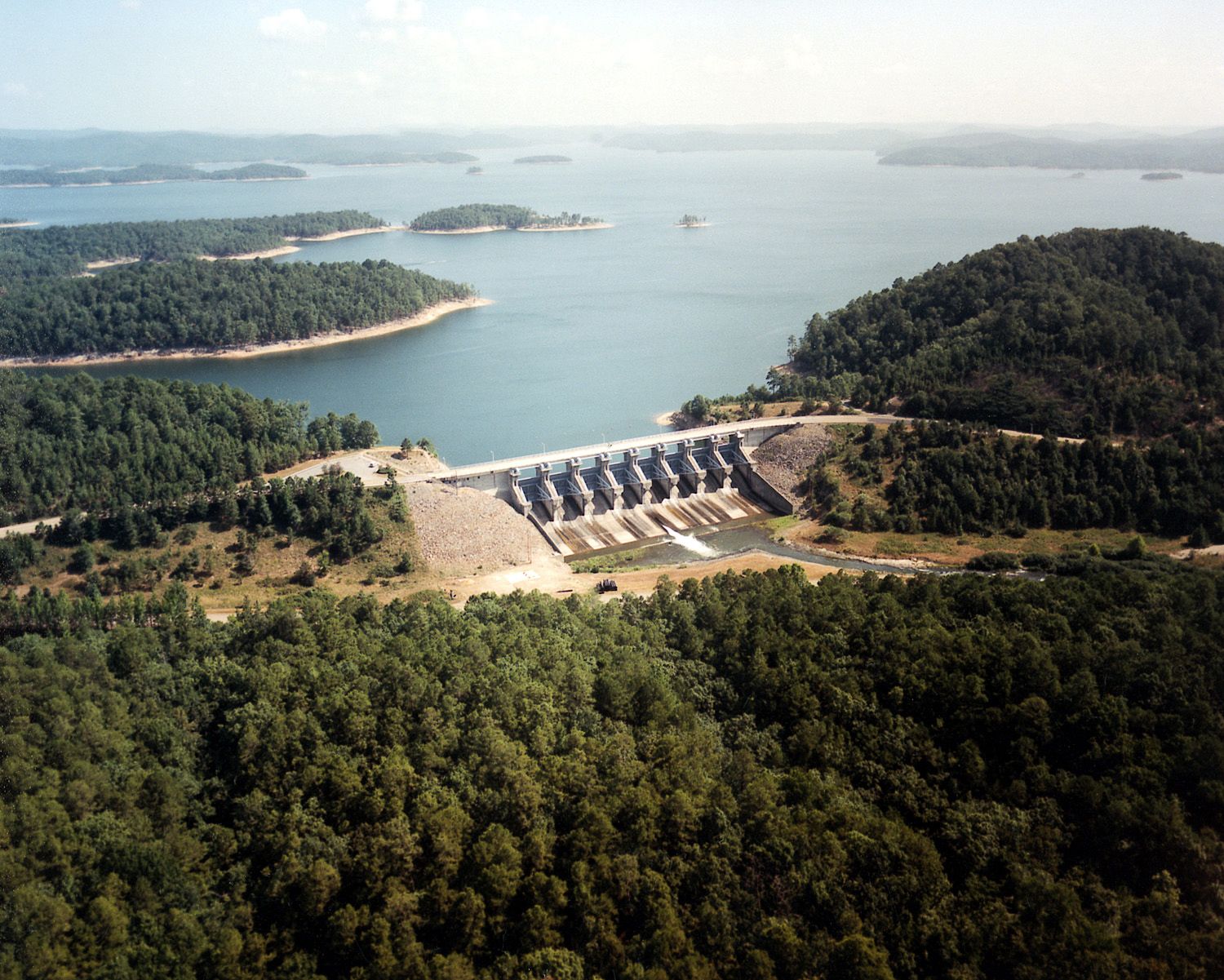
By the beginning of the 1960s, the population of Kochtown was less than 100 people. Many residents were moved due to the construction of the dam, and most of the territory was flooded. The post office closed, Chochatown lost the index and even disappeared from the cards. By 2020, about 400 huts were left in the settlement, which surrendered to tourists on Airbnb.
The pandemic played a decisive role in the history of Kochatauna, since self -isolation pushed the inhabitants of megacities to move to small cities and rural areas. As a result, in several years the number of houses in the settlement reached 2400. In September 2023, the city raised the first tax in its history-in the amount of 456 thousand dollars. The mayor of Kochtown Diane Jordan expects that in the future at least a million will enter the treasury monthly.
According to Jordan, the Airbnb was 100% built - of course, not the corporation itself, but for the sake of renting housing in short -term rental. And the case of a settlement in Oklahom is not a single one: the “Airbnb effect” spurred the economic development of many extinctioning towns and settlements in the United States. For example, in the city of Igl-Pass in Texas with a population of less than 30 thousand people, the number of ads on short-term rental of housing in recent years has grown by more than 168%.
“The development of tourism in places where there are no hotels brings [cities and settlements] large economic benefits,” Jay Carny, head of the department of policy and communications of Airbnb, explained to NYT. “Regions where the population is reduced or enterprises are closed, they can now earn on tourism for the first time in their history.”
However, nowhere is the “Airbnb effect” manifested as noticeably as in Kochtown. “The situation with coronavirus became a problem for us first, and then a miracle,” the builder and the manager of 60 huts Todd McDaniel told reporters. - At the beginning of the pandemic, we returned the guests tens of thousands of dollars. Then everything changed, and 95% of the houses were filled with us. ”
And this is in a settlement where there is no police station, no fire service, or organized garbage collection, or even centralized sewage. Despite this, Diane Jordan, who combines the duties of the mayor with the post of senior teacher at the Faculty of Social Sciences at the University of Texas, the Perm basin in the city of Odessa, back in 2015 to start the settlement officially assigned the status of the city. Jordan herself, like most of the permanent residents of Kochtown, owns several houses. In one of them she lives herself, the rest rents out.
As the popularity grew among tourists, plots and houses in Kochtown rose, homeowners began to build new housing for rent and repair the old.
The settlement was actively growing - as well as the confidence of its permanent inhabitants that they rightly claim to be recognized by Kochtown to the city. The official status would allow them to independently dispose of municipal resources. Until then, budget funds were distributed by the administration of the Mackerten district, where the settlement is located, and this created problems. So, while one -room huts turned into expensive mansions, the inhabitants of Kochtown could not repair uneven soil roads, since they did not control the budget. Often people put the infrastructure in order on personal funds.
Another serious problem of Kochtown remained a water supply system, which constantly failed. “You cannot take a hut if you do not have a jacuzzi,” the nyt householder Leo Vinegar complained. “And if, due to poor-quality infrastructure, your pipe breaks, half a city is losing water for several days.”
So far, 128 residents, led by Mayor Jordan, convinced the district administration to appropriate the status of the city, the neighbors encroached on the independence of the rich settlement. The city of Bro-Bow, located about 15 kilometers, tried to annexate part of the overgrown Kochtown with the consent of several landowners. The head of the city administration Broken-Bow Vika Patterson said that he was just “trying to help the residents of Kochtown to succeed”, but they filed a lawsuit about the illegal alienation of the territory, won the case and retained independence.
In November 2022, the mayor's campaign Jordan finally bore fruits: Chochatown was officially recognized as a city. However, now the future of the settlement, the development of which the locals have compared with the development of the Wild West, does not seem so bright: in the spring of 2023, the occupancy of rented houses decreased to 55%, and in August-to 40%. Many landlords hastily put up huts for sale. The renovated house, which from 2020 to 2021 went up from 590 thousand to 1.1 million dollars, is now for sale for $ 899 thousand.
Leo Vinegar acquired a plot in 2021, when the “Airbnb effect” was gaining momentum in Kochtown, and invested in the construction of the house. But when he completely prepared housing for guests, the demand among the tenants fell. What seemed like a win -win business has now turned for the vinegar and some other residents of the city into an economic burden. To cope with losses, he has to combine night shifts in a store in Dallas with the work of a handyman in Kochataun.
“I hope I don’t have to sell the hut,” said the vinegar in a conversation with Nyt. “If Airbnb is more active in advertising us and reduces its prices [for tenants], then I can still succeed.”
The mayor Diane Jordan, unlike some neighbors, considers the decline in housing demand as a positive trend, since he will allow you to “take your breath”: due to the “Airbnb effect”, which has recently died out, in recent years has developed uneven pace. Residents of Kochtown also hope that the city will continue to develop even after the end of the gold fever around rented housing. Otherwise, a short and rapid heyday will turn into a financial collapse for them.
"Jellyfish"