
Translated material
Tour de Finland
The flow of asylum of refuge from the Russian territory forces the Finnish authorities to lower the "iron curtain"
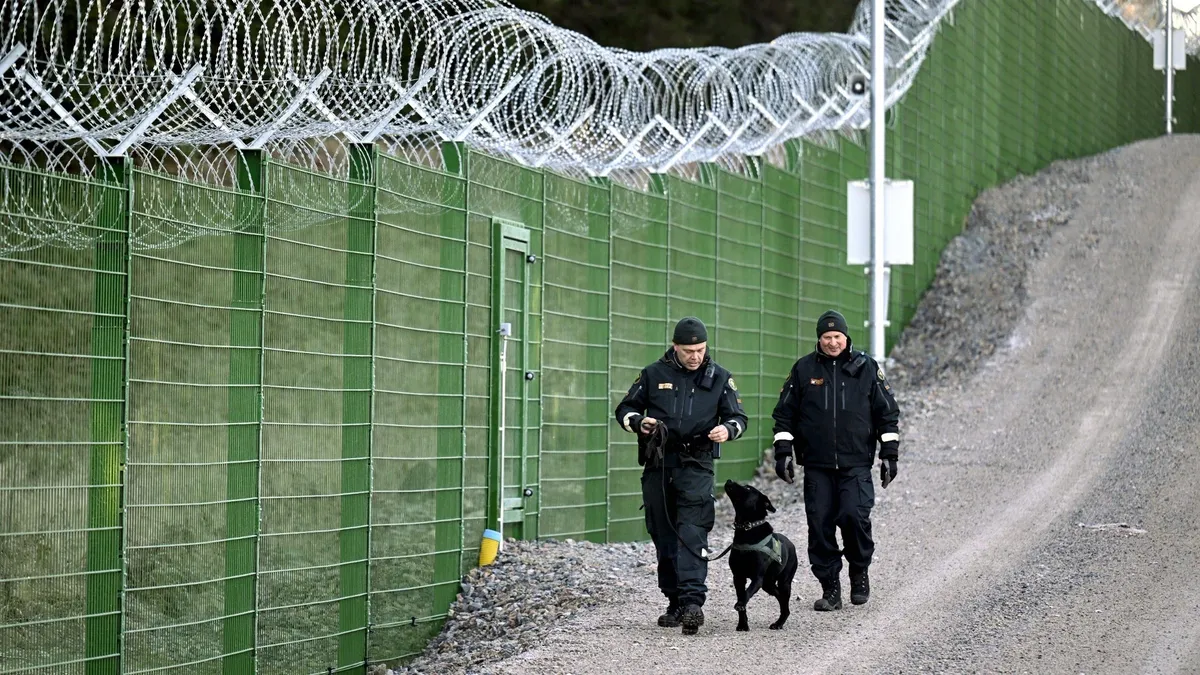
The border fence between Finland and Russia in the area of the city of Imatra. Photo: Imago/lehtikuva
On the night of Saturday, November 18, Finland closed four road points on the border with Russia - three of them are located next to the Leningrad Region, and one with Karelia. According to the Finnish Foreign Minister Marie Rananan, the country's authorities had to take this step due to the flow of asylum suppliers that poured from the Russian territory.
We are talking about immigrants from the Middle East and Africa, who do not have Schengen visas, allowing them to enter Finland and the European Union legally.
In recent days, their number began to calculate on the Finnish border dozens. They got to border control either on foot or on bicycles. Moreover, the flow of migrants could not stop even a hastily introduced ban on crossing the border by bicycle transport, and last Thursday the Government of Finland announced the closure of four checkpoints on the border with Russia.
On the roads leading to the checkpoints in Karelia and the Leningrad Region, concrete barriers and fences with barbed wire appeared. This was not there, perhaps, from the end of World War II in these places.
But, as it turned out, the precautions taken by the Finnish border guards were not in vain.
On Friday evening, the next group of “cyclists” from the Middle East arrived at the NIIRAL checkpoint, located next to the Karelian village of Vyartsil. Despite the lack of visas, they were very decisively tuned: the Finnish border guards had to restrain the crowd of almost three dozen people and even apply a gas spray against one of the asylum of refuge.
In Karelia, who had not previously encountered migrant flows from the distant south, the appearance of dozens of colorful refugees on bicycles was not unnoticed. As well as the ease with what citizens of third countries without Schengen visas overcome border posts and cross the border. At the same time, the residents of the republic themselves in order to get beyond the line of engineering structures, it is necessary to obtain the permission of the Russian border service. However, the leadership of Karelia pretend that nothing happens: over the past days, the first persons of the republic did not comment on the closing of the main checkpoint at the Karelian border section, nor strange guests who flooded the border areas.
Meanwhile, located several hundred kilometers north of Vyartsil, the city of Kostomuksha is slowly turning into a new transshipment base on the path of migrants into Finland. In the vicinity of Kostomuksha is the Vartius passing point (from the Russian side - Lutty), which the Finnish authorities have so far been left open, including for refuge petitioners. However, last weekend, Finnish border guards were forced to stop traffic several times through this point due to a sharp influx of refuge. Only on Saturday, about 70 such citizens arrived at Vartius.
Against this background
Residents of the Karelian Kostomukshi are horrified to discuss in social networks, which will happen if the crowds of migrants pour into the city. “Hide bicycles from the entrances. Wait for the tent towns, ”Kostomukshan writes in local publics.
On Sunday evening, the mayor of Kostomuksha Sergey Novgorodov reacted to the situation.
“To date, at the venue for the verification of documents, the heating point is deployed. All responsible departments work in full interaction. The situation is under control, ”the mayor assured the townspeople.
But they immediately answered him:
“Yes, you have a closed city there. Who brings them? How do they go through the checkpoint? And why do our border guards pass them out of line when 50 cars are worth? Information from the border comes live, everyone already knows everything!
Prigogine goes to Moscow, then refugees freely enter the closed city. Mystiki is just some kind! "
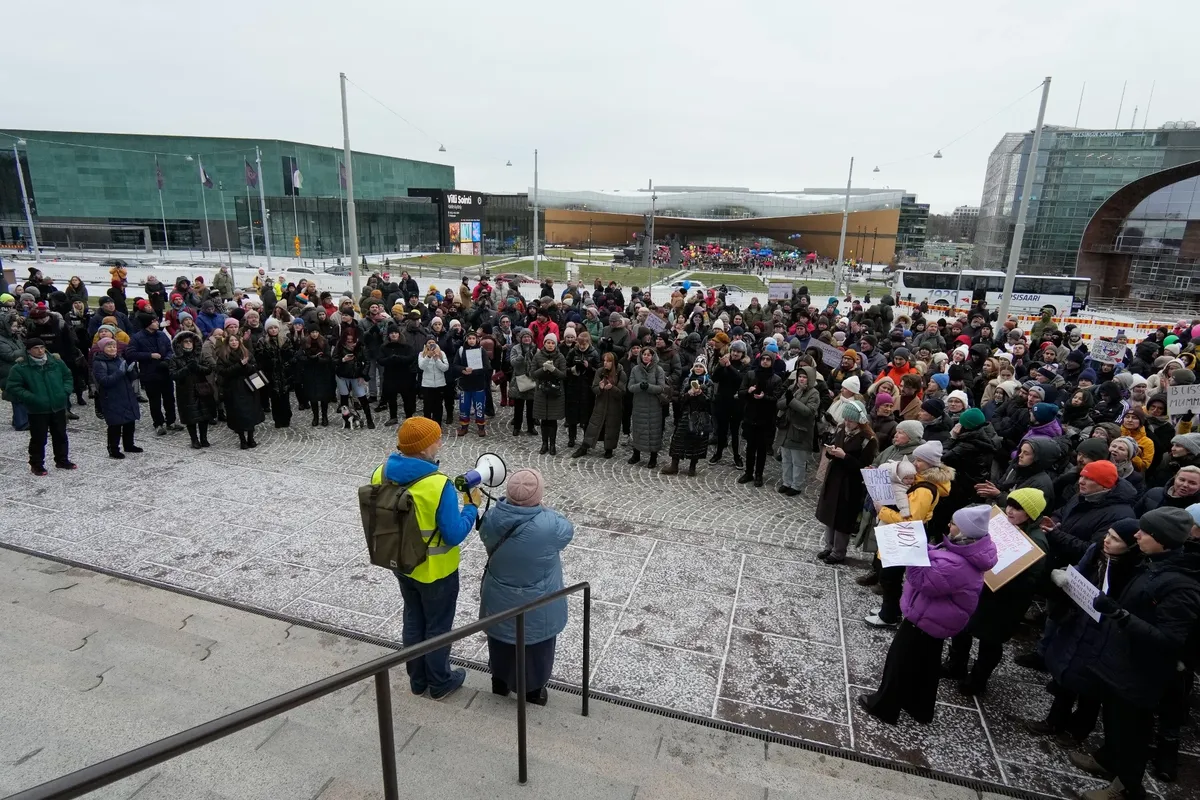
The situation with the closure of the checkpoints was also warmed up by the political situation on both sides of the border. Last weekend in Finland, several rallies took place not to share the families of Russians and Finns, who lost the opportunity to visit their loved ones. And dozens of residents of Kostomuksha wrote appeals to the Russian Foreign Ministry with a request to intervene in the situation with migrants on the Russian-Finnish border and not allow its complete closure.