
Translated material
"Risk to freeze somewhere in Karelia"
Finland closed four checkpoints on the border with Russia. How refugees survive who could not get to the EU
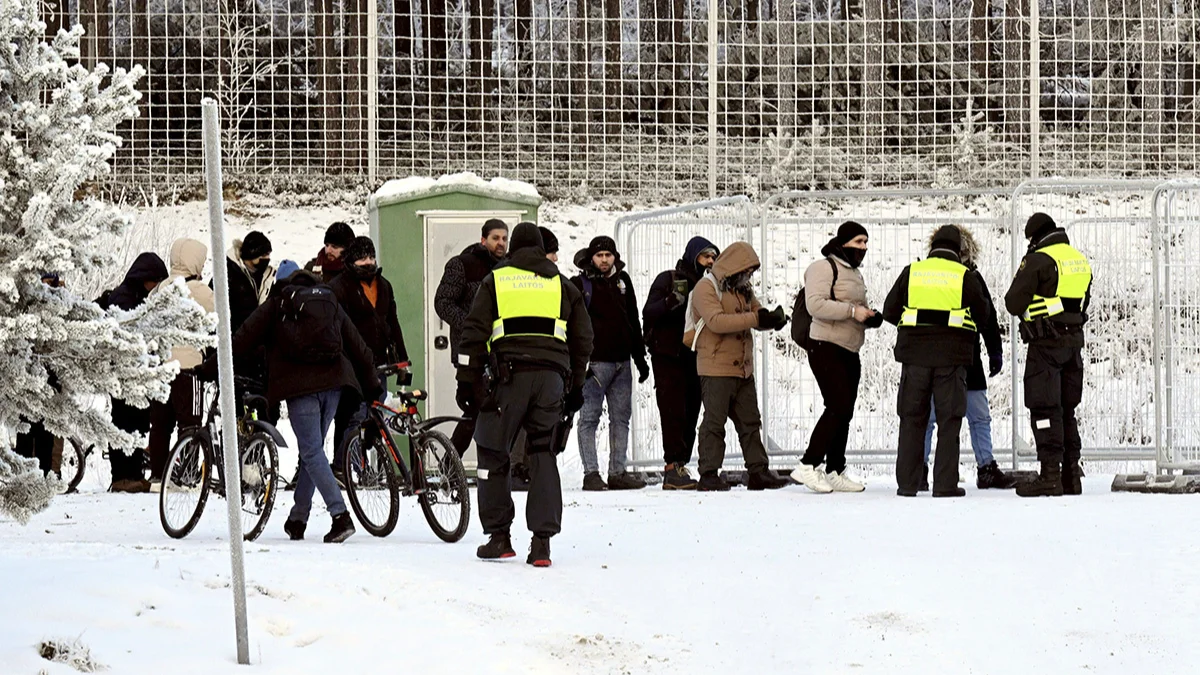
Finnish border guards check documents with migrants at the international border transition to Salla, Finnish Lapland, November 21, 2023 Photo: Jussi Nukari / Lehtikuva / Sipa USA / Vida Press
After Finland closed half of the checkpoints on the border with Russia, many refugees were forced to stay in Karelia and the Leningrad Region. Residents of the cities located next to the checkpoint are dissatisfied with the new “neighbors”, and the migrants themselves are placed in the centers of temporary detention of foreigners, many are facing an extinguishing to their homeland.
Novyevropa talked with an expert on the help of refugees and migrants about what situation people were due to the closure of the borders.
Prerequisites
In September, Finland, like many other countries of the European Union, banned the entry of cars with Russian numbers. On November 9, at the points of Imatra, Neuyamaa and Baalimaa, on the border with the Leningrad region, they stopped missing those who tried to drive a bicycle. After a week, restrictions were extended to all the checkpoint.
The deputy head of the Border Service of the Southeast Finland, Yukki Luccari, said that in November cases of crossing the border by people without the necessary visas were more frequent. From August to the introduction of restrictions, the number of people on the border without appropriate documents was about 90 people. Having reached the transitions, they filed a petition for the provision of asylum in Finland. According to Yle, mainly such a scheme was used by citizens of third countries.
The head of the Finnish Ministry of Internal Affairs, Marie Rananan, said that Helsinki was afraid of an increase in the number of illegal migrants. She explained that Finland can close the checkpoint to fight "with a serious threat to public order, national security or population health."
“The matter is not always in quantity, but in the phenomenon.
We cannot immediately take the most stringent measures. But the government has the right to take all measures that the law allows, ”said Rananen.
On November 14, she said that over the past two weeks 131 people arrived on the eastern border and asked for asylum. Most of them are immigrants from the Middle East.
“We are deeply regretted due to the fact that the leadership of Finland has chosen the path of conscious distance from the previous good level and the nature of our bilateral relations,” said Dmitry Peskov, spokeswoman for the President of Russia.
Finland
In total, there are nine border points on the border of Russia and Finland. Four of them - Baalimaa (from the Russian side - peat), Nuyayamaa (Brusnicichnaya), Imatra (Svetogorsk) and Niyral (Vyartsil) - Finland closed on the night of November 17 to 18. Another checkpoint-Vartius-was temporarily closed due to a large number of asylum suppliers.
On the night of November 18, more than 30 migrants from Syria, Iraq, Pakistan, Egypt and Somalia crossed the Russian border and tried to enter Bicycles to Finland, but they were not allowed due to a closed border post.
Now only four gearboxes are working: Vartius (Lutty), Kuusamo (Suoper), Salla (Salla) and Raja Joseppi (Lotta). Their work schedule is not round -the -clock: Suoper, for example, works only on weekdays from 09:00 to 16:00, and Salla and Lotta - seven days a week from 11:00 to 15:00.
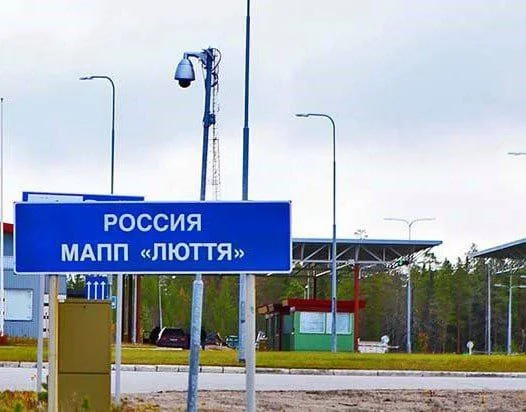
The media also reported that Finland was going to close the remaining four checkpoints on the border with Russia on the night of November 22. Today it became known that the Vice Chancellor of Justice of Finland, Mikko Puumalainen, rejected the government’s proposal to tighten restrictions on the border with the Russian Federation.
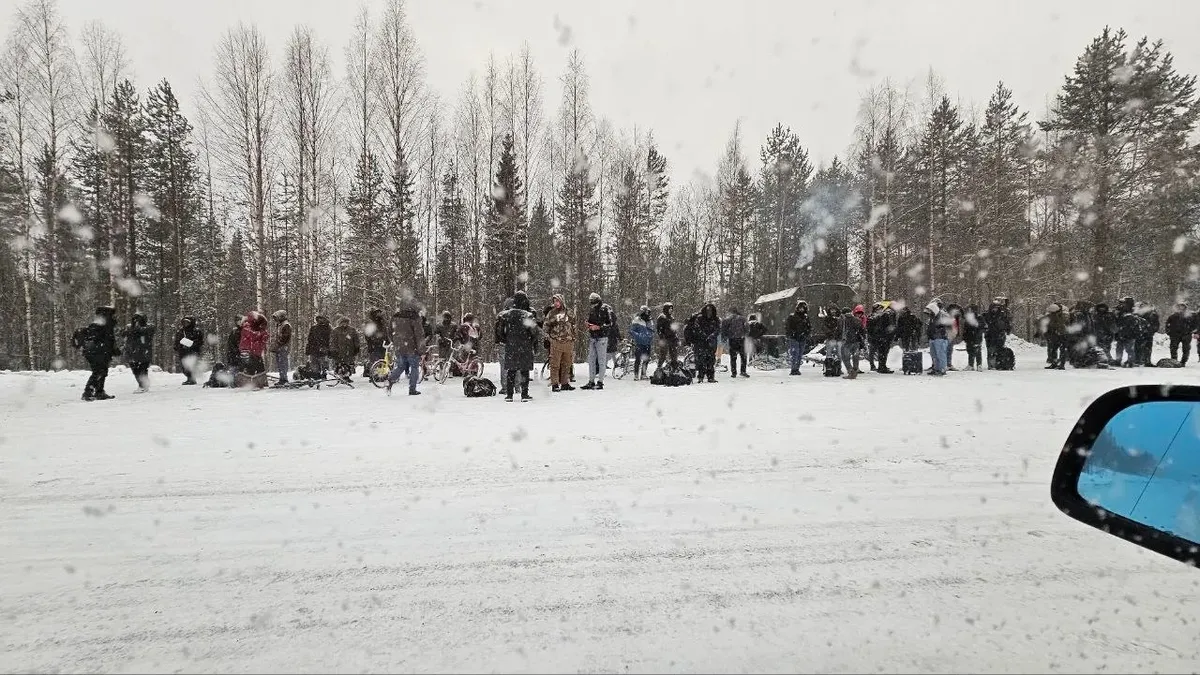
Due to the partial closure of the border, a lot of refugees gathered at all still working checkpoints. Residents of the Leningrad Region and Karelia seemed to be not ready for such an influx of foreigners.
“This is a nightmare, how many these migrants are there, what is happening, what the Kostomuksha turns into, teeming like cockroaches in a bank, they rolled with bicycles, although they actually go by taxi, I hope they will be sent back to their homeland, terribly walking along the street, and jokes are inappropriate here,” they wrote in local groups in Vkontakte.
An expert on the help of refugees and migrants in a conversation with Novo-Europe noted that one could expect the surprise of people due to a large number of migrants. In this region, there is usually not such a large transport flow and there are no so many people who want to go to Finland.
In response to the complaints of local residents, the head of the Kostomukshsky city district, Sergei Novgorodov, said that at the place of verification of documents near the border, the heating point was deployed. The next day he was disbanded .
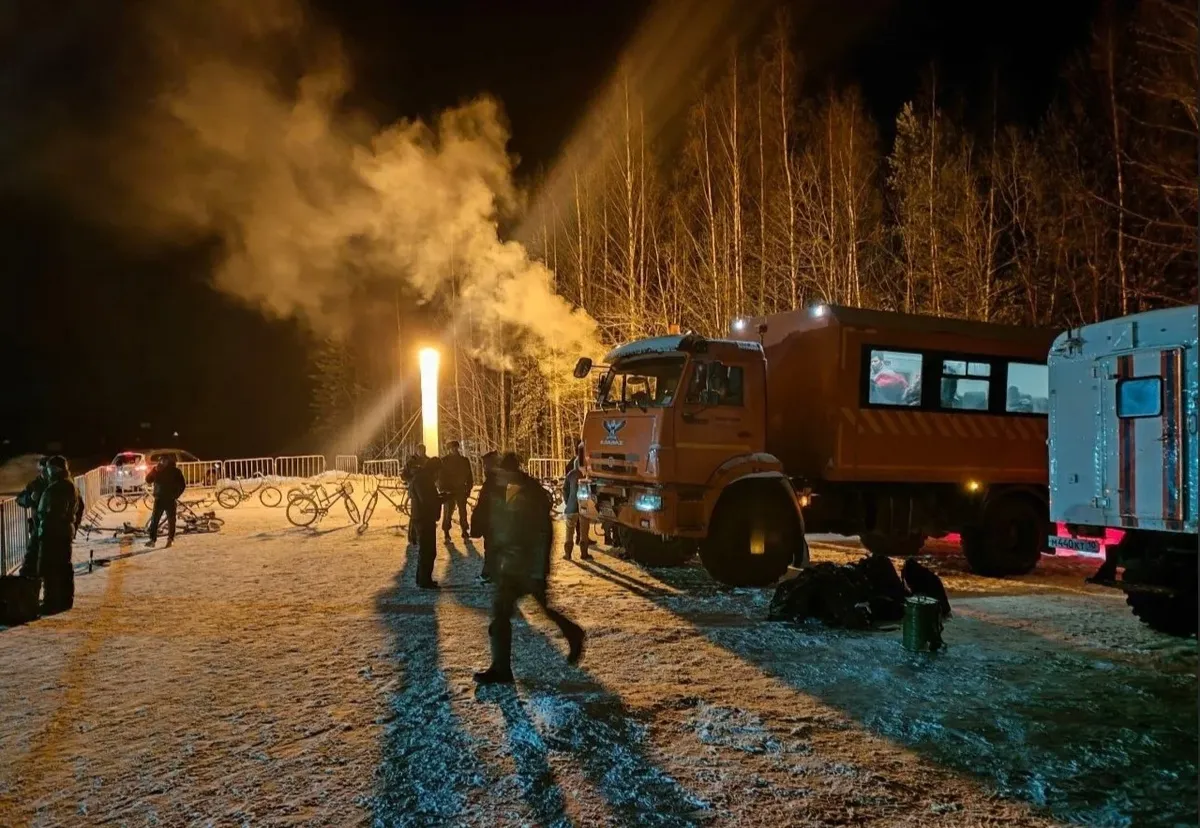
The State Committee of Karelia to ensure the life and safety of the population announced the organization of temporary residence points for migrants in Kostomuksha.
The administration of the region said that in total, from November 15 to 21, more than 150 foreigners were detained with expired Russian visas, which were directed towards the Russian-Finnish border.
“Now they are in places of forced stay of citizens of the internal affairs bodies of Karelia. Their fate will be decided by the court. They face a fine and forced expulsion outside Russia, ” said Marina Kabatyuk, spokeswoman for the head of the region.
On all detainees, administrative protocols for evasion of timely departure from the country (part 1.1 of article 18.8 of the Administrative Code).
The migrant expert said that Syrians are now being addressed, which, including together with children, were placed in the Temporary detention center of foreign citizens (TsVSIG) in Petrozavodsk. Refugees did not say that they tried to cross the border, but this can be assumed, given that they all at the same time ended up in the center of detention in Karelia.
According to the expert, the Syrians who contacted came at different times, the most long - 10 years ago. They were forced to escape from the war in Syria, but could not resolve their legal status in Russia.
“Now in Russia zero refugees from Syria with the official status of refugee. If there were two at the beginning of the year, now they are zero, ”he notes.
Someone had a temporary shelter, but they did not extend it, others lived illegally all this time. The media also reported that the Somalians and Yemenis tried to cross the border. They are not provided with asylum in Russia at all.
“They are looking for ways to survive at least somehow and, perhaps, by risk is meant to“ freeze somewhere in the northern forest in Karelia ””,
- the expert emphasizes.
According to him, in TsVSIG there is usually a very difficult situation, "approximately as in a pre -trial detention center, and maybe worse." The maximum people can be in such centers up to two years, but most often they are expelled earlier. Also, from TsVSIG, you can ask for asylum: while the case is being considered, people will be protected from expulsion.
In the case of a negative decision, they will be sent to the country of civil affiliation. The Russian authorities expel refugees even to Syria and Afghanistan, despite difficult humanitarian situations in both countries.
Window to Europe
Fontanka, citing the Finnish media, wrote that the Syrians and Iraqis use Russia as a transit on the way to the European Union.
“The Syrians and Iraqis say that they get from their homeland by airplanes to Moscow, from there to St. Petersburg, then to Vyborg. They buy bicycles (at a price of 3 to 10 thousand)-they are sold somewhere on the highway directly from the truck van. They get to the border, and there is already on a bicycle, ”the material said.
Also in social networks, Finnish journalists found ads in Arabic with a proposal to organize such a trip. Fontanka correspondents found chats in which people discussed the possibilities of traveling to Europe. Most often, they shared their experiences and information about the situation on the border. Refugees also mentioned the “Mukharibov” (Google translator translating the Arabic “ruction” as “people's traders”)-intermediaries who help migrants get to Europe. The services of such a person, according to chat participants, are two or three thousand euros.
This amount includes an invitation from Russia, a plane ticket to Minsk or Moscow, the road to St. Petersburg and the argument to the border. Bicycles were offered to buy at their own expense. At the same time, journalists could not find out how massively people use the services of Mukharibov.
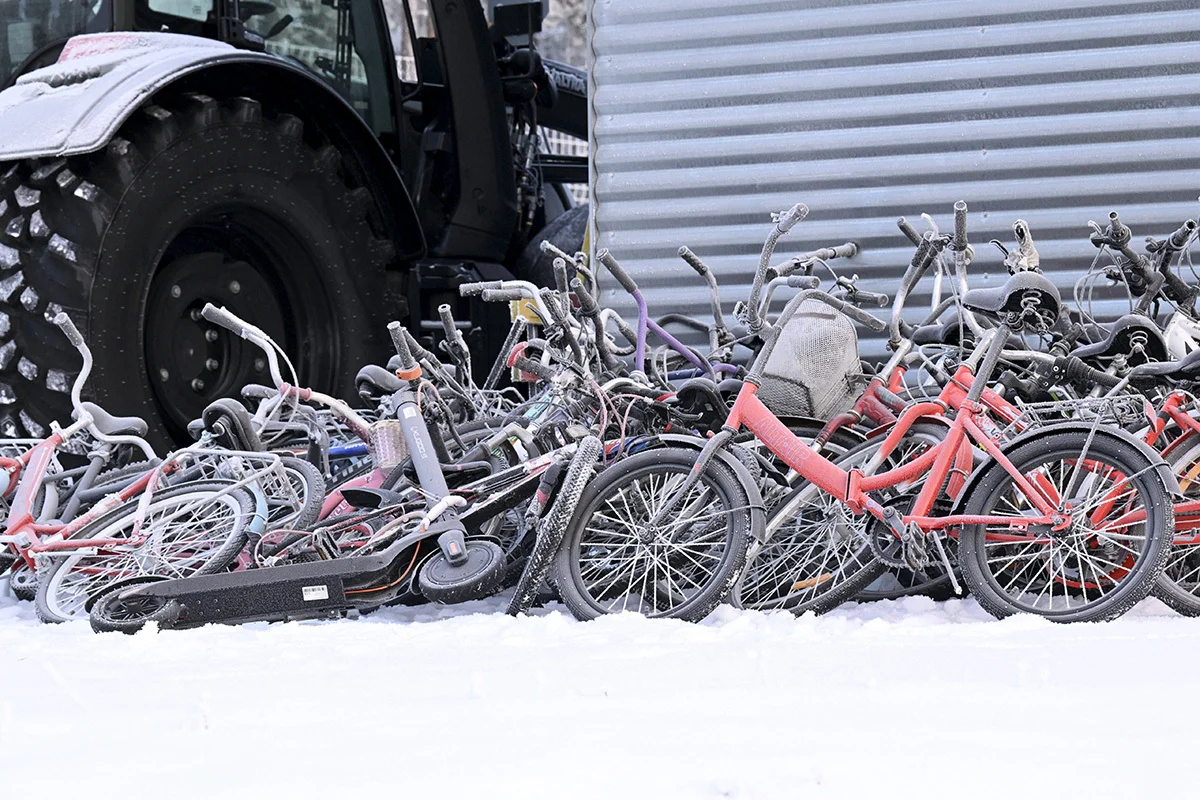
Photo: jussi nukari / lehtikuva / sipa usa / Vida Press
The expert confirms that some refugees really come to Russia, and then moves to Europe. He believes that most often this is not a thoughtful plan, but measures taken due to powerlessness.
“This is not due to the fact that refugees are trying to improve life conditions, but with the fact that they understand over time: in Russia nothing shines on them, they will not be given asylum, there are no social payments. Their children, most likely, will not go to school or kindergarten. The work is only illegal, because they do not regulate legal status. If they are legal, then it is very low -paid, they will live in poverty. When they understand that Russia as a country of asylum works very poorly, they begin to look for ways to leave this country, ”the expert emphasizes.
It should be borne in mind that crossing the border and a request of asylum is always a risk. For example, last year a “loophole” appeared on the border of Belarus with Lithuania and Poland.
“There, people froze to death in the forest. It is obvious that such a risk can be made only because of the strongest despair, ”says the interlocutor of Novy-Europe.
Statistics
According to the statistics of the Ministry of Internal Affairs of Russia, by June 30, 2023 there were 248 people with the official refugee status in the Russian Federation. For the second quarter of 2023, in Russia, only four people were recognized as refugees, and for the entire first half of the year - six people, the Committee of Civil Assistance noted .
“The total number of people with the“ refugee ”status (248 people) is an updated anti -record in the history of the Russian Federation. Never before in Russia there have been such a small number of recognized refugees. Obviously, the installation of the Russian authorities to reduce the number of officially recognized refugees continues to operate, ”the committee reported.
Human rights activists also considered that temporary shelter has more than 36 thousand people. Among them, 94% are people from Ukraine, 1153 people from Afghanistan, 163 from Syria, 127 - from Georgia, and less than a hundred people from Turkmenistan, Uzbekistan, Kazakhstan, Germany, Tajikistan, Azerbaijan and Kyrgyzstan.
Separately, in this case, according to the expert, it is worth thinking about what Helsinki achieves by closing the boundaries.
He emphasizes that Finland, like other European countries, has the responsibilities of receiving refugees, providing them with refuge and protecting them from persecution. Both Finland and Russia are members of the Convention on the Status of Refugees.
“Finland sees that refugees go through Russia and find a way to get into a safe space, and it does not prohibit the refugees in the entrance, but bypasses this problem and simply closes the border. She does not think about the fate of the refugees who remained in Russia, ”the interlocutor of Novy-Europe notes.
According to him, the Russian migration bodies are also guided by the same principle of “no person - no problem” .
Estonia
After Finland partially closed the border, the Minister of Internal Affairs of Estonia Lauri Laurinemets said that his country may follow the example of a “neighbor”. He also accused Russia of admitting refugees to border points.
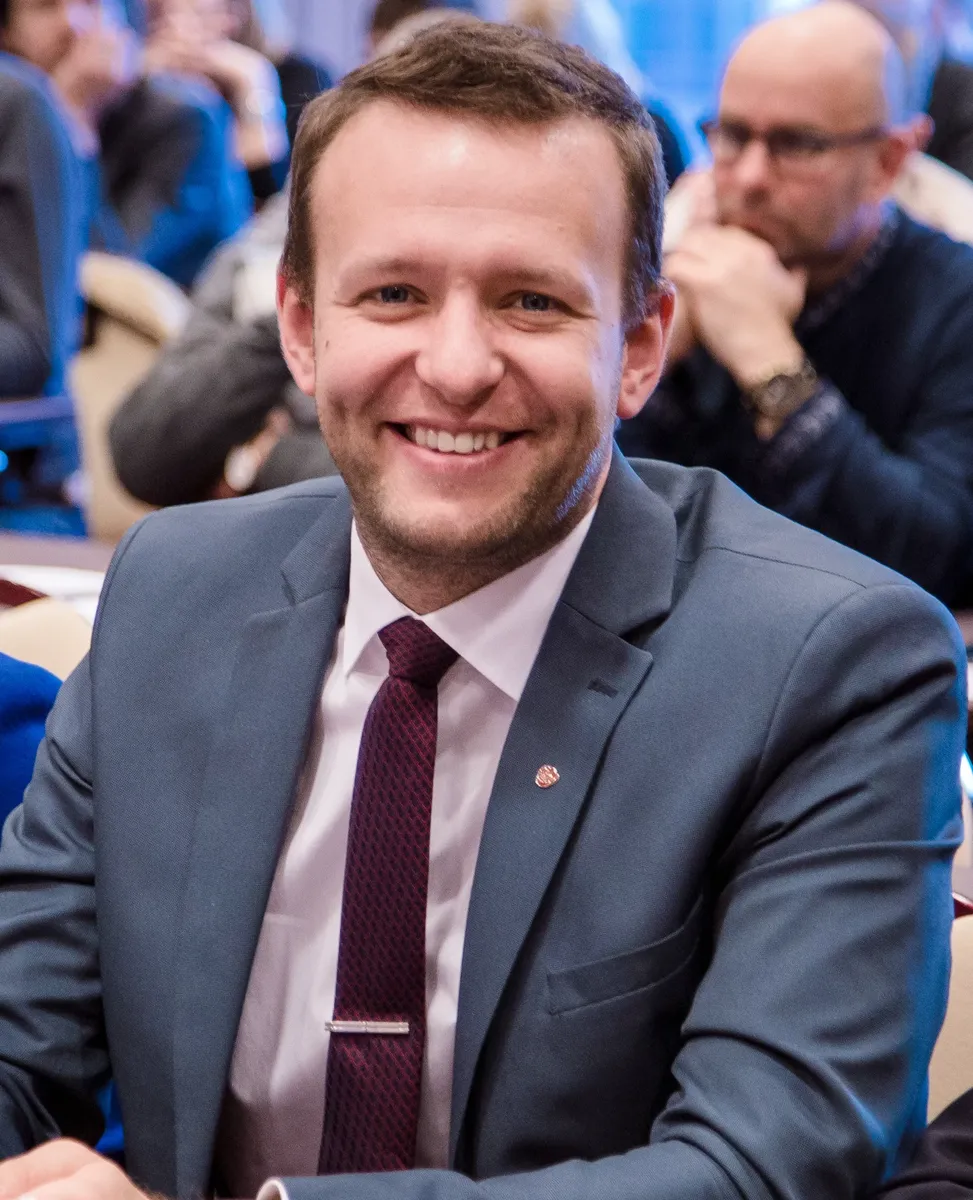
“Refugees who do not have the right to enter the Schengen zone are sent to border points. Russia should not let people into Europe who do not have a visa or any other legal grounds, ” the minister said .
Lyuanemetts called this a "hybrid attack." According to him, the goal of the attack is “to destabilize society and cause people anxiety and fear, as well as reduce confidence in the government and state institutions.”
He said that on November 16, eight citizens of Somali tried to cross the border of Russia with Estonia, but due to the lack of necessary documents, they were all refused at the entrance.
Norway
Norway authorities also stated that they are closely monitoring the situation on the border of Finland with Russia and are ready to follow the example of Helsinki in case of danger.
“We carefully monitor the situation, and, perhaps, it would be advisable for us to close the border in the shortest possible time, if necessary ... At the moment, we are not faced with any abnormal traffic in Sturskug. Traffic was very low and was low throughout the fall, ” said the head of the Ministry of Justice of Norway Emily Enger Mel.
The problem on the border with Russia has already arisen earlier. In 2015, Norway built a fence of steel rods on the border in the area of the checkpoint Sturskug-Borisoglebsky. The fences were erected 200 meters to "limit the flow of migrants in this Arctic region in the future."
The increased number of refugees that crossed the border on bicycles led to the construction of the fence. In just a year, more than five thousand asylum petitioners entered the territory of Norway from Russia. According to BBC journalists, the locals did not take a short fence seriously.