
Translated material
"There will be much more technical disasters." Russian budget-2024: war instead of social
The Federation Council on November 22 approved the law on the federal budget for 2024 and for the planning period 2025 and 2026. Military expenditures in the Russian budget will grow by almost 70 percent compared to 2023 and will first become the main expense article. The total expenses for the army and national security will amount to about 40% of expenses. Against this background, the fraction of the social sphere and the national economy, on the contrary, will fall to a record low level. At the same time, a number of social programs are expected to reduce financing not in relative, but in absolute values: for example, the costs of projects related to housing and communal services will be noticeably reduced. Experts told Siberia. Realities how this will affect the quality of the life of Russians.
"We have nowhere to go"
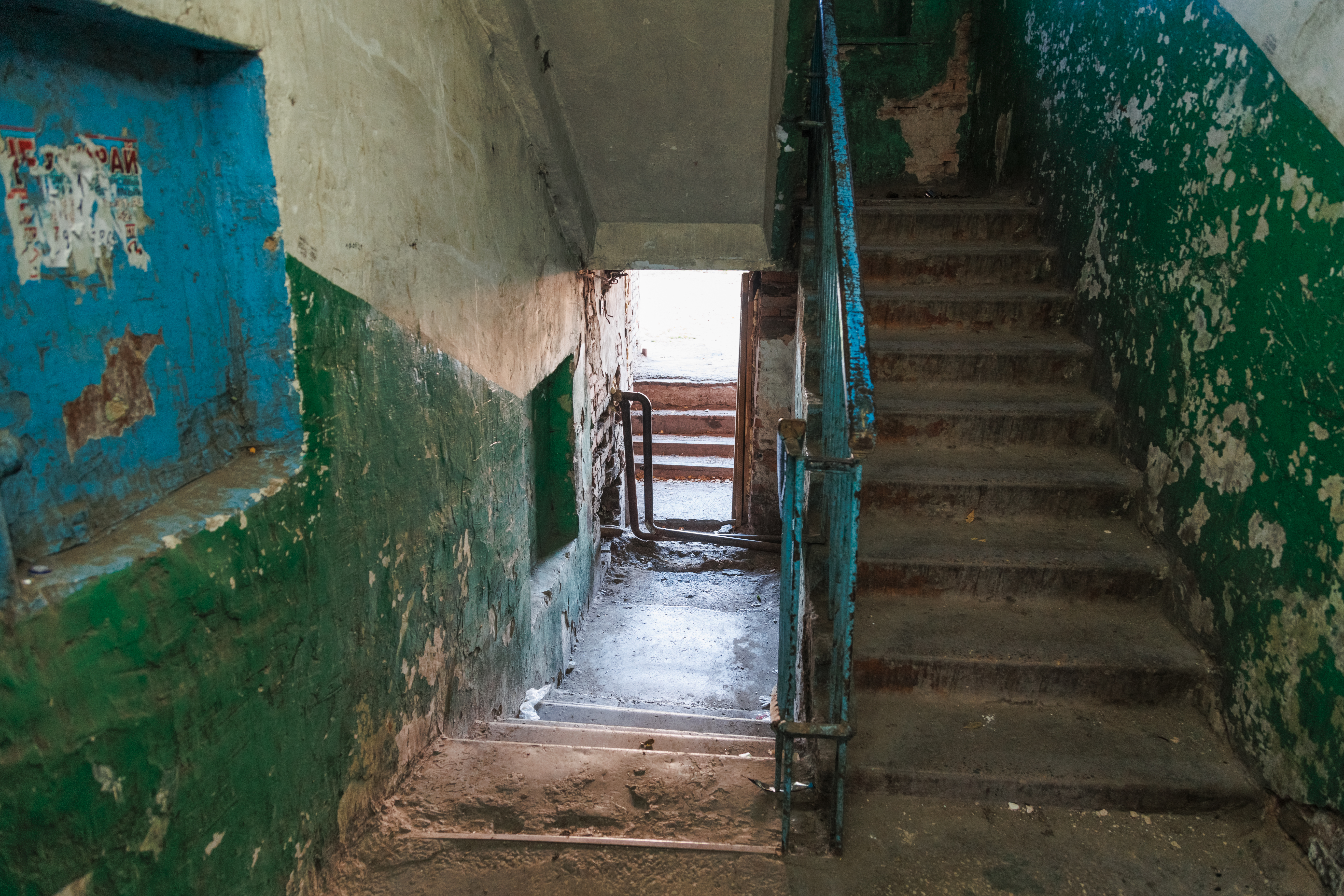
In Chernogorsk - the second largest city of Khakassia, residents of two dormitories for almost two weeks in October spent the night in tents to draw attention to their problem: the houses are virtually unsuitable for life, the buildings are recognized as emergency, but the authorities cannot resettle people.
“You will go, look in what conditions we live,” says Natalia Dzerzhinsky Street Dzerzhinsky Street. - Look, what kind of kitchen we have, this impetus, full shit, which is no longer possible to break through ... It was time to demolish this house a few years ago. We, our owners, have to repair? Yes, it would be there something to repair, it is useless. Just demolish. Plus, some of the people are not even owners, they cannot do anything at all. It is impossible to live here, but we have nowhere to go. Are the state money goes to war? I heard about this, and in general I support the actions of our state. But I want to not forget about us: they solve at least these our problems, what do they, there is not enough money for us?
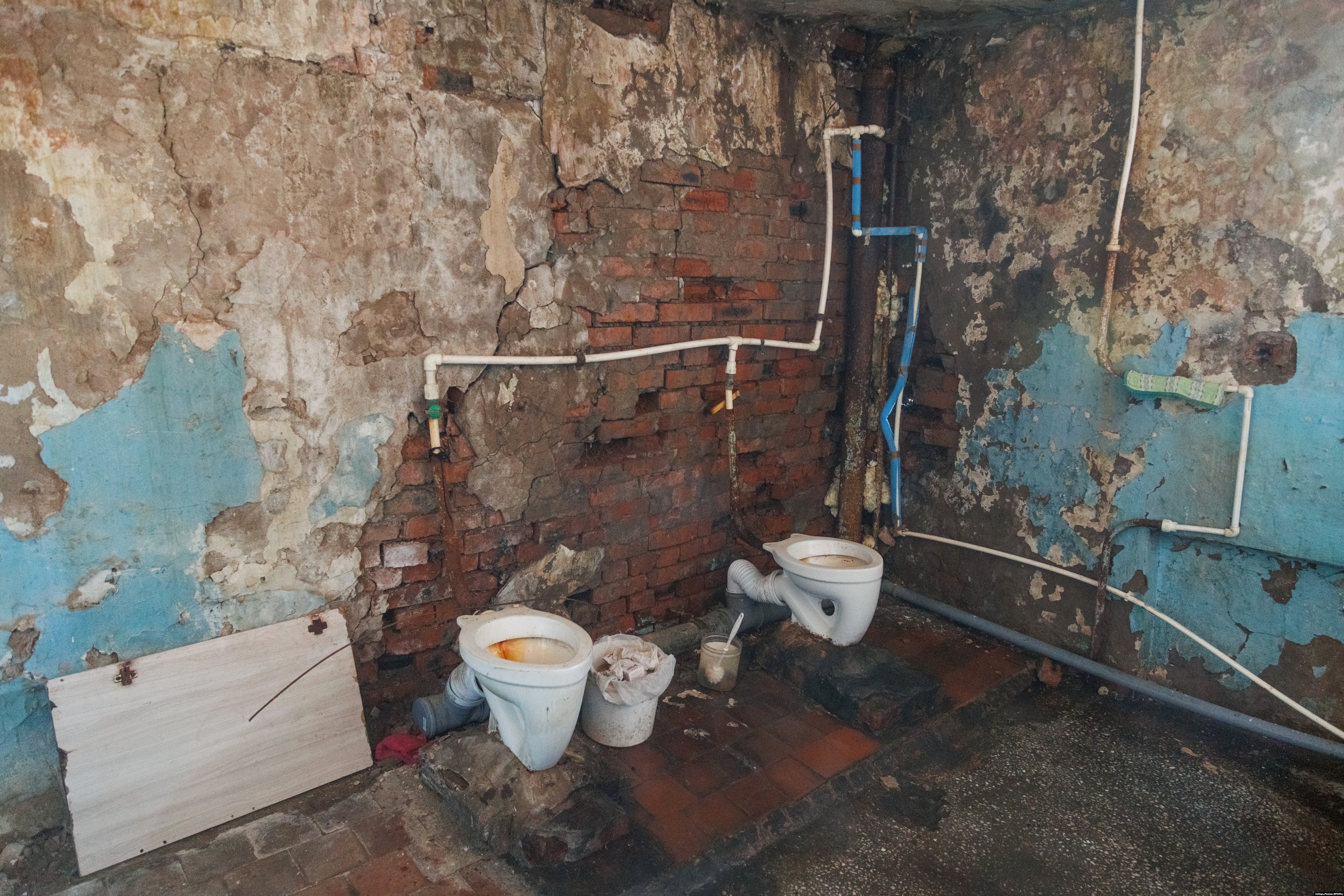
In Soviet times, the hostel built in the 70s belonged to one of the Montenegrin factories. Over the years, some residents were able to privatize the rooms, others lived on social rental conditions, and the rooms belong to the municipality. This house fell into the resettlement program of dilapidated housing, but it will be implemented at best in 2024. In addition, residents of the house doubt that the authorities will be able to build the right number of apartments in order to relocate everyone. The temporary option is to rent housing, in which the state is even ready to help by paying monthly compensation.
“Renting is not simple either,” says a resident of the house Kristina . - We demanded that the administration even simplify the conditions in which we could go on rent. If you rent an apartment, then it is unrealistic to conclude an official agreement: the owners do not agree, because they will have to pay taxes. We just have no one to shoot.
A similar situation in the hostel along Gorky Street. Residents defeated the tent town for the second time. For the first time they protested so in May 2023 - then the city authorities sent people a notification demanding to collect all things and leave the building until June 1. However, more than 200 owners and room tenants said that they have nowhere to move. Back in 2015, the building, built in 1973, actually began to collapse: a through crack appeared in the wall.

- The house collapses, walks with a shake. This happens every spring and autumn when it is damp on the street. In the house, the cracks are through, it’s scary to live there. Everything is cracking, pouring up, ”a resident of the hostel Irina Agafontseva told 19rusinfo.ru.
The authorities of the Republic and Abakan for several years now cannot agree who, when and what money will resettle this building. In January 2023, the UK opened a criminal case on the excess of official authority by administration officials who did not recognize the house in time in time. The authorities convinced the tenants to turn the tents, promising to resolve the issue of paying for the rent.
"The load will be transferred to the regions"
The resettlement of emergency housing in Russia is financed through a federal project with a long name "Ensuring a sustainable reduction of unsuitable for living housing." We are talking about houses recognized as emergency until 2017. And if in 2023 45 billion ₽ was sent for these purposes, in 2024, financing should amount to 19.2 billion.
Financing has been reduced not the first year in a row, and now the load will almost entirely fall on regional budgets, the former deputy of the State Duma Oleg Shein believes.
- Until this year, 97% of all the money sent to the dilapidated housing program was allocated from the federal budget. And only about 3% was allocated from local budgets. 97 to 3. In 2022, 71 billion rubles were laid on the program, says Shein. - That is, now it has actually demolished it, financing is shifted to the subjects of the Federation. This year, this parameter has already gone at 60 to 40. And next year, it is obvious that the proportions can be changed at least to at least 60 by 40, that is, when 60% stands out by the subject of the Federation and 40% allocates the federal center.
- How will this affect the process of resettlement of emergency housing?
-Of course, in some regions, these programs will slip. Moreover, the law suggests that some residents give a redemption price to replace the emergency housing so that they can buy another apartment. Most likely, we will see the manipulations associated with ensuring that the redemption price is smaller. You can sue, but we must understand that not in all territories the courts are neutral when citizens are submitting to the authorities. Accordingly, in this case, they will receive penny compensation, which will not be enough to purchase normal housing. And if a person moves from a small apartment, one -room, for example, or from a hostel, this compensation may not be enough for anything, says Shein.
In the 31st region of the country , there is a shortage of funds in the amount of almost 87 billion rubles, more than 800 thousand people living in emergency houses recognized as such until 2017, they risk not getting new housing. These are the data of the State Duma Committee on Housing and Public Utilities, whose members asked for the second reading of the budget to provide for an increase in expenses for the project "Ensuring a sustainable reduction of unsuitable for living housing." However, after the second reading, the amount of financing remained the same.
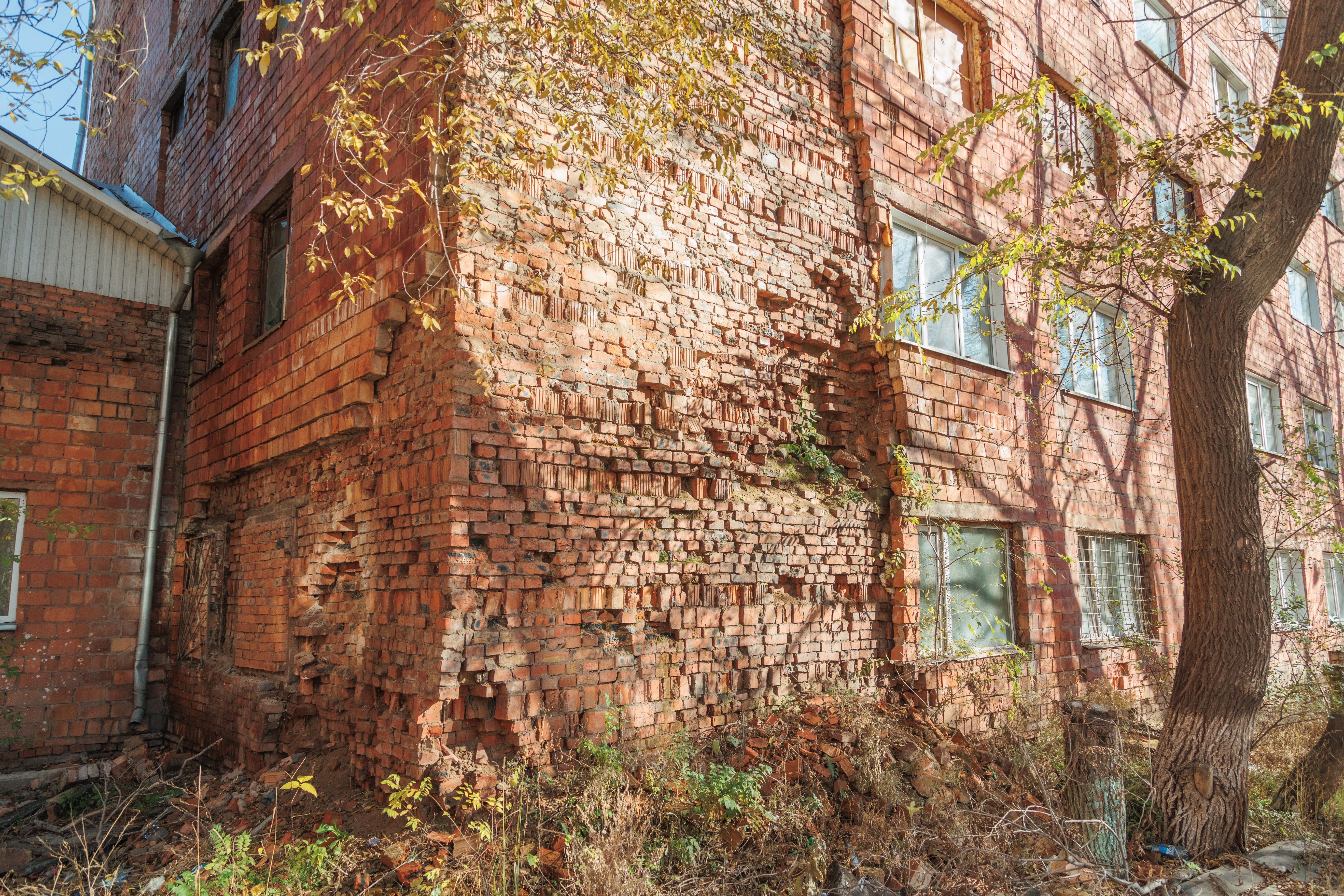
According to the Accounts Chamber, the area of emergency housing in Russia annually increases by 2 million square meters, despite the state programs of resettlement. Prime Minister Marat Khusnullin called the same figure in February 2022. In many Russian cities, whole quarters of dilapidated barracks remained in which people live.
"Perhaps something will happen"
In the Russian budget of 2024, a number of projects related to housing and communal services and landscaping are waiting for a reduction. For example, the federal project "Clean Water" will halve - from 46.6 to 23.8 billion rubles, the federal project "The formation of a comfortable urban environment" will be reduced from 59.3 to 50.9 billion, or by 19%. This will affect the external improvement of settlements: the construction of sports grounds, squares, parks and so on will be reduced. According to official figures, about 12 million Russians do not have access to a centralized water supply: they take water from columns and other sources.
“Pure water is a laying of water pipelines,” says Oleg Shein. - Say, for the Astrakhan region, this is an extremely important story, because here about 15% of the total population does not have access to pure water. That is, at best, water pipelines with technical water are laid, it is directly from the river, unpeeled and so on. And this, firstly, is bad for health, secondly, it is bad from the point of view of the additional costs of cleaning it, well, and thirdly, for example, if a person has counters, and he does not want to pay according to a large standard, then these counters will simply be clogged with sand, coal and so on. Plus, many water networks of the Soviet period. If they are not changed on time, this will lead to a deterioration in the quality of water, and hence life as a whole.
According to Oleg Shein, in the conditions of war in Ukraine, the state managed to ensure relative stability in the economy thanks to raw materials, internal borrowing and reducing part of social expenses. At the same time, the quality of life of Russians will probably continue to decline.
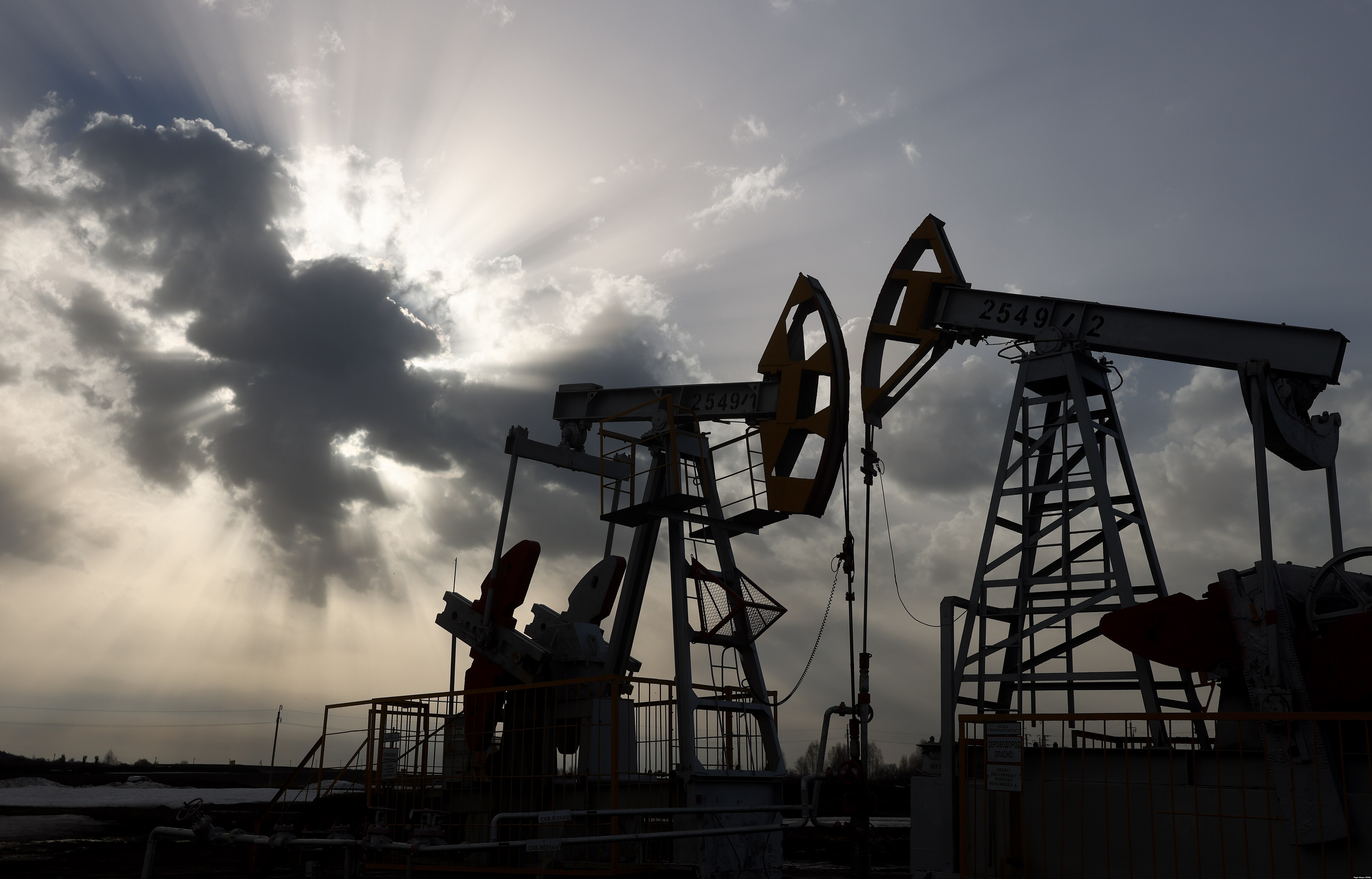
“Now their forecasts look more than optimistic: income increase by 7-8 trillion rubles with an increase in GDP by 1.5–2%,” says Oleg Shein. -All calculations are connected mainly with the fact that it will somehow be possible to return the foreign exchange earnings for raw materials. There is a feeling that the state hopes to return the lost raw materials markets. If these calculations are not justified, then we will see a dynamic reduction in the reserve fund and history when the airbag will be gradually eaten. She will be eaten so and so, the question of how much it will last. I think that the quality of life of Russians will decline, but in 2024 it will not be much felt, because the budget’s strength is like there.
Revenues to the federal budget decreased by 1.4 trillion, Izvestia write . According to the latest data from the Federal Tax Service, which are published with a significant delay, in the first half of the 2023rd, the fees brought 8.4 trillion, and a year earlier-9.8 trillion a year earlier. NPI was declining stronger than the rest due to low oil prices. In total, at the end of the year, the authorities planned to collect 23.2 trillion rubles, that is, almost three times more than the first half of the year.- In general, the budget expenditures for most articles have grown, the shares have simply changed: medicine, the communal sphere, and the state is not very needed now. But the worst thing is that Sveta is not visible at the end. There are no meaningful plans. This story is designed for a certain "maybe". Perhaps the conjuncture will change, and we will be able to return to the previous model of the sale of raw materials. In fact, we will not be able to, because the key European market is lost. And his return is impossible, there are already other suppliers there, ”Oleg Shein is sure.
"There was a feeling of a little repaired country"
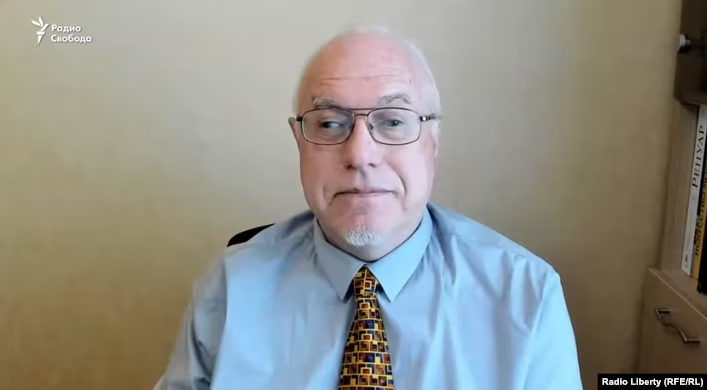
The future reduction of budget allocations in the field of housing and communal services is noted by the Doctor of Economics Igor Lipsitz . And these appropriations were called upon to help replace the extremely worn housing and communal services equipment (in some places in Russia, wear up to 65–70%), which all the time gives rise to accidents with water, electricity, heating and sewer. According to open data, in 2024, housing and communal services will increase by 2.3%: 881.3 billion compared with 860 billion in 2023. However, taking into account the fact that inflation exceeds 7%, in fact, housing and communal services will decrease by 5%. In 2025 and 2026, the costs of the industry will almost double: up to 506 and 381 billion, respectively.
- A very unpleasant situation in this industry. The expenses of the federal budget at housing and communal services will be reduced. But we must explain what kind of expenses this is. This is not subsidizing current expenses for housing and communal services, as some think. These are the costs of improvement, for the development of infrastructure. That is, more simply, this is investment in the transfer of old pipelines, repair and updating of power system equipment. The country has very old pipelines that are torn in winter in frosts, worn -out energy systems that are often disconnected, immersing areas and entire cities into darkness. Now there will be much more such technical disasters, ”says Igor Lipsits.
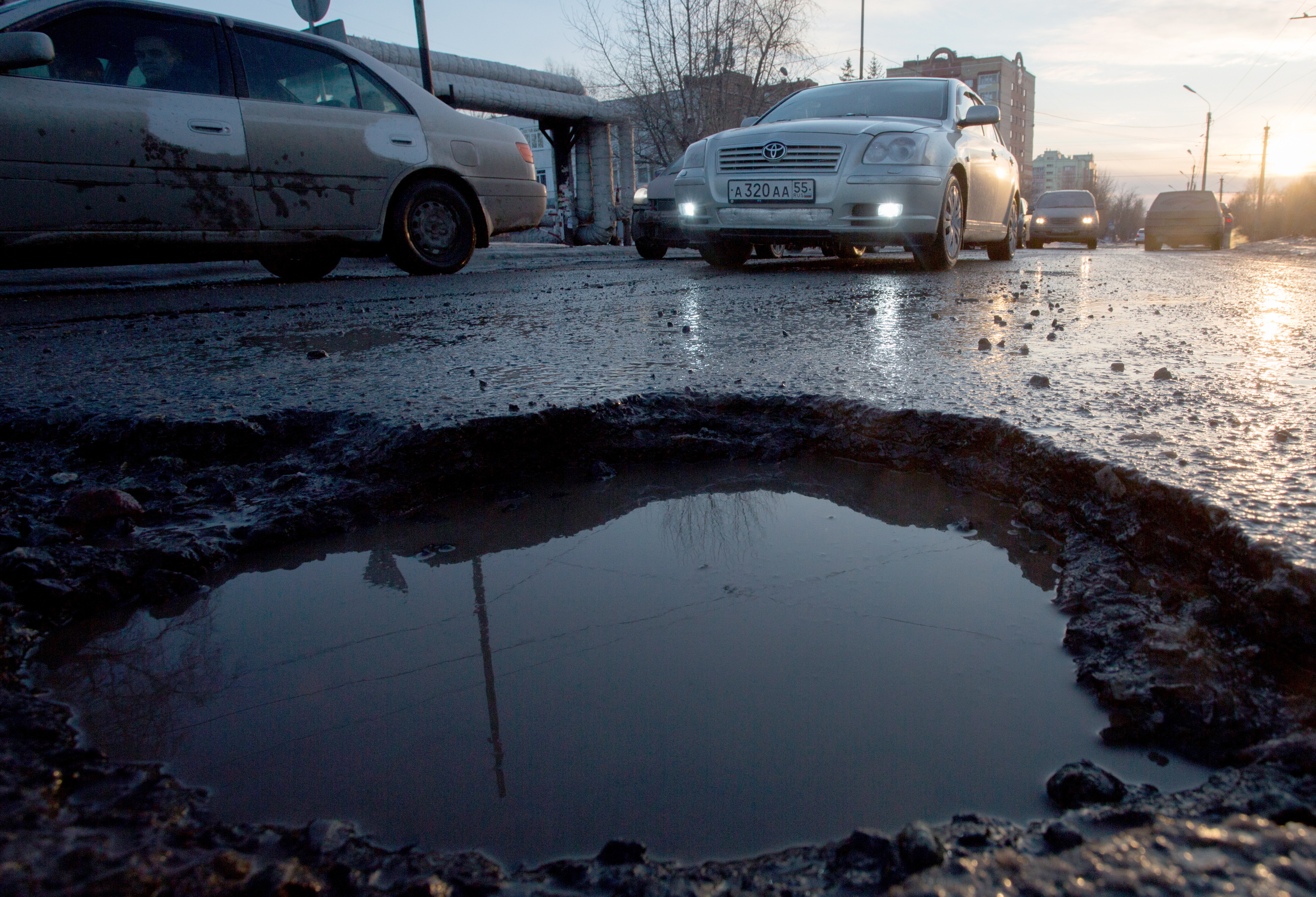
The government announced an increase in the costs of repair and construction of roads to the next five -year plan: from 13.2 to 15 trillion to 2028. At the same time, there will be almost no construction of new large -scale facilities, and half of the planned high -speed highways will be paid. Such a volume of financing will not help turn the situation with the state of roads in Russia, which has worsened noticeably in recent years, the expert believes.
“The Russians, in general, over the past 10 years, somehow began to get used to the fact that the roads have been trained, you can get from the city to the city without smashing the car to smithereens,” the economist says. -In general, it was some kind of such pleasant feeling, as it were, a little subcutaneous, slightly repaired country. And people got used to it, rejoiced at this, considered this evidence of reasonable government. Now the picture has become much worse, and this is not only some of my assessment. So, the assistant to the head of state Igor Levitin in November 2023 recognized the deterioration of the state of the federal road network over the past three years, proposing to discuss this issue "separately in the government." He said that the share of the normal road surface is falling: "In 2020, 85% of" Federal "was in a normative state, and in 2023 the indicator fell to 73% ." In general, in Russia, about a tenth of a hard surface (10%) must be repaired every year, and now six tenths of percent (0.6%) are being repaired. Not one, not ten percent, but - six tenths of the same percent! And this means that now again the Russians will have to get used to the broken roads, to the pits, and to travel to a detour. Well, simply because there will be no money for this, neither the federal budget, nor the local budgets.
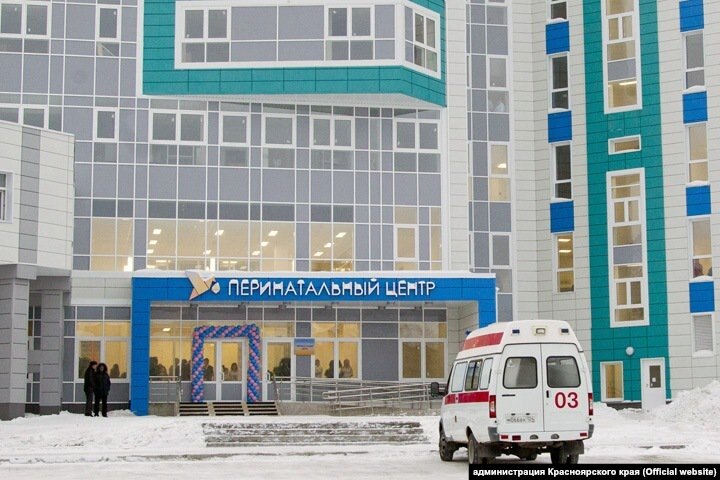
In the third quarter of 2023, the Russian regions were faced with a sharp reduction in financial assistance from the federal budget . According to the results of July - September, the volume of transfer to the treasury of entities collapsed by 23.2% a year - record among all articles of regional governments. "Under the knife" almost all types of transfers that account for every sixth ruble of regional budgets. Balance subsidies decreased by 77.3%, subsidies - by 15%, subventions - by 43.5%, "other inter -budget transfers" - by 47.5%.Health costs will actually fall too, says Igor Lipsits. For example, the budget of the National Project "Healthcare" will be reduced by 10%, from 321.3 to 289.9 billion rubles. The costs of the national project "Modernization of the primary health care link" (repair and equipping the clinic) will be cut by 14% - up to 81.64 billion rubles. And the financing of the federal project "Fighting oncological diseases" will be reduced by 8% (to 147.4 billion rubles). In fact, this will lead to the "freezing" of the salaries of medical employees, the refusal to build new oncological and perinatal centers.
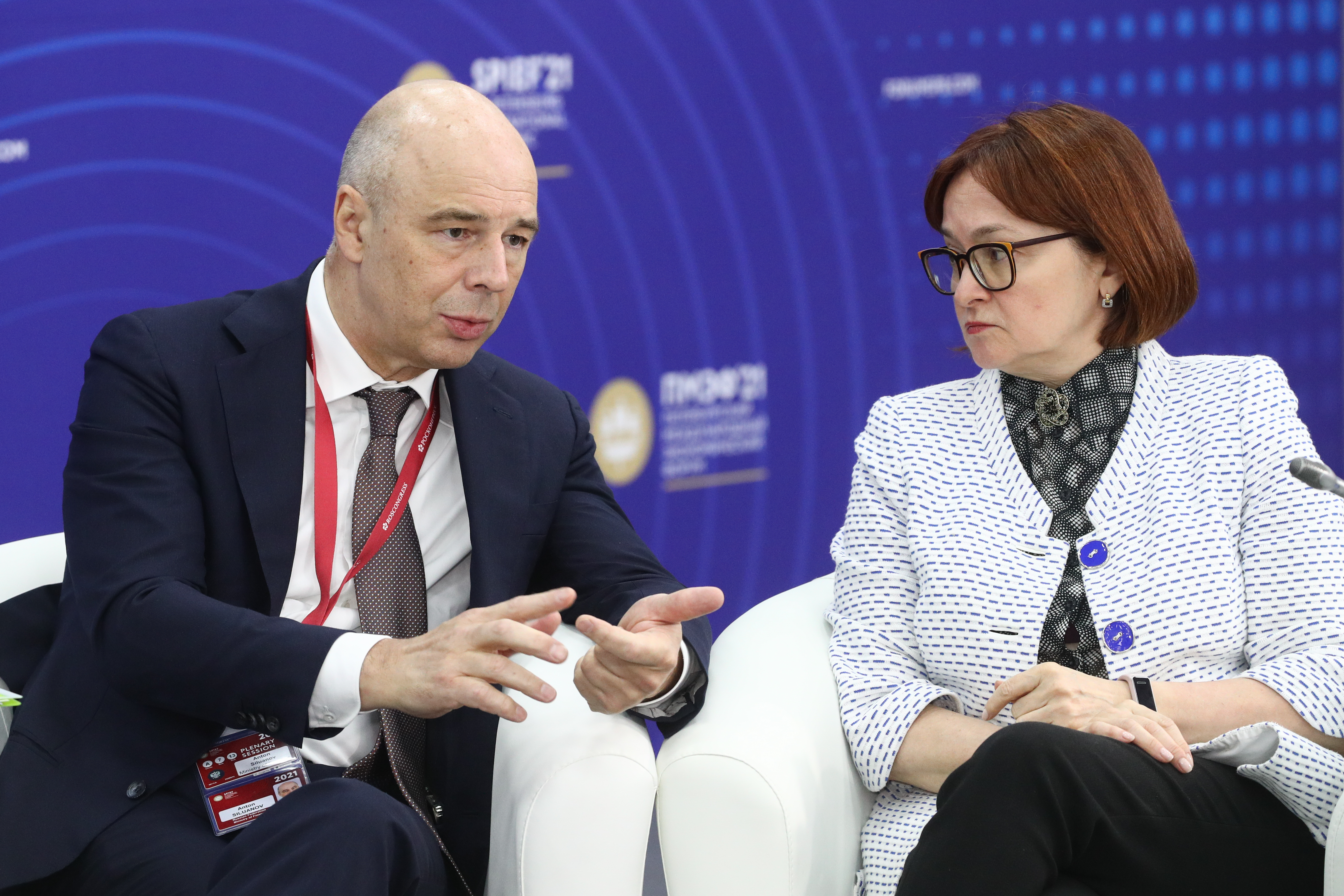
“Formally, the costs of healthcare“ as a whole ”will grow by 3%in 2024,” says Igor Lipsits. “But you have to understand that we have inflation.” If you remember the performance that has just been, Elvira Nabiullina, then she said that inflation in 2023 had already exceeded 7% and only by 2025 the Central Bank of the Russian Federation hopes to knock it up to 4% per year. But if you have inflation in the country 6–7% (we will believe the Bank of Russia for a moment), and health care expenses grow by 3%, then consider that real health care expenses are reduced by 3-4.
In education, approximately the same situation: next year it seems to be added - so that it could be said that the budget has a social orientation. But if you look further, then in 2025, compared with 2023, the reduction in the budget approved by the Duma is planned immediately by as much as 15%! If you add inflation again to this, you will get even more. Consider that 30% real financing in 2025 will be less than in 2023. In this regard, I will remind itself that the state annually spends on heating state institutions, including schools and hospitals, with firewood (there is still stove heating) more than three billion rubles . So it will remain now in the future.
For comparison
The United States spend more than $ 800 billion per year on defense , which is up to 15% of the federal budget, or approximately 3.3% of the gross domestic product (GDP). In 2024, Germany will bring its defense costs to 2% of GDP for the first time in three decades (up to $ 63.6 billion), Olaf Sholts also announced this on November 10. Japanese defense expenses in 2024 may exceed the bar 1% of GDP, which for a long time was considered a maximum, and will amount to $ 53 billion. The military budget of Great Britain for 2024 for the first time in history will exceed £ 50 billion ($ 65 billion at the current rate), this is a little more than 2% of GDP. Next year, the Military Budget of France will amount to $ 48.5 billion, this is about 1.6% of GDP.China’s defense budget officially amounts to less than $ 300 billion, however, for the estimates of the American special services and analysts of the Stockholm Research of Peace Research , in fact, China’s military expenses are about 700 billion. This is 3.9% of GDP. In 2024, Russia intends to spend $ 113 billion on defense, this is 6% of GDP.
"Revenue growth is a crazy figure"
The Russian authorities plan in 2024 an increase in income by 22%: from 28.67 trillion to 35.06 trillion rubles. At the same time, the costs are planned to be increased by 15%, and the deficit will be 1.6 trillion rubles. However, experts say that it is impossible to achieve income by increasing income by growing Russian economy. Probably, the government is counting on the further devaluation of the ruble, as a result of which it will increase from the sale of oil and gas (in the budget-2024 they will amount to 32% of the total amount of income), as well as to increase all kinds of fees from business and citizens. So, the Russian authorities planned to write off the population and business of 440 billion rubles. In the form of fines, sanctions and compensation for damage in 2024–2026. That is, in 2024 it is planned to write 17% more fines and increase this amount by 8% another two years . But and so the devaluation of the ruble will lead to a further increase in inflation and the depreciation of the income of the population.
Bankruptcy of companies
Российская экономика переживает "колоссальный рост" числа компаний, находящихся в стадии банкротства, заявил в четверг замглавы Федеральной налоговой службы (ФНС) Константин Чекмышев. По его словам, за январь – июнь число дел о банкротстве, которые находятся на рассмотрении российских судов, выросло почти на четверть – с 50,3 до 62,6 тысячи. " К сожалению, буквально за полгода мы видим такой серьезный, колоссальный рост ", – заявил Чекмышев на форуме "Банкротства. Новая реальность" (чиновника цитирует РБК). В результате судебная система перегружена банкротствами, посетовал замглавы ФНС: из 800 тысяч арбитражных дел около 150 тысяч составляют дела о несостоятельности, однако сверх этого существует еще миллион обособленных споров – отдельных дел, возникающих в ходе рассмотрения дела о банкротстве.– 22% роста доходов – безумная цифра, учитывая, что тот же Центробанк дает прогноз роста экономики полпроцента, максимум – полтора процента, – считает Липсиц. – Независимые экономисты озвучивают примерно такой же прогноз. Спрашивается, как при росте экономики на 1,5% доходы государства могут вырасти на 22%? Чтобы такое стало реальностью, должна либо резко подняться прибыльность экономики, что никак не подтверждается отчетностью по финансовым результатам и ростом числа банкротств компаний, либо мы имеем "зашитую" внутри бюджета очень резкую девальвацию рубля, а также резкое повышение налоговой нагрузки на всю экономику и на граждан. Проще говоря, изучение нового бюджета страны вызывает очень серьезные опасения относительно обесценения рубля (видимо, после мартовских выборов президента) до 120–130 рублей за доллар.
Военные расходы впервые в истории стали наиболее значимыми в российском бюджете: 10,77 трлн рублей. Еще 3,39 трлн государство планирует потратить на национальную безопасность и правоохранительную деятельность. В сумме расходы на силовиков составят 40% бюджета. Но, по мнению Игоря Липсица, даже с учетом проблем с доходной частью бюджета, Путин и его правительство не откажутся от расходов на войну.
– Конечно, Путин будет давить, но войну продолжит. И конечно, нельзя исключить вероятность дальнейшего повышения налогов. Причем даже не столько, возможно, на бизнес, сколько на население. Думаю, повышение будет не через увеличение ставки подоходного налога (НДФЛ): 13%, которые платят люди в основном, или 15%, которые платят люди с более солидными доходами. Но рост налоговых изъятий, видимо, пойдет через косвенные налоги, через НДС, акцизы и так далее, о некоторых из которых россияне даже и не знают, ибо им это особо-то никто и не объясняет. Мы не исключаем, что уже в 2024 году налоги повысятся.
Мы помним историю с предыдущего избрания президента Путина, когда вскоре ставка НДС была повышена с 18 до 20%. Так что возможно, что в апреле-мае страна узнает о новой ставке НДС. Это ведь удобный инструмент пополнения бюджета, один из главных ныне источников дохода бюджета. Но такой шаг, коли он будет сделан, толкнет вверх цены на все товары. И все же российские экономисты полагают, что в 2024 году ситуация с государственными финансами в России еще как-то будет урегулирована, хотя, возможно, и за счет существенного сокращения остатков средств в Фонде национального благосостояния. А вот перспективы 2025 года весьма сомнительны. И здесь в ход могут уже пойти совсем уж крайние меры, вплоть до добровольно-принудительной продажи гражданам гособлигаций. Что же касается 2026 года, бюджет на который формально тоже уже утвержден, то в эту сторону никто из вменяемых экономистов даже смотреть не решается. Интенсивные военные операции на 5-й год их проведения профинансировать России будет крайне трудно, если вообще возможно, – считает Игорь Липсиц.