
Translated material
The road to the north
What does the migration crisis look like in Finland, which most here considers the Kremlin’s hands business
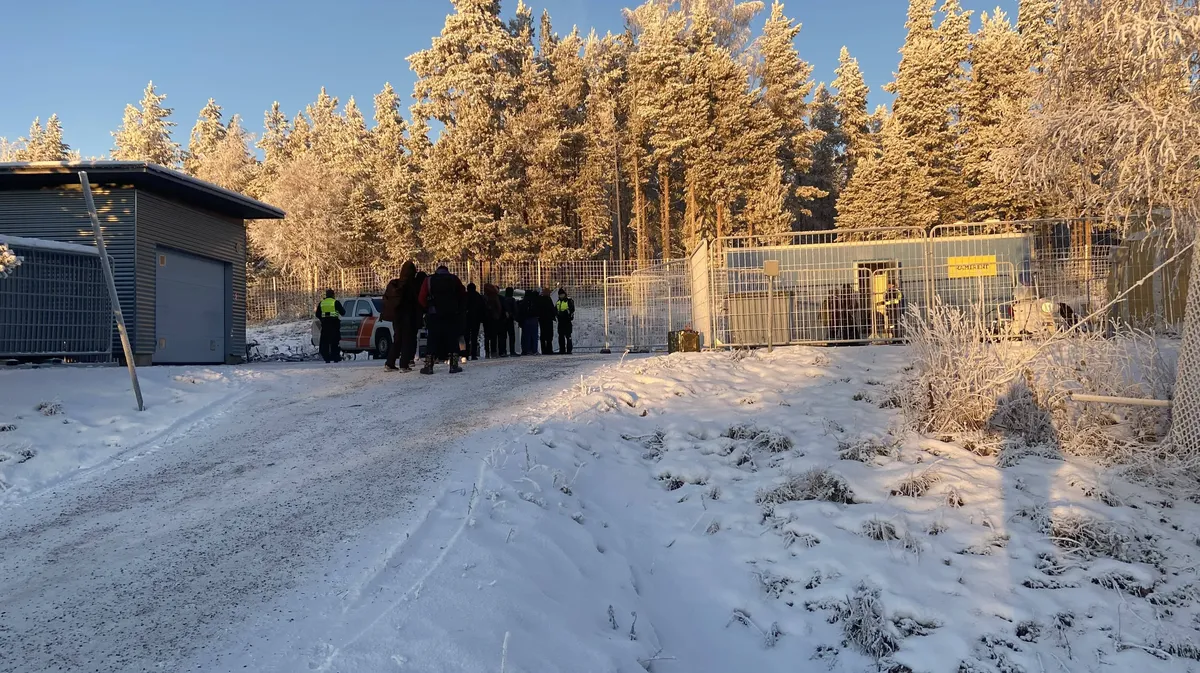
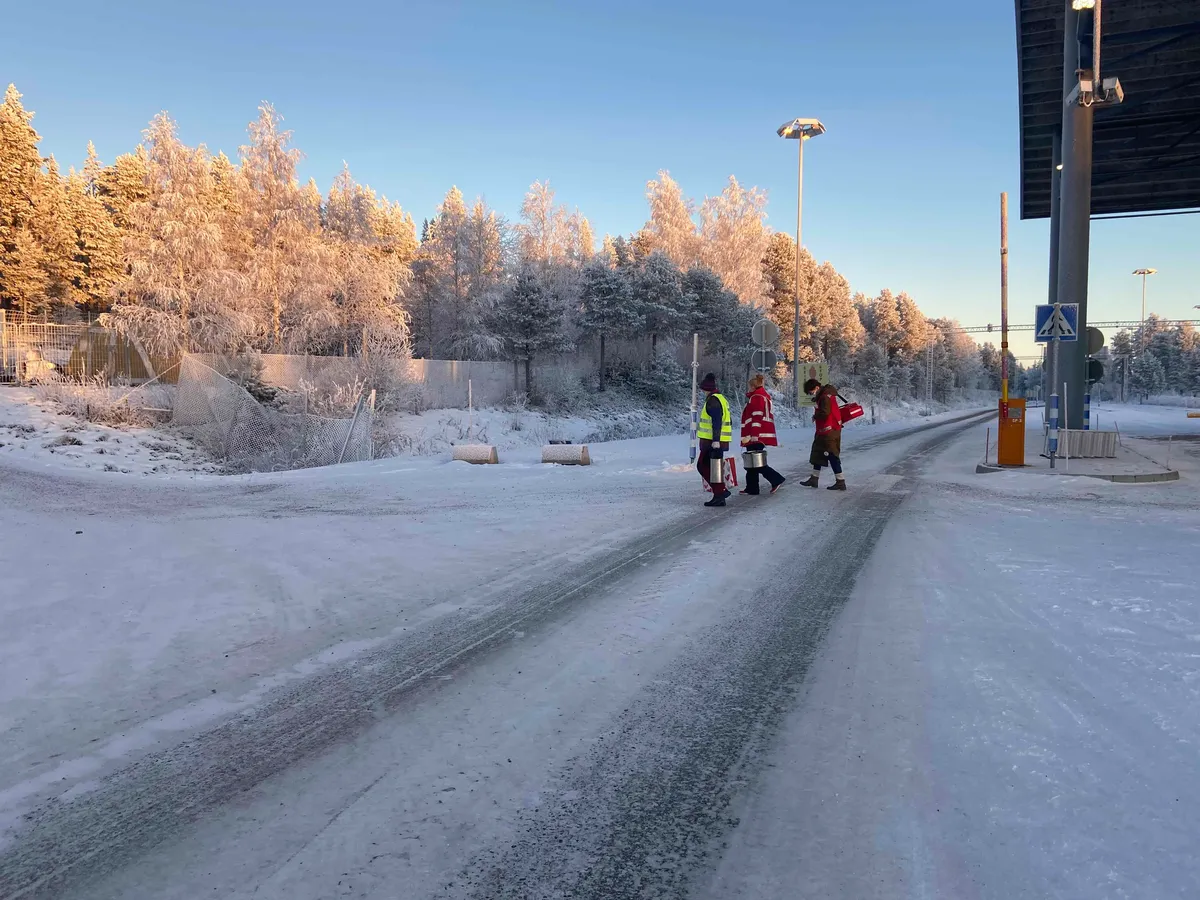
The checkpoint "Salla". Refugees one at a time go to the house for paperwork. Photo: Sonya Mustaeva
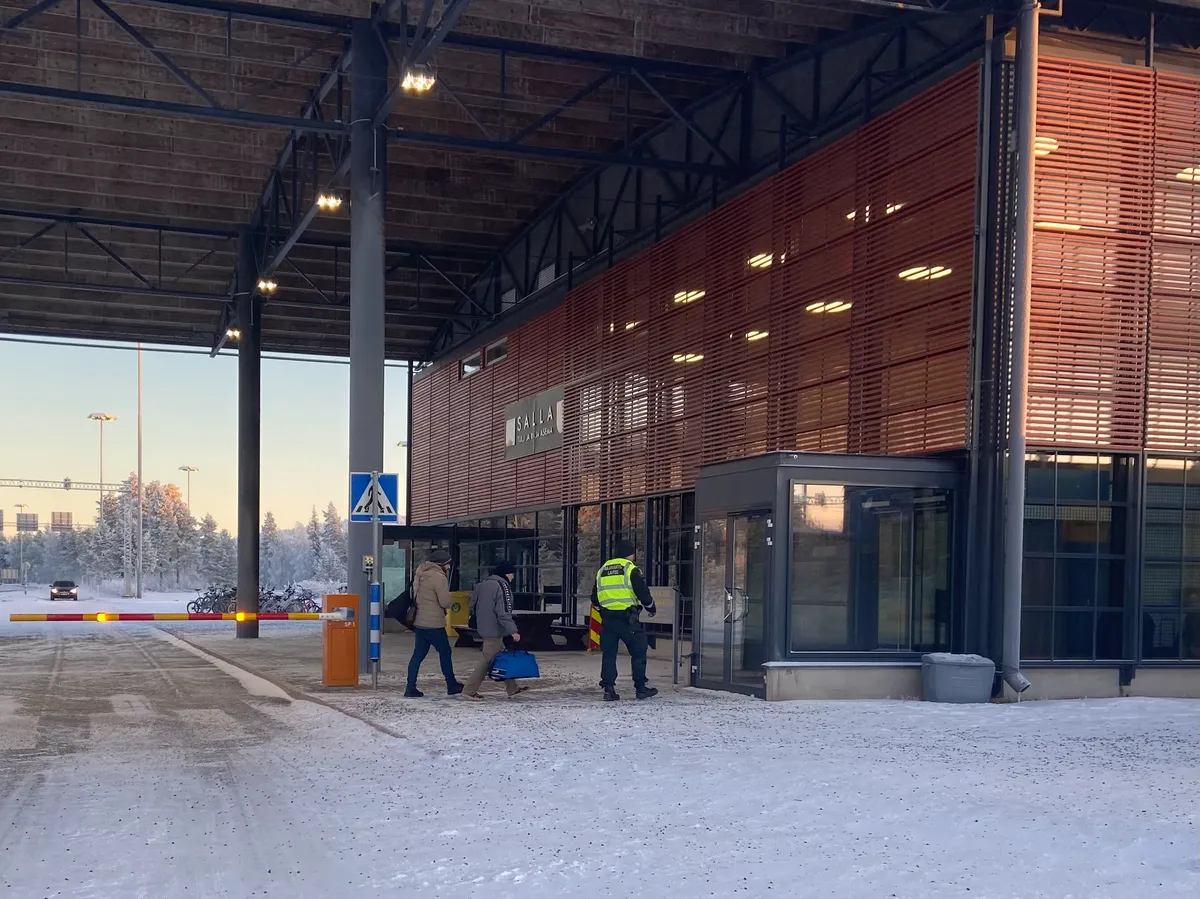
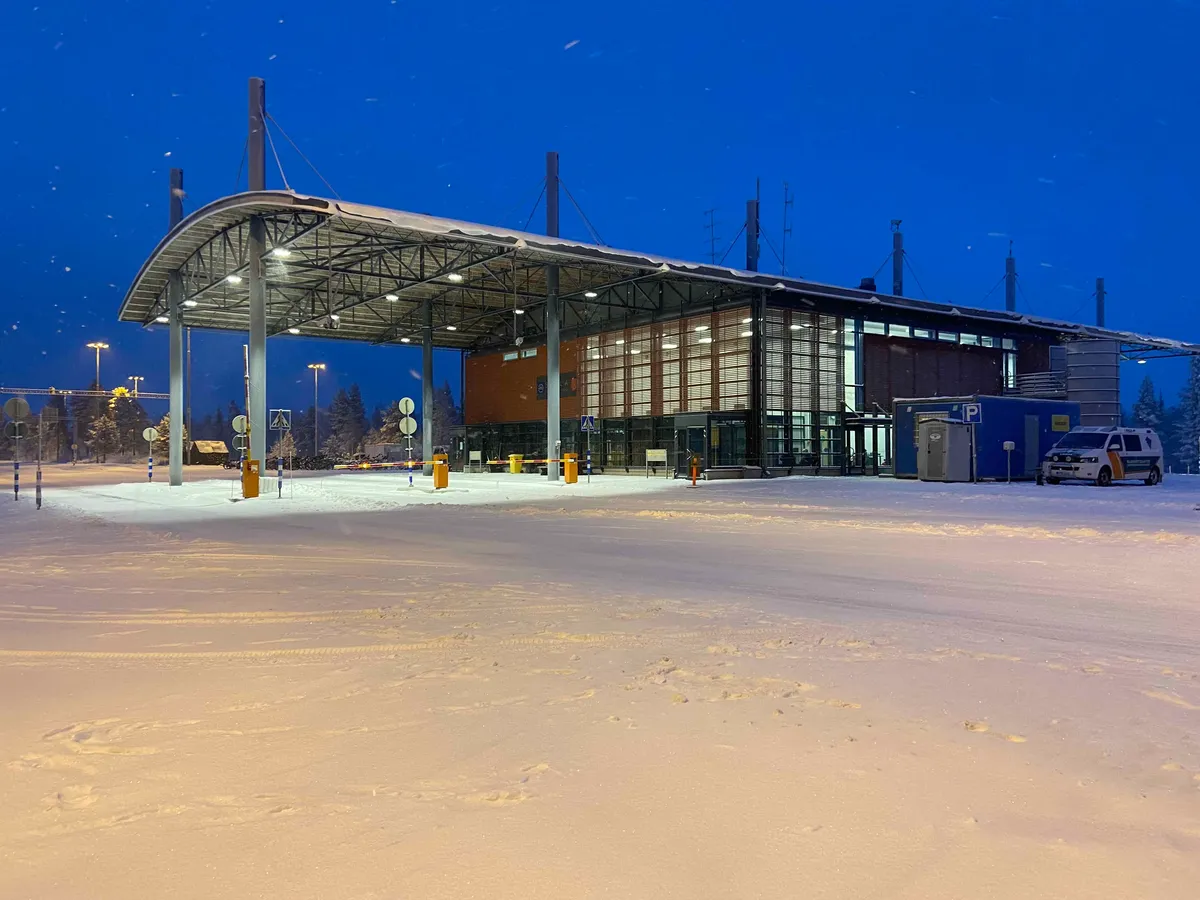
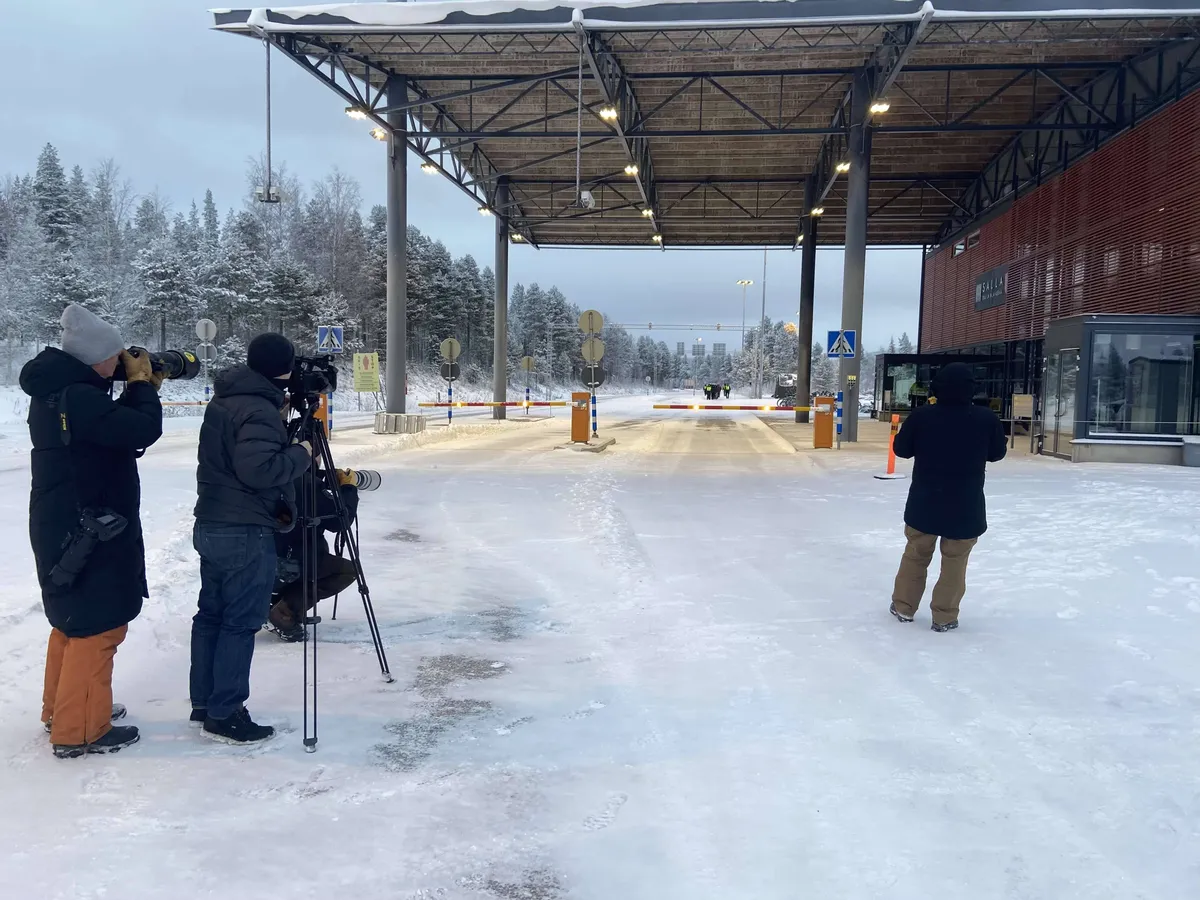
The snow -covered border point "Salla" looks deserted and deserted. In the direction of the Russian border, there are no cars or people. On the left is also almost no one, with the exception of a pair of cars in which Finnish reporters frozen in fifteen -degree frost.
Suddenly some movement begins: a column of people appears in the distance, they move on the Russian side. Everyone rolls next to the bicycle. People are not dressed in the weather and obviously freeze, but smile, some waved to reporters. Starting from Monday, several such groups appear on the border every day. These are mainly residents of the countries of the Middle East and Africa - they are trying to get to Finland through Russia in order to apply for asylum here, they have no visa. According to Finnish border services, the number of illegal immigrants crossing the border from Russia began to grow back in August, and a sharp influx happened in the fall. Many in Finland believe that this migration crisis is the work of the Kremlin, revenge for the country's entry into NATO. In response, the Finnish authorities first closed 4 out of 8 checkpoints operating on the border with Russia, and then decided to close three more, leaving only the north. The correspondent of Novo-Europe spent two days at the most popular bandage point among the refugees of the Russian-Finnish border-Salla.
The border closes
On the night of November 17 to 18, Finland closed 4 out of 8 checkpoints on the southern border with Russia. The authorities made such a decision due to a sharp influx of refugees from the countries of the Middle East and Africa, arriving from the Russian side, without permissive documents for this. The Border Service of Finland drew attention to the fact that from the beginning of August to November 12, Russian border guards passed through the checkpoint on the southeastern part of the border of 91 people who did not have the right to enter the country.
In addition, Russian border guards ignored changes regarding the ban on bicycle border crossing that Finland introduced on November 15, and continued to skip cyclists - this was an additional occasion.
On the morning of November 18, near the parliament building in Helsinki, a rally was held against the closure of borders, organized by Russians living in Finland - a little more than a hundred people came to him. They stated that the closure of borders shares the families and violates their rights. Then a petition was launched with a demand to open at least one southern border for those who actually live in two countries.
“We demand to change the law because it breaks family ties. Many have close relatives on both sides of the border, ”the authors of the appeal wrote.
On November 22, the government decided to close all the checkpoints with Russia, except for the northern-Ryia-Yoseppi, on November 24, these points suspended the work for 30 days. The issue of extending restrictions will be resolved later. On the evening of November 24, Finnish Prime Minister Peteri Orpo called the situation of threatening national security: “The situation on the eastern border affects the lives of ordinary people. Therefore, the government decided to immediately take such strict measures. ”
Why the migration crisis has begun
There are two main versions of what is happening. The first version: the Russian authorities did not create a crisis specifically, an increase in the number of illegal immigrants - the fault of smugglers who decided to earn money on refugees. In an interview with RBC, Russian border guards explained that they have no right not to miss foreigners following the country if they have legal status in Russia. In addition, border cooperation between the two countries was discontinued on October 20, which removes from the employees of the border service the obligation to pass only those who have real visas to the Finnish border.
What is the concept of border cooperation and why was it terminated?
In 2001, the Government of the Russian Federation approved the concept of border cooperation. The main idea of a multi -page document comes down to the following: the Russian Federation peacefully, respectfully and effectively builds interaction with neighboring states, without damaging its and neighboring interests, if these relations do not imply threats for Russia. The border zone in this document means: the border zone, the Russian parts of the border reservoirs, and the border points. Additionally, border cooperation zones can be determined by contracts with neighboring states.
In April 2012, Russia and Finland entered into an agreement on the promotion of border cooperation. According to the document, any of the parties had the right to terminate the agreement at any time.
The official reasons neither the Ministry of Foreign Affairs, nor the head of government, Mikhail Mishustin, who signed papers on the termination of cooperation, was not called. Perhaps the decision of Russia has become a reaction to Finland’s entry into NATO, but there is no official evidence of this.
According to Fontanka, smuggles used the simplification of the movement between the two countries: they offer residents of the Middle Eastern countries and Africa package tours of 2-3 thousand euros, which include a plane ticket to Moscow, a hotel reservation and a transfer to the border.
In favor of this version, it is also said that not all foreigners are passed through Russian checkpoints - those who want to get to Finland complain about this in chats. Sometimes it comes to detentions and violent movements from borders.
In Finnish society, another version is more popular: everything that happens is the Kremlin’s revenge for the entry of the NATO country (the alliance was signed on July 5, 2023).
According to Finland’s border service, the number of illegal immigrants has been growing consistently from August, and not from October, that is, this growth began until the end of the border border agreement.
Deputy Minister of Foreign Affairs Evgeny Ivanov accusations of intentionally creating tension on the borders with Finland called “strange”.
Some Russian -speaking residents of Finland are sure that the closure of borders is the pressure of the Finnish authorities who do not like that the inhabitants of the country are too often traveling to Russia.
"I really want to go back to Syria"
In Arabic-speaking chats dedicated to the intersection of the Russian-Finnish border, which the New Evrope studied, mainly discuss the logistics: how to get to the border posts, what to do after crossing the border. “First, it’s better to go to a refugee camp or just go to the city? What is better to do: show a passport or say that I have lost my passport and I don’t have it at all? ”Asks one potential refugee. Participants are worried that only the transition of Raia-Yoseppi is now working. “By Christmas, the rest of the points should be open again,” one of the users shares the opinion.
Another chat participant tells how he was not missed at the Vartius border point: “Today was at the Vartius checkpoint. They didn’t let us in, they said that we need to leave quickly, otherwise the police will come, plant, finish and deport to their homeland. ”
Some in despair. “I want to abandon my status to leave,” writes one Syrian. - My visa has expired. Can anyone help me? I really want to go back to Syria! "
In another chat, conflict is played. The user who introduced himself as a resident of Finland threatens potential refugees. “Go to another place,” he writes. “Finland is not happy for you, an army awaits you on the border.” Do not believe Russian sources, they lie to you and give false hope. You will not fall into the territory of Finland and you will not get refugee status. ” In response, another user claims that he will take everything that he wishes, including wives and anyone's life.
Salla - In the Middle of Nowhere
Salla is one of the communities in the east of Finland, which includes several villages and cities; The nearest city to the border is also called Salla. It is so difficult to get here even for local residents that the official marketing slogan of the city was the expression in the middle of Nowhere (at the devil on the straps) . The nearest city, which can be reached by train or plane from Helsinki, is Kemiyarvi, but it is from Salla 67 kilometers. Kemiyarvi -Salla bus runs once a day.
Public transport does not go from the city to the border point, you can get either by your car or by taxi called by the old fashioned way by phone - Finnish taxi applications do not serve the community.
There is only one hotel in the city, which is in charge of an elderly couple: a former taxi driver 87 years old and his wife is 73 years old: she cheerfully explains with reporters in Finnish, English and Russian. Rumors about the closure of the Salla border point, according to the hostess, were a sip of fresh air for the hotel, which is constantly on the verge of closing due to debts-local tourists come here only in February, in the winter holidays. The rest of the time, the town is empty.
Now the only hotel in the city has become a hub for journalists who came here from all over Finland: they occupied half of the numbers. The reporters of one of the television channels even decided to remove a separate plot about the hotel.
22.11 - two days before the closing of the borders
Having reached the gate of the Border point "Salla", I went out of the car and go to the hill, to the checkpoint building - the driver said that it was forbidden to go further to the cars. Snow crunches, around - endless snow -white spruce, and very cold. At the checkpoint building, local journalists are bent - they discuss when the first group of refugees will go, and try to guess how many people will pass in a day.
- A lot of people in general cross the border? - I ask them.
- Yes, yesterday two groups crossed. In the amount of 41 people! - says the journalist of the MTV channel Alec Neihum. And adds: - For us it is a lot.
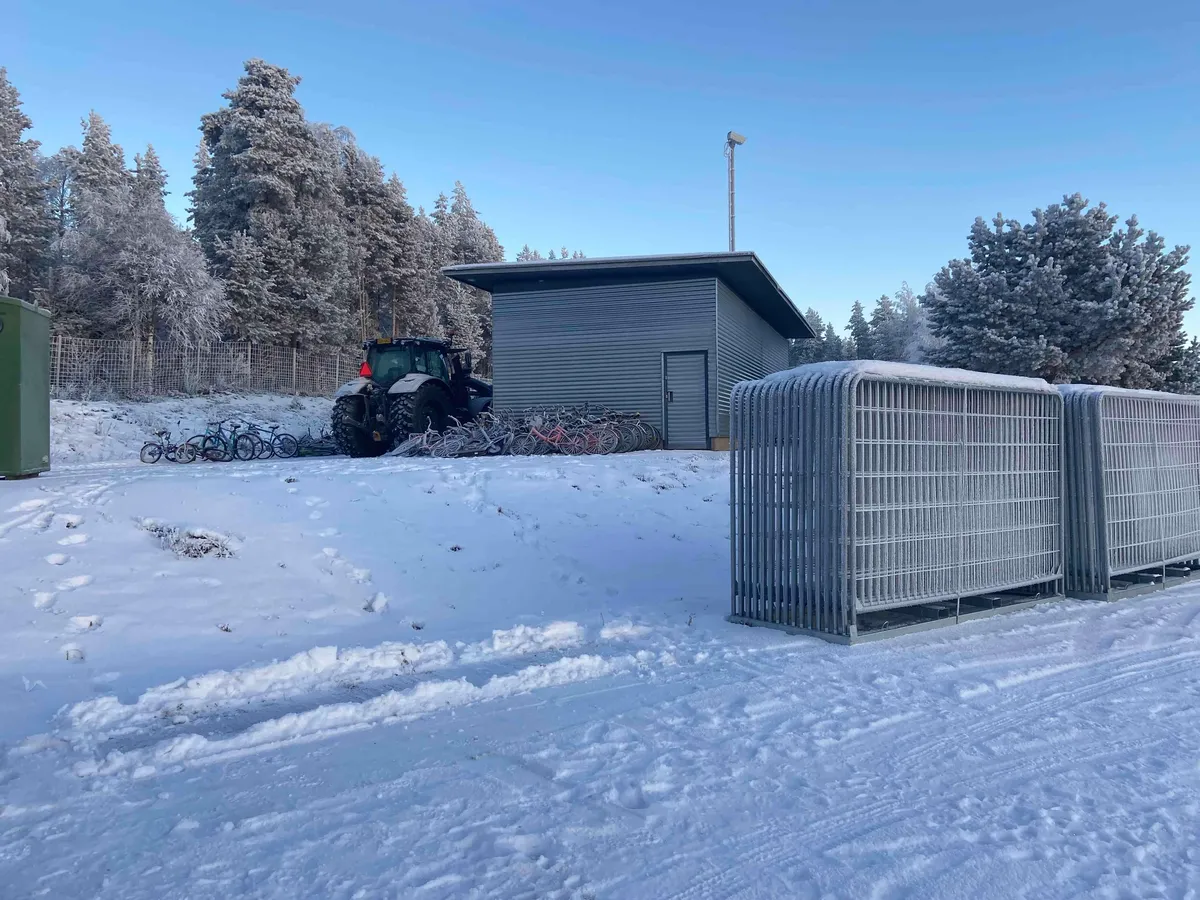
In the distance, the first column of people appears. At first it seems that their crowd, but when they come closer, it becomes clear that it is because of the bicycles: almost every refugee drags the bicycle in the snow next to him. 30 meters before the barrier, the border service officer stops the column and silently points with his hand to the frozen bicycles.
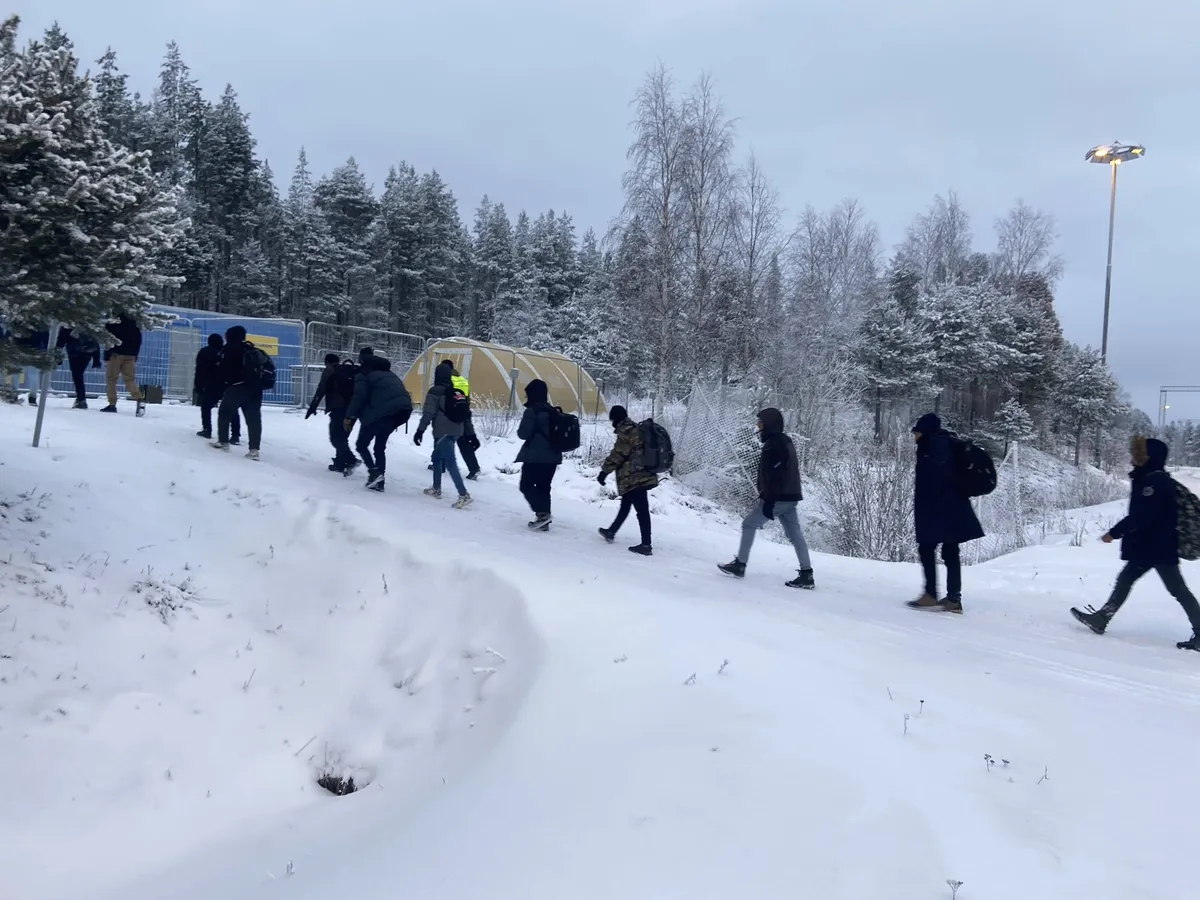
Refugees understand without words: obediently put their transport on Earth. The officer gestures shows that you need to get into the column again, and leads everyone closer to the barrier. A dog handler with a dog comes out of the checkpoint building: he makes two circles around the column and tells his colleague that everything is in order. The dog looks absolutely indifferent to what is happening. The officer raises the barrier, recounts refugees and misses - now they are in Finland. The border guard leads them into the blue change house fifty meters from the checkpoint: the column is stretched, and it is possible to calculate how many people have passed at the first hour of the border point - 16.
For the Lapland climate, refugees are dressed too easily: the majority are in jeans, short jackets, sneakers and thin fleece gloves.
But they smile, some wave their hands to reporters. The column is closed by another border officer.
In front of the doors of the change house, a queue is formed. Each refugee is launched separately: another officer asks questions and fills out the papers. When the whole column is inside, employees of the Finnish Red Cross are suitable with thermal and thermos. Their base is in the building of the checkpoint, here for refugees are prepared pots with hot food, SNECS and quick -cook noodles. For lunch, a little: after 20 minutes the first refugee comes out, accompanied by a border guard. Soon the whole column is brought back to the checkpoint building, and it is made inside. Here they stay until the evening - wait for buses to Lapland centers of temporary accommodation.
No one knows where exactly the asylum suppliers are taken from Russia except the Red Cross employees, but they do not communicate with journalists. The refugees themselves are also not allowed to approach: border guards make sure that they do not talk to anyone.
The second group of refugees appears in an hour of the day, the third - 10 minutes before the closing of the border point. They are waiting for the same one that the first group went through: farewell to bicycles, paperwork, hot meals and the expectation of buses.
“By the way, bicycles are thinking of selling at an auction, and the proceeds to be sent to Ukraine,” says Finnish journalist Alec. - Honestly, I do not know where this idea came from, but everyone says that it is discussed in parliament.
It seems, while these are only rumors: the publication of Yle writes about this, but without links to who belongs to the idea, and where exactly such a discussion is being conducted.
There are almost no other travelers except refugees: for the whole day, less than 50 cars were crossed in both directions. In Russian -speaking chats, meanwhile, it was together that during the passage of refugees on the Russian side the border point suspended work for all the others who wanted to get to Finland.
After the working hours of the border point ended, a military car arrived in the neutral zone, near which a swamp -colored tent was put in a matter of minutes. The chief officer of the checkpoint, Captain Hans-Mikael Gros, explained that this is an additional heating point and reception of refugees-a form of humanitarian aid from the military.
“It all reminds me of 2015-2016,” Sari Sarihhenen told me at Yle journalist in the evening at the hotel. - Then a lot of refugees from the Russian side also came to us. And then everything ended sharply. And we still do not know why they arrived then and why they are going now.
For the quiet city of Salla, says Sari, the current stream of refugees is a whole avalanche. Usually about 150 people a month pass through the checkpoint, and here - only a day of 30–40 people.
Finns reaction
In Finland, the attitude to the migration crisis is very ambiguous. Human rights activists say that the closure of borders is a serious violation of refugee rights to defense. The only remaining open border center "Raia-Yoseppi" is far in the north, and it will be very difficult to get there. This is probably why on the last day of the eastern border guards in the north of the country , not a single appeal was registered . True, the Governor of the Murmansk region Andrei Chibis has already stated that some people wish the region to organize the road to the border.
The Commissioner for Equality, Christina Stanman criticized the measures taken by the government and called on border guards to fulfill their responsibilities to provide protection in no way: “The border service now must guarantee that each employee knows how to identify vulnerable places [in this situation], and that there are working processes for the delivery of vulnerable persons to Finland.”
The government is worried that it is very difficult to understand and control which people cross the border and what are their intentions. In addition, the main question is - why does the Kremlin need this, if you allow (and this is a popular opinion in Finnish society) that the current crisis is a really planned provocation after Finland’s entry into NATO.
23.11 - The last day of border operation
In the morning I was brought to the border by the journalist of the Ilta-Sanomat publication Petri Sepp. We see that the number of cars has increased significantly.
An hour and a half after the border opening the first group of refugees appears. It seems that this time there are more of them, in fact it turns out - 21 people: more than in yesterday's groups, but not much.
Closer to one in the afternoon, the second group appears, it also has from 20 to 30 people. Immediately behind them is a silver car with Finnish numbers, inside the two women are probably a mother and daughter, Russian -speaking. A crowd of Finnish journalists pushes me, and I hear only scraps of their answers-something about the Foundation of Soros, Putin and Zelensky. It seems that women are divided by some very conspiracy theory. Finally, I manage to squeeze out - I ask them what is happening on the other side of the border.
“Today, in fact, there was nobody there, and on Tuesday it was full of people,” the older woman replies. - In Alakirt, the barrier had about 500 cars, but not all drove. There were many bicycles. - The woman presses on gas and touches; I have to run after the car to listen to her story. - Near the barrier she saw a tent that was heated with wood - they created all the conditions so that [the refugees] did not freeze.
Closer to two hours across the border was the last group of refugees, then a few more cars. And then the border closed - until December 23. According to the assistant to the head of the border service of Lapland, Ville Achtiainen, the border service staff will continue their work in order to be able to help those who can accidentally find themselves in a neutral zone and have health problems.
Начиная с понедельника, границу в Салле пересекли 35, 41, 51 и 58 человек, итого — 185 беженцев попали в Финляндию через «Саллу» за последнюю неделю. Всего, как сообщает YLE со ссылкой на премьер-министра, с августа из России в страну прошли 803 беженца без виз.