
Translated material
"This is not an exchange, this is a ransom"
Expert Dina Lisnyanskaya - about how much a truce will last and who should ultimately solve the problem with Hamas in Gaza

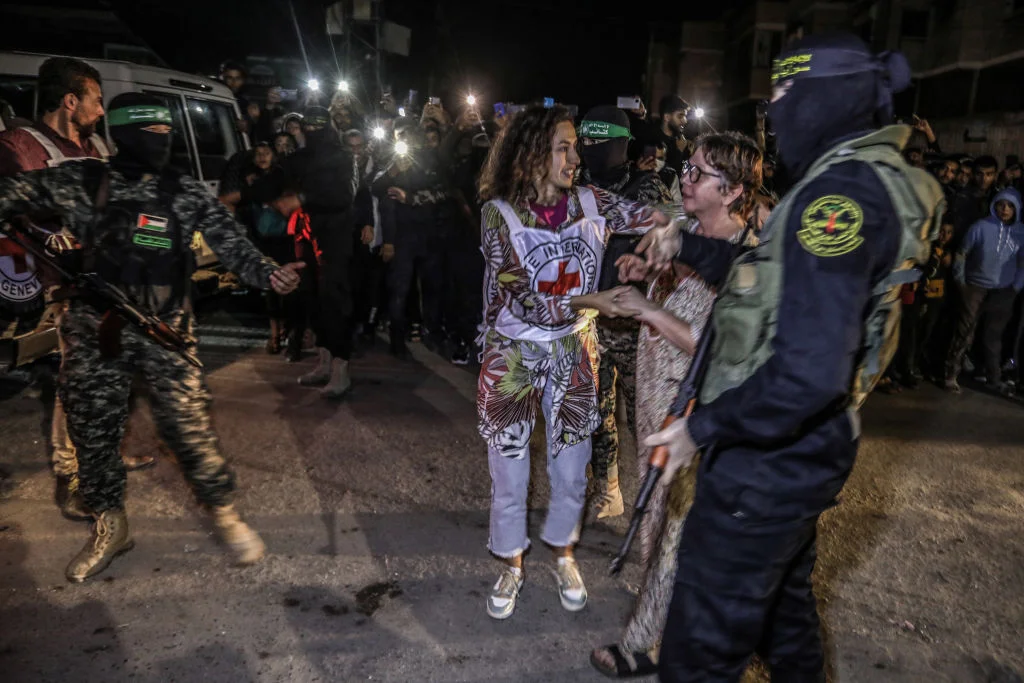
Medical workers take out the liberated hostages from the helicopter in the Shiba hospital on November 28, 2023 in Ramat-Gan. Photo: Amir Levy / Getty images
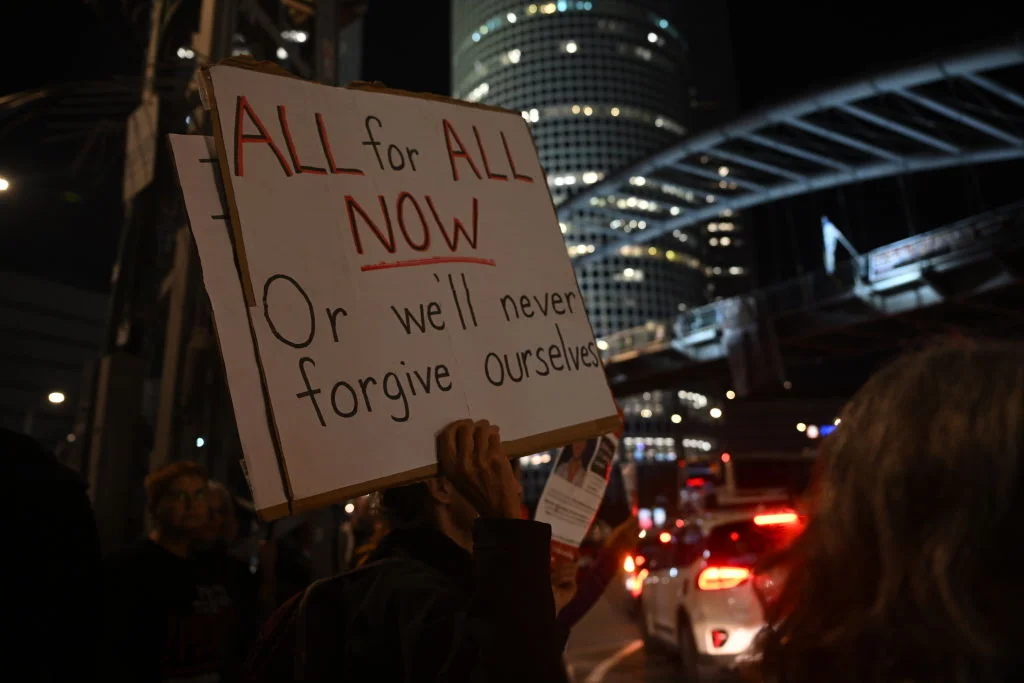
The transaction between Israel and Hamas terrorists is extended for the third time, hostages continue to be released, but in return Israel releases terrorists from his prisons in a ratio of one to three. In exchange for one Jewish child - three terrorists. But Israel cannot extend the ceasefire mode until Hamas releases all 240 hostages: this would mean the termination of the operation in gas and the refusal of Israel from the decision this time to finally deal with the Hamas presence in gas. How this conflict can be resolved, who should solve the problem, explains the Arabist Dina Lisnyanskaya, teacher of Tel Aviv University, researcher at the college "Schalet" in Jerusalem, a researcher of radical currents in Islam.
Dina Lisnyanskaya
Arabist, teacher of Tel Aviv University, researcher at the College "Schalet" in Jerusalem, researcher of radical currents in Islam
- Dina, what was a surprise for you when the process of liberation of hostages began? What new stumbling stones have been discovered?
- We understand with whom we made a deal: with a terrorist organization. Its goals and methods are absolutely understandable: it is terror, it is intimidation. Terrorists are trying to manipulate the enemy, that is, by us - the Israelis.
The first batch of abducted people was returned on time and had to transmit the following list on the same day at 16 o’clock - those whom they were supposed to be transferred on the second day. And this list had to wait a very long time. This was the first bell. The second bell was on the second day. People were supposed to be released at four, but at about six suddenly they said: no, we are not ready, because Israel, they say, did not fully fulfill its obligations.
- And what did Israel do?
- We began to double -check that we could not fulfill at this stage. But Israel fulfilled all the conditions on its part. Both Qatar and Egypt as Hamas's guarantors made him understand that such behavior will lead to a deplorable result. Because this violation is not only in relation to the Israeli side, but also in relation to guarantors, that is, Hamas substitutes both Qatar and Egypt. Israel had the right to resume the fire at midnight. But closer to midnight, Hamas agreed to let go of the abducted.
Such manipulations are an absolutely integral part of Hamas’s methods in relation to any civilian population.
- And it was quite expected, I would be surprised if Hamas fulfilled the transaction at every step. But I asked what happened to you unexpected.
- Yes, it was absolutely expected. And Hamas really does not fulfill all the terms of the transaction. One of her conditions was that they would not be separated by families, mothers and children will be given to go out together. On the second day, they released their daughter, but did not let go of the mother. Although the woman was in the list before. Something happened, and she was not released. In another case, they released his sister, but did not let go of their brother. This also violates the agreements.
- How does Israel answer such violations?
-Firstly, Israel immediately tries to understand what the reason is. Secondly, through intermediaries, through Qatar and Egypt, we are trying to influence Hamas. But this is easy to say, but in fact they can answer us: if so, we do not let go of either mom or girl. That is, there is a lot of spaciousness for manipulations, and Hamas is trying to use it as much as possible.

- If we talk about the initially fixed part of the transaction, then by the evening of Monday, Hamas released the last hostages out of the first fifty, the deal was extended. Is there already an understanding of how she will extend further?
- Both parties are interested in this. Israel announced that he was ready to extend the transaction on his part if Hamas will release at least ten suspension stolen for every day. We pay three times more, we are forced to let go three times more, and we release terrorists. Do you understand? People in the world look at this deal and say: ah, the exchange of prisoners. This is not an exchange of prisoners. We redeem a two -year -old child and for his sake we give three terrorists, each of whom tried to kill people.
-In the world, a very different reaction to this exchange, but the most brilliant version was issued by the host of Sky News in a conversation with the press secretary of the Israeli government Ayalon Levy: they say, the formula “three to one”-this Israel came up with because he appreciates the life of the Palestinians less than the lives of Jews.
- Yes, and it is clear how at that moment Ayalon Levy's eyes fell out of the orbits.
- Do you think it was a deliberate provocation or a journalist really thinks so? Israeli journalist Sergei Auslander on this occasion recalled a sociological study of how many cases of rape of Arab women were the soldiers of the IDF. When it turned out that not a single one, some human rights activists explained this like this: Jews disdain Arab women. Where does this come from?
- I have such a feeling, and this is far from only to me that there is a certain narrative in the world now. He, as it were, dictates the framework of what people are ready to believe or not believe. He also sets the framework for which the dialogue cannot go out. Within this framework, any lie can be said - and it will sound believable. I don’t know if the question of the host of Sky News was deliberately provocative, but it was absolutely ...
It is like if a person who has just passed through hell, ask why he is not dressed in the last fashion.
What this TV presenter said is so inadequate that only the Prime Minister of Ireland could compete with her, who wrote on Twitter about a nine-year-old girl Emily Hand (the hostage that Hamas abducted, held captivity and returned on the third day of the deal): she was “lost, found and returned”.
- Lost?
- Yes, how would she be lost. Somewhere in the forest. It went beyond the whole scope of decency. And Emily Hand has not only Israeli, but also Irish citizenship, her dad from Ireland, so there were also worried about her fate. And now the Prime Minister wrote this on Twitter, turning off the comments there because he understood what he was writing.
- Can this be called anti -Semitism? What is this nature? This kind of assessments do not fit into elementary logic. It is unlikely that these same people would say the same words if we were talking about their fellow citizens?
- I cannot explain the logic of anti -Semitism, this thing itself is absolutely illogical. They are trying to explain it for more than two thousand years. We are now talking about absolutely irrational and illogical things. You are right: if we were talking about someone else, not about Jews, there would have been no questions, the whole world would have fought with Hamas now. Now Hamas attacks Jews, but wait - and he will attack not only Jews, because it is part of his manifesto. You need to understand this. And when they promise this kind of thing, they fulfill promises. Now I have the feeling that in the world people are trying to put on some kind of mask of a protective reaction in order not to see the truth, not to see what is really happening.
-Do you, personally, you, the Palestinian people, are some right to create your own state? I'm not talking about Hamas’s terror, there are no questions. But do you agree that the Palestinians have the right to fight for it?
- What happened on October 7 is like a legitimate struggle?
- No. Therefore, I immediately excluded the conversation about terrorism, everything is clear with this ...
- Just nothing is clear with this. At the moment, almost all the missing movements abroad have changed their directions, these are no longer the movements of the missing, but Prokhamasov. Because Hamas manages to advance the agenda of the Palestinian resistance is much better than to all others. See what “achievements” Hamas has, others look at it and call the Hamasovs real fighters.
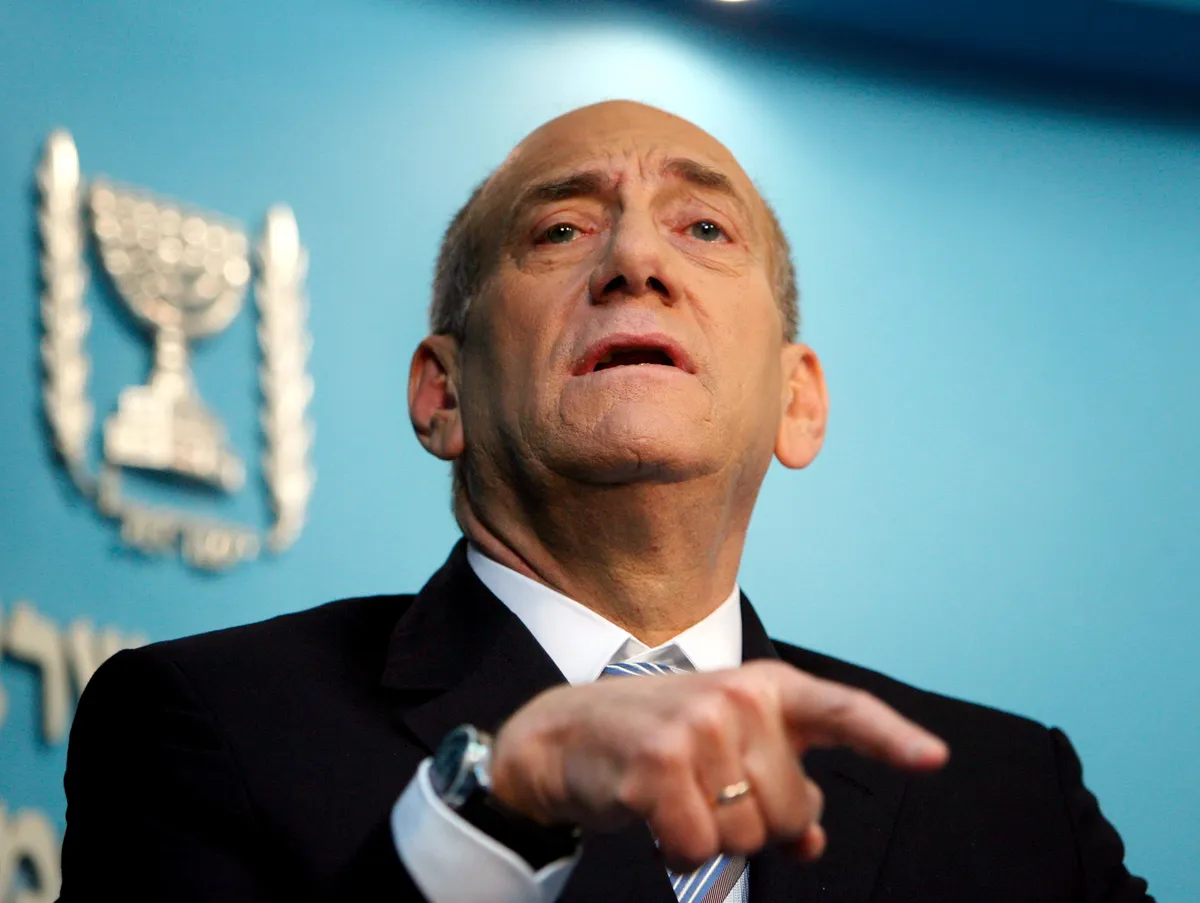
Israel had peace negotiations many times with the Palestinians, we made them a lot of all sorts of proposals. In the framework of one conversation, I will not be able to tell the whole history of attempts to create two states for two peoples. Since 1947 and the UN plan to divide the territory into Arabic and Jewish states, which the Arabs have not accepted by initiating the first war with the Jews in Israel, and ending with the proposals of the Prime Ministers Ehud Barack and Echud Olmert, which the Palestinian side also refused to accept. This is a long story. Each time, the Israelis and the Americans come to the Palestinians with specific offers - and each time the Palestinians reject all offers. Why? Why do you refuse to finally bring you the opportunity to build a state, and not just Palestinian autonomy?
- Maybe just such suggestions?
- No, for another simple reason. In fact, any Palestinian leader who will be announced to the creation of the state in 1967 will be killed by Palestinian citizens. Because the Palestinian narrative does not allow the creation of the state in the framework of 1967, although this was approved by the world community.
The Palestinian people admit exclusively to Palestine within the boundaries of 1947, that is, without a Jewish state.
- "From the river to the sea."
- Yes. Until November 29, 1947, when the UN plan for dividing into two states appeared.
- Apologists of the Palestinian position criticize all Israeli proposals, they say that Israel simply does not want to create a Palestinian state.
- If Israel is not interested in why these proposals were made at all?
- That is why, they say, Israel and offers the Palestinians obviously unacceptable things.
- The plan of Ehud Olmert was a compromise, which by more than 90 percent met the requirements of the Palestinians. Olmert for this was condemned for a long time in Israel, but still would have gone for it. Because in Israel they want peace. Once again: in Israel they want peace. Even those who resist, who say that they do not need two states, ultimately still want peace. We want more peace than everything else.
Look at what Hamas came to October 7. This happened because in Israel all these years wanted peace, they wanted peace. All these years, Hamas was pacified with money in order not to do this. And we all thought that this could not happen. But this happened.
- Why did Hamas need such an attack on October 7? After all, they probably calculated how tough the answer of Israel would be. Did they play or just such an answer?
“Hamas says this openly.” The press secretary of Hamas Gazi Hamad explained: they need a constant war so that the Palestinian issue is not closed. They needed so that Israeli relations with Saudi Arabia did not occur. The Palestinian side fears: as soon as such normalization occurs, everyone will forget about the Palestinian question at once.
- And for this was it precisely a terrorist attack of this scale was required? Those attacks that took place regularly and until October 7 were not enough to remind of the Palestinian question?
- Not enough. There was such a quiet war, there were terrorist attacks of “loners”, which were actually not single, they were inspired by Hamas, “Islamic jihad” and others. It was possible to continue. But this did not cause the necessary reaction from Israel. And you need just such a reaction as now. They sought to make Israel what he was doing now. In the eyes of Hamas, this is a victory, because this is exactly what they expected.
This should be looked at this not by Western eyes, not Russian and not Israeli. You need to look at this with Arabic eyes, Palestinian. Hamas is a branch of radical Islam, for him jihad is a value in itself, this is a sacred war. And when they tell us that this is part of the struggle of the Palestinian people, this is not so.
What happened in Israel is part of the global terror, to which terrorists go absolutely from the same motives as ISIS militants or al-Qaeda.
And the methods used by Hamas are the same as ISIS methods.
- You said that it should be looked at this with Arabic eyes. How do they look at the rest of the Arab world? We now see that there were quite a few supporters of Israel in this situation.
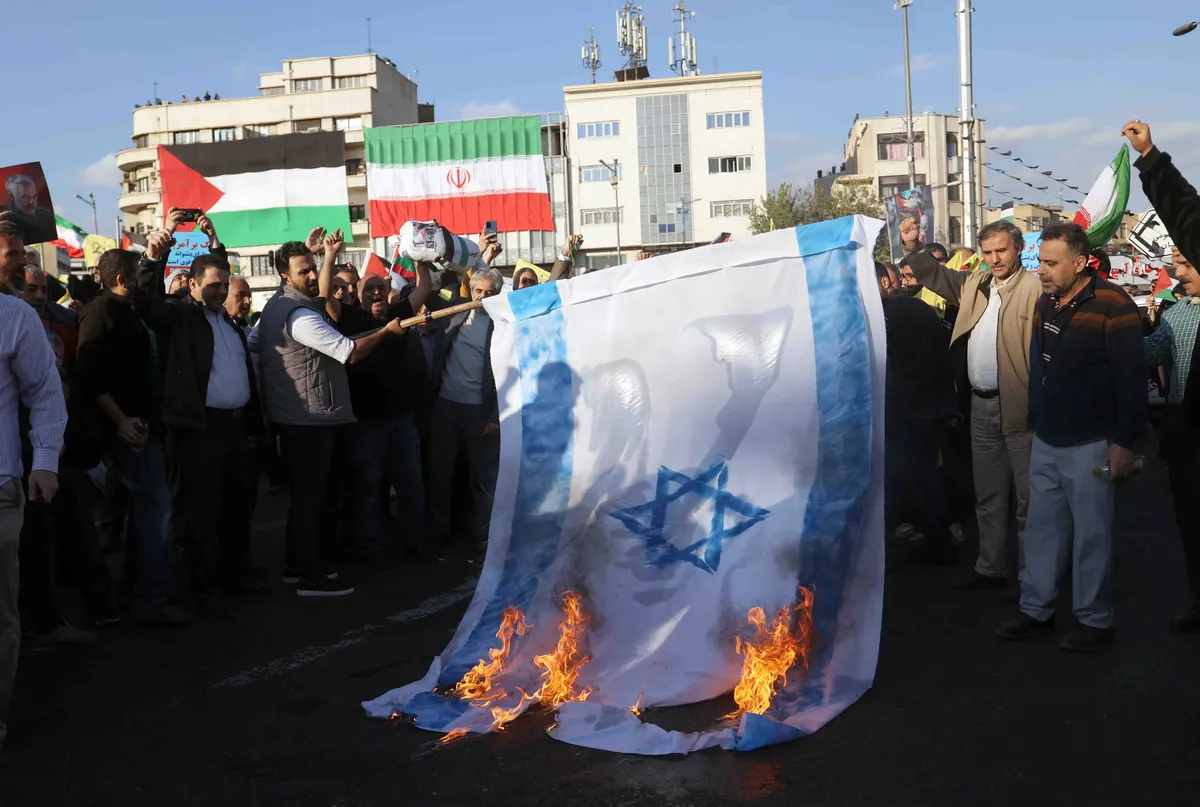
- The Arab world - you took it too widely. These are different countries, different states, there is no single “Arab map”. Countries that support a more radical Iranian axis look at this as part of the fact that Iran, in their opinion, should do in the Middle East, namely, to cause enough anger for Israel so that Saudi Arabia and other non -radical countries turn away from it, so that they do not continue to normalize relations with Israel.
- For what?
- On the one hand, this will violate all US plans related to the agreements of Abraham (a series of agreements on the normalization of relations between Israel and the Arab states through the mediation of the United States, 2020–2021. - Approx. Aut. ) . On the other hand, this will violate the plans of those countries in the Middle East that are interested in the world. These are negligent Sunni countries, such as Saudi Arabia, Egypt, the United Arab Emirates and others. Among them, by the way, there is Shiite Bahrain, that is, this is not always connected with the Shiite - Sunnis axis. The main thing is that these are negligent countries interested in the world, because peace and normalization of relations with Israel give them more economic capabilities, and also move them away a serious threat in the form of Iran.
Iran and Saudi Arabia have long been in a state of cold war. But she began to come to an end. Now Iran wants to gain strength to become a leader in the region. He can do this only if he wins in the regional war.
- According to what principle the Arab countries were divided into those who want normalization with Israel, and those who want to “drop it into the sea”? What exactly in these Arab countries refers them to one of two conditional camps? What is the main criterion - the standard of living, the degree of religiosity?
- Here we need to talk not about countries, but about ideology. The ideology of radical Islam is, in fact, the result of the reform of Islam in the 20th century, a reaction to Western colonialism. This was all migrated in the 21st century with even a lot of power and turned into what we call global jihad. These are al-Qaeda, and ISIS, and other radical Islamic organizations. Not everything here is connected only with radical Islam, but in many ways it moves around him.
- Then I will ask differently: what makes them be in one or another camp in their ideologies? After all, there is no division into Shiites and Sunnis, which are usually explained by disagreements between Muslims, because Shiite Iran is well friends with the Sunni Hamas.
- Yes, if we divide Muslims here into Shiites and Sunnis, this will not stand criticism. Shiite Iran supports not only the absolutely Sunni Hamas, but also the Islamic Jihad, which receives from Iran of the subsidy, is simply an Iranian process.
- The dependence on the standard of living has nothing to do with it, because Egypt, which is now supporting Israel, is a rather poor country. What is in common in those Muslim countries that did not side Hamas?
- The common interests that these countries connect. For example, Egypt has common interests with Saudi Arabia and the UAE, this is, as they say, the Sunni alliance. Part of this alliance is Jordan.
And there are pro -Iranian countries and pro -Iranian movements. Iran is a destabilizing player in the region. He is under the sanctions of the entire Western world, it was very difficult for him to stand it, but he withstood, because he had enough clear final goals. One of these goals is the ideology and expansion of this ideology, the export of the Islamic revolution. The Islamic Revolution in Iran in 1979 completely changed this country, the state turned from secular into completely religious.
When ISIS proclaimed himself an Islamic state, the old orientalists reminded that the Islamic state by this time had already existed in the Middle East, this is Iran.
Since then, Iran has been trying to export the Islamic revolution to the entire Middle East. For obvious reasons, it is easier for Iran to work with Shiites, so now we see his enormous influence in Iraq, where most of the inhabitants are Shiites and where the River Government has been established. And in Syria, although the Alavites are opposed to the Sunniites there, here on the principle of "the enemy of my enemy."
Next, go on the map. If you imagine a crescent in the northern part of the Middle East, then from Iran through Iraq and Syria we come to Lebanon. Just there is Hezbollah, which was created by Iran for the sake of one goal. What do you think?
- It seems that Hezbollah is translated as the “path of Allah”. The goal is probably to “drop Israel into the sea”?
- This is already a secondary goal. The primary goal of Hezbollah was the expansion of the Islamic revolution in Lebanon. По сути, Мухаммад Хусейн Фадлалла, основатель «Хезболлы», которому Иран поручил эту миссию, должен был создать исламскую республику в Ливане, только у него не получилось по разным причинам. Второй целью было воевать с израильтянами, пока они не уйдут из Ливана, — но когда не получилось с первой, вторая цель стала основной.
Если присмотреться, то мы увидим, как именно «Хезболла» принимает участие в жизни Ливана. Она создала внутри страны альтернативное государство. Ливан испытывает тяжелейшие экономические проблемы, там экономический кризис, и «Хезболла» начинает помогать простым гражданам обходиться без участия государства. Нет у человека денег на лечение, нет мест в государственных больницах? «Хезболла» обеспечит место в своей больнице. Нет денег устроить ребенка в нормальную школу? Обеспечит образование. Так «Хезболла» превратила себя в deep state внутри Ливана.
— Точно так же когда-то начинал и ХАМАС: как большие благотворители на почве ислама.
- That's right. И он сумел в Газе построить некую государственность, которая до сих пор хорошо работала. Пока Яхья Синвар (один из лидеров ХАМАСа в секторе Газа. — Прим. авт. ) не сорвался.
— Что значит — сорвался? Просто слетел с катушек?
— Целью Яхьи Синвара, как и лидера ХАМАСа Исмаила Хании, как и Халеда Машаля — главы политбюро ХАМАСа, должно было оставаться поддержание конфликта на «маленьком огне», чтобы в итоге ХАМАС стал единственным правительством во всей автономии. Но Синвар не дождался. Он решил всё это дело слить, потому что его цели отличались от целей предшественников.
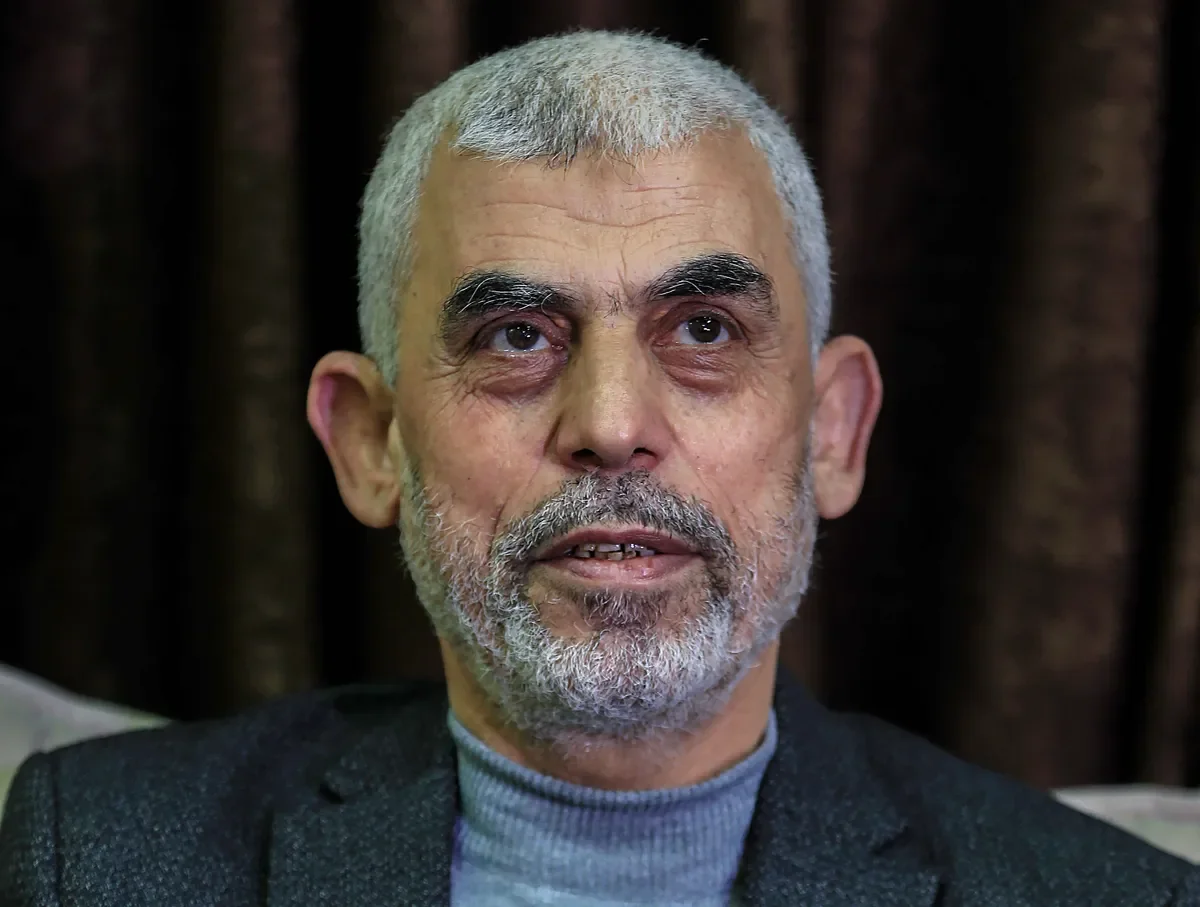
— Предшественники хотели «на маленьком огне» продолжать получать довольно большие деньги от мирового сообщества и терроризировать Израиль. Тогда чего захотел Синвар?
— Яхья Синвар — человек совершенно другой школы. Те — в большей степени государственные деятели, идеологи. А он — мясник из Хан-Юниса. Он был одним из основателей военного крыла ХАМАСа. Для него борьба — это смысл жизни, джихад — главная цель. И раз нужно было ради этого отдать в жертву всю Газу, он так и сделал. Если бы нужно было ради этого отдать в жертву всю Палестинскую автономию, он бы и на это пошел. По сути, то, что сейчас происходит в Газе, — это смена понятий: мы уже смотрим на ХАМАС не как на прагматичную организацию, а как на идеологию, которая дошла до фазы реализации.
— В том, что вы говорите о целях этих людей, нет ничего особенно неожиданного: для исламистов не то что Ближний Восток, а вообще весь мир должен стать одним большим халифатом. Поэтому я и спросила о том, что делит исламские страны на разные лагеря. В основе ведь лежит всё-таки одна и та же религия.
— Вопрос в том, как до этого доходит, это раз. Два — далеко не все исламские движения сегодня стремятся устроить во всём мире халифат.
Я вам расскажу, почему в 2003 году разошлись ИГИЛ и «Аль-Каида». «Аль-Каида» была основана Абдуллой Азамом, кстати — палестинцем, который, как и основатели ХАМАСа, был выходцем из радикального движения «Братья-мусульмане». Цель он определил так: сначала мы устраиваем джихад, а потом, когда захватим уже весь мир, создаем халифат по законам шариата. А ИГИЛ решил поменять всё местами: сначала у нас будет халифат, как Аллах велел, а потом уже оттуда мы будем экспортировать джихад. Вот на этом их отношения и сломались.
Много говорили о том, что ИГИЛ был слишком жесток, он убивал слишком много суннитов, а это не путь ислама. Но это была второстепенная причина, а главная — в том, что одни решили опередить других.
Точно так же — ХАМАС: сначала его лидеры выбрали одну тактику, а потом решили ее поменять. Вы спрашиваете, не весь ли ислам такой? No. Ислам не такой. В странах, которые мы называем умеренными мусульманскими, нет такого радикализма.
— Я умышленно использовала слово «исламизм», а не «ислам».
— Тогда отлично. This is true. Именно на этом стоит исламизм, то есть политический ислам. И фронт-пост исламизма занимает Иран наряду с террористическими организациями суннитского толка и шиитского толка.
— Нет ли здесь ориентира чисто экономического? Может быть, поддерживать Израиль готовы те мусульманские страны, которые лучше понимают пользу контактов с Западом, больше на него ориентированы, они элементарно более прагматичны? Какую роль в этом выборе позиции играет банально экономика?
— Конечно, и это есть. Но я хочу добавить еще один ориентир. Общее в этих странах — то, что там законами запрещены «Братья-мусульмане» и аффилированные с ними организации. А ХАМАС — это именно «Братья-мусульмане», это их «дочка». В Саудовской Аравии, в Эмиратах, в Египте это движение поставлено вне закона. По этой причине основные интересы этих стран сейчас — не только экономические. Их главная цель — не дать радикальному исламу, политическому исламу, вырасти у них вновь.
В 1960-е годы «Братьев-мусульман», изгнанных из Египта, была рада принять Саудовская Аравия. Многие из них оказались школьными учителями, они начали работать в системе образования. Потом в Саудовской Аравии увидели, к чему это привело, насколько радикальные кадры у них подрастают. Они решили изгнать из страны сначала этих учителей, а потом и всех «Братьев-мусульман». С тех пор эта идеология в Саудовской Аравии запрещена. Как и в Арабских Эмиратах.
В 2015 году вышел новый «черный список» террористических организаций; его составляли в Эмиратах, и туда вошли все организации, которые так или иначе были связаны с «Братьями-мусульманами», в том числе и ХАМАС. Так что интересы тут не только экономические, но еще и внутриполитические.
— Но для того, чтобы в странах начали запрещать идеологию «Братьев-мусульман», там должно же было сначала что-то поменяться? Я не случайно уточнила, что говорю не об арабских, а о мусульманских странах, потому что в Турции, например, сейчас президент — выходец из «Братьев-мусульман». В Египте они до недавних пор побеждали на выборах. Что должно было произойти, чтобы их начали запрещать?
— Если этого не сделать, на выборах так и будут побеждать «Братья-мусульмане», потому что их воспринимают как идеологически верных, религиозно правильных с точки зрения того, как должно выглядеть исламское государство. В Египте с этой напастью борются с 1952 года, там «Братьев-мусульман» приходилось запрещать трижды. Первый раз — в 1950-х годах, еще до Насера (Гамаль Абдель Насер, президент Египта в 1958–1970 годах) . Второй раз — после гибели Анвара Садата (президент Египта в 1970–1981 годах) : его убили представители группировки, отпочковавшейся от «Братьев-мусульман», за заключение мира с Израилем. В третий раз — в 2013 году, после того как они действительно были избраны демократическим путем на фоне «арабской весны». Президент Абдул-Фаттах Ас-Сиси, избранный после переворота, снова выгнал эту организацию из страны.
— Получается, что для того, чтобы в исламской стране на выборах не побеждали радикальные исламисты, их надо запрещать? Иначе народ выбирает именно их? Correctly I understand you?
- That's right. You understand correctly.
— Значит, народу близка их идеология?
— Это я вам сказала про Египет, про другие страны мы даже не начали говорить. Дело в том, что сама идея исламизма очень привлекает людей во многих мусульманских странах. Хасан аль-Банна, основатель «Братьев-мусульман», говорил: ислам — это и есть решение всех проблем, все ваши проблемы можно решить благодаря исламу. И он отлично объяснял, каким образом это делать.
Единственная проблема: все эти красивые в теории объяснения на практике никогда не работают.
— Похоже на коммунизм.
— Это просто одно и то же. Более того: эти «-измы» — коммунизм, фашизм, исламизм, — расцветают примерно в одно и то же время, это порождение примерно одного и того же поколения.
— Сейчас чуть ли не каждый день кто-нибудь предлагает решение проблемы Палестины. Почему ее не могут решить вместе арабские страны?
— Потому что не хотят.
— Как это — не хотят? Кричат, что надо решить. Разве это не их братья?
— Они от этих братьев отбрыкиваются, как могут. Вот вам факты: любое арабское государство, которое принимало палестинцев, потом их изгоняло. Why? Потому что палестинцы устраивали на новом месте войну. Это случилось в Иордании, это случилось в Ливане…
— История Ливана, который до тех событий называли Ближневосточной Швейцарией, особенно грустная.
— Да, Ливан до сих пор не может оправиться. У одного из моих студентов родители воевали в Южном Ливане, он ливанец, семья христианская. После 2000 года они спаслись бегством и оказались в Израиле. Они рассказывали, как издевались палестинцы над христианами в Ливане.
— И всё-таки: может ли мировое сообщество как-то убедить арабские страны подключиться к решению проблемы Палестины?
— Палестины — или Газы?
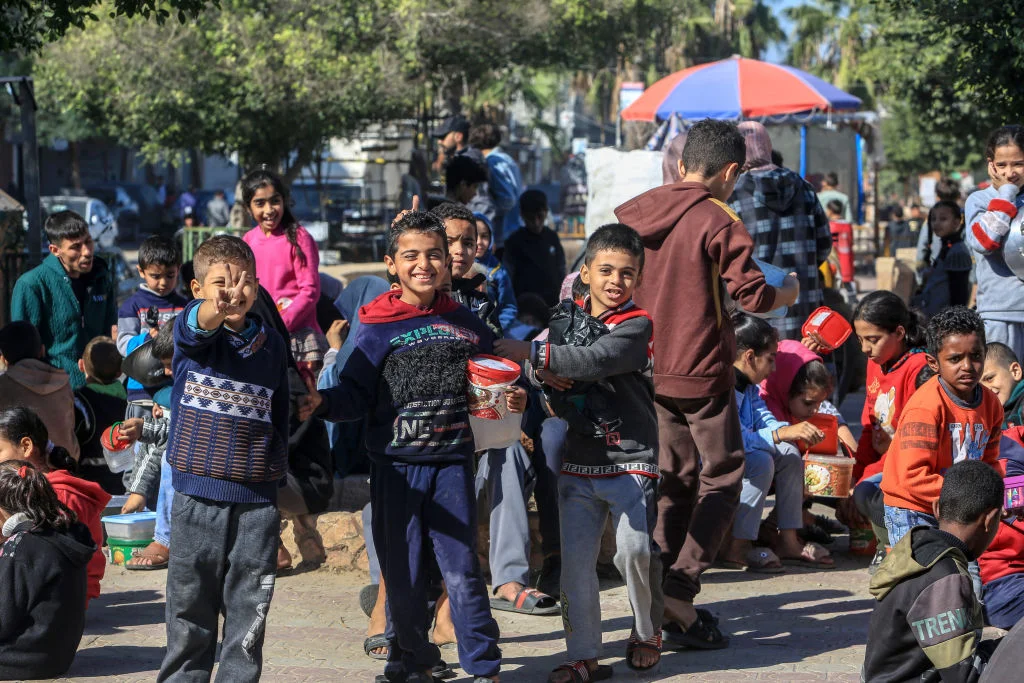
— Палестины, всё-таки это одно государство.
— Я повторю: это не государство. Государство там так и не было создано. Есть Палестинская автономия, а есть сектор Газа, который в нее не включен после 2007 года.
— В любом случае, решить проблему Палестины невозможно, пока есть сектор Газа в нынешнем состоянии. Isn't it?
- No, not so. Палестинцам предлагали создать государство, но они этого не сделали. Поэтому сейчас есть Палестинская автономия, которая находится на территориях Западного берега, или Иудеи и Самарии, а есть сектор Газа, он отделен от Палестинской автономии с 2007 года, с тех пор как ХАМАС там устроил переворот. ХАМАС просто скидывал с крыш вниз головами всех, кто не с ним.
— Но перед этим ХАМАС победил на выборах.
— И если сейчас пройдут выборы, на них опять победит ХАМАС. Причем не только в Газе, но и на территории Западного Берега.
— Поэтому я и спрашиваю о том, как решить эту проблему в комплексе. В этом должны быть заинтересованы арабские страны, потому что Палестина — постоянная пороховая бочка не только для Израиля, но и для них.
— Для арабских стран палестинцы — как горячая картофелина, которую все хотят перебросить друг другу, чтобы не обжечься. Израилю на такой же вопрос все отвечают: это не наша проблема. Сейчас была возможность решить проблему. Президенту Ас-Сиси предложили открыть КПП Рафиах и дать возможность беженцам из Газы перейти в Египет.
— Ас-Сиси еще не сошел с ума, чтобы пустить к себе новую партию «Братьев-мусульман».
— Вы только что ответили на свой вопрос.
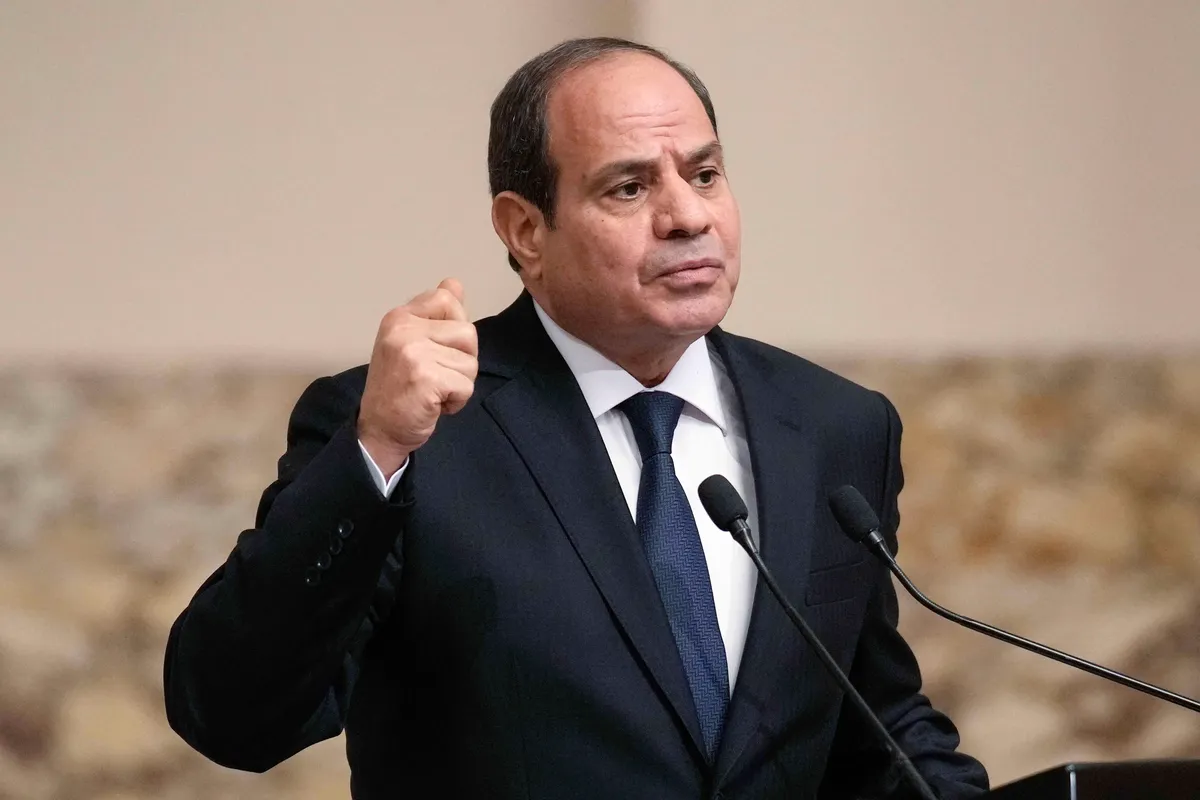
— Что бы ни делал Израиль, его назовут оккупантом, а когда Иордания и Египет оккупировали территорию Палестины, их так не называли. Почему бы арабским странам не взять «шефство» над Газой, чтобы сектор контролировали они, а не Израиль?
— Возможно, так это и будет. Мы вообще не знаем пока, что будет в Газе. Планы по этому поводу строят сейчас в разных странах, идет огромное количество переговоров. Израиль будет принимать участие в решении этой проблемы только с точки зрения безопасности. В остальном этой проблемой должны заниматься во всём мире. Проблема палестинских беженцев касается не только Израиля, а всего мира или как минимум всего региона. Просто самым легким всегда было скидывать проблему на один Израиль, говорить: во всём виноват Израиль, не будь его, всё тут было бы прекрасно.
— Почему в итоге эту проблему Израиль должен решать в одиночку?
— Думаю, что в результате эту проблему придется решать далеко не только Израилю.