
Translated material
The holy martyr Vladimir Vvedensky
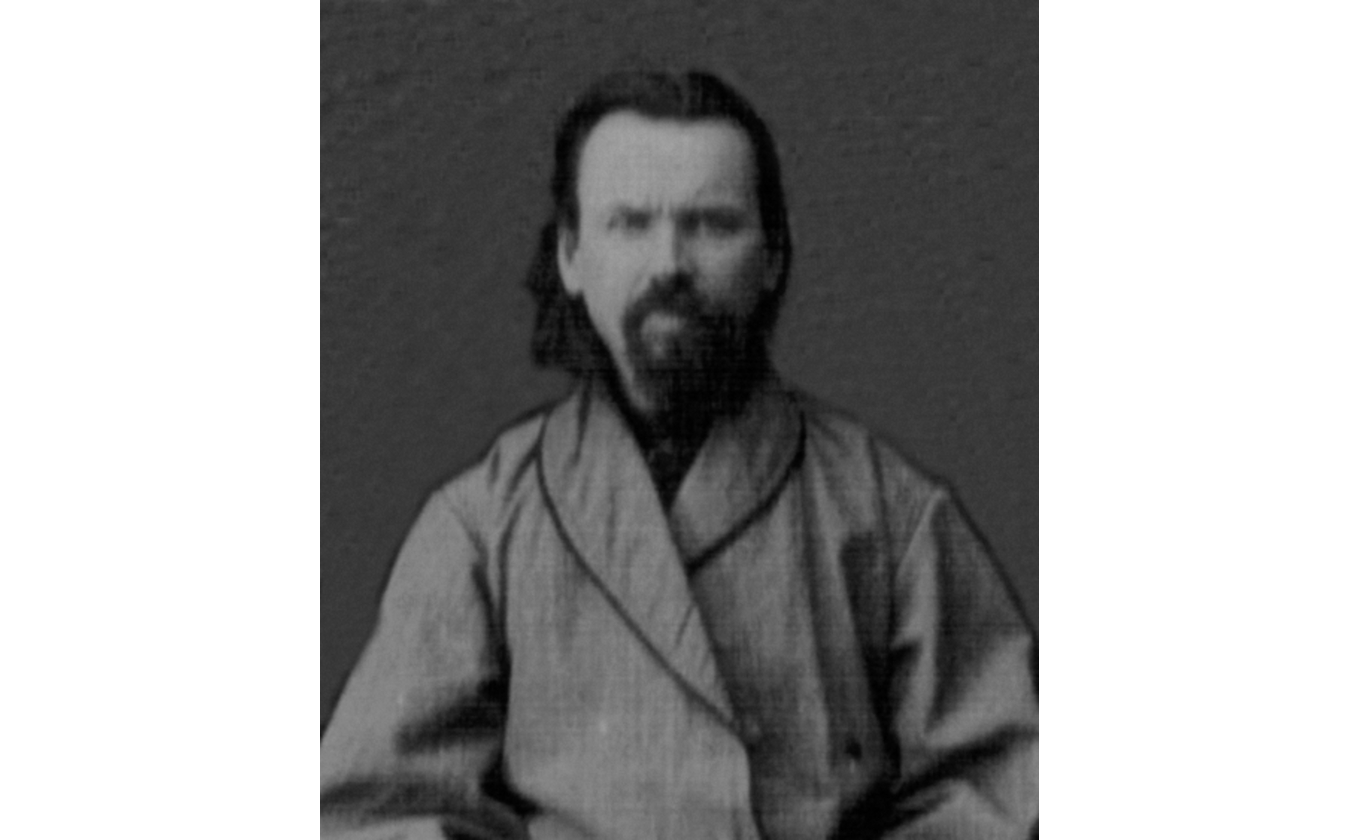
Vladimir Vvedensky is the son of a psalmist from the city of Shui by the Vladimir province. Twenty years, in 1889 he graduated from the Vladimir Theological Seminary, married. He had four children.
On March 10, 1891 he was ordained a priest for the Christmas church in the village of Lezhnevo Kovrovsky district of the Vladimir province, in which he served all his life; Since 1920, he has been a rector in her.
In 1918, he was deprived of electoral rights.
In 1922 he was arrested in the case of resistance to seizure of church values, but soon released.
At the beginning of 1930, the authorities decided to close the Christmas church, but since neither parishioners nor priests were going to voluntarily abandon worship, they could only arrest the priests to close the temple. On February 4, 1930, witnesses were questioned who showed:
“Vladimir Vvedensky through the church and prayers to the homes spreads an anti -Soviet infection - his religious judgments, conducts agitation against collective farms, taxes and other events of the Soviet regime. From the amvon, he pronounces preaching after each worship, and mainly the priests have meetings of believers according to their plan, where they give instructions of this mob. ”
“The priest Vladimir Fedorovich Vvedensky is very careful and does not directly express his views on Soviet power. Being with trees at home, sometimes he says that, they are squeezing the Orthodox faith, this is not necessary to allow. ”
“Around the church of the village of Lezhnevo, anti -Soviet elements from former merchants led by priest Vladimir Vvedensky are grouped, who still reads sermons, in essence, anti -Soviet.”
On the same day, Father Vladimir was arrested, all his property was rewritten, and his wife was forbidden to sell or transfer it to someone. On February 5, 1930, the authorities interrogated the priest; Answering the questions of the investigator, Father Vladimir said:
“Personally, I have been closed with my life, there were no visits between us, there was no church honor, except for the execution of religious rites ... I never had any talk about the policy of the Soviet government in connection with the closure of the church, economic and other issues.”
The investigator asked how Father Vladimir belongs to renovationism: since the OGPU supported the renovationists, the investigator was interested in the attitude of the priest to them. Father Vladimir replied:
“During the period of discussing the issue of transition to renovation orientation, when the members of the Smirnov and Tsvetokov Counts showed particularly in this initiative, I personally and the rest of the church harta did not agree with this, as, for example, in the part of the fact that we, church ministers, had to fulfill only our duties“ technically ”... After this system of the church service, the previous one remained the same; Now this Smirnov has left the church (in 1923), and Tsvetkov serves as a priest in the village of Khomutovo Teykovsky District. ”
On February 6, 1930, the authorities transferred Father Vladimir to Shui prison. Together with him was arrested the hairstyle of the temple, members of the Church Council and the nun who carried in the temple the obedience of altars and psalmists.
On February 11, the investigation was completed. In the indictment, the investigator wrote that
“The anti -Soviet group in Lezhnev led“ anti -Soviet agitation and propaganda aimed at disrupting the events and the excitement of peasants and workers of the Lezhnevsky district against the Soviet regime. The Spasyan group on the basis of unity of religious views and community of political interests ... Meeting in the church after prayers under the guise of solving church affairs, they resolved issues of anti -Soviet nature. "
On February 15, the Troika of the OGPU sentenced Father Vladimir to three years in prison in a concentration camp. On March 30, the priest arrived at the Solovetsky special purpose camp. Here he worked as an orderly, dryer of linen, a collector of utillards. The head of the business trip wrote in a characteristic of him: “A hardworking and executive worker, despite his advanced age. Disciplined and polite. He was not subjected to recovery and generally not subjected to comments. In cultural work, he does not participate as a minister of cult. "
Wife about. Vladimir and four of their children were deprived of all civil rights, and hence the means of existence.
On March 5, 1931, the administration of the Solovetsky concentration camp compiled a characteristic of Vladimir’s father, which was mentioned about him as an anti -Soviet, configured person.
On March 13, during an outpatient examination, the 62-year-old priest was diagnosed: "myocarditis, arteriosclerosis, exhaustion and senile weakness." At this time, he was in the 4th camp on the island of Anzer on a Golgof business trip. On March 26, in connection with a deterioration in the state of health, the priest was placed in a hospital, located in the Calvary-Raspsky monastery.
Priest Vladimir Vvedensky died on April 3, 1931 at half past eight in the evening and on April 5 was buried in a cemetery near the Resurrection Church on the island of Anzer.