
Translated material
The dream of the conductor
What is the political meaning of Valery Gergiev’s reign in the Bolshoi Theater
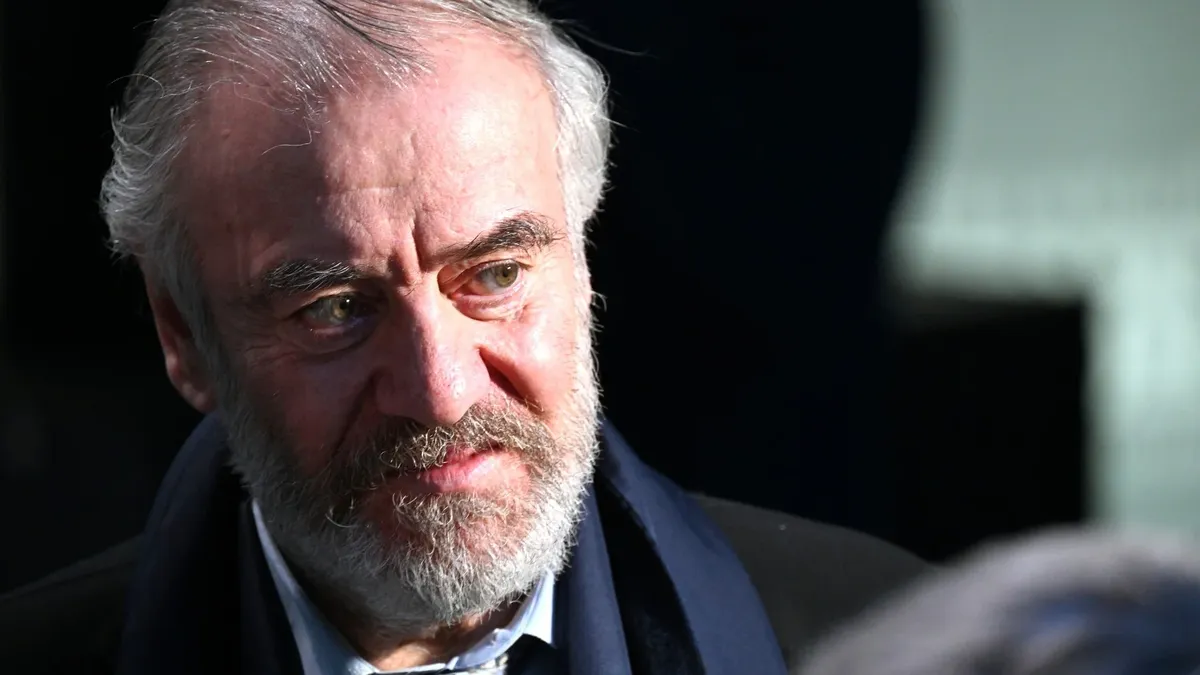
Valery Gergiev before the Plenary meeting of the Forum of the United Cultures, November 17, 2023 Photo: Pavel Bednyakov / RIA "Novosti" / Kremlin
Ten years ago, Valery Gergiev wrote a letter to Vladimir Putin. In order to “continue the historical traditions of the Directorate of Imperial Theaters”, he proposed to unite the Mariinsky Theater with several cultural institutions of St. Petersburg (the Russian Ballet Academy, St. Petersburg State Conservatory and the Russian Institute of Art History).
There were rumors that for the maestro it was such a trial ball. After all, the Directorate of Imperial Theaters, the traditions of which he promised to “continue”, included, in addition to theatrical schools - Mariinsky, Mikhailovsky, Alexandrinsky, Bolshoi and Small Theaters. The meaning of the directorate was not just administrative. Dramatic, opera and ballet productions were made not only under the control of the imperial court, but also for the imperial court. The then rulers of the Russian Empire were active participants in the theatrical life (how it worked, you can read in the memoirs of the last director, who held the post from 1901 to 1917).
Gergiev failed to create a bridgehead for the revival of this directorate in 2013. Although, it seemed, there were all the prerequisites.
Firstly, Valery Gergiev is an outstanding conductor, known and worldwide recognized. He led the Munich, London, Rotterdam orchestras, was the main invited conductor of the Metro-Opera. He is a regular guest and all the main festivals of the world, and just a popular musician who collects full halls across the planet.
Secondly, he is a longtime friend of Vladimir Putin. Now they remember how he gave concerts in Tskhinval after the war with Georgia in 2008 and in Syrian Palmyra in 2016, how he signed a letter in support of the accession of Crimea in 2014, as he said nothing about the war in Ukraine, and so on. But this is not the main thing. The main thing is Gergiev initially “his” person for the Russian elite. Putin and his entourage are really considered Gergiev as a great musician and part of his own “team”. As is known from the FBK investigation, Gergiev even in business adopted their business management style.
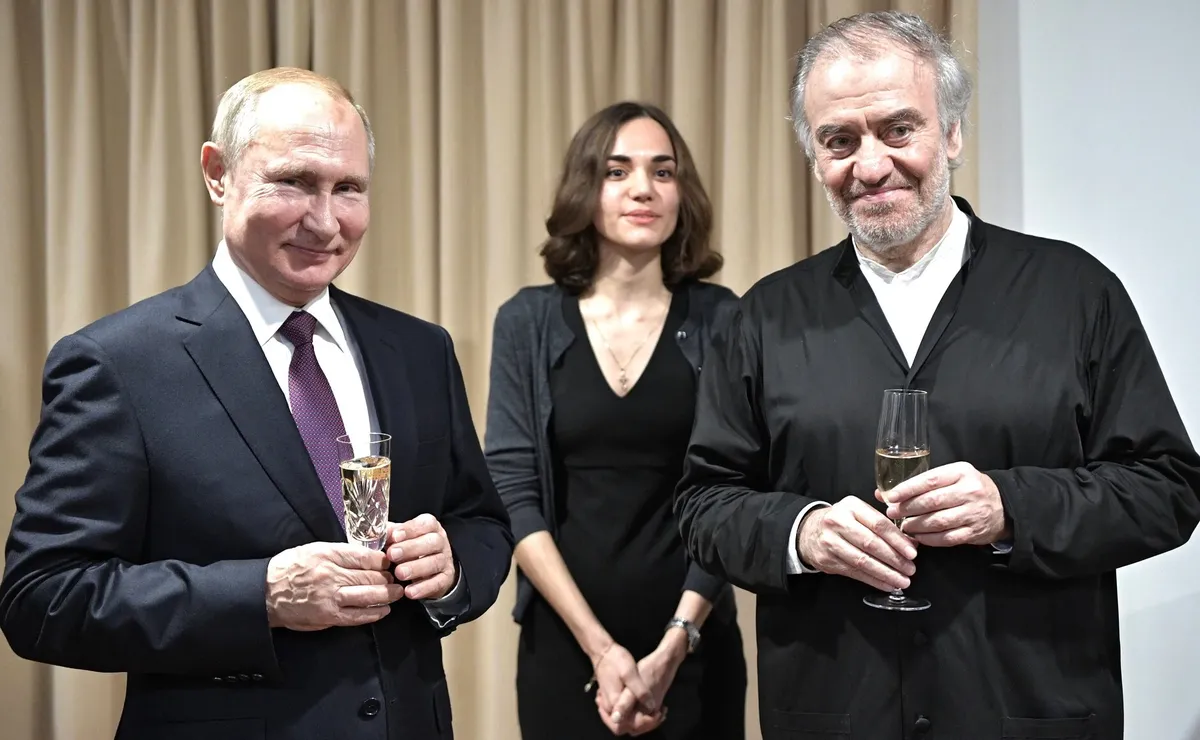
Thirdly, Gergiev is a powerful manager. Although many acquaintances with him noted his impulsiveness and the habit of soaking the solution of all, even the smallest household issues on himself, which, together with a very dense and at the same time chaotic schedule, often leads to paralysis of decision -making and the appointment of important meetings in the region of two in the morning, the number of projects implemented speaks for itself. For many years he has been combining administrative and artistic leadership, and at the same time gives dozens (!) Speeds monthly - and these are very high, prohibitive numbers (according to some estimates , this number greatly harms the quality of execution).
But in Russia 2013, such a person could still lose in the hardware struggle. Having not received those institutions in the department, Gergiev in 2016 joined the Mariinka Opera and Ballet Theater in Vladivostok (Primorsky Scene of the Mariinsky Theater) and the North Ossetian Opera and Ballet Theater (the rector of the Vaganov Academy, by the way, by the way, Nikolai Tsiscaridze became close to Gergiev-who had just had a long-standing conflict with Vladimir Urin).
Meanwhile, the Bolshoi Theater, which has been tried to Gergiev since the beginning of the 2000s (but then Gergiev did not want to hear about him ”) passed the turbulence zone. At first, after suspicions of an unscrupulous reconstruction, a series of dismissal of artists and the attempt on the artistic director of the ballet troupe Sergey Filin, the director of Ixanov was dismissed. The new director - Vladimir Urin - was known as an experienced theatrical manager, and rather a western style.
As the rector of Gitis Zaslavsky notes, Urin tried to keep all the scandals inside the theater and not release them in the media field. He preferred to conduct a neat centrist policy, because of this he was criticized on both sides.
For some, Urin was not patriotic enough; And when Serebrennikov staged the performance “Nureyev”, and suddenly Serebrennikov was arrested (in the summer of 2017), Urin suffered , but did not cancel the premiere.
For others, Urin was not progressive enough. His co -products with Western theater institutions was criticized for the lack of their own bright productions of world -class. They joked that the main foreign operator who puts in the Bolshoi Theater was Dmitry Chernyakov , and the rest of the repertoire mainly made up the premieres of Russian dramatic directors (the same Serebrennikov, Zhenovach, Pisarev, Tuminas).
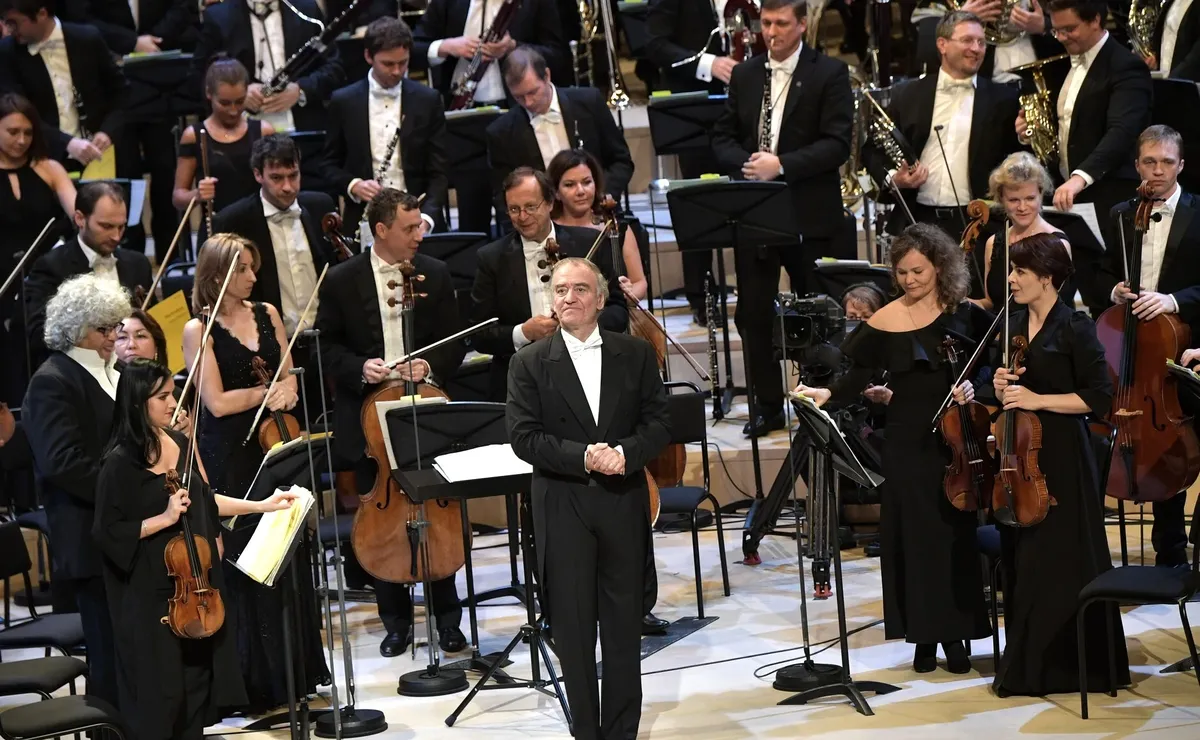
When the war began, Vladimir Urin signed the anti -war “letter of Khudruks”, which he called - according to insiders - special irritation in the Kremlin. It is one thing when “cultural figures” say, such as Basilashvili, Raikin, Mironov, the same “their own” for the Russian elite. They can be mistaken and can afford “emotions”. Another thing is when next to Alisa Freindlich and Nina Usatova on the list are the “hired manager” of Urin, who is entrusted with the national treasure.
Gergiev did not sign any letters and did not speak about the war. With proud silence, he perceived the breakdown of contracts with Western theaters. And then, in March 2022, Vladimir Putin suddenly himself - suddenly - invited Gergiev to unite the Big and Mariinsky Theater under the Unified Directorate. "How do you feel about such an idea, to recreate such a general directorate?" Putin asked.
Apparently, in the March of 2022, the presidential administration and Gergiev considered the theatrical and cultural situation in the country too volatile. Given the long -standing “confrontation” of Gergiev with the Great Theater, it was easy to imagine that the reform would cause active dissatisfaction of the troupe; And they decided to postpone with this.
And now, when time has passed, “everything and everything calmed down”, colleagues finally went to the implementation of the project. It seems that they decided to do this simultaneously for the elections-and as a gift to Gergiev for the 70th anniversary. In previous cases, the dismissal of unwanted arts from the end of the contract was expected (as with Andrei Mogelny in the BDT), or a formal occasion (as with Mikhail Bychkov in the Voronezh Chamber Theater - who refused to cooperate through the support line of Veterans). Urina had a contract until 2027, and he agreed to all the instructions “from above” on the removal of the names “who expressed against him” with the posters.
True, if Vladimir Urin himself wanted to save his post, he should not talk about these new censorship rules publicly. As an experienced apparatchik, Urin could not know what he was going.
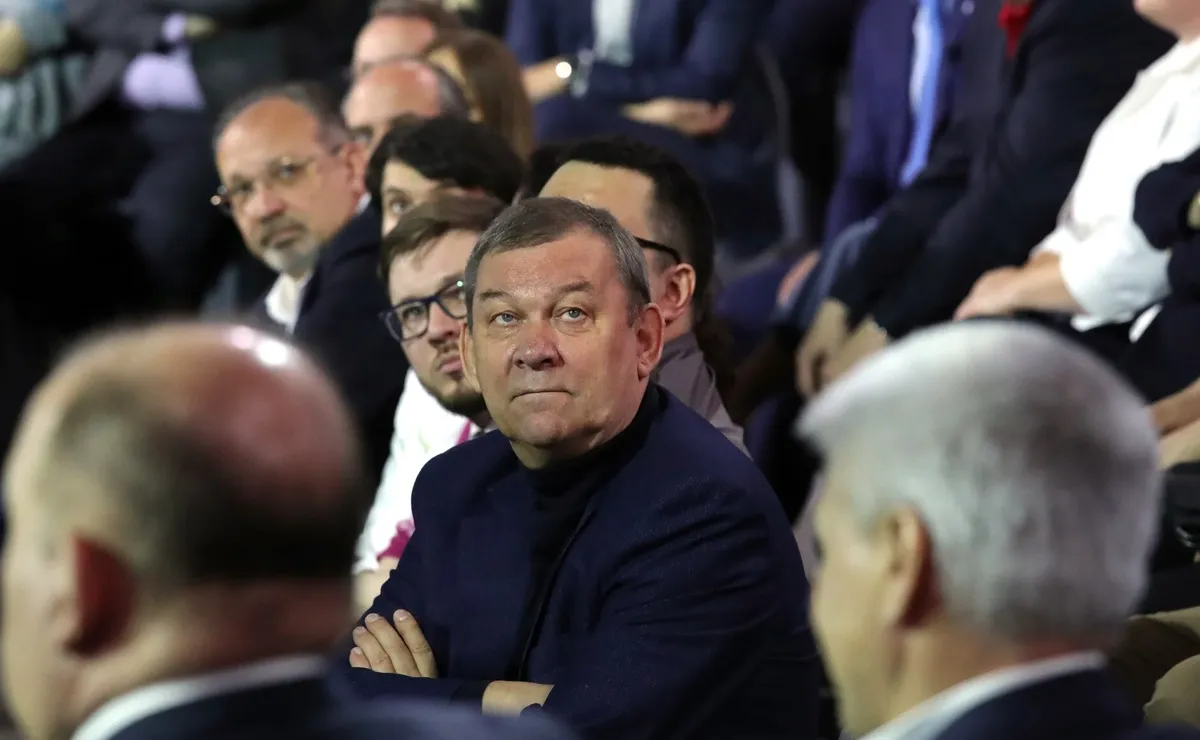
His resignation and appointment of Gergiev became the result of the coincidence of several factors at once. This is the stripping of the cultural environment after the start of the war in Russia, and the tightened demands on loyalty, and the desire to reward Gergiev’s “friend” and fulfill his long -standing desire. But there is also an artistic consideration: the Bolshoi Theater, of course, today it is not just a theater, but a “theater for the elite”. This "elite" also includes a wide secular public, from the guests of the parties of the Moskvich magazine and the wives of oligarchs to employees of ministries and high diplomatic guests.
Gergiev understands this task, and he is able to create exactly the art that is in demand among the target audience. The very manner in which Gergiev’s appointment occurred-lightning-fast, albeit laid down due to leakage , recalls a real special operation. And this form suggests the content: as if especially for those who still ask the question: “Whether the moment will come [someday, when the leadership of the big will change, well, at least a drop in a more civilized manner?”
No. Large state theaters in Russia are feudal allotments, and for the right service you can get a new feud. This system did not work out during the war: it is the real tradition of the Directorate of Imperial Theaters, later continued by the Soviet system of repertoire theaters. In the new Russia in the 1990s and 2000s there were timid attempts to do something with her, but they-as in other areas-were unsuccessful.