
Translated material
A bag for life
According to WHO, in Russia no less than 120-140 thousand hundreds of artisan people. Any person can be applied to any person after a variety of operations and regardless of age, even to babies. But many still have no idea how to adapt to this thing. The project of Tatyana Borisova “Stoma together” helps such people learn to live in a new way. Tatyana herself survived three operations and went with stoma for two years
Sunday, on the third of December, Sports Palace, Samara.
A rare evening, when Tatyana is not at home: ulcerative colitis, coupled with three operations, dictates a special daily routine. It is extremely rare to go out in the evening of Tatyana - you will not go far from the room with amenities at this time.
But today is a special day. At the ceremony, the Governor of the Samara Region Dmitry Azarov awards Tatyana a named prize. She is the laureate of the year in the nomination "Public figure".
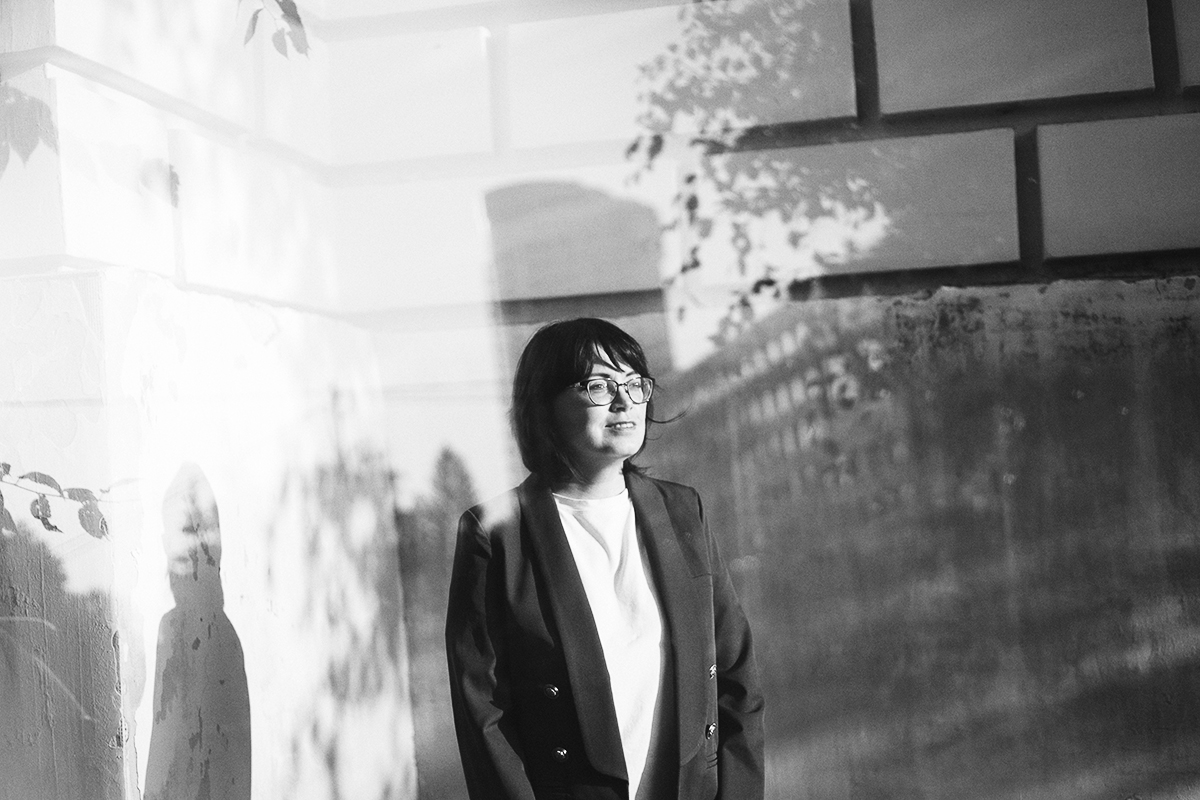 Tatyana Borisovapoto: Daria Aslanyan for TD
Tatyana is very worried: this is the first reward of such a scale from the authorities over ten years of her struggle for the rights of hundred -minute people in Russia.
“For special will, hard work and love of life,” it is written on a letter in a frame that the governor awards Tatyana with a bouquet. In response, she tells him written questions about the help of the studied. "Without" pigeon mail "in no way!" - She writes to the subscribers in Storis after the ceremony.
From police to mop
Tatyana was born in Naberezhnye Chelny, or rather in the city of Brezhnev: she found just the six years when the city was renamed in memory of the Soviet Secretary General.
Her parents came from the village to build a Kamsky automobile plant (KAMAZ) . Father worked at the trade union committee, mother - a cook by education - a fire safety operator.
In Tatarstan, Tatyana lived up to 15 years. I studied nine classes and went to go to Samara. I wanted to become a doctor on my parents' advice and study at a local college, but fell ill and missed the entrance exams.
In Samara, Tatyana was going to study at a programmer or cook. But for the first profession, she turned out to be too poor vision (glasses with diopters minus ten), and for the second - too poor health to “carry pots”. Therefore, it was decided to go to the Samara State College to the Yurfak.
The first impression of the metropolis is dirty black snow: in the Naberezhnye Chelny, it was clean and sparkling.
First, Tatyana settled with her mother with her relatives: after her father died, her mother moved to her daughter.
After the college, Tatyana went to study for a lawyer further, to the State University. The training was paid, money was needed - and she got a job in the police. Tanya was 19.
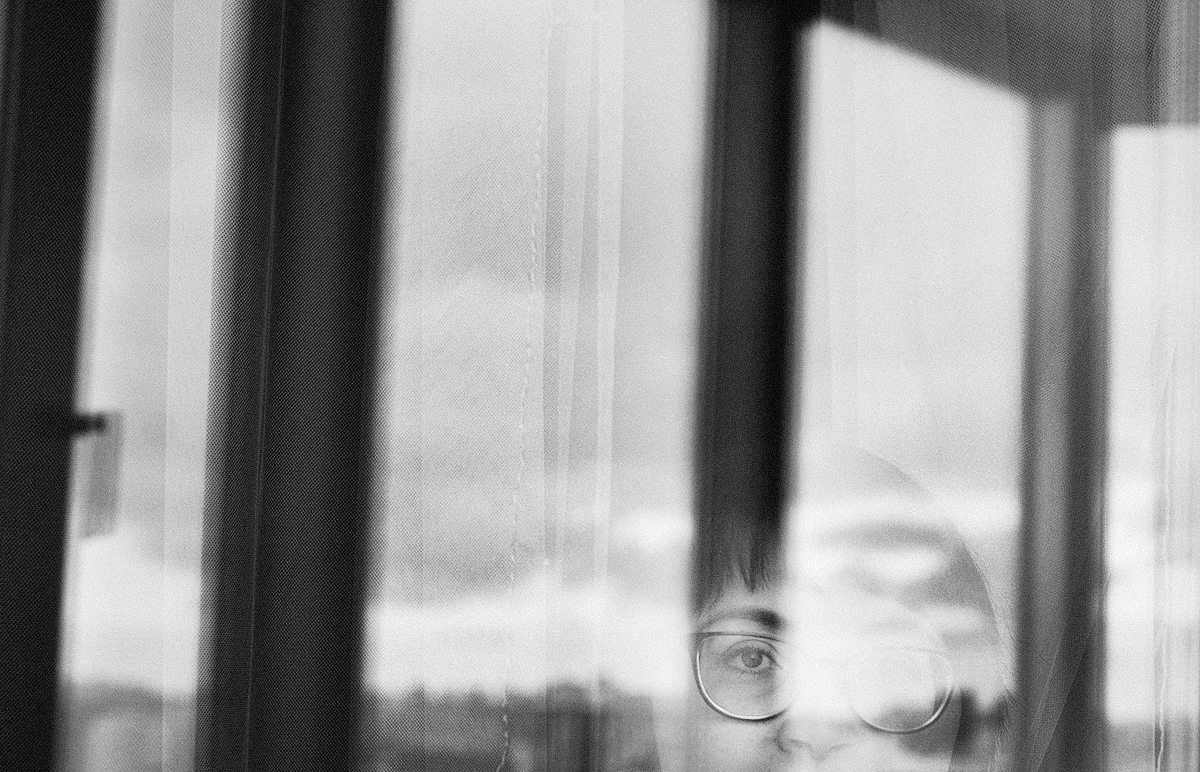 Tatyanapoto: Daria Aslanyan for TD
“I really wanted to go to the state, the interrogator,” she recalls. - But they took me only under a civil agreement, the secretary of public security. My boss did everything so that I would not get into the state, sent me to night duty and raids. In the evenings, together, we oversaw the district and caught violators. I don’t know why he did this - either he wanted to give the difficulty of the profession, or believed that I had no place in the police. ”
But Tanya and her mother moved from relatives - one of the colleagues offered the girl his room in the hostel.
A year later, relatives helped Tanya find a second job - in the local Transneft. It sounded prestigious, but after the duty in the police, she was driving the floors - they took only a cleaner. And soon my mother and daughter received a mortgage for a small apartment, and the money became even more needed.
By that time, Tatyana had been suffering from stomach disorders for several years.
The consequences of the "survival race"
For the first time, she urgently got to the hospital before the exams at the college: her stomach fell ill. I thought, "bear disease." Now I am almost sure: it was an early stage of a chronic disease with which Tatyana has been living for almost 20 years.
But then the doctors drove her “some pills without a shell”, made a gastroscopy, put a hastily “gastritis” and wrote out.
“How you get nervous - you immediately run to the toilet,” she recalls. “But I did not associate this with some diagnosis.” How do people usually think? "Oh, I ate something wrong."
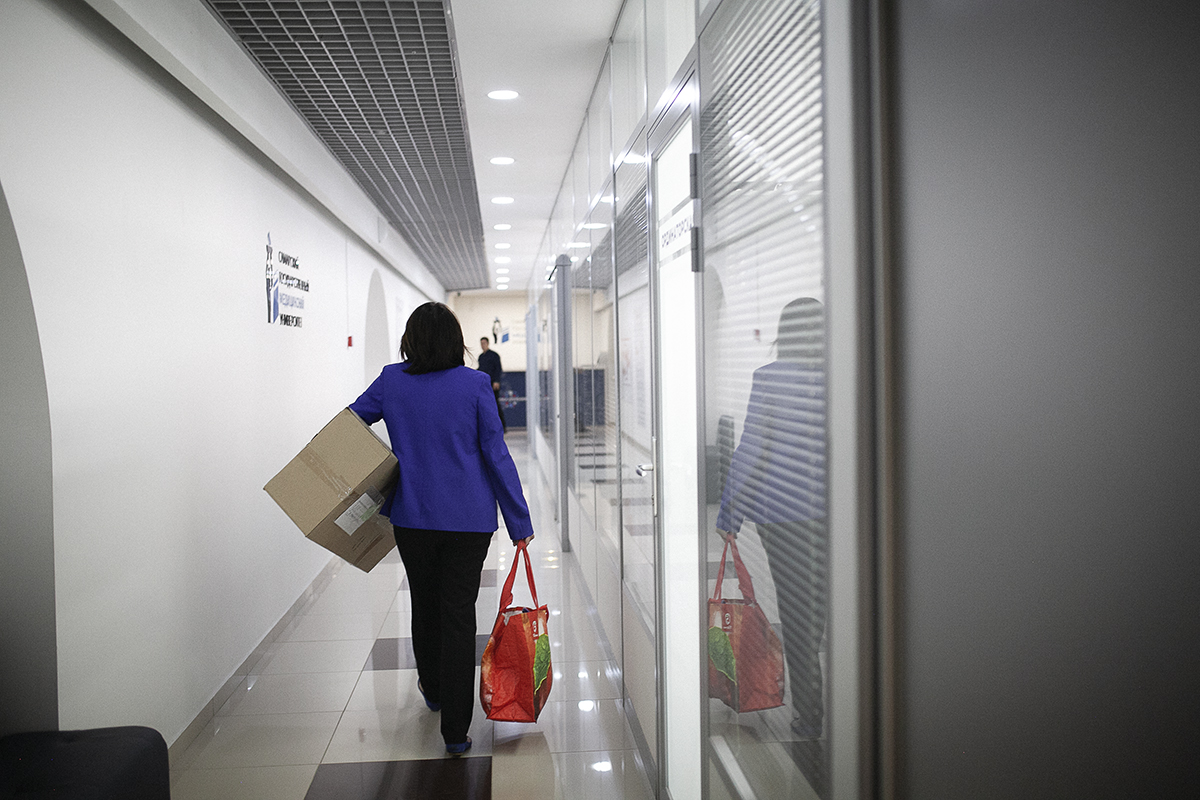 Tatyana carries the equipment and medicines necessary for conducting a master class at the Samara State Medical University: Daria Aslanyan for TD
Tatyana turned to the doctor only after a couple of years, when bleeding began. Then, in 2006, she was diagnosed with ulcerative colitis. By that time, Tanya was raised at work: at first she was a technician, then a transport engineer.
“I dreamed of going down the career ladder, buy a separate apartment and a car,” Tatyana recalls. Everything went according to plan, only health brought.
Non -procephic ulcerative colitis diagnosed by doctors refers to autoimmune diseases . He, Tatyana believes, could provoke some kind of stress: the death of her father or exams-she was always very nervous in front of them. Yes, and her whole life was constant stress: "It was necessary to earn money, live on something, close the loan."
At work, Tatyana lingered until two in the morning or came to six in the morning. I went to the office from the other end of Samara, endlessly drank coffee, fully eaten once a day.
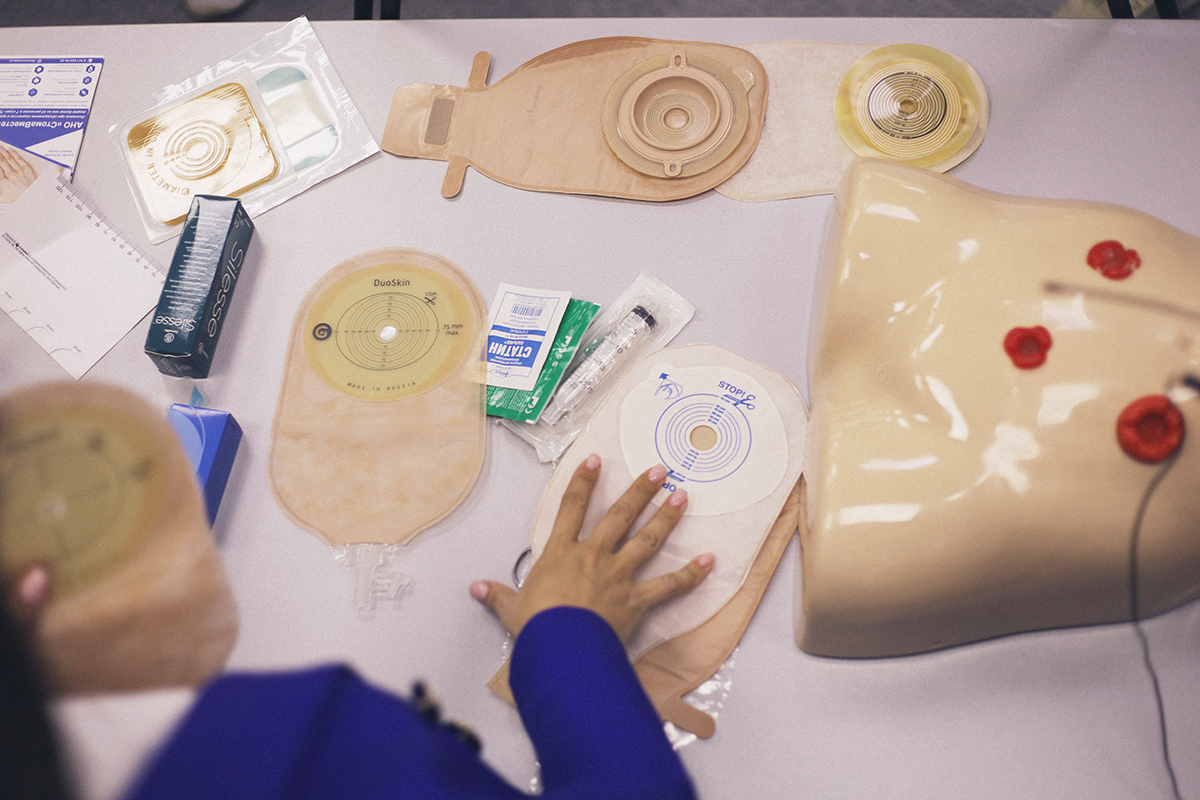 Tatyana holds a master class at the Samara State Medical University: Daria Aslanyan for TD
In 2010, she celebrated her own 25 and completely fell down, it seemed to be ARVI. But with a temperature of 40 at night she thundered to the hospital. The aggravation was serious. So much so that doctors did not dare to make colonoscopy: intestinal intoxication, ulcer, pus. We decided to operate - they removed part of the large intestine - and remove the stoma, temporary, for three months.
Then Tatyana heard the word "stoma" for the first time. The details did not go: Stoma and Stoma. She could not really get out of bed, moved on a wheelchair. All her thoughts were just busy not to die on the operating table.
When I woke up after anesthesia, I shocked: “What is this hole, damn it, in the side?!”
"There was no strong disgust"
Tatyana courageously learned to live "with a hole in the side." I tried to invigorate: this is "only three months."
“Strong disgust, when the rod bag was changed for the first time - a 4 receiver , did not happen,” Tatyana recalls. It was operated on in local clinics in SamSMMU under the MHI program. “They were lucky with the doctors: they explained how to care for the stoma on their own.”
Having written out, the girl bought everything necessary for her money: modern stalks with a coal filter and fastener, skin care products around the stoma - powder, cleaner, creams, pastes.
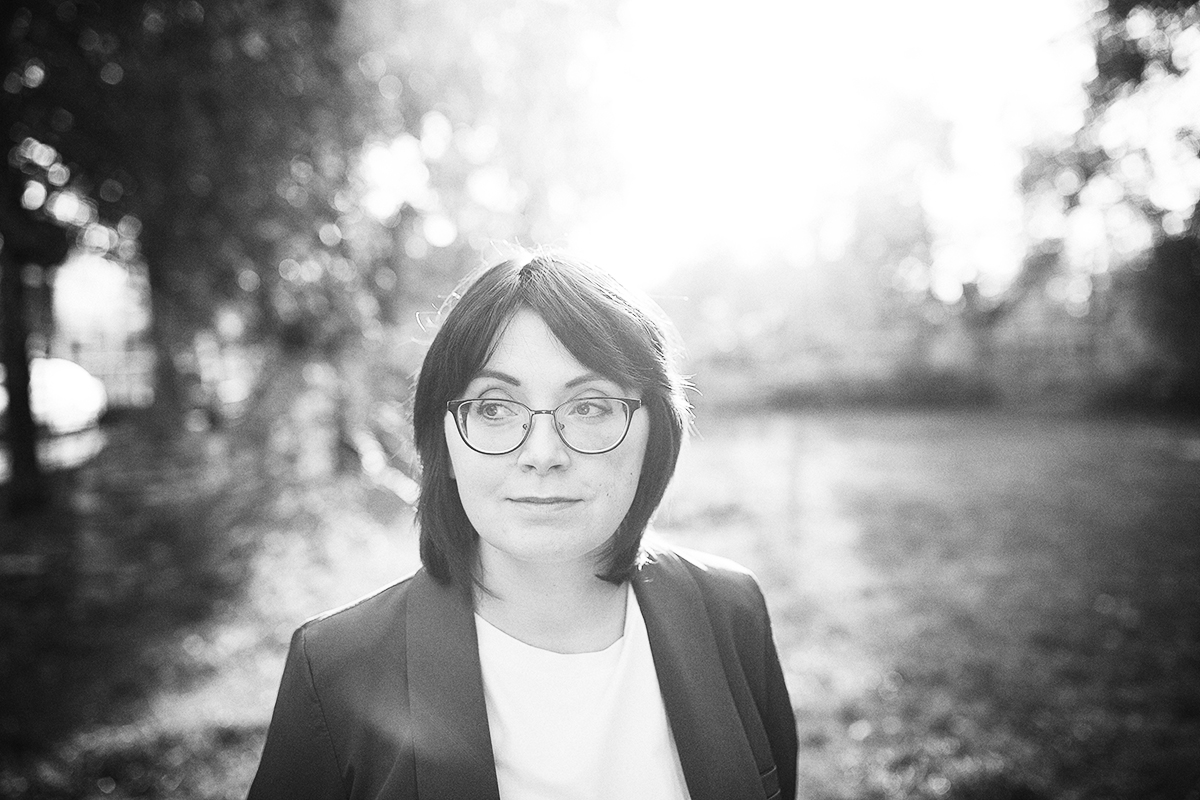 Tatyana Borisovapoto: Daria Aslanyan for TD
Once at work, her T -shirt lifted up and a bag on her stomach was exposed. "What is it sticking here?" - asked a colleague. Tatyana joked.
After the promised three months, she was not closed to the stoma due to inflammation in the remaining part of the large intestine.
In the fall of 2011, Moscow doctors agreed to do Tatyana operation to close the stoma in two stages, then they did not do these in Samara. But everything went not according to plan, complications arose. Instead of colostoma (the so-called stoma from the large intestine) she was formed by a J-Pouch-a special reservoir from the small intestine-and brought out a new stoma-ileostoma from it. Previously, Tatyana took a course of droppers with expensive medicine. To get it - and it cost several hundred thousand rubles - she had to arrange a disability: they gave a third group.
 Tatyana Borisovapoto: Daria Aslanyan for TD
Tatyana said goodbye to Stoma after the third operation, in May 2012. Moscow doctors promised that she would run to the toilet no more than five times a day. “But I did not get off the toilet. I counted up to 50 times, after 50 I stopped, ”recalls Tatyana. In addition, after that, it began and since then bleeding has not passed.
In total, Tatyana lived with Stoma for two years. In the last ten years, she asks the doctors to open a stoma again - they refuse: "Dangerous for life." Three canvas operations and, as doctors say, a “heavy” stomach: no one gives guarantees.
“Until you knock me out the door with my foot, I won’t open the stoma to you,” Tatyana says one Samara professor.
"There are no complaints - everything is happy with everything"
After the first operation, Tatyana looked at her life in a new way. I realized that I did not see anything but work and study, and I had to change something. After she was put a stoma, she visited the sea for the first time. First, she hid her near Pareo: I thought everyone would look. But then I realized that no one cares: "Naturally, it was abroad."
Once, before a flight on Vatyana’s vacation, intestinal bleeding happened, after which she was afraid to leave Samara for a couple of years. But then she learned to stop the bleeding herself with the help of microclysticks with medicine and continued the journey - she traveled 14 countries.
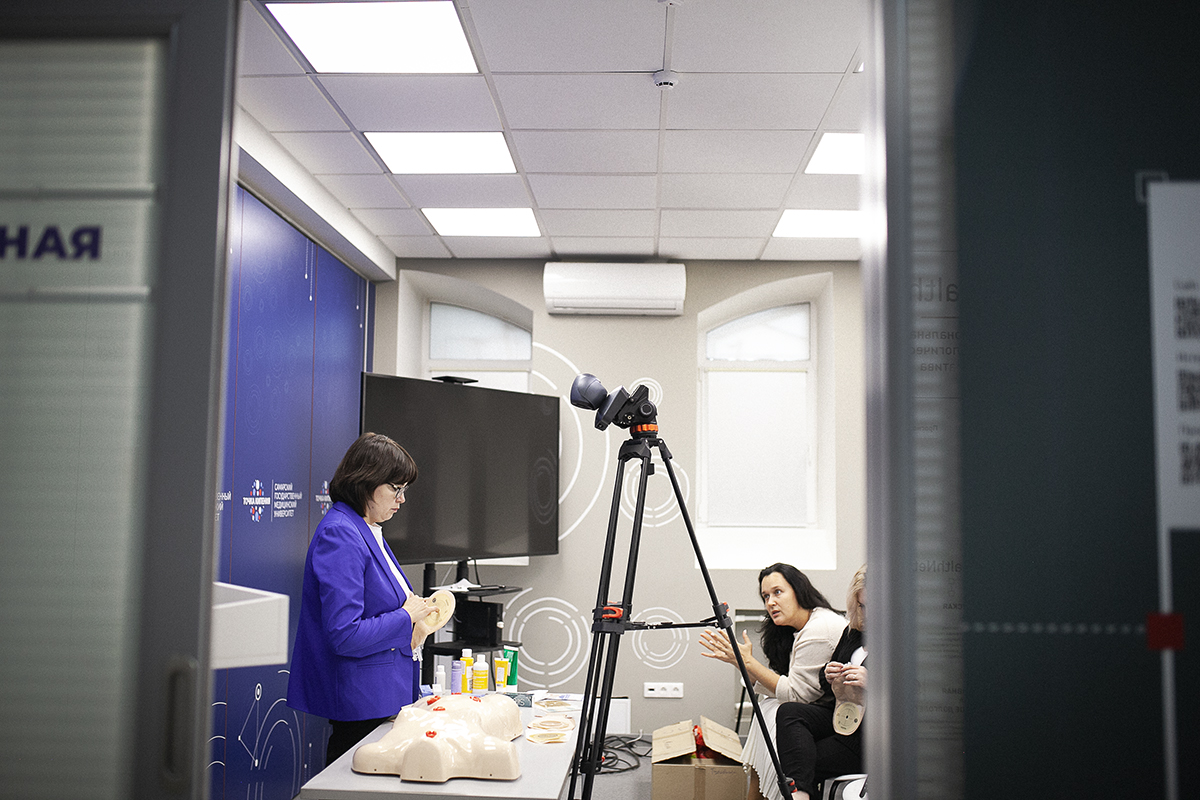 Tatyana holds a master class on caring for a stoma and treating her at the Samara State Medical University: Daria Aslanyan for TD
Three years after the operation, Tatyana nevertheless left Transneft: I realized that she had molested her health at work, and when she began to hurt, the management did not like this.
“I earned about 45 thousand rubles a month and did not think how much bread costs in the store. She could go to any restaurant, she recalls. - Relatives discouraged to quit. But I said: if I stay [work], you will bury me in a year. ”
Tatyana never regretted her decision, although it was not easy. Sometimes there was nothing to pay a mortgage - I had to move to my mother in order to rent their apartment.
Even before the dismissal, after the operations, in 2012, Tatyana came to her attending physician in Samara and said that she wanted to help other patients with similar problems.
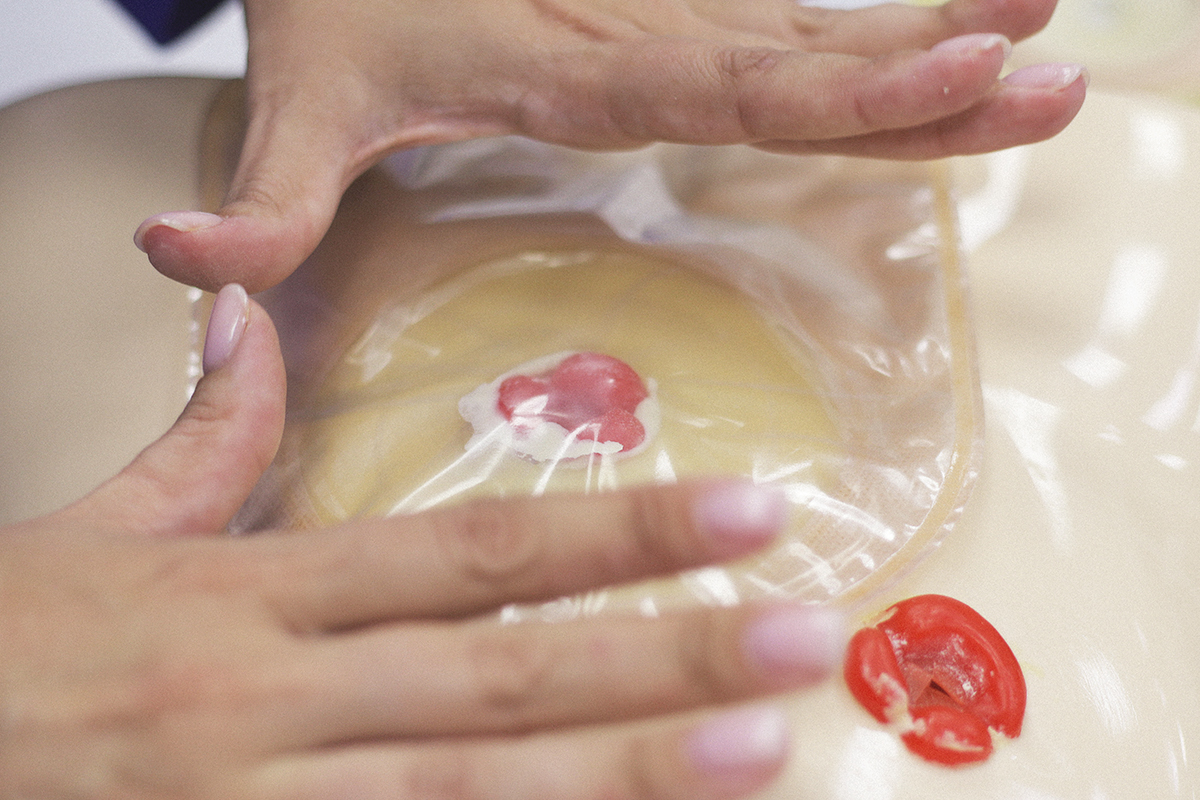 Tatyana shows how to install a pawnsmore: Daria Aslanyan for TD
In pairs with a friend - volunteer and co -founder of Stoma together, Nadezhda Blokhina - once a week they began to come to the department and tell patients about how to live with Stoma. They distributed brochures, extra high receivers and care products.
In October 2012, Tatyana held her first school for hundred -minute people - also on the basis of the Clinic of SamGMU. Every year, it has been timed to the World House Day, which has been celebrated since 1993. Since then, doctors have been invited to stoma schools, volunteers teach people to care for stoma, conduct master classes and talk about the due benefits.
After the first school, a patient community gradually began to form around Tatyana. And then she decided to achieve the opening of a separate stoma-cabinet in Samara-by the type of what she saw in Moscow.
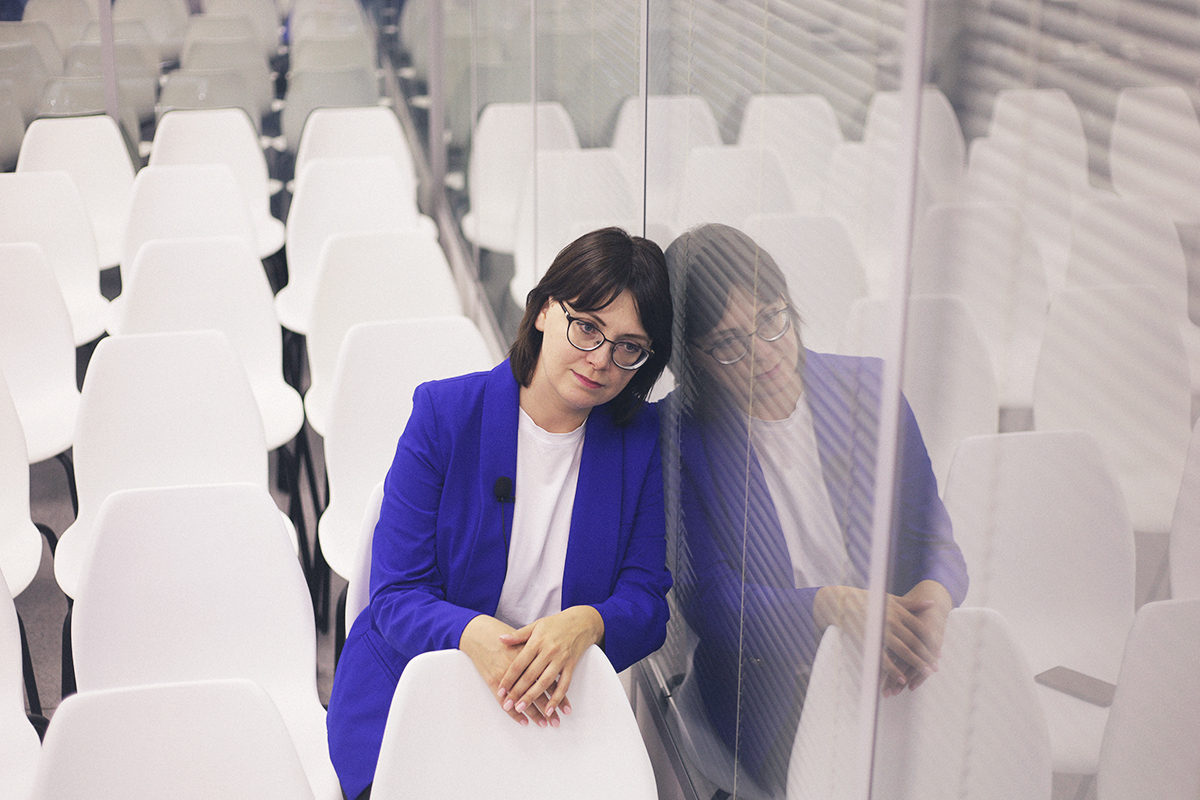 Tatyana Borisovapoto: Daria Aslanyan for TD
And such an office earned on her birthday in 2014 - on the fourth anniversary of her first operation. But since the full-time stoma-therapist in clinics and hospitals in Russia is not provided by the law, the cabinet accepted people with interruptions. In the clinics of SamGMU, a small bonus was paid a collapse doctor who helped Tatyana with the implementation of the idea. Then, for some time, the cabinet of plastic surgery was opened in its place, and the posters with the galley were forced to remove. “It was just nonsense,” Tatyana recalls. Later, they and the doctors achieved the return of the office.
All this time, Tatyana tried to reach out to the Ministry of Health: the Education is catastrophically lacking. No one tells how to live a person who was taken out and was discharged home. The Ministry of Health replied that surgeons in clinics know everyone and can teach patients a change in rehabilitation.
“They looked at me like a fool:“ There are no complaints - it means that everything is happy with everything ”is a crown phrase of all ministries,” Tatyana recalls. But it was not so.
"Not everyone can turn a bag"
In 2016, Tatyana with volunteers launched the Stoma together site and 24/7 support chats - people instantly went to them.
“It seems like they did for the Samara audience (now the organization’s website says that in the focus there are tables in Samara and the Volga region. - Approx. TD ), and they came to us from all regions.”
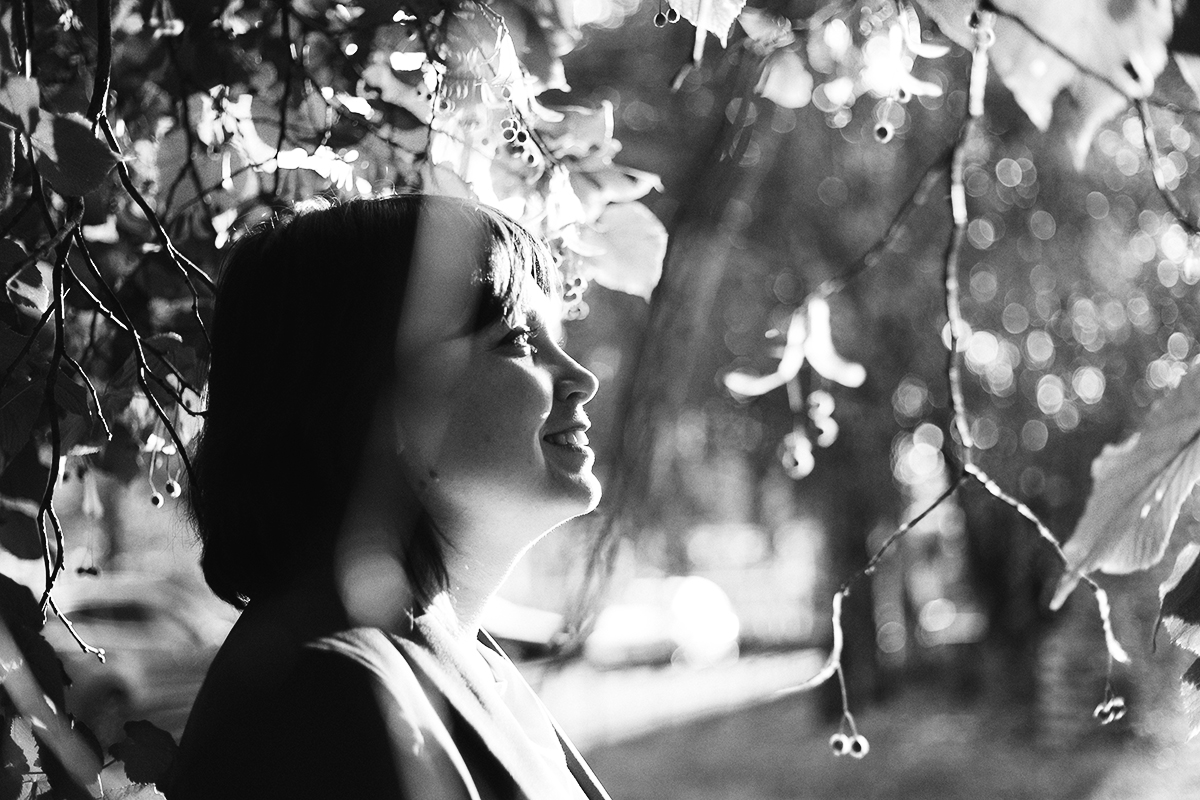 Tatyana Borisovapoto: Daria Aslanyan for TD
There were not enough volunteers-five or six people helped, Tatyana's acquaintances on the first hospitalization. Weak health periodically forced her to slow down, although she no longer worked: she lived in retirement and took part -time jobs in social networks. Tatyana went with her project for forums, submitted applications for grants and contests, but did not win anywhere. And then, and now the project is on pure enthusiasm - its volunteers.
After some time, Tatyana burned out: she stopped conducting a stoma school and switched to eco-activism. And I realized that attracting volunteers in garbage harvesting is much easier.
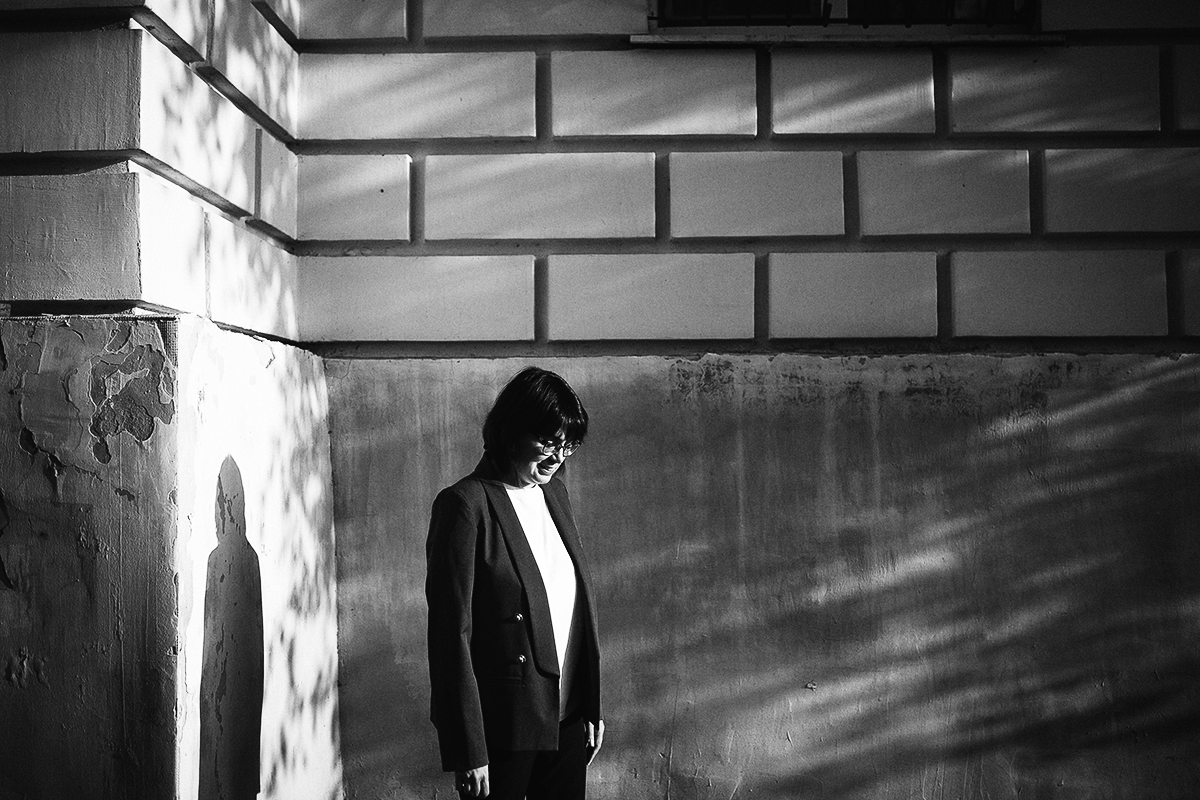 Tatyana Borisovapoto: Daria Aslanyan for TD
“There were almost no response volunteers,” Tatyana recalls. There are still few of them in the Stoma Together project: there are about 20 volunteers of varying degrees of activity in Russia. And there are more and more patients: if ten years ago, when Tatyana began enlightenment, the department was one or two hundred-in-law, now-one or two people in the ward. Tatyana explains this, firstly, by the development of the diagnosis of intestinal cancer, and secondly, the increased activity of the patients themselves: they read more about the stoma on the Internet. The number of diseases in which intestinal stoma is removed has also grown: these are inflammatory intestinal diseases, proctological and cancer. Stoma can also be removed after peritonitis surgery, due to an accident or even unsuccessful sex.
“As the doctor said at one of the conferences,“ the sexual revolution threw us work, ”says Tatyana.
"Until I found Tanya, I did not want to live"
Over the ten years of the work of volunteers “Stoma together”, people from 62 regions and seven countries received assistance. The information has become much more than before, but still not enough, Tatyana believes. According to polls conducted by stoma volunteers, 60% of people have lifelong stoma, but only every third knows where to turn for help with rehabilitation. And almost half of the patients interviewed by volunteers admitted: Stoma affects their psychological state - up to thoughts of suicide.
So it was with Eugene from Kazan when she woke up after the operation and saw three stomas on her body at once: one colost and two ureterokutaneostoma. They perform the functions of the intestines and bladder, which she had to remove due to cervical cancer in 2021.
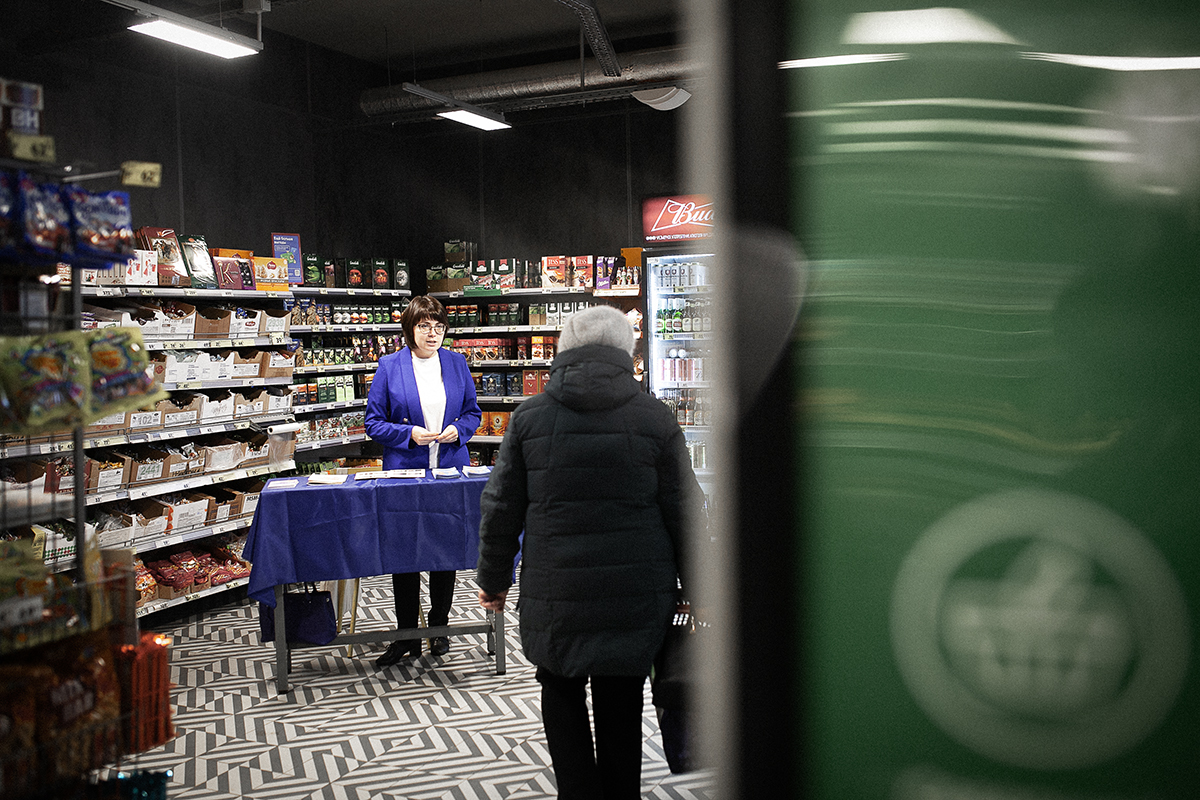 Tatyana talks about the life of Pyaterochka, which were being studied in the store as part of the “generous Tuesday” campaign photo: Daria Aslanyan for TD
“When I saw three stomas on myself, I had a panic attack. I shouted to the doctors: “Why did you save me?” ”Says Eugene.
The nurses in the hospital agreed to change the caliber and urinary receivers "only for chocolate or 100 rubles." Eugene did not manage to glue bags to the body. The hospital had a stoma-therapist who showed how to do this, only once. At the discharge, she handed Eugenia a dozen different bags.
The woman remained with three stomas alone. In the first three months, I did not leave the house. She was afraid that her stoma would make sounds - but lucky, and that “was obedient” - or smells: the question was solved by the timely change of bags.
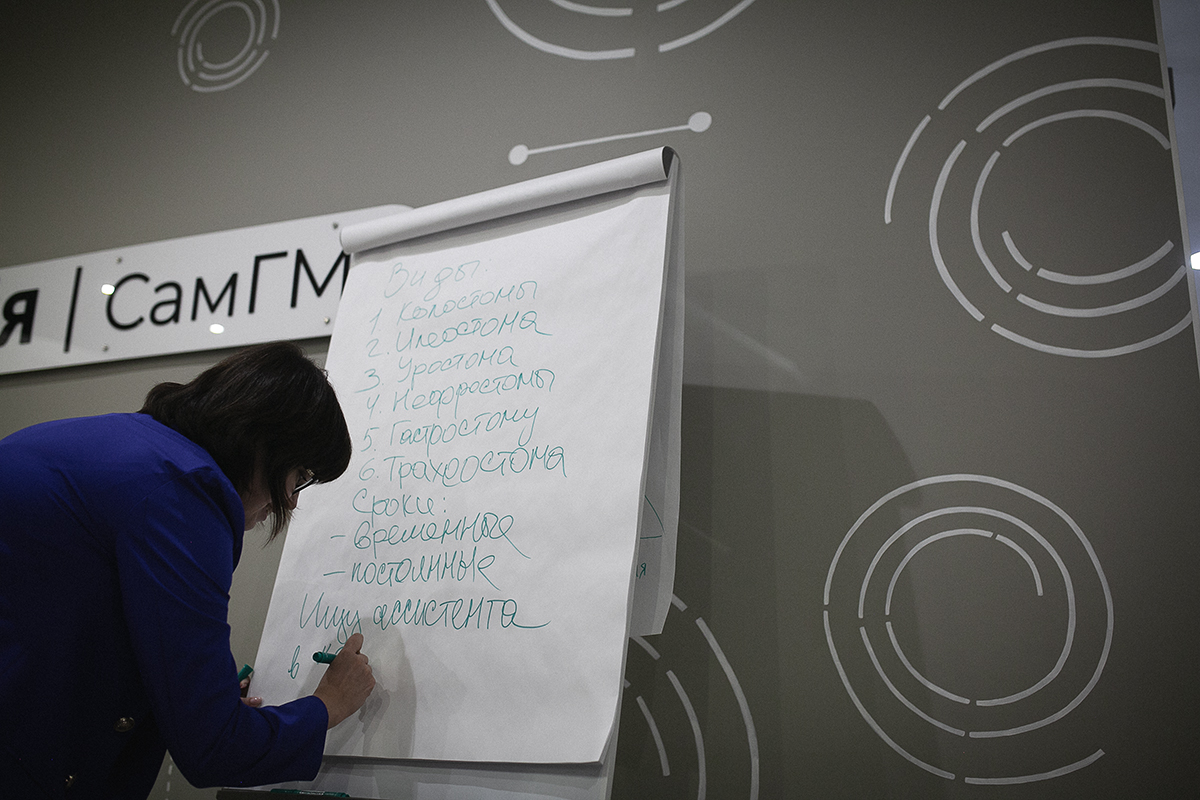 Tatyana in front of the master classophoto: Daria Aslanyan for TD
Soon, Eugene realized: in order not to go crazy, she "needs people." She began to look for support chats. “Stom together” and Tatyana Borisova’s contacts on the Internet were found by her mother. “Until I found Tanya, I didn’t want to live,” Eugene recalls.
Due to bureaucratic delays in the first six months, Eugene had to buy consumables itself-it took several thousand rubles a month. Before she was given the disability of the first group and the due rehabilitation funds, the Kalo- and the urinary receivers sent her people from the chat from all cities.
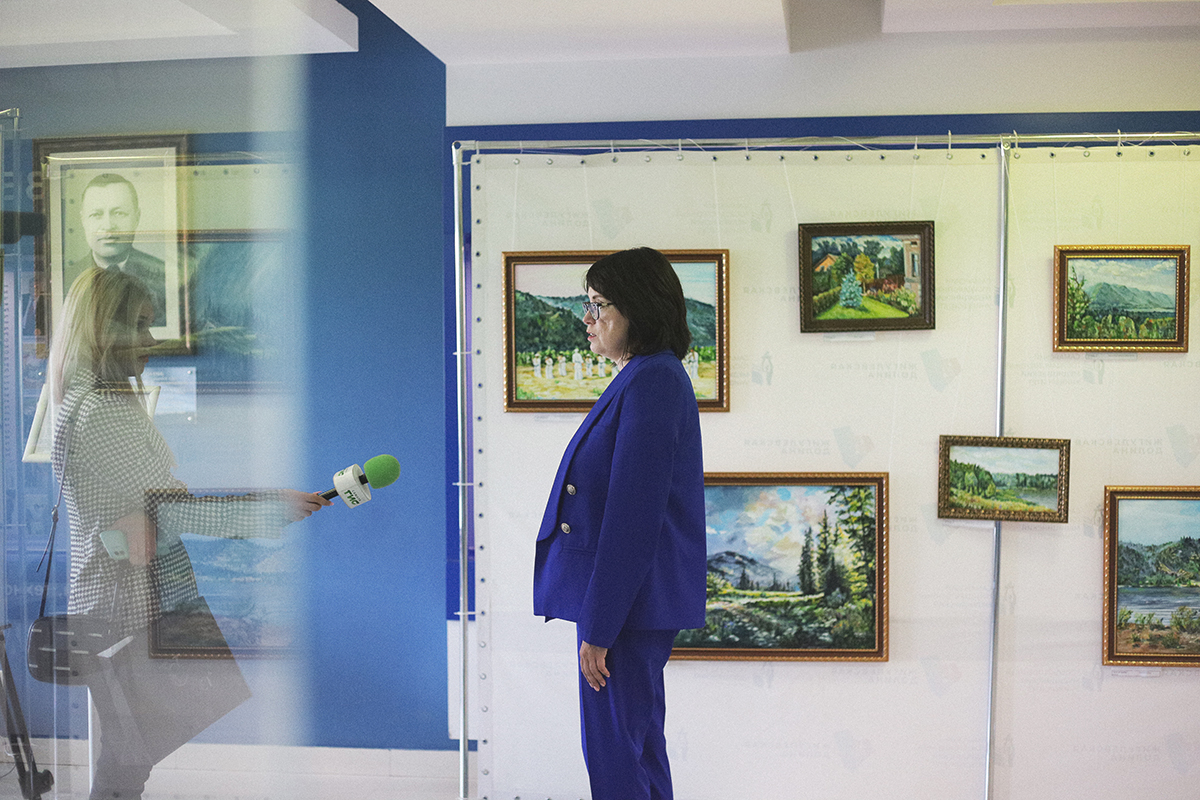 Tatyana gives an interview to a local television channel at Samara Medical University: Daria Aslanyan for TD
Tatyana helped Evgenia draw complaints to the authorities and demand the due benefits. Volunteers in the support chat taught her to care for stomas and helped to cope with depression: after about six months, she said, humility came. Now Yevgenia 43, she stopped being afraid to go out into people and even a little earnings of a seamstress. Only the closest people know that there are three stomas on it.
Not at your own expense
After eight years of activism, Tatyana Borisova decided to change the tactics: “I realized that it was necessary to finish with targeted help - this would not change the situation in Russia.”
Tatyana with even greater enthusiasm took up the Stoma together and in August 2021 registered it as an autonomous non -profit organization.
And after three weeks in Samara, they adopted the first - and so far the only one in Russia is a regional legislative act for people with Stoma .
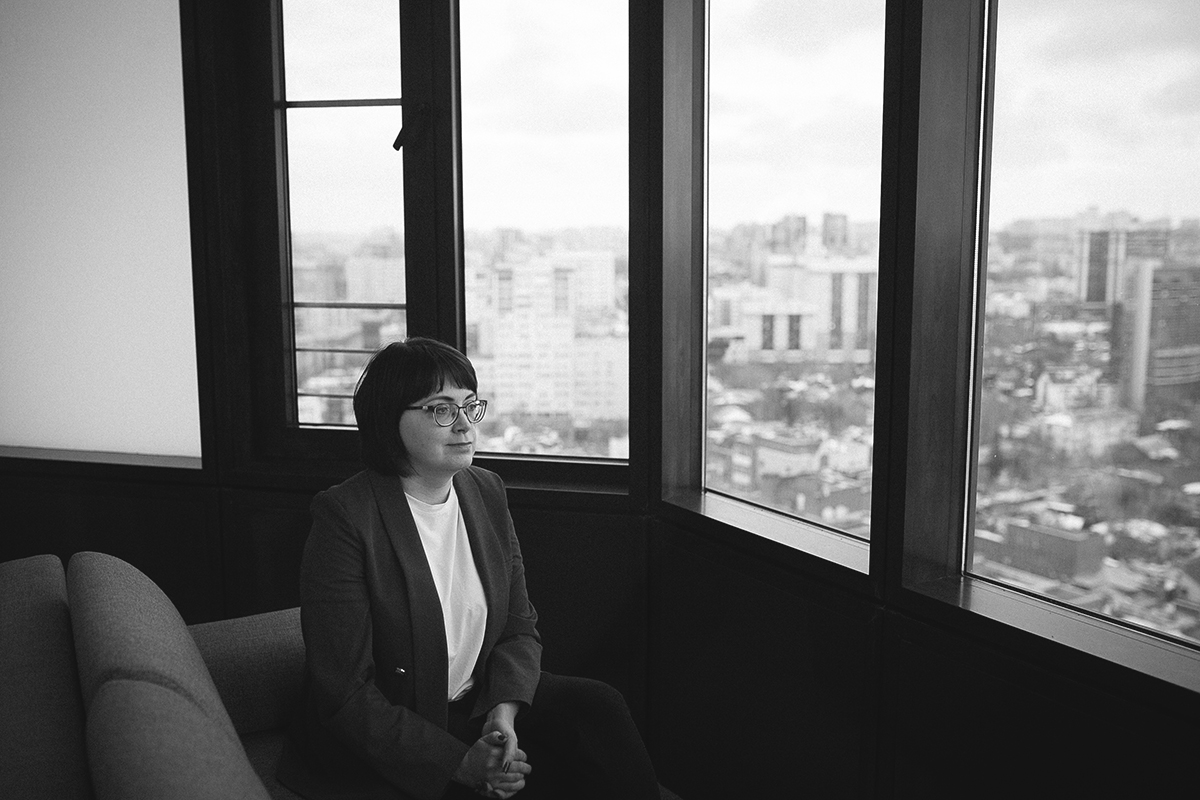 Tatyana Borisova House: Daria Aslanyan for TD
In September 2021, the Ministry of Health of the Samara Region signed an order by which people with stoma can receive technical rehabilitation tools (TSR) - stalks and skin care products - free of charge immediately after the operation. Before a person receives disability, it can take several months, and all this time it was necessary to buy TCR at his own expense. В среднем они обходятся в сумму от пяти до десяти тысяч рублей в месяц, а если стома имеет нестандартные параметры, стоимость средств для ухода увеличивается в разы.
На то, чтобы объяснить это чиновникам и добиться принятия приказа минздрава, у Татьяны ушло два года.
Когда приказ только вступил в силу, не обошлось без огрехов: если у пациента уже была инвалидность по другому диагнозу, например ДЦП, ему отказывались выдавать ТСР, положенные из-за стомы. После того как Татьяна написала жалобу, в минздраве исправились — сотрудников теперь «чехлят» и «обучают», говорит она.
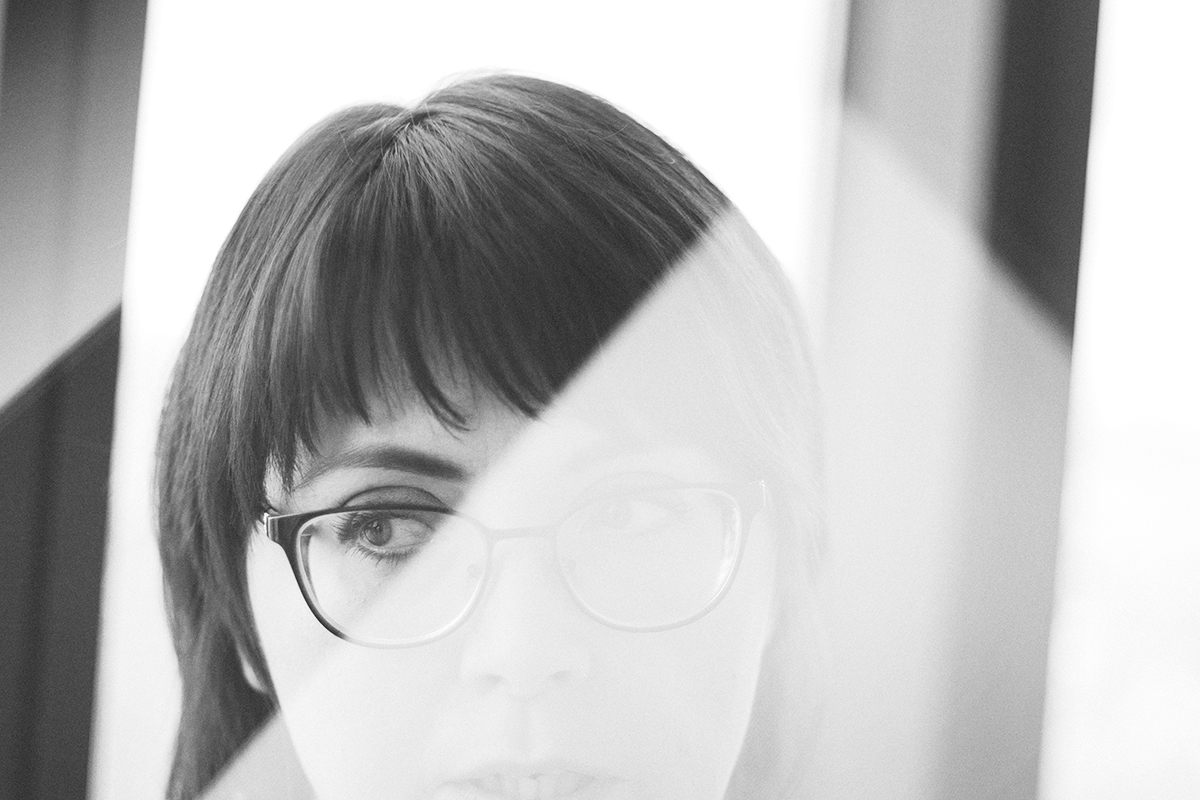 ТатьянаФото: Дарья Асланян для ТД
Сейчас Татьяна и ее НКО добиваются, чтобы в федеральный перечень ТСР внесли дополнения — калоприемники с фильтром и с открытым сливным концом . В нынешний состав набора входят калоприемники, паста-герметик, крем, очиститель, пудра, спрей, салфетки («вторая кожа») и полукольца, если мешок плохо держится.
Когда больше десяти лет назад Татьяне вывели стому, про инвалидность и федеральную льготу на выдачу ТСР ей никто не говорил. Она покупала современные мешочки на застежках, но бывало, и они быстро отклеивались, тогда траты достигали 600 рублей в день. Первый год жизни со стомами Татьяна обслуживала их за свой счет.
Взрослые стыдятся, молодежь — нет
Несмотря на успехи, Татьяна и ее команда волонтеров уверены, что проблем у людей со стомой в России еще очень много.
Во-первых, по-прежнему нет единой статистики — реестра стомированных, который чиновники обещают ввести уже несколько лет. В «Стоме вместе» при подсчетах исходят из пропорций, предлагаемых ВОЗ: получается, что в Самарской области примерно 3,5 тысячи стомированных. Но эта цифра все время меняется.
Во-вторых, тема стомы по-прежнему табуирована в России.
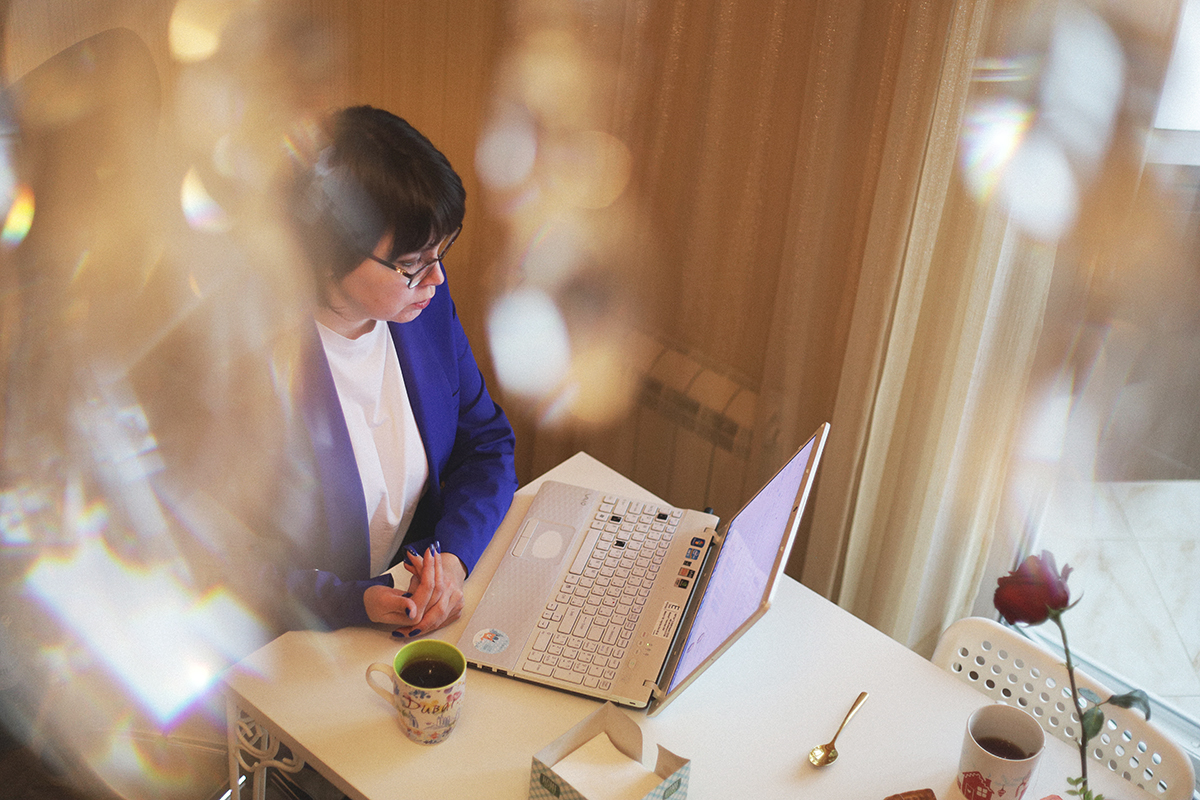 Татьяна работает домаФото: Дарья Асланян для ТД
«Взрослое поколение стесняется говорить про стому, чтобы бабушки на лавочках потом не обсуждали и пальцем не показывали, — объясняет Татьяна. — Молодежь более открытая и не комплексует. Они могут ходить с мешком напоказ — как в Европе, где люди фоткаются со стомой на фоне достопримечательностей».
Некоторые радуются стоме — например, она может быть настоящим спасением для человека, который всю жизнь мучился со стулом. Многие в России, по словам Татьяны, знают о существовании стомы, но не знают подробностей — даже того, что она так называется.
На свои просветительские школы «Стома вместе» приглашает всех — не только врачей и пациентов. И некоторые приходят послушать из интереса или любопытства. «Но большинство людей уверены, что их это не коснется», — говорит Татьяна.
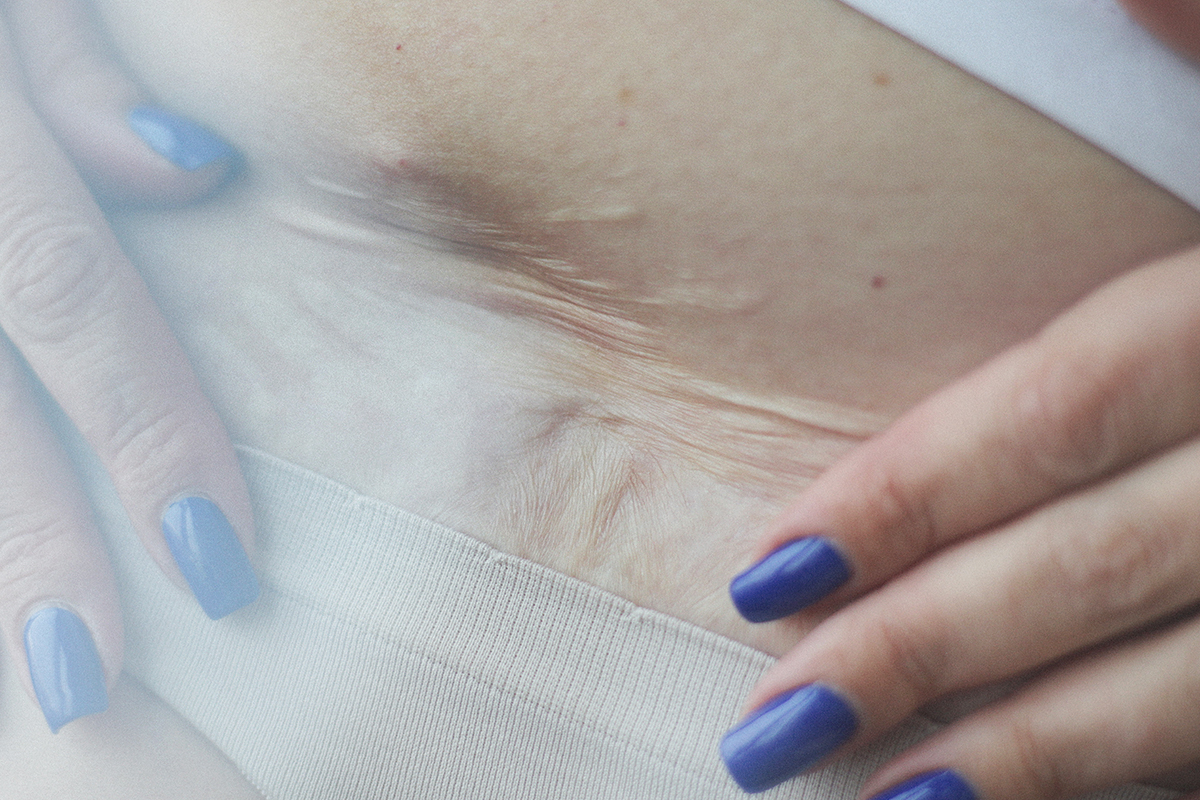 Шрам на животе Татьяны, оставшийся после стомированияФото: Дарья Асланян для ТД
Замену стома-мешка можно приравнять к оказанию «быстрой» помощи — это как умение наложить жгут или сделать укол. «Обычная перевязка. Стома — вторая попа», — цитирует Татьяна одного из колопроктологов.
В-третьих, знаний не хватает не только пациентам, но и врачам.
«До сих пор есть медики, которые боятся менять калоприемник, — говорит Татьяна. — Скорее, от недостатка знаний. В медицинских вузах не готовят стома-терапевтов, студентам читают курс в несколько часов. Мы видим у себя на школах, что они не знают элементарных различий стом и не могут приклеить стому-мешок».
В доковидные времена некоторые компании-производители учили врачей обращаться с калоприемниками и средствами для ухода. Но в пандемию, по словам Татьяны, «лавочка прикрылась».
На фоне СВО начались перебои с поставками и задержки с компенсациями, если пациенты покупали средства для ухода за свой счет. «Отечественные аналоги оказались не дешевле иностранных, потому что российские производители все равно используют иностранные компоненты, а качество стало ниже, — говорит Татьяна. — К нам пришли производители из Беларуси и Турции, которых не было в России, а другой продукции или стало меньше, или она пропала совсем».
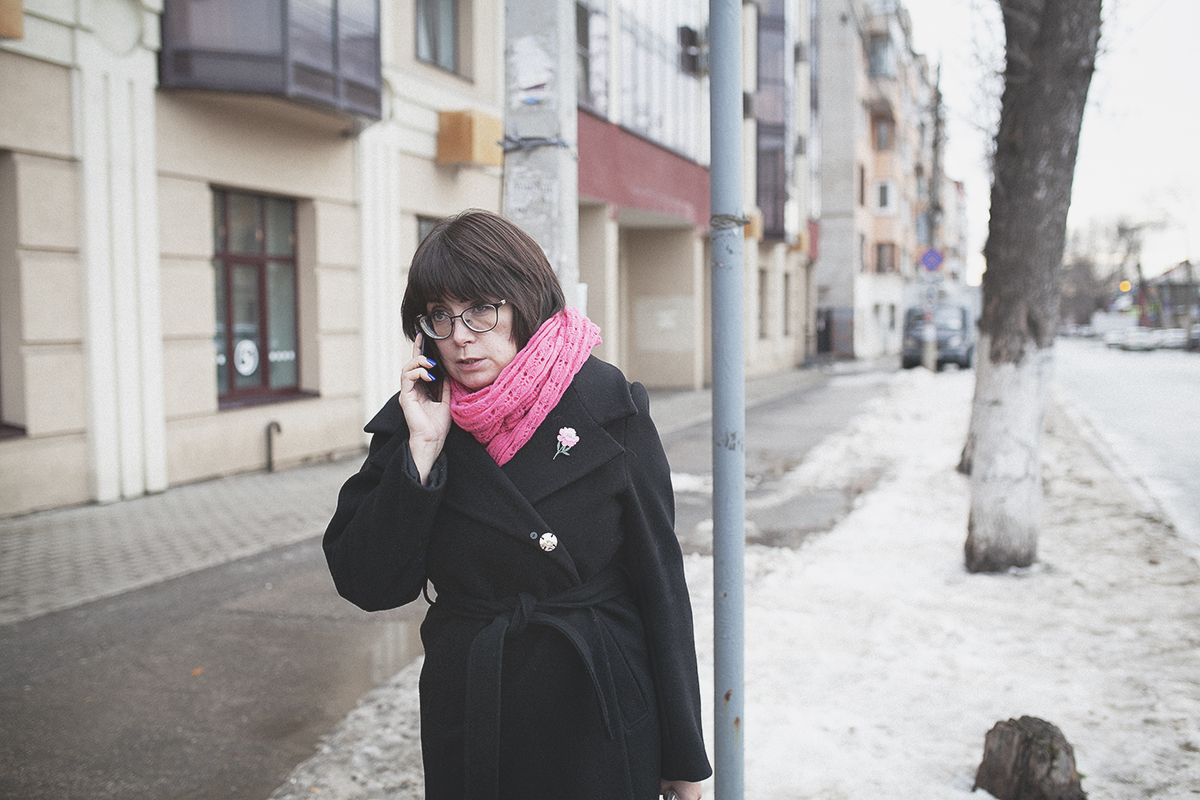 Татьяна консультирует пациента со стомойФото: Дарья Асланян для ТД
Ставок специалистов по стоме в большинстве российских больниц и поликлиник до сих пор нет. В онкоцентрах есть стома-специалисты, но это обычно инициатива медицинского учреждения. И в регионах это редкость. Где-то раз в неделю принимает проктолог, где-то — эндоскопист или медсестра за доплату.
Татьяна с волонтерами пытаются добиться через медиков изменений в законодательстве — чтобы стома-терапевт был в каждой больнице.
Вместе с Российским обществом колоректальных хирургов они опрашивают врачей со всей России, нужен ли отдельный стома-терапевт. На летней школе колоректальных хирургов они намерены оформить результаты опроса в виде инициативы и отправить в российский Минздрав.
* * *
Диагноз Татьяны по-прежнему напоминает о себе.
Она вынуждена соблюдать строгую диету и не отходить слишком далеко и надолго от туалета. Кишечные заболевания проявляют себя и частыми воспалениями на коже. На память об операциях у Татьяны остались шрамы на животе, а от острого фурункулеза — рубцы на лице и теле.
Спортзал и плавание Татьяне врачи тоже запретили, хотя раньше она вставала на сноуборд. Отдушиной служат прогулки вдоль Волги со сбором мусора — эковолонтерство Татьяна тоже не бросает.
«С каждым годом физически становится все сложнее», — признается она. В 2012 году на фоне осложнений после операции ей дали вторую группу инвалидности вместо третьей.
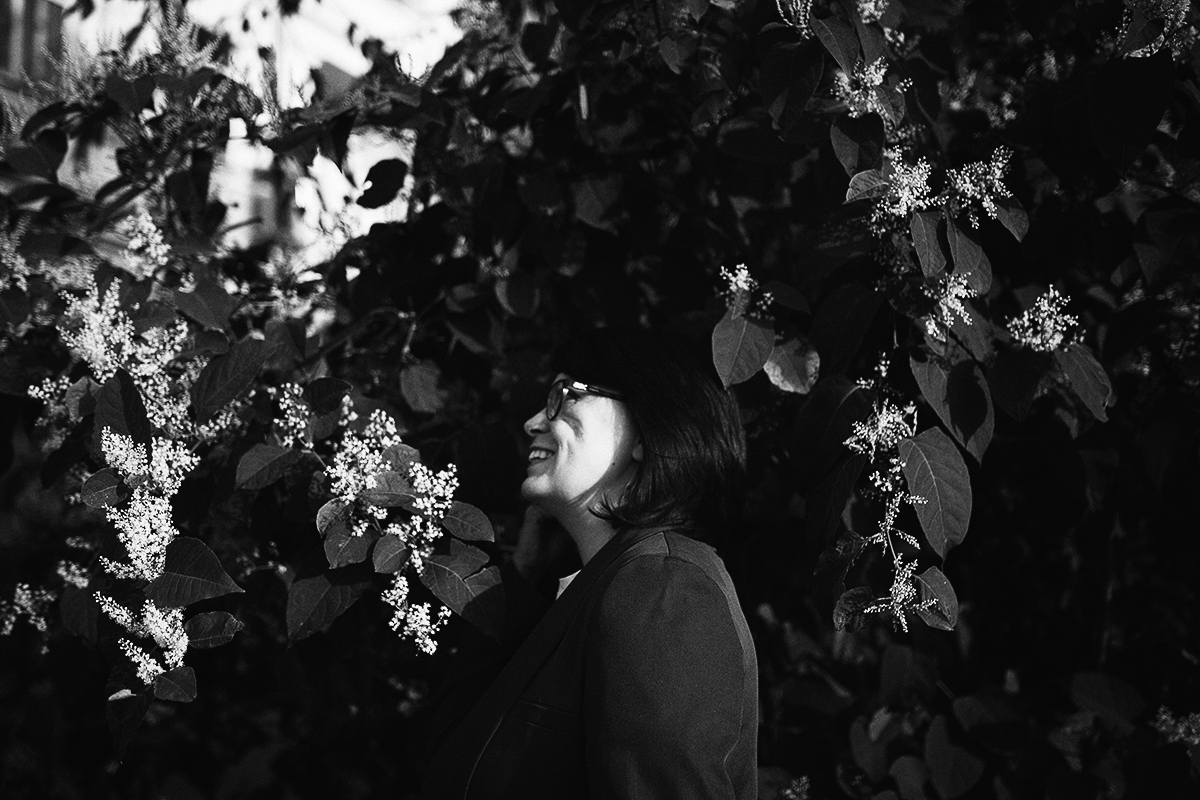 ТатьянаФото: Дарья Асланян для ТД
«Почему мне в свое время — когда я лечилась — не помогли остановить заболевание? Почему никто не сказал: “Если все будет хреново, у тебя просто будет стома”? — спрашивает периодически Татьяна сама себя. — Возможно, тогда бы мне отрезали его [толстый кишечник] пораньше — и реабилитация была бы легче, и не было бы осложнений».
Эти вопросы в свое время помогли ей создать сообщество «Стома вместе». Волонтеры организации продолжают консультировать сотни и тысячи людей, живущих со стомой, и помогают добиваться для них лучших условий в России.
Стать волонтером или поддержать АНО «Стома вместе» можно здесь .