
Translated material
True, fiction and silence in the "Word of the kid"
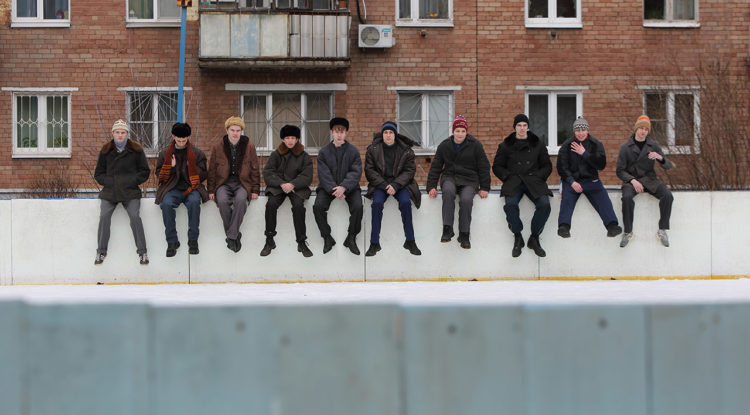
Svetlana Stevenson Street Street, the main series of the year
The Village Publication considered that in the last month the Russians sent more requests for the series “The Word of the Boanding” to Yandex than about the war in Ukraine for a whole year. From the series Zhora Kryzhovnikov really not to hide. It is discussed on the streets, in a cafe, in social networks, in the State Duma and propaganda talk shows. Moreover, they discuss not artistic advantages and disadvantages, but historical truth and social consequences. Was it in Russia or not? Does gooseberry romanticizing minor bandits or simply honestly telling their stories? Is it possible to show this at all? "Cold" asked Professor University London Metropolitan, author of the book "Life on concepts. Street groups in Russia ”Svetlana Stevenson answer these questions and evaluate the series in terms of reliability.
In order not to miss the main materials of the "cold", subscribe to our Instagram and telegram .
The success of the “Word of the kid” is largely explained by his theme. A criminal culture is a culture closed for outsiders, and therefore it causes these outsiders great interest. On the one hand, the world of gangs, gangs, mafia is a frightening world of predators that threaten our calm existence. On the other hand, this world seems to the many world of justice, fraternity, dissolution of man in the common cause (even if this case is associated with crime and violence).
The series immerses the viewer in someone forgotten, and most viewers and the unknown life of the Soviet city of the 1980s. The wretched Soviet life is well conveyed in it, where everything is in short supply, where boiled sausage proudly flaunts on the table and where the loss of a fur hat turns into a real tragedy (after all, there is nowhere to buy a new money, and there is nowhere to buy it). The authors perfectly show the uncomfortable space of the city in which young heroes live and for the “asphalt” of which they are so fiercely fighting. The viewer of the skin feels the silence of the streets and entrances, plunges into the atmosphere of the time in which the universal rudeness reigns - from the boorish tone of sellers to derogatory treatment of teachers and even cleaners. Only the islands of culture-music schools-somehow stand out against the backdrop of the surrounding violence, but they are unable to protect their pupils from the magnetic attraction of the street. There, young people create their criminal fraternities.
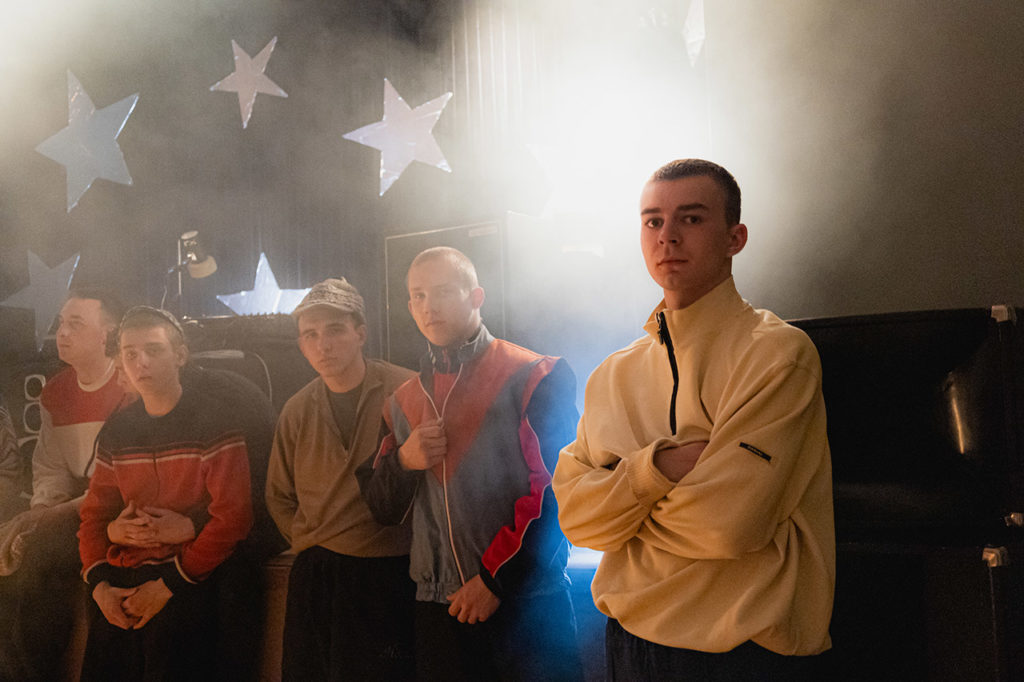
This world is shown very reliable. As a researcher of street Russian groups, I can say that the series very accurately conveys the lifestyle and social organization of Kazan boys of this period. Street jargon is very accurate: “Present”, “Skikhodniki”, “Chushpany”, “Watching”; Rituals: Collections of the “street”, where there are no extraneous strokes, arrows, response, rituals of receiving in the grouping and “sewing” of those who did not behave according to “concepts”.
The series truthfully shows that the groupers saw themselves by the owners of the territory and considered themselves entitled to receive rent from those who moved along it, especially from the "non -grouping" youth and from those who tried to create their own business there. The creators of the “Words of the kid” were able to show without teachings and moralization, how a completely normal teenager joins the group simply because otherwise he cannot feel safe. Having got there, he begins, as they said then, “live with the boys”, enters the community where the illusion of male justice is created, where all for all and all for one and where the “word of the boy” is an indispensable law.
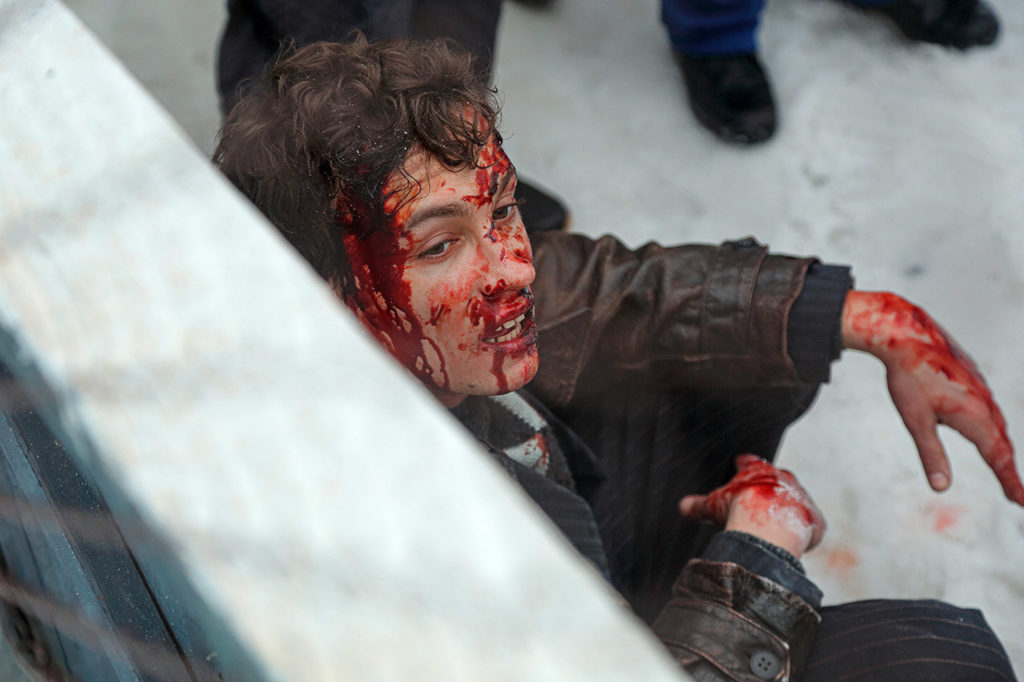
However, the deeper the hero plunges into this world, the more dangers he is exposed. The risk of being in places of imprisonment, losing health and life, not to mention the suffering of relatives - this is what expected adolescents who entered into a group. And there was no justice in the group either.
Although not all this is shown in the series, internal conflicts (up to the murder of some group authorities by others), removal of the daze in younger cohorts and their ruthless operation by representatives of older ages - all this was a natural reality of existence in the group. The male brotherhood in fact turned out to be very unreliable in the community, where internal relations were regulated by violence. Here is how one of the surveyed in my study, who had already departed from the group, told about this: a young man:
“At one time, I was struck by such a moment that here is a man from the street, you became friends with him, he is a friend, you spend a lot of time with him, he is a friend. Then he somehow joked, pricked up (violated discipline. - Approx. The author) , he is sewn, and there everyone beats him, loaded with money. But you were just friends with him, almost hugging him, and then you, it turns out, spit into him and hit him. But this is the same bearer, this is wrong. I could never afford this, for me it was something incomprehensible. And we had such guys who, too, could not afford it. But often there were such that you are a friend today, and tomorrow you are just nobody. ”
The notorious “word of the kid” - in the series, this phrase sounds constantly - in those years it was neither solid nor unambiguous. It worked only in relation to the exactly the same boys, and all the others could be deceived without any consequences (“divorce” and “Kidalovo” “Chushpanov” and “suckers” was the subject of special pride).
***
The series is praised by critics of liberal views. In addition to the artistic merits of the film, they see in the “Word of the Boanding” the political statement that they understand. The young heroes of the series are represented as victims of the rotting Soviet system, with its corruption and lies, with its growing economic problems. It seems that these boys of the 1980s are the forerunners of the upcoming cataclysms in Russia, where the decrepit Putin system, which also started an unnecessary war, will practically inevitably lead the country to the nightmare of street crime, violence, and the new criminal redistribution of property.
But I see how the series, with all its reliability, either silently about important realities of that time, or brings to Soviet life what was not in it. Yes, gopniks, their parents and teachers are shown very convincingly, but at the same time the impossible false in the image of the representatives of the then “security forces” is striking.
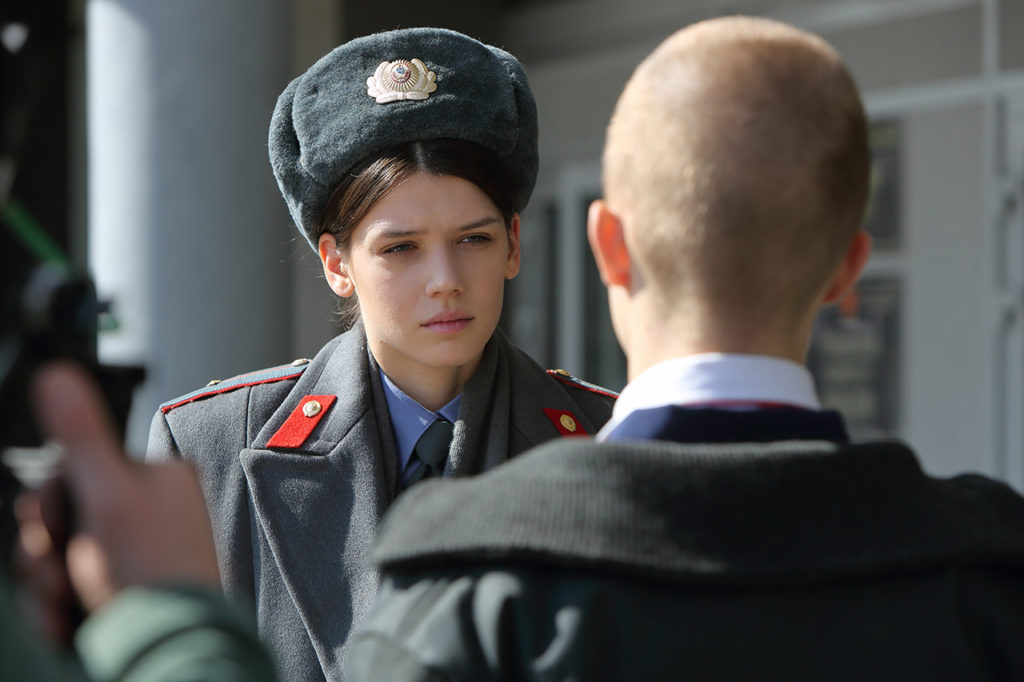
The police are represented by two incredible types: a beautiful Turgenev girl who established almost a love guardianship over the pioneer-gopnik Andrei, and the Infernal Investigator, dressed in those who are unprecedented at that time (he was written off more from modern, and also film, images of omnipotent fsbshniks than from Soviet policemen).
Showing the morals and orders of the “Street”, the authors of the series move away from discussing how this street is inscribed in a wider system of interactions between criminal and legal power. But the connections between employees of the Ministry of Internal Affairs and criminal Kazan authorities are documented. For example, in the criminal case of Tyap-Lap (organized crime groups known to the organization of mass fights and murders in Kazan in Kazan in the 1970s. It is from this gang that the Kazan Phenomenon originates.-Approx. “Cold”) there are evidence that the police patronized the group, and after the trial of its leaders from the bodies were fifty employees. About this "The Word of the Board" is silent. But for some reason, the ideological anti-Americanism that has not existed in those years invents in those years. No, in the late 1980s, all foreign was the subject of lust, America-and the whole West-they loved in absentia, and the gopniks did not dance at the “affectionate May” discos, but for Western pops.
It would be good to see the continuation of the series, to trace how the groupers and their authorities begin to “rise” in the new capitalist Russia, assigning income of privatized Soviet enterprises and private companies, as they become the heads of firms, deputies of state authorities and the rector of universities. But we will hardly see such a continuation, at least in the near future.
The author’s opinion may not coincide with the opinion of the editorial office.