
Translated material
The leader of the nation can fail
Elections in Serbia - the result is unknown for the first time in a decade
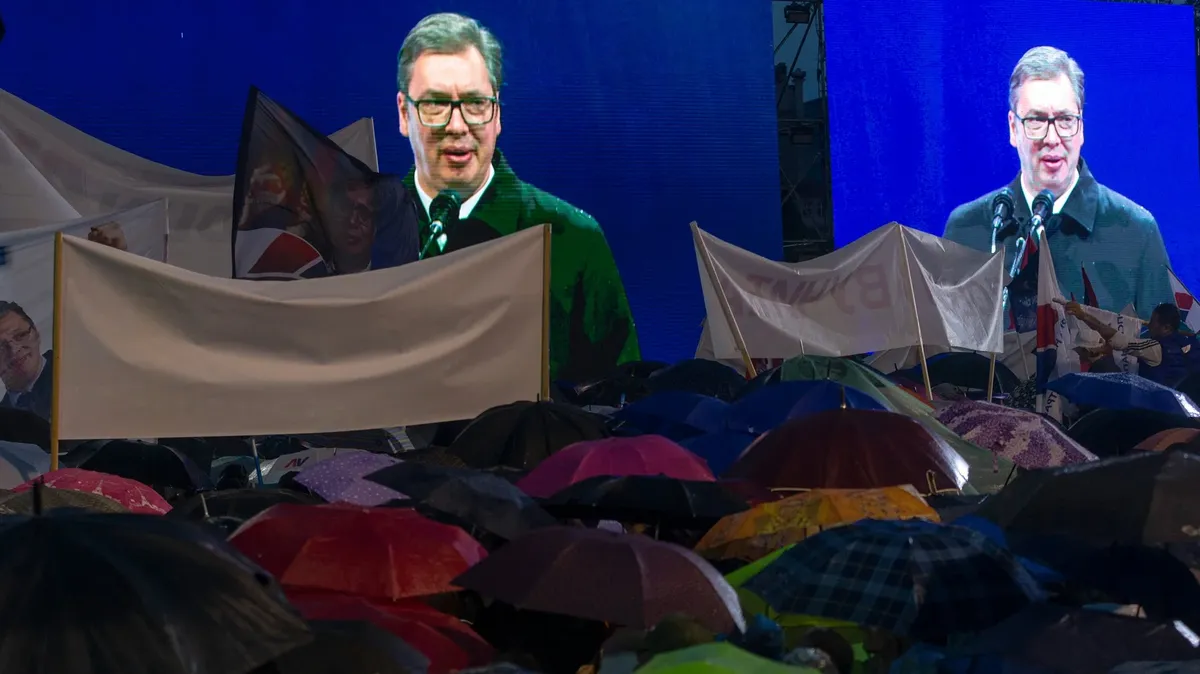
Serbia President Alexander Vuchich during a performance at a rally in support of the country's government. Photo: AP / TASS
On Sunday, December 17, Serbia is expected by the most interesting and tense parliamentary, regional and local elections since 2012. Their result is not fully predictable.
For almost a decade, the victory of the party of the current president of the country Alexander Vuchich at all levels of political competition has been guaranteed - and these elections will become sixth since 2012. Such a large number of electoral cycles were initiated by Vuchich himself, preferring extraordinary elections to confirm their advantages within the Serbian political system.
This year, the elections were also extraordinary, but they did not appoint them because of confidence in his own strength, but rather, on the contrary, because of the uncertainty, whether the rating of the Serbian progressive party controlled by him will remain, which he officially does not lead, at a fairly high level to keep the majority in parliament.
As far as Vuchich himself is excited by the appearance of competitors, the pace and coverage of his political campaign indicates. For 44 days, while the campaign lasted, Vuchich turned to citizens in interviews or statements 45 times on the TV channels of national broadcasting.
This means that the president of Serbia - by the way,, as he always emphasizes, a very busy person who is almost no longer sleeping at all - chose to leave aside most of his duties and turn to voters once a day.
The seriousness of the situation for Vuchich is confirmed by the fact that not a single agency of a study of public opinion has published its analysis of the ratings of parties before the elections. Cesid, “Plus Factor”, “Demostat” states that they regularly conduct measurements, but the society is so polarized that all these agencies were under great pressure from the parties dissatisfied with the results of research. This is an unprecedented reaction.
Still, most sociologists, without referring to specific data, predict that the combined liberal opposition will not be able to become a direct threat to most Vucich in the republican parliament. However, most political scientists of Serbia consider the scenario of the victory of the liberal opposition in local elections in Belgrade as very likely.
After more than a dozen years, the Vucich party had a competing block of similar political weight with it. This is a coalition of liberal, social-democratic and environmental parties under the general name "Serbia against violence."
It can be assumed that the rating of the Serbian progressive party of Vucich and its coalition partners is close to 40%. Meanwhile, the highest rating of the combined liberal opposition reaches 35%. In Belgrade, the Wuchic party rating is 3% lower than at the level of the republic, and the liberals are on the contrary.
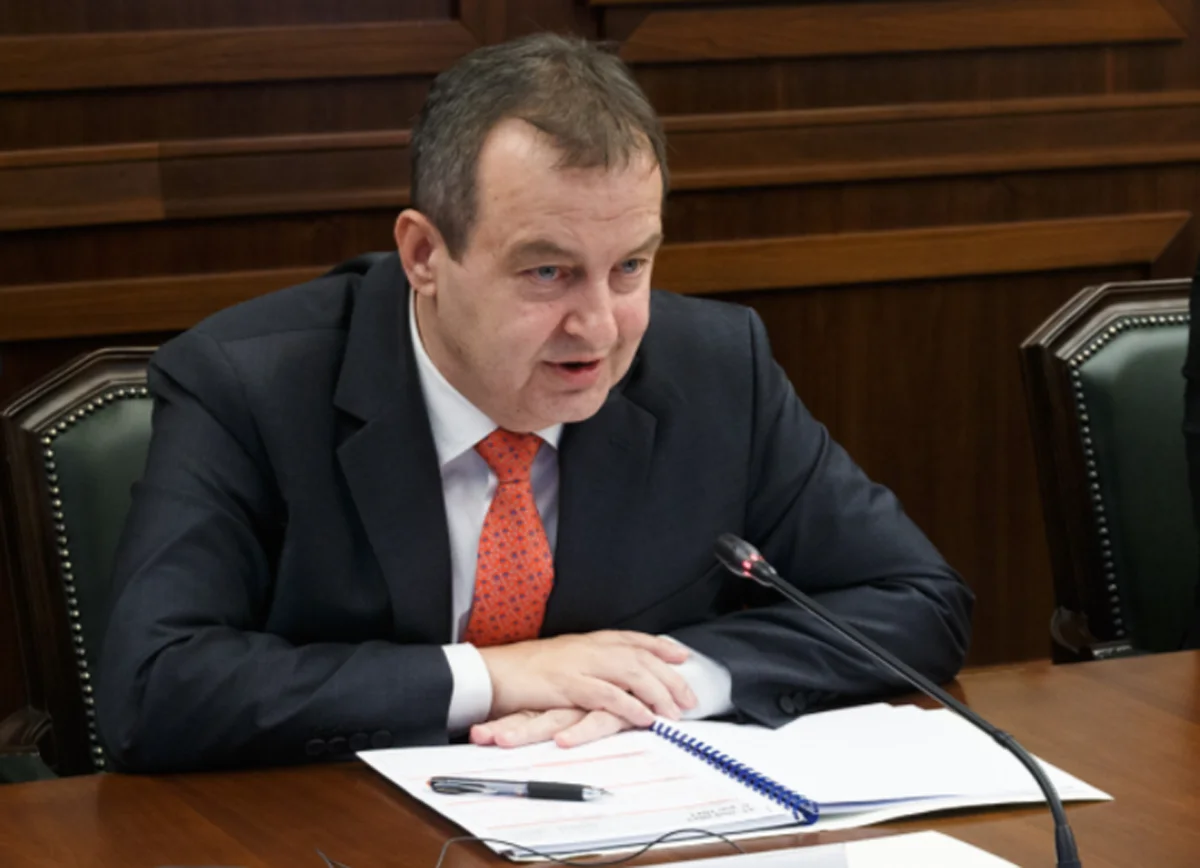
The most important actor of these elections, as in 2012, may be the Minister of Foreign Affairs and the political ally of Vucich - Ivitsa Dachich. However, he and his Socialist Party of Serbia, the heiress of the Communist Party of Yugoslavia, who was headed by the notorious Slobodan Miloshevich in the 90s, is aimed at the same electorate as Vucich. Yes, in public they maintain good relations, but it is obvious that they are actually competitors - and Dachich at a convenient moment can replace the alliance with Vucic for a new friendship with liberals. This will depend on the correlation of the forces of these two political blocs. At the moment, it is clear that Vucich will need Dachich support to achieve the majority in the republican parliament.

In addition to Vuchich, Liberals and Dacich, there are also two groups of nationalists. This is the Democratic Party of Serbia, the leader of which is Milos Jovanovich, and the coalition of the “doors and testaments”, whose leaders are Boshko Pravovich and Militsa Dzhurdzhevich, respectively. Both groups of nationalists are EuroSceptics and, to put it mildly, anti -wizards, but there is one fundamental difference between them. Milos Jovanovich is ready to cooperate with the liberal block after the election, and Dravodov and Dzhurdzhevich - no. That is why you can often hear the accusations that the “doors and testaments” actually maintain hidden relations with Vucich and try to share the nationalist opposition.
Nationalists are important not by the level of their popularity, but by the prospects of post -breed partnerships. It is this their choice that may turn out to be a decisive factor, especially in the Belgrade elections. The correlation of forces between the Democratic Party of Serbia, on the one hand, and the “doors and testaments” - on the other hand, can solve the issue of the formation of power in Belgrade.
These two groups share the electorate, and it is not clear which of them will be the winner in the nationalist Tabor. If it is Milos Jovanovich, Vucich will almost certainly lose power in Belgrade.
It is unlikely that the liberal block at this stage has serious hopes to take power at the republic. Vuchich is still too strong and has administrative resources that provide him with support in an economically undeveloped outback. But in Belgrade, the liberal block has a real chance to get the majority, especially if it is possible to agree with the nationalists, which was about above.
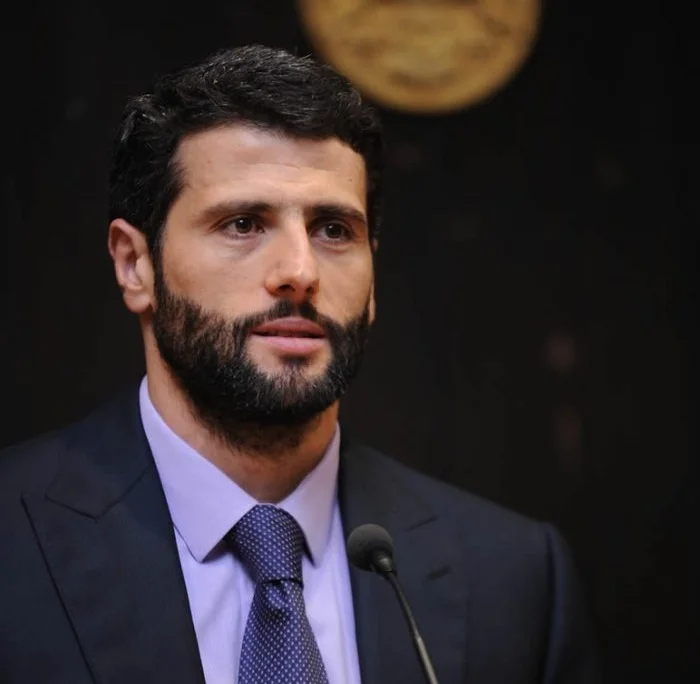
Vuchich understands this perfectly, therefore, in Belgrade, he appears to the forefront, who was previously an independent candidate and activist, and since 2021 he is still a member of the Vucich party. This is a former water polo player, known in Serbia, Aleksandar Shapich. It is less toxic than any other candidate of the Serbian progressive party. Shapich neatly cultivated the image of an individualist who comes into conflict with more experienced party colleagues.
In order for democracy to penetrate Serbia, the liberal opposition will have to motivate to vote in the Apathy of Belgrade in the Apathy of Belgrade in Sundays against the anti -bureaucratic candidate Vuchich,
And also hope that nationalists will make a reasonable choice in favor of candidates who are ready to go against the will of the omnipotent president.