
Translated material
Dry Martino
Report from the Kurgan village, for more than 30 years living without water
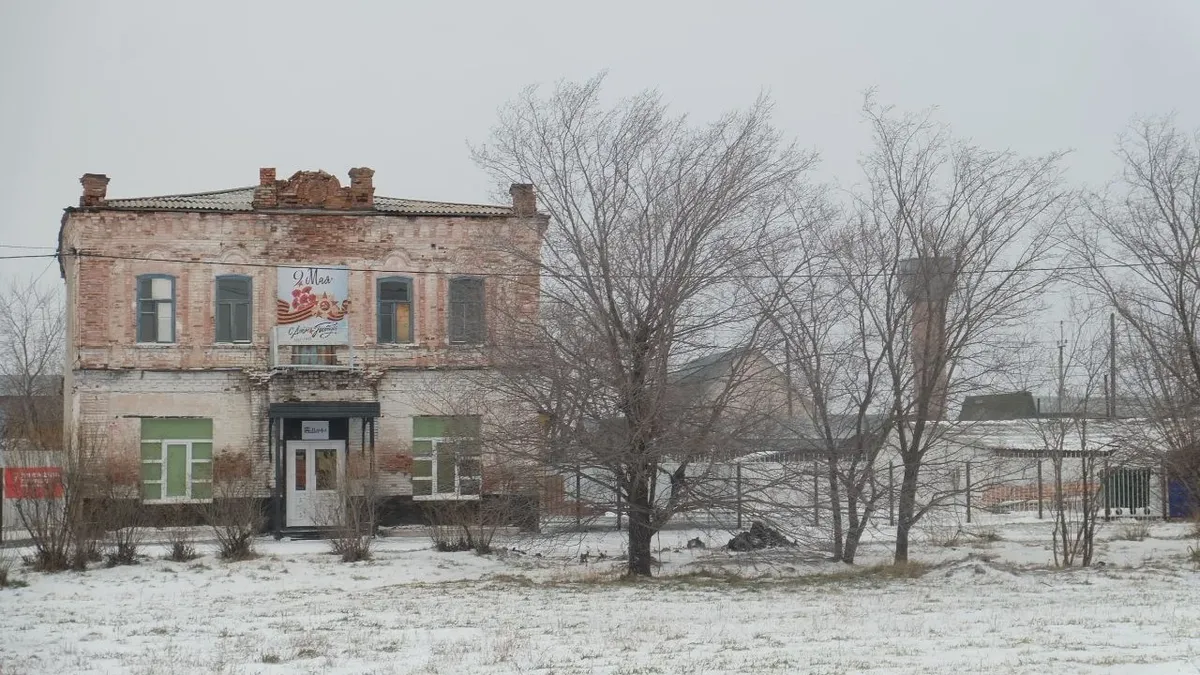
Photo: Nikita Telizhenko / especially for Novaya Gazeta
At the beginning of 2023, the regional social networks flew around the video: the inhabitants of the Kurgan village of Martino go to the local swamp and, as if nothing had happened, cut the ice, folding fragments into buckets. According to the author of the video, for local residents this is the only opportunity to obtain at least some water.
After a wide public resonance, the security forces became interested in the situation, and the prosecutor's office of the Kurgan region issued a order to the regional authorities to eliminate this savagery and provide settlements with water. With the same success, prosecutors could give the order to immediately make the population happy.
The village of Martino was part of the agglomeration of many collective farms and state farms in the current Kurgan region of the Russian Federation and the North Kazakhstan region of the Republic of Kazakhstan. The history of these border territories is tragic. The once prosperous settlements after the collapse of the Soviet Union appeared on the side of life once. And the reason is not only in the collapse of the socio-economic system, but in the rapidly changed geography. Where there were once roads to the neighboring villages, now plowed land and a spitting wire fence. Patrols, security.
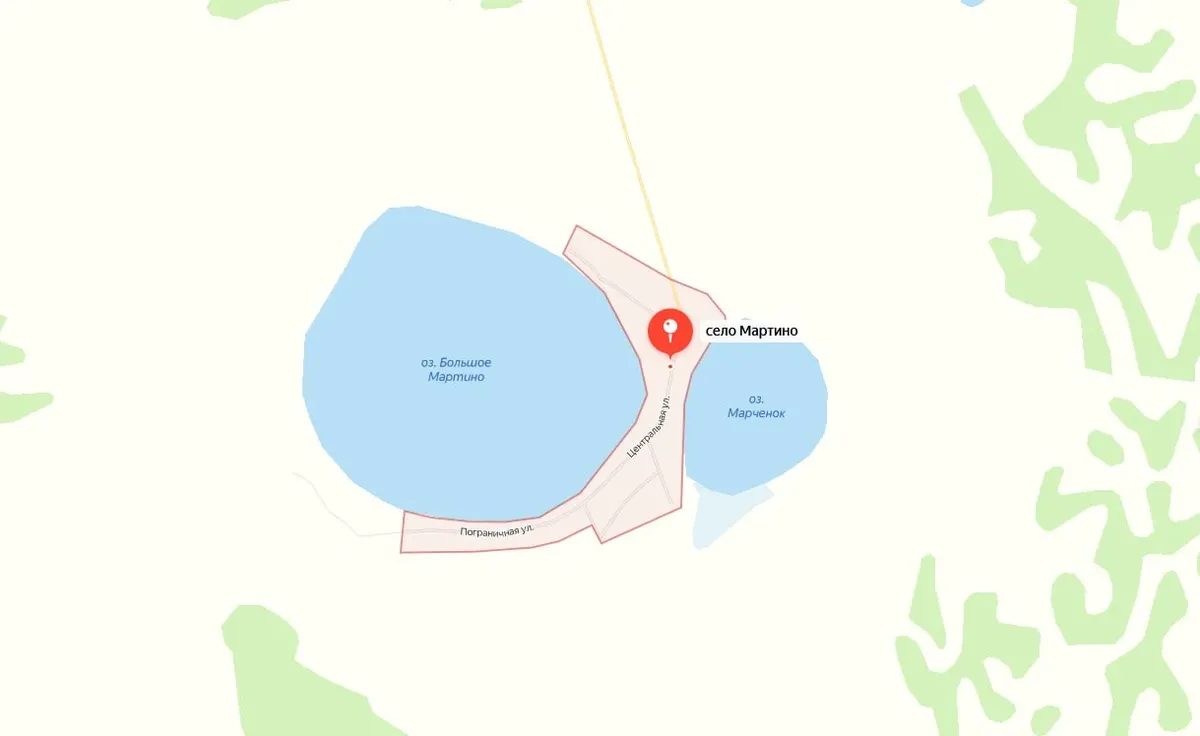
Having designated a geopolitical fracture, the new picket fence of the border pillars went through the economic sector.
Water is the main trouble and pain of border settlements, including the village of Martino. Despite the abundance in the district of lakes suitable for drinking and households there is no water: in the reservoirs a high content of alkali and harmful salts. In the former, Soviet years, Martino and dozens of nearby villages, both current Russian and current Kazakhstani, were supplied with water thanks to the Presnovsky group water supply, scoring water from the territory of present -day Kazakhstan. This huge engineering structure with a length of more than 3,000 kilometers even hit the Guinness Book of Records as the longest water supply system in the world. But after the collapse of the USSR, the project quickly fell into decay. And if Kazakhstan is now trying to restore its part of the infrastructure to provide their own villages with water, then Russian villages are less fortunate: there is no question of any restoration.
For many years, Martino was saved by a water carrier-an old zil-autocistan brought to residents water (of course, not free). However, in recent months, a car, which will soon hit half a century, increasingly began to fail. In addition, fuel prices, soared to heaven this fall, were not affordable to afford the already subsidized district budget.
It would seem that a quarter of the XXI century has already passed, but the inhabitants of the country, who considered themselves superpower, like a thousand years ago, in the summer, autumn and spring, gather rain water in barrels. Well, in winter they hammer ice in reservoirs.
For many years, residents of the village wrote appeals to the governors (two, in turn), repeatedly tried to attract journalists, and at the beginning of 2020 they even sent a letter to the president. Then it seemed, they finally heard them.
In November 2020, people and special equipment appeared in the village. In just a couple of months, these people dug up 20 kilometers of the old water supply and ... sent him for remelting to the Chelyabinsk region.
After almost a year, we visited the village of Martino to find out how the authorities reacted, whether they managed to solve the problem and what people think about the situation in which they found themselves.
Ice desert
The Makushinsky district is the place on the map of Russia, where the thick Ural forests are growing, turning into an endless Kazakhstan steppe. In the summer, the local lands resemble the flowering green sea, but the winter winds turn them dazzling white, to the rubber, an ice desert. Only occasionally there are islands of half -empty villages and ruins of the former highly developed civilization: destroyed cowers, rusty grain dryers and the famous red combines “Niva”. Old -timers say that despite the venerable - for more than 50 years! -Age, Soviet mechanisms still work and every spring and autumn can still be seen in the fields. True, it is more and more difficult to look for spare parts for them every year.
On the day when I am going to Martino, due to the collapsed bad weather, the long-distance message was suspended. Even taxi drivers do not go. Because of this, I spend the night in Makushin, in the district center. And it turns out that problems with water did not bypass the district center: in the makushin, water is supplied to the houses only three times a day - in the morning, at lunch and in the evening, for an hour. And so over the past 30 years.
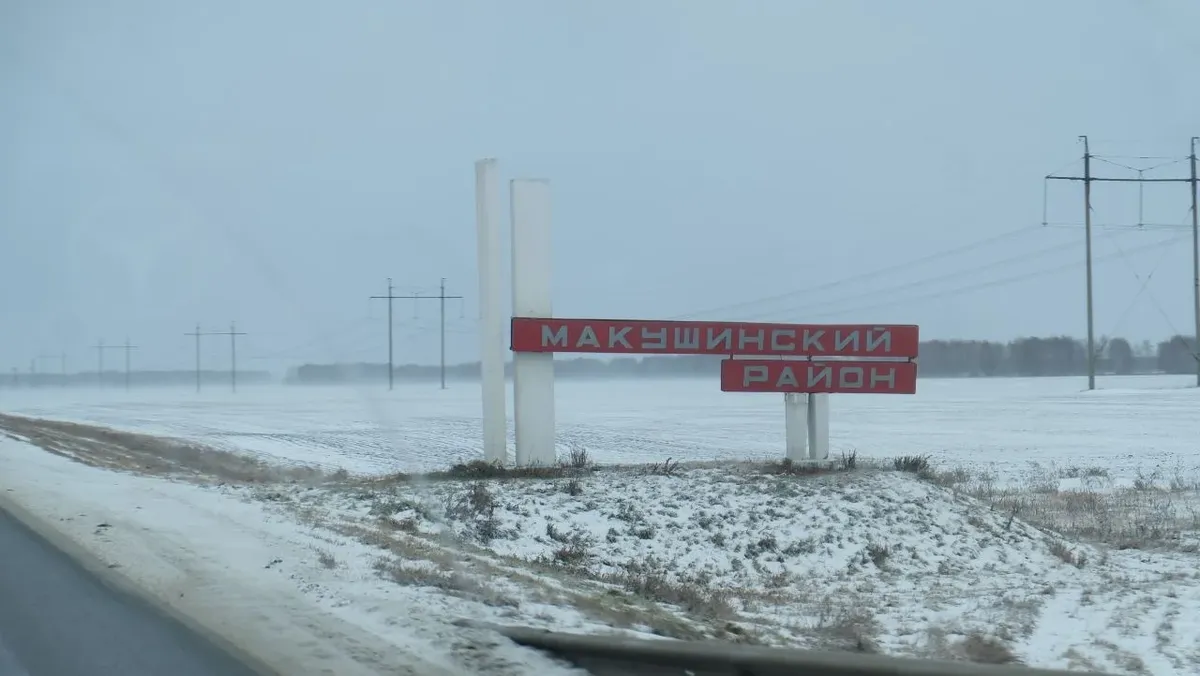
From Makushin to Martin a little more than 30 kilometers. On an icy winding road, the car now and then leads to the side.
The taxi driver Vladimir shouts, turning the views of the “Renault” from the next skid.
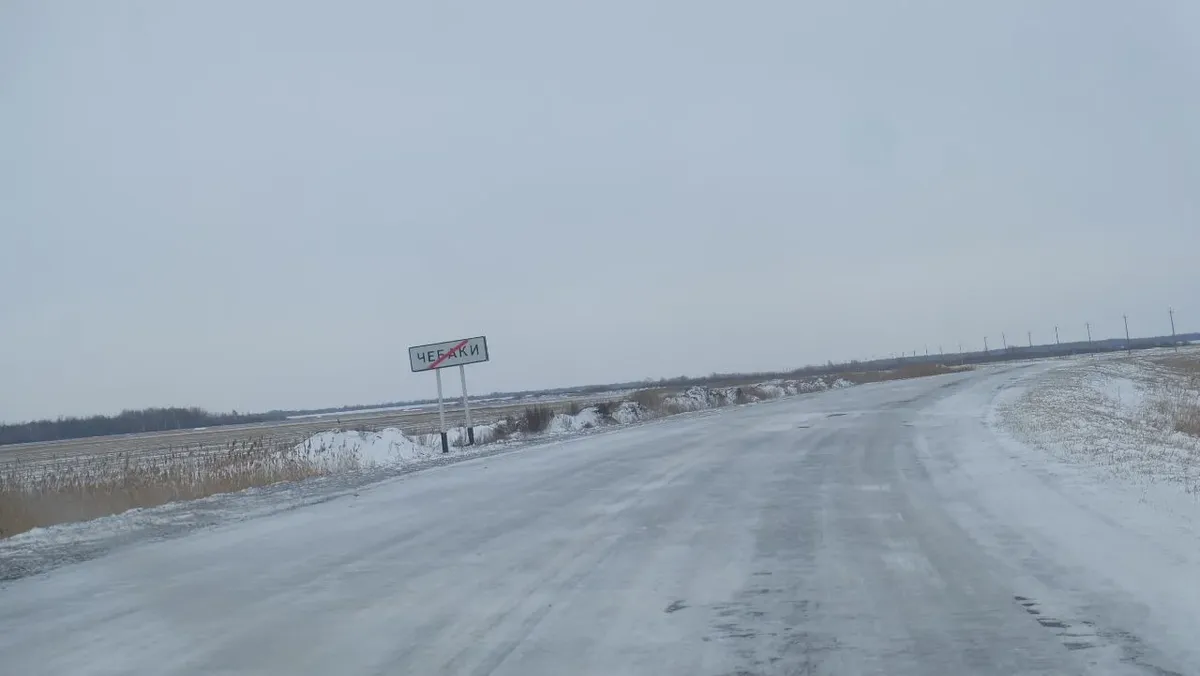
“There, in the village, there was a school before ...” he says. -While the children were carried, more or less cleaned something. Sand or slag: only sustains - workers sprinkled quickly, and now for the second year, hell who will appear. They still clean the Chebakov, and then what? Or aren't people live there?
Vladimir did not deceive: as soon as the Chebaki disappeared around the bend, the speed had to be reduced to 40 kilometers. And to the left of the road, wide trenches stretched.
- And what? - I am interested.
- Trenches. Kazakhstan is nearby. Here. Getting ready, ”the driver replies.
"What are we preparing for?" - I wanted to ask, but in time he stopped short so that the forbidden word would not fly out into the frosty air.
Noticing my bewilderment, Vladimir stretches his mouth in a smile:
- Yes, this is a joke! Kommersants, bitch children, all pipes dug up to Kazakhstan itself. Two or three years ago ... Then even the people rebelled. I have a father-in-law, the kingdom of heaven, said: some peppers arrived with the authorities from the village council. They said they would change the pipes. Like, the old ones, the iron will be removed, and the new, plastic will put. Well, they put it. Everyone was excavated, the pipes were stolen, and this was thrown. So many cattle went on his legs ...
- What do they say in the village council? When will there be new pipes?
- And there is no more village council. They dug these pipes in the fall, and already in the spring the village council was abolished. All village councils are now united in the district. There is no one to ask. Everything was organized correctly. And so everywhere ... I listened to the radio yesterday - the deputies say that you need to attract young people in the village. Who are they going to attract? What? They themselves were the last time here? Schools were closed, there is no work ... The pipes are rusty, his mother, and those from the ground dug and sold.
Dead village
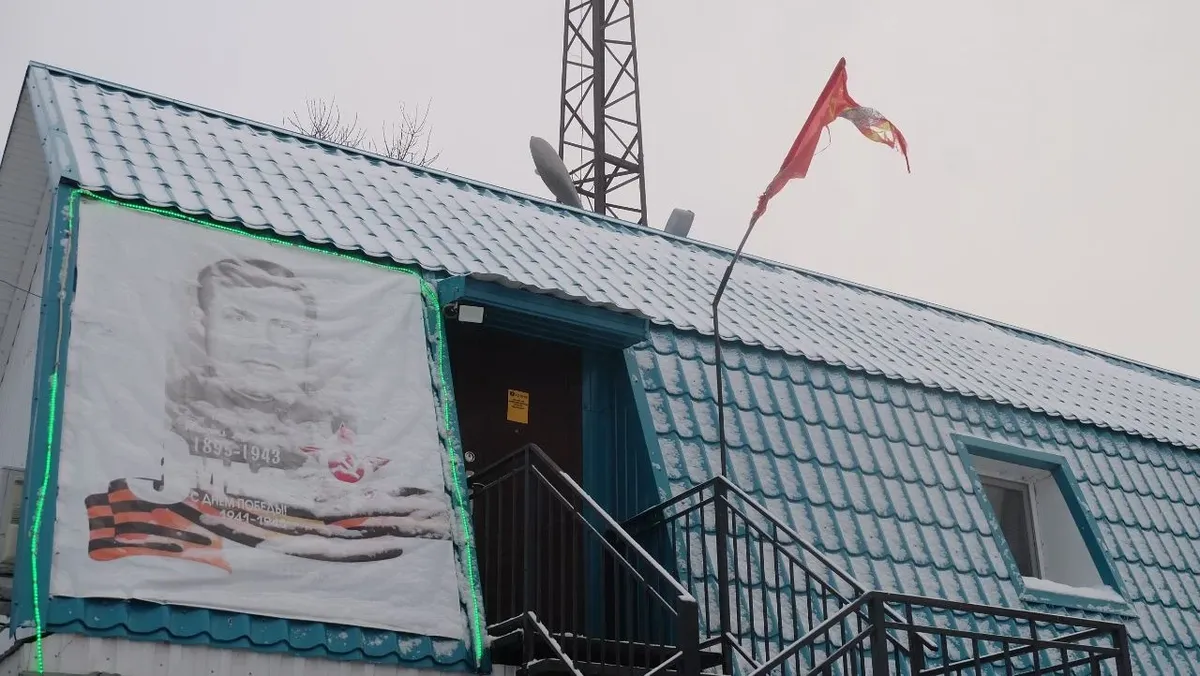
Soon, a large village is shown behind the next turn on the horizon. At the entrance - a shield in the colors of the Russian flag: "The village of Martino was founded in 1804." On the corner - the flying white dove of the world. Nearby is an empty border guard booth that looks more like a barn knocked out of the boards with knocked out windows and a wooden door swinging in the wind.
Despite the size, the village makes the impression of absolutely deserted. Brick houses with collapsed walls, a huge building of the former school, as cold and lifeless as the landscape around.
If it were not for the plastic garbage containers installed by the roadsides, and the dogs heard from the depths of the village, Martino with all confidence could be called a ghost.
You can understand where people live only along the paths to the houses. However, not all local residents are happy with guests. In a couple of houses, people refused to communicate with a journalist even through the fence. Only in one house did a middle -aged, about 50 years old with glasses of glasses entered the ajar gate. “Maria Viktorovna,” she smiled at me, hearing the reason for the visit.
- Again we came to write, how do we drink from the swamp? - She is reproached with reproach.
“Don't you drink?” That is, there is water, everything is fine?
From the interlocutor, a heavy sigh is heard.
“Well,“ normal ”... The last time a barrel of water came that week. And soon, probably, they will stop transporting water in general. They don’t tell us anything at all, but, according to rumors, due to the fact that the combustible jumped, they will not get to us at all! Only to the Chebakov. They have a debit with a loan there, but we are extreme ...
- And what to do?
- Well, how will you be here? As it is - in the store we will buy water ... Here I have a 25 -liter can: when they bring water, I pay 50 rubles for it. And in the store you will buy a maximum of five -liter for the same money. It turns out five times more expensive ... Well, where to go? Where we just did not write, everything is useless.
Another resident who agreed to talk to me is Elizabeth Fedorova, a 30-year-old woman with two children. We met her family at the exit of a local store, more like a converted garage. Judging by the frozen moss on a white silicate brick, it was once a long time ago, at the time when the collective farm still worked. A cheap Chinese down jacket, a unisex hat and a long knitted dress. Next to mom are two children in winter overalls of blue and red.
Kolka of ice, says Elizabeth, her whole life was the norm. But this year, water production in Martino is a special quest:
- This year there was no ice for a long time. What the weather was standing! Either rain, then snow, then warm again. The lake has just grabbed, and still, while it is impossible to reach it. And the ice is bad near the shore.
- In what sense is "bad"?
- Well, dirty. It is better to take the one in the middle - there the water is cleaner there. I do so: the upper layer, the one with snow, is cleaned, but which under it is best. There are no impurities and dirt, everything settles down. And normal water. No worse than in your city. Only the hassle is more.
According to Elizabeth, half a bucket of water is obtained from a bucket of ice. After boiling, it is drained into the tank. Such tanks are in every house. People are already used to it.
"Throw everything and forget"
Nevertheless, not everyone has enough patience. Due to household disorder, many residents, especially those who are younger, leave the village. Now, according to the debt book of the Martinsky Selmag (there is such an important document in the lives of the settlements of the Russian hinterland), in the village there are a little more than 100 people. A particularly strong outflow of the population occurred after the school was closed in 2021.
Alina-a kind and smiling saleswoman of about 25–27 years old-says that she came here from Khanty-Mansiysk, and despite the fact that she has been living in Martino for three years, local household features still have shocked her.
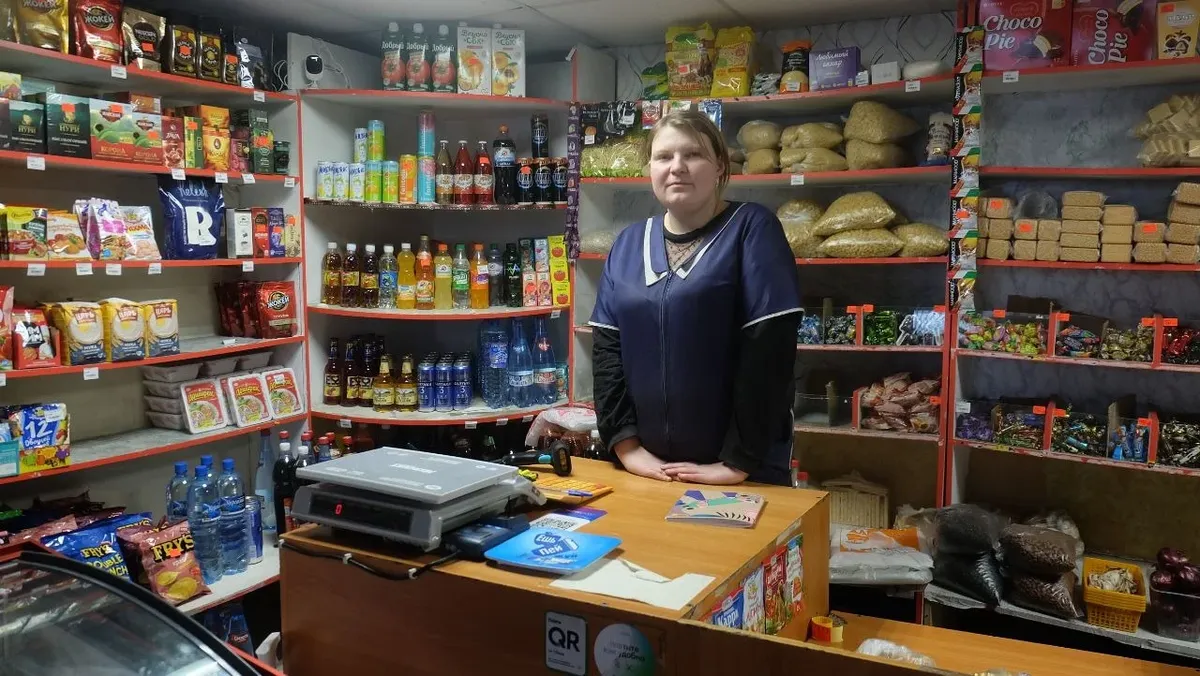
- Until now, I can’t get used to the fact that you have to go to the lake for water. Okay, grandmothers, they no longer need anything. And if who has a child? Therefore, we decided: until the end of the year here, and then we will leave.
-Back to Khanty-Mansiysk?
- No, at least in Makushino ...
- Sorry for arriving?
Smiling sadly, the girl falls silent. Thinking about something for a few seconds, continues:
- Well, in general, of course, in the summer it is beautiful here, people are good. But to live here ... Something we got excited. Therefore, first - in Makushino, and there life will show. It’s a pity only the house and the economy, all this will have to be left. Because nobody needs real estate here, the maximum of scraper ... It will be necessary to quit everything and forget.
The question of three kilometers
A similar situation with water and in the neighboring villages of Chebaki and Slevets - they, like Martino, became victims of a communal disaster.
As the local farmer Alexander told me, the geodetic features of the area do not allow them to count on their own water.
-At the very beginning, I, young-green, decided to drill the well. The plans, as they say, were grandiose, up to geothermal heating. Bruttered two wells: one - 74, the second - 23 meters. And of both, such a dirty trick has gone ... It’s not like drinking - it is dangerous to use it for technology. The water is salty, with a bunch of impurities, they almost found Uranus in it. If you sip or pour where - you yourself grunt, and ditch the equipment. Therefore, those who do not have cars are drunk from the lake, they collect rain, they are drowned with ice with ice. A water carrier even when traveling - there is no better quality of water.
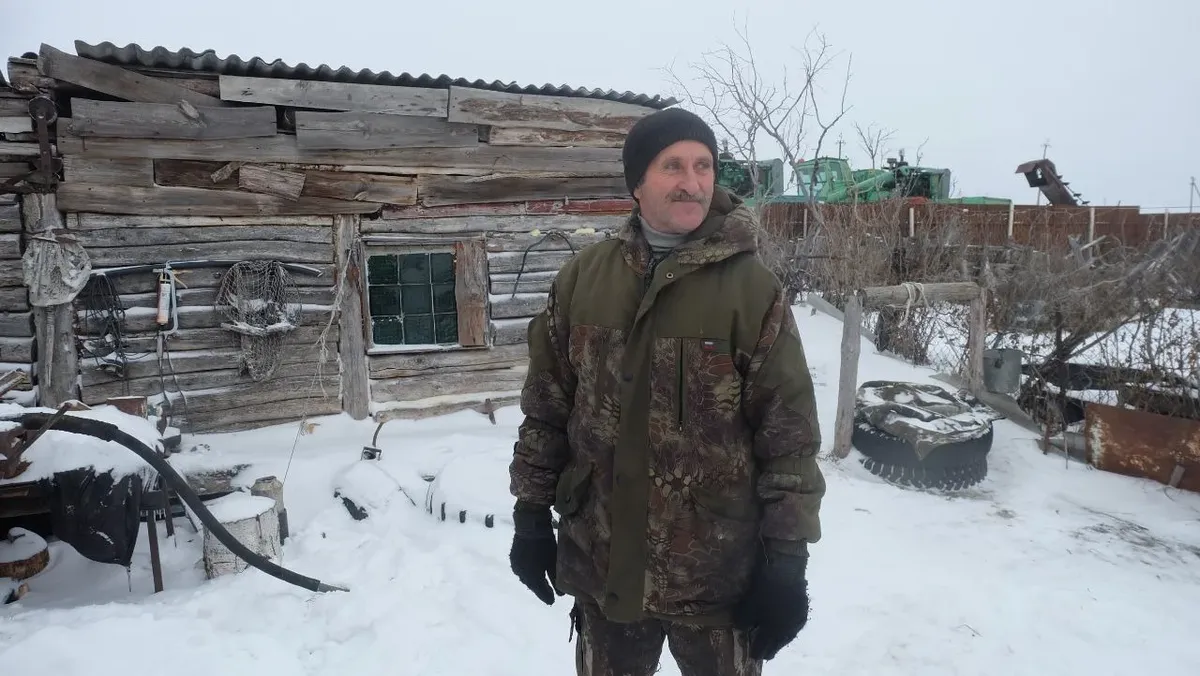
At the same time, Alexander is sure that the situation is not hopeless and restore water supply, albeit partial, is still possible in the villages. However, this is needed for this.
“Under the Union, when the collective farms were built, the approach was thorough there,” he says. -They drove geologists, surveyors ... They climbed everything here and still found water. Underground! They drove the explosives, rushed - an underground pond appeared. And not in the neighboring republic, but here, under the nose, three kilometers from the village. Here, it would seem, put the pump, throw three kilometers of plastic, some water collector, even in the same chebaki, put it. Filters - okay, let the inhabitants set themselves. And all! But no - there is no budget. We went to the administration back in 2020. They told us: there is no money and is not expected. So they will never be. They just wait for everyone to be separated from here.
At the same time, Alexander himself is not going to leave the village: he is holding his economy and the grave of his son here. Those who are alive are trying to leave.