
Translated material
Autofix - the main literary genre of 2023 in Russia
"Medusa" chose the 10 best books that helped their authors understand themselves (let them help you)
In Russia, the heyday of auto -packed - prose, focused on the experience and experiences of the author. Probably, war also influenced the popularity of such literature: when any statement on the main topic of the last two years can lead to persecution, writers focus on their personal stories - about the body, growing up, relations with family or friends. At the same time, auto -firm allows authors and readers to talk about general injuries and find comfort when it is especially necessary. Medusa chose ten therapeutic books published in Russia in 2023 (the editors do not affect the choice of its critics; this list is compiled by Lisa Birger).
A little more details. What is auto -packed
In 1977, the author of the first auto-film “Son” Serge Dubrovsky described this genre as “Fiction of absolutely real events and facts”. The article by the editor of the publishing house of Ad Marginem Maria Levunova will help to understand the meaning of this blurry definition. She calls the central theme of auto -packet the author’s feelings, the goal is to overcome a certain injury through a letter, and the main technique is the installation of flashbacks.
Autofix is not always completely autobiographical: in such novels, the sincerity of the author’s experience is more important than a true description of experience. But the therapeuticity is an obligatory characteristic of the auto -packet: the experience experienced leads the author (and sometimes the reader with him) to cure. One of the first such texts in Russian is Maria Stepanova’s memory , a great novel about the search for roots, which was released in 2017 and translated into several languages. Stepanova’s book was noted by many prestigious European awards . To understand the “memory of memory”, it is necessary to turn on the sensory perception: the subtitle “romance” is the best suited this idea. Another well-known Russian-speaking auto-fixation- “wound” Oksana Vasyakina -was originally accompanied by a similar subtitle: “Roman Poema”.
The 2022th was the year of auto-played all over the world: Annie Erno , a Frenchwoman, received the Nobel Prize in Literature, who repaped all her life experience in the book “Event”, “Woman”, “Ordinary Passion”, “Years” and “External Life”. Other important international representatives of the genre are Olivia Lang , Rachel Cask, Maggie Nelson, Shila Heti.
Their Russian-speaking colleagues are the already mentioned Stepanov and Vasyakina, as well as Ilya Mamaev-Niles, Svetlana Pavlova, Maria Nyrkova, Egan Dzhabbarova and Lukyanova. Several publishers are produced at once in Russia at once: in 2023, Oksana Vasyakina began to oversee the Russian-speaking auto-link section in no kidding press; The Polyandria Noage publishing house has launched the series “There is sense”, the authors of which are looking for “new ways to comprehend actual Russian reality”, including through an auto-firm test.
10 best auto-films in Russian. Choosing "Medusa"
Oksana Vasyakina "Rose"
M.: UFO
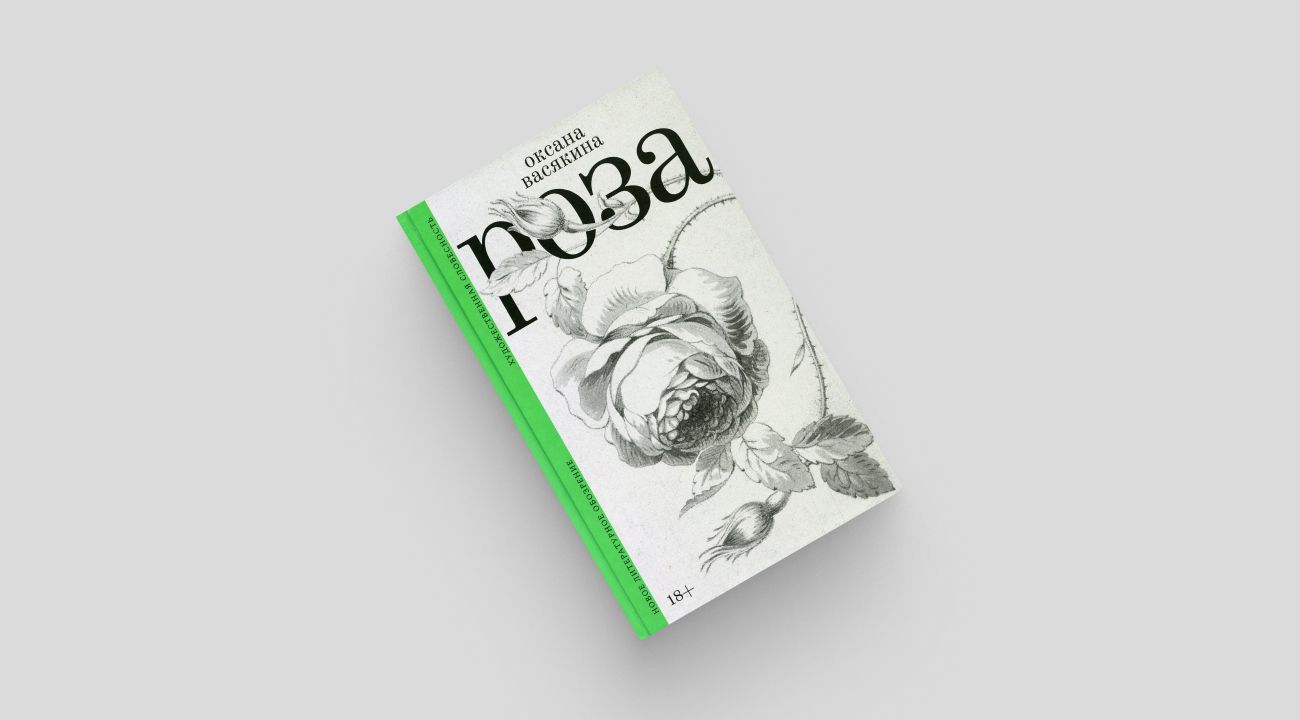
The final part of the trilogy of Oksana Vasyakina - before that there were a “wound” about relations with her mother (in 2022 the book received the literary prize “Nose”) and “steppe” about relations with her father. In Rosa, the writer tells about her aunt Svetlana-a fragile unhappy woman whose life, from birth to infection with tuberculosis and death, was held in a small apartment in Ust-Ulyimsk. Vasyakina also grew up there.
None of the women who raised the storyteller are no longer alive - neither mother, nor grandmother, nor aunt. As in past books, the writer asks herself why for history she definitely needs some kind of figure from the outside. And he answers: “I am the basis of the reflective surface of the mirror. Metal spraying. You can peering in the wrong side of the mirror for a long time and not see anything except fine gleaming dust. I reflect reality. "
This is not quite an honest answer. The text of Vasyakina never consists of reflections. This is an extremely clear and concentrated letter in which a woman’s hopeless life in the Russian outback (moonshine, abortion, poverty, cheap cosmetics) is described from the inside. Flashback and observation mounted with each other - there are thoughts about the works of contemporary artists and descriptions of forest walks - lead the narrator to the acquisition of internal freedom, where "it turned out to be as many space as I could not imagine." The books of Oksana Vasyakina herself are approximately the same.
Anna Lukiyanova "This is not treated"
M.: Alpina Fikshn
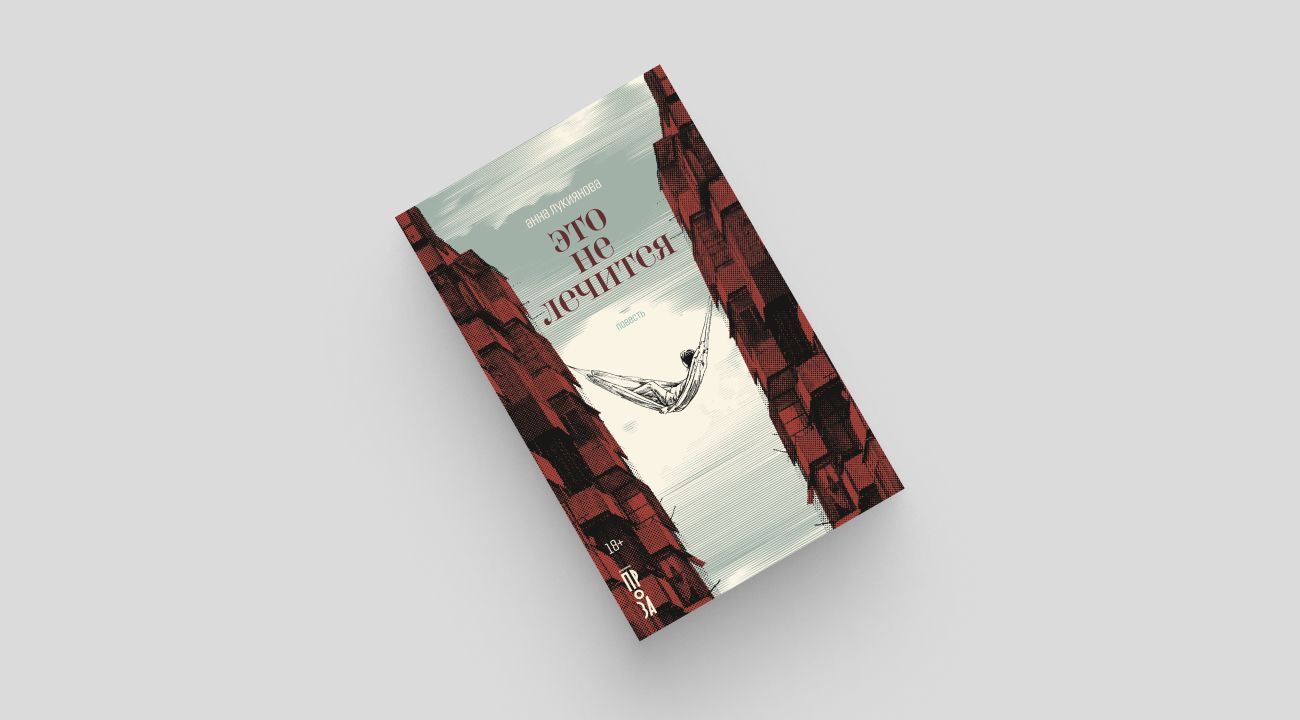
Anna Lukiyanova was born in 1993 in Kirov, graduated from the Faculty of Management of the Higher School of Economics and never studied writing. According to Lukiyanova, her debut novel is the result of a ten -year work with a psychologist , which immediately emphasizes the possible therapeutic effect of this text. Although the book is written from a third person and up to the afterword does not show signs of an autobiography, this is the story of the writer herself.
A heroine named Anya is 17 years old, she lives in Kirov and is afraid of everything. It constantly seems to her that something terrible is about to happen: the intestinal wand will be found in the sea, mom will die from blood poisoning, dad will break on an airplane on the way on a business trip. To cope with these thoughts, Anya comes up with magic rituals: for example, he counts all the windows in the building opposite, winds circles around the house, turns on and turns off the light or wash his hands several times.
During the year in which the action of the novel is laid, with the heroine, as if nothing special was happening. She is released from school, walks around the doctors, is friends with the boy (he is also not like everyone else), and most importantly, he begins to understand that "in deviation from the norm is the human norm." In the afterword, the writer confirms that she spoke about her own experience of life with an obsessive-compulsive disorder. And he admits that after therapy it became much easier for her to rejoice at the "simple, human."
Svetlana Pavlova "Hunger. Non -weed romance "
M.: Elena Shubina Publishing House
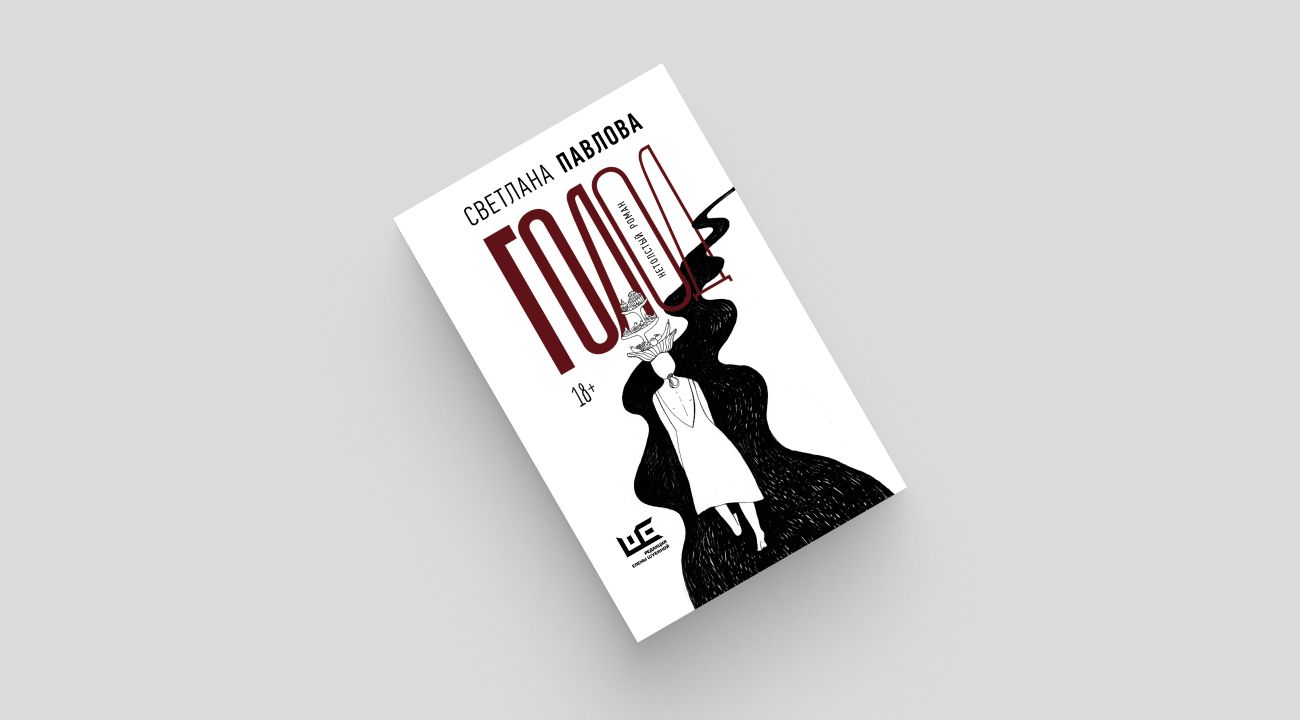
Svetlana Pavlova - a graduate of the School of Literary Mastery of the Higher School - calls his first novel "a metaphorical description of a long and difficult way to accept his reflection in the mirror." But her book is far from about this. The heroine of “Hunger”, the thirty -year -old Muscovite Lena, suffers from the meaninglessness of “normal life” in the capital: with a mortgage, a psychotherapist once a week and exhibitions in the “garage”. “I sort garbage, I wear socks with the inscription“ Feminist ”and speak not bad in English. I promise myself to ride a taxi less and walk more, get out in front of the cleaning and sacredly believe that the suffering of migrant couriers pay for my tips. ”
And Lena also has a serious disease - bulimia. Having set off for group therapy, she meets with Vanya, who came to be treated from kleptomania. From this moment, Pavlov quite successfully combines two very different genres. On the one hand, this is a cheerful chiklit about how strange loners met in a big city, in which in the end everything will definitely be fine. On the other hand, this is a full -fledged auto -packed with a deep residence of personal experience and close observation of reality. But the main thing is that this strange combination of genres does not interfere with a common therapeutic goal.
Maria Nyrkova "Gulf of Patience"
St. Petersburg: Polyandria Noage
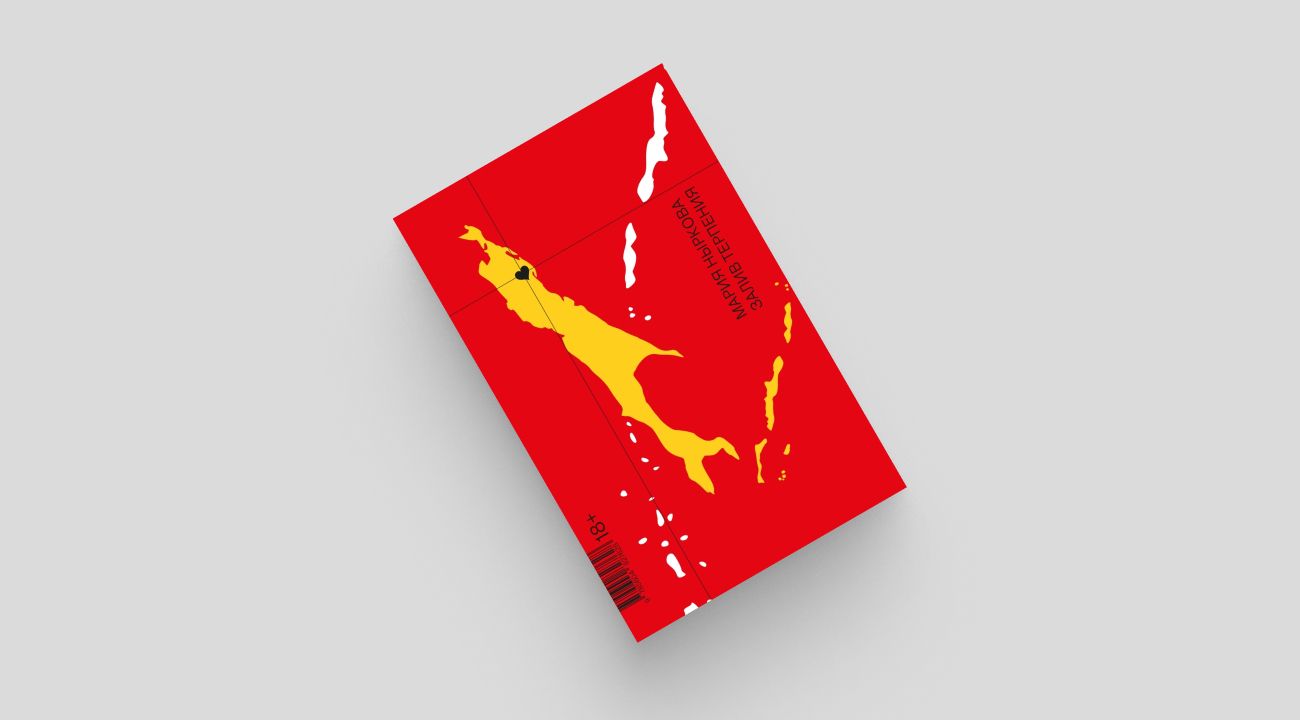
Maria Nyrkova is a student of a philological faculty and a debutant in the literature. The heroine of her novel is also a student of Philfaka and also Maria. She goes to Sakhalin to sell a hereditary apartment. From the very beginning, this completely household journey is served almost like a convergence to the other world: the Gate at the Maria Airport is greeted by strange characters, the heroine even compares the way to the island with the journey "into the vague river of consciousness."
On the one hand, the text of Zagnova is a classic auto -packed, based on personal experience and a dense experience of reality, in fact a diary. Everything that the storyteller describes leaves marks on her body, which refuses to eat and sleep and trembles from adrenaline. On the other hand, each action in the novel by strength and scale resembles myths, and it is impossible to draw a line between reality and fiction.
Plunging into the geography of the country and the tragic story of her family, the heroine finds his homeland. That is two. The first “exiled her children to the camps”, “Picked up radiation waste”, “Dreaming for dreams”. The second is the family, the house of the ancestors, the own place of the heroine. The last pages of the “Gulf of Patience” turn the very process of searching - text, place, family memory - literally into the manifesto of resistance: “You cannot take away what our hand has not yet touched.”
Marina Kochan "Khorea"
St. Petersburg: Polyandria Noage
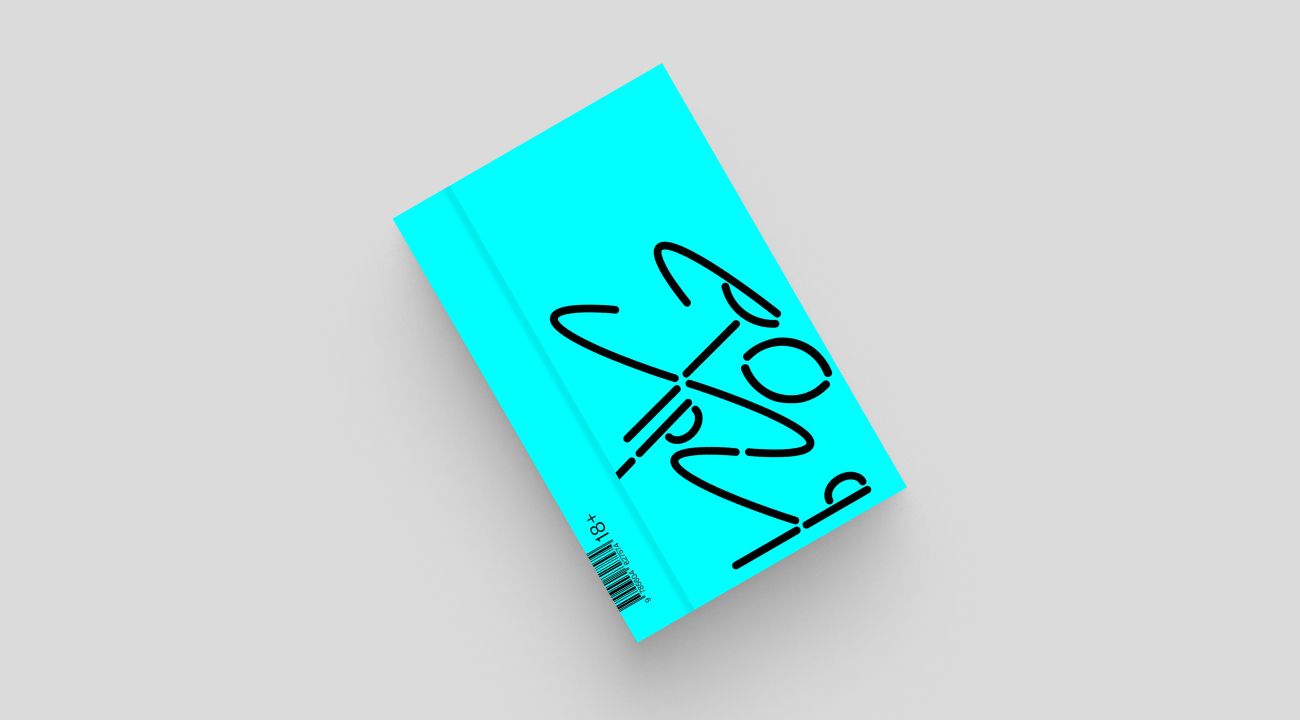
In Khorea, Marina Kochan describes how, having learned about her pregnancy, she began to read about genetic diseases - and ultimately she realized (and subsequently confirmed) that her father died of Hentington chorea , and not from Alzheimer's disease, as was believed in the family. Now the genetic test should reveal whether the heroine can get sick or convey the disease to the child.
More important than the plot, the heroine’s mental return to childhood, to his native Syktyvkar, rethinking complex relationships with his father, sister and mother, reflections on his own impending parental. The “chorea” consists entirely of the descriptions of small scenes - whether it is buying a festive cake, communication with nurses or studying family photos. Memories of father’s illness open up opportunities for reconciliation: with the family and with their own imperfection.
This is the repeated plot of the Russian auto -fif: the past was terrible, but if you live and realize the present, it turns out that it is better now. Families become stronger, heroes are healthier, life is happier.
Lukyanova Sveta "I do nothing bad"
Digital publishing house "Papier-Masha"
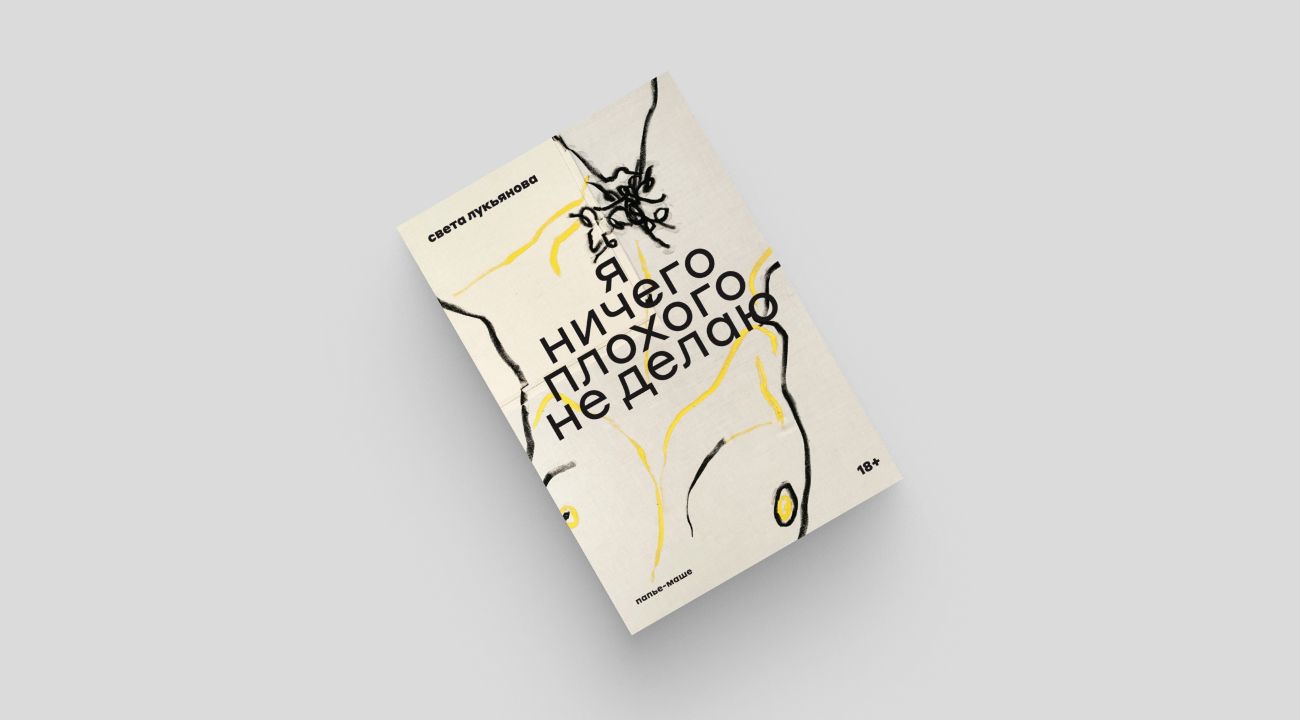
The book of the co-founder of the writer's skill courses Write Like a Girl Svetlana Lukyanova is the story of growing up in the Tatarstan of the 2000s and the long way of the heroine to recognize her sexual identity. Since it is no longer possible to lay out such a novel on the shelves of bookstores due to new Russian laws , the book was released only in electronic form-it was published by the new digital publishing house Papier-Masha. Literature predictably goes into the network semi -underground.
At the same time, in his book, Lukyanova goes beyond the story of the Quir-Station. Its auto -packed is a mixture of poems, correspondence, essays and dialogues that allow you to fully survive with the heroine the discovery of the true itself - free, creating, in love. “My writing principle,” says the author, “go where it’s scary.” Lukyanova boldly describes the awkward experiments of the first sex, life with a disorder of food behavior, a long story of leaving her husband to a lover. And the autofix method allows it to peer into herself almost to infinity.
Ilya Mamaev-Niles "Year Porn"
SPb: Polyandria noage
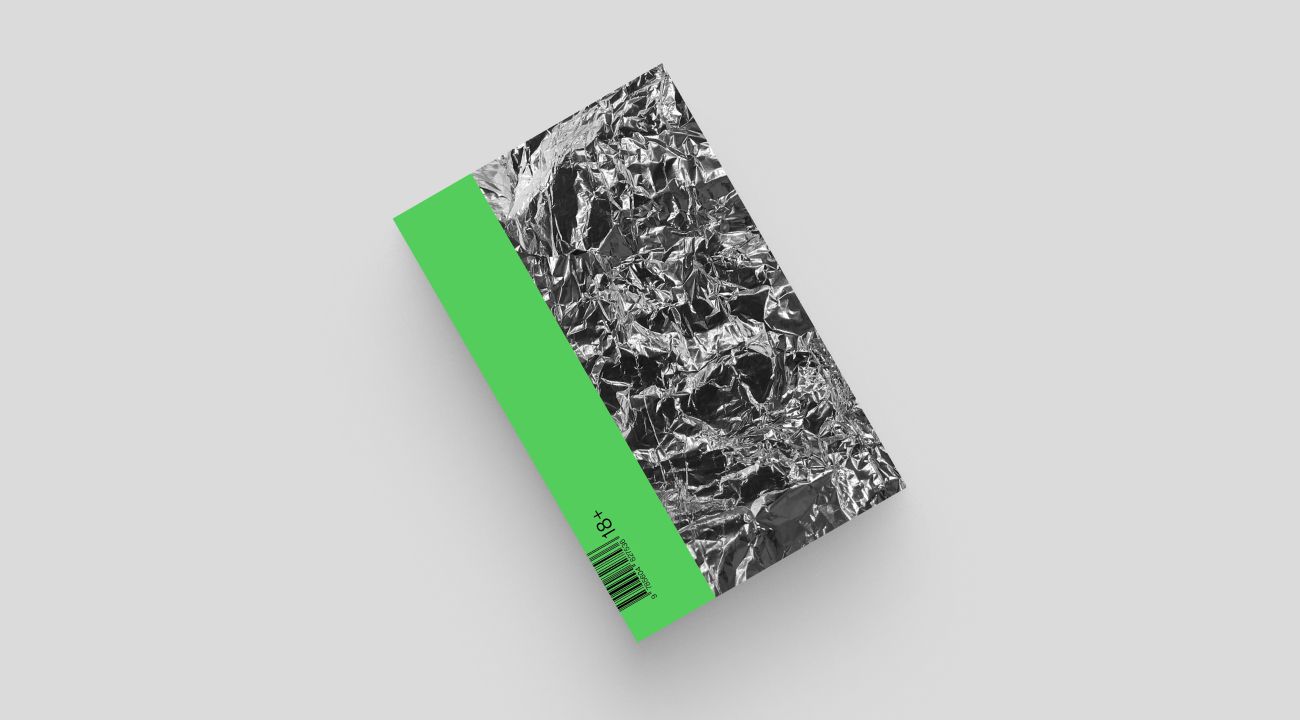
Ilya Mamaev-Niles “Medusa” spoke about the debut novel of Ilya Mamaeva in the spring. The hero of the book, Mark from Yoshkar-Ola, left his parental house to start a new life. Now he works a barista, studies the history of his native land, translates porn films and yearns for an ex -girlfriend who returns to him from time to time.
According to Mamaev Niles, the method of auto-writing helps him to achieve sincerity. A frank story about everything, whether it is sex, father’s illness or difficult relations in the family, allows the writer to find a point at which generations intersect. In it, they can if they do not agree, then at least share some experiences.
In the “year of porn” several storylines came together at once: both the hero’s search for their Mari roots, and the modern story of the formation of a young man in the Russian outback, and war (“Year of Porn” is one of the few Russian books reflecting it). Of course, it is shown in the novel by hints: a kind of disaster destroys the fragile mutual understanding between the hero and his relatives and from now on they can be found only in Istanbul during the transplant.
Egan Dzhabbarova "The hands of the women of my family were not for writing"
M.: No Kidding Press
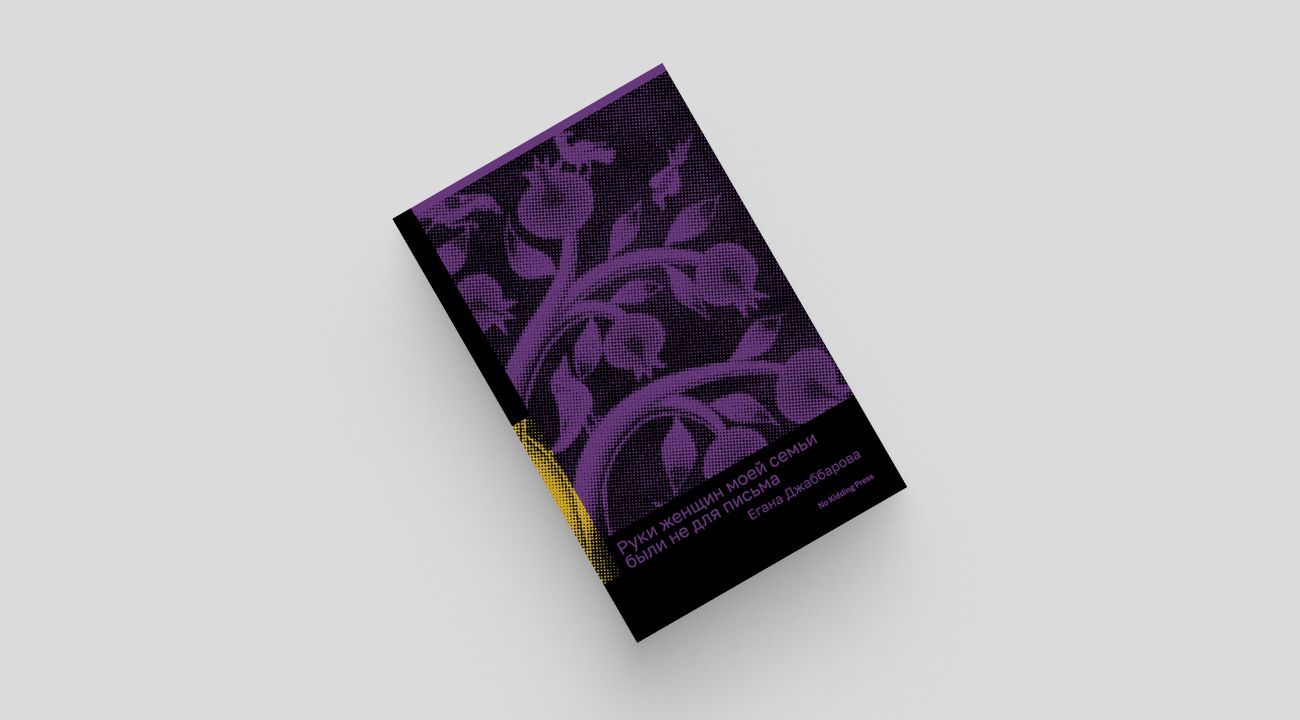
The first decolonial auto-firm in Russia (in the book of Mari Ilya Mamaev-Niles, this topic also has this topic, but it is with Egana Dzhabbarova that it becomes the main one). The writer tells the story of her family, “traveling” through her own body. Each part of it - hair, hands, nose or stomach - a starting point for a story about the fate of mothers, grandmothers and aunts, Azerbaijani and Georgians, taught to be silent, live under the constant observation of society (including its privileged part - Russians), endlessly prepare and obey husbands.
The disease helps to find himself and freedom to heroine, due to which she almost turns out to be paralyzed. For her, this would mean a loss of not only the ability to move, but also access to family memory. At first, the body of the heroine is destroyed before our eyes, but over time she finds the strength to collect herself again. As for many other representatives of the genre, for Dzhabbarova autofix with his practice of close observation of the world around it becomes a way to talk about similarities and differences: we all, in fact, have the same bodies, but our experience of life with them may differ in the most dramatic way.
Masha Gavrilova "The Horceres of Life"
M.: No Kidding Press
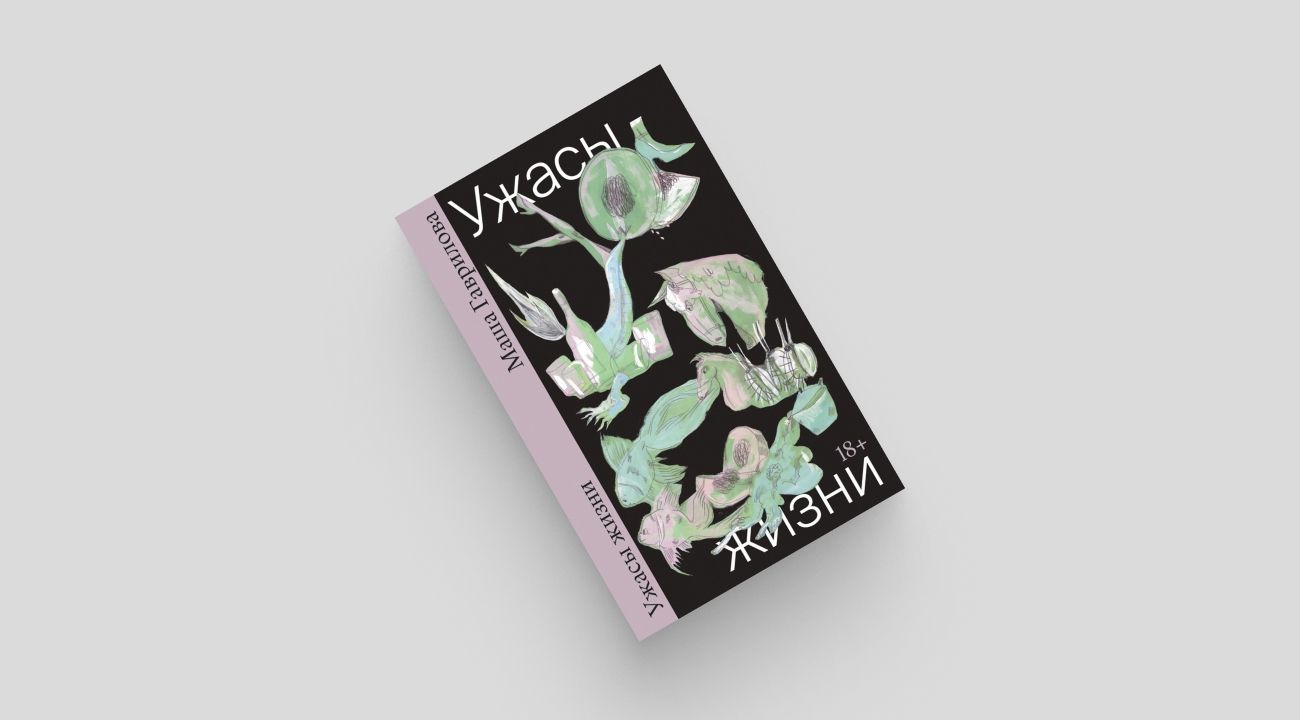
The annotation says that the book of Masha Gavrilova is “Magic Autofix”. Indeed, the story of the writer begins as a description of the author’s experience, but soon develops into a fabulous plot. So, the story of a friend who had lost her child, with whom the heroine got closer while watching the Game of Thrones, ends with the birth and upbringing of a boy from mold that she started in a mushroom sauce pan. In another story on a walk in Istanbul, cats help the heroines - they show where to escape from the painted female legs that were driven to them, and bring new iPhones in their teeth. In the third heroine, the dragon kidners, which turns out to be a typical abuser. And so on-a constant game between a friend and a stranger, everyday life, which can always be looked at some other way.
Daria Serenko "I wish the ash to my home"
Tel Aviv. Publishing house of the Babel bookstore
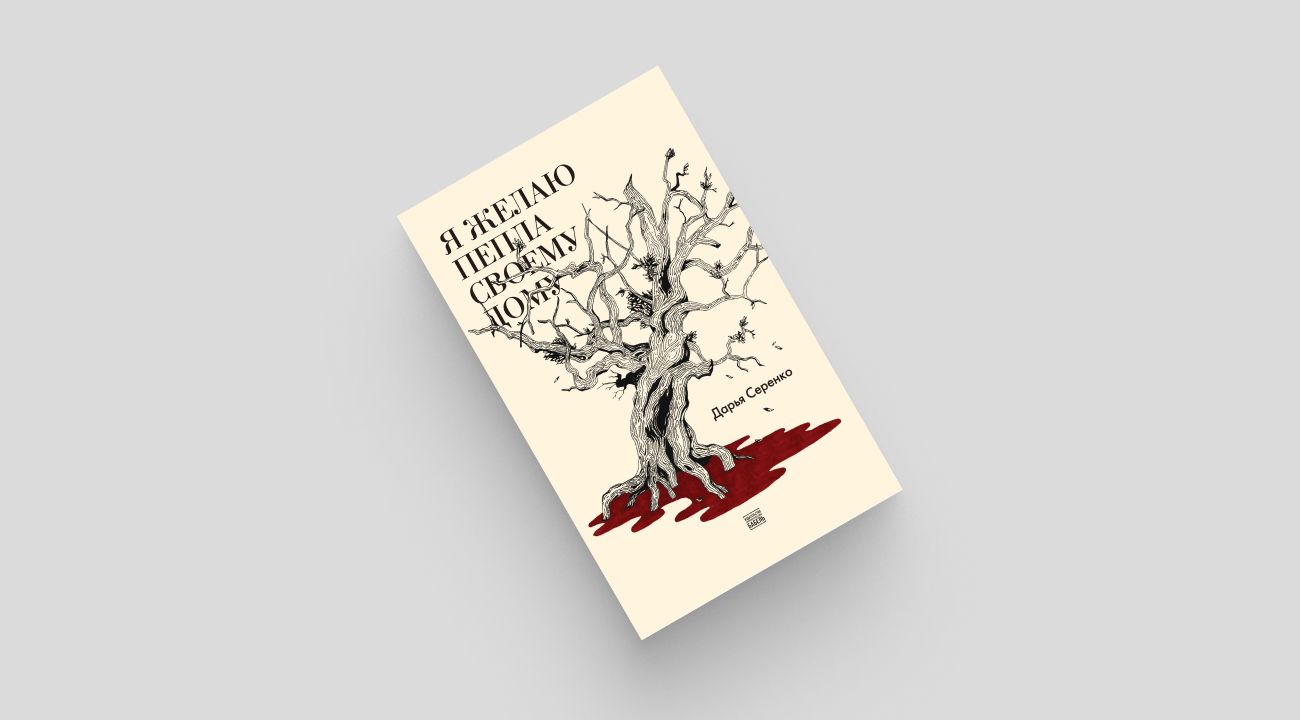
Daria Serenko is a poetess, a shareholder and co -founder of “feminist anti -war resistance” . Her first prose, “Girls and Institutions” (2021), talked about the clash of young women with Russian cultural institutions: before the war, Serenko worked for several years a curator in galleries and libraries, from where she was more than once fired for activism. At the same time, she described individual experience as a common, familiar to many (if not all) women. The heroines of her books are collective “girls”, a whole choir, as in ancient tragedy.
“I wish the ash to my home” is a logical continuation of this idea. The author wrote most of the book in jail, where in February 2022 she spent 15 days for a post with the symbols of “smart voting”.
Important! Daria Serenko’s book “I wish the ashes to my house” was the first digital release in the Medusa publishing house. This means that it can be read for free in our application. By the way, it can bypass locks. Download it to yourself and help your loved ones install it.
Now the collective “girls” Serenko stand on pickets, disassemble gearboards from the will, prepare for an inevitable departure from the country and run from the FSB officers. And the activist herself is sincerely glad that there is nothing exceptional in her text, no new experience is “just another text among the women's camp and prison prose”.
The pre -war days that Serenko talks about in the book are the latter when the “girls” are one. On February 23, the heroine will leave the special receiver, the war will begin on the 24th, the history of the “feminist anti-war resistance” will begin on the 25th. And then someone, including Serenko herself, will leave Russia, others will remain, and once the general experience of both parties will become radically different.
Lisa Birger