
Translated material
"My citizenship is a pascular combination of circumstances"
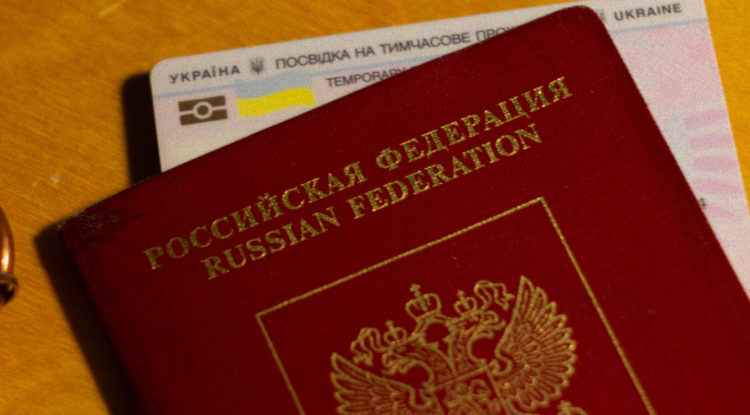
Thousands of Russians cannot return to their relatives in Ukraine. Most often they are interfered with the "eighth point"
The war found hundreds of thousands of Russians living in Ukraine by surprise: because of the invasion, they lost the opportunity to live calmly, and also faced difficulties with the execution of documents that allow them to stay with their families. The introduction of the visa regime with Russia and the tightening of the rules for obtaining internal documents led to the fact that thousands of Russians were forced to leave Ukraine and lost the opportunity to return to their relatives. Formally, the Ukrainian authorities retained legal ways of returning to the country for Russians, but the outcome of applications depends solely on the SBU, which almost does not give permits for entry. As a result, hundreds of divided families cannot reunite, having legal grounds. "Cold" tells the stories of Russians who are trying in vain to return to their relatives.
In order not to miss the main materials of the "cold", subscribe to our Instagram and telegram .
Larisa Ilyina (the name changed) moved to Moscow from her native Severodonetsk under the Soviet regime. Here she got married, gave birth to a daughter and received a red passport - in the Russian capital it was easier to find a promising job and feed the child, especially after the divorce. In addition, she could not go home to her parents, as they had already helped her sister with her little son. Despite this, Ilyina considers the decision to remain in Moscow as his “fatal mistake” and says that he hates Russia with all his heart, which brought her family so much grief.
In 2014, street battles were fought near the house of the parents: the Ukrainian National Guard fought with pro -Russian separatists. Larisa could not break through the checkpoints to say goodbye to the dying father and came only to his funeral.
“In 2014, the Aidar battalion, sponsored by our oligarchs , and the National Guard units quickly drove the Russians out of the city. But in the course of a full -scale war, the Armed Forces of the Armed Forces could not be suppressed, and in a matter of months they turned our quiet, calm city, the Azot chemical plant, which my parents worked in ruins all their lives, ”says Ilyina.
As a result of active hostilities in Severodonetsk, the mother and sister of Larisa moved to Kyiv, where they rent an apartment. Ilyina really wants to return to them, buy a separate apartment for them for the money that was proceeded from the sale of Moscow property "and not allow the mother, which is important to die in a rented apartment."
“My Russian citizenship is a foul combination of circumstances, I don’t feel like a Russian one and overnight and would be happy to get rid of this red passport, I would have such an opportunity,” Larisa explains.
To fulfill a dream - to get out of Russian citizenship and move to her homeland to the family back in 2019, but a pandemic began, and then a full -scale war. Ilyin did not manage to submit documents for Ukrainian citizenship, but now he could not get a visa: with the outbreak of war, Ukraine has broken diplomatic relations with Russia, closed its consulates and the embassy in Russia and introduced a visa regime. VIS Global visa centers also suspended their work in the country.
Having learned about the new requirements and realizing that she would not be able to go on a Ukrainian visa from Russia, in May 2023 Ilyina went to Chisinau. She was optimistic, received a new passport, so that there was where to put a visa, and quit his job, thinking that she would no longer return to Moscow. However, at the Ukrainian embassy in Moldova, she was explained that to submit documents she needed a local residence permit.
Realizing that without him they would not even communicate with her, Larisa flew out in Tbilisi the same day (in Georgia, citizens of Russia can be submitted to the Ukrainian visa without a local residence permit) . But even there they could not quickly help her, they advised her to stand in an electronic queue for submitting documents on the site (now on the website of the Embassy of Ukraine in Georgia such a function is not available to Russians) . Ilyina did this and flew back to Moscow, got a temporary job and began to wait for her turn.
In July, Larisa again went to Georgia and submitted documents for a visa. And in August, she was refused to provide a visa due to the lack of evidence confirming her purpose in Ukraine (the editorial office is at the disposal) . Then Ilyina went to Tbilisi again and appealed - a document in which she indicated that she did not agree with the decision of the Ukrainian authorities and believes that it violates human rights. This did not help either - in early September, the refusal came to appeal. In an attempt to understand why this happened, Ilyina subscribed to the telegram channel “Visas to Ukraine”, in which the Russians talked about their unsuccessful attempts to get a Ukrainian visa.
“It was then that I realized that not one like that, and realized that my chances have ever received a visa is not high. In this group, about the refusal to provide a visa on the eighth point, with the explanation that they supposedly do not have enough grounds for entering the country, they were mainly told by young girls who had husbands and children - citizens of Ukraine in Ukraine, ”says Ilyina.
In this community, Larisa met a Russian woman who, like her, was looking for a way to get a visa to Ukraine, where she lived a seriously ill mother. The newfound friend later told Ilyina that she did not even have time to apply for a visa and only got up in an electronic queue, as the news came from Ukraine that her mother had died. Now she is already asking for a short -term visa, if only to go to her grave.
Ilyina is going to stay in Moscow for several months, save money and try to go to the visa again - this time from Kazakhstan. According to Ilyina, a trip to Astana will take less time and will be cheaper than the next exit to Tbilisi.
Mass refusals
According to the Migration Service of Ukraine, as of February 2023, more than 170 thousand Russians lived in Ukraine. About 16.5 thousand of them had temporary types of residence, and 157 thousand have grounds for permanent residence. This statistics did not include the Russians living in the Kherson, Lugansk and Donetsk regions of Ukraine, due to difficulties with the calculations of residents in these areas dictated by military operations.
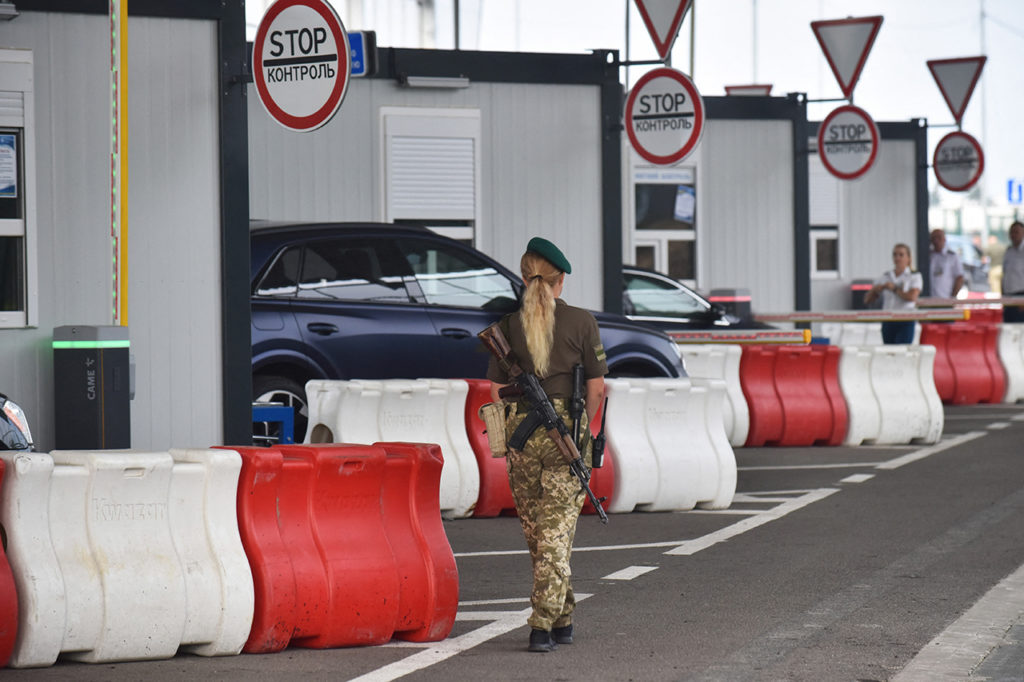
Over the past 10 years, the Russians have most often crossed the Ukrainian border in 2013. Then 10.8 million Russians entered Ukraine, however, after the annexation of Crimea, the beginning of hostilities in the Donbass, and then, thanks to the pandemic, the number of Russians coming to Ukraine, every year began to decrease . In 2020, only 400 thousand citizens of the Russian Federation arrived in Ukraine, a year later only 100 thousand more - covid restrictions affected.
Among the Russians coming to Ukraine were Ulyana Churakova ( the name changed) with Alexandra Ustinova (the name changed). With the outbreak of war, they lost the opportunity to come to Ukraine and joined the “Russians in Ukraine” chat, in which the participants discussed the issue of receiving Ukrainian visas.
In January-February 2023, the visa issue began to occupy so much space in the chat that the discussion of the topic was transferred to a separate channel- “Visas to Ukraine” . Then Churakova and Ustinov began to perform administrative functions in a new chat: to eliminate aggressively tuned users, streamline the messages of messages, collect documentary confirmations of visa failures, describe unsuccessful and successful cases for a visa in a separate channel in a format convenient for users and advise people about how and where it is best to apply for a Ukrainian visa.
At the end of December 2023, about one and a half thousand people consist of this community. Participants share the contacts of trusted translators with each other, help those who first prepare to apply for a visa, find slots in Ukrainian consulates of different countries and competently make an appeal in case of failure.
“Ukrainian officials say that they give visas to the Russians for humanitarian reasons and to reunite families, but in practice things are somewhat different. The participants of our chat, who want to reunite with husbands, children and parents in Ukraine, as well as those who want to enter Ukraine for a short while to say goodbye to dead relatives, are massively faced with refusals in connection with the lack of evidence of their purpose in Ukraine, ”says Churakova.
This base is listed in the eighth point in the list of reasons why they are refused to issue a visa in the relevant document. Churakova and Ustinov told the “cold” that over the past year and a half, 73 participants in the chat submitted documents for receiving a visa: 69 of them were refused and only four issued visas.
“Some members of our community, having received a refusal, are already entering the second and third circles of appeals, write letters to the presidential administration, the Foreign Ministry of Ukraine, consular services and apply for help to the SBU and to various Ombudsmen, but this, as a rule, does not bring any results . Others, seeing this, despair ever to get a visa and plan their lives away from loved ones, ”says Churakova.
They can be understood: the supply for a visa for Russians is as difficult as possible, and not everyone has enough time and money to travel abroad, Churakova notes. It is impossible to go to a visa from Russia, and in other countries, in addition to Georgia, Kazakhstan and Belarus, a local residence permit is required to serve (and such a function in these three countries has opened relatively recently. Only six months ago and there, Russians needed a local residence permit for Ukrainian visa ).
The mentioned answers from the departments are at the disposal of the "cold". It follows that the Ukrainian authorities relate to the requests of Russians very formally: in most answers, representatives of the civil service are described by the procedure according to which Russians can legally issue a Ukrainian visa, mention that in the process of agreeing for documents to citizens of the aggressor country, the service of Ukraine is involved, and declare their inability to intervene in this process. Employees of departments also note that the presence of a visa is not a guarantor of entry into the country - border services have the right not to let in the Russians suspicious, even if those with themselves have a visa.
The appealing person to the Commissioner for Human Rights of Ukraine was advised (the “cold” has copies of answers) to send an appeal letter to the head of the body responsible for considering the application for a visa and re -apply to the foreign diplomatic institution with a application for the execution of a visa. And they reminded that, according to the 55th article of the Constitution of Ukraine, anyone can go to court and appeal the action or inaction of state authorities.
The security service in two of the three -known “cold” cases informed the applicants that their address received a request for the execution of visas to specific Russians, they processed this request and recommended that foreign diplomatic institutions temporarily limit the registration of visas to these persons. To call the letters in the letters by which she gave such recommendations, the SBU did not.
Conflicting indications
All Russians who do not have a current permanent or temporary residence permit in the country need a visa for entering Ukraine. With the outbreak of war, the Russians living in Ukraine could not extend the temporary residence permit until in November 2022 the migration service of Ukraine resolved the acceptance and consideration of applications from citizens of the Russian Federation. When asked what to do with expired documents, in different offices of the migration service they answered differently. Some employees said that the documents actual before the reception of applications of citizens of the Russian Federation will not be considered expired before the resumption of admission, others ordered them to immediately leave the country.
Such conflicting advice from employees of Ukrainian state institutions was received by Russian Anna Nitsenko (the name changed) , who in August 2022 expired a temporary residence permit in the country. In the migration service in the urban-type village in the Kirovograd region, Anna said that because of the confusion in the rules, they would not extend her residence permit, and asked not to worry about the invalidity of her residence permit.
“You were not extended by residence not through your fault, but because in the country - martial law. This is taken into account, therefore, the document that you have will not be considered expired until the acceptance of applications of citizens of the Russian Federation resumes. And this is unlikely to happen before the end of the war, ”recalls the words of the employees of the migration service of Nitsenko.
In February 2023, she was summoned for an interview in the SBU: even before the war, Nitsenko went to receive permission to immigrate. Having studied her documents, the SBU employees sent her to the migration service. There she was explained that in November 2022 the Cabinet of Ministers of Ukraine adopted a new resolution regarding the consideration of the requests of Russian citizens on permission for immigration, registration and exchange of vices for the Migration Service of Ukraine. The resolution allowed the Russians whose workers and family temporary residence permits were expired from February 24 to November 9, exchange them for similar documents with good validity period during November 2023.
What is immigration permission?
Permission to immigration is a document issued by the Migration Service of Ukraine, to foreigners. It allows them to move to the country and get a permanent residence there.
According to the resolution , Russian citizens who arrived in Ukraine for work or with the aim of reuniting the family and who have expired from February 24 to November 9, 2022 (when this resolution entered into force) could apply to the migration service in the country's stay in the country over the next month.

Nitsenko did not know about this resolution and did not contact the migration service in time, believing that in her situation nothing had changed from the last visit. She explained this to employees of the migration service in March 2023. But they remained adamant - they wrote out a fine and ordered to leave Ukraine within a month. Along the way, assuring Anna that getting a visa to return to her as a wife and mother of Ukrainian citizens will not be difficult.
Nitsenko did not fight such a decision and obediently left the country. Due to the military regime, in many public places, verification of documents became more frequent, and she did not want to be convicted of violation of the law. In addition, she has expired for the validity of a passport, but she could not get a new one in Ukraine.
"I have to have the right to return home!"
Anna Nitsenko moved to her husband’s native village in June 2021. Before that, he and her husband lived in Moscow for 20 years, in 2008 and 2020 their children were born . Anna's husband refused to leave Ukrainian citizenship and dreamed of once moving to his homeland. Anna supported him in this desire - every summer she drove her children to her husband’s mother to the Kirovograd region and fell in love with this place. They were not allowed to move to the work of her husband, whom he really cherished.
Everything changed in 2020: Anna's husband lost his job because of the pandemic, and his mother died shortly after that. The couple of Nitsenko decided that they were not holding anything else in Moscow and decided not to return there after a relative’s funeral. In the following months, the children of Nitsenko received Ukrainian citizenship, and Anna - a temporary residence permit. In January 2022, she filed permission for immigration, and a little later her husband found a good job in Kyiv. On February 23, 2022, Anna, together with the children, came to Kyiv to her husband and brought a deposit for a rented apartment
“I was so happy that I found this apartment, next to my girlfriend’s house. While they were placing things, I imagined how we will go to visit each other. We spent only night in this apartment, and in the morning the war began. In a hurry, we threw things into the car that I so lovingly placed around the apartment on the eve, and stood in a continuous 10-hour traffic jam to my husband’s native village, while the sounds of the bombing were heard behind, ”says Anna.
Despite the fact that their village in the Krivodsk region was not bombed like larger cities of Ukraine, it was not easy for them: “Every day alarm sounded and my daughter spent several hours in the school basement, then they were transferred to distance learning. And in the fall and winter of 2022, we sat for several hours without heating and light in our house among the fields. We walked around the house in outerwear and burned candles, used flashlights. They helped people in even more deplorable states - they sheltered friends from Mariupol. ”
Despite this, Anna was not going to leave Ukraine and did not want to share children with her father (military liable for men is forbidden to leave the country) . In addition, she admitted that it was “a little strange” to go to Russia, from where rockets fly into her house. However, she had no other way out. Now she is with children in Moscow, lives with her mother, and tries in vain to get a Ukrainian visa, not hiding her indignation.
“I have a permit for immigration, my children and husband are citizens of Ukraine. Я должна иметь право вернуться домой! Я не хотела выезжать из Украины даже в условиях войны, но меня вынудили это сделать. Мой трехлетний сын несколько месяцев подряд, когда мама включала в московской квартире свет по вечерам, удивлялся, что дают свет. Мы переживали лишения войны наравне с другими украинцами, но из-за цвета моего паспорта не можем вернуться домой», — говорит она.
Преуспеть в получении визы Ниценко не помогает даже действующее разрешение на иммиграцию, которое она все-таки получила по итогам собеседования в СБУ. В украинское посольство в Минске, в которое она ездила подавать документы на визу, ей пришел отказ на основании восьмого пункта. Поданная дистанционно апелляция также успеха не принесла. Теперь Анна считает дистанционное обращение через Беларусь ошибкой — страна находится в недоброжелательных отношениях с Украиной. В следующий раз подавать документы на визу она поехала в Грузию и в настоящий момент ждет ответа украинских властей.
«Привыкли жить на расстоянии друг от друга»
В похожей ситуации оказалась и 29-летняя Вероника Мяус. Она переехала в Украину в 21 год, когда вышла замуж за украинца. Через два года брака она могла податься на украинское гражданство, но ей не удалось даже получить временный вид на жительство: ее муж — сирота и вовремя не приватизировал свою квартиру в военном городке, и ей негде было прописаться. В итоге Вероника поначалу каждые три месяца выезжала из страны и въезжала вновь, чтобы не нарушать миграционное право. Во время пандемии приняла решение проживать в Украине нелегально — опасалась, что из-за антиковидных мер они с мужем окажутся разлучены надолго.
Статус нелегала, по ее словам, никогда не доставлял ей проблем. «Но с началом войны полицейские стали внимательнее патрулировать улицы, спрашивать документы у прохожих. Меня останавливали дважды. В первый раз мне сделали устный выговор, во второй раз, в мае 2022 года, отвели в миграционную службу и выдали протокол, обязывающий меня покинуть Украину», — рассказывает Мяус.
Так Мяус и сделала — поехала к маме в Турцию и оформила там вид на жительство. Она планировала пробыть в Турции необходимые для «визарана» 90 дней и вернуться в Украину. По прибытию собиралась заняться оформлением документов, потому что наконец убедилась, что «жить без них — не вариант».
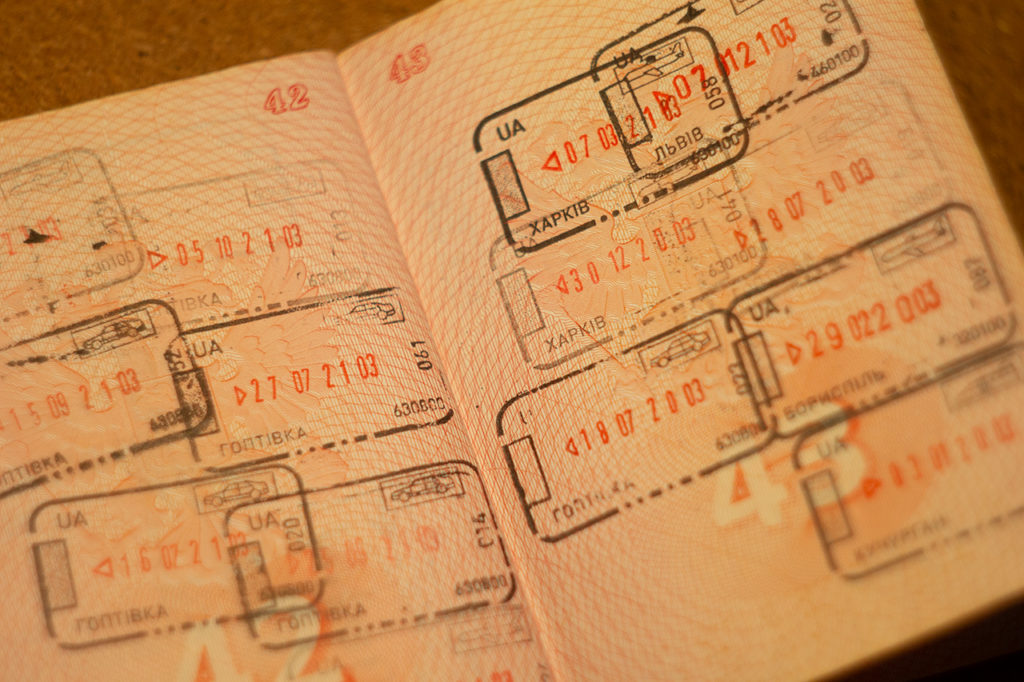
Ее планы разрушил введенный в отношении россиян визовый режим. Узнав о нововведении, Вероника стала собирать нужные для подачи на визу документы, в ноябре отправила их в украинское посольство и уже через месяц получила по почте свой паспорт с печатью об отказе в предоставлении визы внутри (фотография паспорта есть в распоряжении « Холода » ) .
Тогда Мяус обратилась к адвокату в Украине и с его помощью составила апелляцию. But this did not help either. Через месяц ей пришел отказ по апелляции. В документе (есть у « Холода »)отказ мотивирован невозможностью доказать цель ее приезда в Украину. К тому моменту у Мяус закончился вид на жительство в Турции, а продлевать ей его не стали. Как объясняет Вероника, после объявления мобилизации в России Турция стала чаще отказывать россиянам в оформлении туристических видов на жительство. Вероника поехала в Грузию, откуда снова подалась на визу, и снова получила отказ все по тому же восьмому пункту.
Муж Вероники в это время написал жалобу в МИД Украины, а также добился, чтобы ему позвонили из СБУ и провели с ним беседу о жене. В разговоре он рассказал сотруднику СБУ о Веронике, ее родственных связях в России и подтвердил, что никто из ее родственников не воюет на стороне агрессора, а Вероника не предоставляет опасности и только хочет вернуться в семью («Холод» не смог найти независимых подтверждений этого разговора) . Из ответа МИДа, однако, следует, что именно СБУ не одобрила заявку Вероники. В связи с чем консул отказал ей в оформлении визы ( копия документа есть в распоряжении редакции ).
Из-за перманентного стресса у мужа Вероники начались проблемы со здоровьем — обострился псориаз. «Раньше я всегда следила, чтобы он вовремя пользовался лечебными мазями, теперь он занимается этим самостоятельно и не очень-то справляется — например, пропускает прием антибиотиков. Таблетки эти дорогостоящие, а все деньги мы теперь тратим на аренду мне жилья в Грузии. Я переживаю, что, если так продолжится, болезнь мужа может войти в более острую фазу: перенестись на глаза и на костную систему, — рассказывает Мяус. — Вообще, поразительно, насколько мы привыкли жить на расстоянии друг от друга, каждый день созваниваться. Не верится, что все это однажды кончится и мы будем снова вместе. Пока мы от этого очень далеки».
«Счастлива быть дома»
20-летняя Арина Робак (имя изменено) — одна из немногих россиянок, которым удалось получить украинскую визу. Вместе с родителями она переехала в Киев, когда ей было два года. Родители не помогали ей с оформлением документов, потому что были заняты заботами о младших детях, а она по собственному признанию была в этом вопросе «абсолютным нулем». Она пропустила момент, когда ей пора было выписываться из вида на жительства своей матери и оформить свой собственный, и в 18 лет осталась без действующего вида на жительство в Украине. В 2021 году она несколько месяцев жила в Москве у родственников и планировала решить вопрос с документами, как только вернется домой.
Начало войны Робак застала в Москве — родители уговаривали ее не возвращаться, полагая, что в Москве будет безопаснее, чем в Киеве. Но Арина так скучала по родному городу и близким, что решила вернуться туда, несмотря на опасность. За неделю до введения визового режима между Украиной и Россией она въехала в Украину через Молдову. Арина говорит, что на границе все было как обычно, пограничники не удивились, что гражданка России едет в Украину. Только тщательнее досмотрели ее документы, сфотографировали сертификаты из украинских школ и провели с ней беседу, в ходе которой убедились, что она не угрожает национальной безопасности.
Однако подать документы на вид на жительство по прибытию в Киев ей не удалось. Миграционная служба не принимала заявки граждан страны-агрессора. Арина решила поступить в украинский ВУЗ, посчитав, что таким образом у нее будет больше шансов податься на ВНЖ. Однако ВУЗы не хотели принимать ее без действующего вида на жительство. Арина обращалась к адвокатам, но они только разводили руками.
В итоге осенью срок действия ее законного пребывания в Украине истек, а ее заявку на получение вида на жительство так и не приняли. Робак выехала из Украины, чтобы не нарушать миграционные законы, в Молдову. Там она планировала получить украинскую визу — единственное, как ей тогда казалось, доступное законное основание на пребывание в Украине. Ей также удалось добиться от ВУЗа, в который она больше всего хотела поступить, специального приглашения, в котором было написано, что они готовы взять ее в студентки, и ходатайствовали о выдаче ей визы.
Все оказалось сложнее: Робак пришлось найти работу в Молдове, чтобы получить местный ВНЖ — без него она не смогла бы податься на украинскую визу. На поиск работы и оформление ВНЖ у Робак ушло несколько месяцев, податься на украинскую визу она смогла только в марте, но уже через несколько недель получила отказ по восьмому пункту (подтверждающий это документ есть в распоряжении редакции) . Не помогла даже бумага из университета. Когда она в слезах пришла в консульство оформлять апелляцию, консул посоветовал ей не спешить и сначала обратиться к украинскому омбудсмену по образованию Сергею Горбачеву. Попробовать уговорить его выписать какую-либо позитивную индивидуальную характеристику, которая могла бы сойти за доказательство ее благонадежности и того, что ее ждут в Украине в образовательной среде.
«Я написала письмо омбудсмену, — рассказывает Робак — и мне на следующий же день пришел ответ из его офиса, что у него нет никаких полномочий повлиять на то, чтобы мне выдали визу. Мы отправили ответное письмо, в котором объяснили, что не хотим, чтобы он каким-либо образом влиял на решение о выдаче мне визы, просто просим его написать письмо о моих личных качествах, которое могло бы мне помочь. Объяснили, что это абсолютно приемлемо, ведь обратиться к нему мне посоветовал консул. Я выслала ему бумагу от университета, свои школьные сертификаты, удостоверение с результатами госэкзаменов, и после долгого молчания он прислал нам это письмо (есть в распоряжении «Холода») .
В мае Робак подала апелляцию и отправила письмо от омбудсмена по образованию в украинский МИД. 23 июня Арине позвонил консул и сообщил, что апелляцию приняли и ей в скором времени дадут визу. Робак уже пять месяцев живет в Киеве и учится на журналиста в университете, который помог ей в процессе получения визы. Арина признается, что «неприличным для человека, живущим в условиях войны, образом счастлива наконец быть дома».
«Мы просто хотим быть со своими любимыми»
Многие участницы чата «Визы в Украину» не спешат пробовать ее получить. Среди них и администратор чата Александра Устинова, которая до недавних пор работала школьной учительницей в России.
Она познакомилась со своим молодым человеком в 2020 году через онлайн-игру. В 2021 они впервые вместе слетали в Турцию и новый 2022 год решили встретить вместе в Украине. Устинова оформила все нужные для того документы и купила билеты. Но поездку пришлось отменить за пару дней до вылета Александры — ее молодой человек заболел. Тогда пара решила, что увидится весной уже на территории Устиновой, в России. Ее парень собирался приехать к ней и пробыть с ней до окончания учебного года. Уехать в Украину они планировали вместе — Устинова собиралась уволиться и переехать к своему молодому человеку.
The war began. Устинова собрала все нужные для подачи на визу документы, но обратиться с ними в украинское посольство за пределами России так и не решилась. Она уверена, что в предоставлении визы ей откажут.
«Я своему парню по документам — никто. А отказы получают даже женатые люди с детьми», — объясняет Александра. Разлука с парнем ей дается нелегко, а недавно она потеряла и работу, которая держала ее на плаву. Все потому, что Александра отказалась участвовать в патриотических линейках и проводить с детьми «Разговоры о важном», в рамках которых ей бы пришлось рассказывать о том, что в Украине живут нацисты.
В отличие от Устиновой другая участница чата Лилия Романенко говорит, что все же планирует съездить в Беларусь и подать документы на визу, но осознает, что ее шансы невелики. Онавышла замуж за украинца в январе 2022 года и вскоре после свадьбы улетела в Россию — оформлять документы и готовиться к окончательному переезду на родину мужа. Однако ее опередила война.
В марте 2023 года ее мужа мобилизовали, через несколько месяцев он двое суток не выходил на связь, а потом позвонил из больницы — так Романенко узнала, что он наступил на мину и ему оторвало ногу чуть ниже колена. Чтобы спасти оставшуюся часть ноги врачам пришлось провести шесть операций.
«Мне так больно от того, что я не могу быть с ним, поддержать морально и физически. Я так хочу надеяться, что кто-то обратит внимание на меня, на таких, как я, признает проблему того, что люди не могут быть вместе со своей семьей в такое ужасное время. Мы просто хотим быть со своими любимыми», — говорит Романенко.
Именно над этим сейчас и работают администраторы чата «Визы в Украину» Ульяна Чуракова и Александра Устинова. Они пишут обращения в благотворительные международным организации и рассказывают о себе разным российским и украинским знаменитостям в соцсетях. Разрабатывают собственный сайт и продвигают уже существующий аккаунт в инстаграме. Таким образом они пытаются привлечь общественное внимание к проблеме.
Власти Украины, в свою очередь, не комментирует сложности, с которыми сталкиваются россияне с украинскими родственниками в процессе оформления виз. Офис президента Украины и министерство иностранных дел оставили запросы «Холода» без ответа. Пресс-офис службы безопасности Украины сообщил «Холоду», что не может организовывать интервью с военнослужащими в условиях военного положения и, кроме того, постоянно отчитывается об основных результатах своей работы на официальных онлайн-ресурсах.
В офисе уполномоченного по правам человека Украины «Холоду» ответили, что данный институт не уполномочен предоставлять разрешение на въезд в Украину, описали процедуру получения визы гражданами РФ и сообщили, что с начала 2023 года к ним поступило 20 обращений по поводу возможных нарушений прав и свобод граждан России работниками иностранных дипломатических учреждений Украины при оформлении виз. 15 из этих обращений, по словам представителей офиса уполномоченного по правам человека, касались получения визы типа D-14, которая выдается иностранцам на основании брака с гражданами Украины.
Представители офиса уполномоченного по правам человека Украины также заявили, что в ходе рассмотрения этих жалоб ими было установлено, что во всех случаях согласовывать визы заявителям отказалась СБУ.
Также из офиса уполномоченного по правам человека Украины «Холоду» сообщили, что в период с 1 июля 2022 года по 28 августа 2023 года Украина выдала российским гражданам 11 виз типа D-14. Представители ведомства обратили внимание редакции на то, что разъединение семей происходило и происходит в первую очередь из-за агрессии России против Украины. В июле 2023 года представитель государственной пограничной службы Украины Андрей Демченко говорил , что за год работы визового режима визы получили более 50 россиян. Большинство из них женщины, дети и пожилые люди, следовавшие в Украину по гуманитарным причинам или с целью воссоединения семьи. А российские СМИ в конце октября писали , что Украина выдала 74 визы гражданам России.