
Translated material
World Elections year
About two billion voters will come to the sites, and the results of votes can largely determine the future of mankind

Photo: AP / TASS
The coming year with the full basis can be called the World year of the elections. The presidential will be held in three dozen countries, parliamentary in two dozen, and the European Union citizens will elect their common representative assembly. More than half of the population of the planet lives in the countries voting this year, and their geography is wide: from the USA to Taiwan, from Belarus to Indonesia, from Mexico to India, from Venezuela to the UK. It is estimated that about two billion people will vote remotely to polling stations or, where it is allowed by law. This has never happened in history, and for a long time such a coincidence has not been expected.
Not that this testified to the triumph of the democratic model of the state in the world. But, in any case, it speaks of the world recognition of the procedure born in democracies for the legitimation of power. To rule without elections in our time seems to be indecent.
In the record 2024, the entire gamut of the national characteristics of the election process will appear. From an exciting paraspens of an almost unpredictable result, such as, for example, in the USA, to the predetermination of the reassignment of a long -term winner, as in Bangladesh or in Russia.
From the fight on the verge of the foul of two political camps to the exception of any real opposition. At the exit in some cases - a cool change of course, in others - the preservation of the former. Many elections will lead to strengthening the power of authoritarian rulers, reward corrupt and incompetent elites.
If the results of the elections in Mongolia or Uruguay are only reflected in the inner life of countries and their relations with neighbors, then the American will affect global policy against the backdrop of conflicts dangerous for the whole world - from Ukraine to the Middle East. As well as for the future world order, including the role of the superpower of China in it. In addition, the change in the guard itself at once in many supervisory positions and a change in the composition of the deputy corps in parliamentary halls can affect important current processes. It will be a nervous and alarming year.
Europe: exam for democracy
The attention of political scientists focused, of course, on the upcoming US presidential elections in November, but elections in Europe are also interesting, where modern Western parliamentary democracy grew. They will pass (or recently passed) in many states of the old continent. And from June 6 to 9, elections to the European Parliament will also take place - the so -called European elections.
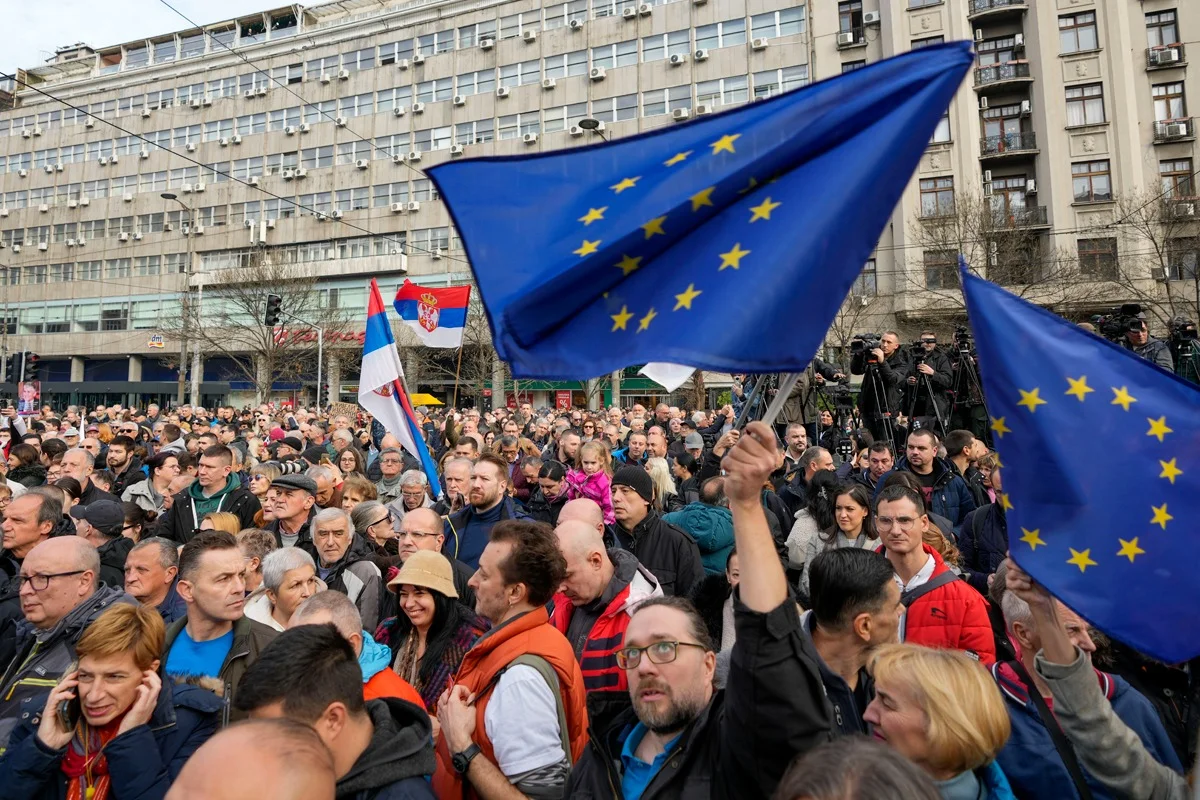
Elections to the European Parliament are interesting not so much in the sense of forming an representative assembly of the European Union and the impact on the composition of the union legislative and executive bodies. Eurorals show general trends. The results of voting in France and Poland, in Spain and Hungary, in Italy and Denmark can be multidirectional, painted with local problems and conflicts, but the total temperature of political moods is manifested in the parliamentary amphitherators of Strasbourg and Brussels.
In European democracies in the twentieth century there was a system of replacement in the power of the two strongest parties: mainly right and left. Capitalism in the performance of the right deepens the gap between the rich and the poor, tension in society is growing. And then, under the banner of social justice, the left come. The state through its programs redistributes benefits. Until the pace of economic growth begins to fall significantly, and corruption to grow. The electorate turns back to the right, and so in a circle.
But in the struggle for power, the right -wing people pay more and more attention to social justice, and the left - the requirements of economic growth. Changing each other's parties of the mainstream become similar to each other so much that sometimes their programs are difficult to distinguish.
In general, voters are no longer tied to parties as much as it was before. Due to the erosion of ideologies, stable detachments of the faithful followers of the parties are reduced, and the electorate “walks” from one to the other depending on the mood and circumstances. Voters can prefer the candidate, regardless of his party label, if he is generally demonstrated.
If you look at the results of the elections of recent years in the EU countries, then the prevailing shift to the right is obvious. Moreover, towards parties and movements of the extreme right, nationalist or conservative sense.
In France, the extreme right “national association” is gaining points with each election. In Germany, the extreme right -right party “Alternative for Germany” (ADG) enhances influence, especially in the eastern lands. The extreme right -right VOX party took third place in the Parliamentary elections in Spain in November 2019 (though it did not speak last year). In Hungary, she received confirmation in the elections and established itself as the phenomenon of European political life “electoral autocracy” Viktor Orban.
We also observe the weakening of the role of ruling parties in power for several decades. Regardless of whether they are right or left. Conversely, new party formations are created, which quickly grow by the electorate, bright political figures are advanced, which are rapidly “from nobody” turn into popular leaders.
An example is the same France. We can say that it began with it.
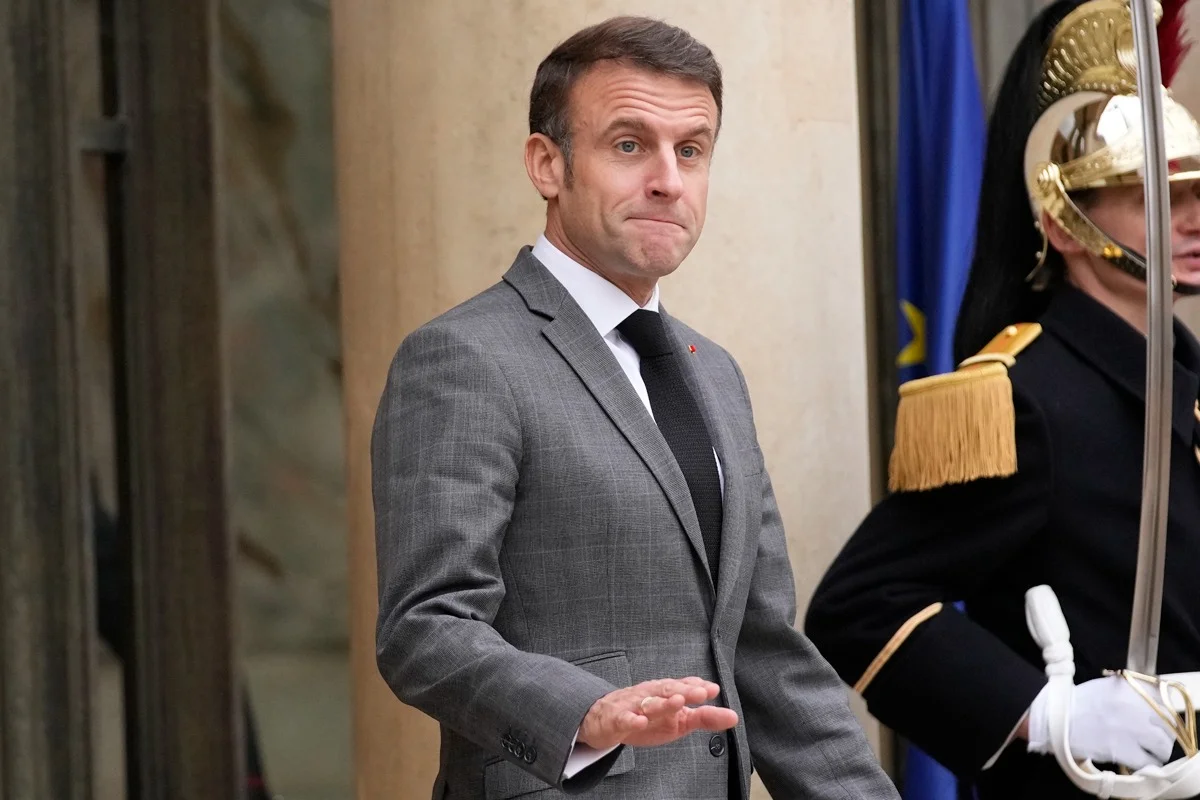
After fifty -nine years of alternate rule of the right (gallists) and left -wing (socialists) in 2017, the country entered the new political era. In the face of the occurrence of the ultra-right national association, Marine Le Pen, the French elected the president of 39-year-old Emmanuel Macron, who claimed that he was “right and left”, set himself outside the classical party scheme. The National Assembly elected candidates who ran with the common label of the Presidential Movement “Republic on the march”, later renamed the Renaissance. It immediately received the absolute majority in the lower house of parliament.
According to the results of the 2022 elections, the “old” parties of the gallists and socialists received 61 and 31 places in the Assembly, respectively. And this is 309 and 138 twenty years ago!
Even the rhetoric of the national association of France, which is traditionally considered ultra -right, but in recent years has become more moderate, may not be enough for the most radical xenophobic, nationalist sentiments. Demand for it is growing. Hence the phenomenon of Eric darmur. Having jumped out like a devil from a snuffbox, he at some stages of the 2022 presidential campaign was in the ratings of popularity in second place after Macron himself.
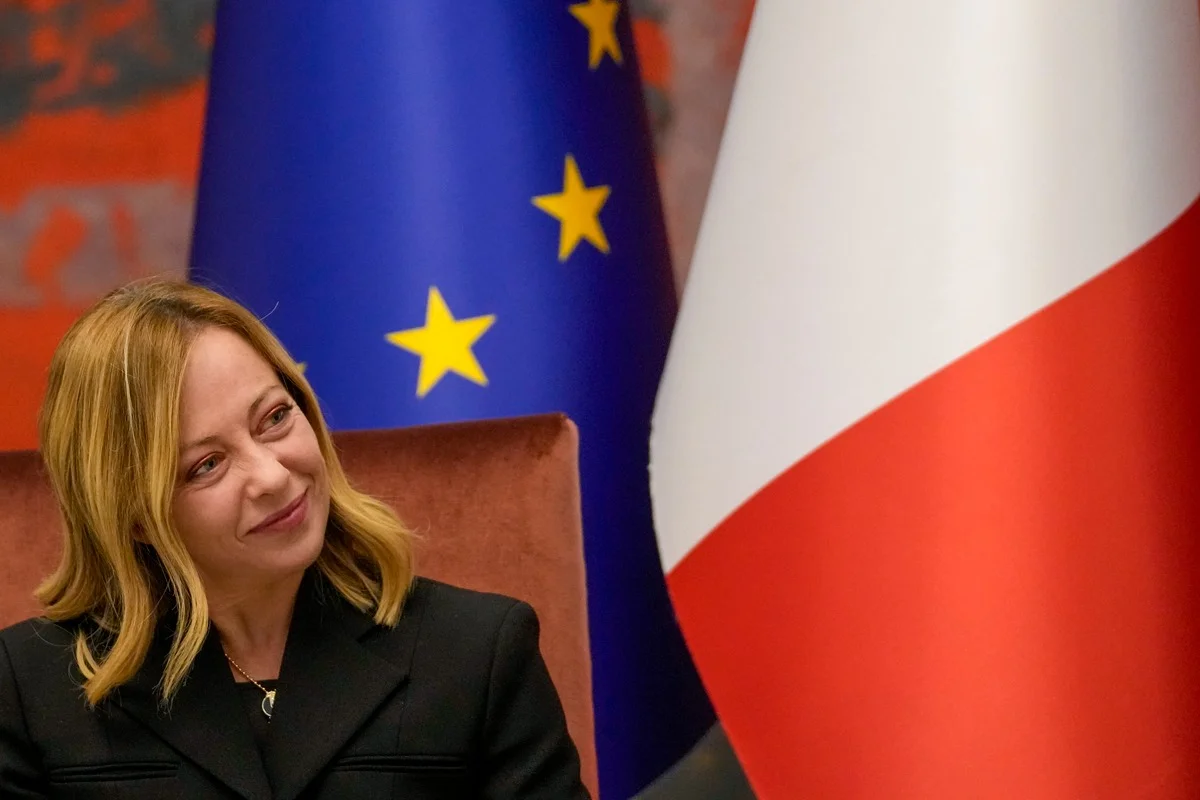
The Democratic Party of Italy, the levocentric and one of the mainstream, collected 33.2% of the vote in 2008, and in 2022 - 19.07%. Another party with a solid renom in the Italian power is the right “Forward, Italy!” - And she was completely pleased with the modest 8.13%, and her permanent and charismatic, but already worthy leader Silvio Berlusconi agreed to the role of the youngest partner in the coalition government of George Meloni from the ultra -right “Italian brothers”.
Although organizations such as the “brothers of Italy” Meloni and the “national association” Le Pen come from extreme right and fascist movements, it is not always true to perpetuate the extremist labels that have entrenched on them. They are capable of pragmatism, necessary for the sake of modernization and attractiveness. Three years ago, one could hear from the leaders of the “brothers Italy” calls to the country's exit from the eurozone or even from the EU. Then it was no longer heard.
The system of many years of replacement of two large parties has been preserved in Germany, but there are new trends to itself. The Social Democratic Party (SDPG) in the 2002 federal elections received an almost equal number of votes with the main opponent-the bloc of the Christian Democratic Union and the Christian Social Union (CDS/CSS): 38.5%each. But with its allies “green”, the coalition government made up, and then its leader Gerhard Schroeder became the chancellor. From 2005 to 2021, when the CDS/XSS leader Angela Merkel was the permanent chancellor, Germany rule the “Big Coalition” of both largest parties in the country (except for the 2009–2013 period).
In 2021, the SDPG again became the first, although only with 25.7% of the vote, and Social Democrat Olaf Scholz headed the government. It has two younger partners: liberals from the SVDP and the Green. And the CDU/CSS, who received 24.1%, moved to the opposition.
Kings and "Jokers"
In the complicated picture of the world, the voter is looking for political forces, which, in his opinion, are better represented by his interests. There are more and more parties, it is more and more difficult to gain a majority in parliament to form a government. They enter the coalition, sometimes unexpected, similar to the fable "swan, cancer and pike." It even happens that the old parties-giants, which, by their nature, acted as the main competitors in the struggle for power in the country, pushing the traditional rivalry into the background, are united among themselves into “large coalitions”. As it was in Germany between the CDU/CSS and SDPG.
Today in Europe the governments of most countries are coalition, and it is believed that the formation of a government needs a coalition of at least three parties. Such governments in nine EU member states: Ireland, Sweden, Luxembourg, Slovenia, the Czech Republic, Estonia, Latvia, Germany, Italy. But these can be four parties (Slovakia, the Netherlands) or even five (Finland), or more, as in Belgium with its "Coalition of seven." In the government of this small kingdom, liberals and nationalists, socialists, “green” and Christian democrats can get along.
In complex coalitions, there is a risk that in the time of the tests the difference in the nature of the parties will come out - and this will lead, if not to the collapse of the government, then to incredible difficulties in solving unforeseen problems.
After the elections of 2021, Germany was controlled by the coalition, for the first time in the history of the country, uniting three parties: Social Democrats, Liberals and "Green". Less than three months after the government entered the post, military operations began in Ukraine with all the catastrophic consequences for Europe and especially for Germany, connected by especially close economic bonds with Russia. We have seen and continue to see the difficulties of this tripartite coalition in making related decisions. The topic is large (...) in Europe, obviously, was not included in the coalition agreement, a software document that is always born in long discussions when compiling a coalition and determines the framework of politically possible for its members.
When creating coalitions, secondary or small parties acquire the most important role of the “Creators of the Kings”, “Jokers” and get the opportunity to wip out conditions that they could not even dream of.
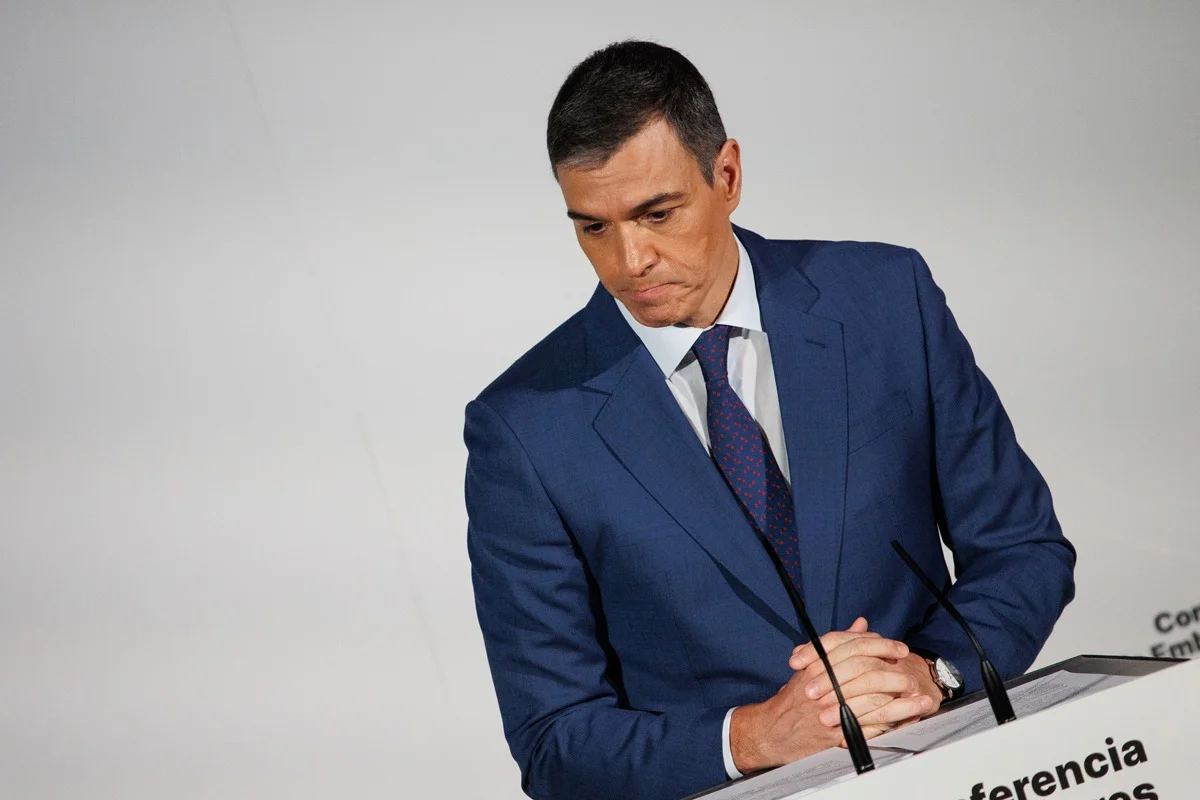
Last year, after early parliamentary elections in Spain, the Catalan separatists played this role, the agreement with which the leader of the Socialist Party Pedro Sanchez remained in power, although the people's party took the first place in the parliamentary elections. It was not even about the entry of the separatist movement “Together for Catalonia” to the coalition government, and that Junts deputies in the Spanish parliament would not block the investigation of the Sanchez’s office and voted for the vote of confidence in him. In exchange for consent, amnesty the activists of the separatist movement convicted by the Spanish court for the 2017 anti -constitutional referendum about the separation of the region and the followed riots.
The Netherlands shocked the triumph of the ultra -right of the nationalist party Hert Wilders. In the parliamentary elections on November 22, she came out in the first place, bypassing both traditional parties of the authorities. But the unexpected success of the Center Party “New Public Treaty”, created only three months before the elections, was surprised.
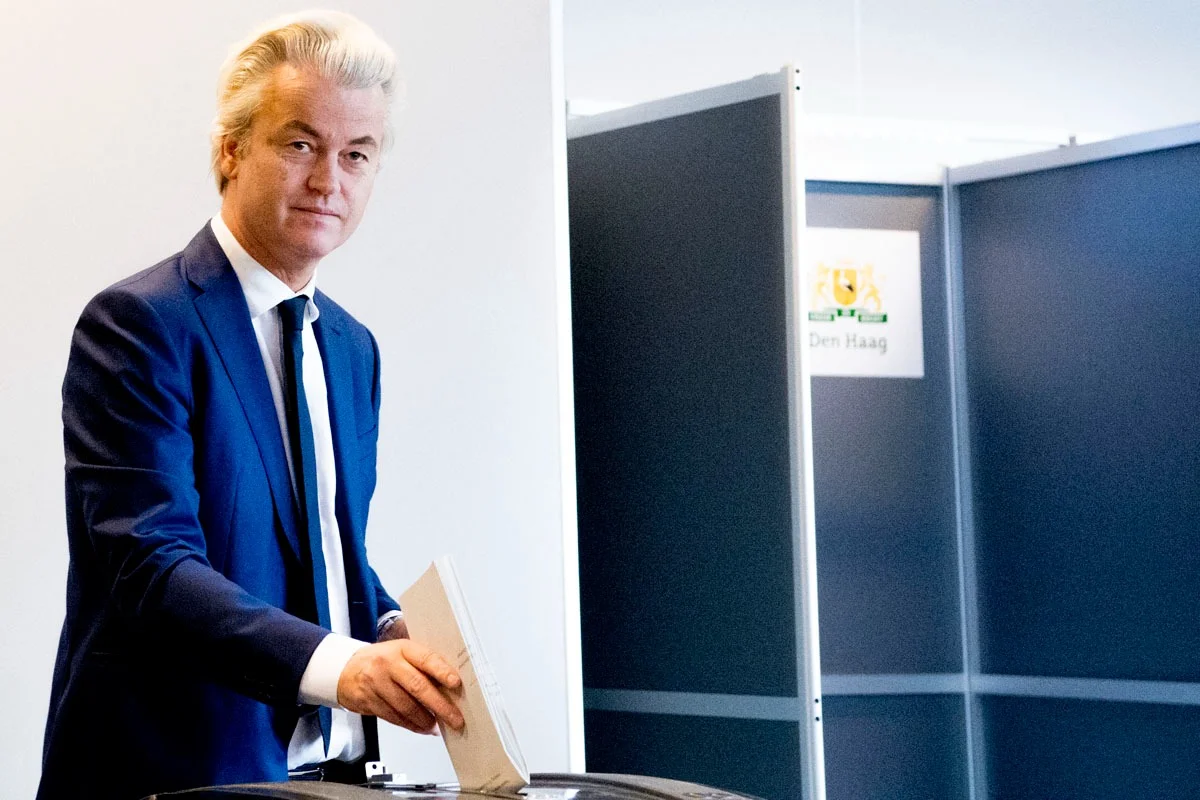
She immediately became the fourth, receiving 12.8% of the vote and 20 out of 150 seats in parliament. Her program cannot be called bright. On the most acute European and international problems, such as migration, the expansion of the EU and the help of Ukraine, it shunes extreme positions. Its founder Peter Omtsig is known that a few years ago, in a scandalous case about children's benefits, he defended his parents, falsely accused of fraud upon receipt of social assistance. Apparently, the voter voted for the party, who was frightened by the nationalist Wilders and who in ten years is tired of Prime Minister Mark Rutte and is not yet close to the bold ecological agenda of the Green Bloc and Socialists France Timmermans.
Places for the deputy "Against all"
The more political parties and social movements in the country, the more difficult their programs are intertwined, declared goals and ideological attitudes, the more difficult it is to navigate the voter. People have a feeling of impending in power.
The usual reaction is not to participate in the elections at all. The turnout for the 2019 European Parliament, for example, was on average in the EU just above 50%. The paper ballots recognized as invalid, which are empty, incorrectly filled, with a hat or funny faces, are also taken into account - in different countries for different procedural or statistical purposes (for example, to determine the passage threshold). But they do not add to the votes for the candidates.
If you did not appear at all or spoiled the ballot, it means that you have strengthened equally votes for all selected candidates. There will be no “noe” chairs in parliament. Even for a deputy named "against all."
In Belgium, which has the most complex federal system of state systems, parties differ not only in political color, but also in regional and linguistic principles. As a result of many months of negotiations, such unimaginable government coalitions are formed that the voter is lost between his voice and those who represent his interests in power. It was here that a revolutionary initiative was born to create a party of unexpected or “white” (Blanco).
Participation in the vote in Belgium is mandatory, and a fine is relied for failure to appear without a good reason. But therefore, there are many invalid ballots. The initiative group calculated that according to the results of the 2019 elections, if you put a failure to appear, invalid ballots and add votes for the party that have not overcome the five percent threshold, it turns out that almost 20% of voters are not represented in the legislative assembly.
Blanco wants to “give visibility” to citizens who do not find themselves in the proposed political situation, to express a clearly protest vote. It gathered 120 deputies and respected citizens who voluntarily pledged in the case of their election not to participate in the debate and refrain from all issues, and as soon as the existence of this group approves the parliament, to self -dissolve, leaving their seats empty. Then the candidate “against all” will take a place proportional to his electorate in the hall. The case is small: it remains to parliament with such an amendment to the Constitution.
Sharp changes have not yet been expected
Europe faced a situation with which, as she thought, she could never repeat again. On its borders - military operations, while since 1950 the European project has been built with a firm calculation of the world, and the words “never” were his motto. As a result of such a turn of events, the struggle for power and influence, which forces the EU, has returned to adapt its rules that have developed over decades, so as not to remain on the sidelines in global competition.
In these circumstances, European elections represent a political opportunity to confirm and strengthen the place and weight of Europe in the international arena. They will become a starting point for the almost complete update of European institutions with the appointment of the European Commission and the election of the new President of the European Council ...
Changes caused by crises and a change in the technological and ecological eras, a further course of globalization with its not only positive, but also negative consequences, are reflected in preparation for elections in the European Parliament. It is also affected by the loss of confidence of the voter to traditional ruling parties, throwing, the search for new spokesmen for public interests.
Now in Europe is not the best time for the left. The concern of the increase in the cost of life associated with the energy crisis, military operations in Ukraine, another wave of immigration in combination with hostility to the "elites" and the orientation of people to national identity - all this contributes to the strengthening of the right, including right -wing populism.
However, populism is not only the right, but also the left -wing, as evidenced by the victory in the parliamentary elections in the Slovakia of the party of Robert Fitzo.
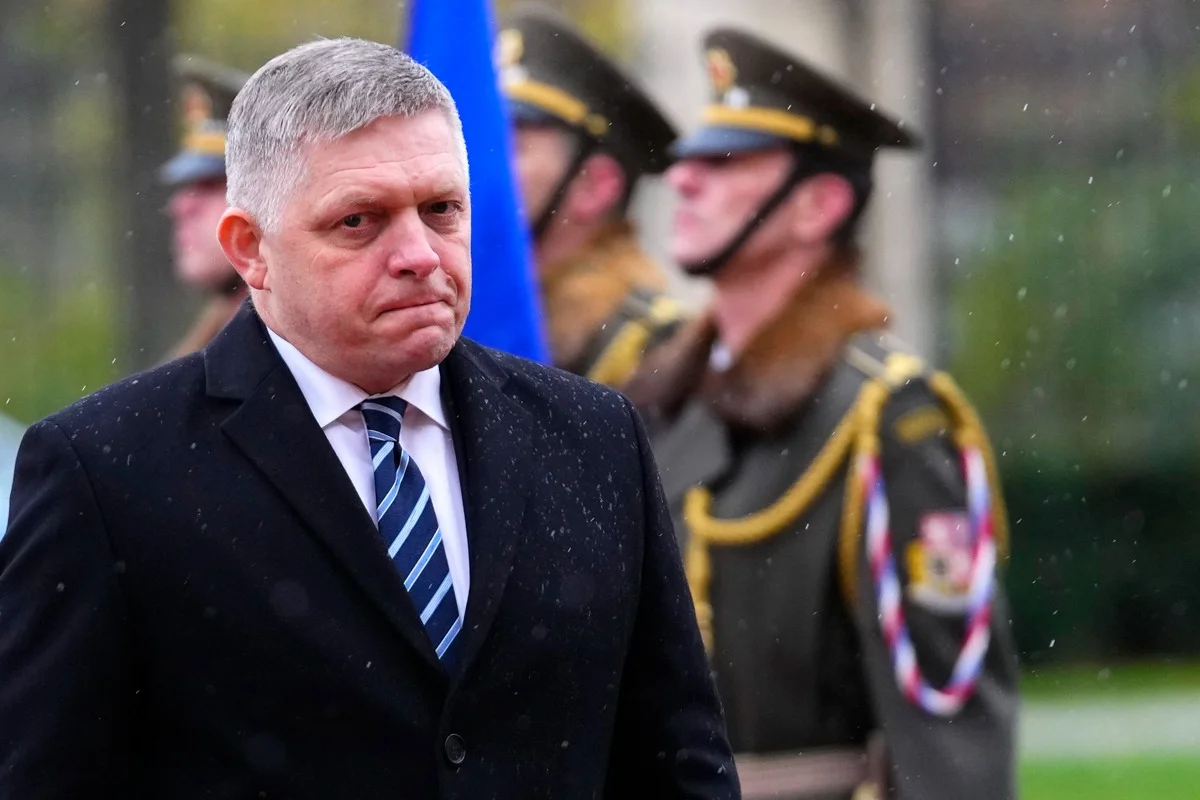
In some places the left is successful in their extreme manifestations: for example, the ranks of supporters of the Leval Party “rebellious France” are growing.
According to the results of the surveys, the shift to the right promises to be in the new composition of the European Parliament. But not as strong as it seemed at first glance.
It is expected that the extreme right -right faction of the European Parliament “Identity and Democracy” will increase its number, which includes nationalist parties that advocate for the weakening and even dismantling of the EU. В них немало и тех, кто симпатизирует Кремлю в конфликте с Украиной. Может вырасти и фракция умеренных евроскептиков «Европейские консерваторы и реформисты» (в которую входит долго правившая Польшей партия «Право и Справедливость»). Потеряют депутатские места либералы, «зеленые» и левые.
Но по-прежнему первое место удержат христианские демократы (Европейская народная партия, ЕНП, правый центр). На втором останется Европейский альянс социалистов и демократов, СД, левый центр). Это партии бессменного с 1950 годов мейнстрима. Есть все шансы сохранить свое традиционные третье место у либералов («Обновляя Европу»). У этой тройки есть абсолютное большинство, необходимое, в частности, для утверждения членов Европейской комиссии — главной исполнительной коллегии ЕС.
Хотя есть немалая вероятность того, что в июне 2024 года традиционный политический баланс в Европарламенте будет нарушен, откровенно евроскептическим партиям сложно будет выработать четкую линию поведения, и прежде всего — объединиться. Их традиционные позиции носят скорее идеологический, чем реальный характер, и, похоже, не соответствуют ожиданиям европейцев, что отражено в опросах общественного мнения.
Учитывая новые вызовы, с которыми Европа сталкивается в XXI веке, военные действия, идущие прямо у ее границ, угрозы ее ценностям и ее модели общества, люди явно хотят не слабого ЕС, а более сильного.
Несмотря на потрясения и смену эпох, «средняя температура» по Европе изменится на этот раз несильно.
Что не исключает конфликтов и противоречий. И француз Макрон, и венгр Орбан, и немец Шольц, и итальянка Мелони, и словак Фицо, и другие руководители стран находятся у власти, потому что у них за спиной избиратели. Которых они так или иначе убедили голосовать именно за них, а не за конкурентов. Независимо от того, нравятся они или нет другим партнерам по Евросоюзу и насколько их политика вписывается в курс его большинства.