
Translated material
Yesterday's hostages to Hitler
“Wolf Time” - a book about how Germany lived the legacy of the Nazis in the first decade after the war
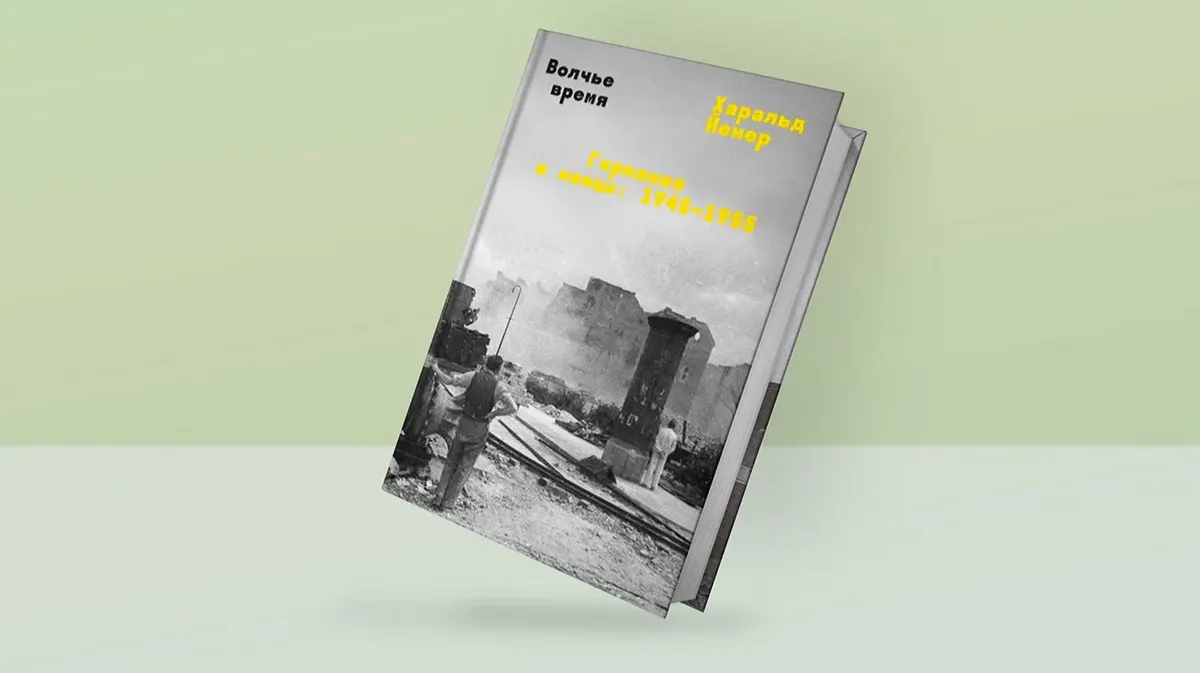
In December, Individuum published a study by the German journalist and writer Harald Jeneer “Wolf Time. Germany and Germans: 1945–1955 ". This book, of course, will attract the attention of the reader, who was not self -isolated from news tapes. We all continue to ask questions about the future after the war, and this is a good idea-to arouse the experience and strategies of those who once got out of the plate of totalitarianism and eventually managed to build a completely prosperous society. "Wolf Time" can help in this.
Firstly, Harald Yener took up an incredibly difficult task-to recreate the panorama of Germany in 1945-1955. His book is about everything at once. Here are the fate of the former prisoners of concentration camps, and the behavior of such different liberators (Soviet, American, French), and romantic relations, coupled with family problems, and the fate of the returning emigrants, and the methods of re -educating the “guilty” people, as well as poetry, dancing, art, design.
Secondly, Iener coped with this task perfectly. It turned out an incredibly exciting book. You quickly forget that you are dealing with a study that actually implies mental work, and glide on the pages behind the author’s flashlight, grabbing one or the other detail of the dark post-Hitler world.
The secret of this literary magic in the constant change of optics and a successfully caught rhythm of approximations and removal of the camera. From the general plan, the author jumps to a separate fate, event, impression, and then removes again. The outbreaks of dramatic and West in memory of the plots are not colorless, but quite impartial analysis. Yener is ready to condemn and justify compatriots without falling into extremes, but first of all he tries to understand them. This approach eventually leads him to not the most obvious conclusions.
"Wolf Time" is the name crazy. It implies that a person knows who is a person, indicates the principle of “everyone for himself” and the struggle of everyone against all. All this was really inherent in the post -war decade in Germany. But it was another, says Jener:
“Journalist Margret Bovers said that“ the sense of the severity of life was incredibly intensified due to the proximity of death ”... Some, avoiding death, plunge into apathy, others experience a violent, unprecedented joy of being. The usual way of life was destroyed, families were destroyed, old ties were lost, but fate re -mixed people like a deck of cards, and those who were young and were not afraid to live, perceived the post -war chaos as a kind of folk festivities, on which it was necessary to look for their happiness day after day. ”
At the beginning of the book, Jener writes about the poetics of the ruins. In Germany, there were enough creators who tried to conceptulate bombed cities and find a special charm in them, a metaphor for a radical renewal and a desire to start life from a clean sheet. From this it was as if the main question of the book grows up: Iener wants to understand why the Germans, who, after the war, carefully avoided talking about the Holocaust and considered themselves only the victims of the Fuhrer, still managed to build a society without a “mentality that made the Nazi regime possible.”
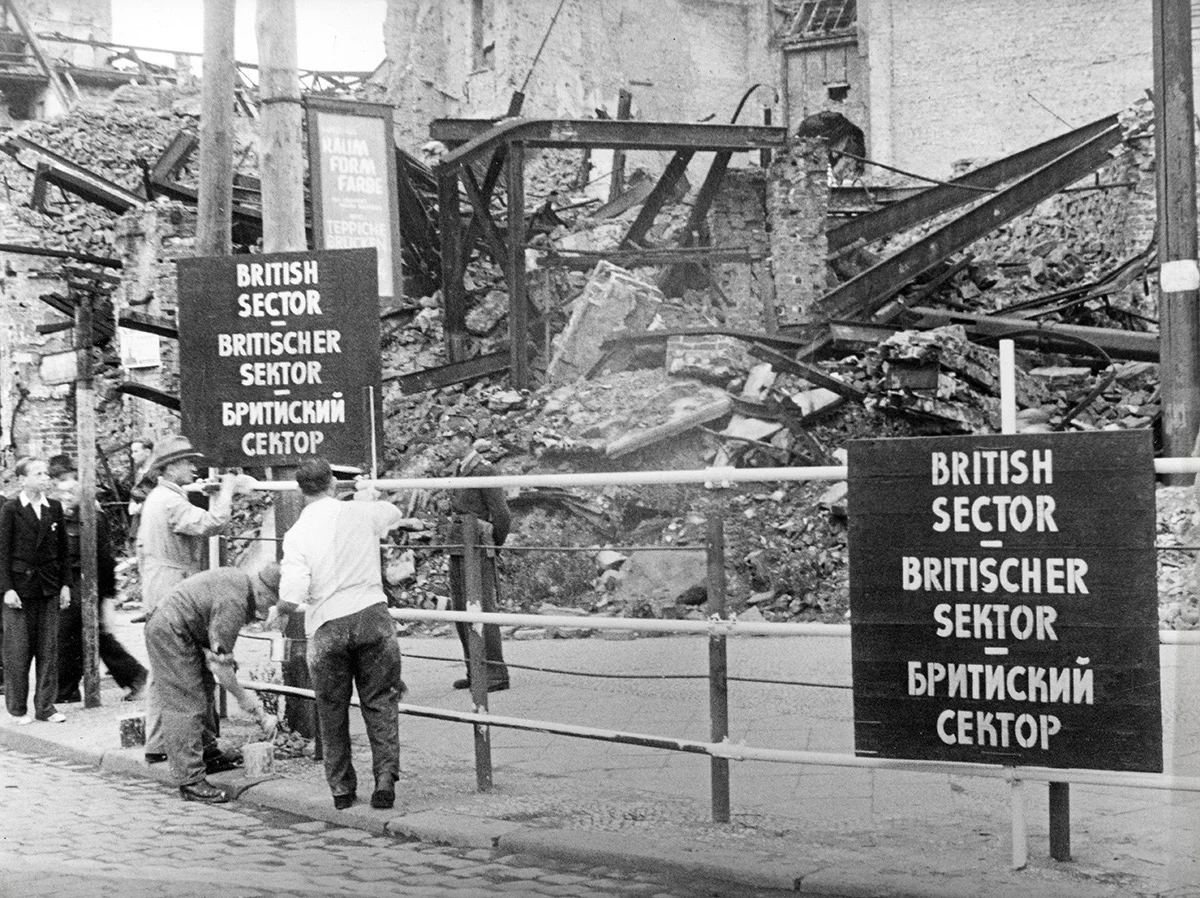
Having described the surrender of the Third Reich and the chaos followed by the suicides of officials, the confusion of police and looting until recently religious citizens, Yener proceeds to the plot about the liberated foreign prisoners of concentration camps. Some of them attacked villages and farms, robbed and killed the locals. And when they were arrested, "they expressed the conviction that they did not violate any laws, that the Germans are now outlawed and the same disenfranchised creatures that they themselves were under their rule."
Not ready for the temper and aggressiveness of the injured ex-pounded, the allies often began to behave with them almost like Nazi overseers-from social workers they turned into overseers.
He who came from the United States “Examiner” wrote in the report: “It seems that we treat Jews just like the Nazis treated them. The only difference is that we do not destroy them.
They are still kept in concentration camps, only now they are not guarded by SS men, but by our soldiers. ” Having examined many examples, Jener finds a very accurate formulation: “The logic of“ detachable ”, which reigned in the Nazi concentration camps, continued to act after the war - in the behavior of both the victims of Nazism and not ready for such a situation of confused winners.”
Yener also talks about those former prisoners who, by all possible (up to suicide) ways, have opposed their return to their homeland - mainly about Soviet prisoners of war who understood that new persecution could be expected at home. The plot of Jossel, who could not gain a foothold in Palestine and returned to the German camp, "forming his psyche" and "made unsuitable for life at large, looks no less acutely.
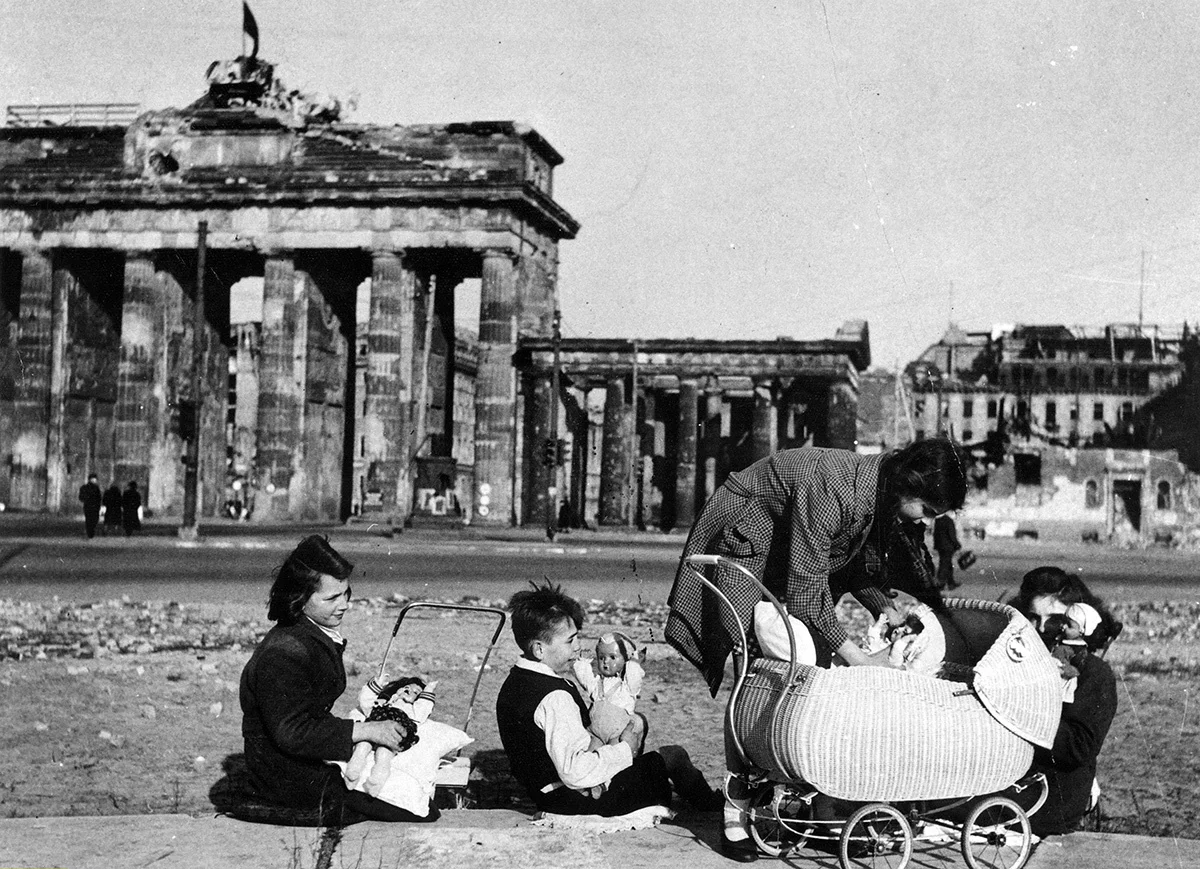
“Hour of zero” has long passed, Hitler committed suicide, the third Reich is no more, but the injuries and models of behavior that have developed under the influence of the Nazis, long -armed shadows hold people, continuing to determine their fate.
Racism also did not go anywhere - it was simply transformed into attempts to protect regional identity from numerous immigrants. The terminology was used appropriate. The journalist talks about Dr. Fishbacher, who explained that “the marriage of the Bavarian peasant young man in the Severnonyan blonde is a shame that can be equated with blood mixing,” and called for “sending the Prussians who came to Bavaria back to the east, and even better - right to Siberia”. There were citizens who considered it correct to resist modern art with concentration camps. There was an active struggle of conservative citizens with “sexual licentiousness” and “cultural intervention”, expressed in “Negro music” (jazz) and “opium for children” (comics), spreading in Germany in “Ads of Occentan girlfriends”. Here Jener again finds a successful formulation.
Former Nazis, who could no longer openly express their views, fought “compensatory wars” against the rejoicing changes of fellow citizens and even their own children.
The post -war German society consists entirely of schisms. Clear voltage between ex-Nazis and resistance participants. Regional conflicts between indigenous people and forced immigrants. The confrontation of citizens and peasants, who in the hungry years used the fact that the provision was in short supply, and enriched at the expense of compatriots. Growing economic stratification. Not without the conflict of the "left" and "remaining."
The writer Walter von Molen turned to the venerable colleague Thomas Mann with a very respectful open letter, inviting him to return to Germany. However, Mann answered with an article in which he refused to go to his homeland, criticized “internal emigrants” and stated, in particular, that all the books that published in the country after 1933 “should be destroyed” because they “smell of blood and meanness”. “Thomas Mann put them all in one bag-honest, and hypocrisy, and clicked provocateurs, and melancholic-and ruthlessly threw it into the garbage tank.” The text deeply touched the “remaining” authors, and soon Frank Tiss already stated that it was more honest to go into the internal emigration than to look at the German tragedy from the box or a stall of emigration. ” The cult writer Alfred Dyblin returned to Germany with a “re -nuclear mission”, but was actually rejected by the Germans. They were pushed away by his French military uniform, in which he performed in Berlin.
But “it is unlikely that any of the listeners knew that in the same French form the 25-year-old son of Dyublin committed suicide” so as not to be captured by compatriots.
The difficulties that the families faced are equally indicative. Men who are accustomed to the patriarchal model of relations, upon returning from the front or from captivity, were not in the best shape to lead the household again. But at the same time, they did not expect to share power. Their wives, in turn, have been accustomed to freedom and independence over the years of loneliness and did not want to lose them. The long -awaited meetings of strong women with broken "heads of families" turned into conflicts. Men were perceived (and women's magazines willingly exploited this image) as the main perpetrators of the war, who pushed families and the country to the facet of survival. Husbands belittled the merits of women, criticized them for "missed" children, and sometimes even reproached their wives for being raped by foreign soldiers. The latter for many years became an enveloped wound for German society.
This society turned out to be a set of people who have suffered traumatic, but very different experiments. How to convey and clarify your own so that it is perceived and you feel at least a hint of understanding? How to empathize with someone else's, unfamiliar pain when you barely cope with your own?
The problem of the correlation of denacing and democratization is most concerned. In his thought, the vast majority of the Germans with all their might tried to escape from collective guilt, the recognition of which was expected by the allies and radical opponents of the Nazi regime. To lose her cargo, they willingly admitted themselves to the victims of either the dictator himself or a certain natural evil, who took the appearance of the Fuhrer and stupefied the country. The official position of the USSR reinforced such an interpretation, according to which the German working class was hostage from Hitler’s “terrorist dictatorship” and was only guilty that it was weakly resisted. Thus, the advice "in the very first days gave the Germans the opportunity to enter the path of reconciliation."
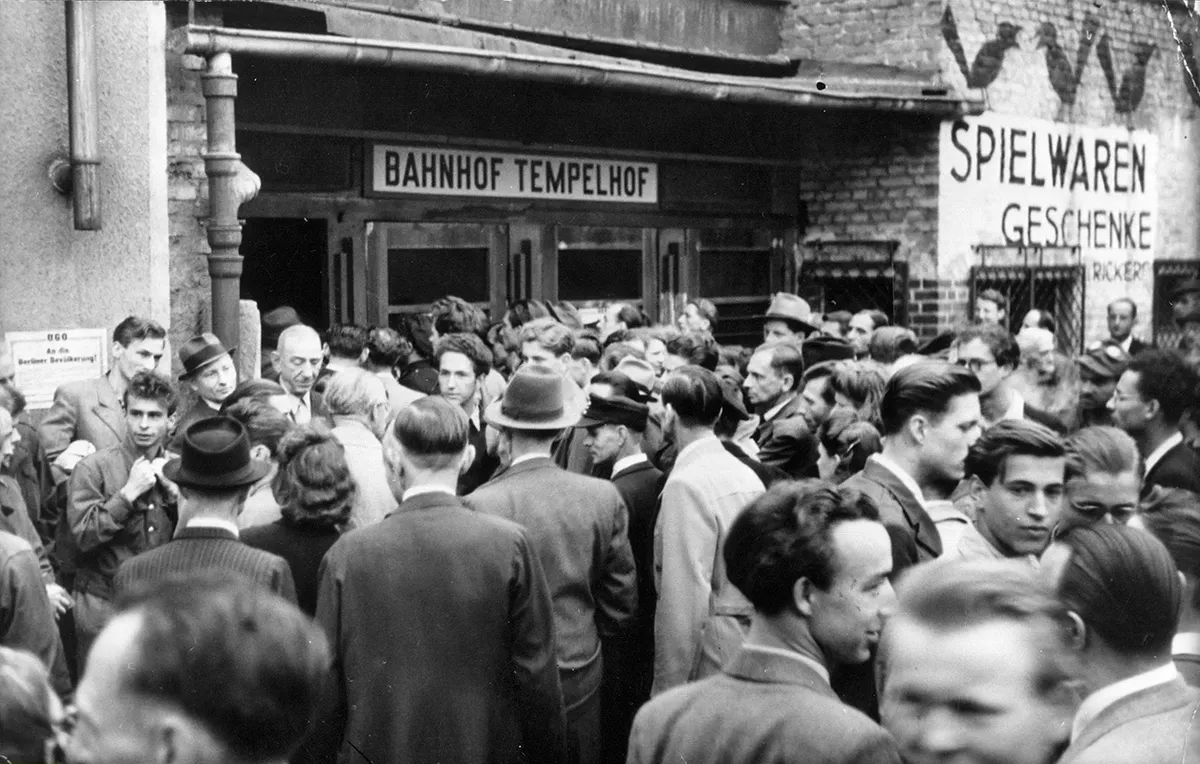
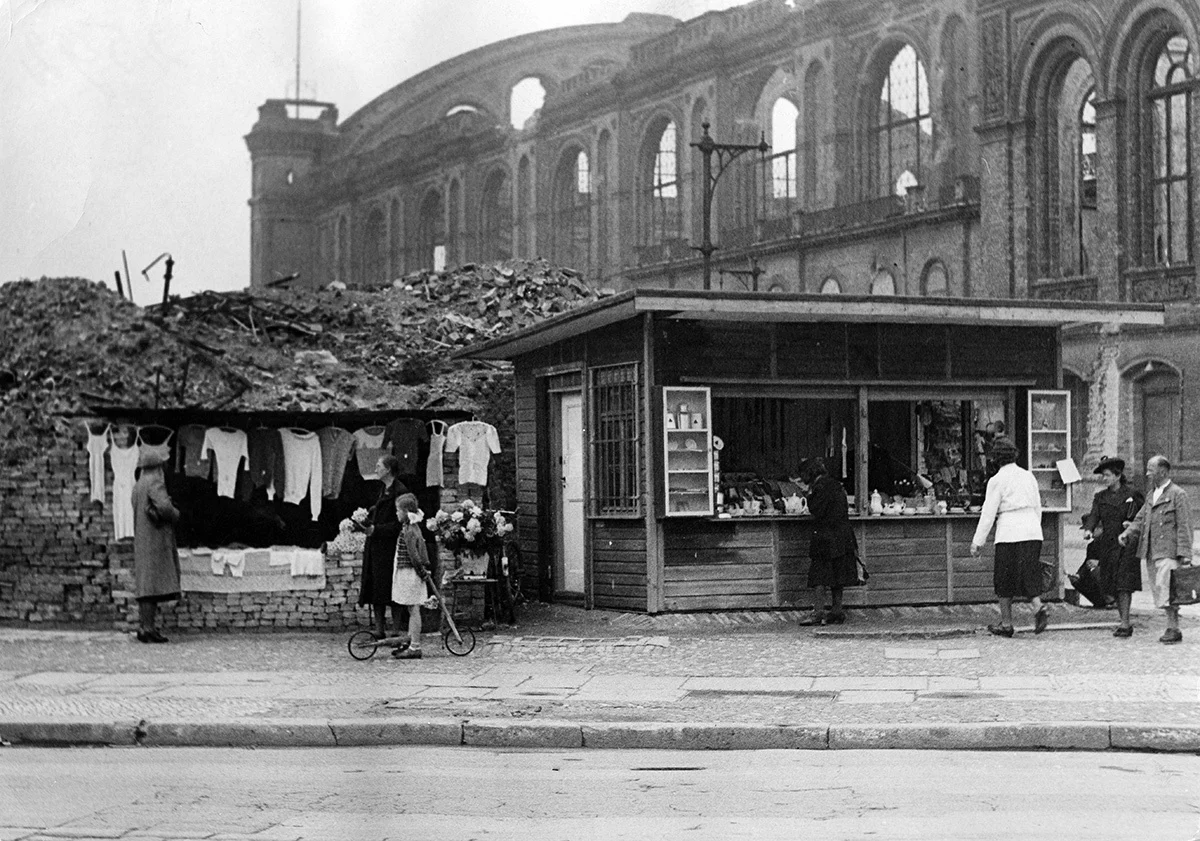
While Europe was mourned, Germany quickly rejected the past and indulged in “feverish, almost manic businessiness”, building everything from scratch. The self -defense of “crowding out”, according to Jeneer, was “blasphemous,” but, paradoxically, it was she who turned out to be an important factor in Germany’s movement towards democracy. “With the conviction that he was deceived and used, in every Nazis, it seemed, the last ideological spark immediately went out, and he could go to the service of democracy with internal impartiality.”
The Nazi regime and ideology were unconditionally condemned, obvious criminals were punished, but everyone else got the opportunity to enter a new life regardless of the past. “For the spirit of time, it did not matter where someone came from; It was important where he wanted to go ”-this approach was symbolically approved by the fierce opponent of National Socialism, who became the federal chancellor Conrad Adenauer, who appointed the head of the administration of the former Nazi Gans Globe ( Globe was not a member of the NSDAP, but is considered one of the organizers and designers of the Holocaust.- Ed. ). After the war, the allies expected the revenge of the Nazis from the opponents of the regime.
However, this did not happen. “Before the Bartholomew’s night managed to come, yesterday’s bloodsucker turned into today's comrade in misfortune. In a colleague in the fight against a common misfortune. "
It seems that with readiness for reconciliation-the very intention to reconcile someday in the future-we will have to start today. For this, there is a good reason: an understanding that a healthy country can grow only on a solid ground without faults, with healing wounds. From here, with the position “in one boat”, a change in rhetoric begins. The transition from the military language, with "associates", "opponents", propaganda stamps and a thirst for (fair) vengeance, to a constructive conversation "on peaceful". Then there is a hope for empathy, mutual understanding and solidarity, finally, on a society without a resentment, which the humiliation of the “guilty” risks turning around.