
Translated material
"Wiretap." Repressive service
So they perceive the innovation about the audio recordings of medical techniques 92% of the capital's doctors
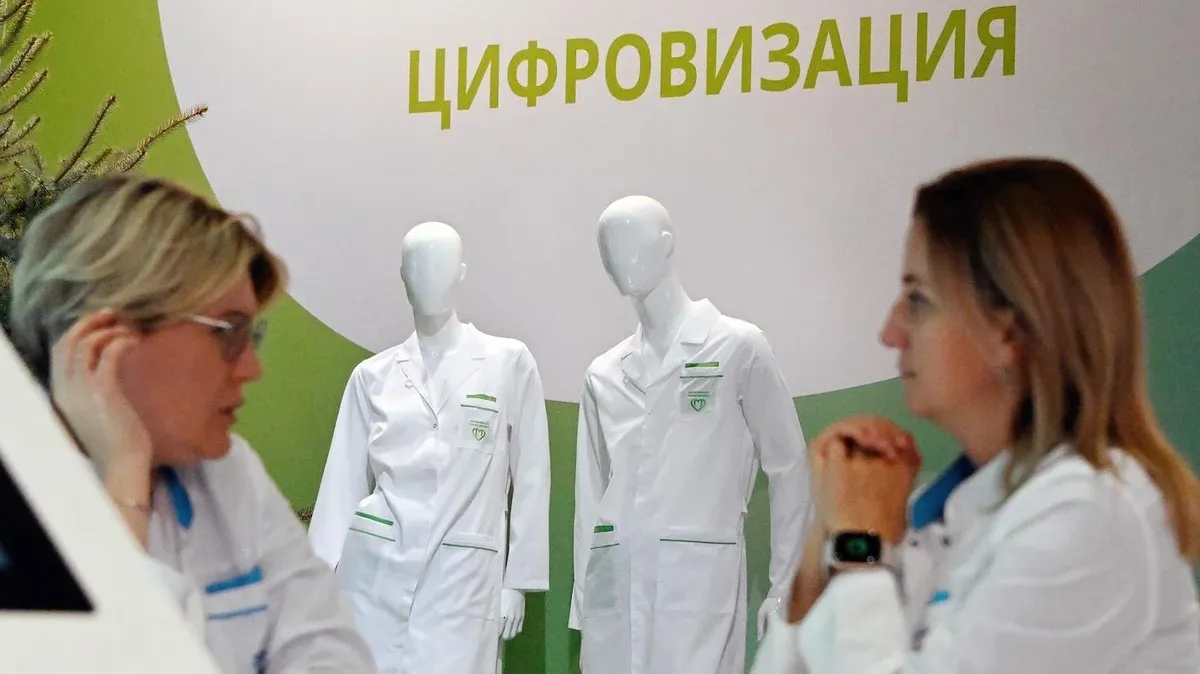
Photo: Anatoly Zhdanov / Kommersant
The order of the Moscow Department of Office on the audio control of outpatient techniques in city clinics, issued at the end of last year, has already become the most scandalous and resonant innovation in recent years in the medical industry.
Both doctors and patients are dissatisfied with the "wiretap". Although, at first glance, this innovation should allegedly reduce the possibility of mutual unreasonable claims.
And what, tell me, so terrible if, according to the new regulations, the doctor is ordered to politely greet the patient and say goodbye to him, not “demonstrate superiority, aggression, threat, irritation”, avoid phrases: “young man”, “woman”, “your problem”, “do not depend on us”, “you confuse something”, “sit down”, “get up”, “go already”, “all,” "Stop", "Enough", "Do not hurt." The regulation prohibits commenting on previous purposes and communicate with the patient using professional terminology, which he simply does not understand.
In the DZM, despite the negative reaction, they are not going to refuse the innovation. The argument is quite working: this form of monitoring will help to control the quality of techniques, and at the same time will protect doctors from unreasonable attacks of patients. The audio recording in the offices of doctors began to be tested even before the publication of order No. 1241 of December 23, 2023, testing the technology in two metropolitan clinics. And formally it began on December 28, 2023 in all clinics in Moscow.
But a few weeks later, the conflict around the "wiretap" is more and more flared up. On the website Change.org there was a petition demanding to cancel order No. 1241.
“According to the World Health Organization, the confidentiality of information is a key element of the ethics of the medical profession. Violation of this principle may undermine patients' trust in the healthcare system. We demand to cancel this order and establish strict standards for the protection of personal data of patients. ”
By January 22, more than five thousand people signed the petition. The independent trade union of the “action” also criticized the order, which resumes medical secret as a fundamental ethical norm. The co -chairman of the organization Andrei Konoval noted that there are problems with information in Russia in Russia, and the patient will be listened to without his consent, respectively, the normative act is not well developed. “The doctor must have a certain freedom, and the strict formalization of his actions will lead to the fact that doctors, in fact, will act according to the principle of the“ Italian strike ”, that is, to treat formally, strictly according to the protocol. We also do not exclude that the employer will be able to use these records for pressure on objectionable employees, ”Konoval said.
Doctors of the Moscow clinics, who, on the basis of anonymity, answered the questions of the Vademecum portal, also fears that the new system can become a lever of pressure on them from the leadership, and any departure from the new communication protocol with the patient is the reason to reduce stimulating payments. Although, on the other hand, it is the audio recording that will help doctors defend their innocence in conflict situations.
The arguments of the depots are as if they should remove all tense issues.
According to officials, medical secret is not violated: the data is collected in a depersonalized form, are reliably protected and stored on the server for no more than one month “for the possibility of operational assessment”.
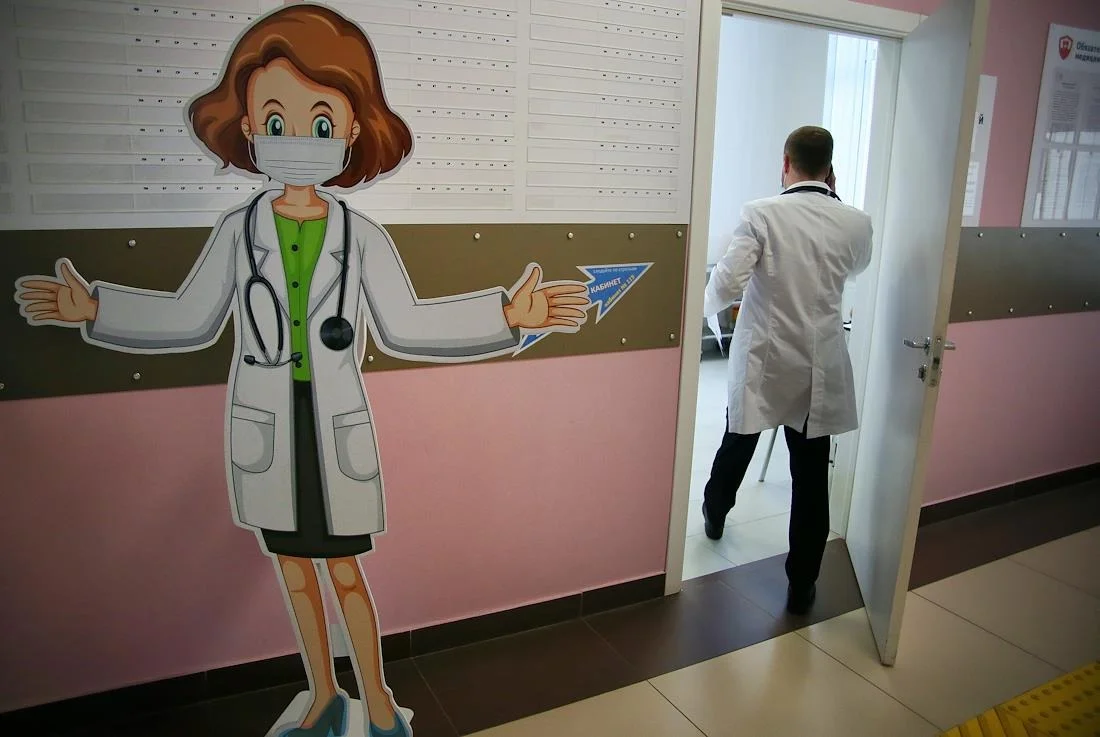
Control, according to Depzdrav, was introduced at the request of the chief doctors - visitors often behave nervously and provoke conflicts.
“As a rule,” the DZM report says, “both are right. To increase the trust between doctors and patients, we need a new culture of communication. ”
The good intention to “increase the culture of communication” caused the expected tension - any tightening of control in Russian realities causes reflex rejection.
First of all, because control, as a rule, is followed by repressions. Doctors are not in vain fearing that an awkward phrase or informal intonation familiar in communicating with a familiar patient can literally cost an expensive one. The protest against the innovation can be considered almost unanimous - 92% of the experts surveyed do not support the initiative to record and control the content of the conversations of doctors with patients. Of these, two-thirds (75.7%) regard this as a “mockery of personnel and patients”, showed the study of the opinion of the Internet audience of doctors conducted by MV and the analytical company RNC Pharma.
And there are more and more questions in the medical environment: in which rooms of the clinic will the video cameras be installed, will patients be notified of the recording and what if the patient flatly refuses to communicate with the doctor for recording?
Today, several deputies and public organizations sent requests to the Prosecutor General and the Moscow prosecutor with a request to verify the order for compliance with the norms of federal legislation. According to lawyers, the document contradicts criminal law norms aimed at protecting personal data, medical secrets and personal life. With a high degree of probability, it will be canceled, since since 2019, the samples of the voice have been attributed to personal biometric data.