
Translated material
Plaintively and sad
More than 2.5 million signatures for Putin were collected with the help of admin resources and state employees who reported this on social networks. We tell where they were looking for supporters of the president
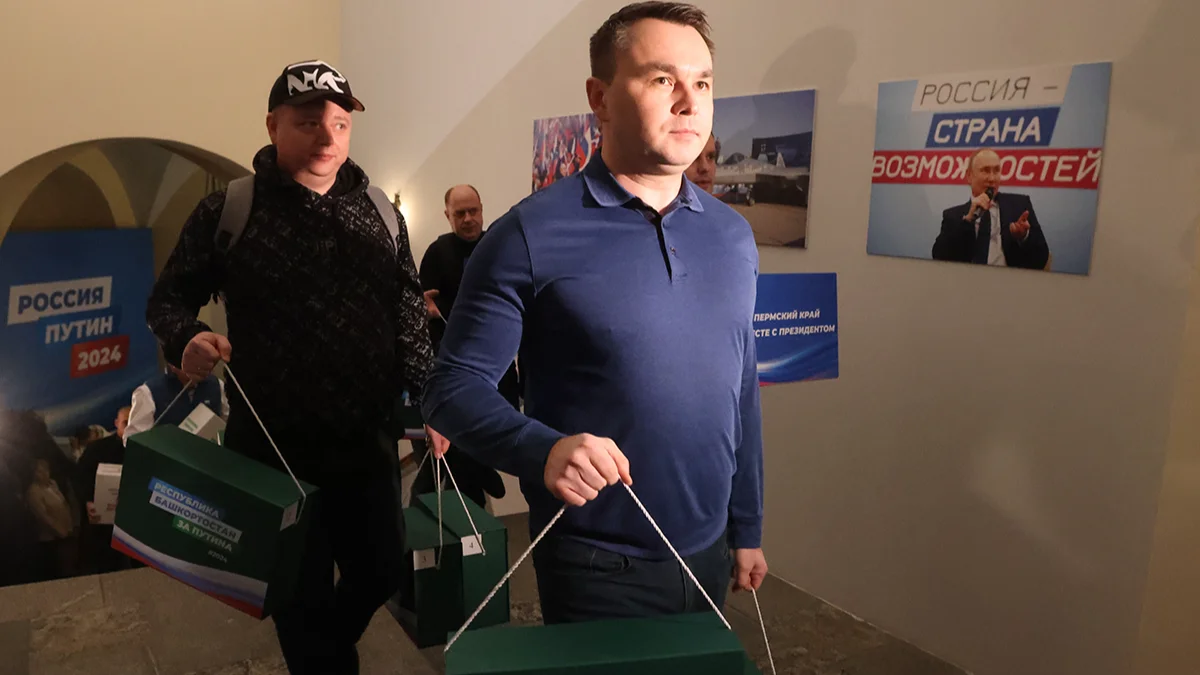
Volunteers of the headquarters of the presidential campaign Vladimir Putin carry boxes with papers delivered from the regions, on January 8, 2024 in Moscow. Photo: Contributor / Getty images
The headquarters of Vladimir Putin announced the receipt of 2.5 million signatures for nominations for elections, although there were no queues to the points of his supporters, and after a photo with empty cubes appeared on social networks, the collection actively continued at enterprises and universities. How did the presidential signature campaign, which is collected for the fifth term, and is it believable, are the data voiced? I sorted out the New European Europe.
Putin's election headquarters on January 22 reported that he brought signatures to the Central Election Commission, necessary for registration for the next presidential election for him. He goes to a self -nominated man, and according to the law, he needs to get 300 thousand. “This is not difficult to drive 3% of the fact that they drive to the PECs on the voting day,” Roman Vodut evaluated the electoral expert, the former co -chairman of the Voot Voot movement.
Putin could be provided to the CEC of no more than 315 thousand signatures, but his headquarters announced repeatedly overfulfilling the plan and collecting more than 2.5 million signatures “In all 89 regions” ( this list, apparently, includes the occupied territories of Ukraine. - Ed. ). This is more than in 2018: then Putin’s supporters collected more than 1.6 million signatures for him in 85 constituent entities of the Russian Federation (including the annexed Crimea). In addition, it is worth taking into account that an independent verification (if any) signatures from Crimea, “DPR”, “LPR”, Zaporizhzhya and Kherson regions would be even more difficult than from international subjects of the Russian Federation.
Already in the early days of the campaign, dozens of messages from different regions about abuse of the administrative resource came to the “Voting Map”. Many of those who came to give signatures for Putin’s nomination are officials, state employees and pro -government social activists, noted the “agency”. According to the law “On the Elections of the President of the Russian Federation”, the participation of state authorities, administrative coercion and collection of signatures in workplaces are directly prohibited.
Novyevropa also spoke of numerous violations identified during the presidential signature campaign. In particular, budgetary, state organizations and officials - governors of the Krasnoyarsk Territory, Bryansk, Belgorod, Tomsk, Samara, Ryazan regions, mayors of Moscow, Pskov, Achinsk and Kaliningrad reported on Putin's support and the places of collection of signatures.
In particular, the signs of an administratively organized collection of signatures for Putin could be found in Yakutia - there, as the local media wrote , the troupe of the Olonkho National Theater, in full force, gave its signatures for the president. The telegram channel “We can explain” said that Putin was forced to subscribe to Putin in St. Petersburg “Rosseti Lenenergo”, as well as budgetary institutions of Kemerovo, St. Petersburg, theaters and clinics. The North Arctic Federal University and Syktyvkar Forestry Technical University distinguished illegal agitation. In addition, the seven employees of the FSBU station of the Tarskaya agrochemical service in the Omsk region, according to the report of the budget institution, supported Putin’s nomination to the president. The co -chair of the Voting Stanislav Andreichuk claimed that in the Omsk region they drove the state employees to the district administrations so that they would leave signatures for Putin’s nomination for the fifth term.
In addition, the actors of the Irkutsk Drama Theater named after Okhlopkov, artists of the Irkutsk City Theater of People’s Drama, actors of the Transbaikal Patterns theater and employees of the Pharmasints Theater in the Irkutsk region were massively signed - for the latter they launched a separate mobile collection point. Employees of the career guidance and employment department of the Bryansk branch of the Presidential Academy, a team of GKU of the Bryansk Region “Sevskoye Forestry” reported on Putin's support. Moreover, as the Novyevropa noted, reports on pages in social networks among university workers and enterprises are identical with one hashtag- #Za president. A separate hashtag is among the employees of the “Young Guard” who also write identical posts according to the same template.
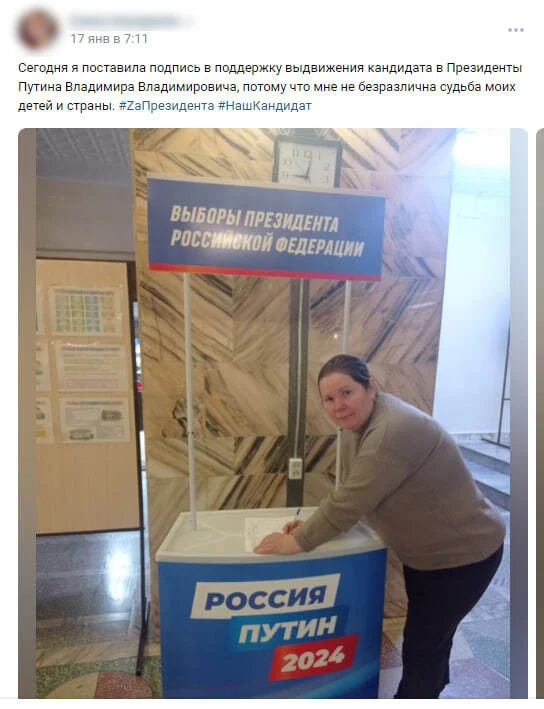
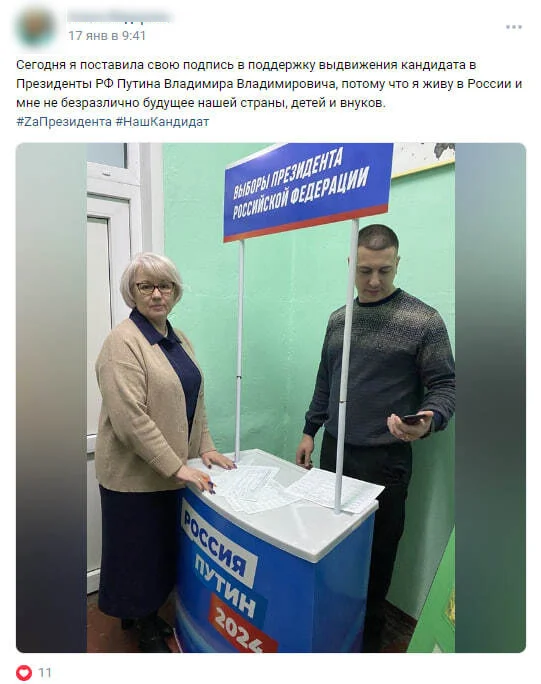
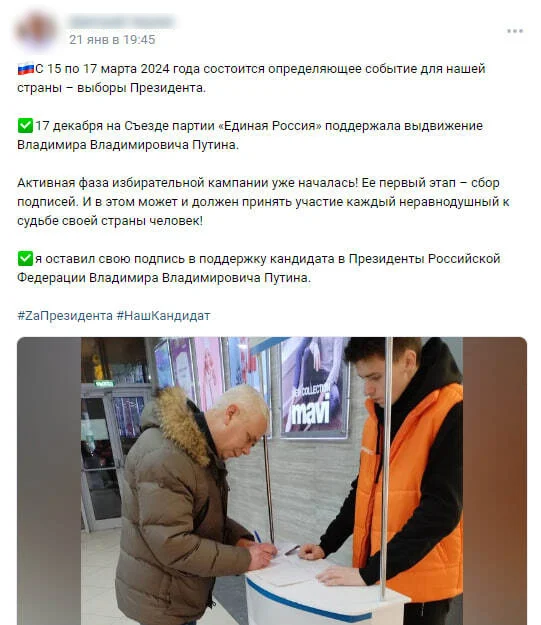
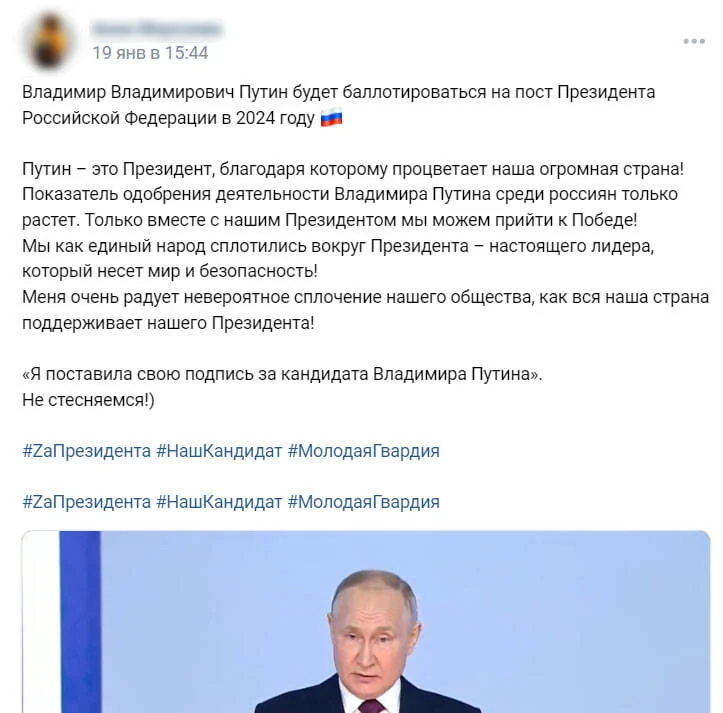
At the same time, several users of VKontakte, who published such posts, told Novy-Europe that they were signed in a public place and that they really support Vladimir Putin.
Deputy Yevgeny Stupin noted that the collection points for Putin are empty.
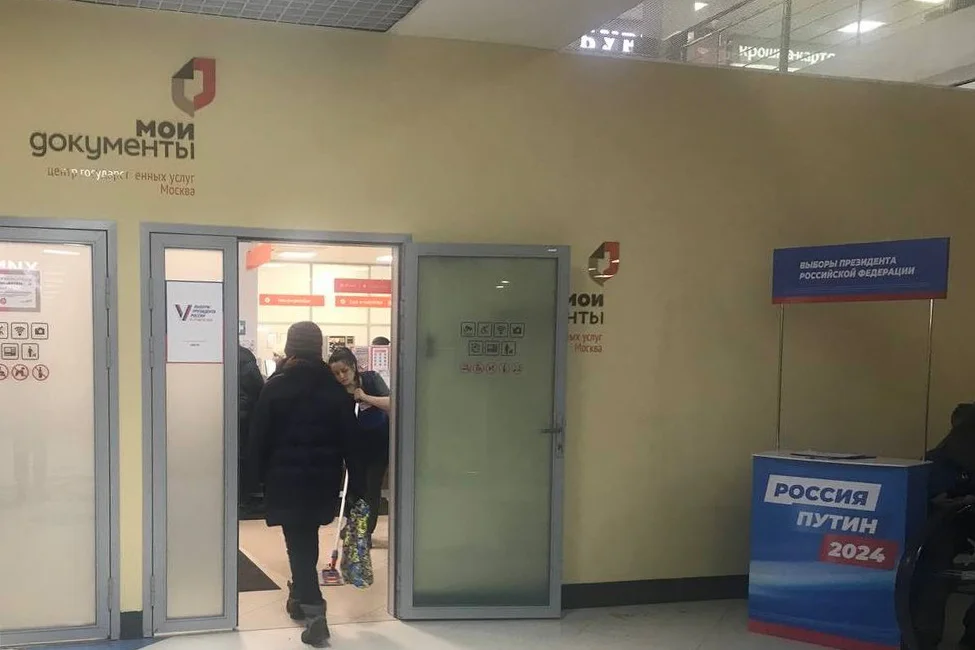
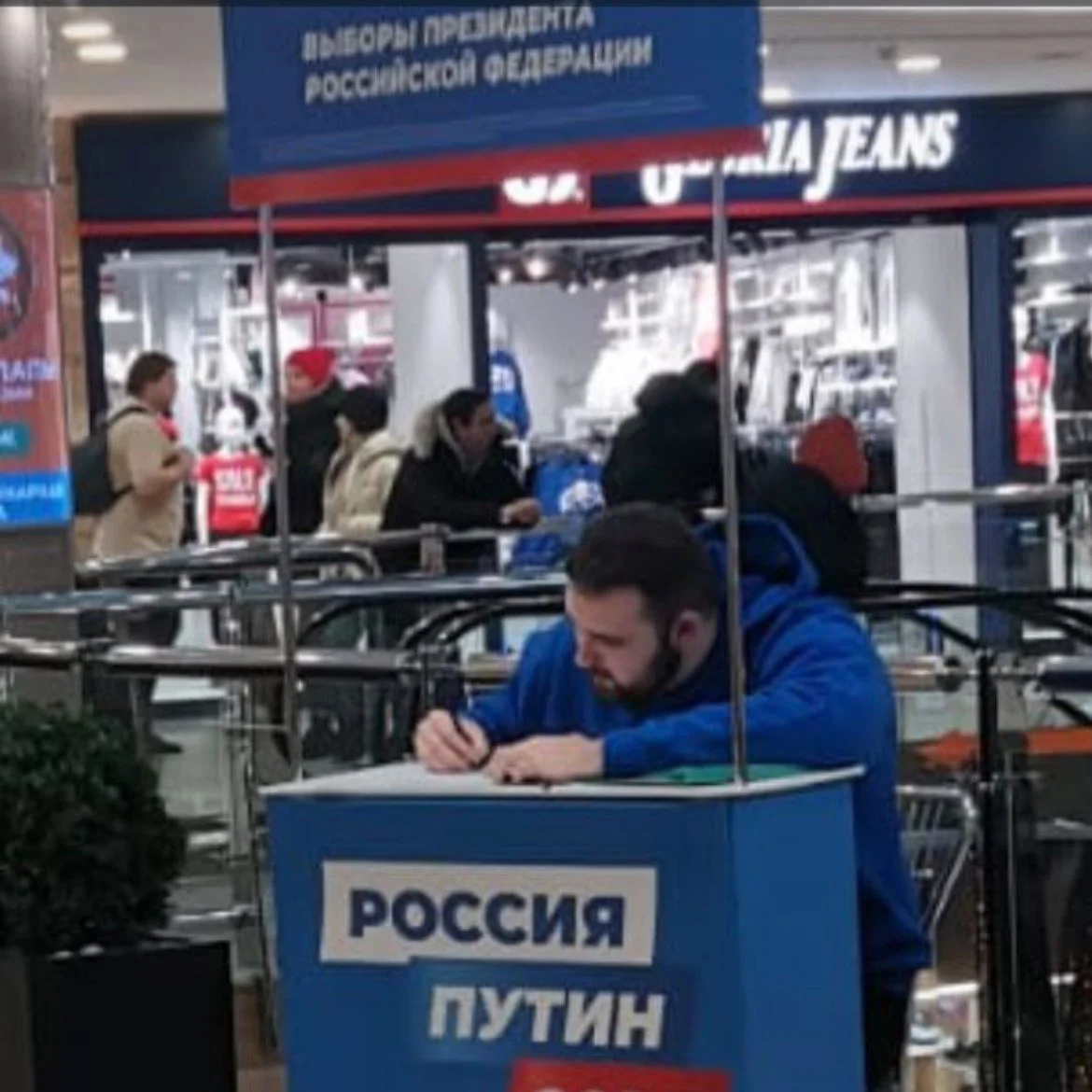
Kommersant wrote that, for example, in Vladivostok on the “Signature Day” on January 16, organized at the sites of United Russia (the party, of course, supports Putin, but did not nominate), there was no hype. In the Khabarovsk Territory, according to the correspondent of the publication, on the contrary, "all day there was a stable stream of those wishing to support the president."
A photo from shopping centers, where bored volunteers stand at empty cubes, also spread in social networks.
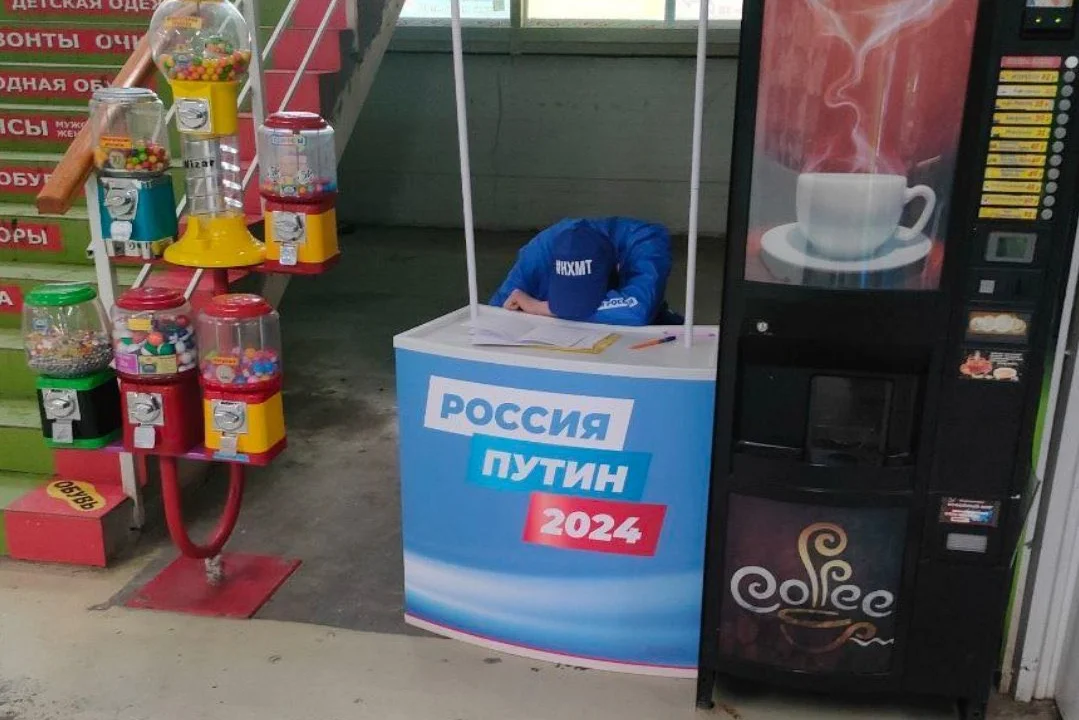
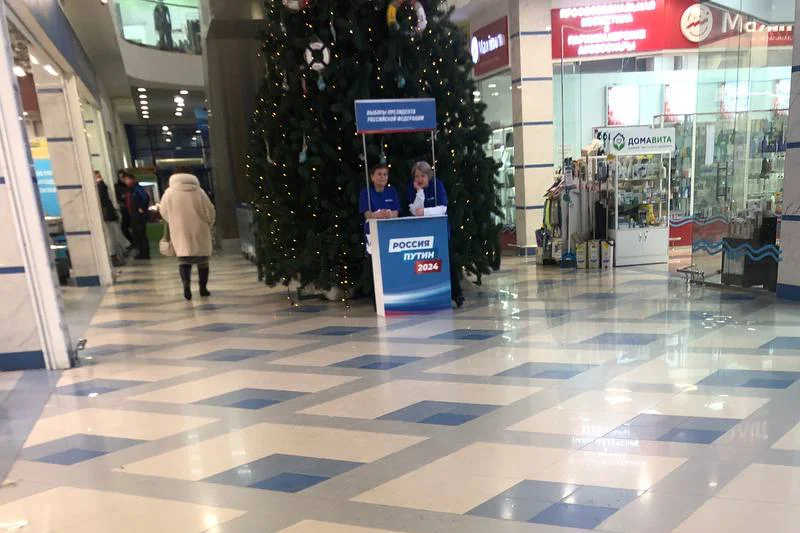
There were no queues even in Moscow.
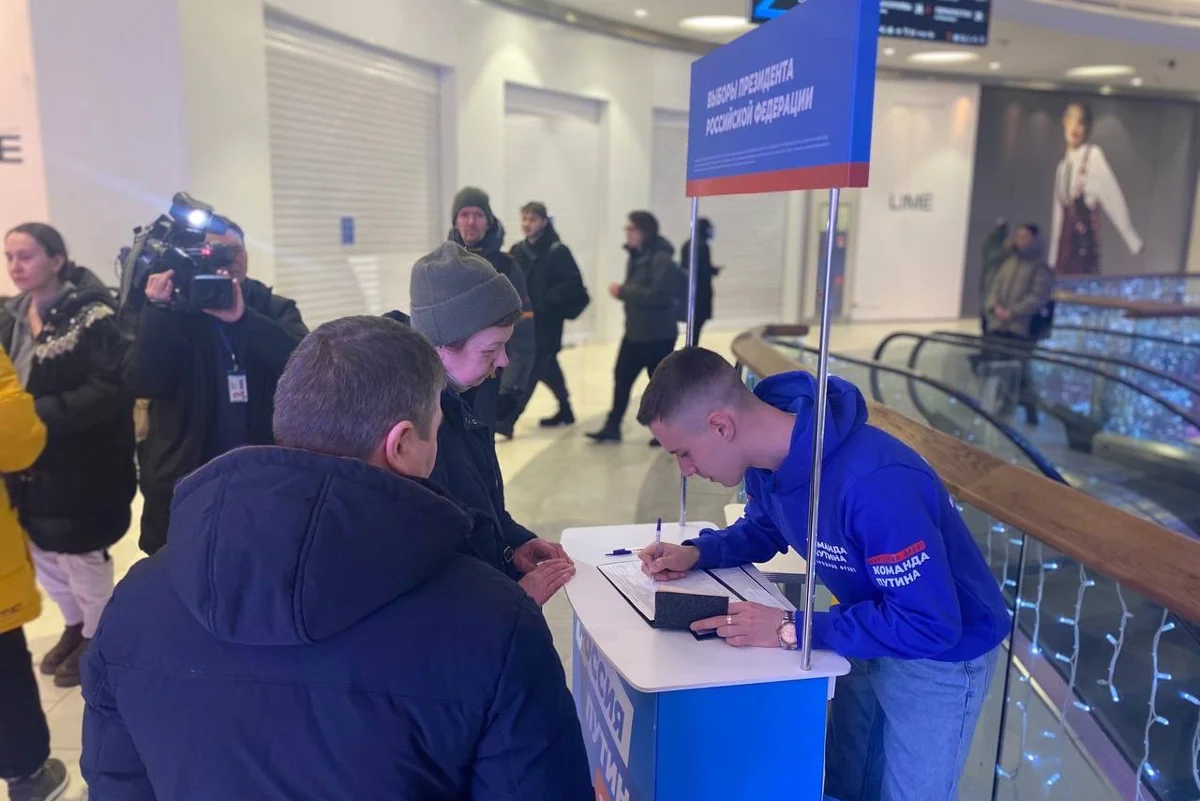
In Pskov, also without hype.
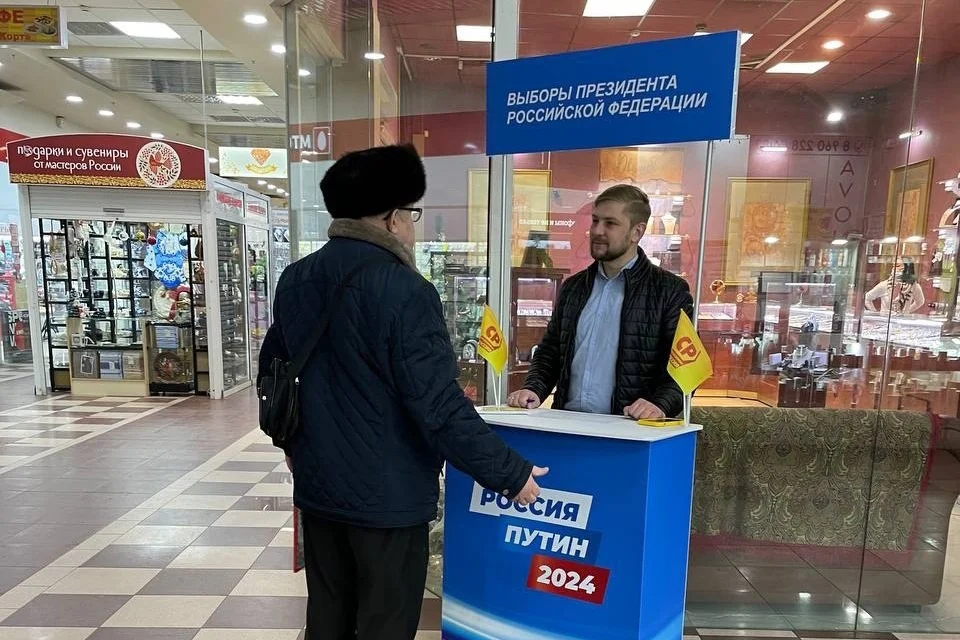
Almost all photos from social networks showing footage of signatures for the current president have been made as if for reporting and in the format “one person signs, nearby - volunteers”.
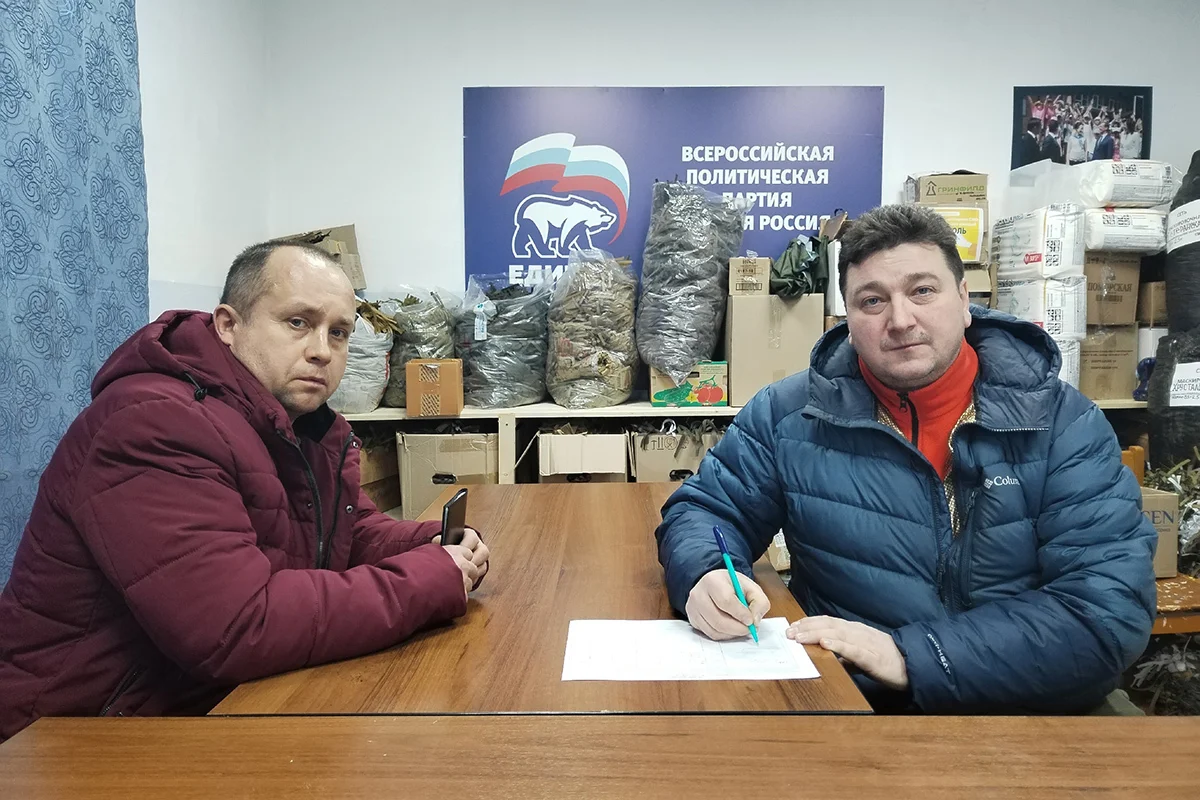
"No jacket gave a paw"
Member of the Voice Council, David Kankia, noted that Putin’s team may declare 250 million and 2 billion signatures - this data cannot be checked and no one has access to these signatures. Whether the CEC will check them is an open question: “None of the outsiders will definitely receive access to them. There is no reason to think that independent observers will be able to see and check these signatures. ”
Information "Voices" from the regions confirms that the signatories for Putin were mobilized using an administrative resource. “At enterprises and in state institutions, people were organized to collect signatures. But when they were collected in public places, for example, in shopping centers, it looked sad enough and clearly did not cause any excitement. Unlike the training camp, which is Boris Nadezhdin, where people line up in line, ”Cankia emphasized.
In general, according to the representative of the Voice, a large amount of time needs to collect the declared 2.5 million signatures, and the fact that the elected campaign takes place in January, during the winter cold and New Year's holidays, makes this process even more difficult. The key problem is restrictions on subjects: candidates nominated from non -parliamentary parties need to collect 2.5 thousand signatures from each region, and self -nominated people - 7.5 thousand. “To collect so many signatures with such a distribution without the current regional network of headquarters, coordinators are an extremely difficult task.”
As political scientist Ekaterina Shulman noted in the Status program, the collection of Putin's signatures began in late December in public places, at public transport stops and in shopping centers, but soon many points of the preparation “overshadowed”:
“They looked plaintively and sad, no one approached them, no mongrel filed a paw. And everyone realized that enemies could focus on some bad photos.
Therefore, signatures began to be collected in the usual way - through administrative coercion: at workplaces and at the place of study. ” Shulman also doubted the reliability of these signatures and suggested that voters would be shown a certain “cut paper”.
So, when the journalists of the Kremlin pool RIA Novosti showed how Putin's supporters handed over to the CEC, on Twitter they began to joke that the boxes looked extremely light and almost weightless. The process of collecting signatures as a whole, says Schulman, this is an archaic and corruption procedure, which leaves a large space for arbitrariness.