
Translated material
Green wedge. How Ukrainians mastered the wild lands of the Far East
Once vast lands in the Far East of Russia were called the New Ukraine, Green Ukraine, Far Eastern Ukraine or-most often-a green wedge.
Latvians, Estonians, Belarusians, Koreans, Chinese, Japanese, small indigenous peoples and Russians lived here. But the largest ethnic group in the green wedge in the late XIX - early XX centuries were Ukrainians. For thousands of kilometers from the banks of the Dnieper, they felt a connection with Ukraine.
During the collapse of the Russian Empire in 1918, the inhabitants of the green wedge will demand a wide national autonomy and even discuss the idea of joining an independent Ukrainian People’s Republic as a colony.
In Khabarovsk, on the street named after the Ukrainian writer Taras Grigorovich Shevchenko, there is a bronze monument to Yakov Dyachenko, erected with the money of local residents in 2008. Dyachenko - Ukrainian, a native of Poltava. Here, on the banks of the Amur River, on May 31, 1858, the commander of the 13th Siberian Linear battalion Dyachenko laid a military post Khabarovka, which eventually became the largest city in the Far East. In February 1858, the Russian Empire secured the left bank of the Amur along, taking advantage of the weakness of China, which at that time waged a second opium war with Great Britain and France. Then, in 1858, the city of Blagoveshchensk appeared from the small Cossack village on the left bank of the Amur.
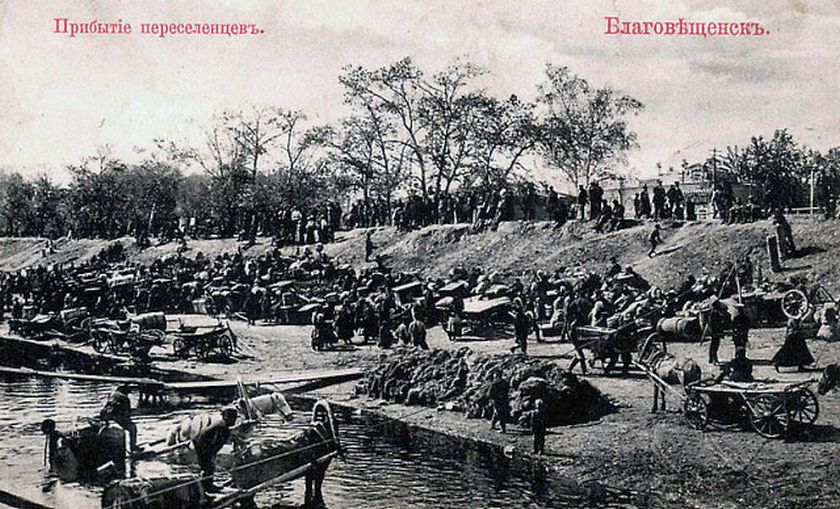
Here is how these events are described in the Blagoveshchensk reference book, published in 1926: “In the spring of 1856, all the farms, villages and villages of the Trans -Baikal Cossack Brigade flew a challenge:
- Who are the Amur hunters?
But there were no hunters, despite the fact that they promised the most convenient places for the stiffness, release (two -year) from service, 15 rubles of benefits, etc. As a result, by force, “in terms of lot” they gained Cossacks and sent them to the Amur in the spring of 1858, alloy on barges and barcas. ”
China finally lost the second opium war in 1860. Then the Beijing treatise was signed, which expanded the borders of the Russian Empire and cut off China from the Sea of Japan.
“China was on the verge of disintegration. And, of course, under pressure from the Russian Empire, China was forced to make such concessions,” says Peter Karlyuk, professor and head of the Academic Academy National University of the National University.
The new territories of the empire were sparsely populated lands with untouched nature. In order to secure them, not only on paper, the government of Emperor Alexander II needed to be populated and cultivated. As they said in those days: "The plowman was a plowman."
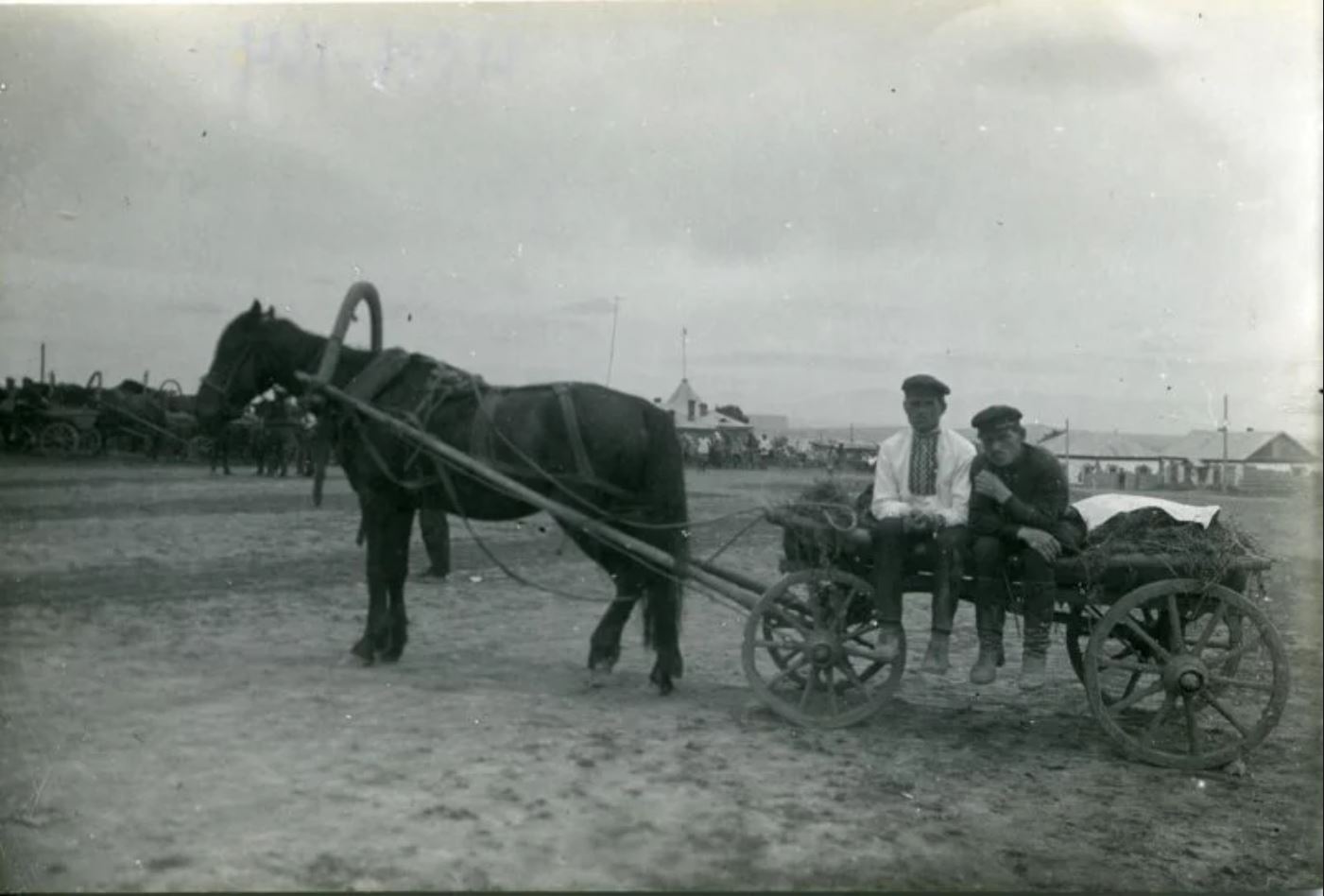
The Far East began to resettle rural residents from different regions of the Russian Empire. The road from the European part of the country sometimes takes up to three years. Advanced military units are founded by new posts. Two years after the laying of the military post, Khabarovka, in 1860, a military team of forty people is planted in the Golden Horn Bay and arranges a post. A port grows in its place. Thus begins the history of the city of Vladivostok.
The immigrants who set off a few years ago finally arrive on new lands. The first Ukrainian villages are founded by immigrants from Poltava in the Amur Region in the early 1860s: Troitskoye, Srednebelskoye and Novotroitskoye. New settlements appeared on the map one after another.
“People did not understand where they were going and what they were waiting for them. There are very rocky land, there are hills. They also arrived, they didn’t use red caviar, it was fed pigs, they didn’t eat red fish. They were afraid of flounders, which was flat, not very familiar to see her eyes,” says candidate of historical sciences Andrei Okok.
Ukrainians call new lands a green wedge. The wedge was then called land plots. Due to the violent vegetation of the Far East, the wedge began to be called green. Here's how journalist Mikola Novitsky describes his impressions of visiting Green Clin:
"The sun and humidity give the forest the power of the elements; neither in Ukraine, nor in the Urals, nor in Siberia you do not have to see vegetation in such a wild, diverse and rich scope."
The names similar to the green wedge are applied to other regions of the compact settlement of Ukrainians in the territories colonized by them outside ethnic lands: raspberry wedge-Kuban, yellow wedge-Volga region, Gray wedge-southwest of Siberia and the north of Kazakhstan. But back to the Far East.
Due to significant remoteness, the process of colonization of new territories is slow. Then, in 1882, the government decides to organize relocation by sea. Mainly for the inhabitants of Central Ukraine, since there people suffer from low land and this can lead to destabilization. After all, the Earth is the only source of food and income for most residents of this region.
In 1883, the first steamboats arrived from Odessa to the port of Vladivostok. On board 1,500 immigrants from Chernihiv region. They were on the road for more than 50 days. Their route lay through Bosphorus and Dardanella, the Suez Canal, the islands of Ceylon and Singapore.
But there are recollections of immigrants about flights lasting more than three months with the envelope of Africa and a stop on the island of Madagascar. Here's what Julia Ivashchenko tells about the journey of his ancestors:
"The most interesting thing is that this route seemed very exciting to my grandfather. He spoke the same story all his life, in the same details - never re -reinterpreting. But when you compare the points of their road, they do not coincide with the current routes of the fleet. The equator does not intersect and Africa does not go fled. The strain, then on Madagascar, they replenished the reserves of water, food and then Singapore and Vladivostok.
In addition to traveling, food products for six months are allocated to the first groups of immigrants, up to 100 rubles for building materials, seeds, two oxen, one cow and 100 tints of land (this is more than 100 hectares) - a colossal square for a rural resident of central Ukraine of that time.
The news of the wealth of new lands is transmitted by colonialists to their homeland. And already in 1886, the tsarist government abolished state financing of immigrants. And people under the pressure of economic circumstances go on a trip for their money. And the money is considerable. The fare then for a family of six from Babinetsk district with 320 kg of baggage amounted to 970 rubles.
This is a lot or a little, for example, it is possible to understand from the letter of the Chekhov 1889, who also sailed from the Far East to Odessa and was a rather wealthy person: "We must leave the house, we must start living for 700–900 rubles a year, and not for 3-4 thousand, as now."
The family of great -great -grandfather Julia went for her money to Zeleny Klin.
"They rode at their own expense. Upon arrival, they received 100 rubles per man. But they had 311 rubles 40 kopecks with them. That is, they sold all their economy [in Ukraine]," says Julia.
Although the sea route was still much faster than the land, it could not be called easy. Perevlintsev in Vladivostok was met by a cross -worship hill, now - a crusade. Temporary barracks stood at her foot, and her slope was covered by the grave crosses of those who, due to diseases, were never destined to realize their dream here.
Here are a few lines from the note of the Amur Department of the Russian Geographical Society, 1898.
"Cold was placed in the hut
On the way, the exhausted people.
Who was ill with those, first treated
And they buried who would die.
Who died, they buried;
The percentage of such and such. Cute, sonorously. "
Julia’s ancestors also went through the barracks on a cross hill: "They were sent to the barracks for quarantine for two weeks. There were a lot of children and people there, there were epidemics. Baracks are still a large accumulation of people. But two weeks after quarantine, people were planted on small longboats, who already sailed to the places of settlement."
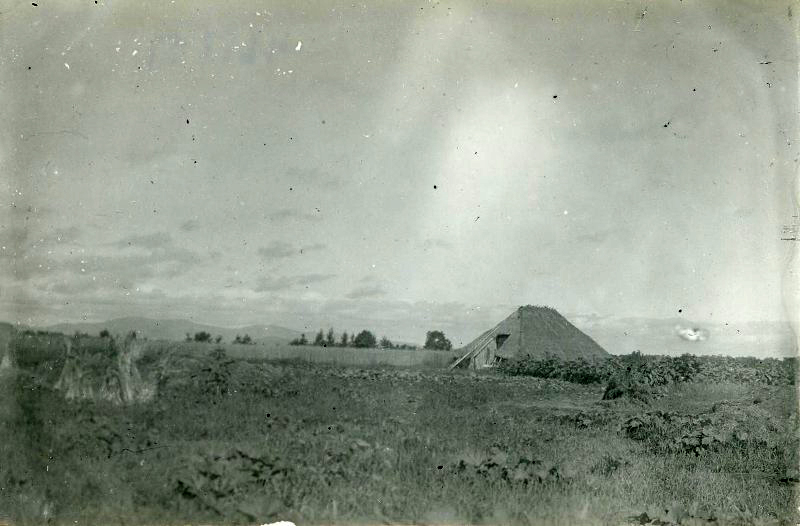
The new arrivals of the Far East was met by an impassable taiga. The green wedge is rich in forest, wild beast, fish, coal and gold. Here is one of the family stories of Ivashchenko.
“One of the sons went into gold miners. He washed gold all his life. At the same time, he did not even leave him in his old age when he had already moved. He started geese, began to cut them in the fall, and in his bushes the gold was shining there as much as he needed, and the rest passed the state. Later, the industrial state gold mining began,” Julia says.
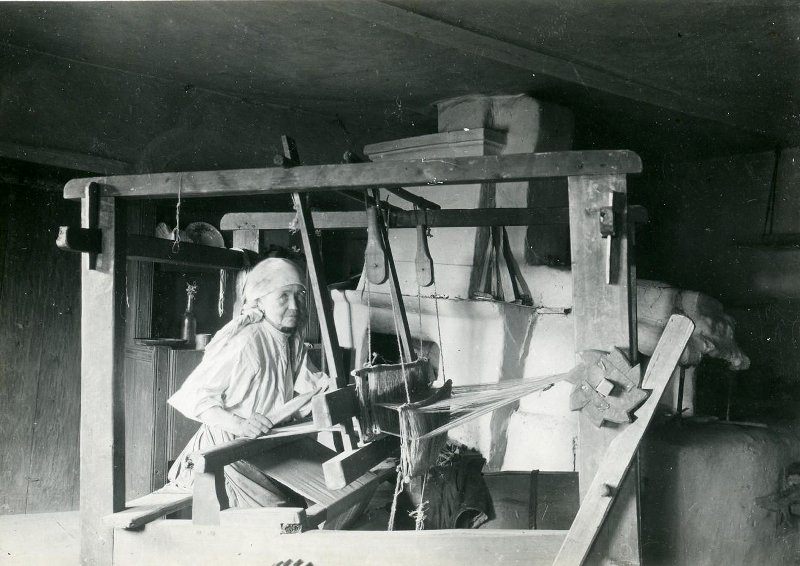
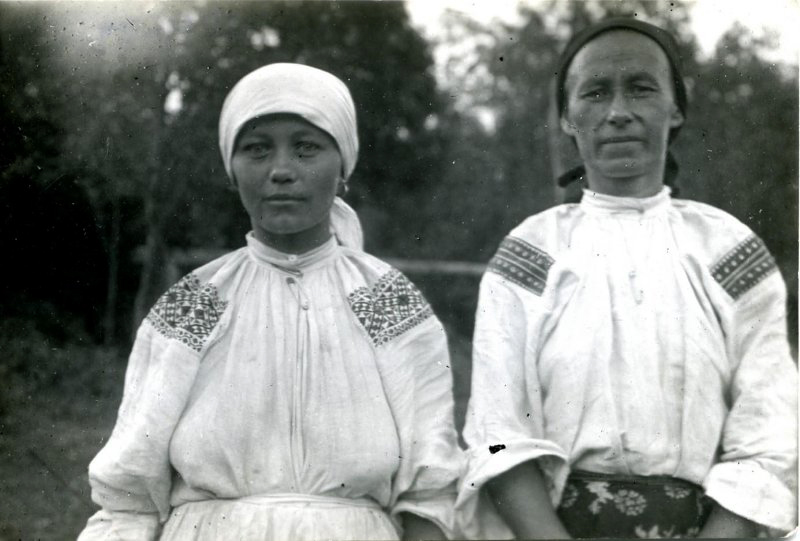
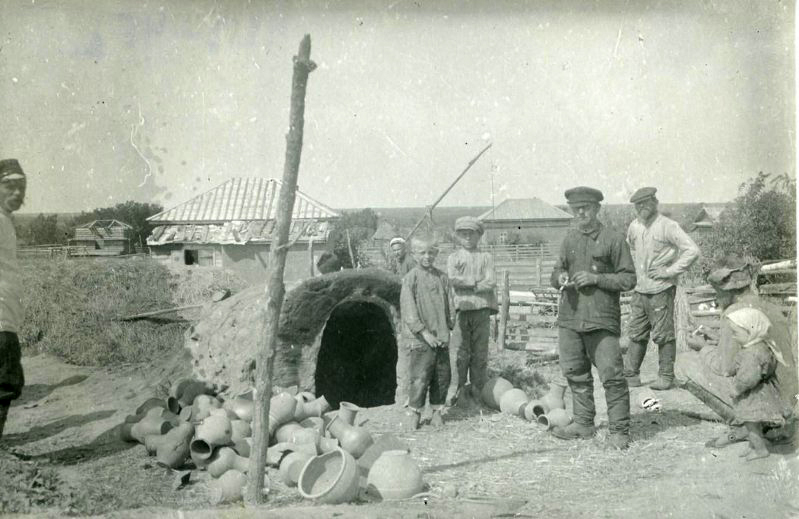
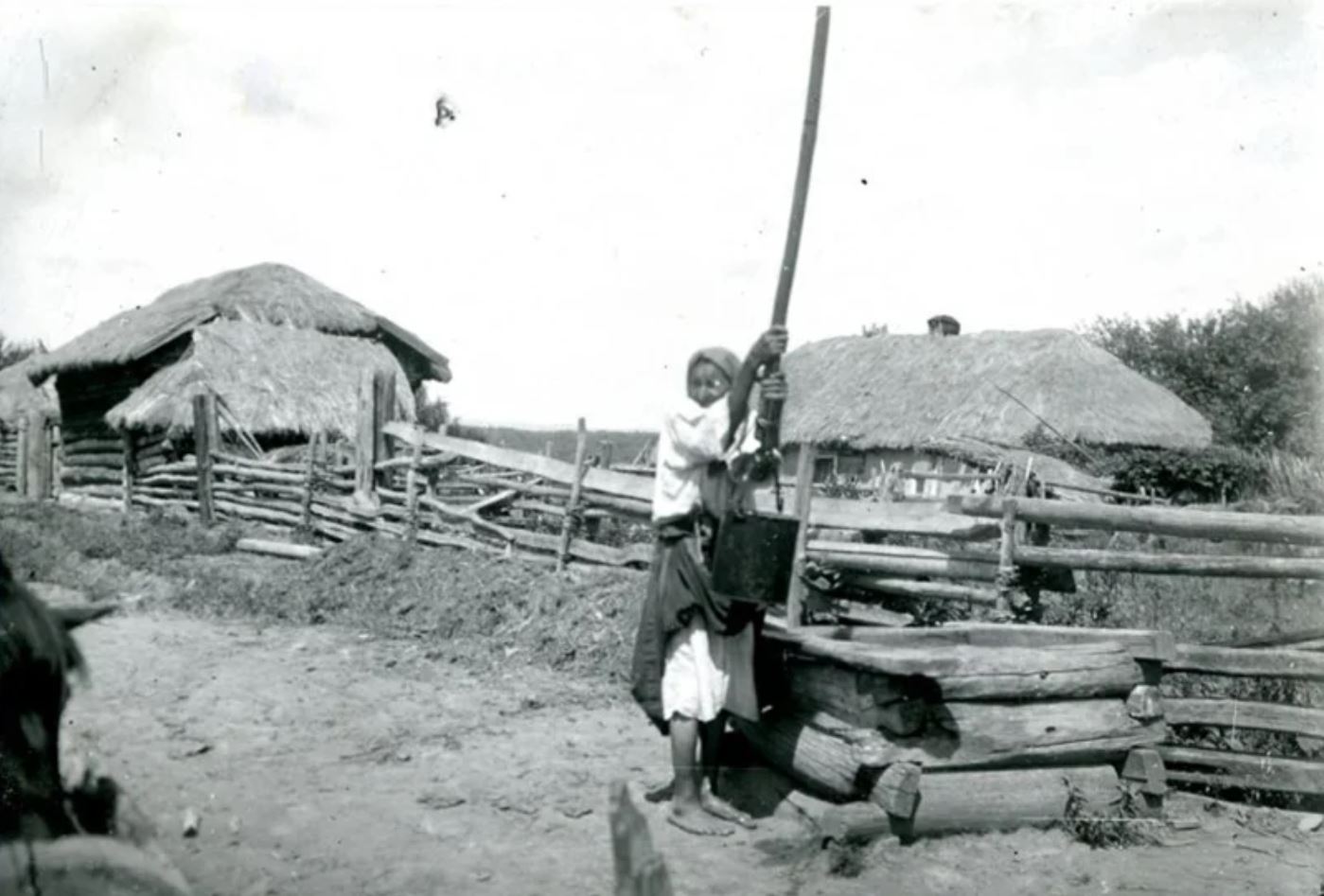
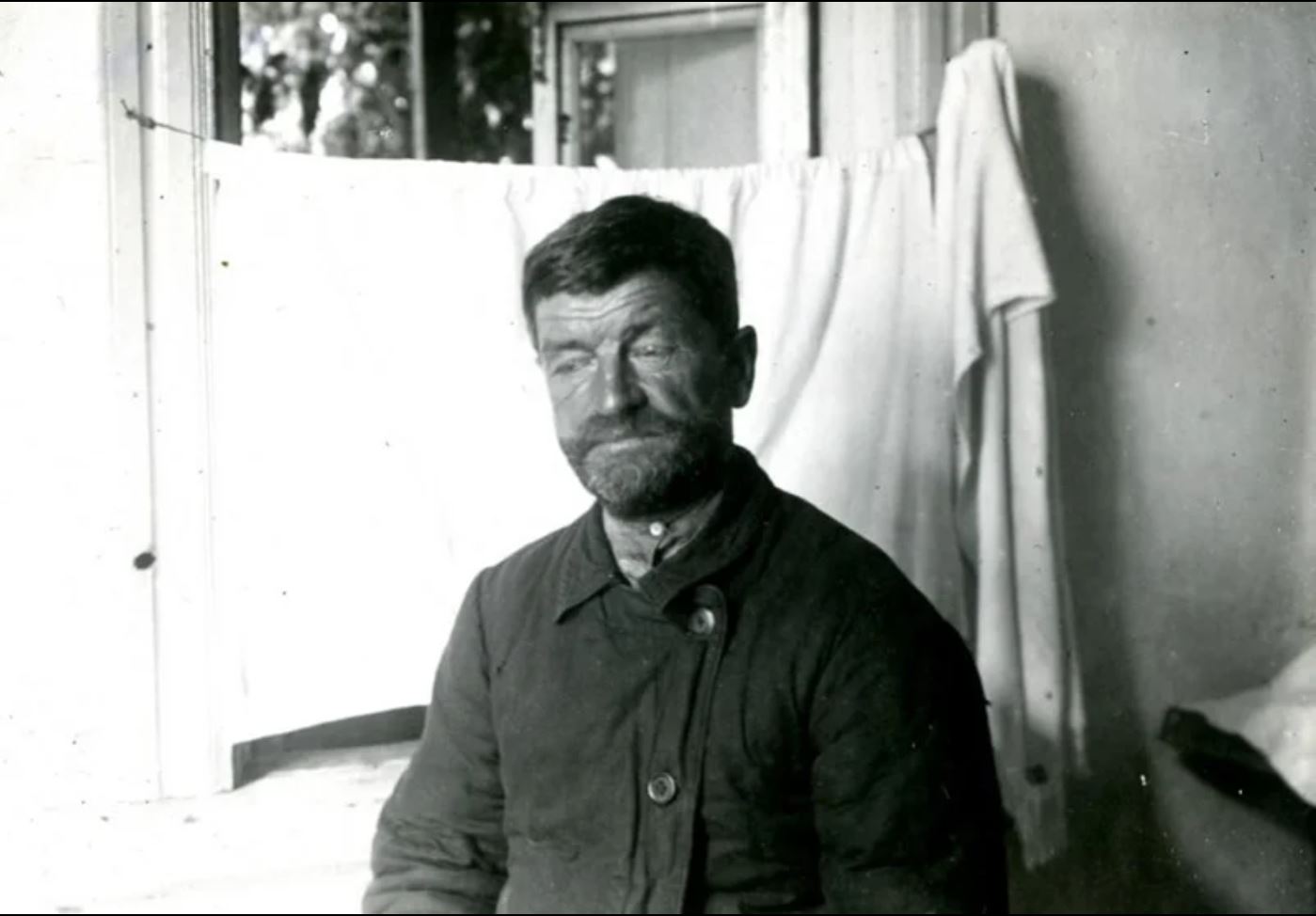
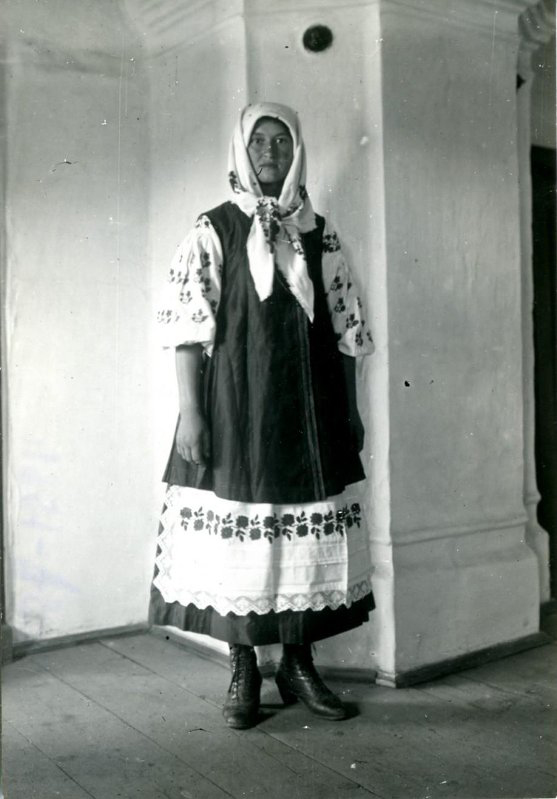
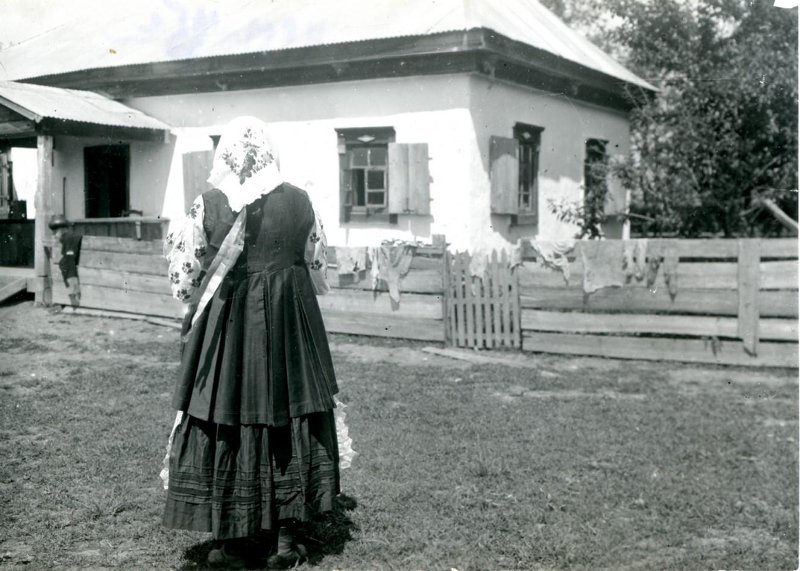
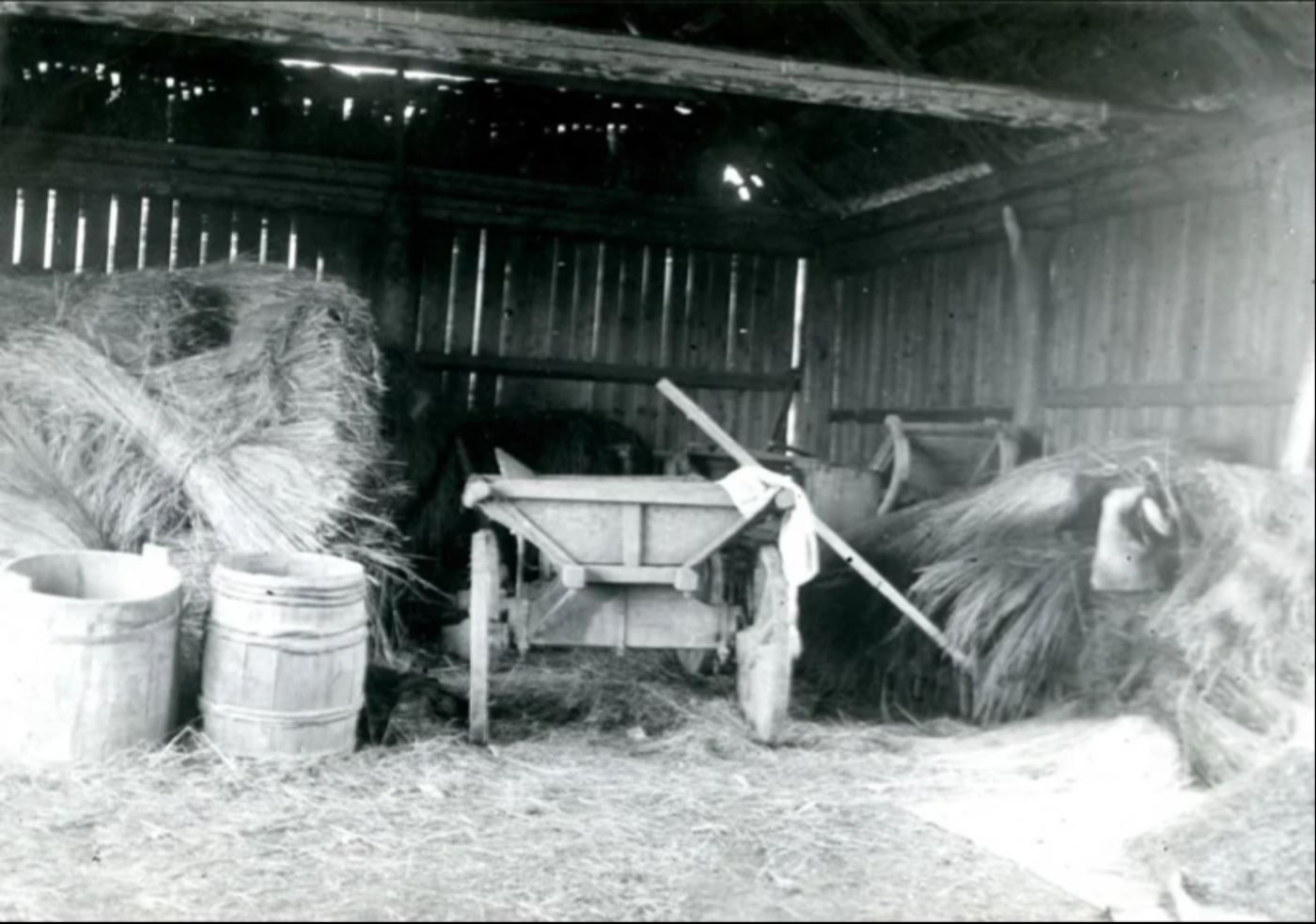
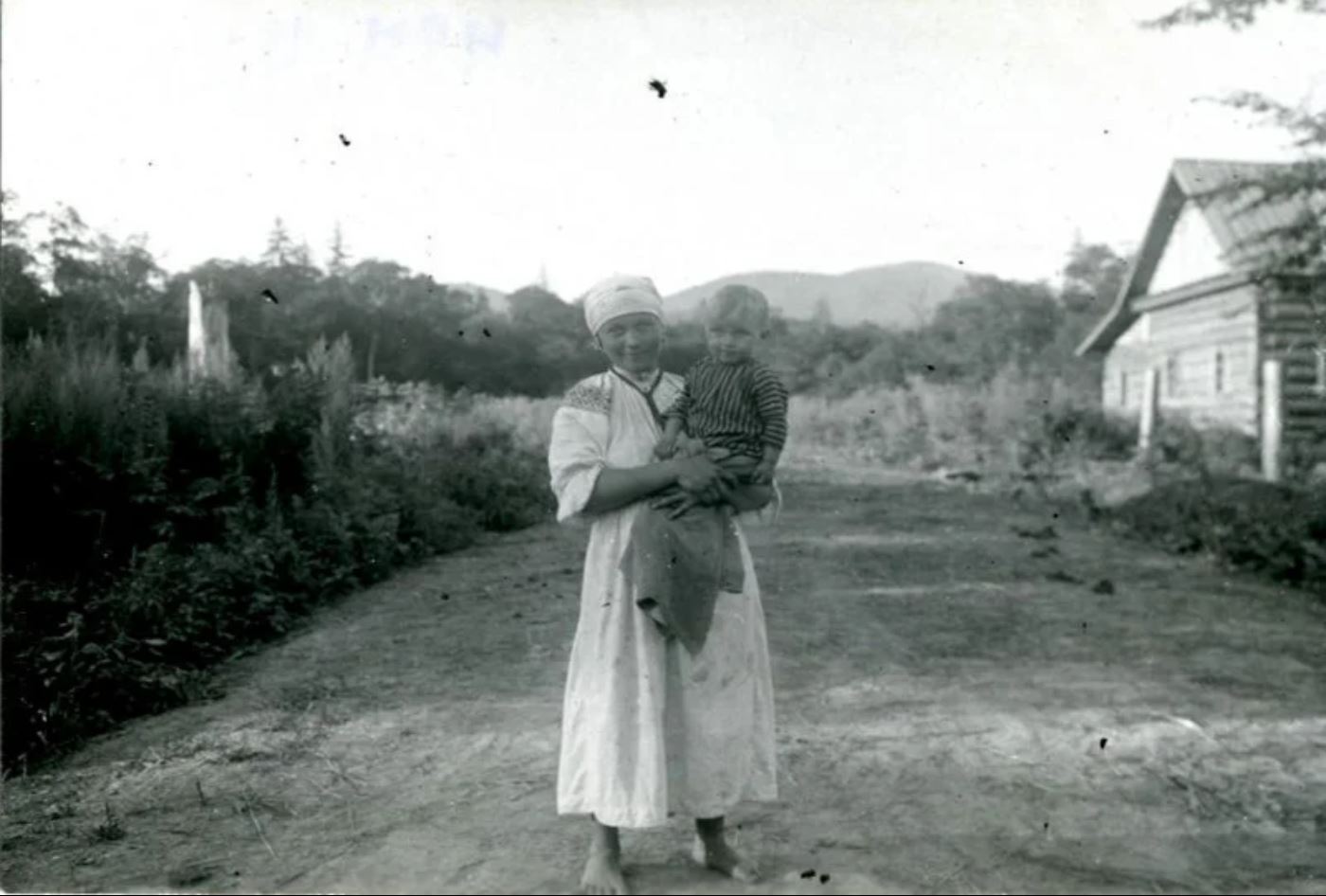
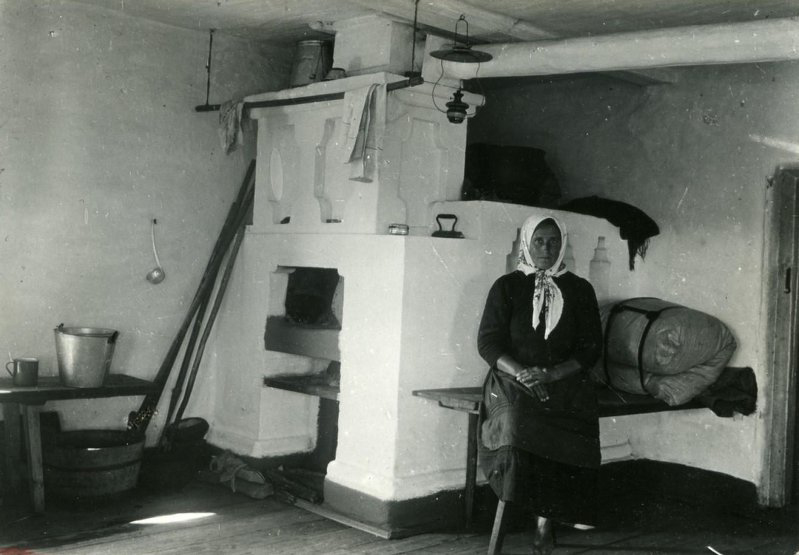
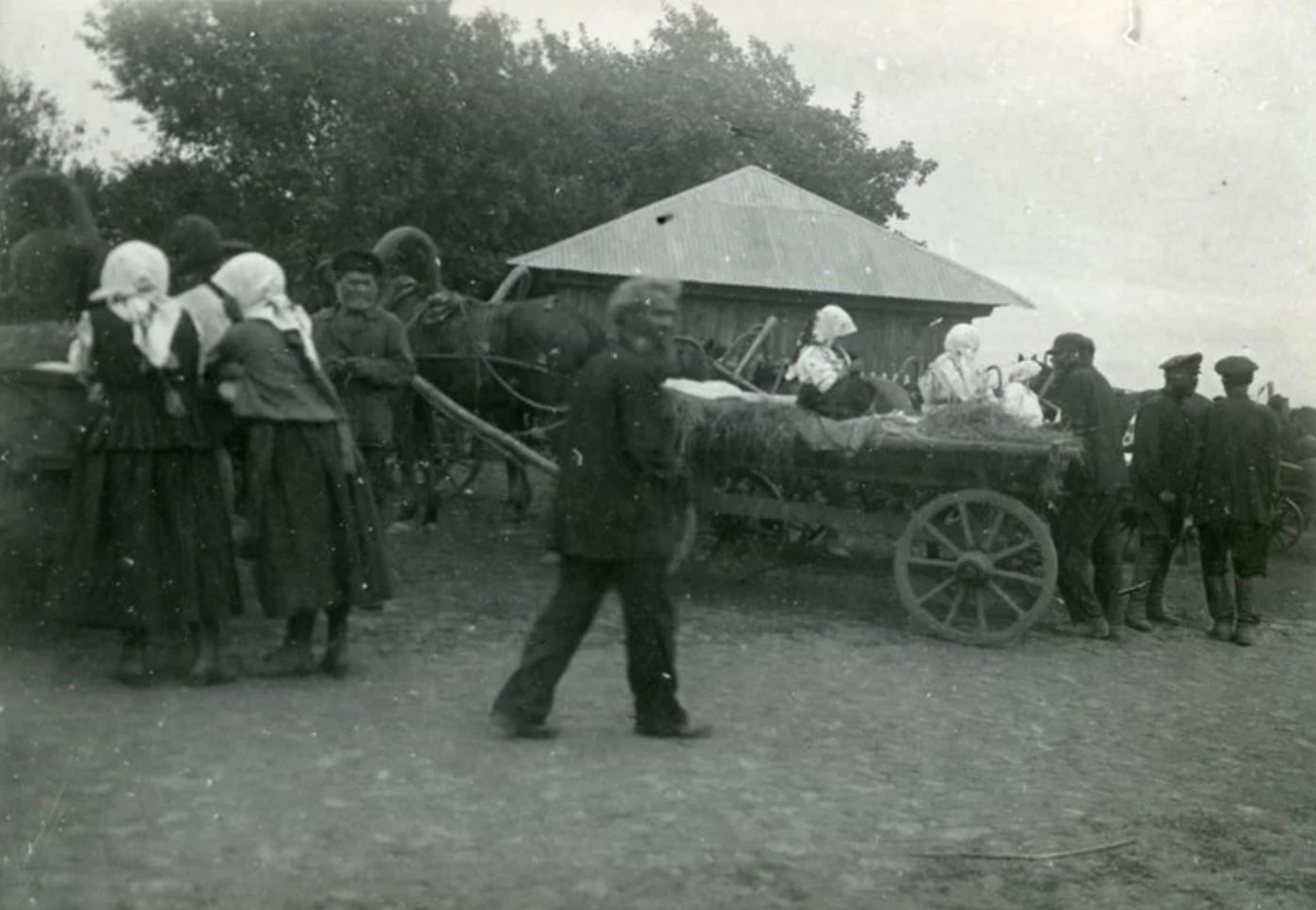
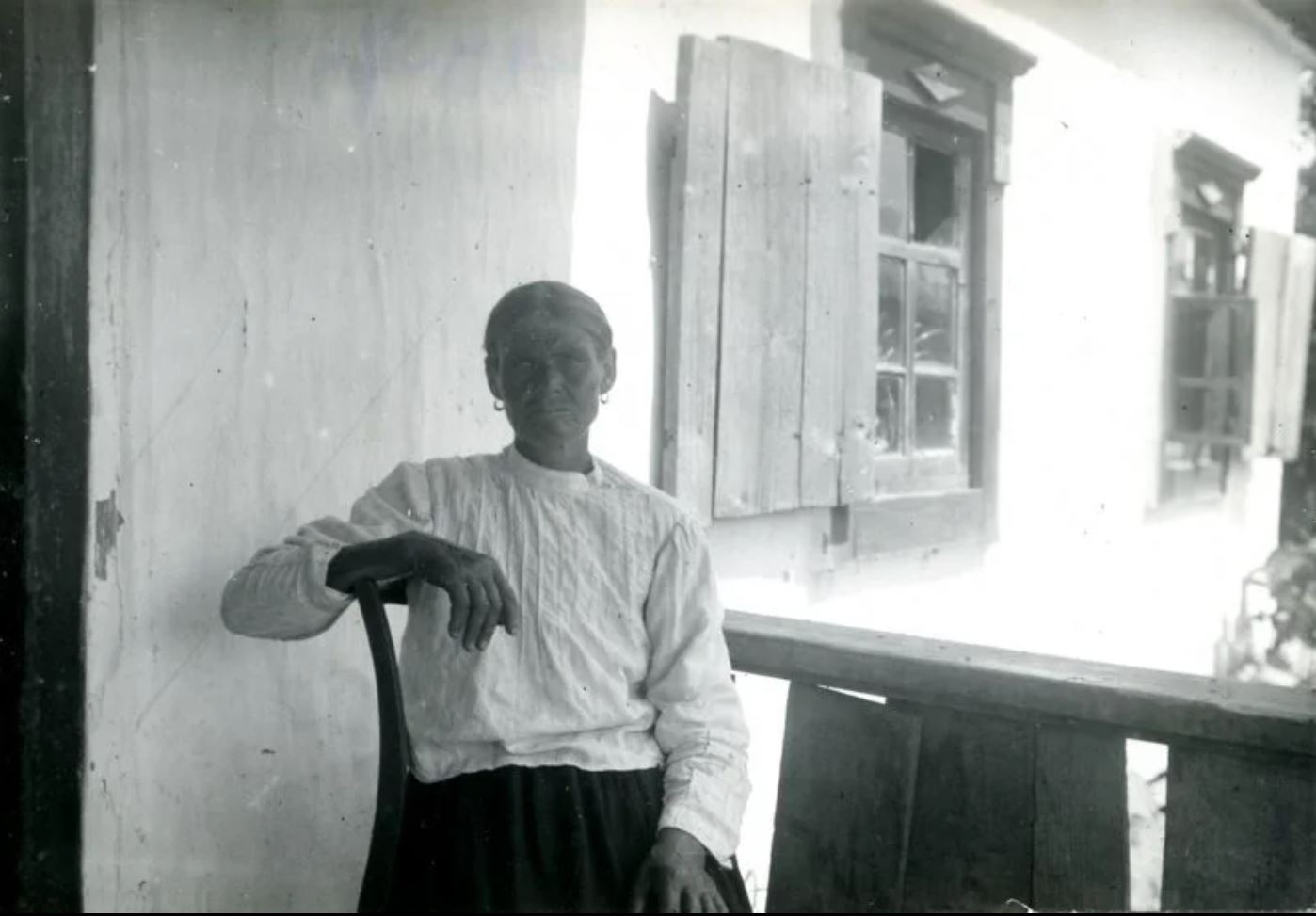
The life of Ukrainian immigrants in the open spaces of the green wedge is documented in detail thanks to the unique photographs of Arkady Zarembsky. They were transferred to us by a candidate of historical sciences, the ethnologist Oksana Cosmin and the publication " Local Istorіya ".
“It seemed to me that all this was shot in Ukraine. Such a picture, traditional for the Ukrainian village, and this is all the Far East. The photographs are visible not only by traditional clothing, but those who know the ceramics of the Poltava region will recognize the characteristic form of the product,” says Cosmin.
The most willing immigrants from Ukraine settled the Primorsky Territory. The local climate was more like the climate of Central Ukraine.
Here is how the city of Nikolsk-Ussuriysky (now Ussuriysk) describes the correspondent of the Moscow newspaper Izvestia Ivan Illich-Svitych in 1905:
"The main and oldest street is Nikolskaya. Along the entire street, white stones stretched on both sides, in some places and now covered with straw. The same Ukrainian clothing in public. And on a hot summer day you can think that you are somewhere in Mirgorod, Reshetilovka or Sorochins of the times of Gogol."
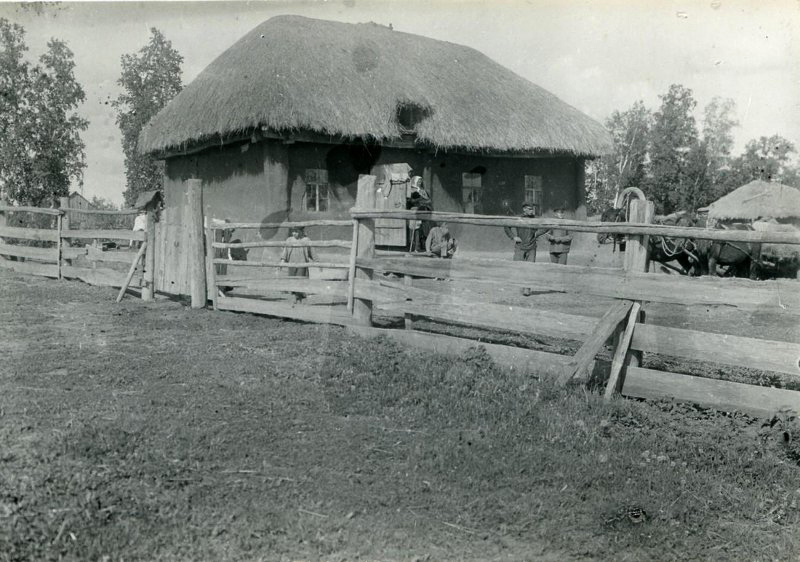
Many Ukrainians in the Far East were engaged in agriculture. They brought their traditional agrarian cultures: wheat, rye, oats and barley. Demand for them was ensured by intensive care of the military garrison. And everything would be fine, but European cultures were not entirely adapted to local conditions. So the Ukrainian journalist and writer Mikola Novitsky describes his impressions of the trip to Zeleny Klin:
"Hoping for a crop is more or less only with an oats culture, especially in the area of the city of Olga (southeast district), and buckwheat almost everywhere in the seaside. As for wheat, the experience showed that when to rely on it, as a main culture, the farm becomes as if a gambling game: you can win even a bit in a row, but you can lose it bitterly. Mists from the sea, wheat often (when the fogs are captured by color) gives the so-called drunk bread-grain, good in appearance, acquires something in its chemical composition, that neither people nor cattle are suitable, causing signs of acute poisoning. "
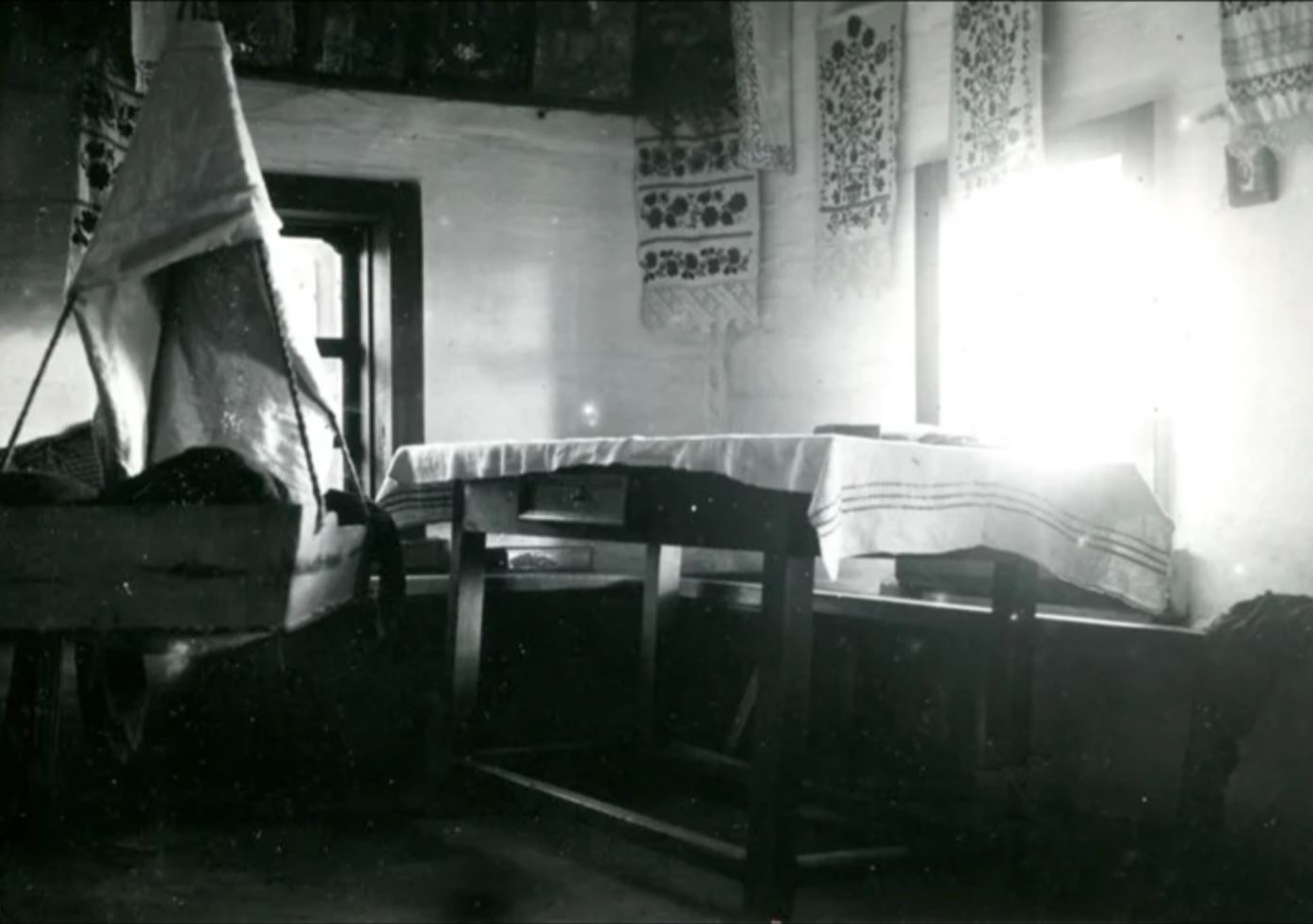
The pace of resettlement of Ukrainians to the Far East reached a new level with the launch of the railway. At the beginning of the 20th century, movement along the Trans -Siberian Railway begins. Travel time is reduced to several weeks. Eight years later, employees of the National Eastern Organization, examining the composition of the population of the Far East, will come to this conclusion: "There are very few indigenous Ventorusian people ... And without a big mistake, we can say that the Primorsky region represents the second Ukraine with a significant admixture of Belarusians."
This is how Julia Ivashchenko describes the history of the village of Zharikovo, in which her great-great-grandfather with her sons settled: "I examined the period of settlement. First, peasants from the Chernihiv province went there. This was the bulk. Then the peasants of the Kyiv province began to be added to her. In a good way, the whole village consisted of immigrants from Ukraine."
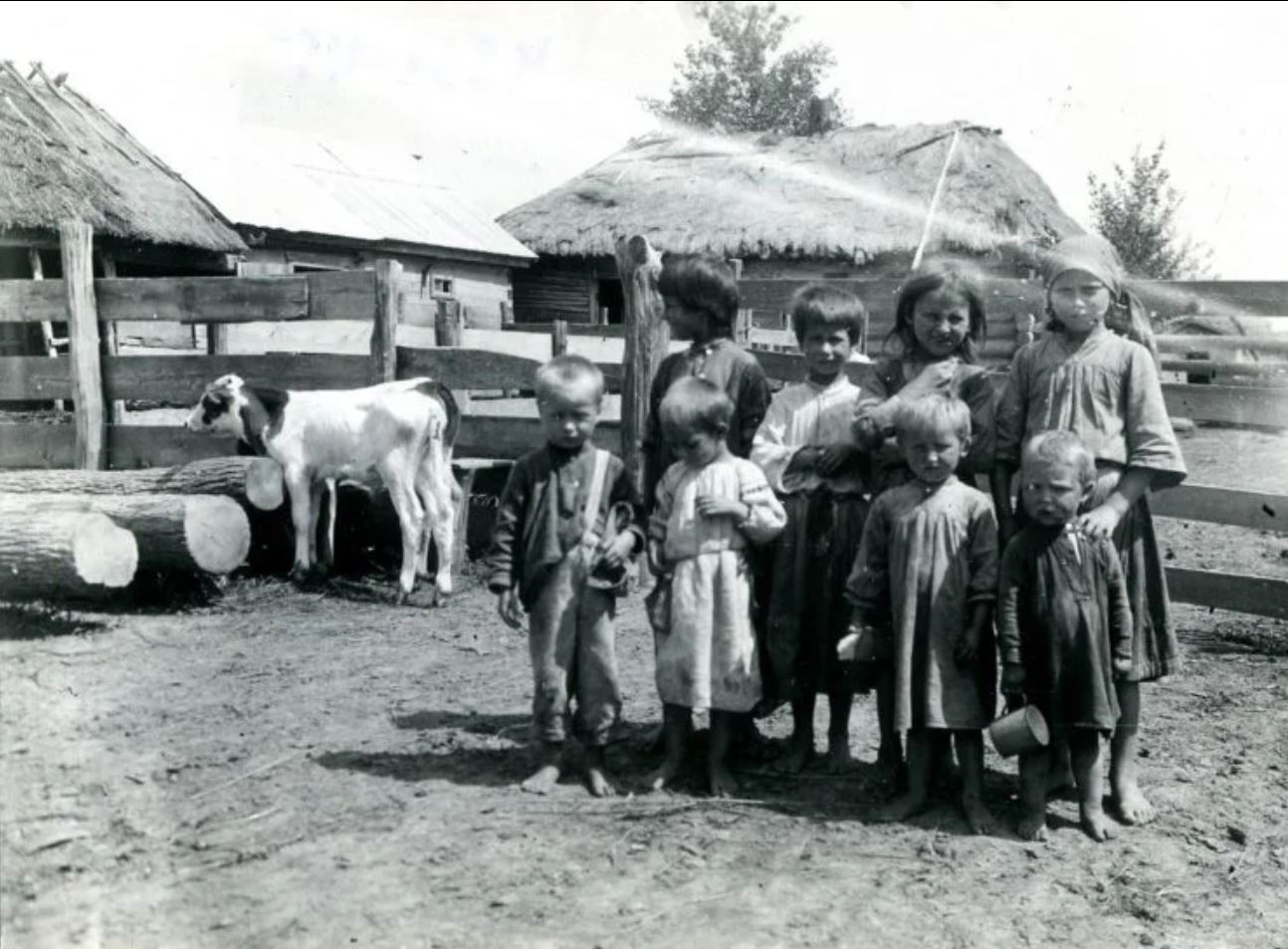
The cultural life of Ukrainians in the Russian Empire was oppressed and prohibitions, and the green wedge was no exception. In 1876, Alexander II in the German city of Bad-Ems signs the Emsk decree. This is a memorial plaque in Bad Ems with a brief content of the decree. It prohibits the use in the public sphere of the "Little Russian dialect". Namely: a ban on teaching, maintaining documents in Ukrainian, its use in music and church services is introduced. The decree also prohibited both the seal in the territory of the empire and the import of books printed in Ukrainian, as well as the production of Ukrainian-language theatrical performances and concerts. Even the seal of notes with Ukrainian texts fell under the ban.
“It is clear that this was a destructive decree for Ukrainian culture,” says Pyotr Karlyuk. “Before that, there was a Valuevsky circular. In essence, Ukrainian culture was limited. This slowed down the development of the Ukrainian national movement, and made themselves felt in the Far East. People only moved, they did not have their own press, their books.”
The next 24 years, the cultural and national life of Ukrainians throughout the empire is actually banned. The revolution of 1905 brings a slight weakening. The Emsk decree loses its strength. The first public Ukrainian organization in the green wedge was created in 1907 by students of the Eastern Institute in Vladivostok.
But the revolution does not bring radical changes in the country. National movements and organizations, according to the leadership, pose a threat to the calm and even the existence of the empire.
"So that you understand, the tsarist government did not let everything on its own, it was all under control. I saw documents where there were notes of the gendarmerie about how Ukrainians secretly gathering, who exactly were invitations to these events," says Andrei Okrak.
In 1909, the Ukrainian student organization was closed at the Eastern Institute. In 1910, the Minister of Internal Affairs of the Russian Empire Peter Stolypin published a circular, which imposes a ban on the activities of national organizations: "lead to exacerbation of national isolation and growth. Foreign societies, including Ukrainian and Jewish, to close."
The only legal organization throughout the green wedge, according to historian Vyacheslav Chernomaz, remains the Ukrainian Club in Blagoveshchensk, founded in 1911.
The revolution of 1917 brings a fracture. In the first weeks and months after the overthrow of tsarism, almost all cities of the Far East appear Ukrainian communities: Vladivostok, Nikolsk-Ussuri, Imani, Khabarovsk, Free, Chita, Verkhneudinsk (now Ulan-Ude). Burders also appear in the villages. Their main goal is "National Association and Upporter, representing and Protection of the interests of Ukrainians." At the Gromads, libraries, circles and choirs, the first Ukrainian schools were created. Self -government bodies are formed. Newspapers and educational literature in Ukrainian are printed. The 1917 census shows that 421 thousand Ukrainians live in a green wedge. This figure does not include most of the male population, which is mobilized in the First World War.
The further fate of the green wedge is inseparable with the fate of the historical homeland of his Ukrainian immigrants.
“In the period from 1917 to 1918, Ukrainians held four Far Eastern congress. Ukrainians determined the revolution not as a social, but rather national,” the assembly says.
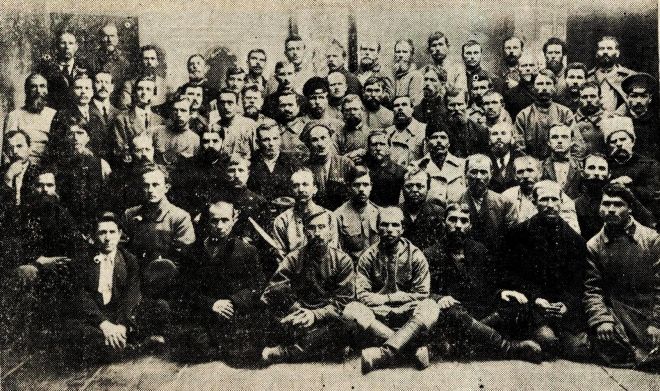
On June 19, 1917, at a meeting of the Central Rada in Kyiv, the autonomy of Ukraine was proclaimed as part of Russia. And the very next day, June 11, the first Ukrainian Far Eastern congress was held in the green wedge in Nikolsk-Ussuri, in which delegates from more than 20 national organizations of the region took part.
The main political requirement is to transform the Russian Empire into the Federal Democratic Republic with the provision of national-territorial autonomy to Ukraine and its colonies. The colonies meant the places of compact residence of Ukrainians. Among them was a green wedge.
In Russia, the Bolsheviks seize power in Petrograd. The Ukrainian People's Republic proclaims independence. In the green wedge, Ukrainian district councils are created - bodies of national self -government. They register the population, issue certificates and serve as consulates of an independent Ukrainian People’s Republic in Russia. This right was enshrined in the contract between the UNR and the RSFSR, signed in 1918.
В декабре 1918-го большевики нарушают мирные договоры и переходят границу Украины. Война продлится почти год. Дальневосточные украинцы оказываются в сложном положении.
На Дальнем Востоке действует Чехословацкий корпус, высаживаются союзные войска Антанты. Почти все они имеют разные интересы, но не поддерживают национальное движение украинцев и выступают за "целостность России". Между Уралом и Байкалом в Омске верховным правителем объявляют адмирала Александра Колчака. Он возглавляет движение белых. С Колчаком и всеми остальными за власть борются красные большевики.
Но после выигранной Первой мировой западные союзники оставляют Россию. В итоге побеждают большевики.
"Что большевики, что белогвардейцы никак не воспринимают украинское движение. Они не представляли Украину независимой", – говорит историк Андрей Попок.
25 октября 1922 года Красная армия входит во Владивосток. Сразу же начинаются репрессии. Первыми арестовывают 200 руководителей и активистов украинского движения. Под арест подпадают не только члены Рады, но даже школьные учителя. Все украинские организации распущены, а их имущество конфисковано. Суд над лидерами Зеленого Клина состоялся в 1924 году. Их приговорили к длительным тюремным срокам.
Российский историк Вячеслав Черномаз считает, что именно после этого процесса украинцы Зеленого Клина стали скрывать свое происхождение. И уже по переписи 1926–1927 годов их здесь стало значительно меньше, чем в царские времена.
В то же время советская власть решает продолжить политику заселения Дальнего Востока украинцами. В 1926 году принимают десятилетний план переселения украинских крестьян на Дальний Восток. Согласно документу, Украину должны были покинуть 400 тысяч человек. Люди были вынуждены ехать на Дальний Восток, спасаясь от репрессий, бедности, раскулачивания, голода.
"В результате раскулачивания и репрессивных мер на Дальнем Востоке оказалось очень много украинцев. Мы даже не можем точно сказать, сколько их было – 400-500 тысяч или миллион. Я считаю, что не меньше миллиона украинцев в то время оказались там", – говорит Петр Карлюк.
Надо отметить, что во время советской власти на Дальнем Востоке был короткий период так называемой украинизации, говорит Карлюк: "В частности, в шести района Дальнего Востока делопроизводство перевели на украинский язык. А шесть районов – это не так уж и мало. В то время на Дальнем Востоке было открыто 809 школ, где изучали украинский язык. Вы можете себе это представить? Также в Благовещенске в аграрном пединституте вели пары на украинском языке".
Но по прямому распоряжению Сталина решением ЦК ВКП(б) от 15 января 1932 года политика украинизации была прекращена. Все украинские культурно-просветительские учреждения на территории РСФСР были ликвидированы. Советская власть начинает активную и тотальную русификацию.
"Меньше года прошло. Все так же резко было ликвидировано, точно так же – вместе с людьми", – говорит Попок.
Уже после падения Советского Союза, в независимой России, где президент Путин в своих статьях воскрешает термин "Малороссия", во Всероссийской переписи 2020–2021 года в Приморском крае украинцами окажутся всего 11 300 человек, в Амурской области – чуть меньше 4,5 тысячи, в Хабаровском крае – около 7 тысяч, в Сахалинской области – немногим более 3,6 тысячи человек. Это все, что осталось, по оценкам историков, от более чем миллиона украинских переселенцев и их потомков, согласно официальной статистике.