Translated material
"King of Deception"
The name of Foreign Minister Charles Taleyran became a household name. Who he was-a diplomat, a fraudster or a hero-in the historical study of the New Evrope
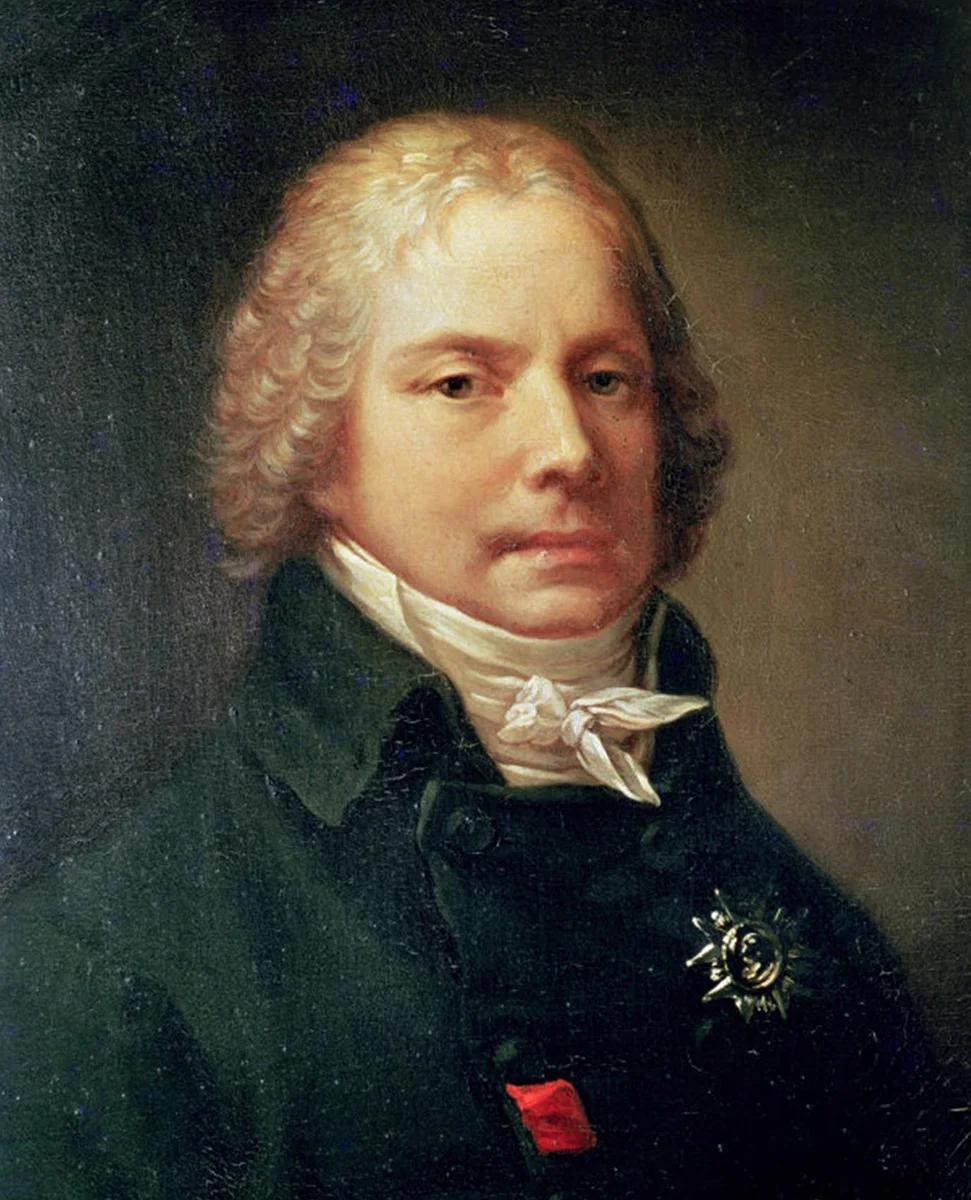
On February 2, 2024, the 270th anniversary of the birth of Charles Maurice de Taleyran-Pener, Prince of Benevince, Bishop of Otnyskiy. Even during the lifetime of this politician, he was called the "Father of Lie" and the "King of Deception." His name has become a householding to indicate an extreme degree of resourcefulness, cunning, corruption and unprincipledness. Historians urge not to believe even his memoirs, published, according to Taleiran's will, 30 years after his death. The only thing he never lied about is that he does not care about what the descendants say about him. He served six different regimes in France, betrayed his associates and sold information to the enemies of France. The main thing for him was always his own benefit and well -being. And still, he was extremely in demand by any regime. Who was Talleyrand - a politician, a fraudster or a hero, - Maxim Leonov understood.
"I was lonely"
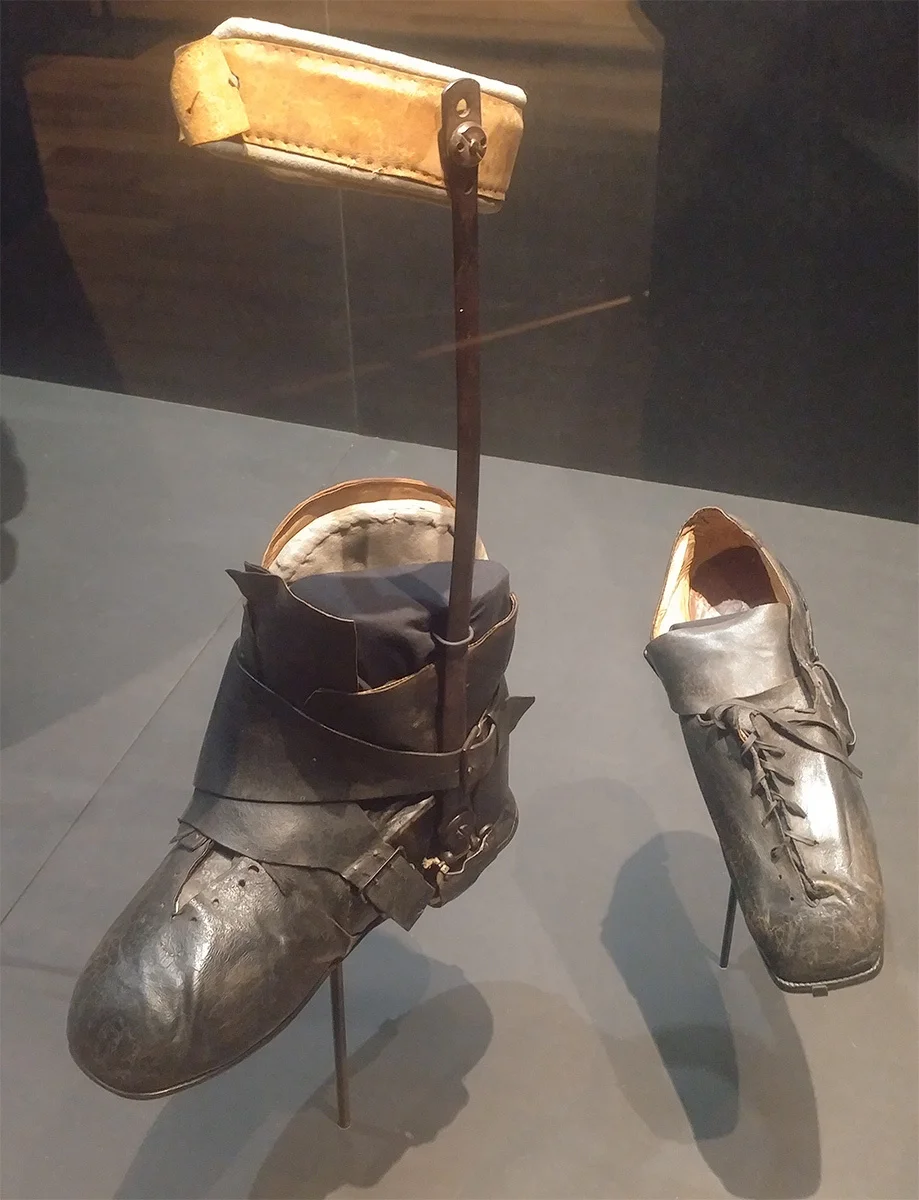
The future Minister of Foreign Affairs of France came from a noble, but not very rich family. His ancestors served the king for centuries, mainly in the military field. When Charles turned four, it turned out that the military service did not threaten him: one of his leg was shorter than the other, which caused pain when walking or long standing. Throughout his life, talineyran will walk with a cane and wear orthopedic shoes with thick soles.
In his memoirs, Talleyrand wrote that his parents did not care about him at all, left him in the care of the nanny in the suburbs of Paris. She put the boy on a high chest of drawers as a punishment for some prank. When trying to get off the chest of drawers, he broke his leg. But the nanny did not tell anyone about this, the leg fused incorrectly, which closed Talleyrand access to military service.
However, some historians, in particular heekel, tend to believe that the disease could be hereditary. As evidence, a portrait of Uncle Charles Gabrielle de Taleyran-Penerigora, on which he is depicted in exactly the same shoes that Charles wore. And the story with a chest of drawers and a broken foot, according to researchers, is nothing more than a childish resentment against parents who did not pay due attention.
Be that as it may, the military service of Charles really did not shine, and therefore they decided to prepare him for ordination in priests and a career in the clergy. The young Talleyrand himself strongly resisted this. “ Youth is that period of life when a person is more honest. I still did not understand what it means to accept one title with the intention of following another, to take on the role of constant selflessness in order to more confidently pursue a ambitious career, to visit the seminary in order to become Minister of Finance.
It was necessary to know very well the world that I entered, and the time that I lived in to find all this is simple. But I did not have any means of protection, I was lonely,
All those around me pronounced ready -made words and did not allow me to slip away from the plan adopted for me by my parents. After a year of stay in Reims ( at that time, the main archbishop of France, in which Uncle Charles served as a coadjutor. - Approx. Aut. ) I saw that I could not avoid my fate, and my tired spirit resigned to me; I allowed myself to take myself to the Sulpicia seminary , ”Talleyrand wrote in his memoirs.
In 1779, Charles Talleyrand became a priest and makes a rather quick career in the church. In 1788 (at 34), he was being erected to the rank of Bishop of Otnysk, and the next year they elected a deputy from the clergy to the General States, the highest advisory institution of the French estate representative office from 1302 to 1789. Recall that on July 14, 1789, the Parisians stormed the Bastille by storming (at that time her garrison consisted of 82 veterans and 32 Swiss soldiers, seven prisoners were contained in the fortress), and later she blocked her with the ground. This served as the beginning of the Great French Revolution, which overthrew the absolute monarchy of Louis XVI (executed on January 21, 1793 on Grevskaya Square) and proclaimed the first French republic, whose motto became the words: “Freedom, equality, fraternity!”
In the first part of his memoirs, Talleyrand with a clear share of nostalgia speaks of the monarchy and admires the departed era. “The young king, scrupulous morality, rare modesty; ministers, known for their enlightenment and impeccable honesty; The queen, whose friendliness, charm and kindness softened the severity of her husband's virtues - everything was full of veneration, everything was full of love, everything was a festival! Never spring was so brilliant preceded such a stormy autumn, such an ominous winter, ” he recalled his presence on the coronation of Louis XVI on June 11, 1775.
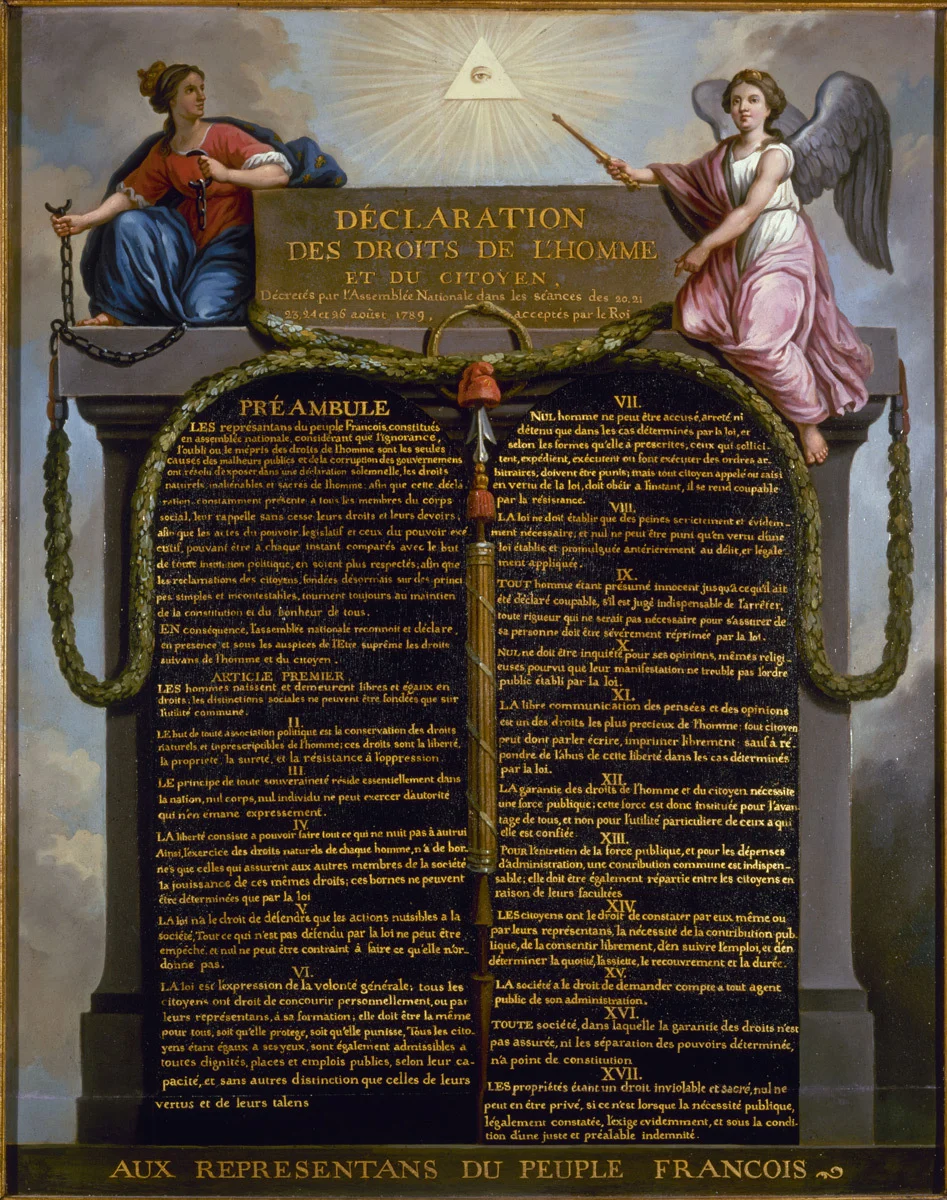
In the General States, he is actively included in revolutionary activities, in particular, participates in the writing of the Declaration of Human Rights and Citizen. In addition, he offers the reform of the church, which provides for the nationalization of church property.
In 1791, the Pope excommunicates Talleyrand from the Church and forbids to preach. But this did not prevent Talleyrand from writing several letters to the king with the offer of his services.
Shortly before the September terror (mass executions of aristocrats in September 1792), Talleyrand leaves for England.
Upon learning of the Parisian events of September, he decides to wait with a return. And here for the first time the intuition of the future minister is manifested: without going to France, Talleyrand avoided arrest and possible execution.
The revolutionaries discovered his letters with a service offer in the papers of the at that time Louis XVI. On December 5, 1792, the convention was issued by the arrest warrant of Talleyrand.
At the same time, in London, the former bishop was also not very happy. Representatives of the French aristocracy, emigrating to England, considered Talleyrand a traitor and tuned the British against him. In 1794, Talleyrand was forced to leave London. But he did not move to Europe, but to the North American United States of America. At that time, Talleyrand earned a living with financial transactions and real estate transactions. But no details were preserved about what served as a reason for rumors that the financial activities of Talleyrand were not legal .
"You are shit in silk stockings!"
Talleyrand was able to return to Paris only in 1796. Although he began to try back in 1794, after the execution of Robespierre and his supporters. But the directory who came to the Convention continued the policy of terror, which was subjected to those who were suspected of sympathy for the monarchy. And Talleyrand, thanks to his letters to the king, was considered a potential royalist. In the end, he was still allowed to return to Paris, but for almost a year he was not allowed to state affairs. And only thanks to the troubles of his former mistress, Madame de Steel, at that time in close relations with the actual head of the directory by the Barras field, Talleyrand managed to receive the post of Minister of Foreign Affairs. At that time, this position did not promise any preferences and benefits, since revolutionary France practically did not conduct foreign policy activities.
In general, despite the lameness and not very attractive (according to historians) appearance, Talleyrand was very charming, witty and even generous with women. Therefore, many Parisian beauties of that time went through his palace. And most of them continued to participate in the life of a former lover when something was needed from them. The first time the diplomat married, at the insistence of Napoleon (the ambassadors refused to visit Taleyran’s castle, comparing him with a brothel), on Katerina Gran, with which he cohabitant since 1798, without denying himself in the novels on the side. The marriage was fictitious, Talleyrand had numerous ties, but the spouses parted only after Napoleon’s first abdication in 1814.
At the end of his life, the politician became very carried away by his nephew's wife Duchess Dino, who later made his arbitrariness and heiress.
In 1797, the rapprochement of Talleyrand and Napoleon Bonaparte accounts. On November 17, 1799, with the help of Talleyrand, Napoleon carries out the coup, declares himself the “first consul”, and a dictatorship is established in France. In 1804, Napoleon proclaims himself the emperor, which preceded several murders, shocked Europe and sharply lowering the rating of Napoleon Bonaparte among aristocrats, who until then admiring the marshal.
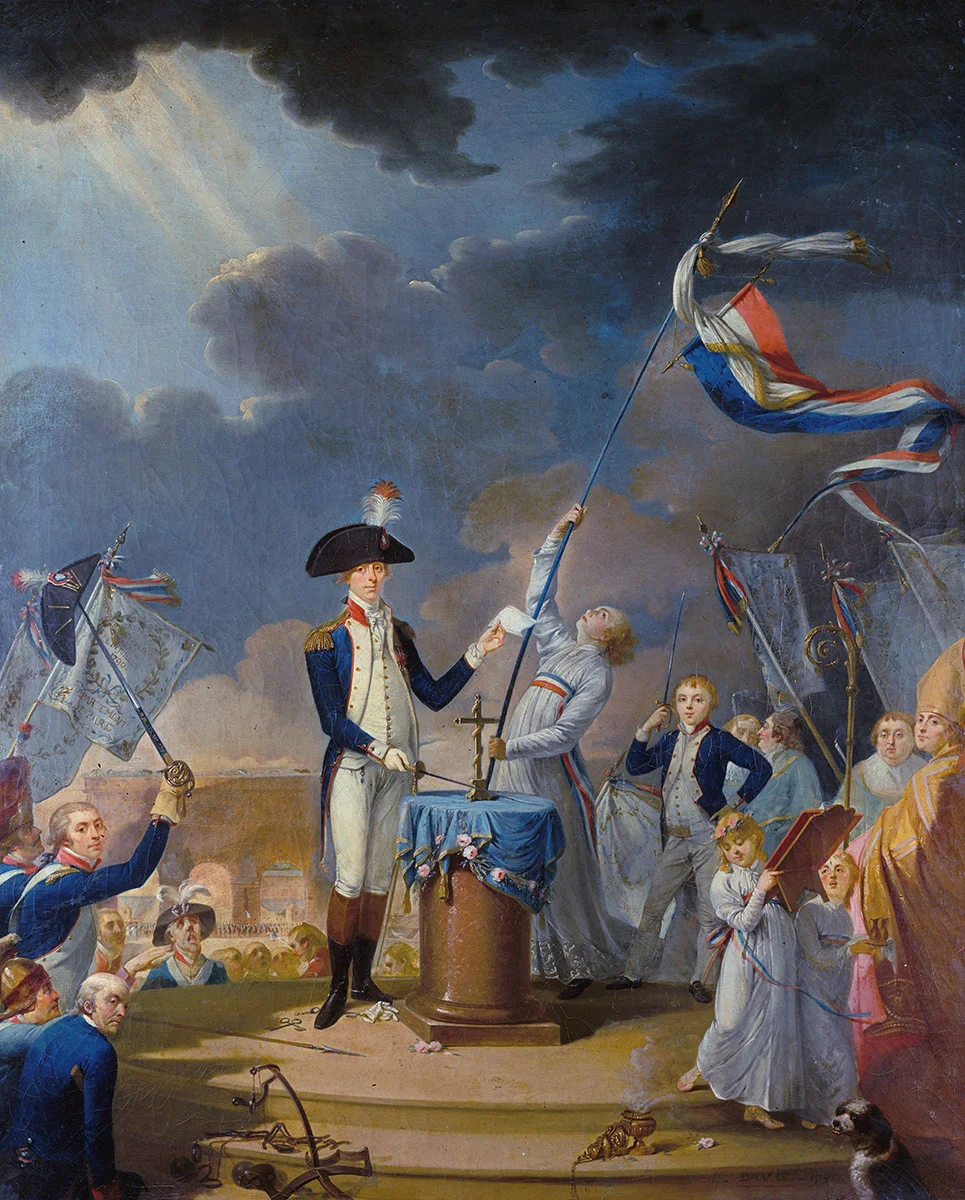
In January 1804, several Frenchmen secretly landed in Normandy, the purpose of which was Napoleon's overthrow. Among them were the generals Charles Pishegru (Napoleon called him the capable general of the republic), Georges Kadudal and Jean Moro (the descendants will call him Napoleon’s main rival, although the emperor really appreciated the Moro and even wanted to give his sister to Karolina Bonaparte, but the woman preferred to marry Joachim Murata, who became the king in 1808 Neapolitan kingdom).
The first in the hands of the police was Pishegru, who was given by his former subordinate. The general was arrested on February 28, 1804, placed in the castle of Temple. On April 6, 1804, the jailers discovered his corpse. According to the official version, he strangled himself with his own tie. In this cause of death, few people believed, and after what happened to the Duke of Engien, everyone was convinced that Bonaparte began to kill his rivals, without understanding whether a person was guilty or not.
Louis Antoine Henri Bourbon-Conde, Duke of Engien, representative of the younger branch of Bourbon, was killed on March 21, 1804, on the direct order of Napoleon. Prince Conde, as he was more likely to call him, lived a calm life in the Duchy of Baden. In the general opinion, the young aristocrat did not climb into politics, preferring love affairs. He was caught on this weakness. Talleyrand convinced Napoleon that the Duke was directly related to the Cadel -Pishegryu conspiracy. Later studies refuted this information, but then Napoleon believed her. The French spies stole the mistress of Prince Conde and took her to the border French city of Belfort. Then, on behalf of the woman, the duke was sent a letter demanding a ransom. When the 32-year-old prince rushed to Belfort, he was arrested by French police.
On March 15, 1804, he was delivered to Paris, convicted by a military court and was shot in the Vincennese forest that night. After the trial, the duke tried to achieve a meeting with Napoleon, but Talleyrand prevented this.
Before the execution, the duke still managed to write a letter in which Napoleon stated his own version of the events, indicating that Talleyrand, accusing him of relations with the conspirators, impudently lied.
Much later, the diplomat and writer Marie-Henri Bayil (known under the pseudonym Stendhal) discovered a copy of that letter and betrayed him publicly. This was a complete surprise for Talleyrand, who for several years carefully destroyed all the documents connecting him with the "Duke of Engien". Moreover, in 1818, the father of the murdered Duke Louis Conde returned to Paris. Upon learning of this, Talleyrand through a woman close to Konda spread a rumor that he was trying to save the young duke, but Napoleon was adamant. When these rumors reached Conde Sr., he went to Talleyrand and wrapped in a hug, thanks to an attempt to save his son.
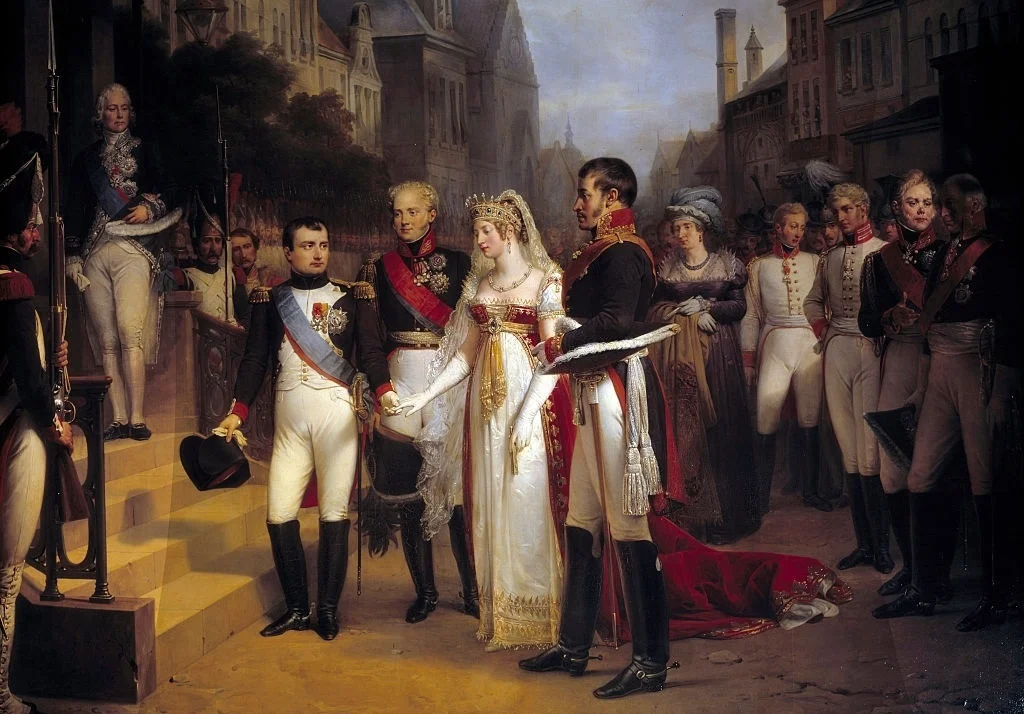
The murder of the Duke greatly influenced not only the attitude of the foreign aristocracy towards Napoleon and Talleyrand. That execution led to the fact that even his associates turned away from Napoleon. In particular, the author of the Civil Code of Napoleon Antoine Bulle de la Mart exclaimed in his hearts: “This is worse than a crime! This is a mistake! " And the murder accelerated the organization of the third anti -French coalition (Russia, England, Austria, Sweden, the Kingdom of Neapolitan).
Earlier, we wrote about how the Jesuits, who received a refuge in Russia at the end of the 18th century, helped the Minister of War Barclay de Tolly (led the Ministry in 1810-1812) to prepare for the war with Napoleon. Through their channels, they connected the Count Alexander Chernyshev (held the post of head of a special office, a prototype of foreign intelligence service) with Talleyrand, who agreed to supply Alexander I secret information.
Each month, the military Ministry of the Russian Empire received a detailed report on the number and deployment of military units, on the mood in the army, about the economic state of France, on which the supply of the army depended entirely. Thanks to this information, Barclay de Tolly developed a plan for a future war with Napoleon. The minister convinced Alexander I not to meet the French on the border and not give the general battle as long as possible. Allow them to occupy the western part of Russia, having stretched out communications as much as possible, create obstacles to supply with fodder and food, expand partisan actions. And only after the French army will be demoralized and weakened by the lack of food and constant attacks, give them a general battle.
Talleyrand himself in his memoirs several times speaks of his “special relationship” with the Russian emperor, but he does not admit that he worked for Russians before the war of 1812. At the beginning of the 20th century, on the eve of the 100th anniversary of the Patriotic War of 1812, the Swiss bankers published information about some Talleyrand accounts in their banks. From this publication it followed that Talleyrand from 1808 to 1815 regularly received large amounts of money from Russia. At the same time, he did not even make this special secret, because in 1809 Napoleon learned about these payments, who attacked Talleyrand with fists and shouting:
“You are a dishonorable person! There is nothing saint for you! Why haven't I hung you yet? But beware, for this there is still enough time! You are shit in silk stockings! ”
Talleyrand listened to all the attacks silently. And leaving the reception room, he said : "What a pity, gentlemen, that such a great man has been so poorly brought up."
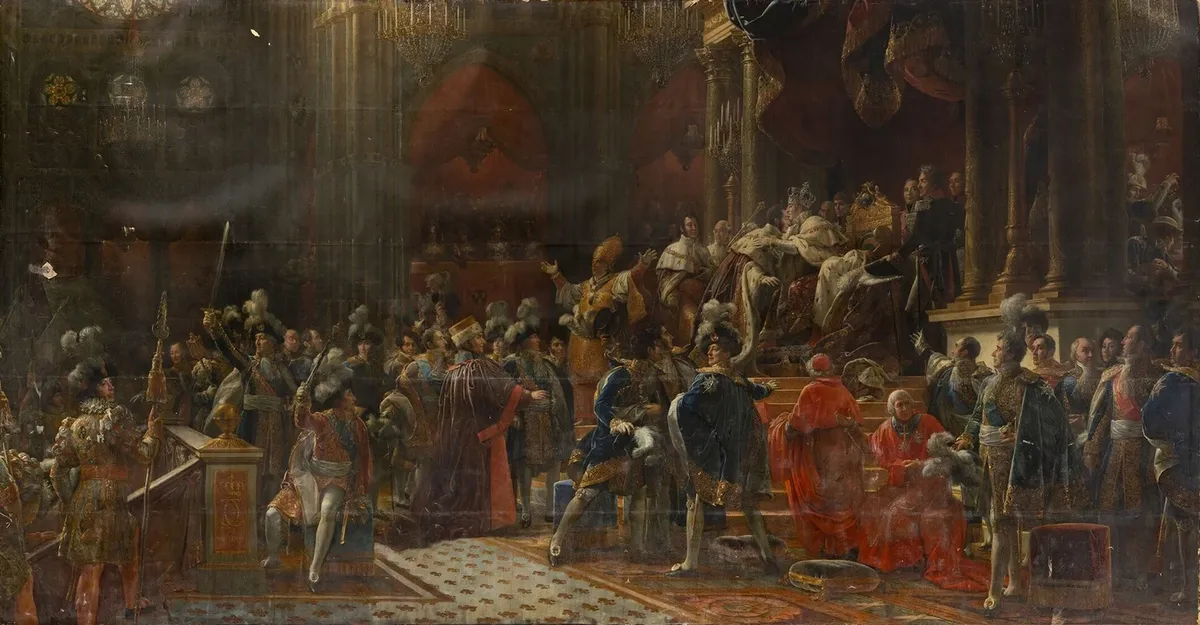
But even after this terrible scene, Napoleon for some reason continued to trust Talleyrand, who actually already worked against the emperor. Moreover, after the exile to the island of Elba and returning to France in 1815 (the famous 100 days), Napoleon tried to attract Talleyrand, who had already managed to work on Louis XVIII to his side at that time. But the politician again demonstrated an excellent instinct: he rejected the proposal, realizing that the emperor would not sit on the throne for a long time.
After the revolution of 1830, when instead of Karl X Bourbon, who sought to revive the absolute monarchy, Louis-Philipp I Orleans ascended the throne (the period of the constitutional monarchy in France, called the July monarchy, which lasted until 1848), Talleyrand became very uncomfortable in Paris, where many royalists returned from emigration, and he left and he left. The ambassador of France to England. In 1834, when determining the state border of Belgium, Talleyrand for a bribe received from the Dutch king, proposed to make Antwerp “free city” under the protectorate of England, thus leaving him from the influence of Belgium. Such actions were contrary to the official policy of both France and England. Therefore, the behavior of an elderly diplomat caused surprise and suspicion. Talleyrand was accused of a bribe, he denied, but it did not work out to pay off the scandal - he was forced to resign. Subsequently, Antwerp still became part of Belgium.
After the resignation, Talleyrand lived in his estate in Valance, where he died on May 17, 1838 (at the age of 84).
Ahead of the time
“In 1993, I was lucky to be selected to the group, which was sent to study in the United States,” said the New-Europe, Colonel Alexander K. (the surname is in the editorial office). - The group included a variety of specialists, who then scattered in accordance with their specialization in various American structures and educational institutions. I and three more of my colleagues have been sent to study at profiling courses, which have been operating in the FBI since the 1980s, and the methodology itself has been used from the late 70s.
There are not so many real profiling specialists in the world, for this it is necessary to have a specific set of qualities, from acute observation to understanding the language of the body and behavioral attitudes of representatives of different segments of the population. But an experienced profile, even in small details at the crime scene, is able to draw up a psychological portrait of the criminal with a different degree of probability. In Russia, a bright representative of this technique is considered a professor at psychiatry Alexander Bukhanovsky, who compiled a psychological portrait of a serial killer in the Lesopolos case. После ареста Андрея Чикатило его психопрофиль полностью совпал с тем, что составил Бухановский.
— На курсах мой преподаватель Эдвард Майер, потомок одесских евреев, эмигрировавших в Израиль в 40-х годах прошлого века, любил представить нам психопрофиль какого-нибудь известного политического деятеля и предложить нам угадать, о ком идет речь, — вспоминает полковник.
— Мне особенно запомнился психологический портрет Талейрана. Ни один из слушателей курсов так и не смог угадать, кому принадлежит психопрофиль.
Впрочем, Майер сам потом признался, что, когда он давал задание другой группе слушателей составить психопрофиль Талейрана, он не ожидал такого результата.
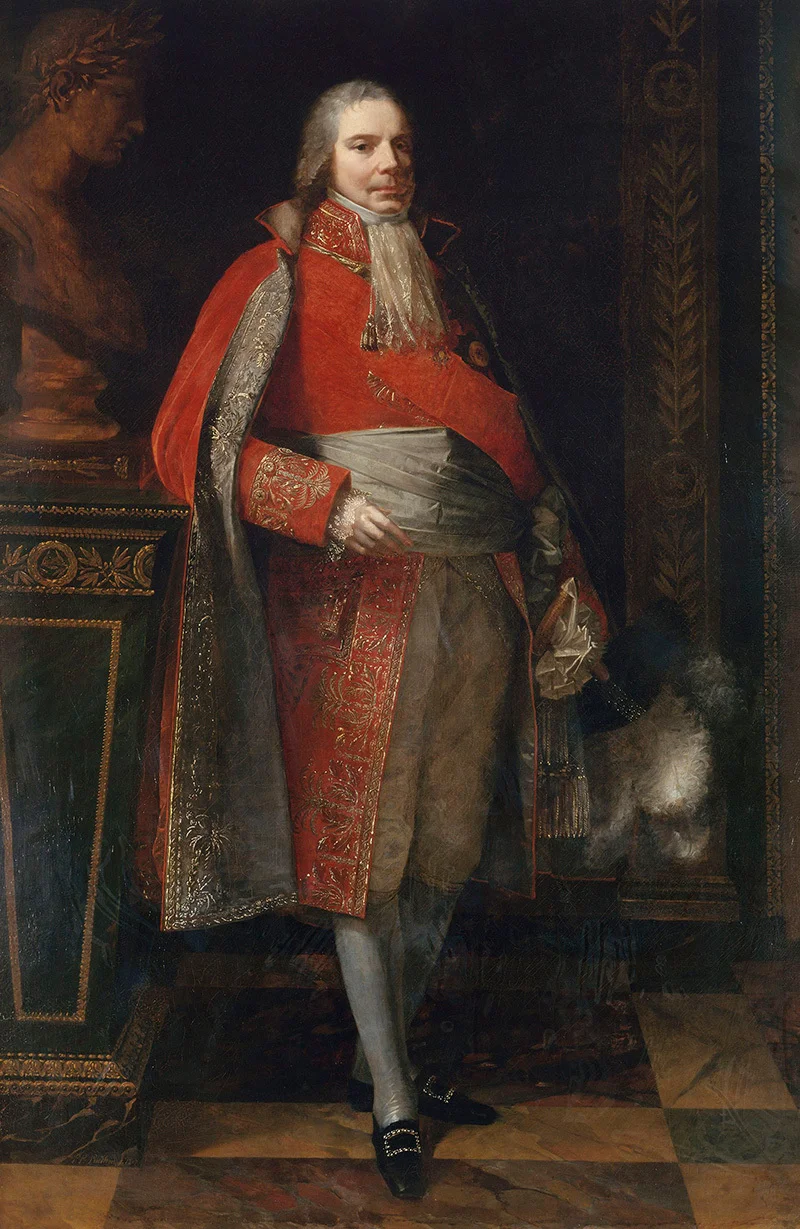
По словам профайлера, поведенческая модель Талейрана, его моральные установки, поступки, высказывания были слишком нехарактерны для представителя аристократии конца XVIII века.
— Если внимательно изучить биографию Талейрана, то объяснение его поведению и поступкам легко находится, — считает Александр. — Отсутствие внимания со стороны родителей напрочь размыло семейные установки. Чуть ли не насильственное подталкивание в сторону церковной карьеры выработало неприятие тогдашних реалий. Явный дисбаланс в декларируемых ценностях с действительностью (массовые нарушения целибата и даже педофилия, роскошная жизнь иерархов церкви, разврат в дворянских семьях, начиная с королевской семьи) размыл моральные установки и привел к тому, что на этапе психологического становления Талейран разочаровался во всем и выбрал единственную разумную для себя поведенческую модель: работать только в угоду собственному благополучию. И всё равно психологические установки Талейрана и его поведенческая модель никак не укладываются в установки того времени. Все-таки это была эпоха, когда дух рыцарства еще не окончательно угас в сердцах аристократов, когда дворяне были еще довольно щепетильны в вопросах верности и чести, а церковь с ее заповедями еще пользовалась авторитетом.
Почему убийство герцога Энгиенского так возмутило всю Европу? Не потому, что убили невиновного в угоду эфемерным целям, а из-за того, как это было сделано. Подло, исподтишка, чужими руками.
И что самое интересное, ведь сам Талейран от смерти Конде ничего не выигрывал. А вот его ближайший соратник, министр полиции Жозеф Фуше, принимавший участие в суде над Людовиком XVI, кое-какие дивиденды получал. В США как о доказанном факте говорили, что Фуше просто дал Талейрану взятку, чтобы тот оболгал герцога в глазах Наполеона. Такое поведение власть имущих не вызывает особого удивления в наше время. Но в тот период это было верхом беспринципности и цинизма. И именно этого аристократы Европы так и не смогли простить ни Наполеону, ни Талейрану. Но российским чиновникам, чтобы прийти к такой модели поведения, надо было прожить 90 лет в среде отрицания Бога и библейских заповедей, а потом стать свидетелями рухнувшей идеологии и остаться без каких бы то ни было моральных якорей. Талейран через это не проходил, а потому может смело претендовать на звание «опередивший время». Только я бы еще добавил, что знаменитый француз опередил не только время, но и страну перепутал. В России он стал бы величайшим комбинатором и коррупционером всех времен и народов.