
Translated material
Facebook celebrates 20 years
We tell the story of a company that radically changed the Internet, but has not received recognition in Russia
Photo: Rafael Henrique/ Sopa Images/ Getty images
February 4, 2024 marks 20 years with the launch of Facebook. The social network, which was originally invented to communicate students with prestigious American universities, gained worldwide popularity. Each month, 3 billion people actively use it, about 40% of the population of the planet. The New Gazeta Europe tells how the social network arose, in what scandals it was noted and why it has not received mass in Russia.
Book of faces and beautiful students
In early November 2003, Harvard Student Mark Zuckerberg was bored. As an entertainment, he created the Facemash.com website: here the user appeared images of two Harvard students, it was necessary to choose a “hotter” person. These were images from the “Book of Persons” - the database popular in American universities with photographs of students - which Tsuckerberg hacked. He explained his joke like this: “The book of Kerkland's faces (one of the hostels of Harvard. - Approx. Aut.) Open on my computer, and some have quite terrible photos in it. I want to compare some of these persons with animal pictures from the farm and ask others to decide who is more beautiful. ”
A few days after the launch on Facemash, complaints began to come. Mark Zuckerberg was forced to stop the site’s work and apologize : “Problems related to violation of the inviolability of private life seem insurmountable. The main problem is to hurt people's feelings. I do not want to take risks, insulting someone. "
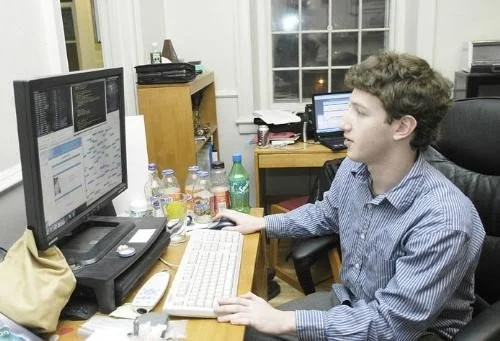
However, 450 visitors and more than 22 thousand votes demonstrated in a few days: people like to perform social actions online. And in January 2004, Mark Zuckerberg began to write a code for a new site, the purpose of which was to establish ties between Harvard students. The future entrepreneur made a deal with a classmate from Brazil Eduardo Saverin: everyone invested 1 thousand dollars into the project. The name seemed to hint at the previous brainchild of Zuckerberg - “Book of Faces”, Thefacebook. The site began to work on February 4, 2004. A few hours after the launch, 1,200-1500 Harvard students registered on it. By March, the students of Stanford, Colombian and Yale universities appeared on Thefacebook. Then students of other prestigious American universities were added. By summer, Thefacebook became a company with an office in the house that Mark Zuckerberg rented in the city of Palo-Alto, California.
In September 2004, a new function appeared in Thefacebook - “Wall”: the user’s personal page on which other people could leave public entries. The innovation attracted and forced to visit the site more often. By December, a million people were regularly used by TheFacebook. In 2005, the company removed the article of the name and acquired the Facebook.com domain for 200 thousand dollars. Access to the platform for high school students was opened. The audience grew to 6 million people.
Opening access and first advertising
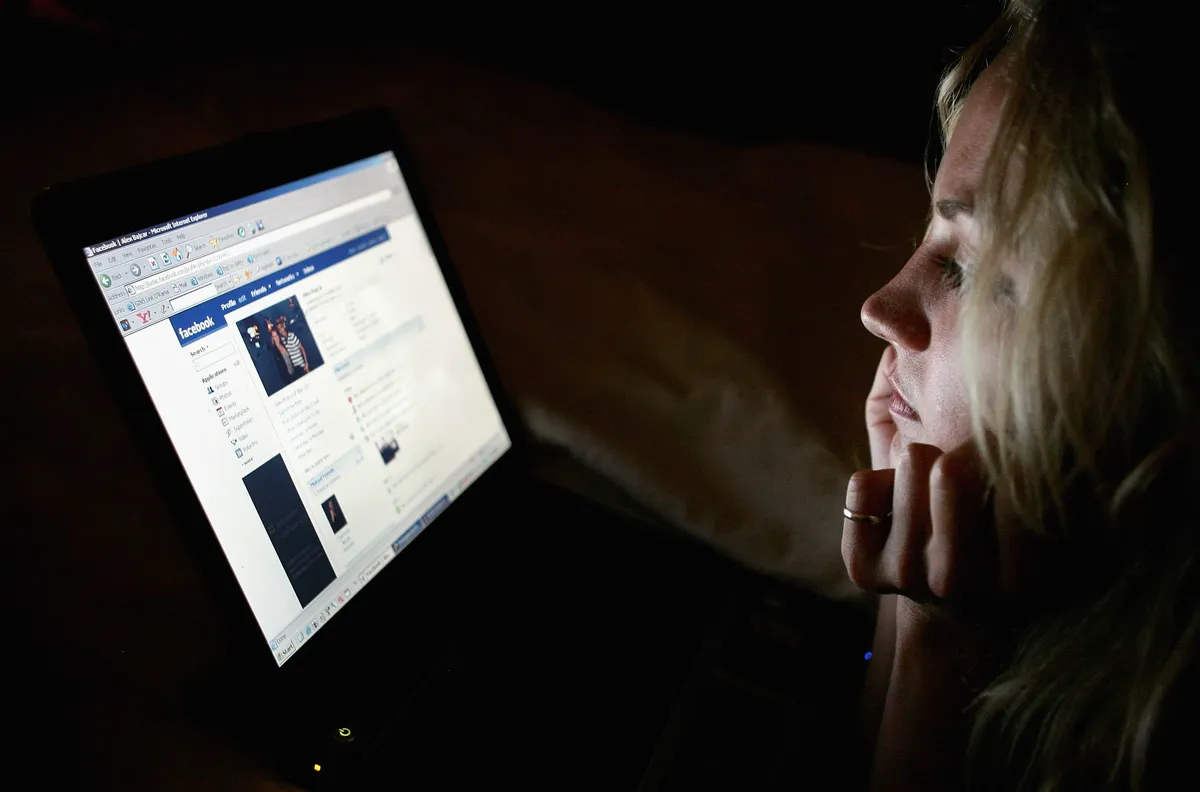
On September 26, 2006, the company announced that anyone can now register on Facebook.com-it is enough to be older than 13 years and have an existing email address. As Zuckerberg predicted at the start, the site made it possible for advertisers to build new relations with customers. In the fall of 2006, marketers of the manufacturer of domestic goods Prostera & Gamble created a page of whitening strips Crest Whitestrips and invited Facebook users to become “their fans”.
More than 14 thousand people joined the group. The direct involvement of consumers on such a scale was impossible until the social network appeared, so more and more companies began to use it for marketing and advertising.
Already in 2006, the first voices began to sound, concerned about the confidentiality of users. In September, Facebookintroduced a news feed, where all the changes that the user's friends made to their pages were displayed. After a wave of indignation, the company introduced privacy control, with which it was possible to regulate what content appears in the tape. In 2007, Facebook launched a short -lived Beacon service, allowing users' friends to see what products they purchased from the companies participating in the shares. The service failed and was closed in 2009 - users considered that it encroaches on their private life. Despite the problems of confidentiality, in 2008, Facebook surpassed Myspace and became the main social network of the world in the number of users. Having introduced the tape, the company also began to compete with Twitter gaining popularity.
Politics and buying competitors
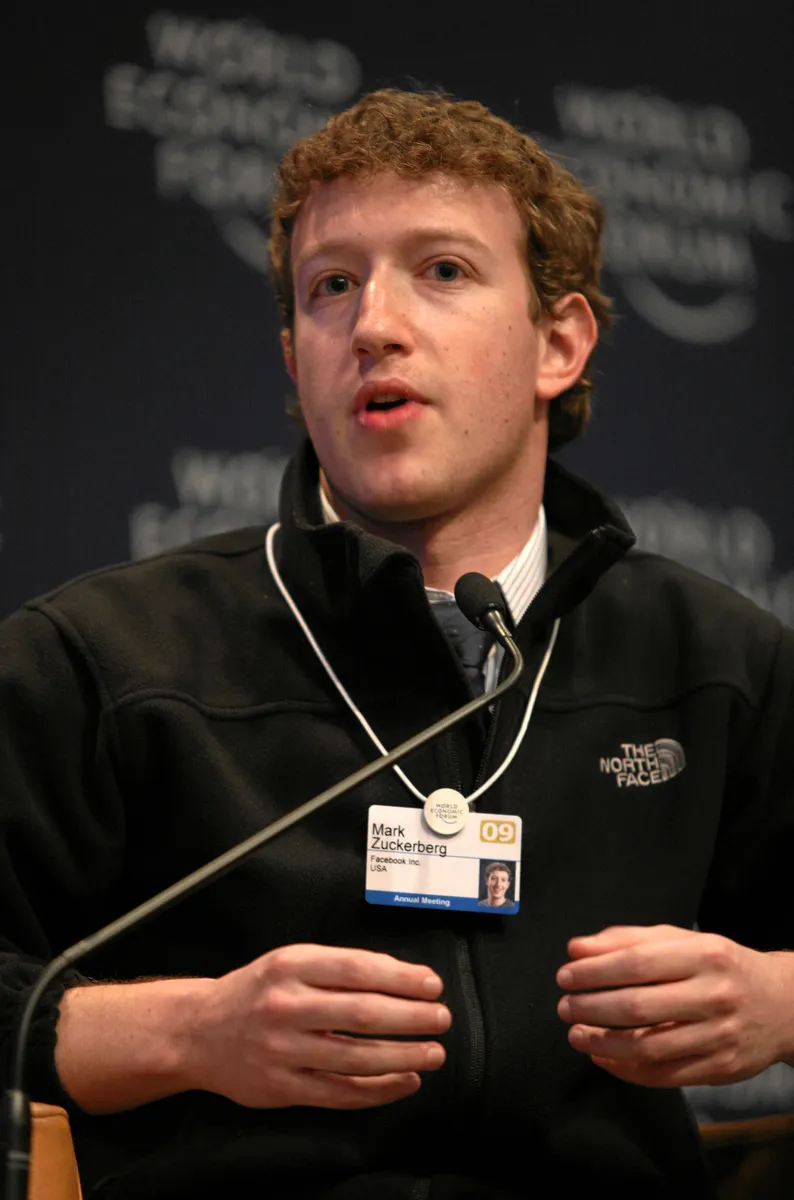
Facebook potential quickly realized political activists. In the 2008 presidential election, more than a thousand groups were created in the social network in support of the main candidates - Democrat Barack Obama and Republican John McCain. In the early 2010s, Facebook became one of the main instruments used by protesters during the Arab Spring. The social network made it possible to exchange information and coordinate actions. For example, in Tunisia, protests began after a video of the self -immolation of the seller of fruits was published on Facebook, who was tired of the constant requirements of bribes and confiscation of property from local police officers. In Egypt, Facebook was used to organize mass protests, which led to the overthrow of the President Hosni Mubarak, who ruled for almost 30 years.
In April 2012, the company acquired the social network Instagram for $ 1 billion. According to Facebook employees participating in the deal, Tsuckerberg went to such a radical step, fearing competition with Twitter and hoping to subordinate all the services of mobile photography. In May 2012, Facebook went to the exchange and raised $ 16 billion, which at that time became the largest IPO technological company. In October, the social network reported on one billion of active users around the world. “It is worth paying tribute to Tsukerberg and his colleagues,” the expert, an employee of one of the American IT companies, shared from the Novo-European.
- Without talent and brains, this would not have happened. However, the magic of Silicon Valley also played a role. A huge number of investors contributed to the implementation of creative ideas.
There was also a network effect: when a critical number of users accumulate on the digital site and the service becomes the standard. It is not so important whether it is good or bad - it is already impossible to knock it out. ”
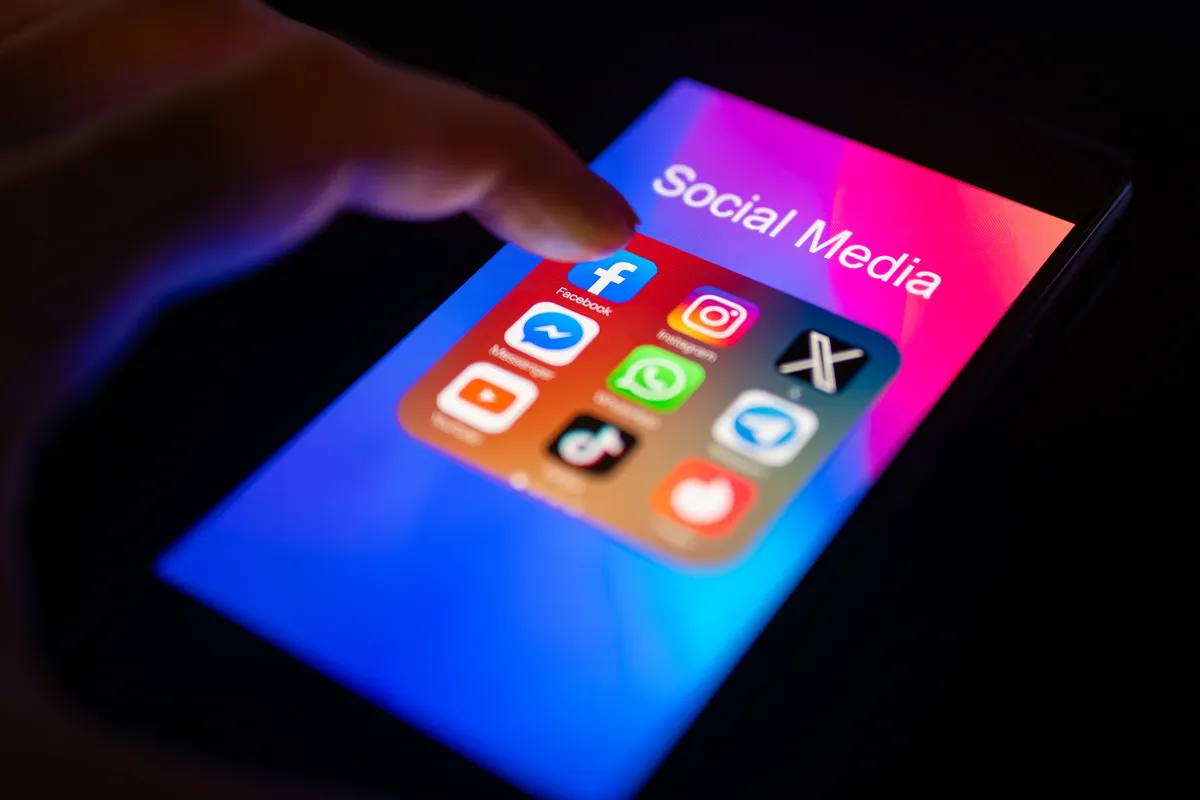
In 2014, Facebook acquired the WhatsApp messenger for $ 19 billion and a startup for the development of Oculus VR virtual reality devices for $ 2 billion. There were several reasons. Firstly, the expansion of the user base: at the time of the conclusion of the WhatsApp transaction was one of the fastest growing instant messengers in the world with an indicator of about 450 million active users. The acquisition allowed Facebook to increase the world audience. Secondly, competition: the rapid growth of the messenger could threaten the position of the social network. Thirdly, diversification: Mark Zuckerberg planned to expand the business outside social networks. Buying WhatsApp allowed the corporation to enter the new digital market segment.
Russian Facebook: Bohemia, grandmothers, blocking
On June 20, 2008, the Russian -speaking version of Facebook earned. By this moment, the Russian VKontakte social network was functioning for more than a year and a half, which managed to gain about 12 million users. The expert complements: “Durov shamelessly copied Facebook when creating VKontakte. Visually, social networks were very similar. This is a normal process - in any field, everyone initially looked at the leader. However, then VKontakte stopped thinking thoughtlessly for a competitor, it was possible to make a technologically good and quick service adapted to Russian realities. ”

Such a temporary gap between the appearance of VKontakte and the launch of Facebook in Russian led to the fact that the American social network did not really become in Russia and many CIS countries. “On Facebook, an intelligent bohemian audience originally entered Russia in Russia,” the expert from an American IT company states. - I am sure that before, and now her backbone is formed by educated residents of large cities with good income. I doubt that in villages and villages, people used Facebook before the ban. Why? They have clear VKontakte and Odnoklassniki. " “Classmates” launched in March 2006 and managed to gain about 15 million users for the appearance of Facebook in Russian. The expert complements: “In addition, the media and bloggers oriented to the audience from large cities wrote about the launch of Facebook. This attracts - fashionable and cool people from California with beautiful faces came.
And what? Durov with a wall and "classmates" with grandmothers? The choice between the product from people from the future and the Russian fake is obvious, which also collaborates with Comrade Major. ”
As a result, Facebook in Russia remained a rather niche social network, regularly occupying the last places in dozens of the most popular social networks of the country. VKontakte several times superior to Facebook in the number of Russian -speaking users. A huge outflow of already not a very numerous audience contributed to the full -scale invasion of Russia into Ukraine. On March 4, 2022, Roskomnadzor blocked the social network for "26 cases of discrimination against Russian media and information resources." The deputy chairman of the State Duma on Inform Policy Anton Goryekin said that after the start of the war, "the top management of Meta took a pronounced Russophobic position, actually encouraging to publish calls to kill Russian citizens on his social networks." This meant the publication of the screenshot of the internal mailing of the press secretary of META Andy Stone, which stated that the company temporarily lifted the ban on violence against the Russian military in Ukraine, as well as the authorities of Russia and Belarus. For six months of blocking, the Russian -speaking audience Facebook decreased from 41.3 million to 18 million people. According to the expert, the ban on social networks makes it in Russia an even more niche product - mainly educated people with a good income age 30-50 years continue to use it, a significant part of which are relocates. “I see the full return of Facebook to Russia only with a radical change in the political regime,” says the specialist.
Meta-united
From the very beginning, the Facebook business model was built on the collection of user data and selling them to other companies. The corporation did not hide this, the expert emphasizes. However, in 2018, a large -scale scandal erupted. It became known that the British company Cambridge Analytica used Facebook customers to place targeted political advertising. In total, the campaign influenced 87 million people and could contribute to the results of the referendum on the exit of the UK from the European Union and the election of Donald Trump to the post of US president in 2016. Mark Zuckerberg recognized the error. In 2020, the US Federal Trade Commission sentenced Facebook to a fine of $ 5 billion.
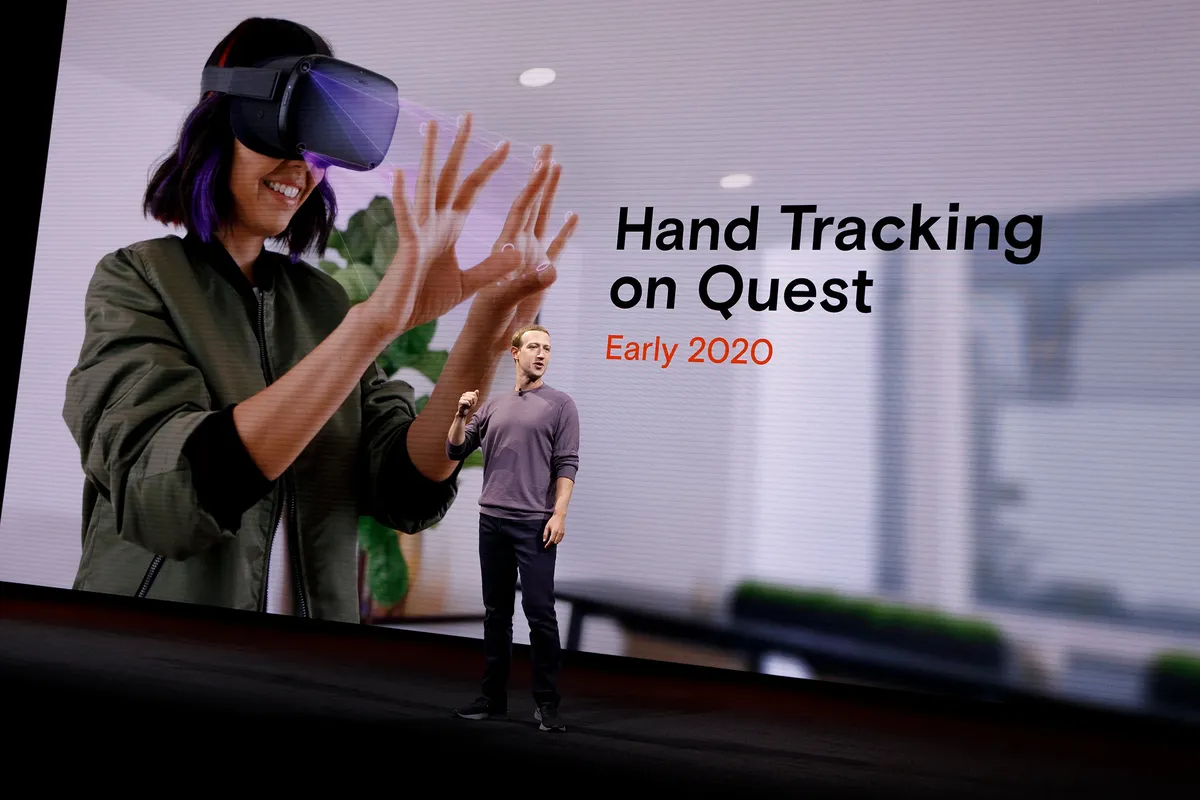
At the end of October 2021, Mark Zuckerberg announced the decision to rename the owning Facebook, Instagram and WhatsApp company Facebook. He explained this like this: “Now our brand is closely connected with one product, which is why it cannot reflect everything that we are doing today, not to mention the future.
Over time, I hope we will perceive us as a metavselnaya, and I want our work and identity to be based on what we are striving for. ”
The corporation is called Meta.
The name was chosen to overlap with the key product on which Tsuckerberg had high hopes - metavselnaya, virtual space in 3D. The creator of the social network explained : “In this future, you can instantly teleport in the form of a hologram to be in the office without an hour peak, at a concert with friends or in the living room of parents.” Some journalists wrote that the change of name was a PR-trip to distract people from scandals with politics and the sale of data.
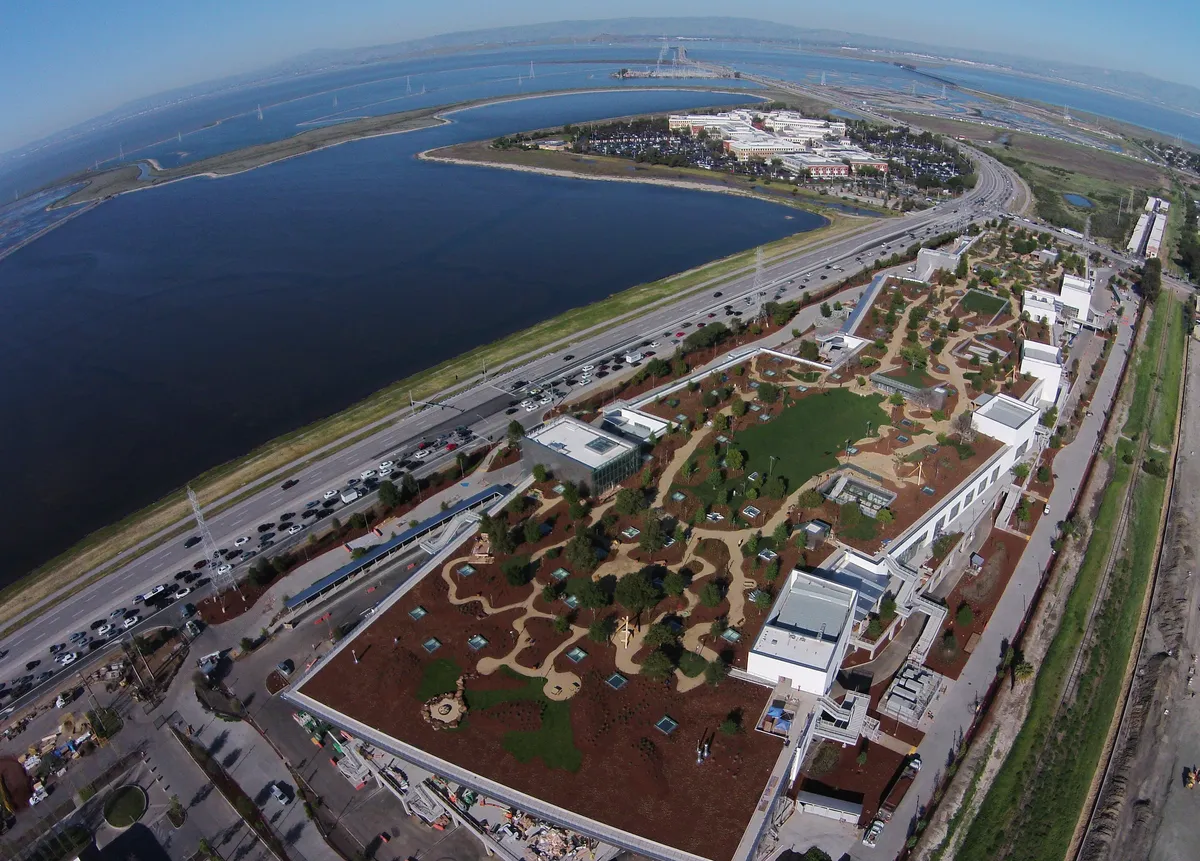
So far, META experts continue to develop a full -fledged metavselnaya, but in the real world much more prosaic problems are preserved. The complex of reasons-a lag behind Google in the field of online advertising, weak monetization of Instagram and WhatsApp, constant fines from states and serious expenses for the development of the meta-combat-out- lead to a decrease in the cost of the company and its first brainchild. The cost of the Facebook brand has changed dramatically-from $ 101 billion in 2022 fell to 59 billion in 2023.

According to the expert, the Facebook scandal demonstrated the danger of the era of “supervisory capitalism” - this term was introduced in her book by a researcher from the Harvard Business School Shoshan Zuboff. She described the process in which IT corporations receive any information about Internet users. Predictive analytics allows people to target suitable products, which makes it possible to manage consumer demand. These problems, coupled with other features of Facebook development, influenced their creators.
“Cool fashionable guys who make a service to communicate people turned into a monster, an octopus that extended his tentacles into every house and sells information about it to anyone,
“The expert states,” a huge transformation happened. Facebook is now the main evil. Previously, residents of Silicon Valley proudly said that they work on Facebook, and now they are silent about it. Otherwise, friends and acquaintances will come up with. ” The chance of changing this process is small. According to the expert, the rebuilding of the Facebook business model in the direction of departure from the data trading can take 10-15 years and means tens of billions of dollars of lost profits. Institutional investors who invested hundreds of millions of dollars in the social network are unlikely to agree to this.