
Translated material
What can not be done when frostbite?
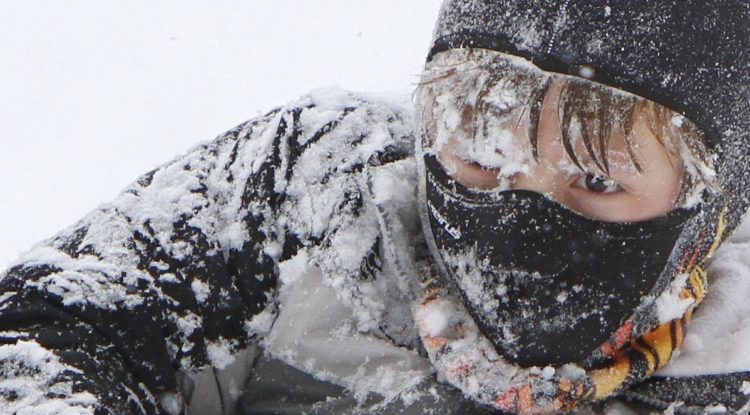
Sit by the battery and drink alcohol, and what else? Instruction "Cold"
In winter, hundreds of people get frostbite: some are finished with light injuries, but others lose their fingers, and in extreme cases you can die from hypothermia. At the same time, in Russia, the time of heating seasons constantly occur accidents , which is why many are left without heat in winter. “Cold” found out how to recognize the degree of frostbite, what needs to be done with each of them and when to contact the doctors. And also - how to prevent frostbite.
In order not to miss the main materials of the "cold", subscribe to our Instagram and telegram .
Fraud is damage to the skin and other tissues caused by cold. It can affect any part of the body, but most often hands, legs, ears, nose and lips suffer. This is how this happens: when the ambient temperature decreases, the blood vessels at the surface of the skin are narrowed to slow down the bloodstream and prevent heat leakage from the body. This is not dangerous if the street is not very cold or if you are not there for long. But the longer you are in the cold, the higher the risk of getting frostbite: first in a soft form, and in extreme cases - in a severe one.
Light frostbite
It is most likely to get frostbite in the initial stage: fingers, brushes, cheeks, nose and ears become cold and tingling slightly, the skin can turn red and lose sensitivity. This is not dangerous if you are not long in the cold. But there is a risk not to notice that frostbite is growing.
Here's how to help yourself:
- Return to the warm room.
- Remove outerwear to dry.
- Drink something hot or warm (but without alcohol).
Important: warm gradually. For example, do not apply the injured parts of the skin to something hot.
Moderate frostbite
This is a more serious situation when the body begins to save the outer layers of the skin, providing a sharp surge of warm blood to them.
Symptoms of moderate frostbite:
- stitching and burning pain in the arms, legs or face;
- sensation of numbness;
- The reddened skin becomes pale, cold, hard and as if wax;
- When returning to heat, painful spots resembling bruises may appear;
- The skin can peel off and hurt, as with a sunburn;
- In a day or two, blisters may appear.
Such frostbite usually goes on its own, but for the best effect, try to adhere to the following tips:
- Return to heat immediately. If possible, home.
- Give the body time to return to room temperature. Dress in free and dry clothes. If it is cool in the house, wrap yourself in a blanket.
- Drink warming drinks or eat warm soup.
- Use warm dry compresses. Pick warm water in a bottle, wrap it in a towel and apply to the neck, chest and groin.
- When you feel that you are warmed, you can go to the shower. Start with warm water, then gradually increase the temperature.
What can not be done:
- Do not ignore the problem - defeats can be irreversible.
- Do not try to keep warm with the help of heaters or a hot bath. This can lead to skin damage and cause potentially fatal arrhythmia.
- Do not drink alcohol. It gives only the sensations of heat, but in fact reduces the internal body temperature.
- Do not apply compresses to your hands and legs. The heat that affects the arms and legs makes cold blood return to the heart, light and to the brain, which is why the internal body temperature drops.
- Do not rub the body and do not massage the injured areas. Due to hypothermia, the heart rhythm can be irregular, so energetic massage can lead to cardiac arrest.
Important: if after half an hour you are no better, this is an occasion to go to the hospital.
Deep frostbite
Such frostbite is truly dangerous-the body loses the hope of warming the outer layers and suspenses the bloodstream there to save heat inside the body. As a result - the outer layers receive even more severe damage from the cold.
Symptoms of severe frostbite:
- muscles and joints are village, the skin continues to go numb;
- The skin is becoming more and more wax, hard, yellowish-white or with a bluish tint;
- the damaged part of the body is difficult to move;
- The skin can get blackened;
- After two to four days, large blisters may appear.
What to do:
- Return to heat immediately to brake the frostbite process.
- Contact the emergency room as soon as possible.
- Take ibuprofen if unpleasant sensations or pain become strong.
Call an ambulance if you notice any of these symptoms in your own or in a person nearby: strong fatigue, confusion, slurred speech, poor coordination, weak pulse or loss of consciousness. These are signs of medium or severe hypothermia - the help of specialists needs their treatment.
What can not be done:
- Do not hesitate - it is almost impossible to restore a blackened (dead) fabric.
- Do not massage and do not try damaged areas.
- Do not pierce blisters or fluid -filled bubbles so as not to bring the infection.
- Do not start warming the damaged areas sharply.
- Do not drink alcohol.
How not to freeze next time
Check not only the temperature on the street, but also the wind strength and humidity. Ideally, if in the weather the application it is written “It feels like ...” - focus on this temperature. In general, it is better for a long time not to walk at a temperature below −15 ° C.
Do not wash yourself and do not wander before leaving the house . Do this, for example, the night before. So on your skin a natural fat layer forms that will protect it. Or use creams that create a thin protective layer that helps to retain heat and moisture. But avoid the products containing water.
Dress the weather . In the cold, it is better to use three layers of clothing. The basic is a thin lower layer that takes sweat to the outside of the material for further evaporation (thermal underwear). The insulation is the average breathing layer, which at the same time holds heat (fleece or wool sweatshirt). Protective- warm upper layer that protects against the external environment (insulated jacket or down jacket with wind and moisture-proof).
Do not wear cotton clothes . This material does not remove moisture from the body poorly - wet clothing cools down, and you begin to freeze. Give preference to clothes made of high -quality synthetics or wool.
Keep your legs warm . In winter sneakers, there is often a mesh membrane that is not suitable for low temperatures. It is better to buy boots made of genuine leather or high -tech substitute (for example, eco -leather). Shoes should be spacious, and it should not be too tight.