
Translated material
Political and aesthetic
Zinaida Pronchenko-about the main events and intrigues of the 74th Berlin Film Festival
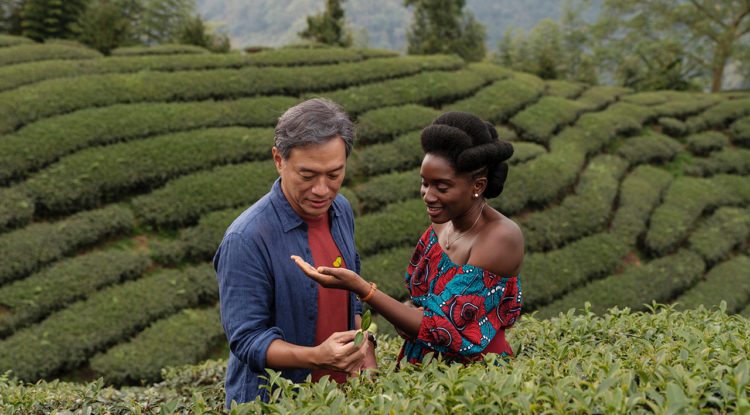
On February 15, the 74th Berlin Film Festival opens. One of the applicants for the Golden Bear is the Russian director Viktor Kosakovsky, the author of the famous Gunda, produced by Joaquin Phoenix. This year, he is taking the new documentary “Architect” for a film. Also in the main competition, Korean director Hon San Su will present a new film with Isabelle Jupper; Mauritan and graduate of VGIK Aberrahman Sissako - the Black Tea tape; And the Franco-Senegal director Mati Diop is the owner of the Grand Prix of the Cannes Film Festival-her second picture "Dagomea". All these films are interesting not only as feature, but also as civil statements, because the Berlin Film Festival is the most politicized film festival in the world. At the request of “cold”, Zinaida Pronchenko tells about how politics and art plan to get along in competitive programs this year.
In order not to miss the main materials of the "cold", subscribe to our Instagram and telegram .
The 74th Berlin Film Festival managed to surprise, not yet opened. At first, the professional public crawled up eyebrows up from the composition of the main jury. In it, for example, there is a Ukrainian writer and poetess Oksana Zabuzhko, known in narrow circles of his pronounced political position (of course, anti -Russian), but at the same time far from the realities of actual cinema.
Together with Zabuzhko, the Catalan director Albert Serra, who managed to celebrate the statements that approve the policy of Donald Trump and, more importantly, Vladimir Putin, should also sit. As an argument of his ideological preferences, Serra, however, gives a purely aesthetic factor: he, unlike Hannah Arendt, likes when evil, mischievous, huge, staose, but non -banal.
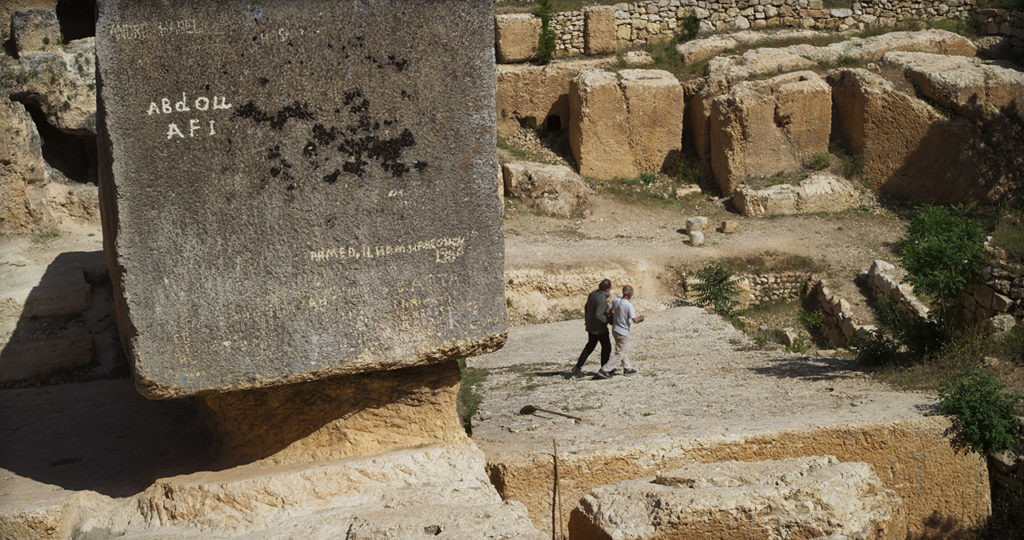
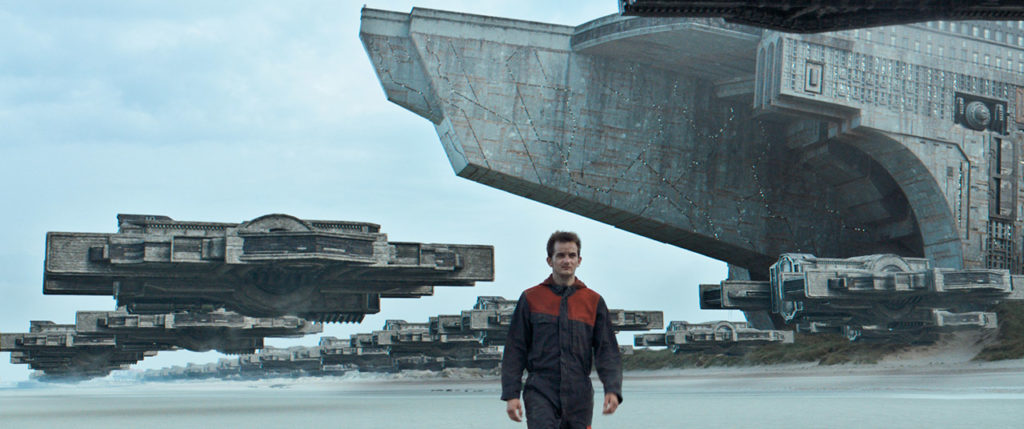
Serra Kino experts appreciate the love of reconstruction of baroque debauchery. The slow and sad orgies repeatedly captured by him on the screen are designed to symbolize the futility of everything that exists minus his inflated ego. I believe that many would have given dearly to listen to the discussion of Zabuzhko and Serra about the Architecton, the new film of the St. Petersburg documentary, Viktor Kosakovsky, who became famous several years ago by “Gunda” (poetic portrait of a melancholy pig, doomed to a grain). Moreover, now Kosakovsky took up the chanting of architectural ruins, often, as not alien to Berlin, Albert Speer, carrying certain political connotations.
Then another incident happened. Information leaked to the German press that Berlinale's leadership invited representatives of the ultra -right Party “ Adg ” to the opening ceremony - within the framework of, so to speak, the long -term years of tolerance.
As a result of the immediately scandal, the art director Carlo Shatrian had to reconsider his ideas about tolerance, to apologize and withdraw invitations of ADG members calling for the deportation of migrants and other acts of chauvinism offensive to the progressive public.
In connection with this anecdotic conflict, I would like to recall that for Carlo Shatrian, who previously headed the festival in Locarno and, apparently, not used to combining the non -banality of thinking with the non -banality of evil, this Berlinale was the last one: its contract did not extend. Perhaps, as Ricky Jerves loved to joke, “He sodesn 'Care Anymore” - therefore, decided to laugh at himself and laugh at us.
What else besides Kosakovsky will be argued by judges and spectators of Berlinale on the eve of the two years of the Russian invasion of Russia? It is possible that about the second picture of the Ukrainian Roman Bondarchuk, "Editor", which fell into the "Forum" program. This film does not speak directly about the war, although its action unfolds in the Kherson region.
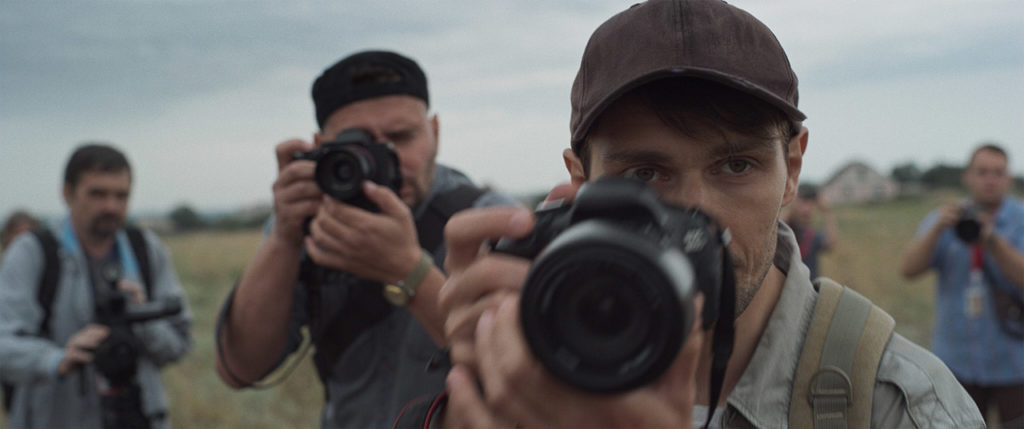
In the center of events here is a young biologist Yura, working in the regional Museum of Natural History. He becomes a random witness of a crime, which is not careful for anyone, because against the backdrop of a catastrophe nearing Russia, the price of human life is rapidly devaluable.
"Editorial" is a rather caustic portrait of society on the eve of the cataclysm, in which there was a place of frank satire. So, one of the boyfriends of the mother of Yura constantly reads aloud the extremely popular in the late 1990s in the Russian-speaking space the idiotic book “A Seagull named Jonathan Livingston” by the bad writer Richard Bach.
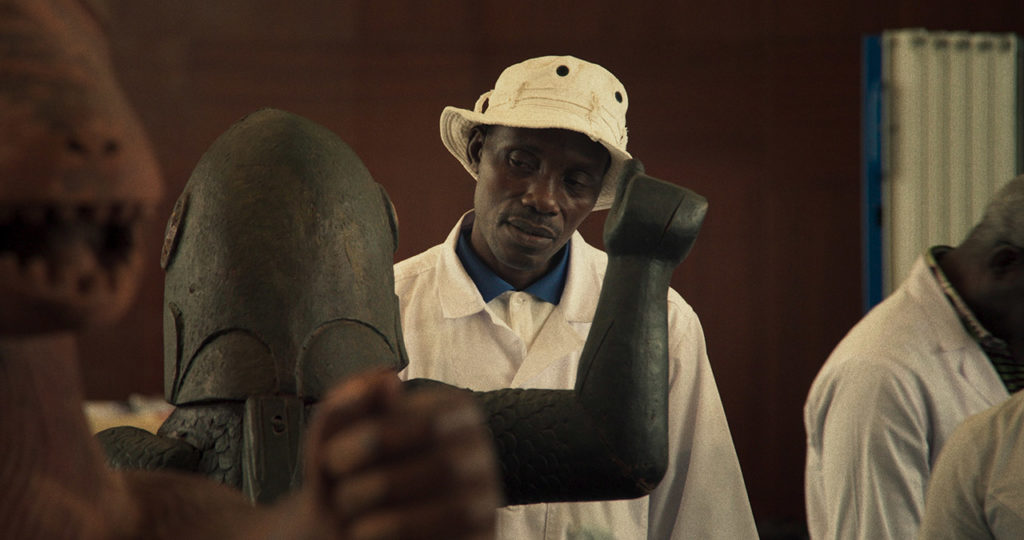
Another documentary tape is also of interest-the “Dagome” Mati Diop, the Franco-Senegal Director, who won in 2019 in the Grand Prix Cannes for the picture “Atlantic”. “Dagomei” is the history of repatriation in the Benin of the Royal Treasure, stolen by French colonialists in 1892, including the mouth of the current students of the University of Aboma-Kalavi. Dagomei clearly has a polemic potential, since the theme of colonial guilt still does not leave the first bands of newspapers in countries with a criminal imperial past.
Less politicized synefiles guaranteed the pleasure of the new creation of Bruno Dumon "Empire", announced as a parody of "Star Wars". Dumon is fading all his career over the absurdity of the proletarian life, the epicenter of which is considered the dysfunctional north of France, ridiculed by him in a series of works - for example, in the "Kenken baby", the acute -social phantasmagoria about freaks and children. In the previous film “France” (“superstar”), Dumon gave the proletariat a respite, although this fresco of the stupidity and worthlessness of the current French elites included traditionally monstrous lumpen-characteristics.
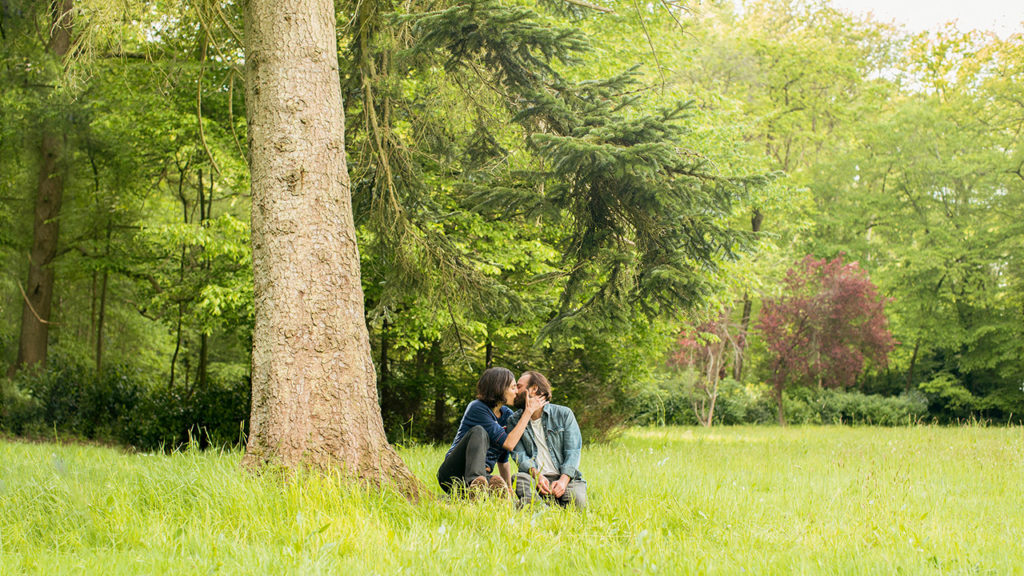
Olivier Assayas also plays for the French team in the competition with the autobiographical picture “Substituted Time” about the difficulties of covid quarantine, from the day of today's seemingly lost paradise. Two married couples decide to draw a plague in the same house - the synopsis says. It seems to have appointed Vincent Mackeen, who had already performed in this role in the film “Double Life”, to the role of his alter ego. Apparently, the singer of bourgeois complexes Assayas will also try to explain to the world with a characteristic condescension why nothing but adultery and taxes is terribly distant even from the right bank of the Gauche Caviar Seine (people of left -wing views that do not disdain expensive caviar. - approx. Cold).
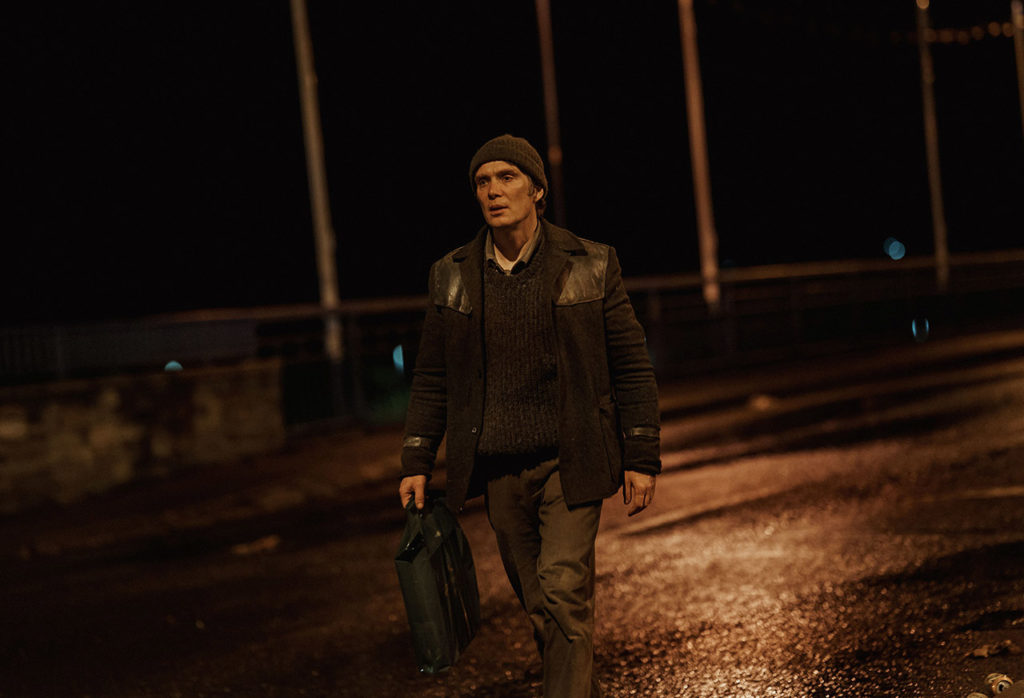
There are also Anglo -Saxon cinema in the Berlinal program, usually more understandable to a wide viewer. The festival is opened by the film “Such Logs” directed by Tim Milants with Killian Murphy in the title role.
“Such trifles” is a film adaptation of the novel by Claire Klar about Coal Coal Bill Ferlong. On the eve of the Christmas of 1985, he encounters in his hometown - the provincial Irish wilderness - with evidence of crimes committed by the Catholic Church. This is the next Philippic addressed to the Vatican, who for many years silent about the conditions in which Magdalena's sisters were “sinning” in monasteries and shelters.
In general, Berlinal starts with a high anticlerric and feminist note.
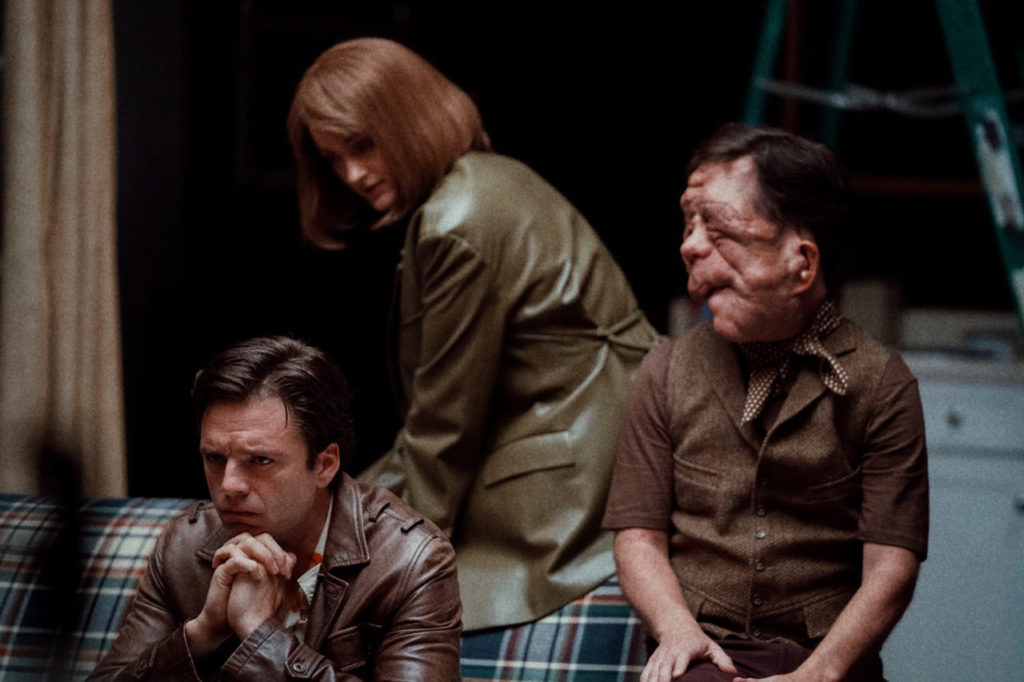
The painting “Another Man” of Aaron Shimberg, the psychological thriller on the self-identification and abusive relations of the model and the artist, is also shown on Sandance, is also shown on Sandance- a topic, partly raised in the film-triumph of last year’s Cannes “Anatomy of the Fall”. What is it, to be born after a complex plastic surgery, and then find out that your drama has become a plot for the Broadway play - the Sebastian Stan, who played in the “other person”, will answer these and other existential questions.
However, the main newsmaker Berlinale in 2024 will seem to become a long -competing Martin Scorsese, which Carlo Shatrian decided to present a reward for an outstanding contribution to the art of cinema. Contrary to his rules - Scorsese hates travel - the greatest of the living directors is respectful of the festival with a personal presence.
In honor of his visit, a show on the big screen of the 1985 picture “after work” is planned. So, no matter how bad films from competitive programs are, visitors to Berlinale without masterpieces will definitely not be left.