
Translated material
On a rocket to the abyss
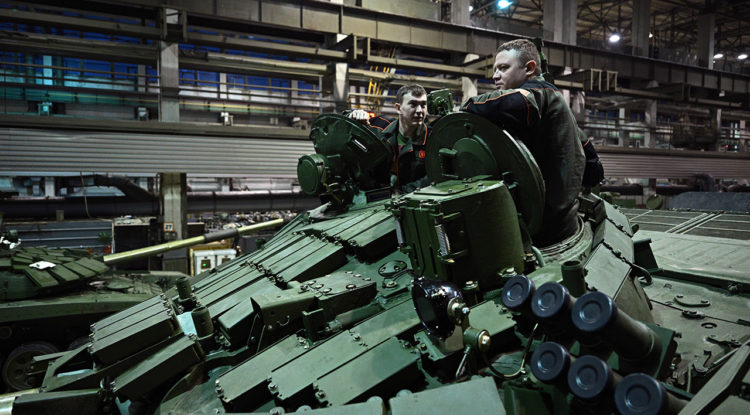
The Russian economy has been dependent on the war. She is threatened with millions of unemployed and a new crisis
The Russian economy has been dependent on the war - thousands of enterprises throughout the country rebuilt their production and still hire tens of thousands of new employees for this. True, most enterprises simply will not come out to return to the peaceful channel: this threatens with mass layouts, impoverishment of the population and an economic crisis. And it will not work to expand the trend - the state is still increasing the costs of war, and only more people who want to suck on the cash flow becomes more. “Cold” presents a large study of the real sector of the Russian economy and tells what awaits it in the near future.
In order not to miss the main materials of the "cold", subscribe to our Instagram and telegram .
Two years of the war with Ukraine radically rebuilt the Russian economy. The sanctions have changed sales markets and the main import channels: now the main partners of Russia are China, India, Türkiye, Brazil and other “friendly countries”. However, far from the entire list of goods that the Kremlin are necessary to continue the war can be bought abroad. This led to the rapid development of production within the country: hundreds of large and thousands of medium and small enterprises were rebuilt on military rails and try to satisfy the main customer - the Russian Ministry of Defense.
The internal transformation of the real sector of the economy provoked a surge in demand in the labor market - enterprises are looking for competent specialists, especially the working professions of high qualifications. A sharp increase in demand, the outflow of part of the population to other countries, mobilization and active agitation to go to the front provoked a shortage in the labor market, forcing enterprises to fight for workers. The lack of personnel, in turn, led to an increase in salaries in enterprises, which, however, was drawn to inflation.
The state money allocated to the war became a rescue circle for many enterprises that were on the verge of bankruptcy yesterday. Moreover, in the wake of a military hype, many entrepreneurs tried to wedge into this market and grab their piece of pie. However, the growth of state expenses for the war will not be endless, like the war itself, which means that millions of Russians who are now working at the enterprises of the military-industrial complex (OPC) may be on the street in the coming years.
Economists note that the real sector of the Russian economy is now sucking in dependence on military expenses, without which the industry is doomed. Some enterprises simply will not be able to rebuild back to civilian products, and the majority will not withstand competition with those who have invested in their own production all these years. In other words: the end of the war will lead to at least an economic recession, and as a maximum - a tough crisis.
Hundreds of thousands in factories
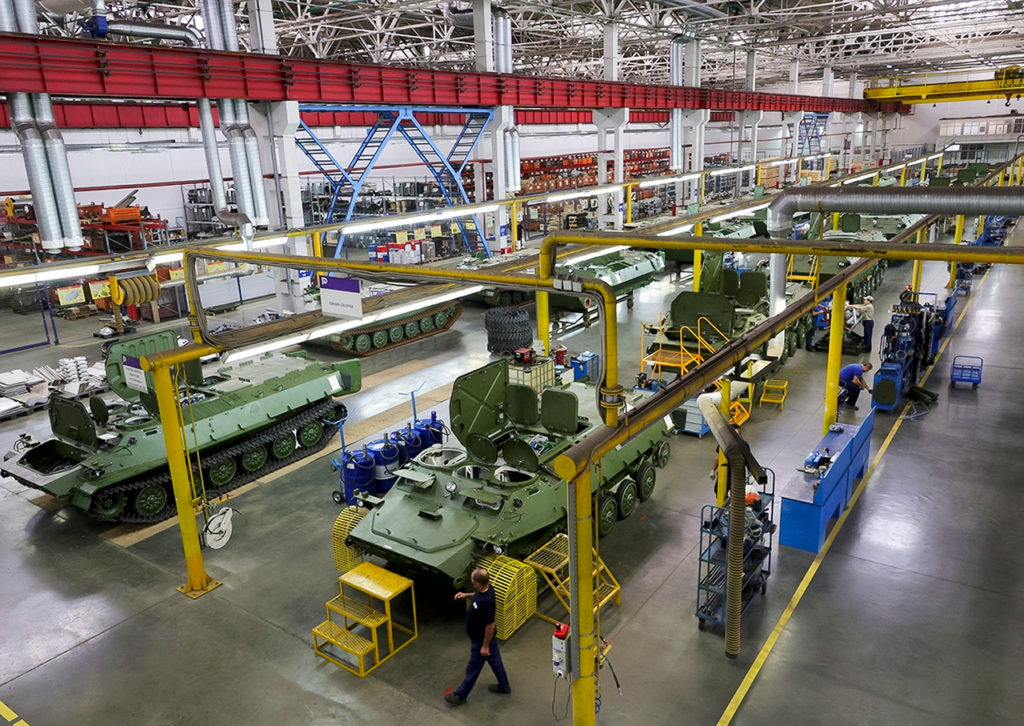
The transition to military rails provoked the migration of workers throughout the country. For two years now, the enterprises have been expanding the state to cover the needs of the Russian army associated with the defense and industrial complex. For example, in the Altai Territory, the number of OPC enterprises themselves has grown three and a half times - now 35 organizations with a total staff of more than 24 thousand people belong to it, two of which were hired during the war with Ukraine. In the Ulyanovsk region, more than 9.2 thousand people were employed in military plants in only 2023, but this is still not enough - factories are looking for an additional three thousand workers.
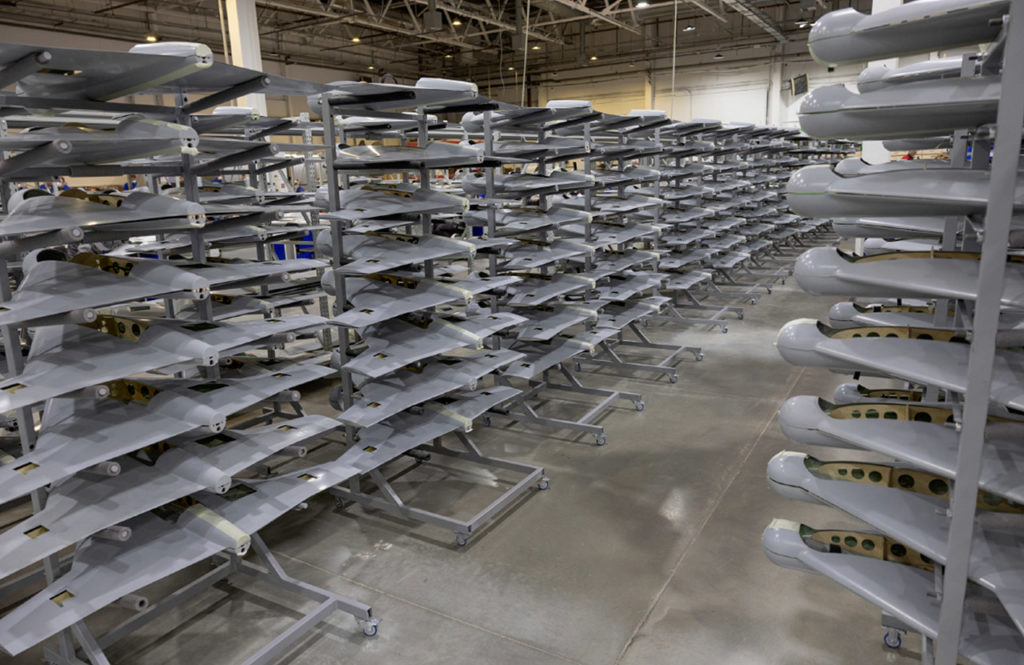
This trend is relevant for all regions where there are large -scale production that can produce military products. In the Omsk region, in the first two months of 2023, 1.7 thousand new workers entered the defense industry enterprises, and in March, the regional Ministry of Labor announced a shortage of about three thousand people. Since the beginning of 2023, at least two thousand vacancies in the defense industry have been closed in the Krasnoyarsk Territory, but they continue to look for new employees. In August, the new workers were recruited at once by five defense industry enterprises in the Moscow region. In the Sverdlovsk region, for 2023 and 2024, almost nine thousand people are planned to be employed in enterprises working for war.
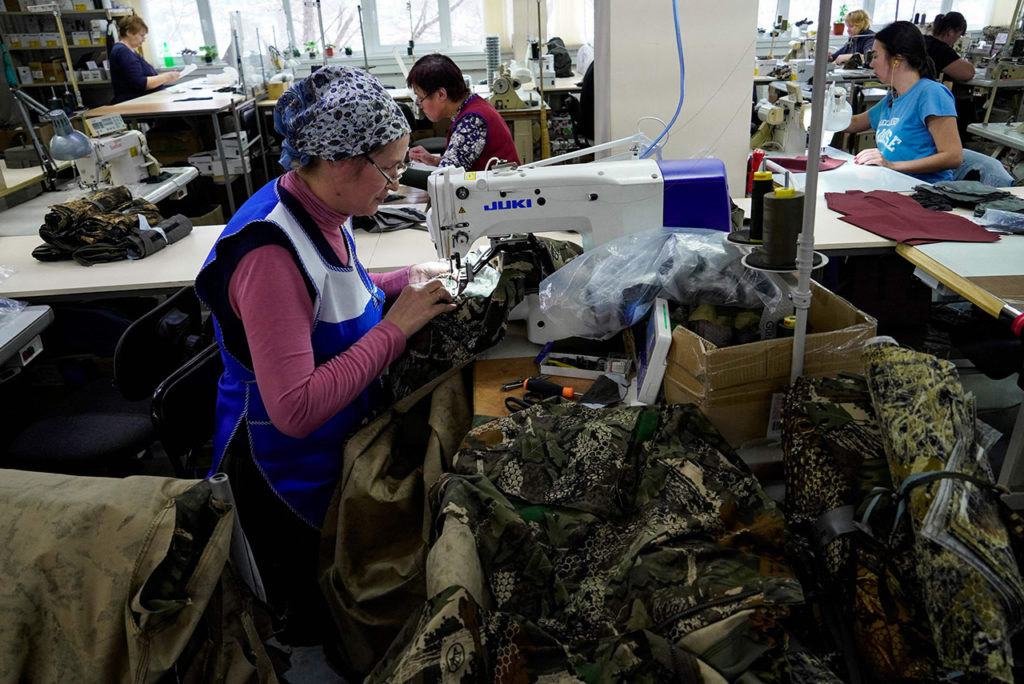
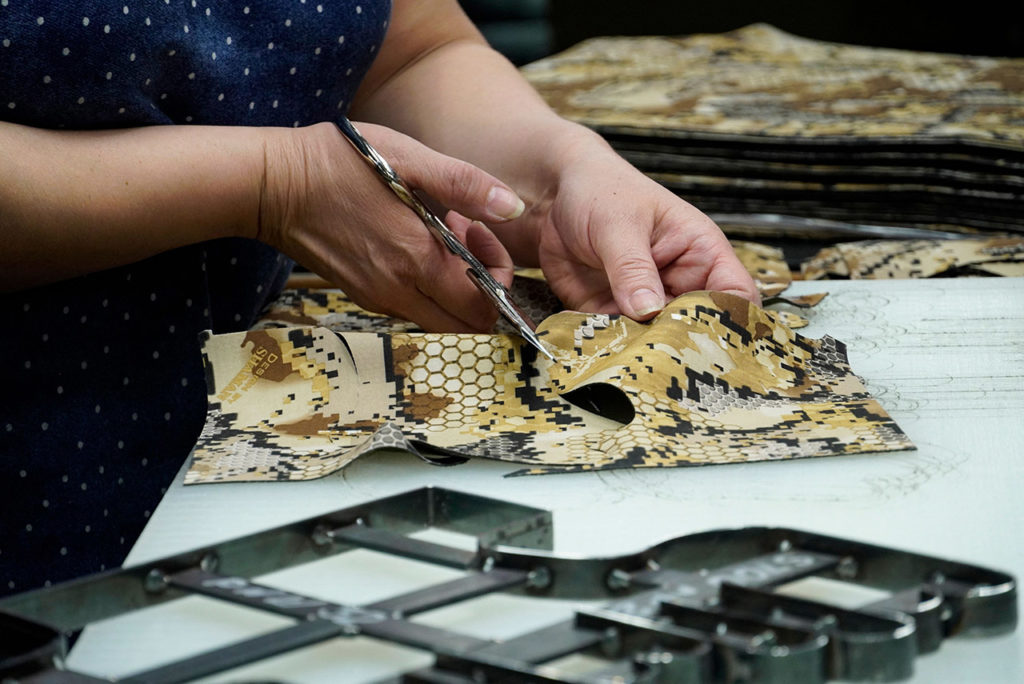
“The workshops do not immediately understand that the production is rebuilt for army needs: in the foreground are the fabric tissue compared with colorful piles for children's blankets, transparent bales with snow -white pillows and much more of, as they say now, peaceful products. But the sewing machines at this time are striking, laying even lines on a dark green canvas, ”this is a quote not from a Soviet newspaper, but a modern regional publication.
Similar materials, singing the transition of industry to military rails, are hundreds. More often than others, they change the profile of enterprise light industry. Dozens of sewing industries began to produce thermal underwear, sleeping bags and other military equipment. In the Ivanovo region, which is famous for its textile products, almost 30 enterprises reoriented to the needs of the defense industry. In the Krasnodar Territory - more than 40, in the Kursk region more than 20 enterprises switched to the implementation of the state defense order, changing the profile and increasing the number of working hours.
“It is important for the state to show that it easily and simply increases the production of military products. But it cannot really increase in large quantities objectively. Therefore, they often simply catch up these reports with seamstresses behind cars and workers for machines, ”the economist Nikolai Kulbak, the success of the transition of many enterprises to the needs of the defense industry, casts doubt on.
For example, the Media of the Krasnodar Territory talks about a factory of women's clothing, where they now produce 500 balaclavs for the military per day, and publishes a photograph of women for sewing machines (at least 10 people in the photo at least 10 people). If you take a closer look, then on the seamstress T-shirts you can see the Vivo logo-a factory with this name really exists in this region, but its average number, that is, all the staff (according to Spark-Interfax)-only 19 people. In Mari El, they talk about the expansion of production at two factories: “softness”, in which only one person officially worked officially (according to the “Spark-Interfax”), and “YOIKO”-this “factory” is registered as an individual entrepreneur, and it is impossible to understand how many employees work there.
Perestroika in three shifts
However, there are many reverse examples: the Nipromtex company previously specialized in the manufacture of non -woven materials, and now it produces sleeping bags, camouflage robes and balaclava. The Ulepefer enterprise, which produces glamping tents, was partially rebuilt to sleeping bags, backpacks and tents for military trucks. The Tractor Plant "DST-Ural" established the production of loaders on the remote control for the clearance of territories. The Yartek sewing factory completely abandoned the production of textiles for the house and switched to sleeping bags.
The manufacturer of agricultural machinery "AgroTekhmash" was completely reoriented to the war in Ukraine: now the company produces military stoves, radio, thermal imagers, binoculars and night vision devices, clearance hooks and rifles to destroy quadrocopter. The plans are to launch serial production of highly spent armored vehicles for military purposes.
There are also curious cases-in the Tambov region, the Kamikadze drones began to be produced at the bakery. And in the Krasnodar Territory, a factory of women's clothing is now producing exclusively balaclavs for the military. In the Smolensk region, Hydrometribor, which produced hydrometeorological equipment and environmental monitoring devices, is now busy with modifications of the field kitchen. Finally, the Moscow State Technical University named after N.E. Bauman is developing “jihad machines”, which are produced in Chechnya.
Another trend of the real sector is the transition to a two-three-sized system and overtime. “Now we work in two shifts or we are performing heroic feats, working for 37 in a row to fulfill the order of the Ministry of Defense. We did not produce these products earlier, but we were able to quickly rebuild, ” said the director of the Nipromtex factory, which plans to switch to a three -shift schedule. In this schedule, from the very beginning of the war, the Ulan-Ude Instrument-making Association in Buryatia works , which even translated the old equipment and switched to a round-the-clock mode of operation, fulfilling the order of the Ministry of Defense.
The Rusklimat works overtime in the Vladimir region, where mobile stoves are now produced. The director of the company says this is happening "of their own free will." At a machine-building enterprise in the Penza region, employees also had to process due to an urgent military order: the plant was asked to produce mobile furnaces for the needs of the army. The same thing allegedly happens in sewing production in the Kursk region.
“I didn’t even have time to declare - people went out overthrown, and ordinary employees and managers gathered bags for soldiers, all together,” says the head of the company.
In Kabardino-Balkaria, to the needs of the Ministry of Defense, they completely gave the company Votentecostilprom and even involved students in the production of students-under contracts with colleges of the republic they were invited to an unscheduled production and pre-folk practice. Similar experience is used in Yakutia, where students are attracted for the manufacture of sheltering awning, tents and sleeping bags. And in Chuvashia, due to a shortage of personnel, they created a labor reserve from students.
Came to taste
The company cannot satisfy the abnormal demand for employees - there are not enough competent workers. In order to recruit new employees, enterprises of defense sections resort to a variety of ways: they arrange vacancies fair, open mobile points of attracting personnel, and sometimes they use marketing methods - for example, they carry out “Bring a friend”, when an acting employee of the enterprise can receive a monetary compensation for each new employee.
The thirst to fulfill military orders leads to the fact that more and more enterprises become dependent on military spending. They fall into a spiral of military demand: orders for products are growing, which leads to an increase in demand for workers, which in turn leads to a renewal of personnel from other industries, where there is a shortage. Despite the fact that this trend lasts almost two years, she does not see the end: enterprises continue to expand production and look for workers. Analyzing the market, the “cold” could not find a single military enterprise that did not continue to look for employees at the beginning of 2024.
“The existing enterprises of the defense industry in struggle are trying to lobby for the extension of the war and the extension of military operations, perhaps to other countries. Because they understand that you need to earn money, ”notes the economist Nikolai Kulbak.
"Cold" studied the 20 largest defense industry enterprises and found out that in 2022–2023 they appeared ten times more vacancies than in the previous two years. The top-20 enterprises were selected according to the following criteria: the volume of revenue and production, the number of employees. If in 2020, 315 vacancies were opened at these enterprises, in 2021-195, then in 2022 there were 1505, and in 2023-2283 (according to the Spark-Interfax).
Thus, the Kuznetsov CSC in Samara, engaged in the production of missile engines, opened 262 vacancies in 2022, and in 2023-153. For comparison, in 2020 the plant had only 18 vacancies. The Kazan Helicopter Plant did not open vacancies either in 2020 or in 2022, and in 2021 there were only two of them, but in 2023 257 new jobs appeared at the enterprise, 75 of them appeared only in December 2023.
This is another trend noticed by the “cold”-at all large enterprises of the defense industry in the study, the number of jobs increased sharply in November-December 2023. This is probably indicating an increase in the state defense order by 2024, notes economist Nikolai Kulbak.
In captivity of the state order
The large -scale restructuring of the Russian economy enabled the authorities to boast of the fulfillment of a record state order. The head of the Ministry of Industry and Trade and Deputy Prime Minister Denis Manturov said that production at some positions increased 10-12 times. The civil sector helped to achieve high indicators: as already mentioned, hundreds of enterprises rebuilt their production lines for the sake of war, and the transition to work in two or three shifts led to the renewal of workers to military enterprises, spurring already high shortage in the labor market.
The problem is that the civil sector should not work for war if the economy wants to organically develop, but there are simply no other ways to sharply increase the demand that arose against the background of invasion: the production volumes of the Russian military-industrial complex (VPK) are simply insufficient. At the same time, civilian companies that rebuilt their work become dependent on military demand, which puts them in a vulnerable position in the future.
“The fact is that at the enterprises of the defense industry a limited number of production capacities. The Russian defense industry is far from Soviet - this is rather its shadow. And even an increase in the number of workers does not save. Therefore, we need some other capacities for the production of weapons. And the Russian government is trying to produce more products in other enterprises, ”says economist Nikolai Kulbak.
The number of civilian enterprises that partially or completely changed the profile to the military is difficult to calculate. Analyzing the open data, including statements by Russian media officials, Kholod counted 652 civilian enterprises that were reoriented to the war. Companies that had never cooperated from the Ministry of Defense before the war, but now rebuilt their production (partially or completely) to the defense industry, were on this list; Also, some companies that collaborated from the Ministry of Defense before the war were included in the list, but after the start of the war they sharply increased the production of military products.
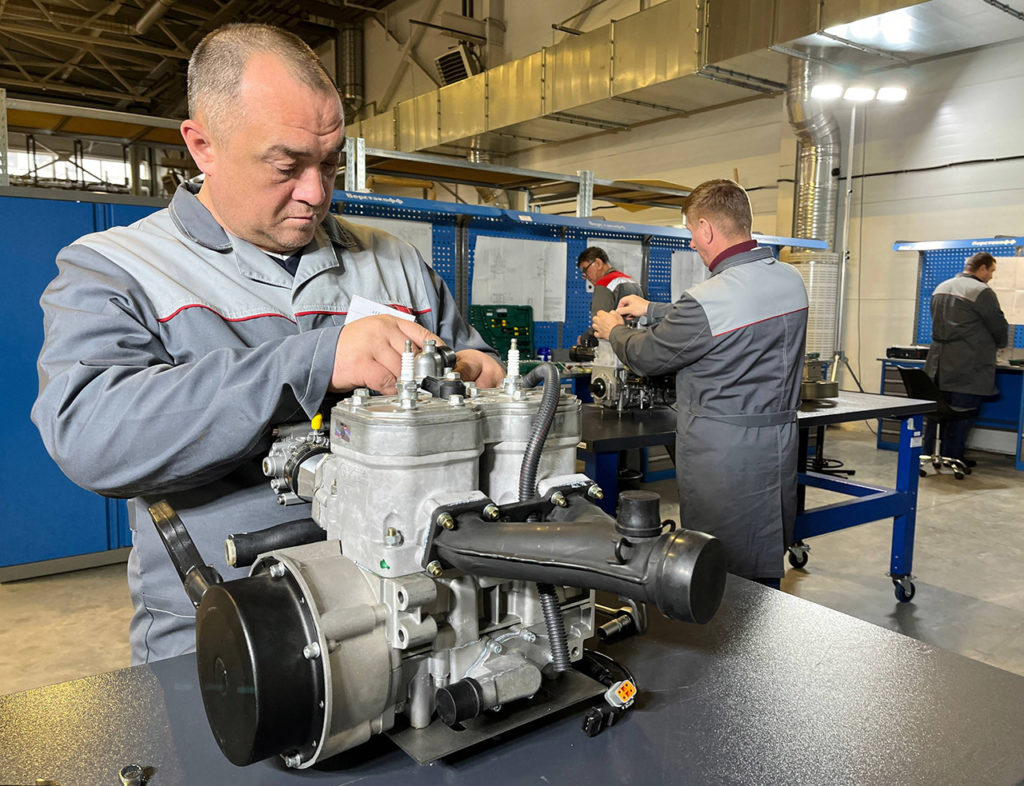
This assessment can be overstated, since representatives of the authorities tend to embellish achievements and include several enterprises of the same legal entity in the statistics. Therefore, the “cold” calculated the number of legal entities, which completely or partially changed the profile from civilian to a military man. This verified list includes 62 legal entities. However, the real number, according to the conservative estimates of the “cold”, is in the range of 200-300 legal entities - many companies publicly do not declare work on the defense industry, because the information about the state defense system is secret.
“This is normal, the market economy should develop! There is a demand, there is a proposal, people carry out a state defense order and get money, there is nothing strange here, ”says economist Natalya Zubarevich.
Her colleague Yevgeny Praorshin believes that the involvement of such enterprises in defense orders can come from hopelessness. “At the same time, look: in 2023, labor productivity is almost not growing in the Russian economy,” he says. Economist Nikolai Kulbak notes that the number of such enterprises could be much more - but most entrepreneurs do not want to receive state defense orders - primarily not to reconfigure production after the end of the war.
“If you want, for example, to deploy a tank factory, you need to purchase a production line, which is most likely not in Russia. You must bring a huge number of machines, install them. Moreover, you must understand that this production line will begin to work in your year and a half after you have made the decision, and will go to the payback after three to four years. And why is this necessary if it is not clear what will happen in these three to four years at all? ” - says economist Nikolai Kulbak.
Another reason why enterprises do not want to rebuild for a military order from the state, according to Kulbaki, is the fear of power structures, because in the event of a transfer to state defense order, the enterprise falls under serious control by the state.
“Everyone is afraid of“ raids ”due to“ incorrectly spent funds ”and even lawsuits due to“ unfulfilled state defense order ”. This is definitely not a “tidbit”, although they offer a lot of money, ”Kulbak says“ cold ”.
The state is beneficial to the state of civilian enterprises to the production of military products - it is not necessary to change tax architecture, because hundreds of enterprises retain civil status and, among other things, continue to pay taxes to the budget, unlike the defense industry enterprises.
“We have different types of VAT on different types of activities. Видимо, государство позволяет бизнесу производить продукцию на военные нужды, не меняя вид деятельности, таким образом минимизируя потери по налогам и снижая финансирование сектора, от которого ждут быстрой отдачи. Получается и просто, и выгодно», — говорит экономист Евгений Надоршин.
Те предприятия, которые все-таки соглашаются на оборонзаказ, вероятно, к началу войны находились в плачевном состоянии, говорит Кульбака.
«Хорошее, действующее предприятие, имеющее нормальную технологию, едва ли будет заниматься производством военной продукции. Под это производство уходят те, кто, скорее всего, был малоприбыльным предприятием или вообще собирался по каким-либо причинам банкротиться, закрываться. Для них это, конечно, выход, и большие деньги», — отмечает экономист.
Слова эксперта подтверждает и анализ «Холода». Так, судостроительный завод «Лотос» в Астраханской области, который стал производить печи-буржуйки для военных, за последние 10 лет семь раз пытались обанкротить (по данным «СПАРК-Интерфакс»). В 2017 году убыток предприятия составлял 213 миллионов, за следующие четыре года «Лотос» ни разу не был прибыльным, а в 2021 завод получил убыток на 1,2 миллиарда рублей.
Последние два года в серьезном убытке находится и «Нипромтекс» из Курской области, который перепрофилировался с производства нетканых материалов на изготовление спальных мешков, балаклав и маскхалатов по заказу Минобороны. В 2021 году «Нимпротекс» получил 74,2 миллиона убытка, а в 2022-м — 86 миллионов.
Часть компаний уже успели познать радость гособоронзаказа. Например, «Агротехмаш» из Воронежской области, который теперь вместо сельскохозяйственной техники выпускает военные печи, рации, тепловизоры, бинокли, приборы ночного видения и другую продукцию военного назначения. За первый год войны предприятие заработало почти в 10 раз больше, чем за предыдущий: 7,1 миллиона рублей против 67,5 миллиона. Аналогичной динамикой доходов может похвастаться ивановское текстильное предприятие «ZAVI», чья прибыль выросла в 13 раз: с 1,9 миллиона в 2021 году до 25,5 миллиона в 2022-м.
Армия новичков
Благодаря «СВО» появился целый пласт новых предпринимателей, которые открыли бизнес специально под нужды военных, часть из них — воспользовалась государственной поддержкой. В Ставропольском крае, например, действуют программы льготных микрозаймов «V поддержку» и «ZA наших», в рамках которых можно получить деньги на открытие предприятия. Один из получателей такой поддержки наладил собственное производство квадрокоптеров. Всего за прошлый год в Ставрополье выдали 6,5 миллиона рублей предпринимателям, которые решили открыть бизнес «на войну», в январе 2024 года обе программы продлили .
А в Улан-Удэ запустили производство деталей для вертолетов, детекторов для беспилотных летательных аппаратов «Байкал-1», антидроновых ружей «Атаган» , деталей для разведывательно-ударного комплекса с БПЛА «БУРЯ-10» прямо на базе местного авиатехникума. На создание учебно-производственного комплекса было выделено 100 миллионов рублей из федерального бюджета, 10 миллионов — из республиканского, более 30 миллионов — от работодателя (АО «УУАЗ»).
Федеральные программы кредитования со стороны государства направлены и решение проблемы дефицита кадров. Минпромторг предоставляет сразу несколько субсидий для оборонных предприятий: на компенсацию процентов по кредитам на инновационные и инвестпроекты по выпуску высокотехнологичной продукции, отдельная субсидия для тех, кто производит продукцию станкостроения, субсидии на «мониторинг кадровой обеспеченности и развитие кадрового потенциала».
Действуют такие программы и на региональном уровне: в Самарской области предприятиям ОПК на льготных условиях выдают от пяти до 50 миллионов рублей на «пополнение оборотных средств», в Тюменской области оборонным заводам предоставляют до 200 миллионов рублей по заниженной ставке, в Хабаровском крае помогают финансировать обучение работников ОПК.
Льготные кредиты организациям оборонно-промышленного комплекса регулярно предоставляет ВЭБ. В декабре 2023 года вице-президент «Промсвязьбанка» рассказывал , что им удалось нарастить объем льготных кредитов для ОПК более чем на 60%. Владимир Путин в феврале 2023 года поручил запустить федеральную программу льготной аренды для сотрудников ОПК.
«В 2023 году я заметил, что различие между ростом в секторах, связанных с оборонной промышленностью, и гражданском секторе сократилось. Произошло неожиданное повышение выпуска, например, продовольствия, хотя объективных причин для такого роста я не нашел. Но как раз переход сотен предприятий на производство военной продукции может это объяснить, особенно если они не меняли юрлица и код ОКВЭД (общероссийский классификатор видов экономической деятельности), поэтому Росстат продолжает их считать гражданским сектором. Он же не видит, что хлебозавод производит дроны, и это сильно искажает экономическую картину», — замечает экономист Евгений Надоршин.
Экономист Николай Кульбака говорит, что таких предприятий по всей стране открывается довольно много, но достоверно подсчитать их пока сложно. Смена профиля с гражданского на военный проходит мимо государственной статистики, из-за чего Росстат продолжает рапортовать о росте ВВП и промышленного производства не только за счет военных, но и гражданских отраслей.
Мирная смерть
Недостаток рабочих рук государство пыталось решать специальными программами. Еще в ноябре 2022 года Минтруд предложил субсидировать работодателю зарплаты работников ОПК при переезде из других регионов. Компенсация составила 262 тысячи рублей на одного человека в год. В марте 2023 года правительство выделило более 700 миллионов рублей на профессиональное обучение и дополнительное образование для людей, ищущих работу в ОПК.
Однако этих мер недостаточно. Дефицит кадров спровоцировал значительный рост зарплат: предприятия вынуждены активно бороться за квалифицированных сотрудников. Например, в Челябинске особенно востребованы токари — верхний предел у таких вакансий в ОПК составляет 445 тысяч рублей — более чем в три раза выше, чем средняя зарплата в Москве. Динамика роста номинальных (без учета инфляции) зарплат последние два года действительно впечатляет : 14,14% в 2022 году. Данных за весь 2023 год Росстат пока не опубликовал — нет информации по декабрю — месяцу, который традиционно влияет на итоговые показатели из-за годовых премий. Однако даже без него, если оценить рост зарплат на конец ноября 2023 года, он составит 16,4%.
В ОПК же рост может быть намного выше. Например, зарплаты на алтайских военных предприятиях с конца 2021 года по весну 2023 года выросли на 34,2%: с 38 тысяч рублей по итогам 2021 года до 51 тысячи весной 2023-го. Номинальный рост зарплат значительно обгоняет показатели инфляции: 11,94% в 2022-м и 7,42% по итогам 2023 года. Однако многие работники военных производств из разных регионов, с которыми поговорил «Холод», жалуются, что они эту разницу не чувствуют.
«Зарплату хоть и подняли, но и цены так выросли, что все равно денег не хватает», — говорит собеседник «Холода».
Один из сотрудников производственного комплекса «Салют» (собирает авиационные двигатели) говорит, что кому-то зарплату подняли, а кому-то, наоборот, «убавили», другой рабочий этого предприятия отметил повышение зарплаты и добавил, что на работе стали делать меньше перерывов, чтобы успеть все выполнить в срок. Рабочий «Уралвагонзавода» (занимается разработкой и производством военной техники) замечает, что зарплату подняли только на 7%: «Этого мало, тут подняли, там урезали. Что подняли, то в подоходный налог уходит».
О перспективах окончания войны и последствиях для предприятий рабочие пока не думают.
«Автобусы для работников теперь бесплатные, спецодежду зимнюю выдали новую. Меня все устраивает, хочу и знакомых пригласить к нам в завод», — рассказал «Холоду» сотрудник нижнетагильского «Уралвагонзавода» (УВЗ).
Он уверен, что с окончанием войны ничего кардинально не изменится: «У нас все равно работа будет, не будет увольнений. Мы уже такое проходили». «Проходило такое» и руководство УВЗ, которое во время экономического спада в России отправляло сотрудников в вынужденные отпуска с сокращенной зарплатой, а также просто сокращало численность штата на фоне низкого спроса на продукцию предприятия.
Для рабочего с ОДК «Салют» и во время войны как будто ничего не поменялось: «Мы как работали, так и работаем. Завод у нас большой». Другой сотрудник этого предприятия рассказал «Холоду», что людей на заводе и в его цеху стало гораздо больше, но многих «новичков» отправляют на строительство новых заводских зданий. Насчет будущего он тоже не беспокоится: «Не переживаю, ведь до СВО работали и не тужили».
Однако опрошенные «Холодом» экономисты прогнозируют, что тужить все-таки придется. Евгений Надоршин оценивает общее число новых рабочих, которые появились за время войны в сферах, где выпускают оборонную и близкую к ней продукцию, в два-три миллиона, подавляющее большинство которых после окончания активной фазы военных действий будут сокращены, что может привести к структурной безработице .
«Люди, которые вместо того, чтобы печь хлеб, стали собирать дроны, потеряют свою квалификацию за эти годы. А квалификация “дронщика” в прежних объемах нужна уже не будет. На улице окажутся сотни тысяч людей, которые в “гражданке” не найдут тех зарплат, которые они получали на “оборонке”. Боль и проблемы точно будут. 1990-е мы проходили», — предупреждает эксперт.
Николай Кульбака согласен с коллегой: «Сократят, конечно, бюджетные расходы на оборонку, поддержка этих предприятий прекратится, и, естественно, занятость резко упадет. В России очень низкий уровень мобильности рабочей силы. Сейчас, если они [власти] попытаются перевести экономику на более советский вариант производства ОПК, это будет можно сделать только путем сильнейшего обнищания людей».
Проблема в том, что возможности государства ограничены. Если в 2020 году на оборону тратили 3,308 триллиона рублей, а в 2021-м — 3,573 триллиона, то в 2022-м расходы выросли до 4,679 триллиона, а в 2023-м составили почти пять триллионов рублей. Согласно проекту Минфина, в 2024 году расходы уже немного снизятся — до 4,6 триллиона рублей. С учетом того, что 2024 год может стать третьим подряд годом, когда бюджет государства исполняется с чуть ли не рекордным дефицитом, ожидать дальнейшего роста расходов на оборону сложно.
«Наступит похмелье, большое похмелье. Никто пока не понимает, что со всем этим будет после окончания войны», — говорит экономист Наталья Зубаревич.
Надоршин прогнозирует, что крупные предприятия ОПК переживут сокращение госзаказа и возвращение в мирное русло мягче и стабильнее новых предприятий, большинство из которых будет вынуждено закрыться. Крупные предприятия же смогут попытаться переориентировать свою продукцию на внешние рынки, ведь рост числа военных конфликтов по всему миру сформировал повышенный спрос на оборонную продукцию на долгие годы вперед.