
Translated material
"The burial place can become the object of the cult"
Whether they will give the family of Navalny to say goodbye to him - it is still unclear. Novyevropa, along with lawyers, studied in what cases they do not give the bodies of those who died in prison
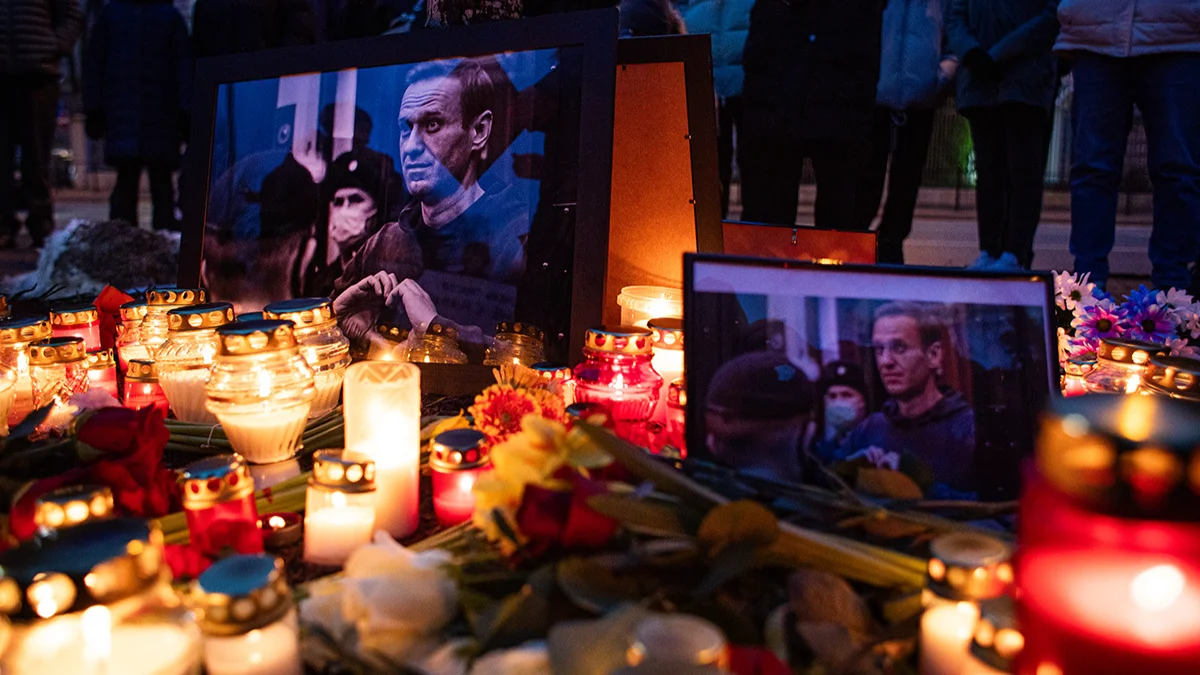
Photo: Vlad Dokshin / "New Gazeta Europe"
On February 16, Alexei Navalny died in the penal colony of Yamal, the local department of the FSIN reported. The politician team states that he was “with a very high degree of probability” killed. The exact cause of his death is still unknown.
What will happen to Navalny’s body is also incomprehensible. In accordance with practice, Russian services can simply not give the body the one who died in the colony. The New Gazeta Europe talked with lawyers about how the FSIN violates the already inhuman law.
In December 2002, two months after the attack on Dubrovka, amendments were made to the Federal Law “On Burial and Funny”. Now the bodies of those who are killed as a result of “suppression of a terrorist action” are not issued to relatives. The Russian authorities are engaged in the burial of such people on their own and are not even obliged to notify relatives about the burial place.
In telegram channels, assumptions have already appeared that Navalny’s body may not give to relatives with reference to this law. But despite the fact that the politician is introduced by Rosfinmonitoring in the list of “terrorists and extremists”, the law does not apply to it.
In Russian practice, there are cases of the non -gourishing of the bodies of convicts who died in the colonies. On the basis of anonymity, the new newspaper Europe was told by a lawyer who faced this practice, this happens when the authorities intend to hide the brutal handling of a prisoner or other violations.
- There are times when [the FSIN] directly refers to the fact that the bodies of those who sit on terrorist and extremist articles can not be given out. Although this, of course, is not so according to the law.
But there is another opportunity for them - to say that relatives did not appear behind the body, ”says a lawyer from the North Caucasus, whose name the editors do not indicate for security goals.
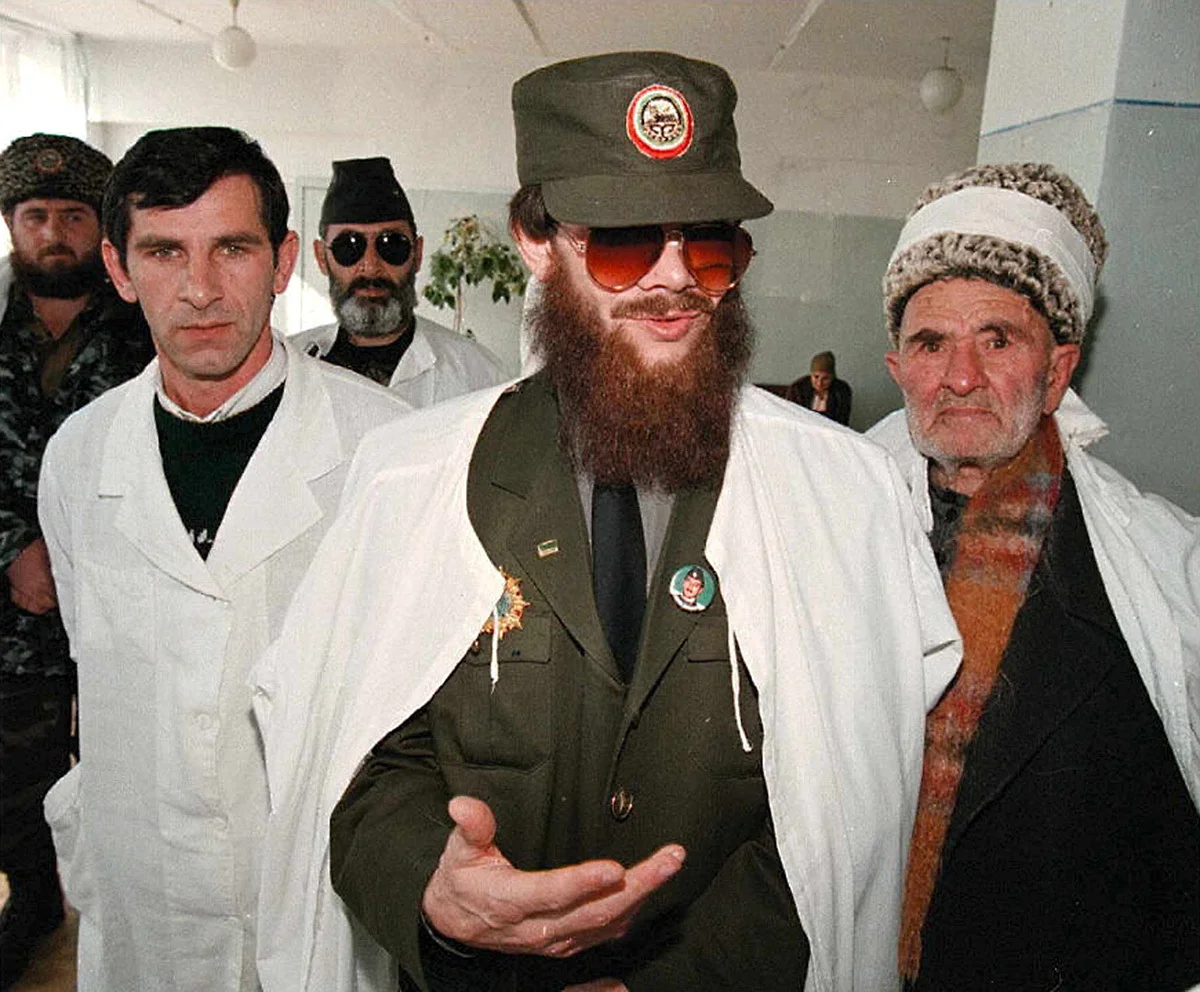
Death of "obscure genesis"
This happened, for example, with the Chechen field commander Salman Raduev. On December 25, 2001, he was sentenced to a life sentence for terrorism. Ichkeria military leader was sitting in the White Swan colony in Solikamsk.
On December 14, 2002, the FSIN announced his death. The attendant part of the Main Directorate of the Penitentiary of the Ministry of Justice of the Russian Federation in the Perm region then stated that he died after the bleeding of “obscure genesis”. However, those who were sitting with him in the colony have repeatedly said that Raduev was tortured.
“With me in the same wing, there was still a living Salman Raduev. I heard his screams during the executions of him, this happened every evening in the walking courtyard that was under our windows, ”
-said, for example, the prisoner IK-14 “White Swan” Beslan Vazhidov.
Interfax, citing its sources in the Main Directorate of the Penitentiary (Guin) of the Ministry of Justice of the Russian Federation, reported that "the convicted Raduev will be buried according to the instructions, in accordance with the current legislation," and "there are no legal grounds for issuing the body of terrorist Raduyev to his relatives."
On December 16, Radueva was buried on the outskirts of the Borovsky cemetery of Solikamsk in the nameless grave. In addition, the head of the Guin of the Ministry of Justice in the Perm region, Viktor Zlotyev, stated that relatives did not demand to give out the body. However, the close Ichkeria field commander denied this. The body of Salman Raduev was never reburied.
Fear of graves
Valery Vetoshkina’s lawyer in a conversation with New Evrope notes that the non-giving body may also be connected with the fear of the authorities, that sympathetic organize a spontaneous memorial or a place for pilgrimage where a person convicted by an extremist or terrorist article is buried.
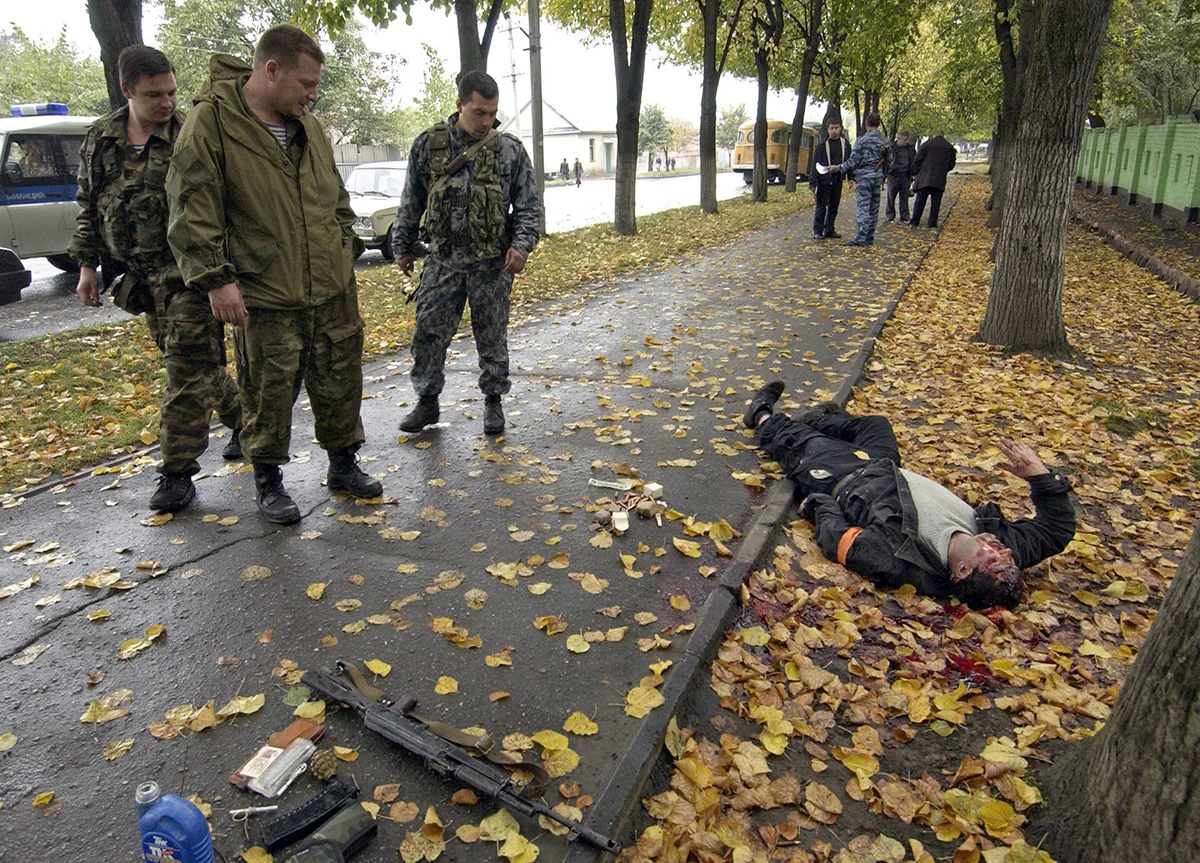
So, in 2007, Elena Karmova and Kunak Guzeev appealed to the Constitutional Court of the Russian Federation with a complaint that they were not given the bodies of their sons who died during the “special operation” in Nalchik in 2005. Then the security forces killed about 95 militants. In addition, the bodies of the dead were cremated, and not buried, which contradicts Islam, their relatives noted.
Then the court arranged an audit whether the law on the non -delivery of the bodies of the constitution corresponds, and ruled : corresponds. Namely - Article 55, which allows a temporary restriction of the rights and freedoms of citizens to "protect the constitutional system, morality, rights and legitimate interests of others, state security."
“[Body issuance] is able to create a threat to public safety of other citizens, can provoke mass clashes and entail new victims, and the burial places of terrorists can become objects of a cult,” the decision of the Constitutional Court said.
However, even then there were judges who opposed such a decision. For example, judges Gadis Gadzhiev and Anatoly Kononov called this amendment to the amoral law.
“The contested norms prohibiting the issuance of the bodies of the dead and establishing anonymity of their burial are absolutely immoral, reflecting the most wild, barbaric and low representations of the past,” said Judge Kononov.
The ECHR also criticized the Russian decision -making procedure on whether to issue the bodies of those whose death occurred as a result of "suppression of terrorist activity."
On February 10, 2024, Murad Shuibov was found dead in the Karelian colony - one of the convicts for the murder of the founder of the Dagestan opposition newspaper Chernivik Khadzhimurad Kamalov. He sat on an article on the assistance of terrorist activities. At the same time, the editors of the “draft” and Kamalov’s brother noted that Shuibov did not kill the journalist.
Almost five years before, in September 2019, Shuaybov, along with other prisoners, IK-9 Petrozavodsk complained about torture in the colony. According to the convict, he was beaten, doused with water and closed in the cell.
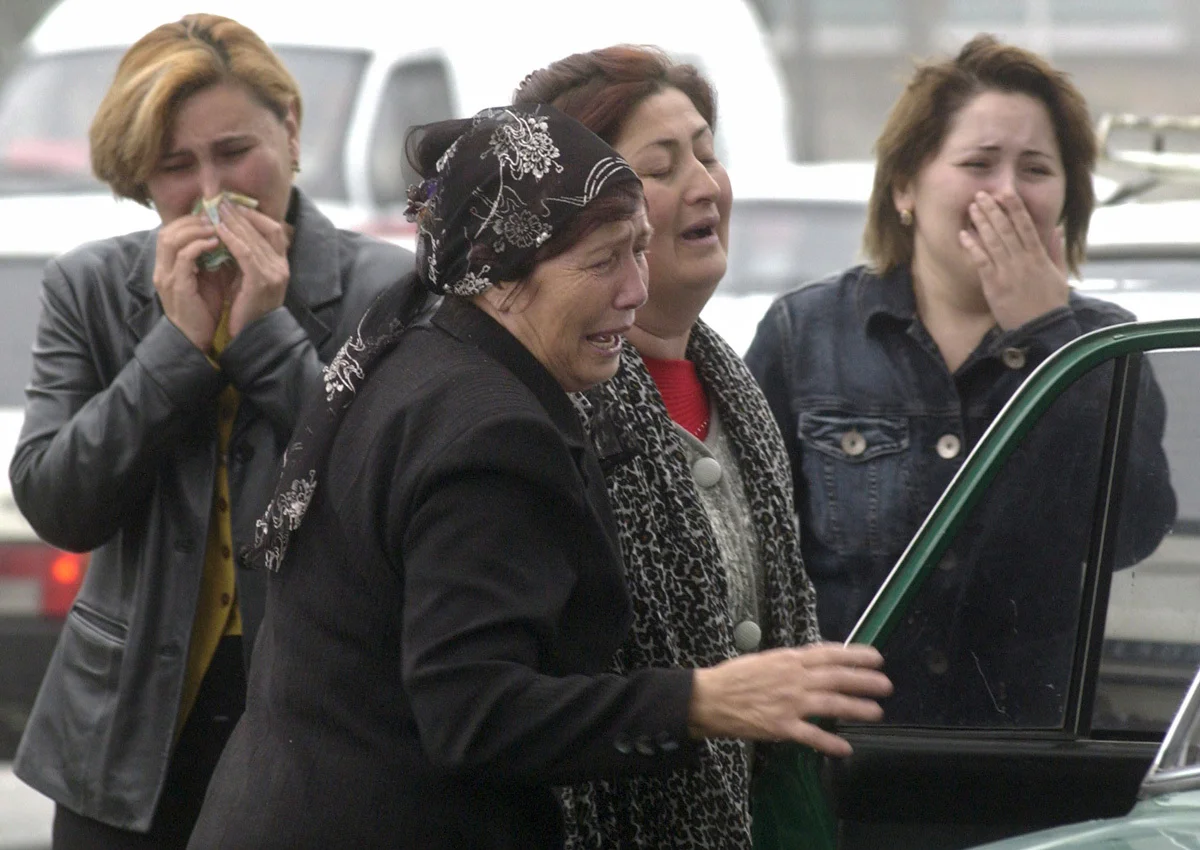
Schuaybov’s lawyer Assad Dzhabirov told Novy-Europe that the body of a man was still not given to his relatives.
- In the case of deaths in places of imprisonment, it often happens that the bodies are not given immediately, because [forensic experts] conduct examinations.
It also happens that they put pressure on relatives, they say, we will give you the body if you do not carry out any manipulations,
And immediately bury it, ”says lawyer Valery Vetoshkina.
Vetoshkina’s words are confirmed by anonymity by an anonymity lawyer from the North Caucasus, with whom the New Evropa spoke. He, like Vetoshkina, believes that the Russian authorities can be afraid that the grave of Navalny will turn into a place for constant inconsistent shares.
“The decision of the Constitutional Court explicitly states that the burial places of such people can be used as a“ cult worship of individual extremist persons ”. I do not see a single reason why they cannot declare Navalny a person who can attract a “cult worship” to his grave. In addition, they may try to hide the way Navalny was in, ”the lawyer says.