
Translated material
Repeated elections will be held in Belgrade. The opposition has achieved their holding
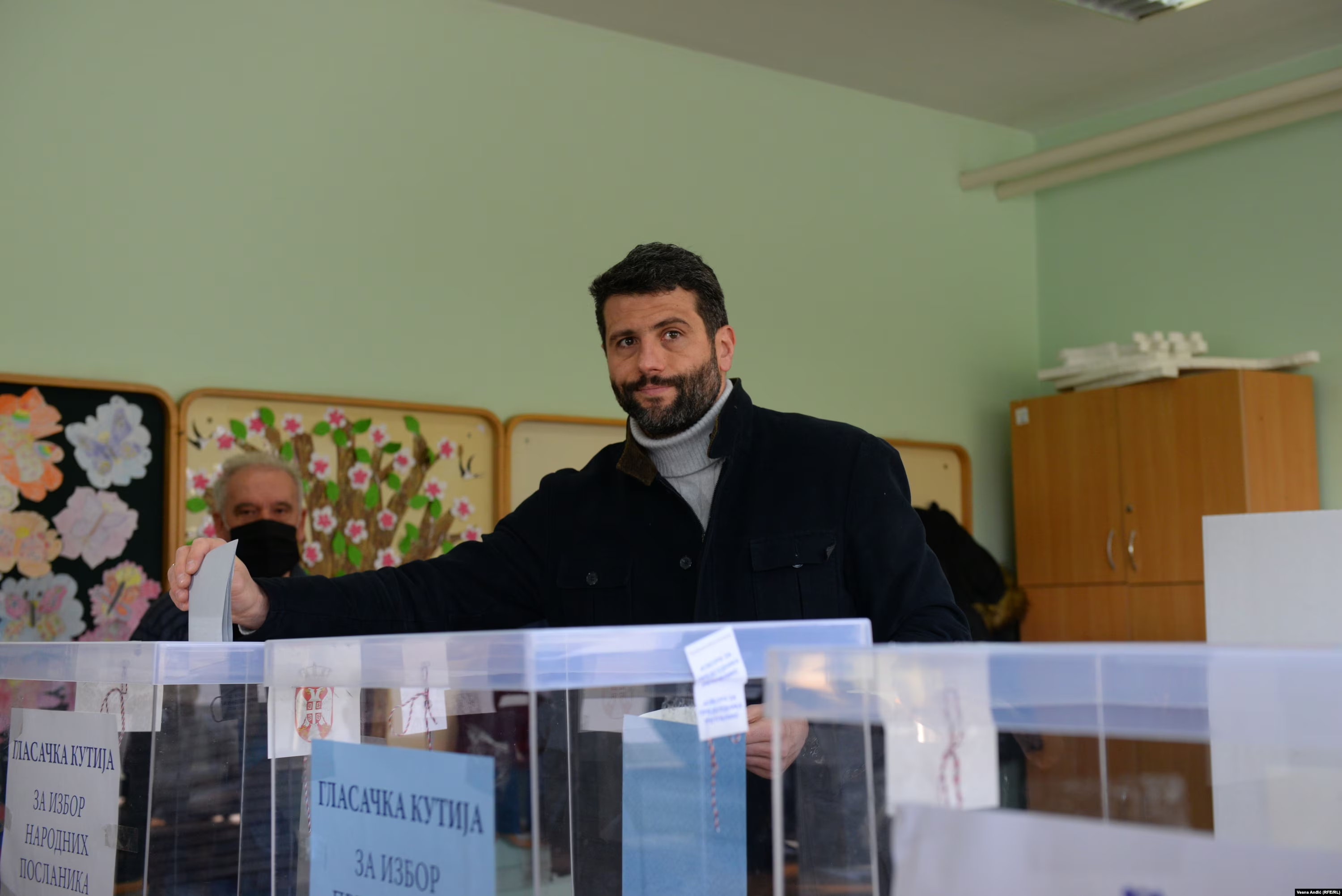
In Serbia, the ruling party agreed to hold new municipal elections in Belgrade - after mass protests of the opposition and negative voting assessments held on December 17 last year, from the OSCE Democratic Institutes and Human Rights.
The opposition accused the authorities of falsifications in the elections in Belgrade, arguing that the official voting results, according to which not a single political force received the majority, does not reflect the will of voters. At the end of December and January, mass protests were held in Belgrade.
On February 28, the OSCE BDPC in her report on the Serbia elections noted multiple violations of democratic standards during voting, in particular, the creation of advantages in the media for the ruling Serbian progressive party of President Alexander Vucich, as well as the non -purpose of the use of public funds. The report states that unequal conditions were created for the election participants. Although there were no direct accusations of falsifications, the acting mayor of Belgrade and the deputy chairman of the head of the ruling party, Aleksandar Shapich, announced that the party was "not afraid of" new elections and agree to them to achieve complete legitimacy of voting.
Previously, President Wucich himself called on the conclusions of the OSCE OSCE and hold the conclusions of the OSCE OSCE and hold in Belgrade. Moreover, previously representatives of the authorities called the opposition protests "an attempt by the color revolution."
The date of the new vote should be set within 30 days.
The opposition coalition "Serbia against violence" called the consent of the authorities to hold new elections with its great victory.
As the Balkan Radio Free Europe/Radio Liberty notes, President Vucich, acting from nationalist positions and not having touched relations with Russia, at the same time seeks to maintain good relations with the European Union. Serbia is a candidate for joining the EU.