
Translated material
Shine + new tab
On February 16, the life of Alexei Navalny ended in IK-3 “Polar Wolf”. “And you all remained the same” - some supporters of the politician hastened to draw about such a conclusion when they entered the HARP Harp Ploks and found that the inhabitants of the village did not organize spontaneous memorials and generally do not discuss this tragic news. The journalist of the “New tab” Ivan Kozlov did not limit himself to the study of public - he visited the Arctic Circle, where a small village of Harp was located in the permafrost zone, and was convinced that the matter was not the indifference of its inhabitants, but in the way of their life, which, it seems, is nothing capable of shaking. And at the same time, he saw with his own eyes a place that at once gained sad world fame.
Caution and attention
If I had a conspiratorial legend, I would have failed it on the approach to Salekhard.
- You are not by chance in the HARP? - a man of about forty asked me, sitting on a neighboring chair.
“In HARP,” I answered mechanically.
“Be careful,” he reacted.
At the tiny airport of Salekhard, we spread a couple of insane phrases; My interlocutor advised me a cheap application for calling a taxi (which I was not going to use), said goodbye and forever, as it seemed to me at that time, disappeared from sight.
I arrived in the capital of the Yamalo -Nenets Autonomous Okrug on the morning of February 24 - on the second anniversary of the beginning of the war. It seemed important to stay here for a short while - at least because there was no need to rush to Harp: the body of Alexei Navalny, who had died there, was lying in the Salekhard morgue for several days. In addition, in Salekhard, unlike Harp, at least there was an impromptu memorial of memory of the politician.
Before this memorial near the monument to the victims of political repression, I already reached Twilight. In the morning, judging by the photographs from social networks, flowers lay at its foot, but now everything was carefully cleaned. The monument hid from prying eyes an arcuate granite wall, because of which, while I was taking photos, a policeman appeared. Having taken a few steps, he saw that in my hands not flowers, but a camera, and he had a familiar script. The policeman froze and said after a couple of seconds:
- Hello.
“Hello,” I answered.
The dialogue was somehow stuck on this, and we stood in silence for a few more seconds.
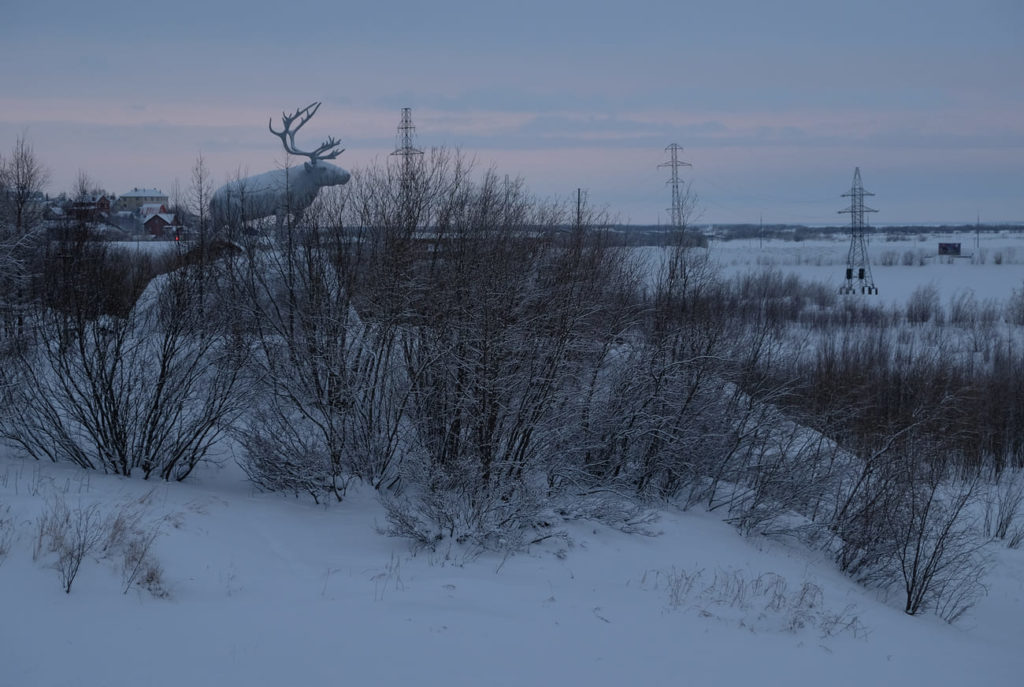
Two more colleagues were waiting for a policeman behind a granite wall. Apparently, they were on duty here all day, since people managed to organize an alternative memorial near the memorial sign “who performed a journalistic duty”: no one followed it, and a photograph of Navalny, like several modest bouquets, managed to sprinkle with snow.
The snow was large and humid. Neither Salekhard nor Harp in the following days did not correspond to my ideas about how February should be behind the polar circle: it was about zero on the street, and in the daytime the temperature rose to the plus.
From the memorial, I walked to the Obdorsky prison , and from there to the city garden. The trees in the snow, hung with garlands, the large bulbs of which exuded warm light, made a completely magical impression. The canopy of the same garland stretched over a pedestrian street passing by the garden. They illuminated a street exhibition of photographs: there were portraits of women on the stands. Stepping closer, I read the signatures: in one photo there was a widow of a war participant in Ukraine, on the other - the mother of another murdered military man.
Obdorsky prisonWooden fortress that laid the foundation for the city of Salekhard
I examined the rest of the city areas fluently. Basically, the clumsy buildings of “capitalist romanticism”, patriotic murals at the ends of buildings and almost nothing from five hundred years of city history were remembered. At the end of the walk, I read the news that Alexei Navalny was given his mother. Probably, Kira Yarmysh spoke about this with some delay, because around the morgue it was already quiet and deaf. I had nothing more to do in Salekhard.
Between the owl and the wolf
The road from Salekhard to Harp with a transfer to Labytnangi - along the ice crossing through the Ob and further, through the stunted coniferous forests - takes a little more than an hour and a half. In the village of Ob, the bus is filled in the uniform of the FSIN located on the way, who go to work. Two elderly women dangle in the front seat. They discuss how best to spend the accumulated pension.
- All my life I wanted to go to the Crimea, now it is even possible, to Sverdlovsk by plane, then by train. But it is dangerous there now.
“It’s dangerous, it’s dangerous there,” her interlocutor is annoyed. - Now it is dangerous around. What now - not go anywhere, or what?
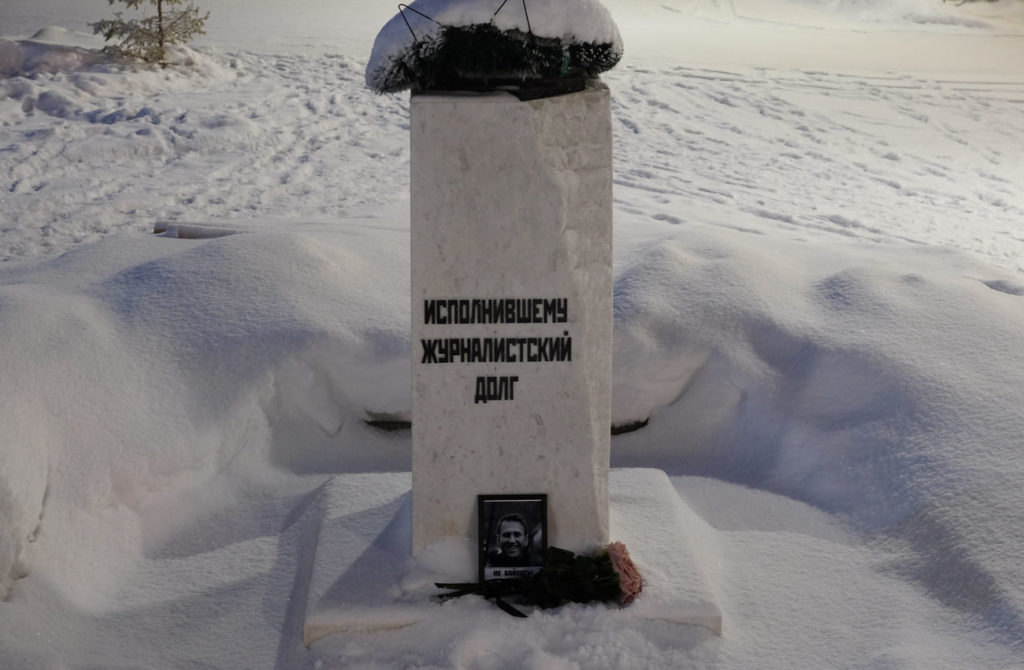
Another half an hour drive along the snow -covered copses, in the meadows between which the plague of reindeer herders are occasionally visible, and the bus arrives at Piglet - the main transport hub of the Harpa village.
Piglet is the very center of a small, six thousand inhabitants, the village. To the south-a hospital, a kindergarten, a fish plant and IK-18 "Polar Owl". There are such celebrities as the Bittsev maniac Pichushkin and the mass killer Major Evsyukov sitting in it. To the north-administration, school, club, cemetery and IK-3 "Polar Wolf". Here, in 2005-2006, Plato Lebedev was sitting, immediately Alexei Navalny died on February 16, 2024.
Alexander PichushkinThe Russian serial killer, known as the Bittsev maniac and the killer with the chessboard. Committed at least 49 killings in the Moscow Bitsevsky Park and its environs, most victims killed the hammer in the head of the hammer
Denis EvsyukovFormer Major of the Russian Police, who, on April 27, 2009, in a state of intoxication, killed two and wounded seven more in the Moscow Supermarket "Ostrov"
Plato LebedevRussian businessman, co -founder of Menatep Bank. In May 2005, he was convicted in the same case with Mikhail Khodorkovsky. He left for 10.5 years of imprisonment in a colony of general regime on charges of theft, tax evasion and legalization of stolen funds
“Owl” is located on the outskirts, and the “wolf” is visible from the windows of the local school and is adjacent to residential buildings. In some of the publics on VKontakte, a resident of one of these houses complained that it was impossible to sleep because of the proximity of the colony, because already at five in the morning they began to sweep the snow noisily there. I did not notice anything like this, although I settled very close to the IK-3-in the only hotel "SHO", more like a dormitory-in-the-instrument, clamped between the river shore, walls of the colony and the territory of the tuberculous hospital.
Harp is translated from Nenetsky as a "northern lights." This phrase lives in the names and on signs (the so-called, for example, the sports complex and the railway station, although I was still more impressed with Salekhard, in which the hotel with the name “radiance” was discovered), but I could not see the very natural phenomenon.
Well, okay! Firstly, as you know, the Earth will soon fly on the heavenly axis, so that the radiance can be seen even in the Perm Territory today. Secondly, Harp shines differently: illumination, bright street lighting and a huge amount of garlands, from which it is light on the central streets at night. A few years ago, the village looked much more depressing, but the locals with whom I had to communicate with, the local authorities thank the local authorities: by 2024 they managed to update the entire infrastructure, bring the streets into a decent look and repair the facades of the Khrushchevs, which are today faced with “under the brick” tile. The seemingly new apartment buildings, standing among the old wooden two-story buildings, even look somehow unnatural, as if in simulation: only the old, drying window frames that have been preserved in some apartments testify to their true age.
In fact, these updated houses are already half a century or more. At first there was a railway station-one of many in the “ 501st construction site ”, on which several thousand prisoners died. This project of the transponding highway was never completed, after the death of Stalin it was closed. In 1961, near the station on the basis of the former Gulag division, a colony was built, which will subsequently be called a "polar wolf". And only seven years later, in 1968, the village of Harp was formed.
About the period of the history of the village in the 80s, 90s and zero-before the local authorities repaired the streets and houses, and in addition to the colonies, a fish plant, a deer processing workshop and several other enterprises, appeared on the territory of the Harp, an unknown for me unknown for me will tell me better:
“Until 99, everything worked. Career, prey, etc. <...> Russian Railways wagons were loaded with gravel of different stamps and sent. And the 2000s came-businessmen, the huevo Muscovites who bought up and abandoned, ruined the village, which from the dashing 90s at least a little held a little. They thought that people were slaves in the village that would work for a penny without any benefits. Yes, in the winter, in minus forty Mercedes and Bentley do not start, it is only necessary to ride UAZs and Urals, but this transport is not for Muscovites. That's all the workshops, warehouses, etc. - thrown, stolen. Where the patriotic Russian, the Moscow spirit comes, always devastation and ending. ”
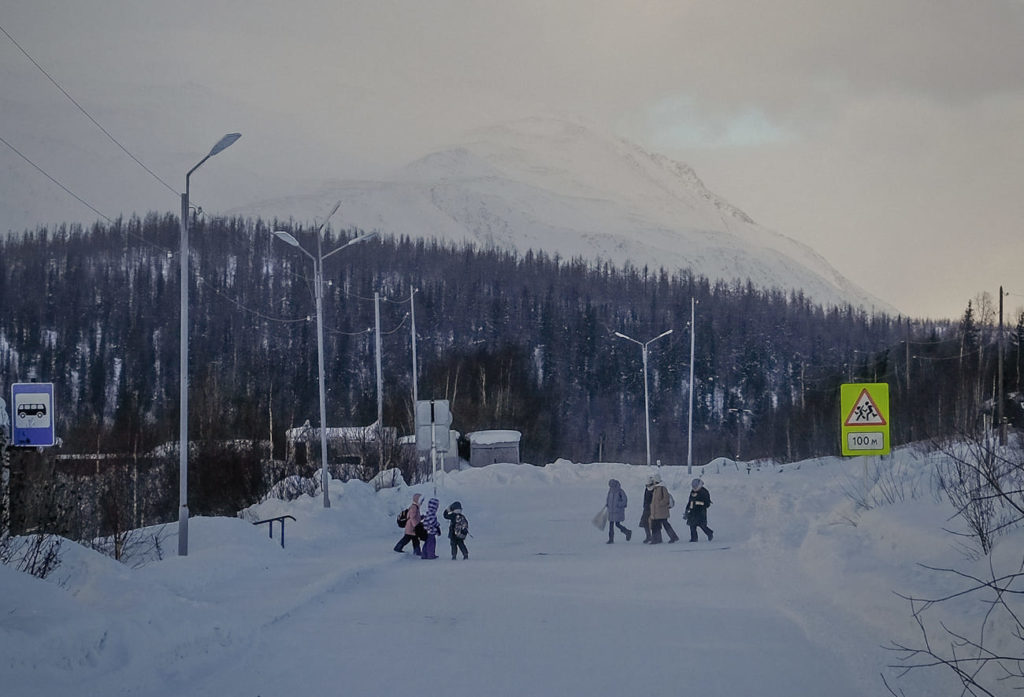
Severe conditions, temperature, dropping in winter to minus 50 and below, the gloomy atmosphere, associated with the fact that the fair part of the local everyday life is concentrated around the colonies, the tragic background of the Gulag construction - all this is true. But the truth is that the HARP (in any case, in the absence of extremely low temperatures) gives the impression not of a bear angle, where Putin’s most terrible maniacs and the most sworn enemies, but the most ordinary village, which could not be distinguished from dozens of similar settlements in the Perm region or, say, in the Sverdli region, if not for the most beautiful mountain ridges, are taken to live. On the horizon and no less beautiful hills framing the village.
"Well, died and died"
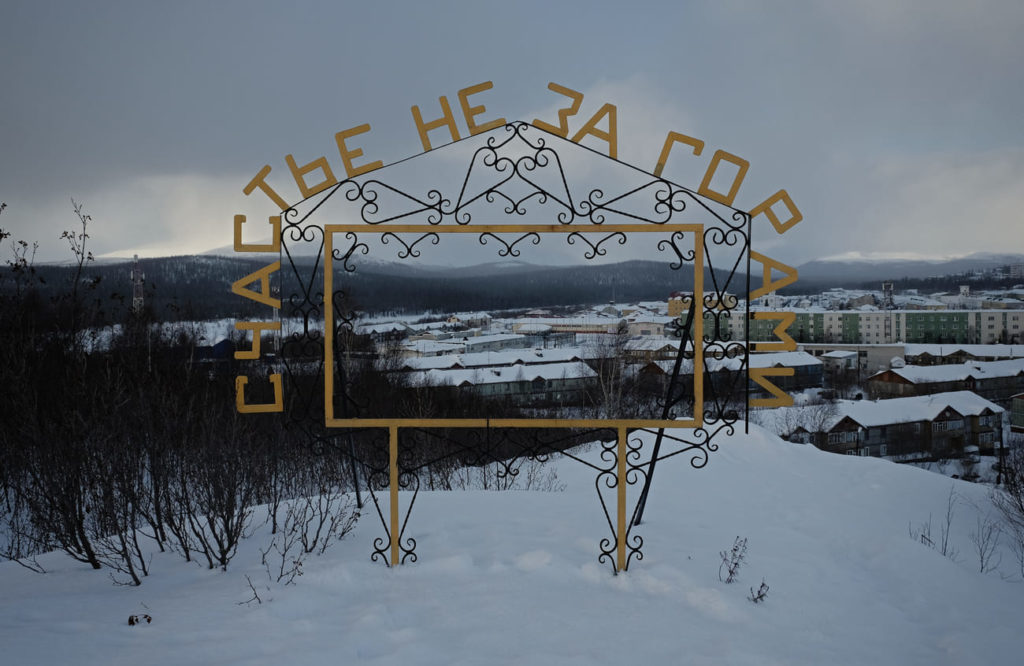
On one of these hills near Harp there is a helicopter site; She acts as the main species point for tourists, so several years ago a local entrepreneur made a gift a gift, setting a frame in this place, through which the panorama of the city is visible. The frame is bordered by metal letters, folding to the phrase "Happiness is not far off." On the rights of Permyak, in whom this phrase has been sewn into the cultural code for ten years, I considered it important to find this frame, but along the way I got lost among wooden two -story buildings. Fortunately, I met a woman of about fifty, who was just standing in the middle of the yard. I glanced over her.
- What? She instantly reacted.
Upon learning that I was looking for the site, she volunteered to spend me - she, according to her, was still nothing to do, just went out to stand under the snow and would have stood so.
- You are probably tired of the attention of visiting journalists here? I asked her.
- A? No, there is no one. Well, there is a lot of these, like them, builders. All strangers. Well, they now built a school here, they will build a club, and there are many of them.
-I see, otherwise I thought that there were a lot of strangers here because of Navalny.
- What? - She did not understand again. She did not have to hear this surname before.
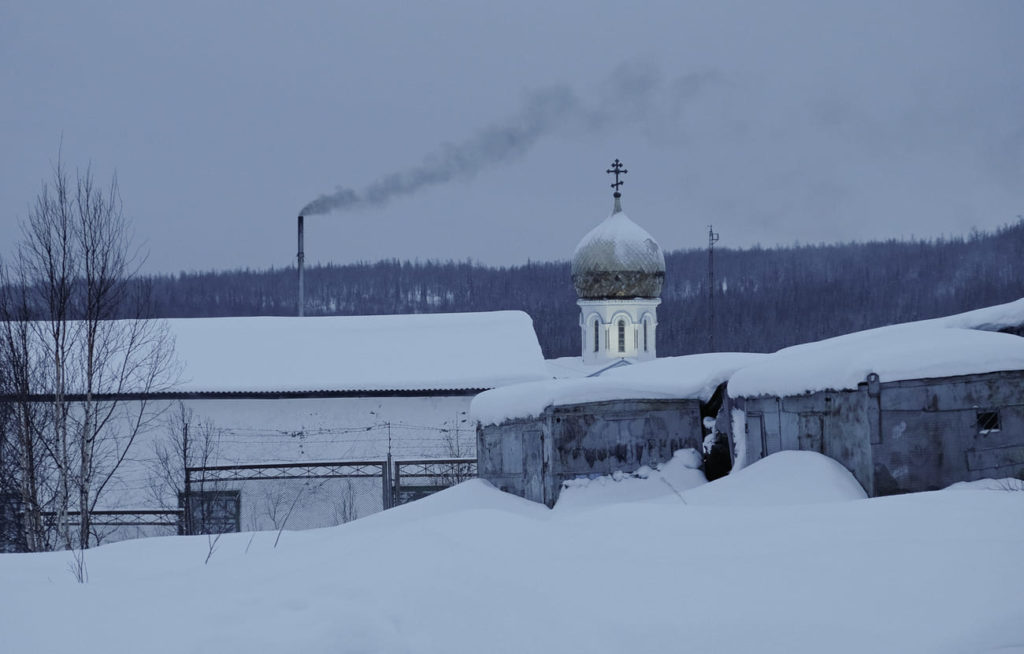
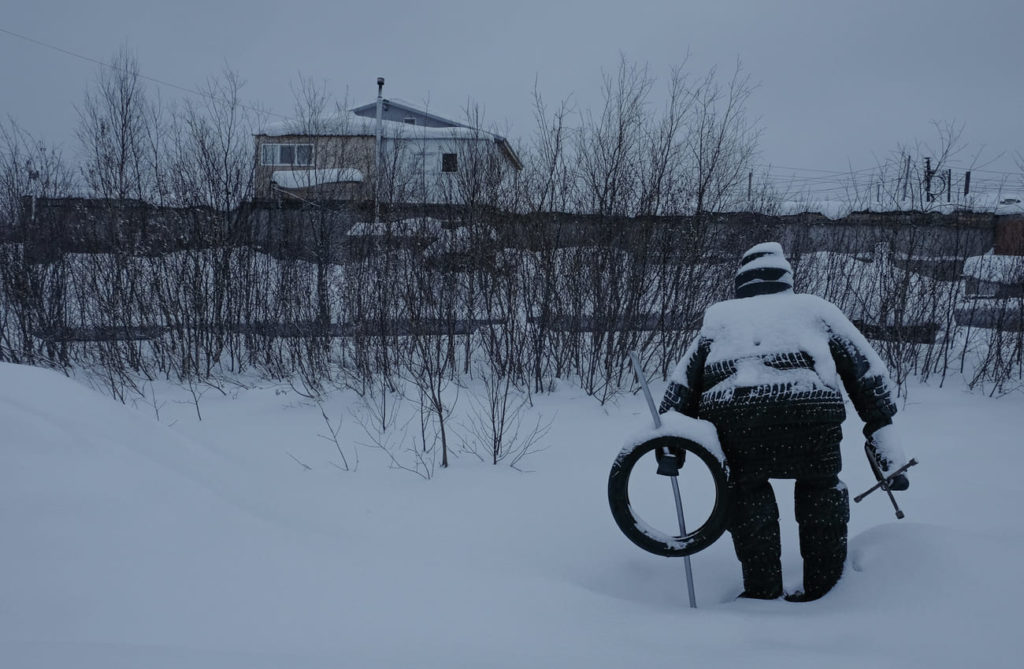
The woman showed the road to the site incorrectly, and I buried in some kind of bus dead end. Its main attraction was the anti -aircraft gun glued from scraps of tires, on which its creator wrote with white paint “We will win!”. Well, also not bad.
In the morning, that dialogue with a woman seemed stupid and insignificant to me, but in the evening I was convinced that he was more than characteristic of understanding how and what Harp lives. I walked and chatted with the locals, but the attempt to speak with the FSINCOV was unsuccessful (one of them promised me to “clarify”), and ordinary passers -by, although they knew Navalny’s last name, did not show any interest in the dialogue. Expelled sympathy about the death of the politician had to be caught in social networks, but even there they either ignored me, or refused comments. It was evident that this topic was annoyed: especially considering that in almost all Harp publics, after the death of Alexei, commentators appeared from somewhere with impersonal accounts who offended and insulted the locals for insufficient empathy, repeating the idea that "the whole village is one large colony."
There was no reason to abandon the conversation only for those who did not care. For example, a woman, in whom I first tried to rent an apartment for rent, noticed that the attention of the world media in the life of the village was not at all reflected. Changes in recent months and years have occurred in Harpe, but they were mainly connected with the development of tourism: the more popular the Harp became for the hiking, who went from here to the mountains of the Polar Urals, the more expensive housing took.
“Demand has always been large, the last five years for sure,” the woman said. “Very few are handing over here, and now the industry is being developed , and we will be the center.” In recent months, no one has come, besides lawyers and a couple of journalists. And after death, the mother [Navalny] was here for several days, and no more move, no colors to the colony and other things. Generally quiet. Residents did not react to the death of Navalny in any way.
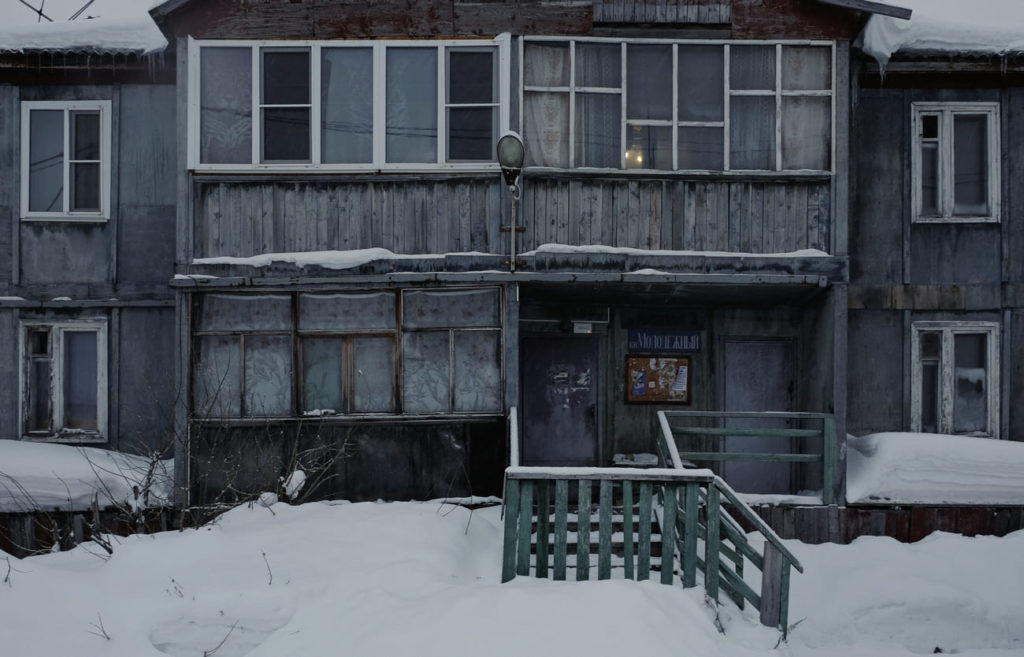
A local resident Olga spoke with me more more unfolded (I changed her name, because she asked for anonymity, explaining this by the fact that her work is connected with Federal Penitentiary Service). Olga had sympathy for Navalny's mother, and great respect for her behavior after the death of her son. But about him, he himself was not the highest opinion:
- The death of Alexei did not cause [local] special emotions. The reaction of people in teams is almost unambiguous: “The traitor died” or “well, died and died”. These events did not arouse much interest: it is a policy, it is a lot of money, it is a opposition to the two states, while there are victims. To say that he is a traitor, I cannot: he is not a military man, not a guardian of GOSTaina. And the fact that he sold his conscience to another state is to remain on his conscience. In a humanly, it is a pity that still a physically strong, smart man put his energy in the wrong direction ... He would have remained with power now, would be the same wandered official, Olga thoughtfully concluded.
"Yamal has its own state"
Olga herself was at work near the colony on the evening of February 16 and did not notice anything unusual at all, even the parking was, as always, half -empty. True, the very next morning the entrances to her were blocked, fearing the hype, since the parking is within the limits of the regime zone in which it is impossible to remove. But these security measures turned out to be excessive: in the evening of the next day, Olga noticed only a little more cars than usual, and there were no public actions or impromptu memorials in Harpe either on that day or subsequent ones. She is sure that there was no one to lay flowers: Olga herself adheres to moderately patriotic views, and she considers interest in Navalny to young maximalists, which, according to her, is extremely few in the village.
It is difficult to say how many “maximalists” in Harpe is actually, but, as elsewhere, they are not much more active in the public field, but supporters of the regime. It became especially noticeable just after the death of Navalny, when journalists became interested in local publics. They tried to find out or buy information from the inhabitants of Harp, which provoked the locals to reasoning. Here are just one of the characteristic examples :
“Who cares about Navalny here? There is his state on Yamal, he is nobody here and to call him in any way, and if there are supporters, they are sitting and nervously smoking on the sidelines, they will not support them here. ”
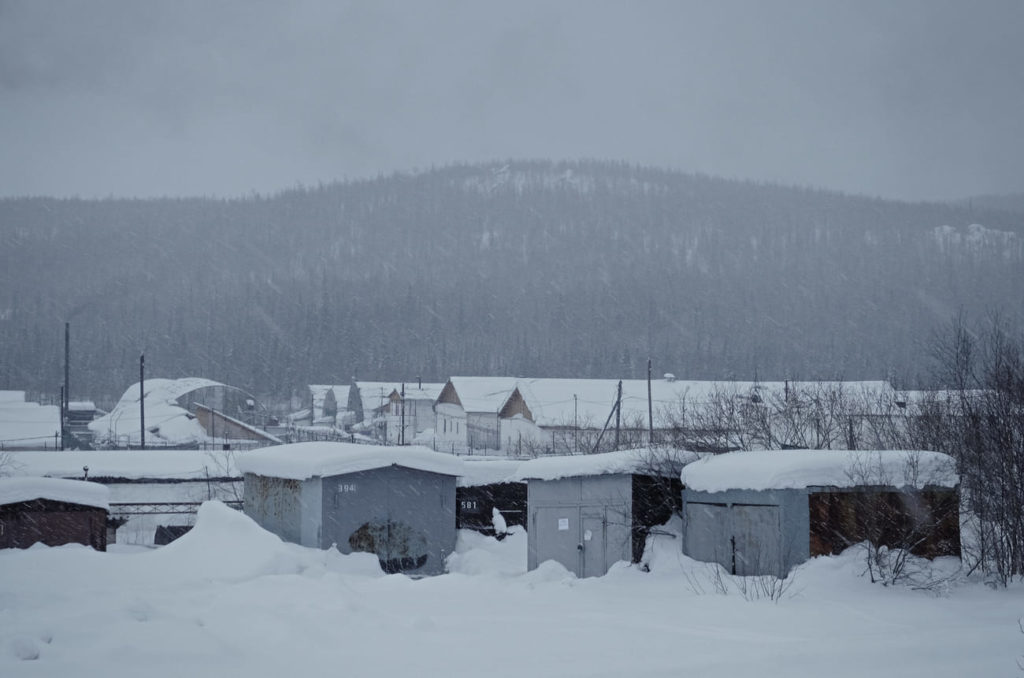
On my remark that the colony that happened behind the walls seemed to be absolutely not interested in the village, whose everyday life is closely connected with this colony, Olga replied:
- The people do not live separately, just the people here have a slightly different mentality, and this is noticeable for almost unclaimed nightclubs, restaurants and so on. People work, engage in everyday life, and the opposition is considered marginal. Not because they are completely satisfied with the authorities, but because the power hears them here. The mayor can personally respond to the complaint in the local public about the quality of the roads.
In confirmation of her words, Olga threw me a link to the post from the public “Labytnangi. Info ". Its author complained that the door handle was broken at the Bus Stop of the “Arctic” (the stopping pavilions were made closed in Labytnangi and Harpe so that people would not freeze in anticipation of transport). Forty minutes after the publication, an account of the housing and communal services of the city administration answered the post, and two hours later the same account reported that the handle was replaced and the problem was solved.
“Here is a specific example for you,” Olga concluded and added: “Well, what oppositionists can be here?”
Before the storm
Утром понедельника я проснулся от громкого разговора консьержки за дверью: она рассказывала кому-то по телефону, что в посёлке объявлено штормовое предупреждение. За окном медленно падал крупный снег, проглядывало солнце, и поверить в то, что надвигается непогода, было трудно.
Я собрал вещи, сдал ключ и между делом спросил про обстановку в посёлке.
— Вы про туристов? - She did not understand. — Да нет, туристов очень мало всегда, скоро вот дорогу за несколько миллиардов должны построить до горного курорта, тогда, может, побольше будет.
Я сказал, что не только про туристов.
— А, вы про это. Ну вот как Навальный умер, так сюда стали приходить эти [следователи], спрашивать, кто новый приметный заселился к нам. Вот буквально вчера приходили. Так я говорю: не там ищете! Если журналисты приезжают, так они квартиры частные снимают на сутки, вот там и ищите, а тут-то они разве снимут?
— Ага, ну да, — на всякий случай согласился я и поспешил попрощаться.
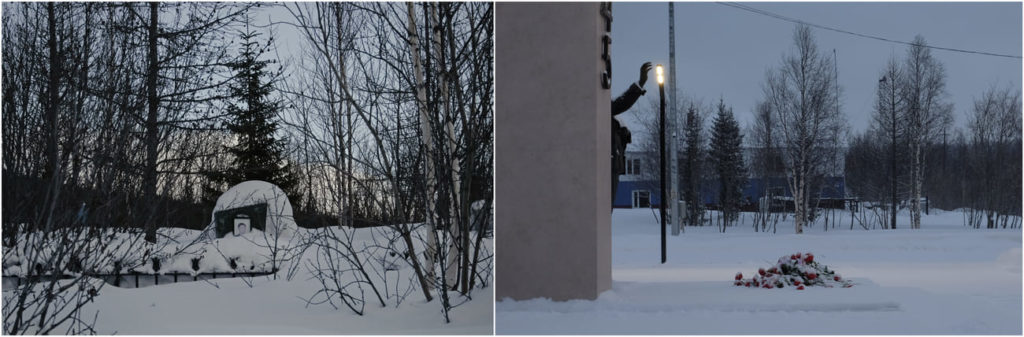
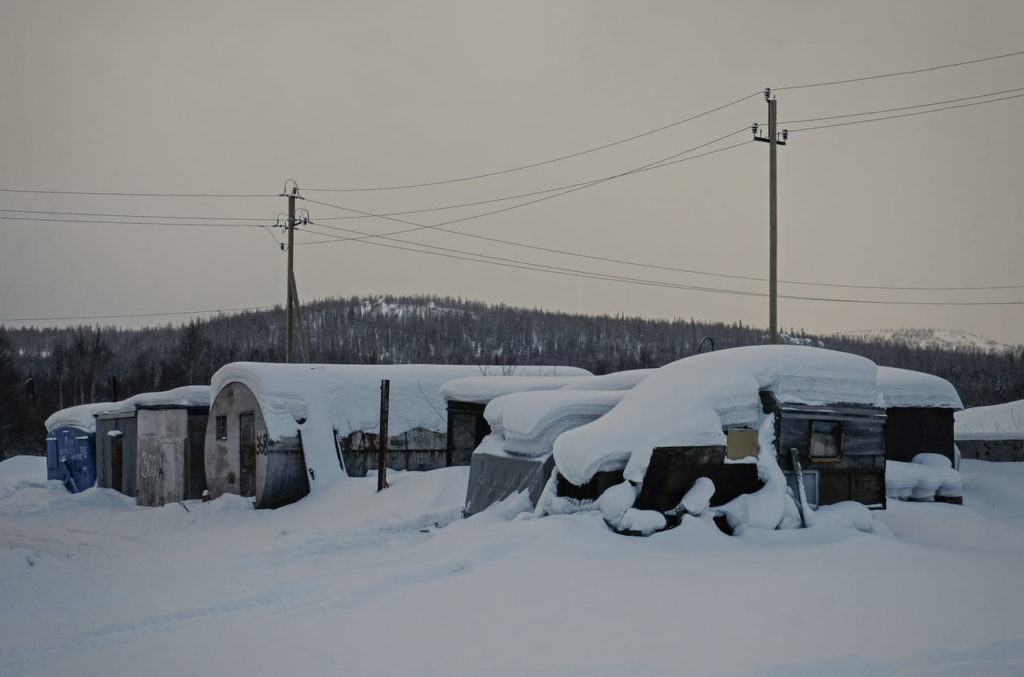
За несколько ночных часов снега намело по щиколотку: по Харпу колесили снегоуборщики, а рабочие скидывали свежие сугробы с крыш зданий. Если бы не их оперативная работа, Харп занесло бы снегом за считаную неделю: понять это можно разве что по оставленным во дворах и на обочинах автомобилям, которые превратились в гигантские сугробы. Таких тут просто аномально много: видимо, их хозяева надолго уезжают из посёлка на вахты или заработки.
В самом Харпе есть рабочие места в сфере услуг, но популярностью они, похоже, не пользуются. В единственном местном «Магните» напряжённая атмосфера: у кассы скопилась гигантская очередь, и люди бесятся.
— Тут всегда так, — говорит одна пожилая женщина другой. — Как ни приду, постоянно продавцов нет. Эй, ну откройте вторую кассу-то!
— Я что могу сделать? — вяло реагирует продавец. — Местных сюда почему-то не затащишь.
Кассир по имени Андрей живёт в Харпе недавно — приехал по распределению.
— Местные не идут работать, — обречённо повторяет он мне. — Меня вот послали на открытие магазина сюда. Обычно на два месяца посылают, для некоторых потом эти два месяца растягиваются, вот и для меня тоже.
За пять минут, что длилась эта бестолковая сцена, погода на улице радикально переменилась. Харп оказался обманчив: стоит расслабиться, как выяснится, что тобой интересовались следователи в гостинице; стоит порадоваться пасторальному снегу, как приходится вспоминать о «штормовом предупреждении». Ветер налетает мгновенно, и сила его такая, что по улицам становится трудно ходить.
К местному кладбищу удалось подобраться только с самого края: туда снегоуборщики не доехали, и дорогу занесло снегом. Поэтому в оставшееся время до поезда я постучался в церковь Рождества Богородицы в местном сквере (ещё один храм — Сергия Радонежского — расположен за забором «Полярного волка», а в «Полярной Сове» только небольшая часовенка), но она оказалась закрыта. С её настоятелем — отцом Михаилом, который служит здесь уже более десяти лет, — мы позже связались по телефону. Это было уже в те дни, когда тело Навального довезли до Москвы, и его соратники едва нашли священника, чтобы его отпеть. Мы поговорили о жизни в посёлке (отец Михаил тоже сказал, что ничего как будто и не произошло, никто не ставил свечей за упокой раба божьего Алексея и не подавал записок о поминовении), а затем я спросил его, согласился бы он отпевать Навального.
— Он ведь, как я понимаю, не совершал самоубийства и не принадлежал к другому вероисповеданию, — ответил священник, — а других причин его не отпеть я не вижу.
— Ну вот в Москве почему-то никак не могли найти того, кто бы согласился, еле нашли.
Отец Михаил не понял, почему священника долго не могли найти, а когда я рассказал ему, спросил:
— Но ведь нашли же? И что стало с тем человеком, который его отпел? Ничего ведь?
Кажется, он даже не понял, почему я задаю эти странные вопросы: та ситуация, в которую Навальный попал в Москве уже после смерти, здесь, в Харпе, где всё происходит в спокойном установленном порядке, казалась невообразимой.
Потоптавшись на пороге церкви, я предпринял вторую попытку добраться до рамки «Счастье не за горами», и она увенчалась успехом. Судя по всему, туристов в Харпе действительно немного — или они просто не знают об этом месте. К затерявшемуся в зарослях ольхи арт-объекту нет тропинки. Предполагается, что сквозь металлический прямоугольник должна быть видна панорама посёлка и горные вершины на горизонте, но с гор спускался снежный буран и вершины были не видны: в кадр «Счастья не за горами» попали только двухэтажные домики, свежеоблицованные хрущёвки и территория колонии, в которой закончилась жизнь Алексея Навального.
Я надеялся, что в Харп меня больше никогда ни по какой надобности не занесёт, поэтому хотел успеть купить на память магнитик, но успевать оказалось некуда: железнодорожная станция «Северное сияние» представляла собой кирпичный мешок с залом ожидания из шести стульев. В ней не продавались не только магнитики, но и билеты, которые предлагалось покупать заранее.
Кроме меня поезда ждал только один мужчина, который болтал со станционными работницами. Когда поезд подошёл, одна из них прокричала ему вслед:
— И тепло это с собой забери!
— Куда тепло-то? — возмутилась другая. — Пусть лучше ветер с собой заберёт.
Ветер тем временем стал совсем невыносимым, и в снежном буране скрылись не только дальние гребни, но и холмы, окружающие посёлок. Казалось, что если мужчина заберёт ветер с собой, то Харп так и зависнет посреди этой пустоты.
В конце первого дня, проведённого в Салехарде, я спонтанно забрёл в арт-резиденцию «Полярис»: афиши обещали выставку современного искусства, а проект был поддержан Росмолодёжью, так что мне стало интересно, какое искусство показывают при господдержке за Полярным кругом. Я изучал вывешенный в фойе список участников выставки, когда услышал за спиной:
— Надеюсь, вам не покажется, что я за вами слежу.
Мой попутчик, с которым мы вместе летели, был здесь же — у него отменилась какая-то бизнес-встреча, и теперь он просто гулял по городу и думал, чем бы заняться. Я прикинул, что подстроить всё это специально было бы невозможно (для этого как минимум нужно было знать мой план, а его не существовало), поэтому нам не удалось найти ни одной причины не выпить пива. Новый знакомый, правда, попросил об анонимности, но я могу сказать, что в силу работы он знал Салехард и Харп очень хорошо, причём жизнь коренных народов в том числе.
— А что ты там хочешь найти, в Харпе? — сказал он мне помимо прочего. — Знаешь, как они тут говорят об остальной России? Они говорят «на земле». То есть у них чёткое разграничение: есть то, что на Ямале, а есть всё, что в стране происходит, «на земле». И историю с Навальным, хоть он и сидел здесь, они воспринимают как часть какой-то игры, которая разворачивается «на земле» и к ней относится. А к ним нет.
В какой-то момент мы вышли покурить, и я всё же спросил у него:
— А как ты понял, что я лечу именно в Харп? По мне прям видно как-то?
— Ты фотографировал коробку с самолётным ланчем, поэтому видно было, что ты в первый раз летишь, а про Харп я уже предположил, — ответил он.
Я, видимо, и правда прокололся на том, что фотографировал коробку. На внутренней стороне её крышки напечатали рекламную викторину. Предлагалось отметить поводы для посещения Ямала: в обширном списке были северное сияние, морошка, мамонтёнок Люба и разные другие достопримечательности и факторы притяжения.
Мамонтёнок ЛюбаИскопаемый мамонтёнок-самка, найденный в мае 2007 года оленеводом Юрием Худи в верхнем течении реки Юрибей на полуострове Ямал. Получил имя «Люба» в честь жены оленевода
— Я даже подпись для твиттера придумал к этой фотографии, — сказал я, — типа «Не угадали, ребята: причины, по которой я к вам лечу, в этом списке нет».
— Ну да, — вздохнул он, — нет и не появится. А может быть, и появится. Но очень нескоро.