
Translated material
We dig up the colonial roots of botanical gardens
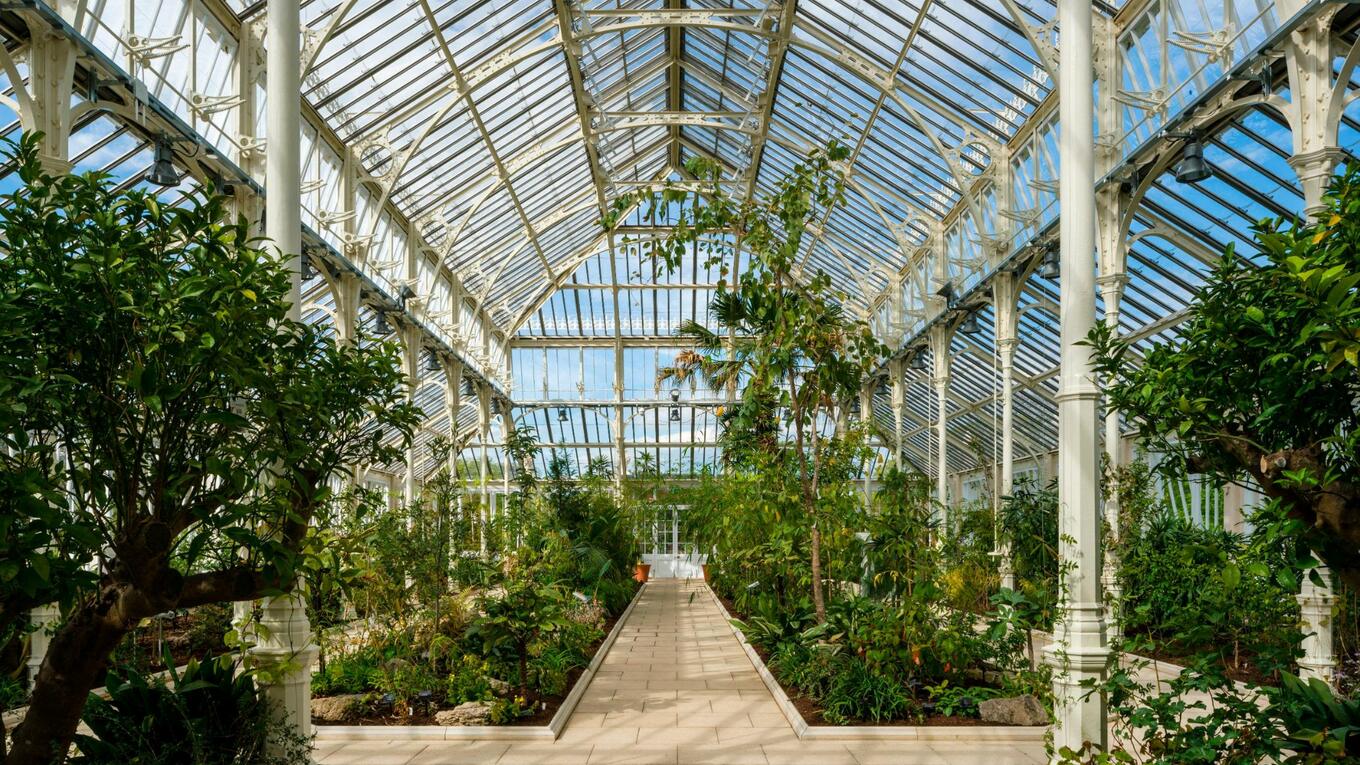
Labor operation, imperial economy and theft of plants.
Modern city residents are accustomed to botanical gardens - beautiful parks and greenhouses with various plants. They have greenhouses and stands with information about different types and subspecies indicating the region from where the plant was brought. But, in addition to entertaining, botanical gardens historically performed other functions. Anthropologist Daria Kholodova tells how beautiful Bottsadians are connected with the history of European colonialism.
In order not to miss the new Perito texts, subscribe to our telegram channel and Instagram .
Botanical garden as an administrative body
Botanical gardens in the modern European version first appeared in the 16th century in the south of France and north of Italy. These were beds with medical plants at the universities of the Renaissance. In the XVIII century, gardens developed mainly as a collection of outlandish plants in the royal courtyards. For example, the most important British royal Botanical gardens for the world botany began as a hobby of King George III. Since 1841, Kew Botanical gardens have been transformed into a state institution that ruled all the botanical gardens of the British Empire. Similar, but less large -scale botanists were also in Holland and Spain.
During the period of European economic expansion, the task of the botanical garden was the search for plants, profitable empires, and their study. The reproduction of such species was engaged in gardens in Calcutta, Bombay, Sakharanpur, Sydney, Trinidad and Mauritius. All of them were subordinated to the British crown.
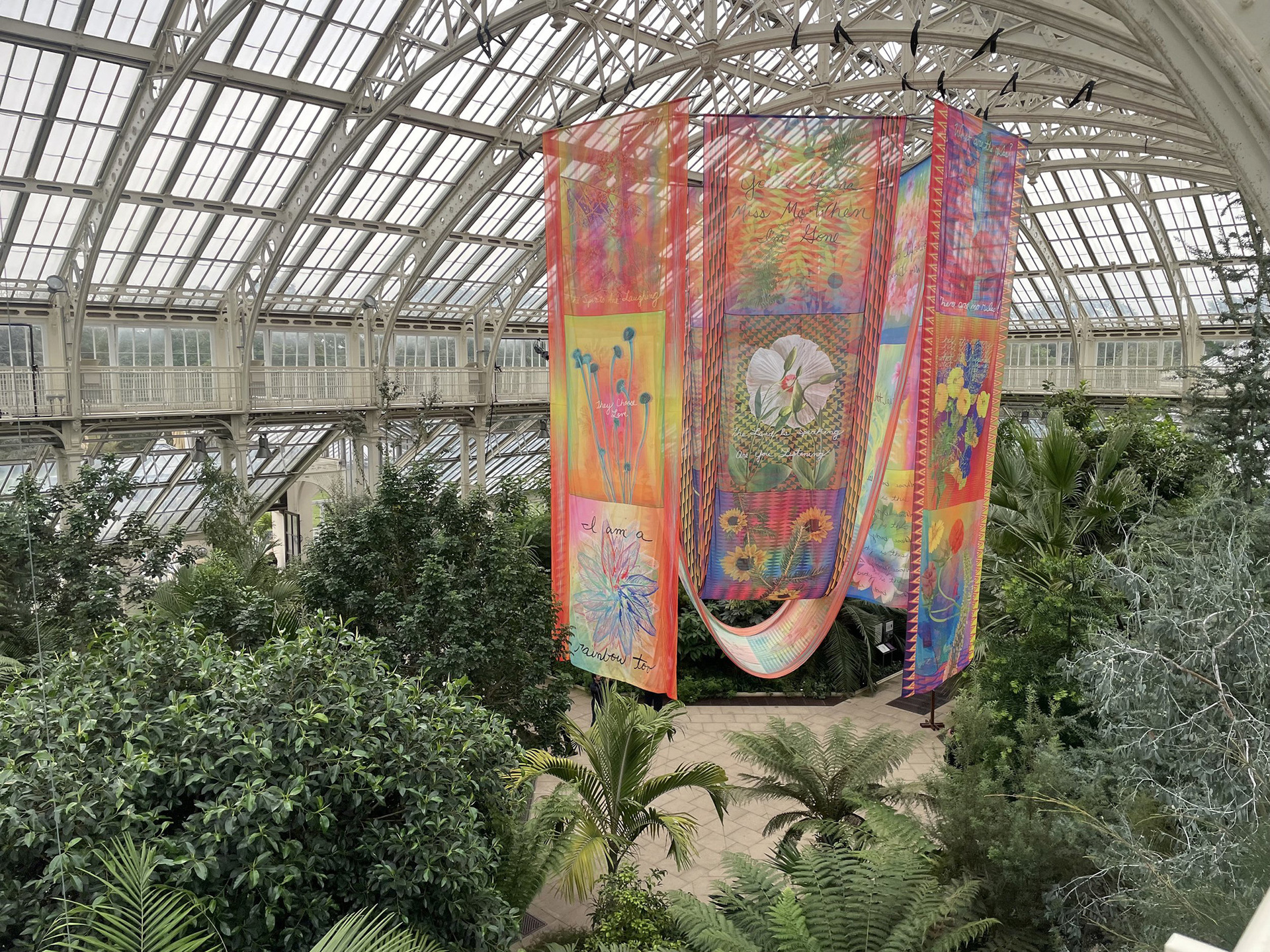
The network of imperial botanical gardens made it possible to make plant transfer between different continents and change the configuration of world trade. The American anthropologist Cecilia Brookway described how the British Empire was able to get a monopoly on tea trade, the bark of the Hinn tree (medicine for malaria) and rubber. Plants were taken in some territories and landed on others-imperial plantations with slave labor in India, Ceylon (now Sri Lanka) and Malaysia. So from some countries natural resources were withdrawn, and from others - labor.
For the first time, Britain tested this model in China. During the opium war of 1839-1842, it was possible to break through the trading restrictions and take possession of tea plants, which later landed on plantations in Ceylon. The seeds of a prolific Hinn tree were stolen from Bolivia in 1865 with the help of a bribery of a servant from the Aimar people.
The peoples of the Amazon jungle were the first to discover the elastic properties of the juice of the Brazilian tree (hēvea brasiliēnsis). Until 1909, rubber was the natural monopoly of Brazil. With the invention of cars, the demand for rubber in Europe and the USA has grown sharply, and it has become a very profitable product. In 1876, the Royal Gardens of Kew sponsored an operation on smuggling of 70 thousand Givey seeds, and by 1919 the Brazilian rubber was finally supplanted from the world market.
Sugar, coffee, tea, cocoa, zinhona [Hinnoye tree] and rubber have similar labor operation stories. The removal of energy from the colonial territories of the world and its transfer to the metropolis was one of the sources of wealth necessary to finance Western scientific institutions.
Cecilia BrookayArticle "Science and Colonial Expansion: The role of the British royal botanical gardens" (1979)
Botanical garden as a laboratory
In the colonial history of botanical gardens, the connection of science and economics plays an important role. Natural history and nature are not something existing regardless of human perception, but are constructed by scientists themselves, the American researcher of science and technology Donna Haraway wrote. The logic, which scientists of a certain nation and era take for common sense, plays a huge role in what they see in front of themselves when they look at the "nature".
The 19th-century botaniks focused on profitability. This logic led to a reduction in the local variety of species, because priority was given only to plants with a high exchange value.
The sociologist of the University of Hawaii uses the term “botanical imperialism ” to describe the era when the peoples of the world began to move from community logic and the so -called survival economy to a market economy. Before it, people mined food mainly with hunting and gathering, and not for sale, but for their own food. Plants that do not bring benefits gradually ceased to grow - they were replaced by species for sale. The number of plants used in food has become sharply reduced, and now 95 % of our diet consists of options for no more than 30 plants .
An important tool in such selection and administration of plants was the Linneum system of classification of the plant world. It made it possible to divide into classes and detachments according to universal principles, without taking into account the context and knowledge of the local population about a particular plant.
The Linneevsky system made it possible not to take into account local conditions, such as climate and soil, and allowed to lay complex worlds of colonized territories in a harmonious book of accounting. The names of open plants were recorded in Latin and became part of the European knowledge system, losing any connection with the original anthropological and biological context. So the plant with specific methods of use turned into an abstract product with an abstract exchange value.
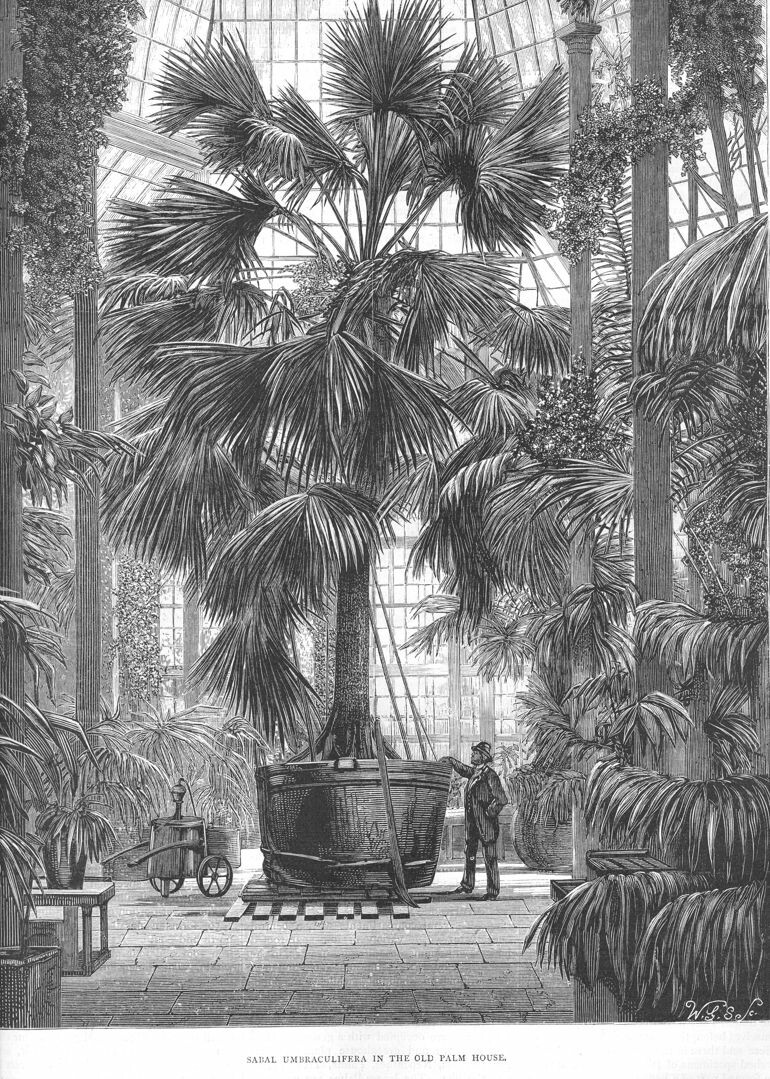 Royal Botanical Garden of Edinburgh, 1898
 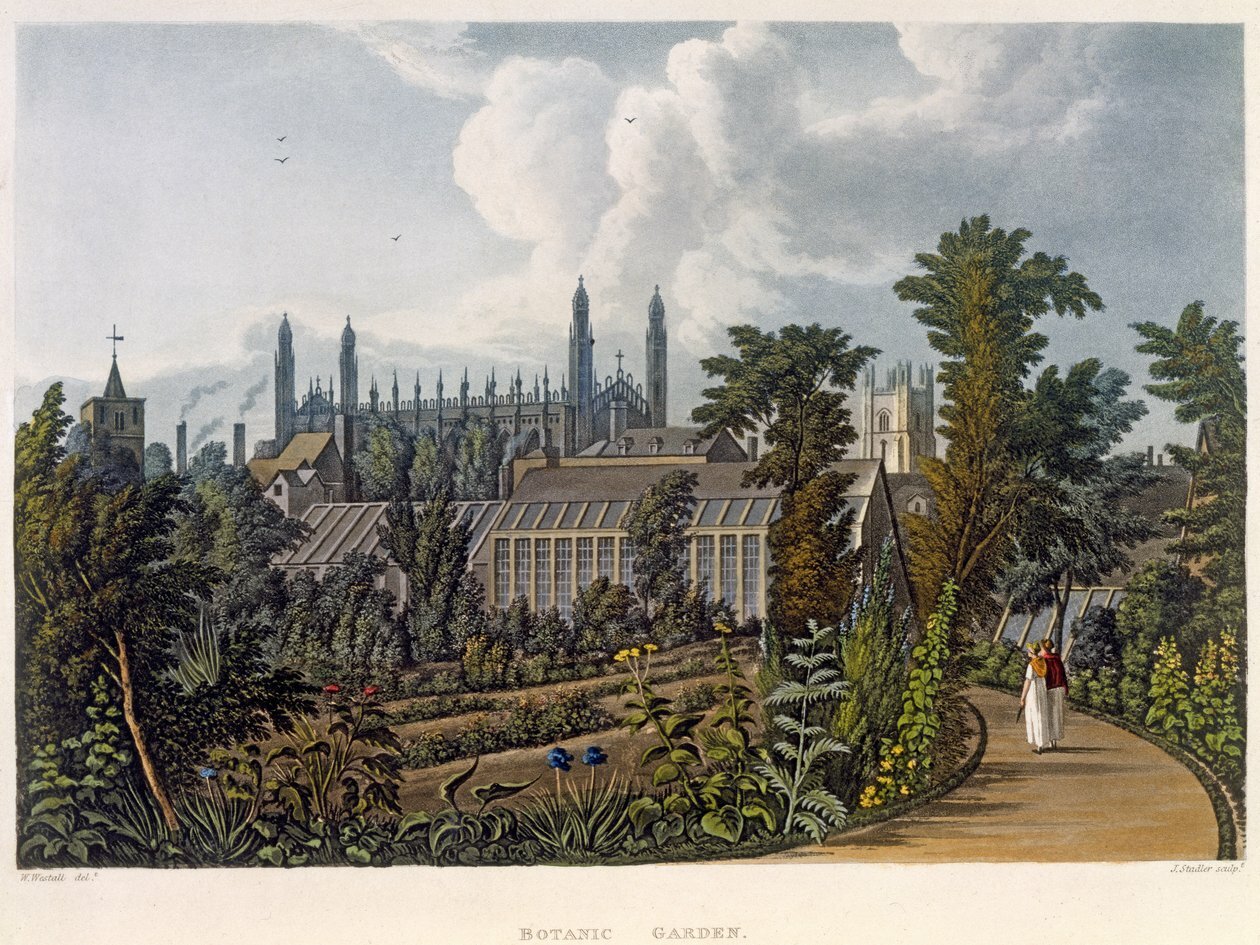 Cambridge Botanical Garden in 1815
 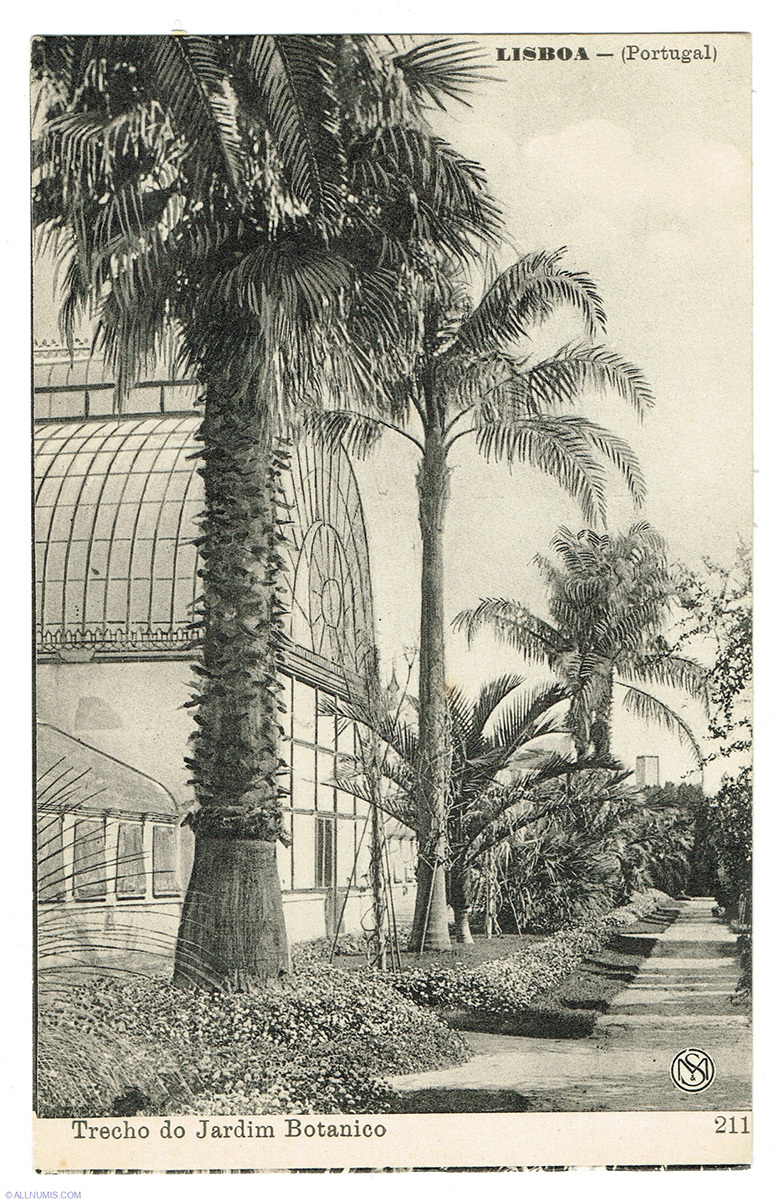 Lisbon Botanical Garden, 1920
In the study “Botanical Imperialism: Management of Plant Genetic Resources in the Third World”, the American scientist Franz Brosvimmer wrote: “The principle of exchange value revolutionized the world and had a huge effect on accounting, the constitution and global distribution of genetic material of plants. On the one hand, he enriched the world, in the sense of the value and diversity, produced using technical and scientific manipulations (hybrid forms, genetic engineering, “improved” species and so on). On the other hand, he impoverished him, destroying most of the genetic variety of plant resources. ”
Botanical garden as a museum
By 2024, questions about who owns objects in ethnographic museums in Europe are increasingly appearing. In many discussions, the British museum and methods by which exhibits fell into his collection are the object of criticism . At the same time, botanical gardens do not attract the same attention, although plants in them can also be objects of smuggling, theft or violence - common practices of European colonialists.
The researcher of museum practices of the University of Oxford Vibe Nielsen draws attention to the fact that the colonial vision of the world is preserved in the very method of organizing and presenting the plant collection in botanical gardens. Most often, they remain collections of exotic outskirts for the European public. In the botanists, there is a division into continents, once designed to show the coverage and power of the empire. Visitors are given limited information about plants: names in Latin and place in the European classification system. About the local context and practices in which this plant could be included on the native continent is silent. According to Nielsen, colonial practices of collecting and organizing plants brought with them the uniformity of thought, which rarely paid tribute to the local knowledge.
“Welcome to Africa,” the guide at the entrance to the greenhouse of the Botanical Garden will say, and visitors will admire the fleshy leaves of bananas, palm trees and Lian, thinking that Africa really consists of a set of strange plants torn from context.
- Lucile H. Brockway. Science and Colonial Expansion: The Role of the British Royal Botanic Gardens , American Ethnologist, Vol. 6, 1979
- Franz Broswimmer. Botanical Imperialism: The Stewardship of Plant Genetic Resources in the Third World , Critical Sociology, 1991
- Vibe Nielsen. The Colonial Roots of Botany - Legacies of Empire in the Botanic Gardens of Oxford and Kew, Museum Management and Curatorship, 2023
- Londa Schiebinger, Claudia Swan. Colonial Botany Science, Commerce, and Politics in the Early Modern World, University of Pennsylvania Press, 2016