
Translated material
Putin wins the presidential election in Russia with 87% of the vote
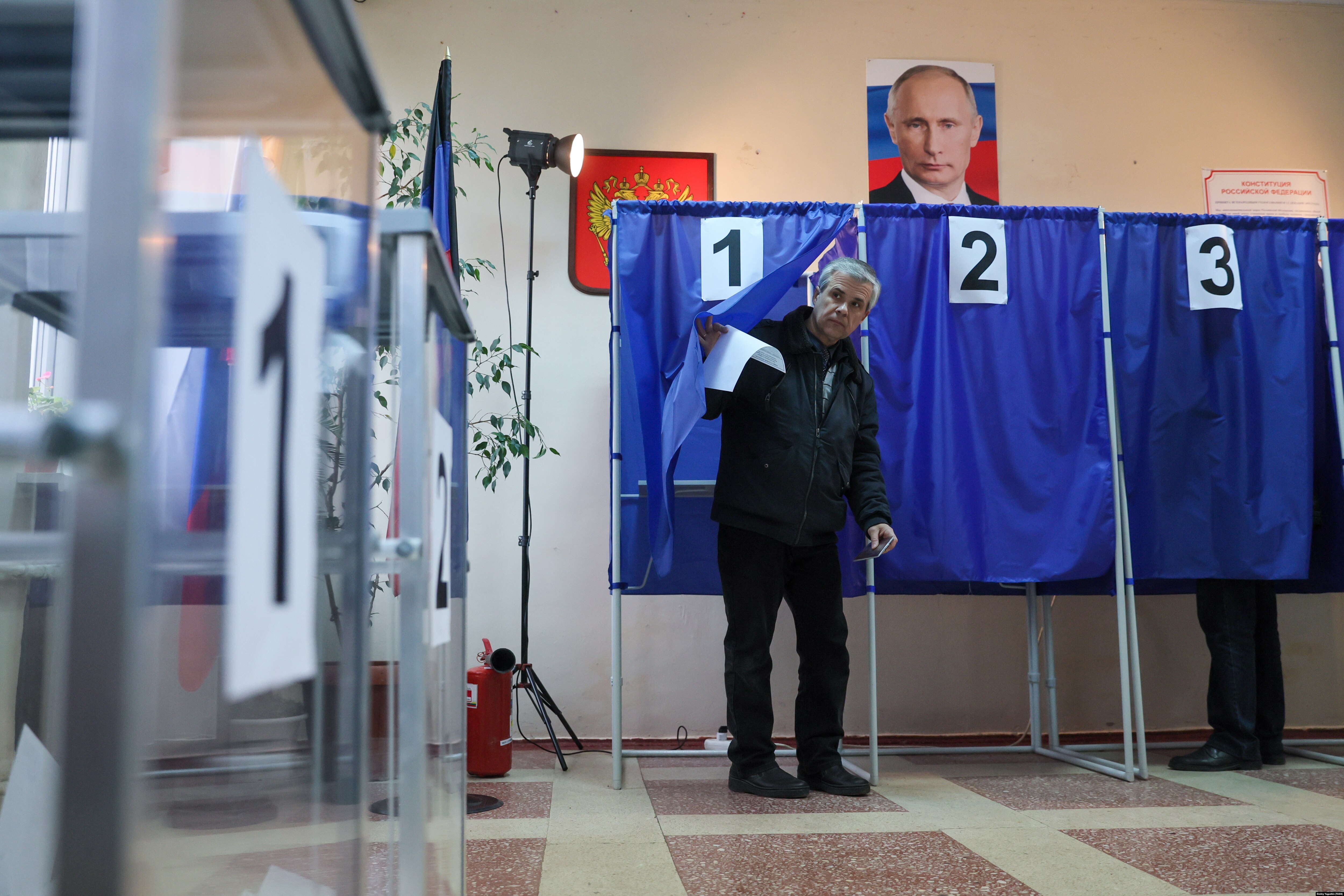
In Russia, voting in the presidential election ended. According to the results of processing, 80% of the ballots, Vladimir Putin leads. According to the Central Election Commission, the current presidentis gaining 87.2% of the vote.
Nikolai Kharitonov from the Communist Party of the Communist Party - 4.2%, Vladislav Davankov from the New People party - 4%, and Leonid Slutsky from the LDPR - about 3.2%of the votes.
Previously, the voter turnout amounted to 74.22%.
The eczitpols of VTsIOM and FOM showed that Putin leads with a result of more than 87%.
In the 2018 elections, Putin was re -elected from 77% of the vote. At that time it was its maximum result.
Speaking on Sunday evening in Moscow, after the preliminary results of the election became known, Putin called the main priorities of his new (fifth -fifth -year) solution to solving the tasks of the so -called special military operation, that is, the victory in the war with Ukraine, as well as the implementation of plans from his own message to the Federal Assembly of February 29. Speaking about the war, Putin, on the one hand, said that it was not against peace negotiations, on the other hand, he did not exclude that the Russian army in the future would be the task of occupying new Ukrainian territories (he called it as a sanitary cordon).
Putin's inauguration for its fifth period should be held on May 7.
Elections in Russia, in the occupied territories of Ukraine and in the annexed Crimea passed within three days. March 17 - the third, final voting day.
Independent observers and experts evaluate the elections as non -free and non -competitive. Putin, who has guided Russia since 2000, ran for the fifth time. The Central Electoral Commission refused to all candidates from non -parliamentary parties and self -nominated signatures.
In the occupied territories of the Lugansk, Donetsk, Zaporizhzhya and Kherson regions, 100% of the protocols were processed, the CEC reported. In the Lugansk and Donetsk regions, 95%of those who came to the sites voted for Putin, in the Kherson region - 88%, in the Zaporizhzhya - 92%.
Western countries condemned elections in the occupied territories. The voting results will not be recognized there. Local residents said that they were put pressure on them, forcing them to vote.
Over the three days of elections, more than 60 criminal cases have been instituted, more than 150 administrative protocols have been drawn up, the first deputy head of the Ministry of Internal Affairs of Russia, Alexander Gorova, said .
The Ministry of Internal Affairs did not reveal violations affecting the course or voting results. According to Gorovoy, most of the cases were initiated under the article on the obviously false act of terrorism (23 cases) and the obstruction of the exercise of voters' rights (21 cases).
During all three days of voting, cases were reported when Zelenka or a similar coloring substance was poured into the election urns.
On March 17, in the building of the polling station in Perm, a 64-year-old woman carried a large firecracker on the territory of the polling station and undermined her in the toilet. The woman was torn off her hand, reports the Telegram channel "Base". Information about the explosion later confirmed the Ministry of Territorial Security of the Perm Territory.
According to the latest data from the OVD-Info, during the presidential election and during protests related to voting, at least 80 people in 20 cities were detained. The largest number of detentions in Kazan, Moscow and St. Petersburg.
Abroad, according to the latest data from the Ministry of Foreign Affairs, about 250 thousand Russians voted in the presidential election. 230 polling stations in 111 countries of the world and self -proclaimed republics were opened abroad.
The Russian opposition urged everyone who did not agree with the policy of the current president to come to the polling stations at 12:00 local time as part of the “Navy against Putin” campaign. At this time, large lines of those who wish to vote were lined up in many cities of Russia-Moscow, St. Petersburg, Yekaterinburg, Tomsk, Perm, Chelyabinsk, Novosibirsk.
In Armenia, several thousand people came to vote at noon at the Russian Embassy in Yerevan. The Russians from Georgia also arrived in the Armenian capital - there was no opportunity to vote. The polling station in Yerevan due to the influx of people extended the hours of work. A source of Radio Liberty in Armenia said that some people stood in line for at least six hours.
In Astana and Vienna, the work of polling stations also extended.
Julia Navalny, the widow of the Russian oppositionist Alexei Navalny, voted in the presidential election at the Russian Embassy in Berlin. Navalny spent several hours in line. After the vote, the opposition widow informed people who met her at the exit from the diplomatic mission that she entered her husband’s name in the ballot.
More news Radio Liberty: