
Translated material
Secondary trauma
How to help yourself by reading news about Crocus City Hall? The psychologist explains
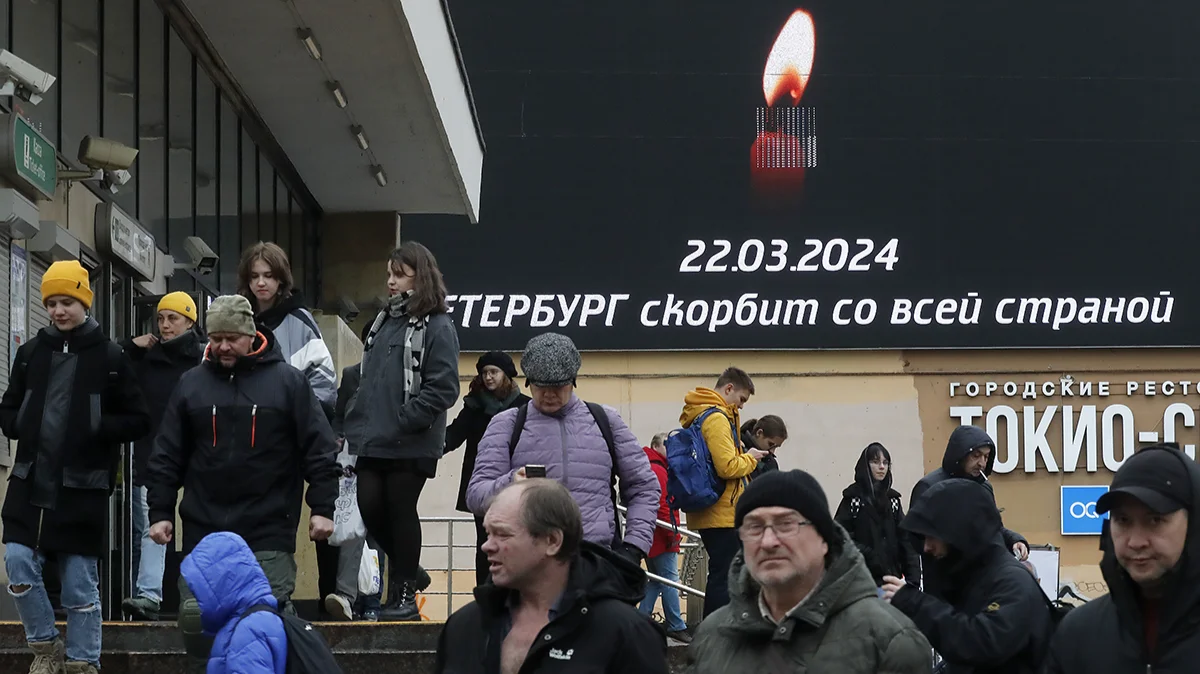
“St. Petersburg grieves with the whole country”, St. Petersburg, Russia, March 23, 2024. Photo: Anatoly Maltsev/EPA-EFE
The incident on March 22 in the Crocus City Hall concert hall
terrorist attack
He has become the largest in Russia since the seizure of hostages in Beslan. According to official figures, the tragedy took away the lives of 115 people. This data is not final.
Dozens of photos and videos from the scene instantly flooded social networks. Horrifying personnel and endless information stream amaze readers: without even having close or acquaintances among the victims, many people experience severe stress, which can turn into what psychologists call “secondary trauma” (Secondary Trauma) or “secondary post -traumatic stress disorder” (Secondary Postraumatic Stress Disorder).
Especially for Novaya Gazeta Europe, psychologist Veronika Neufach tells what to do in such a situation.
What is a secondary injury or secondary PTSR?
Wars, terrorist attacks, physical attacks, rape or natural disasters injure the human psyche. Under the blow, not only those who became a participant or were in the immediate vicinity of what was happening, but also those who witnessed such events (even observing such situations online).
A direct impact on a person’s threat to life and health can provoke post -traumatic stress disorder - a mental illness characterized by a number of long and intense symptoms: these are problems with the regulation of emotions, complexity in socialization, sleep disturbances, obsessive memories of the traumatic event, and not only. This, for example, is the same Afghan Syndrome, found among participants in hostilities.
When observing an injury event, there is a risk of secondary PTSD. In this case, a person will experience similar symptoms as with ordinary PTSD, but their intensity will be lower.
What is wrong with the term "witness injury"
Talking about secondary injury, the media often use the term “witness injury”. In the medical and scientific environment, such a name is not used to describe states of post -traumatic stress. But in psychology, the “Witness effect”, or “
Jenoveze Syndrome
", - a phenomenon in which witnesses of emergency situations are not trying to help the victims.
Faced with a secondary injury, a person can experience fear, excessive vigilance and excitability, guilt, anger, emotional bursts, concentration problems, uncontrolled memories of what they saw, difficulty in communication, isolation and anxiety.
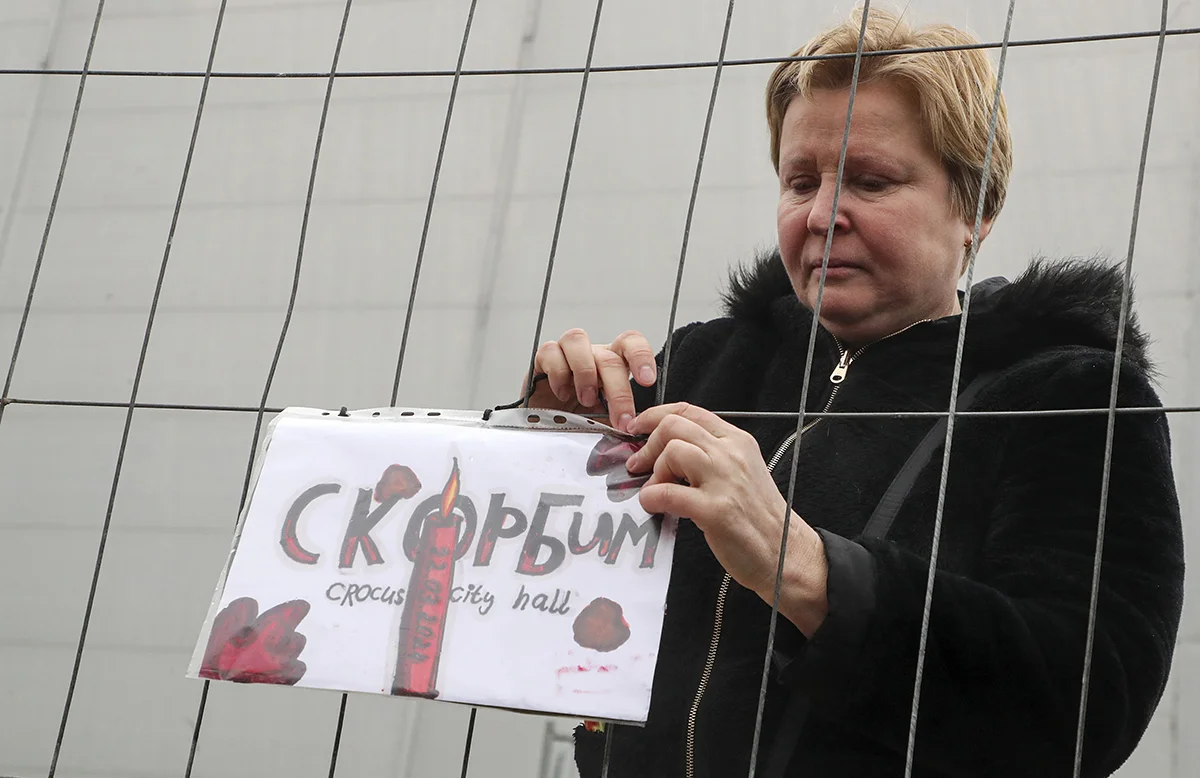
Remember that an acute reaction to stress is normal
The attacks are very scary. What happened in Crocus City Hall is severe stress. It is important to understand that an emotional reaction to such an event is natural. It’s normal to feel anger, anger, powerlessness, apathy, anxiety, excitement, or, conversely, be in shock and not feel anything at all. Your body and psyche are trying to process an extreme situation.
Acute stress reaction (Acute Stress Reaction) appears within a couple of minutes or hours after the event and can last up to several weeks.
She gradually disappears as a person begins to recover and adapt to the event. If the symptoms do not pass over time, it is likely that a person develops secondary PTSD.
Vitaliy Tvelev, Doctor of Psychological Sciences, Cognitive-Boarding Psychotherapist, Clinical Criminologist with extensive experience in wars and terrorist attacks in Israel, says Novaya Gazeta Europe:
“If you have gone to your senses, or become anxious, or tagging in the search for an enemy and longing revenge, remember that this is a normal reaction to an abnormal situation!
Now we need to try to calm down, return to reality, not plunge into this depression and anxiety. It is important to try to find a specialist psychologist who can help. ”
The differences between the normal reaction to stress and PTSD are the intensity and duration of the violations that they cause. A normal reaction to stress is usually temporary and does not lead to significant violations in everyday life, while PTSD is a more serious disorder requiring professional assistance.
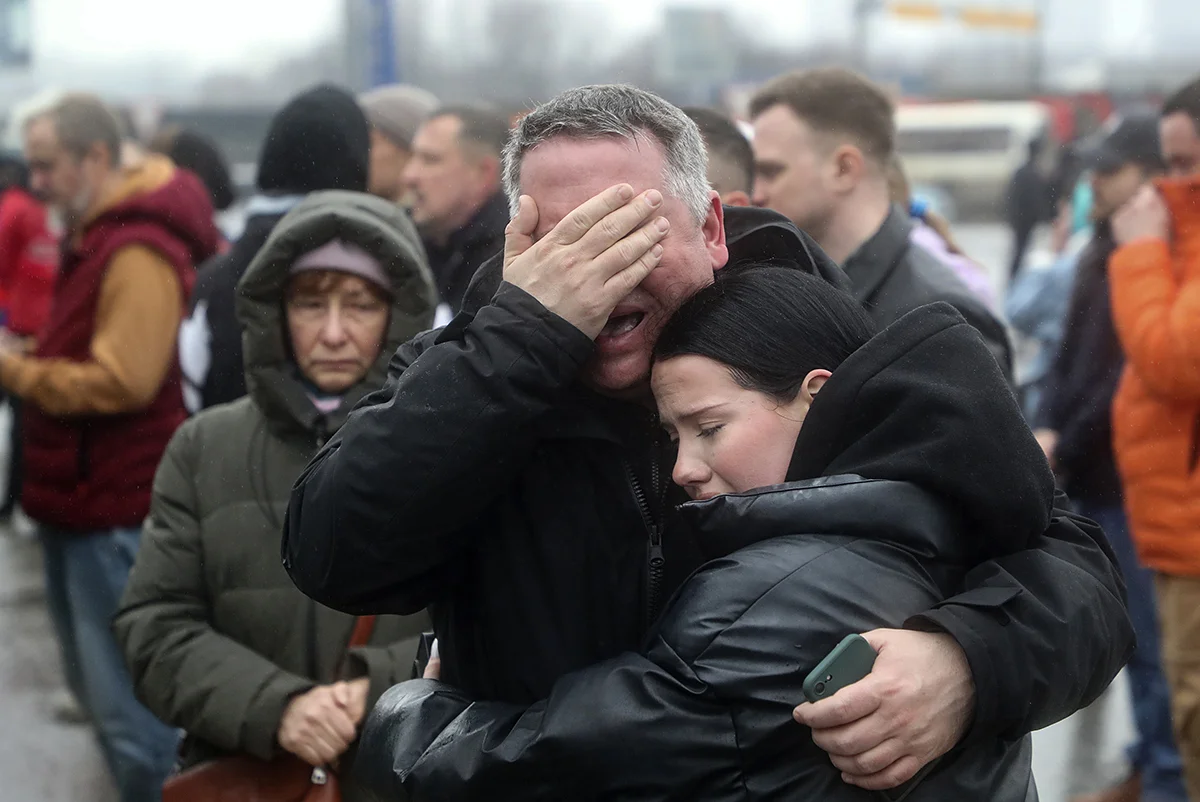
How to help yourself and loved ones?
Now it is important to accept your condition and understand that your experiences are normal. There is no “correct” reaction to such events, each person experiences his own unique set of worries. Accept that you are scared or anxious, that you feel anger or despair - these are natural reactions. The removal from their feelings and experiences works only in a very short -term perspective. Be sure to give yourself time and space to express your pain or anger in a safe environment.
Remember the psychological hygiene - the importance of sleep, healthy nutrition and physical exercises.
The preservation of routine will help to cope with extreme situations and give a feeling of “normality”.
Look for a social support network. Staying in the supporting group of people will help to live their emotions, give a sense of belonging and reduce anxiety. Do not remain alone. Try to support those who are near you. It can be bodily contact, a conversation about something distant or the opportunity to share your feelings, even just a silent presence nearby, all this helps.
“You can not succumb to frenzied anger and blame everyone in the world. Now it is very important to show sympathy, empathy and empathy. To light candles, to build flowers, to show mercy in relation to those who died, and to their relatives, families who will now experience this grief, ”says psychologist Tvelev.
Limit interaction with the media. Now the Internet is filled with photographs and videos from the place of attack. Do not watch them without extreme necessity. Make sure that you have access to the most necessary information to be aware of what is happening, but do not immerse yourself in viewing injuries.
“Now the most important thing is not to hang in front of the bloody pictures of the burning center, in front of the personnel of how power structures work.
You do not need to endlessly read telegrams and hang on the forums - this excites our brain and curiosity, increasing the likelihood of developing secondary PTSD.
We read the news, preferably only the headline - everything, enough, no longer needed, ”says Vitaly Tevlev.
Remember the importance of addressing psychologists and psychotherapists. Call the psychological support line or make an appointment with a psychologist. Even if you do not feel acute frightening symptoms now, an early appeal to a psychologist will help prevent the development of abnormal reactions to stress.