
Translated material
How to talk with a child about a terrorist attack? Is it worth doing at all?
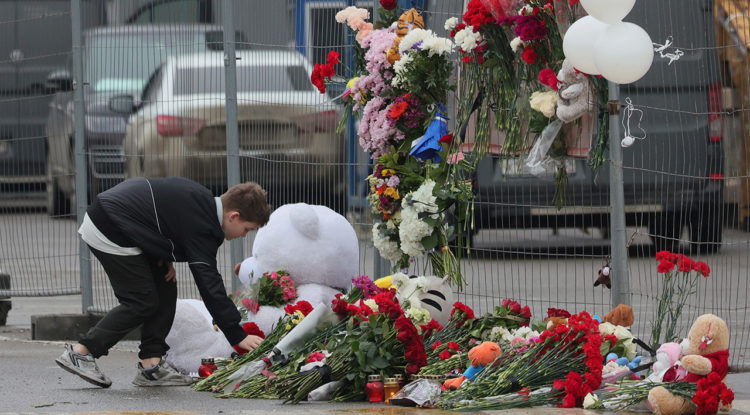
Psychologists believe that it is worth it. But how - in the short instructions "cold"
After the terrorist attack in Crocus City Hall, many parents are at a loss and do not understand whether it is worth discussing what happened to children or better protect them from negative news. And speaking, how to choose the right words? Based on the advice of psychologists, “cold” prepared instructions on how to talk with children during tragic events.
In order not to miss the main materials of the "cold", subscribe to our Instagram and telegram .
Even if you and your relatives decided not to tell with your child about the tragic events, it is worth remembering that someone else can tell about them (not always intentionally). For example, a child can hear scraps of discussion of parents among themselves or some phrases during their conversation with friends, in kindergarten, school, on a walk or see messages in the school chat. Or maybe completely stumble upon frightening photos and video frames on the Internet or news releases.
In addition, do not forget that children very subtly read the mood and condition of the parents. When the parent is alarmed, upset, behaves more detached than usual, or spends too much time on the phone, while in tension, the child feels this. And if what is happening is not discussed, he experiences fear, anxiety and loneliness.
Messages about the terrorist attack or other tragic news can become an all -consuming experience for the child, since he still has little life experience. Therefore, it is important that adults help him understand what is happening: for example, to tell that there are tragedies, but it is rare that people are taking measures to avoid them in the future, as well as to speak the rules of conduct in dangerous situations.
- Understand for yourself why you want to discuss a tragedy with your child
Family psychologist Lyudmila Petranovskaya writes that the conversation with the child is necessary so that he understands the state of adults, so that he does not be afraid of everything around, as well as to explain the restrictions that arose in his usual schedule of life due to this situation (for example, if they canceled sports training or a trip to an entertainment center).
If the child is over three years old, do not try to leave his life unchanged and make him in no case upset. During such a discussion, you should also try to divide your own feelings with your child, such as horror, grief or anger - for this you have other adults. No need to intimidate the child, telling him that the world is a dangerous and unpredictable place.
- Speak honestly, but do not overdo it with details
Talking with the child about the tragedy honestly does not mean that you need to immerse him in all the details of what is happening. Depending on the age and needs of the child, determine for yourself which information will be enough for him. It is best to focus on the questions that arise in the child.
- Do not try to hide your emotions, but remain stable
If you do not feel that you are doing your own emotions, it is better to explain to the child that you will talk to him later. First, come back to normal: talk with your relatives and friends, discuss your emotions with someone who is equal to you by age and status. Get a conversation with your child when you are stable so that he feels safe. At the same time, you should not hide sadness and other experiences: it will be useful for the child to see and know how adults cope with difficult situations.
- Listen to the child
The child wants to get answers to his questions, but besides this, it is important for him (like any other person) to speak out, share his thoughts and experiences. In some cases, you need to help him, asking clarifying questions: where did he hear about what happened, what he heard or saw what he was thinking about it, how he feels.
- Speak not only the problem, but also possible ways to protect
Tell the child that adults are taking measures to prevent tragedies, and about what people can do now, after the event (give blood, send messages with support, transfer money). Separately discuss whether the child himself can do something if he wants it.
If, due to the tragedy, your family’s plans are somehow changing, say this too: for example, why, instead of a joint trip to the cinema, you asked your grandmother or a nanny to sit with him. It is also worth discussing personal security measures so that the child has an idea of how to behave in a crisis.
- If necessary, explain to your child where to look for information
It is important to explain to an inexperienced person where to look for reliable information, and which sources are better to avoid-and also telling why it is better not to trust some channels. Discuss that Dumskrolling News will not help readers or victims.
If the child uses the Internet, you can discuss why people send each other terrible photos or videos from the scene (it is possible that classmates have already shared something in common chats or the child could independently stumble upon such evidence).
“It is worth talking to the child that the painful curiosity of the scenes of violence, fear does not help anyone, does not carry any useful information. In a sense of the word, this is not good, ” says Lyudmila Petranovskaya.
- If you are talking with a teenager, be prepared with ambiguous reactions
Most often, parents are not surprised by the tears of the child in response to the conversation, but indifference. This can happen due to the isolation of a teenager and unwillingness to share experiences. You can ask the child if he has someone to discuss with him. Generate him that he will be able to ask questions or discuss the situation with you later, if he wants to and when he is ready.
If you can’t talk in a calm atmosphere with the child, but you noticed that after a crisis event, his behavior and condition changed, do not postpone for a long time and turn to the psychologist for help. The criteria for an acute stress reaction can be physical manifestations for several days in a row: a change in sleep regime (the child wants to sleep all the time or, conversely, cannot fall asleep), the lack of appetite or, conversely, overeating.
You can use the memo of Lyudmila Petranovskaya by how to work with stress.