
Translated material
Richard Serra died, one of the most significant artists of our time
Other sculptors depict people in motion - and Serra bent steel sheets to show the movement by itself
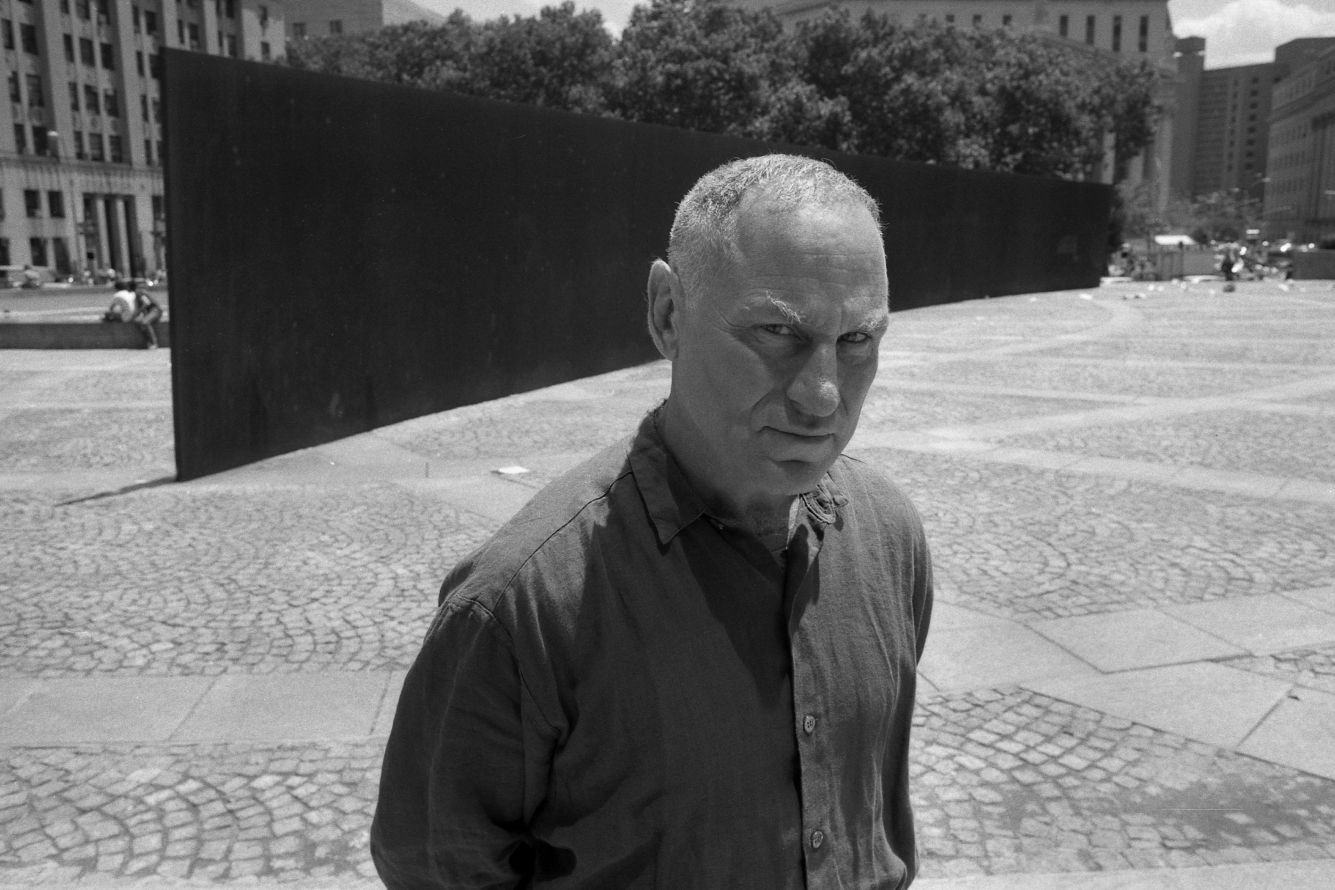
In New York, on March 26, Richard Serra died, one of the most famous modern sculptors. He was 85 years old. Serra became famous for objects of metal sheets, which became the sights of London, Berlin, Amsterdam and other cities. Critic Anton Khitrov tells how the artist showed the movement in static sculpture.
Media is often called Richard Serra a minimalist, but this, strictly speaking, is not so. The artistic course of minimal art, which arose in New York in the 1960s, suggested that the author should be content with the simplest and most practical decisions tested, for example, in industry. The minimalists worked with elementary geometric shapes - cylinders, parallelepipeds. Some of their sculptures at first glance are so unpretentious that they can be confused with official buildings.
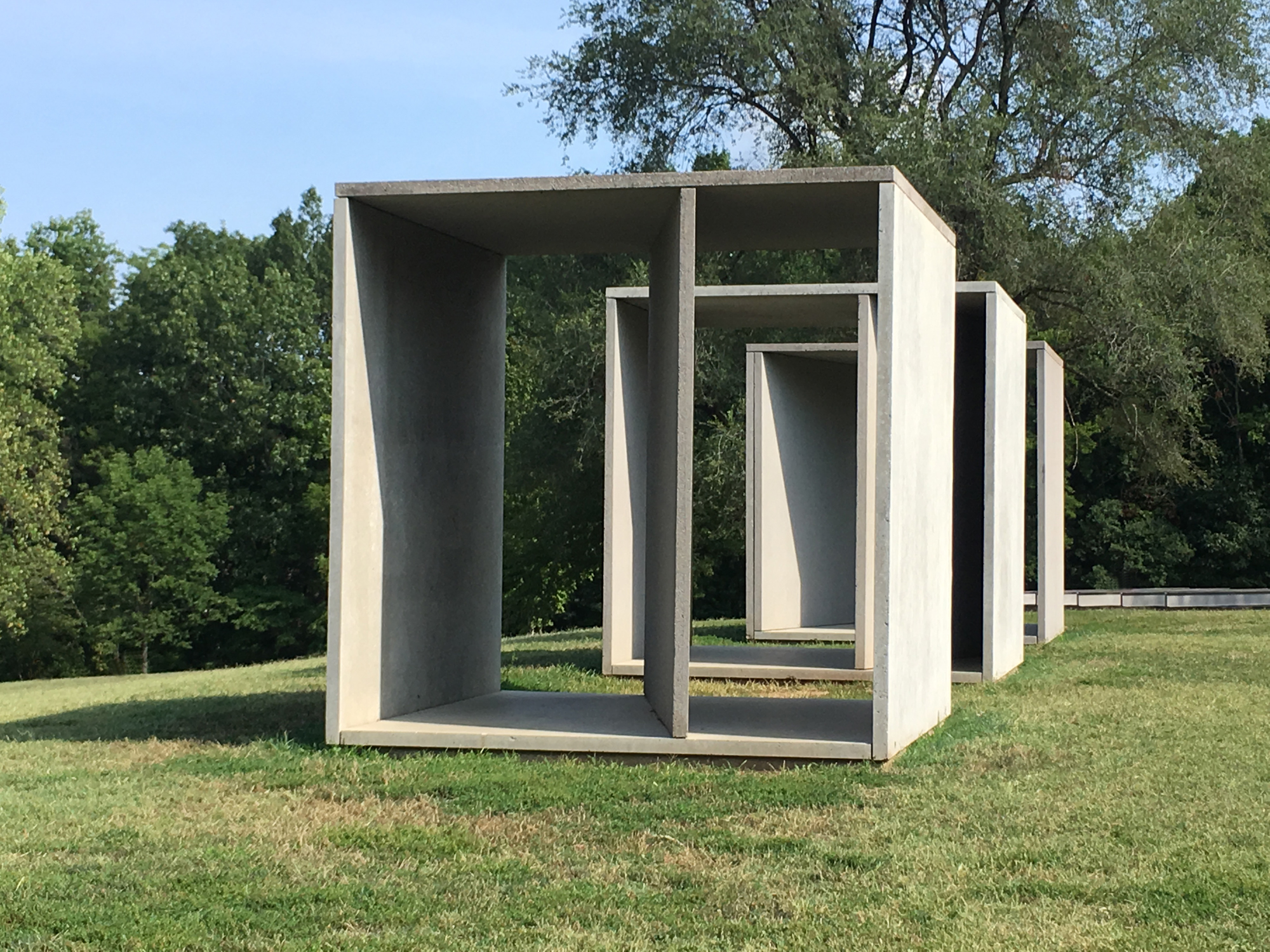
Serra, unlike them, was too valued by technical virtuosity. Its large -scale steel sculptures, similar to sails, then to colossal ribbons, much more skillful than, say, from the trigger boxes of Donald Jadd. Art historians, unlike journalists, include serra to post-minimalism-a direction that is repelled from minimal art, but neglects him with hard rules.
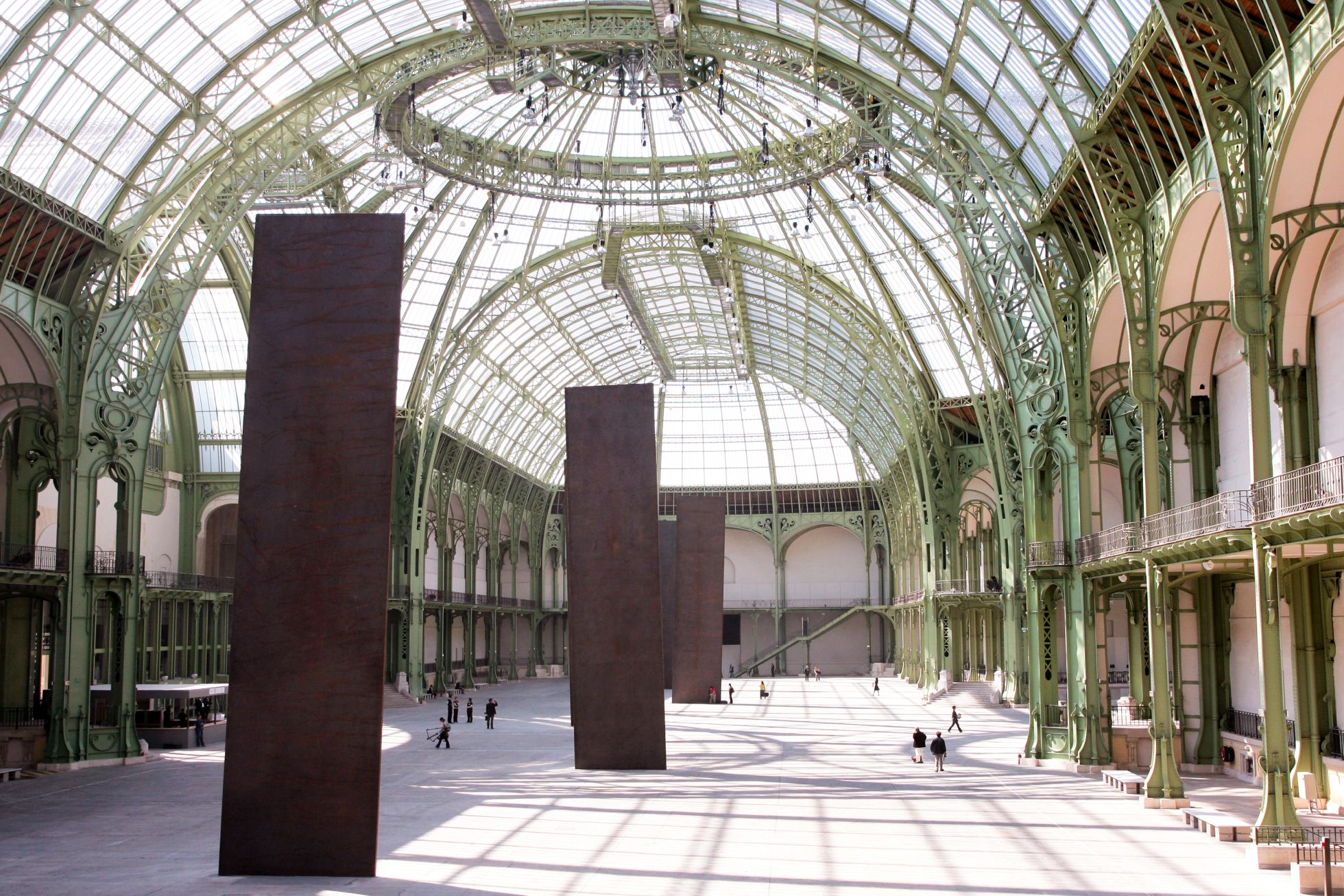
Nevertheless, Serra and minimal art have a lot in common. The work of minimalists often look like an attempt to imitate nature-but not in the sense that realist artists meant until the 20th century, when they wrote rocky landscapes. The sculptor-minimalist creates these rocks and boulders himself: as in nature, they mean nothing and impressive exclusively their form (it is no coincidence that artists of this direction exhibited their work in parks or even outside the city). Yes, their artificial origin is obvious. But it should be so, because the minimumist does not copy nature, but creates an alternative.
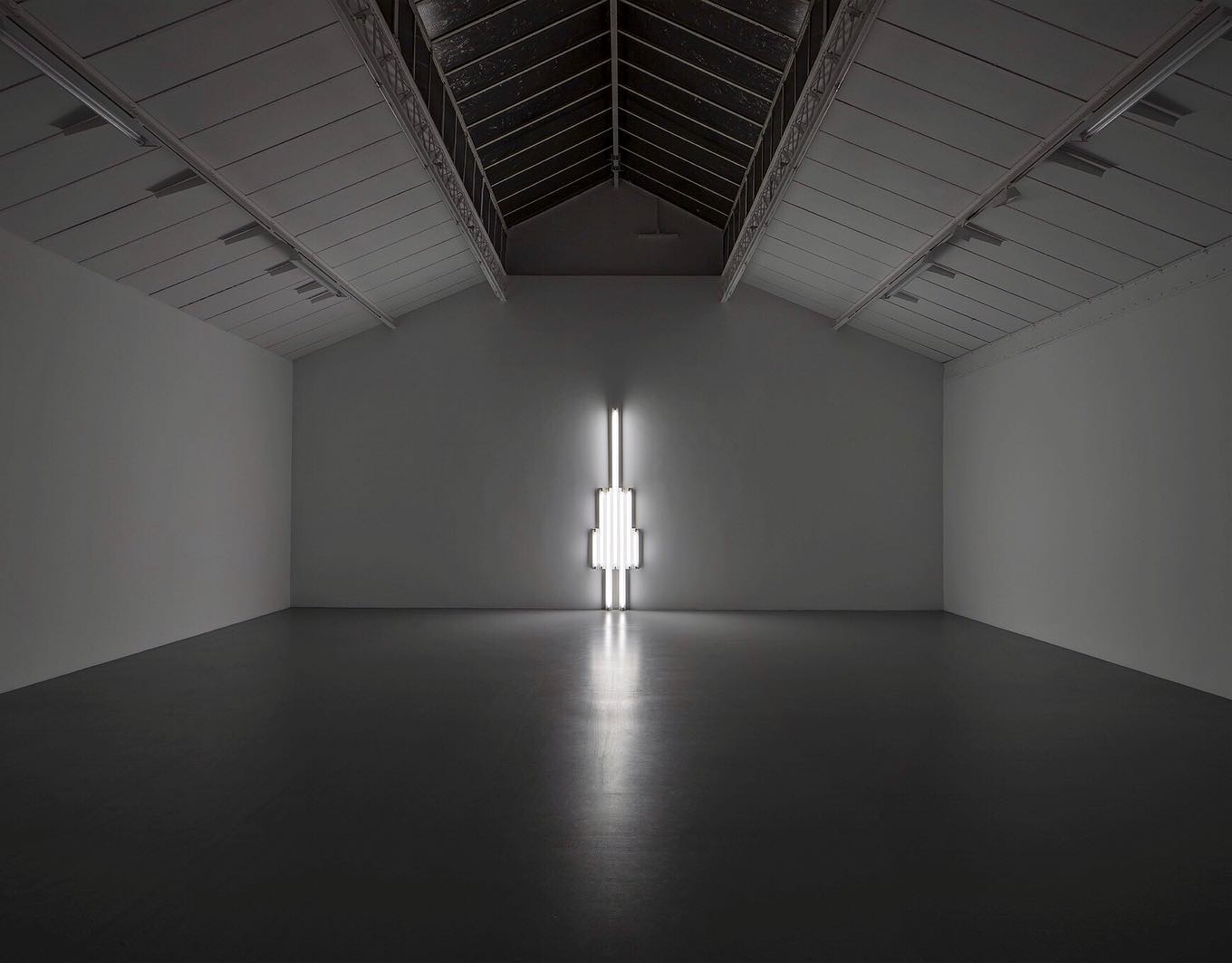
This is how Sergey sculptures work: they are made in industrial aesthetics, but they look like natural objects. Different minimal artists gravitates to different “landscapes”: Dan Flavin’s neon installations with the reflecting floor reminded of water, Tony Smith objects -stones and fallen trees. The nearest natural reference of Serge is a dried riverbed, ravine or canyon; In general, the corridor done by the water stream. It is not surprising that such an image turned out to be close to a person who has been investigating the movement all his life.

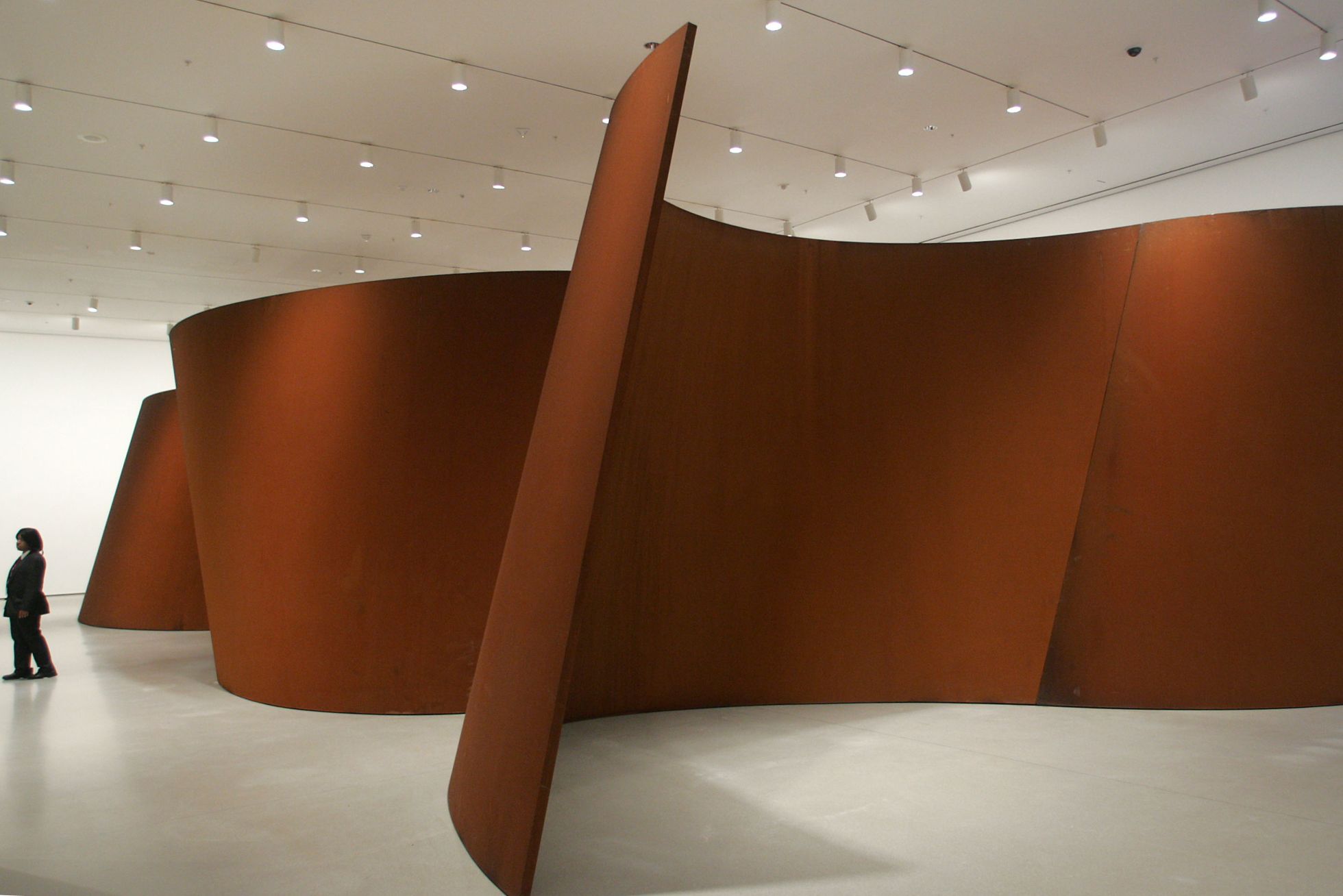
Richard Serra was born in San Francisco in 1938. In his youth, the artist worked part in steel factories - over time, this experience was useful to him. Serra studied art at Yale University. His career began in the 1960s; The main theme of Serge, movement, was indicated already in early work. In 1967, the artist wrote a manifesto, which was a list of 84 transitional English verbs-those that certainly require an object of action: “throw”, “roll”, “cut”, “propagate”, and so on (four years later, Serra published it in the Avalanche magazine). Since then, any of these verbs was based on any of his projects.
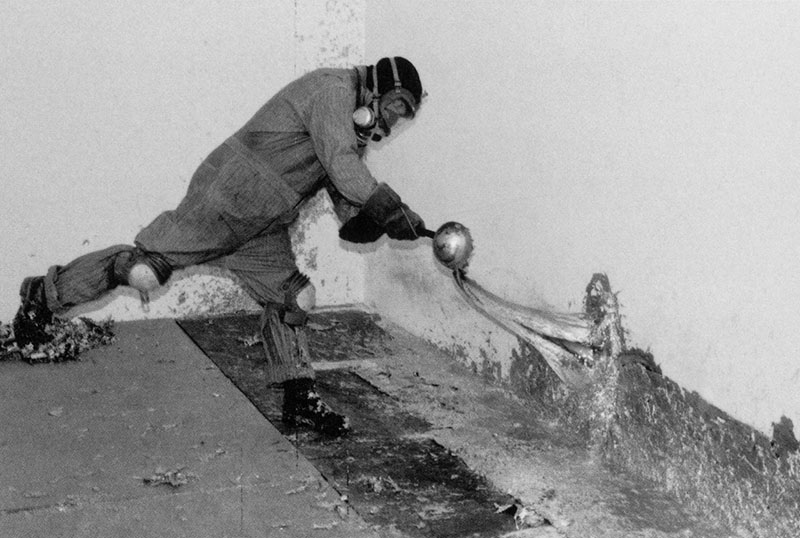
In the 1960s, Serra followed the trail of the abstraction of Jackson Pollock, who turned the creation of the picture into a performance, and tried to do the same with sculpture: for example, poured a wall with a molten pig. He was also attracted by cinema - an art where the movement plays a decisive role. In short experimental films, Sergey were the protagonists: they either caught pieces of lead, then raked lead chips, or were freed from the bonds. In some films, the artist shot the hands of his friend Philip Glass, who eventually became one of the most significant composers of the 20th century.
The next hobby of Serge was large lead structures , which the sculptor did not bother and did not weld. They looked as if they were about to collapse (but still held around). Prop Pieces, “work with supports”, as the artist called them, also, in fact, contained a movement - but potential, not yet begun.
In 1971, Serra graduated from the sculpture “Blow” - a steel sheet cutting the room obliquely, from corner to middle. With this project, the “steel” period of the artist began, who will last his rest and make him famous.
Serra steel sculptures always transmit movement. TE TUHIRANGI CONTOUR in the New Zealand art park Gibbs Farm crawls through the green hills as a snake. London "Fulcrum" is screwed into the sky like a self -tapping screw. In the project “Question of time” created for the Guggenheim Museum in Bilbao, steel sheets are twisted with spirals like shavings. Large-scale installation of the East-West/West East in the Qatari desert is made as a swording: rectangles placed at equal intervals, as it were, walk over the sands over the horizon.

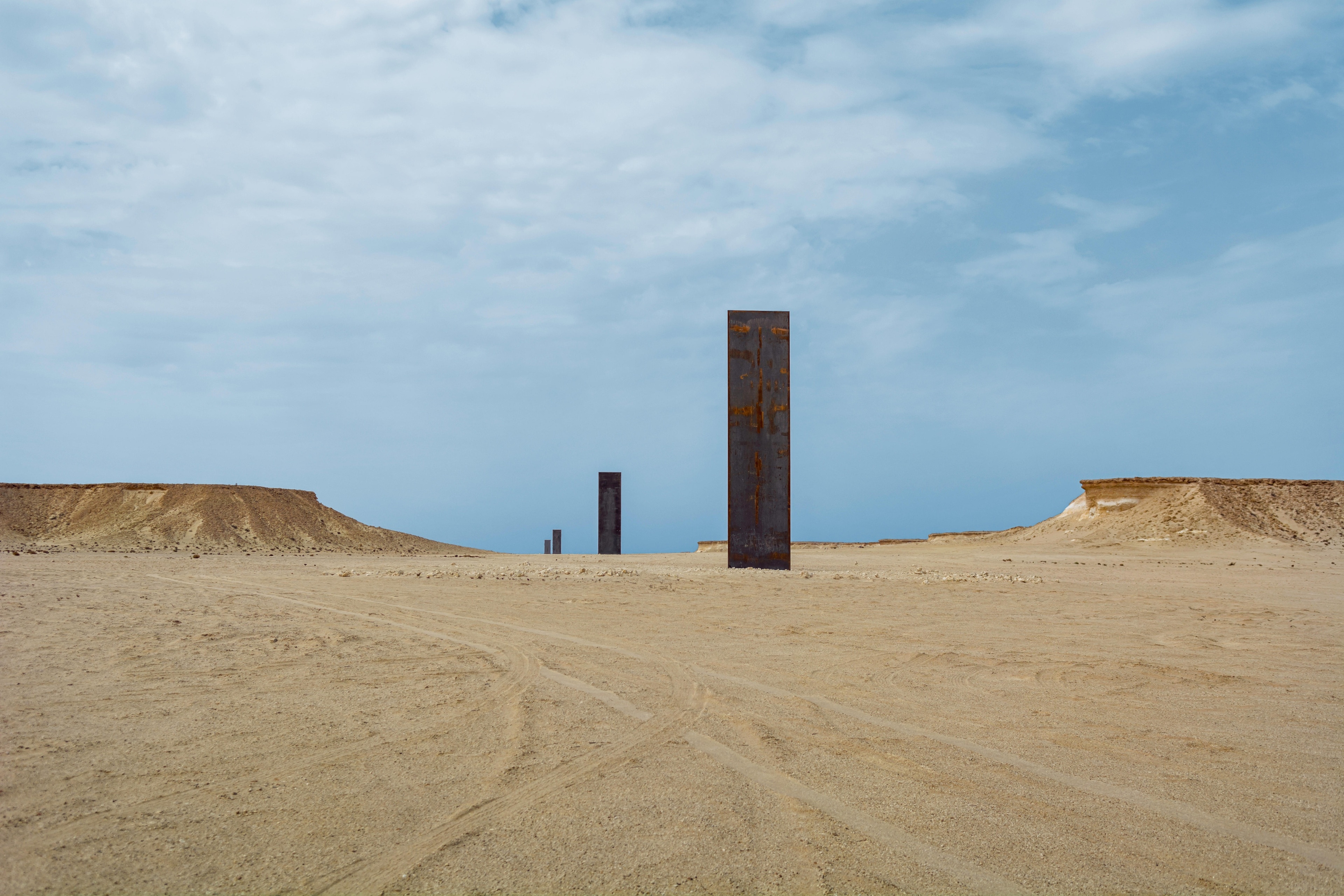
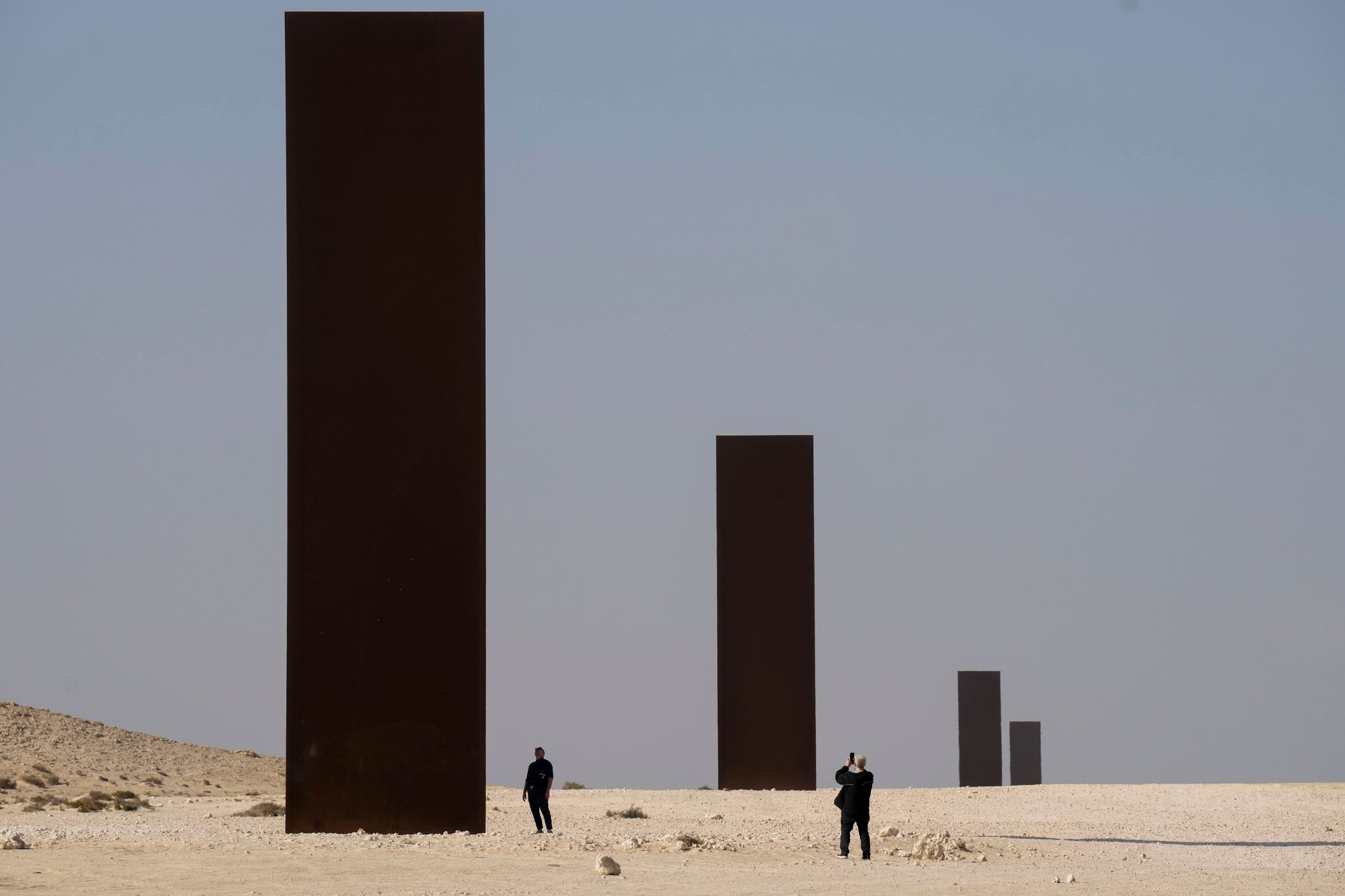
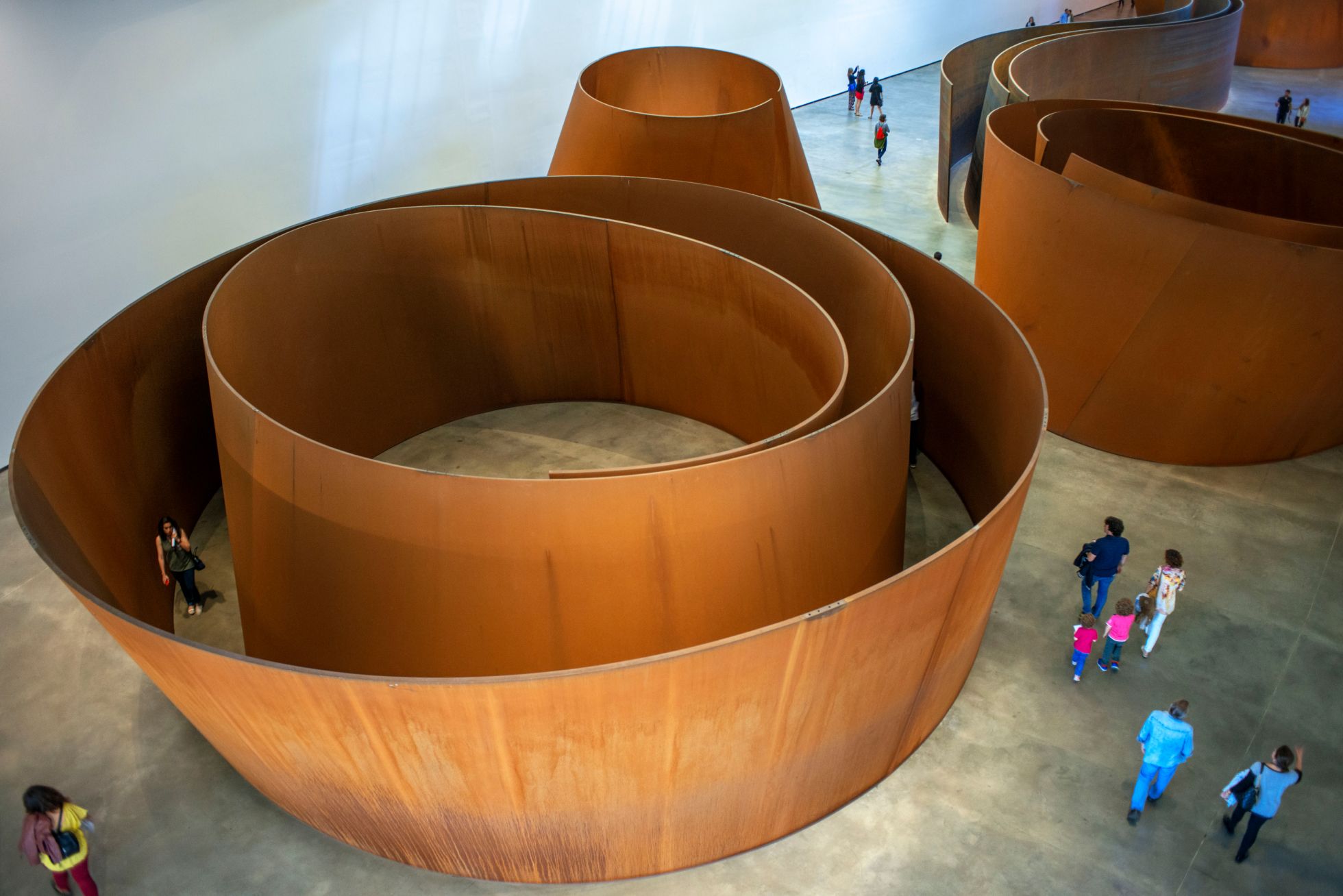
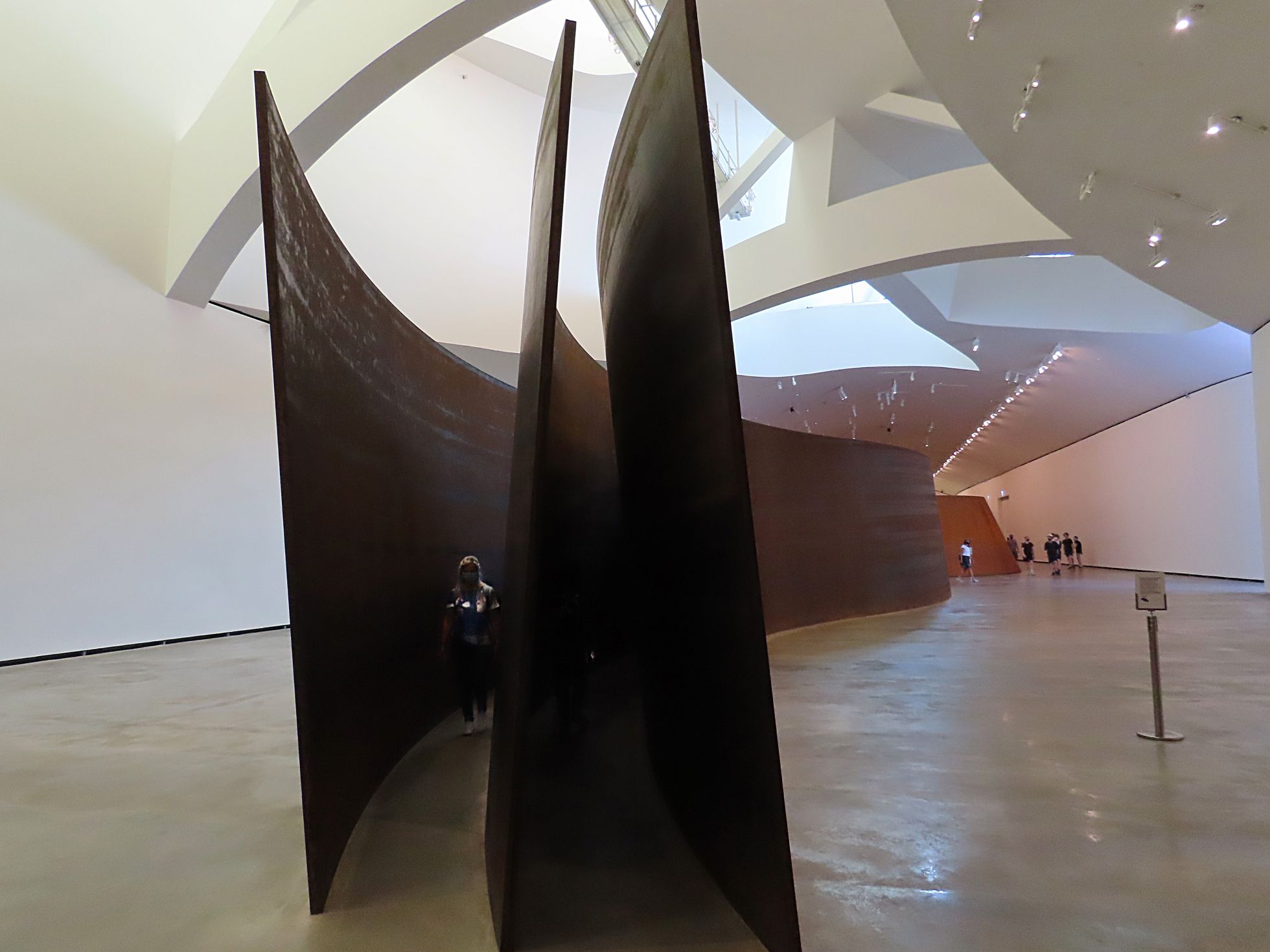
For Sergey, the sculpture is equal to dynamics: in this sense, he is a very traditional artist, a successor of classical tradition. Another thing is that the ancient Greek sculptor Miron, the creator of the famous “disco base”, needed the figure of the athlete-and Serra tries to express an abstract idea of movement without support for something recognizable, like a person or beast.
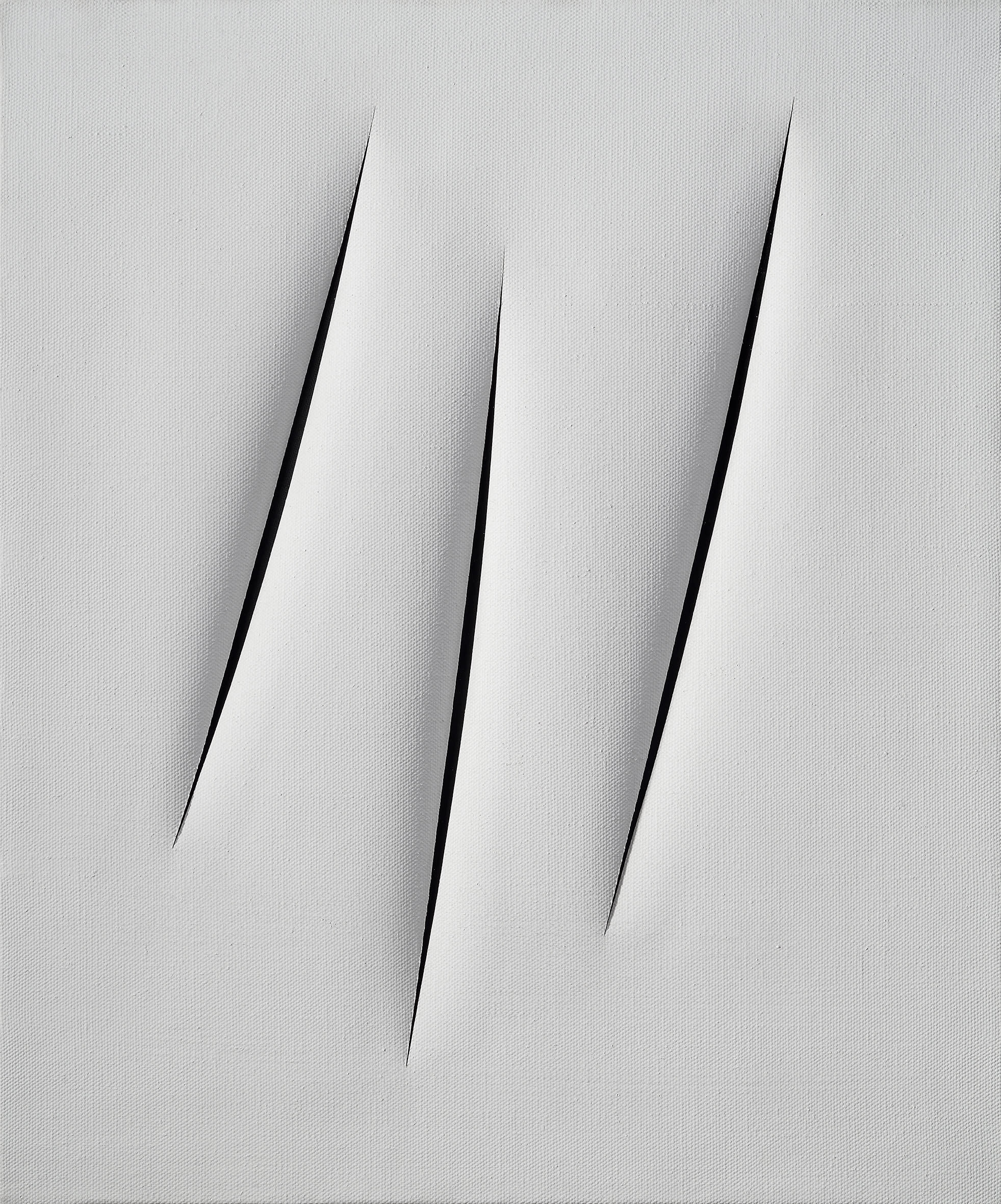
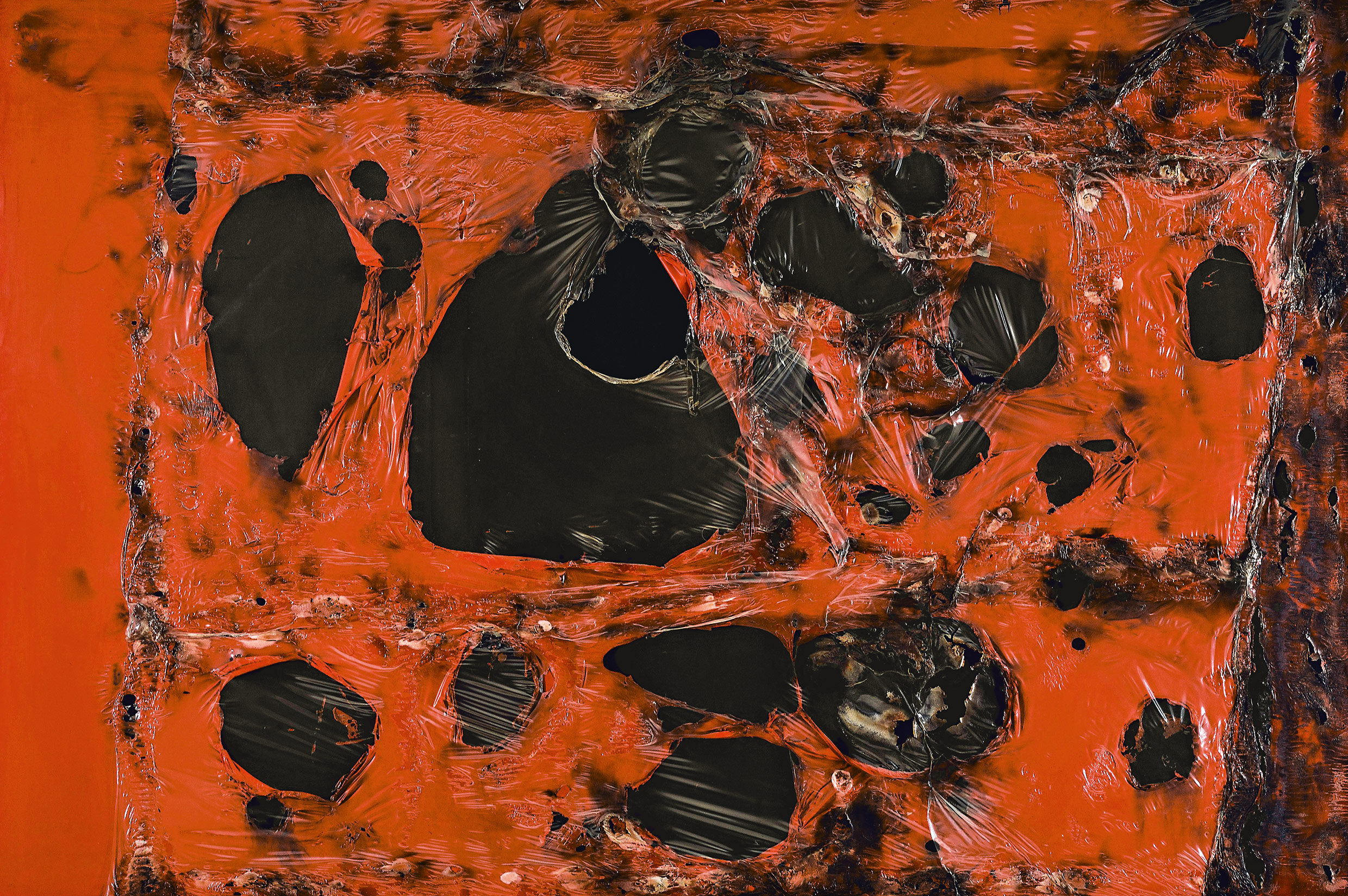
Why was the basis of all its most important projects it was precisely a flat metal sheet? To begin with, here you can see the continuation of experiments with a plane, begun by Italian artists Lucho Fontana and Alberto Burri - the senior contemporaries of Serge: the first cut the canvases, the second burned out holes in plastic sheets. Then, Sergey sculptures are blades that cut the space into parts: the thinner the obstacle, the more clearly we see in it the obstacle, and not something else. The artist created corridors, arches and barriers to direct us with a certain route. The works of Serge, in a sense, are interactive: the body of the viewer for him is the same material as steel.
The idea of the power of sculpture over space so fascinated the artist that one day it cost him great troubles. The inhabitants of New York massively complained about the sculpture of the "overturned arch", which crossed the area of Foley on Manhattan: they were annoyed that the barrier had to go around. The object stood in the square for eight years, but in the end the townspeople won. It was demolished in 1989 - simultaneously with the Berlin Wall, as the art critic Amy Dampsi witnessed in the book “Styles, Schools, directions” wittily noted.
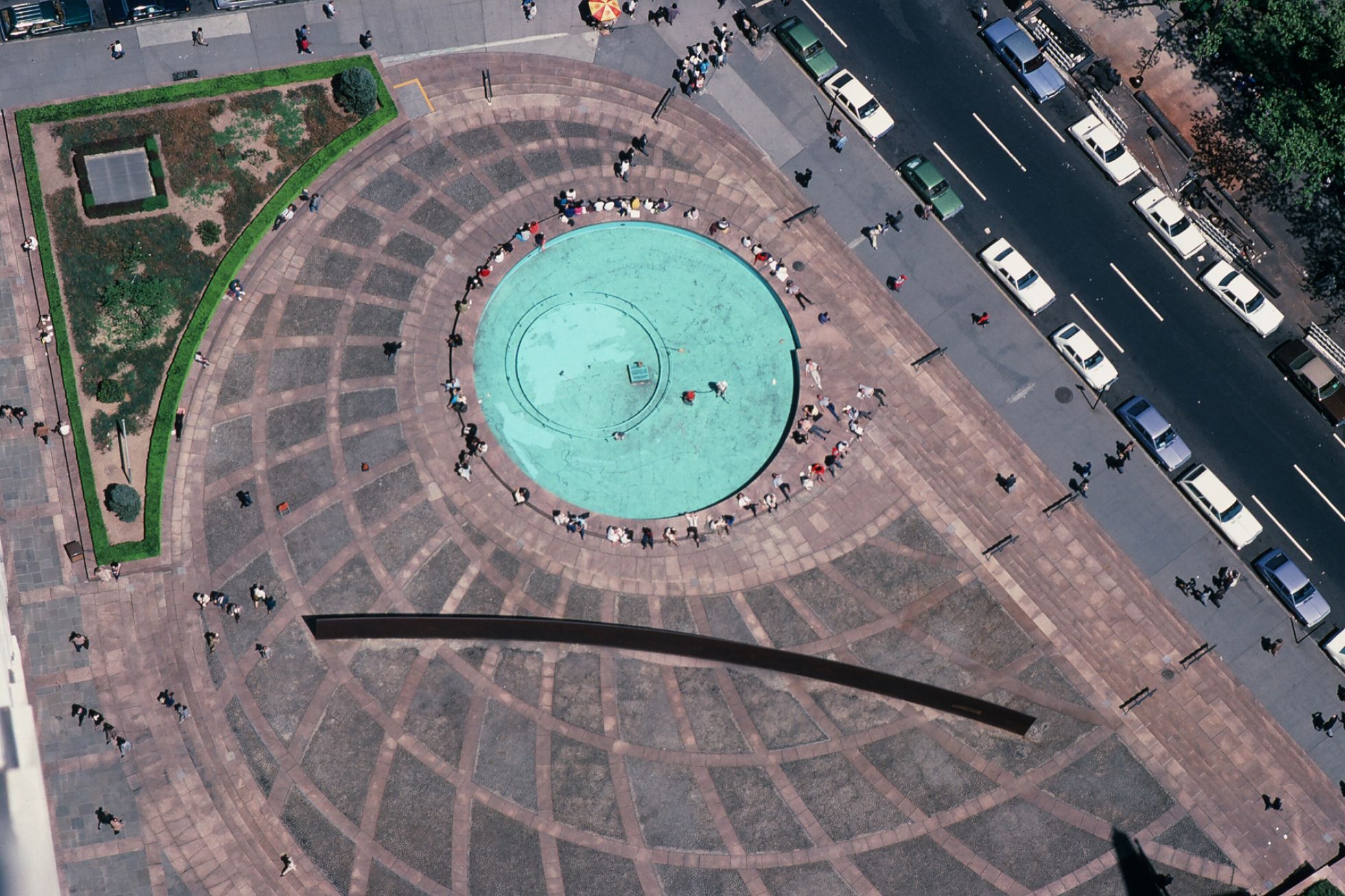
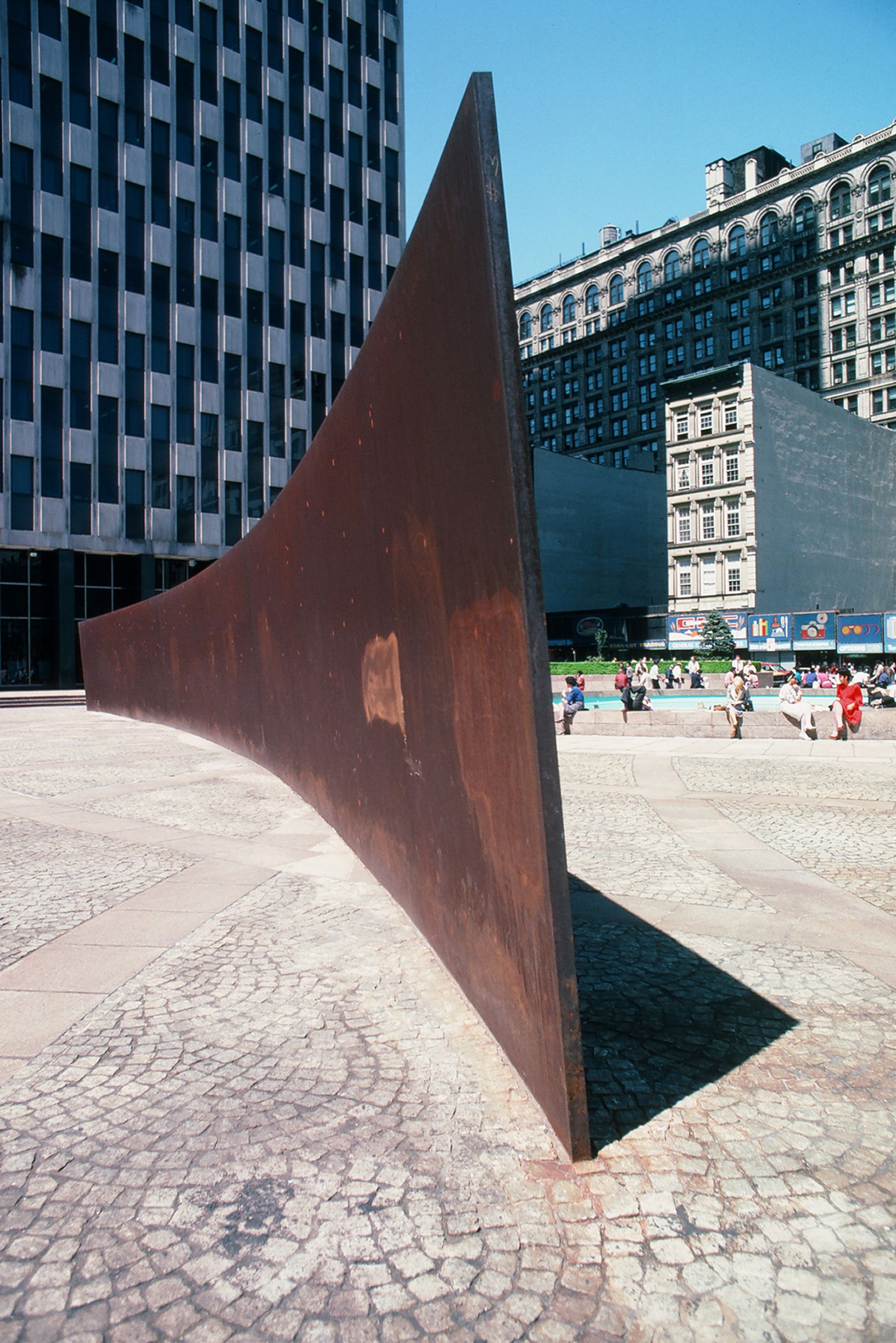
Interestingly, Serra, in essence, showed the movement not even in three, but in four dimensions. His favorite material was Cortenic steel with artificial rust. Rust, like patina on old bronze sculptures, is a time sign. It turns out, looking at the steel objects of Serge-actually static-we specify their movement not only in space, but also in time.
Anton Khitrov