
Translated material
Beautiful ugly swans
Why is it worth watching the series “enmity: kapota against swans”-Requiem of the Higher Light of New York of the 60s
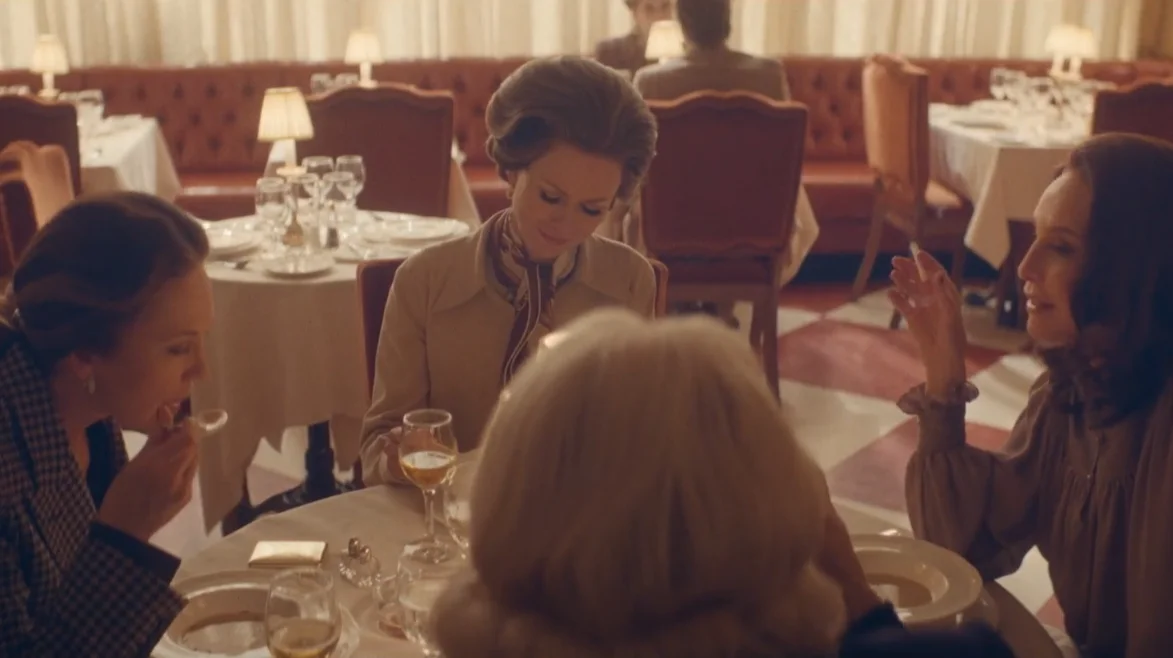
Frame from the series "enmity: hood against swans." Photo: Fearless
At the Hulu streaming, the season 2 of the series “enmity” on the basis of the real history of the confrontation of the writer Truman Capote and the secular ladies of America in the 60s and 70s ended. The showrander of the second season, like the first, was producer Ryan Murphy (Hollywood, Pose, American History of Crimes), and the director was the classic of American independent cinema GAS Van Saint (My Personal State Aidaho, Harvi Milk, Elephant, Wil Hunting). Film critic Oleg Tundra tells how Van Sent managed to recreate the atmosphere of the American vanity fair and trace the unique life path of an important writer of the 20th century - from the top of glory to a deafening fall.
In the wake of the fantastic success of the documentary criminal novel “Cold-Blood Murder” in the mid-60s, the young American writer Truman Kapote (Tom Hollander) receives an advance on the publication of the next book “Prayers heard”. Her theme is the social life of America, which is familiar to him firsthand: the caustic extrovert Kapota enters the houses of officials and magnates and is especially friendly with their wives. Being an open gay, he does not cause jealousy among the husbands of his friends and for years their companion in travel and social raautes remains their companion. In return, rich and famous friends pay bills, give expensive gifts and take it to visit diplomats, oligarchs and artists. In the mid-60s, it was difficult to find someone more popular and beloved at the same time creative bohemia and rich elites than Truman Capote (perhaps, only Andy Warhol could compete with him in the ability to like it).
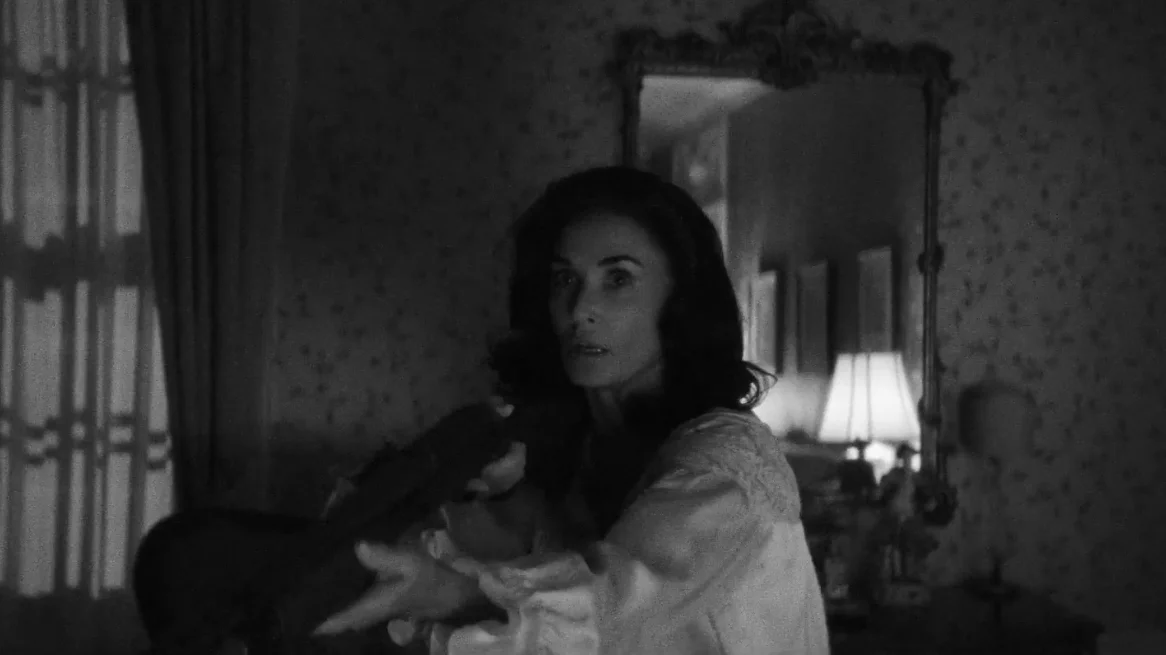
Fearless
Among the brilliant patrons and friends of the hood were the irresistible perfectionist Beib (Naomi Watts), the chopping fest-icon of Sizi (Chloe Sevigny), the freedom-loving heiress Nancy (Diane Lane), scandalously known to an unlucky marriage with the banker Anne (Demi Moore), an vindictive careerist Lee (calista Floxhart) and TV presenter Joanna (Molly Ringword). Truman Capote called all these women his “swans” - elegant rare creatures that embody subtle taste and desire for perfection. The writer decides to convey in “heard prayers” the lifestyle of the American upper class, as Marcel Proust did half a century ago in his “in search of lost time”. The hood does not come better than making the closest friends with prototypes of the heroines of Roman.
The very first published chapters bring familiar hoods to rabies:
The writer retells gossip, secrets and real dramas of friends who trusted him without asking for their permission.
Cheating, accidents, addictions, mutual envy, non -ism are simply a statement of mortal sins. “Swans” declare the Capote to Truman Capote and are going to sink his ex -friend together, refusing him to patronize and cut off all the contacts.
True, the hood is drowning without their help: random ties with unsuitable men, there are a lot of alcohol and drugs, missed deadlines, knocking down speech and health problems - this can be described for the last 15 years of his life. The former secular lion is an already long -desired jester for bored millionaires and not a role -playing model for novice writers, but a well -known alcoholic that has not published a line over the years. “Prayers heard” are created slowly and intermittently, publishers wait for manuscripts for years, and even new fabulous advances do not motivate Truman to get to work. At times, his mother (Jessica Lange), who once committed suicide, visit him in dreams and hallucinations. The poor southerner by birth, she successfully married in New York, but remained a laughing stock for high society because of her simple origin. Her fate torments and wounds the hood itself: it seems, despite the bravado and an exquisite image, he feels like a random guest at someone else's ball all his life.
In the secular life of the 20th century, perhaps there is no more intricate and psychologically deep story than the friendship of an outstanding writer with a galaxy of elegant women who made “higher light” to their profession. The mystery of this symbiosis is in the center of the plot of "enmity": what united the native of Louisiana, who survived the hunger of the Great Depression in childhood, and luxurious women who never needed anything? Why did the provincial write one of the most insightful books about the American dream - “Breakfast by Tiffany”? How from a childhood friend Harper Lee and a friend Marilyn Monroe Capote became a companion of impeccable “swans”? And why did you go to a suicidal step, revealing the world all the ins and outs of friends?
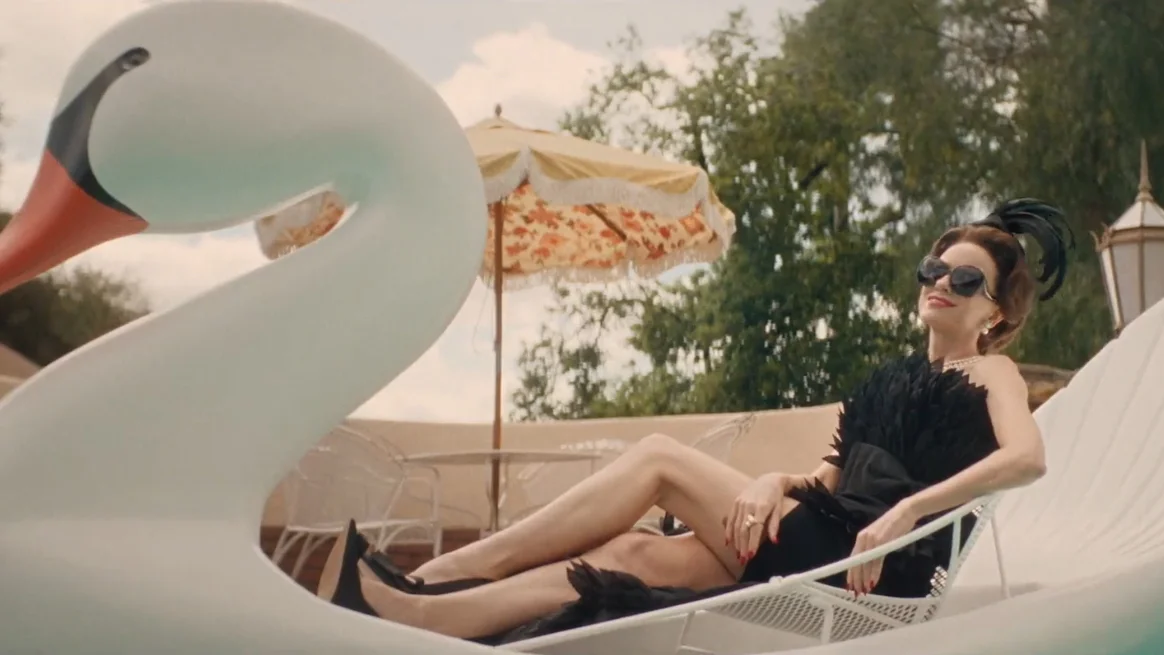
Fearless
The television producer could not wish the best texture for a multi -part film (the language will not turn to call the “enmity” of the series) than the bestseller of “Women Capote” by Lorence Limer. He used to write about the women surrounding Alfred Hitchcock and John Kennedy. The subtitle of the book accurately describes what the audience will see on the screen: "A real love, betrayal story and swan song of the era."
“Kapota against swans” is not only a psychological drama about the insult and the distance of loved ones, but also a subtle portrait of an irrevocably gone generation: the same Old Money, living by traditional ideas about career, marriage, luxury, manners and etiquette. Those times, as shown in the final of “enmity”, they irrevocably left: people come to auction with careless hairstyles and in sneakers, poke in phones, are late and sit with a crooked back.
“Shame,” the swans would say to this. Where did that great America gone, giving rise to Hollywood and steel capitalists?
Director Van Saint, known for love for black humor and marginal heroes, has not removed something worthy of his own talent for a long time. Van Sent is worried about the choice of words and the pace, facial expressions and motor skills of this world, the aesthetics of the departed luxury. His heroes say, move and dance as ephemeral ghosts of the middle of the last century. A native of the despised province of Kentukka, Van Saint feels perfectly an organic contradiction between the southerly from Louisiana Truman Kapota and the arrogant New York, and demonstrates how the ideology of Fake it till you make it (“Pretend to be successful”) saturated the American culture circles around the abundant tables in search of profitable acquaintances.
“Kapota against swans” is also a story about an unequal exchange of great talent for momentary buzz: too seductive to abandon it in favor of productive loneliness behind the typewriter. For the epigraph to this very last book, which was never finished (burned by the author? Lost? Hidden? Overlined? It languishes in someone’s archive?), The hood chose the phrase of the 16th century Spanish, the Holy Teresa of Aville: "More tears spilled due to the prayers heard, rather than because of those that remained unanswered." Apparently, a real nightmare is a dream that has come true too fast or too early. And in this nightmare everyone is equal: talents from the hinterland, and heirs, and celebrities, and all those who are considered to be the embodiment of perfection.