
Translated material
Erdogan's latest elections?
The ruling party of Turkey lost local elections. We figure out what lessons from this will be extracted by Erdogan himself and whether he began to look for his successor
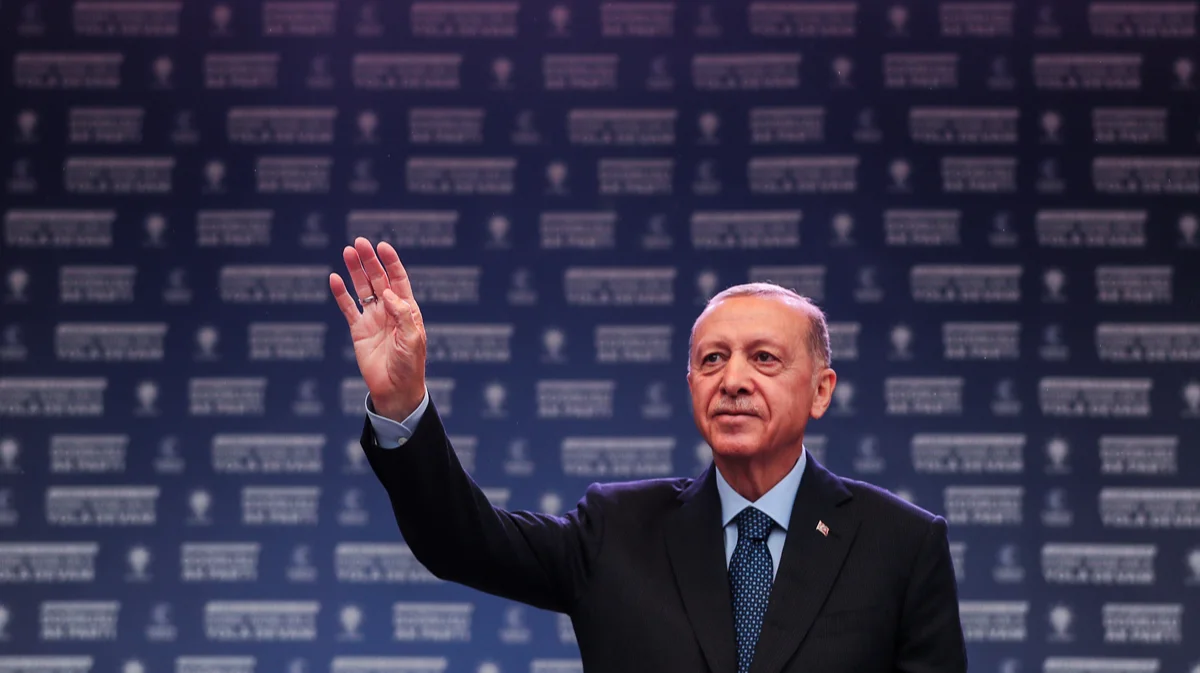
Recep Erdogan acts during the election rally in Istanbul, Türkiye, May 12, 2023. Photo: erdem sahin / epa-efe
March 31 in Turkey
ended
Municipal elections in which mayors of the thirty largest Turkish cities, as well as thousands of other mayors and municipal deputies were elected.
After
defeat
The united opposition in the presidential election a year ago this time the supporters of Kemal Kylychdaroglu managed to inflict a significant defeat to Erdogan. Their main force is the Republican People's Party (NCP) -
Received
37.8% of the votes, while the "kemalists" scored about 35%. But it is more important that the opposition managed to keep or win the mayor in five main Turkish cities: Istanbul, Ankara, Izmir, Adan and Bursa.
The victory in Istanbul is of greatest importance-de jure is not the capital of the state, but its cultural and economic center, where the main financial and industrial assets are concentrated. It is here 20 years ago
He began his political career
Erdogan himself, who became the mayor of the city, and then the Prime Minister and President of the Turkish Republic. The opposition has already controlled Istanbul since 2019, but its representative - the current mayor of the Imamoglu Ekrem - was able to win without recounting the votes and perseverance of the local CEC,
Ahead
an opponent by 11%.
What is the failure of the ruling party in this election and why the Kemalists have already begun to look for the successor to Erdogan, the New Evrope was dealing with a political scientist, a Turkologist from the Central European University Mehmet Yavuz.
"The most charismatic politician of the opposition"
Despite the unification already in the secondary consecutive election - first the presidential in 2023, and now the municipal in 2024 - the Turkish opposition is extremely heterogeneous.
The leading political forces within it are traditionally considered the Party of Republicans (RNP), founded more than a hundred years ago by Mustafa Kemal Ataturk, moderate secular nationalists from the “good party” (HP) and the left -wing "Democratic Party of Peoples" (DPN). In addition to them, a scattering of another ten Islamist, nationalist, left and liberal parties, which play a not very significant role at the country's level, adjoins the opposition flank.
The three RNP, CP and DPN combines commitment to secular values, so they are mainly supported by the Turkish middle class, residents of large cities, youth and many representatives of the Kurdish ethnic minority in Turkey, although the latter are traditionally loyal DPN.
This electoral base also explains the results: the opposition is strong in the east of the country where the Kurds live in large cities and in resort regions in the south. The ruling party and Islamists, on the contrary, are in the north, in the depths of the country and in rural areas.
In 2019, in the past municipal elections, the Erdogan party
I suffered
The first failure. Having received 42% of the vote, the authorities lost two key cities - Ankara and Istanbul. In Ankara, the mayor became the Republican Mansur Javash, and in Istanbul with a slight advantage and after a series of recounts defeated the Imamoglu from the same Republican Party.
Ankara is the capital of Turkey only formally, so the presence of opposition to Mansur Javash for Erdogan is unpleasant, but not critical. But Imamoglu, who became the mayor of Istanbul,
I had to
It is not easy. The Party of Erdogan and the CEC of Turkey tried to play the situation back, did not recognize the victory of Imamoglu, and ultimately
canceled
results. However, in the summer of the same year Imamoglu
won
Re-election and still became the head of the city.
But his opponents did not calm down: after the victory Imamoglu
They accused
In insulting members of the Supreme Electoral Council of Turkey and three years later they sentenced to a prison term and forbidden to engage in politics; But, as Yavuz explains,
sentence
Still not approved the Supreme Court. Thanks to this, Imamoglu remained at large and fulfilled his duties until the end of the term, and now he was again elected mayor.
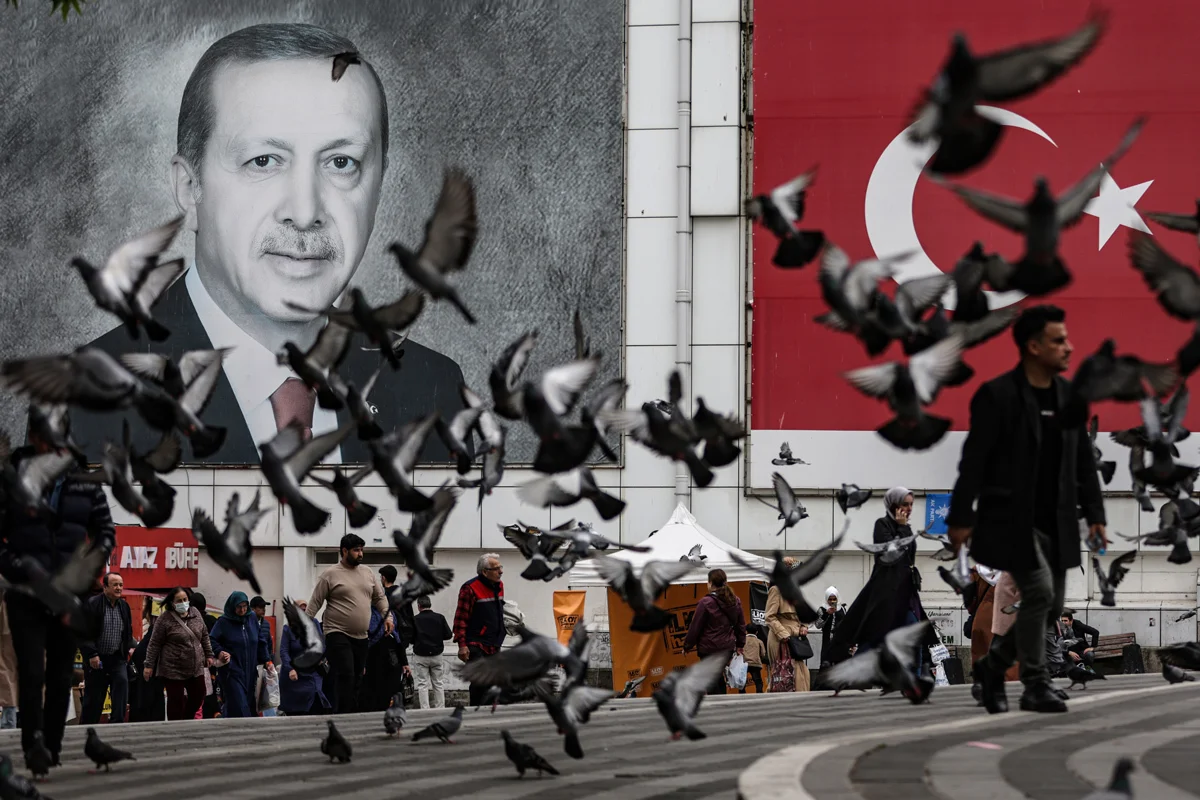
According to the Turkologist Mehmet Javuz from the Central European University,
The Imamoglu, the most charismatic politician of the Turkish opposition and the likely presidential candidate in the Turkish elections in 2028, despite his criminal case.
“According to Turkish legislation, the extinguished criminal record does not interfere with the run to the presidency. For example, Erdogan himself in the 1990s was in prison on a far-fetched charges as mayor of Istanbul. And this did not prevent him from heading the country in the future. However, if by 2028 the lawsuit against Imamoglu will not be closed, this may question his candidacy, ”Javuz explains.
Nevertheless, it is Imamoglu that is the main hope of the opposition in future presidential elections. His victory in the struggle for the mayor’s post - especially against the backdrop of the fragmentation of the Turkish opposition, is already a serious success.
“Imamoglu showed that he is one of the few politicians who can create an inter-class and inter-ideological base of voters in Turkey. Many conservatives, Kurds and a secular middle class are likely to vote for it in 2028. In addition, his city policy as mayor - for example, the creation of public catering places and the construction of new metro lines, added popularity to the state, ”Javuz argues.
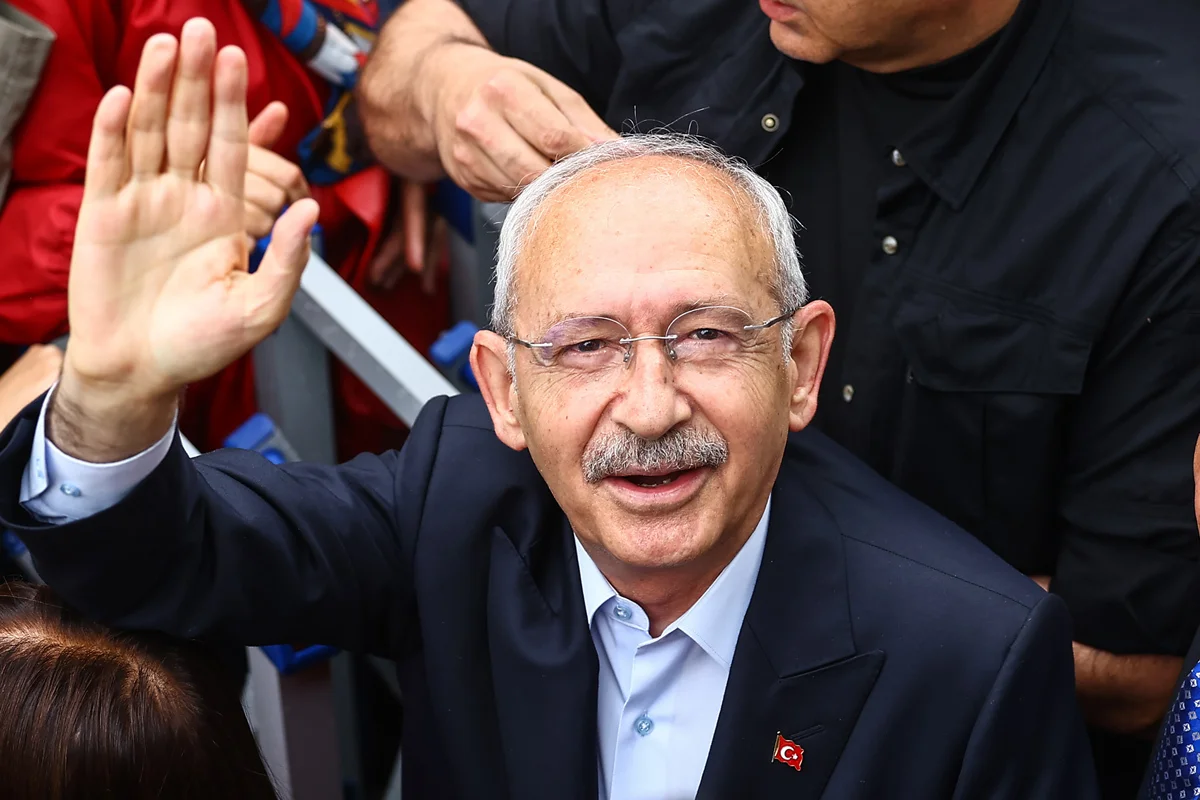
The opposition is fragmented
Nevertheless, the presidential election is still far away, and the opposition will not be easy to recover from last year's defeat.
In 2023, the opposition was able
put up
Against Erdogan, a single candidate - a veteran of Turkish policy Kemal Kylychdaroglu from the RNP. His nomination was supported by a wide opposition coalition of six games, which was created in 2018 on the eve of past municipal elections. At that moment, the influential left -wing “Democratic Party of Peoples” was not included in the coalition, but in the second round of the presidential election, the left still
Called
their voters to support the opposition of Kylychdaroglu.
Then the bet on the association did not work: Erdogan defeated Kylychdaroglu, gaining 5% more votes. The opposition was forced to admit its defeat and the coalition soon
broke up
. That is why, according to Javuz, the opposition went not so much to the united front to these municipal elections as each party solved its own problems.
The Republicans themselves were seriously updated after last year’s defeat, replacing the party leader from Kemal Kylychdaroglu to the Ozel lacture. In the municipal elections, the landscape put forward new candidates, and in general tried to separate the party from Kylychdaroglu,
Which is negatively perceived among the supporters of Erdogan and in the opposition, ”says Javuz.
However, due to the fact that the opposition immediately after the presidential election focused on the municipal campaign, Erdogan still dominates the large political stage. After last year’s victory, he did not increase, but did not reduce the level of repression. For example, in prison still
located
The parliament deputy from the Turkish Workers' Party Jan Atalay, in 2022, sentenced to 18 years for "trying to shift the Turkish government." Erdogan still fully controls traditional media and uses state resources for agitation in favor of its candidates.
“For example, in Istanbul, where the election race was very tense, Erdogan himself organized rallies with an appeal to give a voice for Murat Kurum. In the same way, some ministers of Erdogan convinced to vote for the candidate from the authorities. Many voters really vote for the ruling party simply because it is the Erdogan party, the details of the candidates themselves are not interested, ”Javuz describes.
In addition, the opposition recorded the episodes of direct pressure. For example, in Balykesir, candidate from the RNP Akhmet Akin
declared
That local businessmen received threats if they vote for the opposition. “All this together suggests that the Erdogan party uses its formal and informal power to maximize the chances of winning in controversial cities,” the expert concludes.
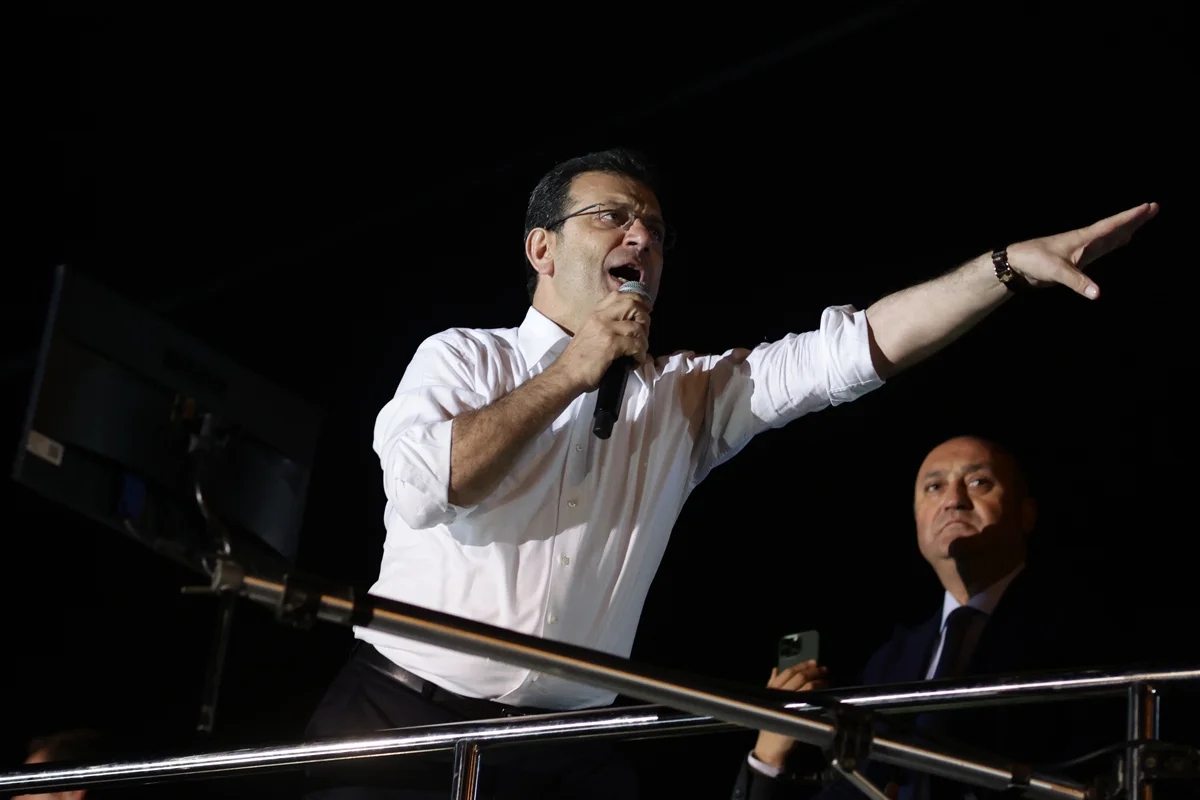
The authorities are looking for a successor
Erdogan and his party lose their voices, primarily because of the difficult economic situation in Turkey. In February, an indicator of accumulated annual inflation
jumped up
to a record 67%. At the same time, prices in restaurants
grew up
by 94.5%, the formation went up by 91.8%, products and soft drinks - by 71.1%in annual terms.
In early February, Hafiz Gafiza Ercan, an economist with many years of experience in the United States, led the Turkish Central Bank, retired to Hafiz. Commenting on his resignation, Ercan
She said
that “a large campaign was organized against her reputation”, which probably indicates a growing split within the ruling elite on the issue of economic policy.
According to Mehmet Yavuza,
Problems related to inflation and unemployment had a noticeable effect on the voting results:
Basically adding the opposition points, but also to some allies of Erdogan. Thus, the “New Party of Welfare”, which was evident and loyal to Erdogan, could attract the voices of ultra -conservatives who are not ready to support the opposition, but want to demonstrate their dissatisfaction with Erdogan’s economic policy.
Erdogan himself also does not feel very confident. This is due to the fact that the current legislation does not give him the right to run for the next term in 2028. How
They say
Sources of WSJ, Erdogan are already looking for a successor, and he himself
declares
that the past municipal elections are the final of his career. Despite this, many doubt that Erdogan will really leave politics.
“If Erdogan remains in politics, then only as the president, since any other role would be a decrease for him. He is unlikely to decide to care, without securing a suitable successor, including to protect himself from the future persecution, ”Javuz explains.
The struggle for the potential successor of Erdogan is gradually gaining momentum. Now pro -Erdogan analysts are actively
Discuss
The candidacy of the Selchuk Bayractar, the son -in -law of Erdogan and the technical director of the Turkish defense company Baykar. So far there is no information whether Bayractar himself wants to engage in politics, and also as this personally refers to Recep Erdogan, but thanks to the well -known majority of achievements in the defense industry, Bayrabar looks a strong candidate for successors.
Another name is by ear - Hakan Fidan, the former head of Turkish intelligence and the current Minister of Foreign Affairs. In Turkey, he is perceived as the creator of modern security policy of the republic. Fidan will be a particularly successful candidate for the nationalists traditionally loyal to Erdogan, whose priority is security and stability.
“Although Fidan and Bayractar seem to be the most likely successors, they still lack many qualities that Erdogan possesses. First of all, none of them can consolidate the Turkish elite as the current president, ”Yavuz concludes.