
Translated material
What is it like to be a cemetery blogger and wash old tombstones?
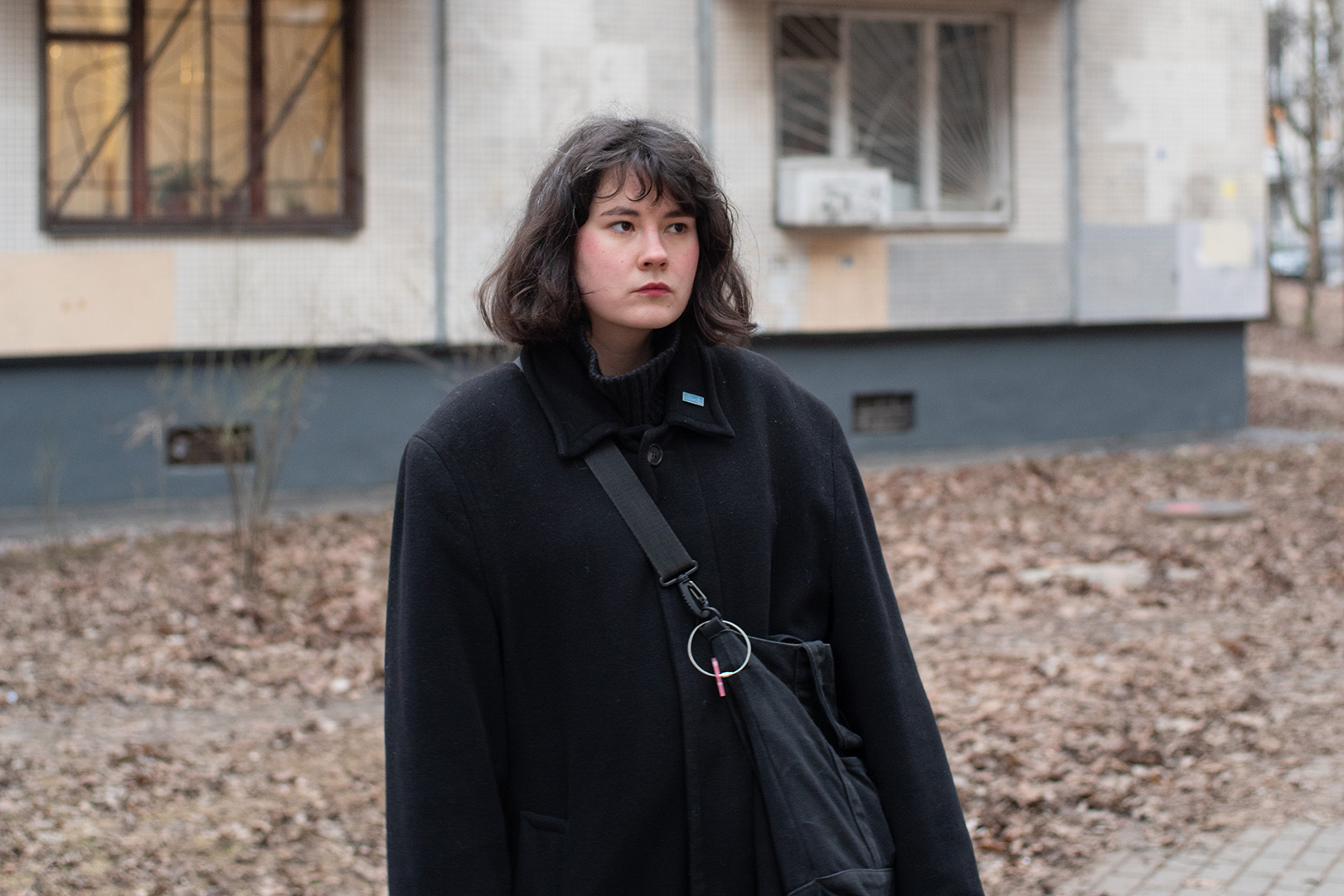
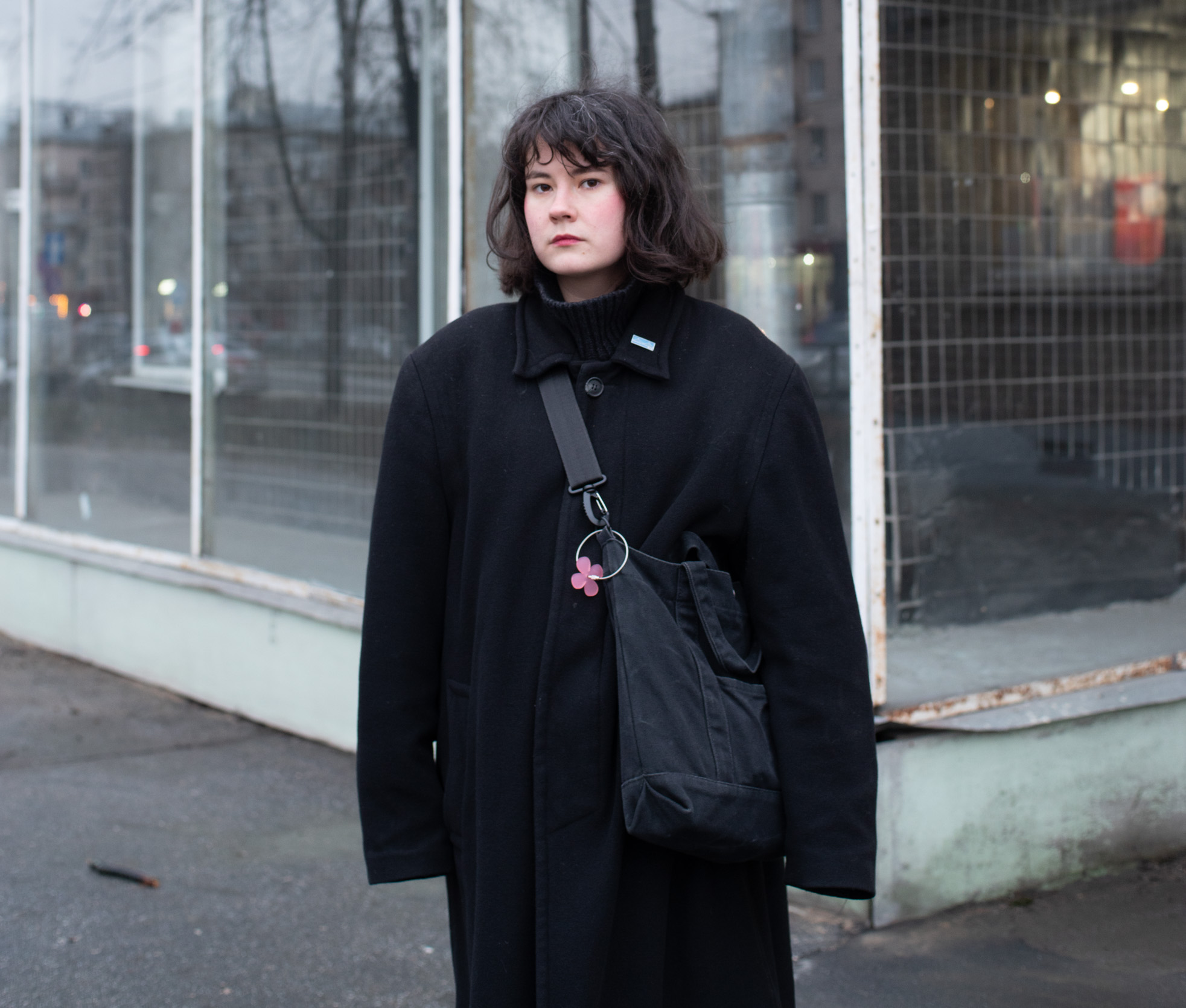
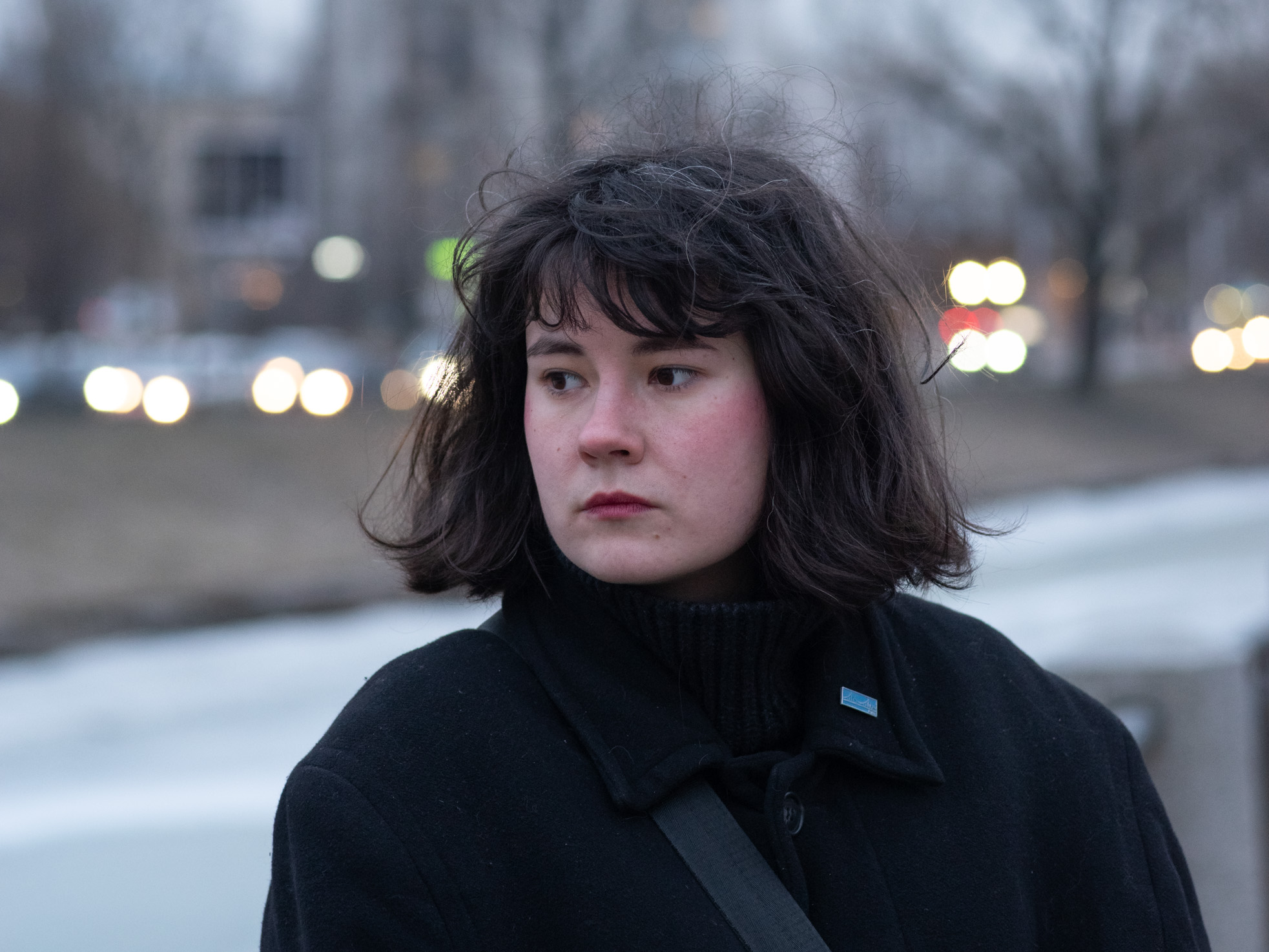
In St. Petersburg, about a dozen historical cemeteries with pre -revolutionary tombstones have been preserved. On the most famous of them-Volkovsky, Smolensk, necropolis of the Alexander Nevsky Lavra-writers, artists, politicians, members of noble families are buried. And if, as a rule, they are careed for by cemeteries and restorers, then the graves of less famous people often come to desolation.
Three years ago, the guide of Margarita Nikolaev created a blog about the ancient burials of St. Petersburg and the neighboring regions of “Whatscemetry” , began organizing subbotniks in cemeteries and launched a project to digitize the archive about the burials of the Lutheran cemetery.
The “paper” learned from the researcher that she managed to find interesting how volunteers could participate in preserving the memory of the buried and what ancient cemeteries can be visited near St. Petersburg.

Margarita Nikolaev
The creator of the Blog "Whatscemetry"
How a blog about cemeteries appeared
- It all started with moving to St. Petersburg in 2016. In the place where I lived before, there were no cemeteries. At least those where you could see something interesting. Here I began to walk, first of all, along the Smolensk cemeteries. A friend with whom we walked together told me that everything that I tell him about them would be nice to tell someone else. First, I created a telegram channel where I wrote small texts, and then Instagram .
The cemetery is considered a forbidden territory where something terrible, incomprehensible, and everyone who goes there, has problems with the head. But in cemeteries you can find a lot of things for cultural and historical research.
When I graduated from the university, I needed work. One of my formations is guiding. Piskarevsky memorial cemetery was just looking for a guide. At that time, I knew about him and the blockade of Leningrad only in general terms, I was afraid that they would not take me there, but still took me. I worked there from 2020 to 2022, simultaneously engaged in my project. She drove excursions and independently studied the history of Piskarevsky - oddly enough, there is very little public information about him. Now, besides the blog, I have a regular job that takes most of my time.
Why is the popularization of the theme of cemeteries
- I know a lot of people in Russia who are engaged in about the same thing as me. We are friends, in many ways similar. In St. Petersburg, this is more difficult. There is no community of necropolises that you can join. I know that someone likes my activity, someone is not, and someone believes that I am piasy on the bones.
I believe that those methods that older necropolists often use, unfortunately, do not work. Scientific works to a wide audience may not convey the importance of maintaining tombstones, simply because no one will read such books. A lighter format can reach a wide audience.
I set not a deep study, but an enlightenment. I will focus on the interests of cemeteries, on their differences, unusuals, values, and the opportunities through cemeteries to study the history, culture of the country, and region. I get very valuable comments from many, a lot of support, and not only from necropolists, but also from city -defenders, activists with whom I communicate a lot.
As part of my project, there are many more additional small projects. For example, I am collecting information about the roads of Russia's roadside kenotaph, I create a database of masters who made tombstones in pre -revolutionary St. Petersburg and other cities, digesting and publishing cemetery photographs bought by children from “doors from garbage” in the specific market.
In 2022, a team of nine volunteers digested the “Book of Records of those buried in the Smolensk Lutheran cemetery for 1912 - 1919”. This book was available on the website of the archives of St. Petersburg in digital form, but it was difficult to read due to the manuscript Gothic font. Thanks to volunteers, the book can be found in the Gugl-table format , and the data from it is used for genealogical search, writing articles, books, in general, for anything-it became more convenient to work with them.
My favorite find is the tombstone of the founder of the first St. Petersburg store of Lithographs, Joseph Datsaro, which we and I and my colleagues from St. Petersburg found in the destroyed Vyborg Roman Catholic cemetery. We contacted his descendants abroad and even planned the restoration, but February 2022 happened, and all the contacts ceased, unfortunately. No one knew about this tombstone before us, and we were the first. It was very cool!
How did the idea come to wash tombstones
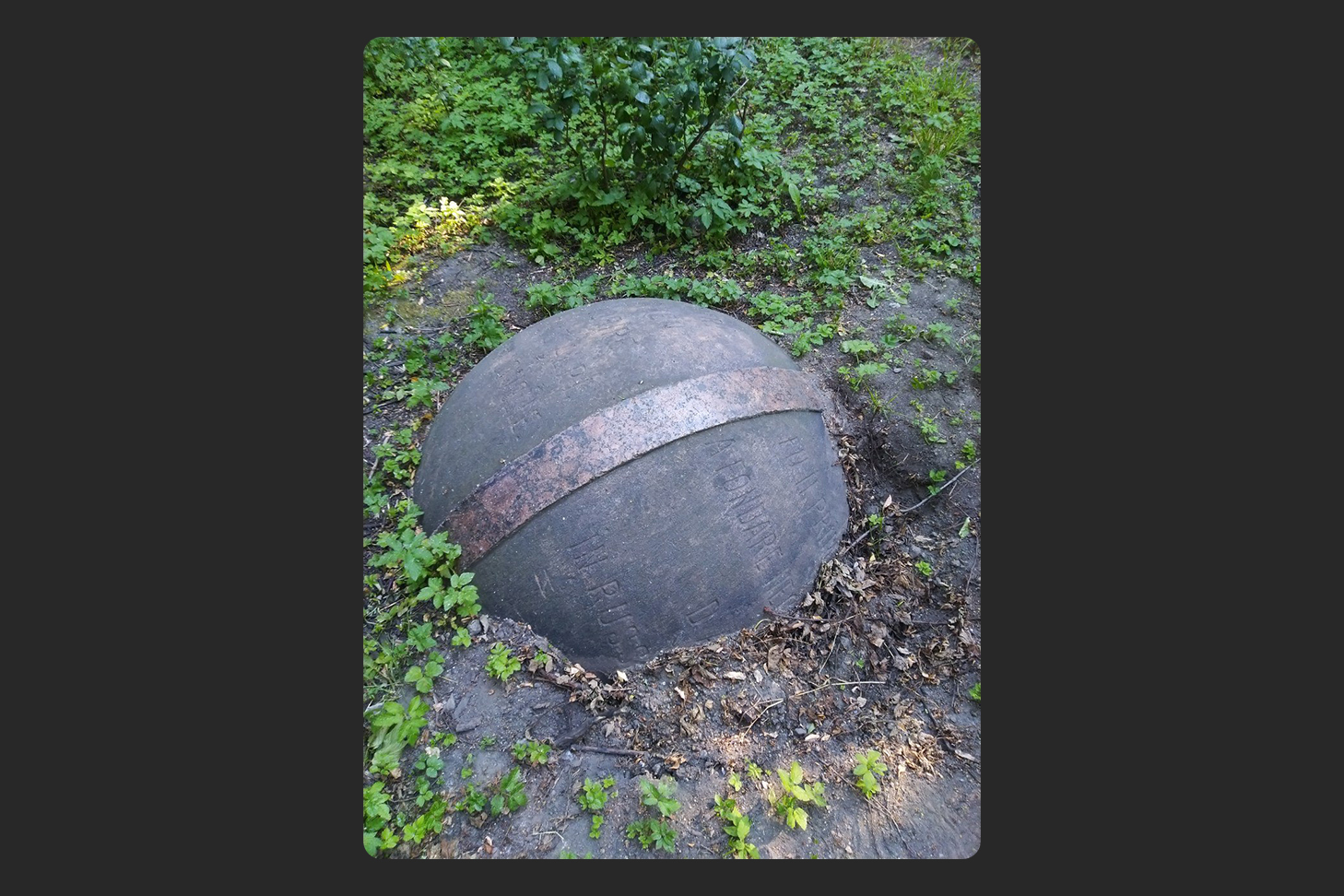
- When I started my project three years ago, I helped another project - the site about the Smolensk Lutheran cemetery. She wrote articles about the people who are buried there, about his history. Then, with the creators of the site, we decided to hold subbotniks in the cemetery, called volunteers. Of course, subbotniks have been carried out both before us, and are still held. And at that time everything was interesting to me, in the new product, and we decided to wash some monument.
It seems to me that the washing of the tombstone is a kind of return of the name of man, the resurrection of the memory of him. In addition, it is just interesting. What is hidden under mud and moss? What is the color of the stone? What is the full name? It was also a research interest. I turned to the restorers, asked how to do this correctly, they advised me the right chemistry.
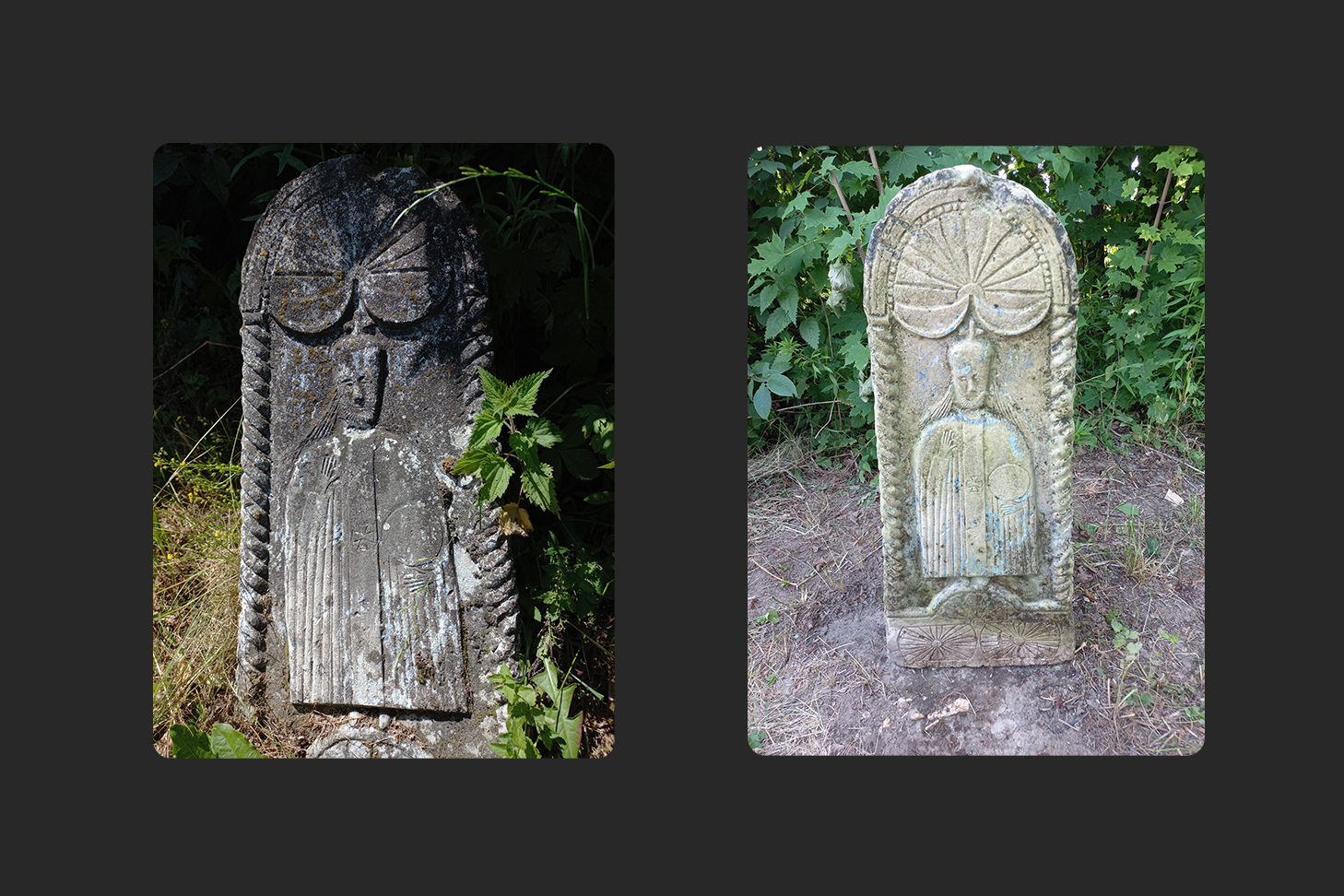
We periodically organized subbotniks, but at the same time encountered the Committee for the Protection of Monuments, the Union of Restorers, and the need to receive official permission for any actions in the Smolensk Lutheran cemetery, because it is an object of cultural heritage. Last year, I decided not to do this anymore, since the approvals take too much time, it is almost impossible to get them, and without them, washing is illegal. It is difficult to do this with secret methods, because there are ill -wishers who can convey.
Outside of Smolensky, I had a one -time action in the Volkovsky cemetery, and I soap in the Ryazan region - helped a friend who has her own project to preserve the necropolis. There were no legal restrictions there. The monuments I washed in St. Petersburg can be counted on the fingers of one hand, but beyond its borders - a dozen.
For those who also want to engage in tombstones washing, there are subbotniks of the Union of Restorers, there are courses of volunteers-restorers that I myself passed.
What problems do the historical cemeteries of St. Petersburg have
- In my opinion, the main problem of St. Petersburg historical cemeteries is the lack of people who monitor the state of tombstones. In general, the descendants of the buried should be done, but since this can be impossible for many reasons, including historical ones, it would be nice to have any other mechanisms that would support historical cemeteries in normal condition.
The state may not have enough money in an elementary one, but you can come up with some other exits. For example, in Tula, in the All -Service cemetery there is a project of preservers . Its essence is that a person can take patronage over the ownerless tombstones - as Soviet, since pre -revolutionary ones. Once in the season, he removes garbage, pulls out the grass, carries out some minimum repairs, which helps the tombstone to last longer. I offered such an idea to the Kgiop in the Smolensk Lutheran cemetery, but everything rests on the fact that it is and many local cemeteries or individual tombstones on them are objects of cultural heritage, which imposes many restrictions.
It seems to me that restrictive measures partly work for good, do not allow, for example, to destroy ancient monuments and free up a place for new burials. On the other hand, the mitigation of laws on the protection of cultural heritage objects can positively affect the state of monuments due to the reduction in the reduction of the restoration processes, but only on condition that professionals are restored.
In any case, this is a conversation about the distant future, where they will not be in words, but in fact protect the cultural heritage of the country where corruption processes will be minimized, the restoration school as a whole is improved, and the exchange of experience with foreign colleagues has been established.
What is "interrupting"
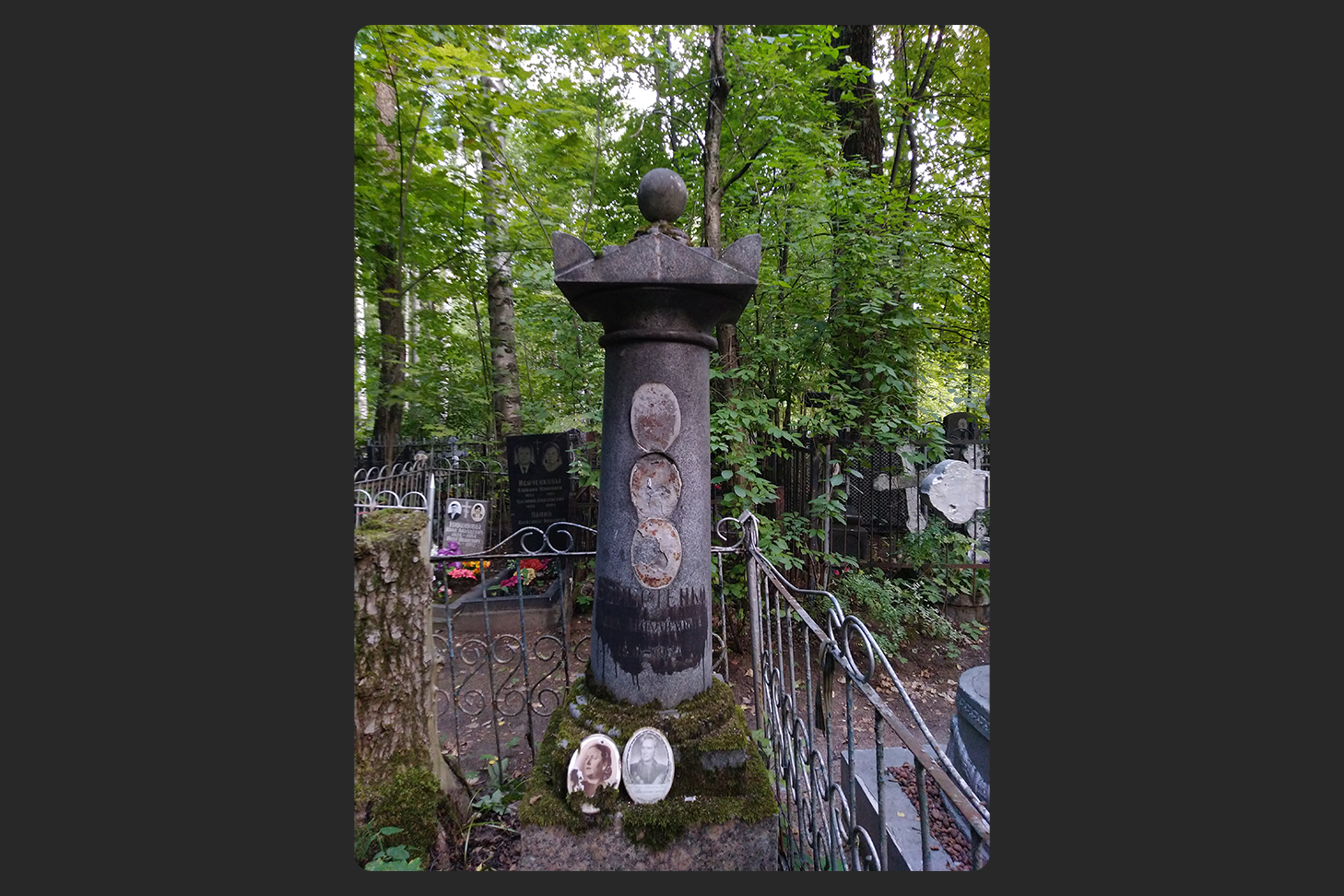
- I came up with the term “interruption” - this is the pre -revolutionary tombstone used in the Soviet period, usually with the destruction of information about the first owner and, accordingly, with the knocking out information about the new. It is mainly about stone tombstones, although in general, metal pre -revolutionary crosses, which were put on Soviet graves, in my understanding, can also be called “interruptions”.
Before me, of course, necropolists also paid attention to this phenomenon, but they called it “re-use of tombstones”, for someone I met the term “ruser of tombstones”. It seemed to me that while this phenomenon will be described by such a long set of words, it will not be fixed in everyday life. I began to call such tombstones in social networks “interruptions”, periodically giving for new subscribers an explanation of what it is. Now I notice that many people, sometimes not even related to necropolises, also use this term. “Drushes” have met before the revolution. In the archives, I came across information about how the Malokhtinsky Old Believers' cemetery was destroyed, how the stoves from the graves of the Old Believers were used to pray paths. But this is rather an exception to the rule. In the Soviet years, this all acquired a much larger scale.
What can be found on excursions in cemeteries
- I spend excursions in the summer. Last year, she drove along the Smolensk Lutheran - these were charitable excursions. Part of the donates gave to her friend Nikita Girin, who conducts a similar project in my Ryazan village. This year I want to spend them both in Smolensk and some other cemetery.
Typically, cemetery excursions are simply a listing of the names and surnames of those who were buried there, facts, languages, biographies. And the cemetery is not only people who were buried there. This is external decoration, this is the history of the territory itself, the history of the city.
Now I am writing a book about St. Petersburg cemeteries for the Publishing House "Myth"-a popular science presentation of the history of necropolises from the pre-Petrine era to the present day. This is a bit like the “Historical Cemeteries of St. Petersburg”-the huge work of many authors, which was written almost 30 years ago. But I want to write something easier, popular science, with a less accent on religion.
I suppose that it can be used as a certain guide to the cemeteries of St. Petersburg. First of all, I would like to tell about the lost cemeteries, because there is little information about them. I would like to talk about this, because the destruction of cemeteries in the Soviet period seems to me a very tragic moment in the history of the country.
Five historical cemeteries, which are easy to get from St. Petersburg
Recommendation from Margarita Nikolaeva
- Perevalskoye cemetery, Vyborg, Leningrad region
The almost completely lost Finnish cemetery, once consisting of several sites, including the Orthodox.
- Finnish cemetery, Sortavala, Karelia
Despite the closed boundaries, you can get to the Finnish cemeteries - for example, in a sortaval. It is better to visit in the spring when snow comes down, or in the summer.
- Zaretskoye cemetery, Petrozavodsk, Karelia
Dozens of various cast -iron crosses and tombstones - everything that was made in stone in the St. Petersburg cemeteries is cast in cast iron in Petrozavodsk.
- Dmitrievskoye cemetery, Pskov
Many beautiful pre -revolutionary tombstones, metal canopy with the remains of stained glass and a monument to Nekrasov near the Church of the 16th century. True, not to the poet, but to the state adviser .
- Cemetery in the Trudovor Gorodishche, Izborsk, Pskov region
Izborsk in the period from 1920 to 1945 was part of Estonia, so in the cemetery you can see the tombstone of the 1930s with pre-reform spelling, and also monuments with inscriptions in Estonian. And, of course, you must definitely look at the legendary Trudov Cross, which is actually not at all Trudovors .
Join the club of friends - be closer to the "paper" and get acquainted with other readers 👋 💚
Read moreWhat else to read:
- Tiremate, business center, necropolis. The history of the destroyed Mitrofanevsky cemetery and its defenders.
- In two days, students of St. Petersburg State University raised money in two days and launched the restoration of the crypt from the film "Brother" . The head of the group tells how they achieved repairs and why they conduct Tiktok about cemeteries.