
Translated material
In 2022, more than a billion tons of food was thrown out in the world. At the same time, 783 million people suffered from hunger
The UN calls it a global tragedy that damages not only to people, but also climate
This material (information) has been produced and distributed by the Nmola foreign agent, or concerns the activities of the Smola foreign agent. 18+
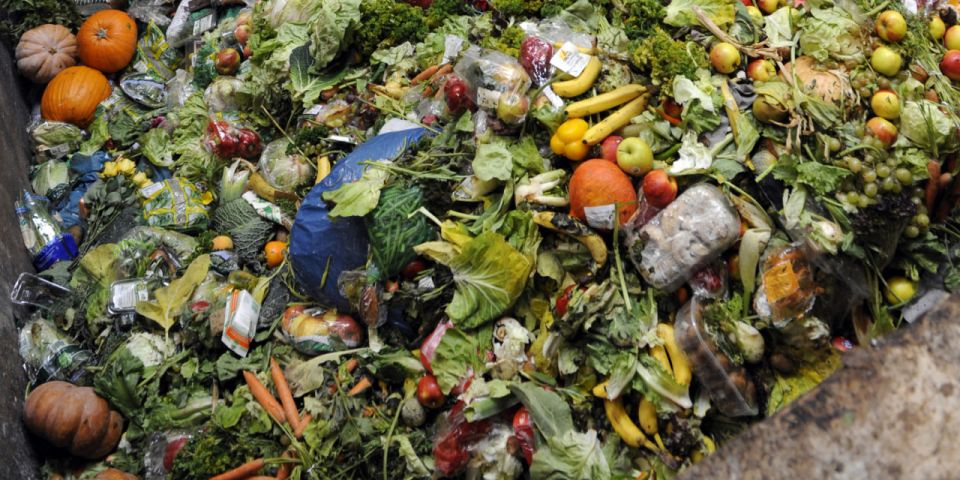
In 2022, people produced 1.05 billion tons of food waste - 132 kg per person. At the same time, about 783 million people suffered from hunger, and a third of humanity faced a lack of food. This was reported in the WRAP report, which was prepared by order of the UN program on the environment (UNUP).
Food waste is products that have completely or partially lost their original consumer properties, mainly expired.
The report says that 60% of the discarded food was at households, 28% - for catering enterprises, and 12% - for retail trade. At the same time, in developing countries located in regions with high average annual temperatures, products are often ejected due to the lack of refrigeration equipment, researchers believe.
“Food waste is a global tragedy. Millions of people will starve today because foods are wasted around the world, ”said UNEP Inger Andersen, Executive Director. At the same time, she noted that the formation of unnecessary food waste leads to significant damage to climate and agricultural land.
According to the UN conclusions, 8-10% annual global greenhouse gas emissions are formed for food waste-they are formed in the process of decaying and decomposition of products. This is almost five times more than emissions from aviation. And the area occupied by food waste is comparable to the third agricultural land of the world.
The fight against the formation of food waste is one of the goals of sustainable development. The UN hopes up to 2030 to achieve a double decrease in the volume of food waste generated, especially in retail trade and the catering area.
“Given the problem of food, the environmental damage to the environment, society and the global economy, we need more coordinated actions on all continents and in supply chains,” admitted the general director of WRAP Harriet Lamb. “It is very important that people are absorbed in food, not landfills.”