
Translated material
In Moscow - against the backdrop of military censorship and the persecution of writers - the spring fair Non/Fiction is opened. And there you can find good books
Here are the 10 most interesting (including new Yana Wagner and Alexei Polyarinov)
On April 4, in Moscow, the spring fair Non/Fiction opens. And although the literary landscape of Russia is changing rapidly (the authorities are pursuing writers with an anti -war position, and publishers cease to publish their books - for example, it was with Boris Akunin), the market falls, and patriotic presentations appear in the programs of book fairs, there is still a lot of good: from scientific research to large translation novels. At the request of Medusa, the book observer Lisa Birger chose ten such works.
"Dionysius board." Alexey Smirnov von Rauch
Publishing house Individuum
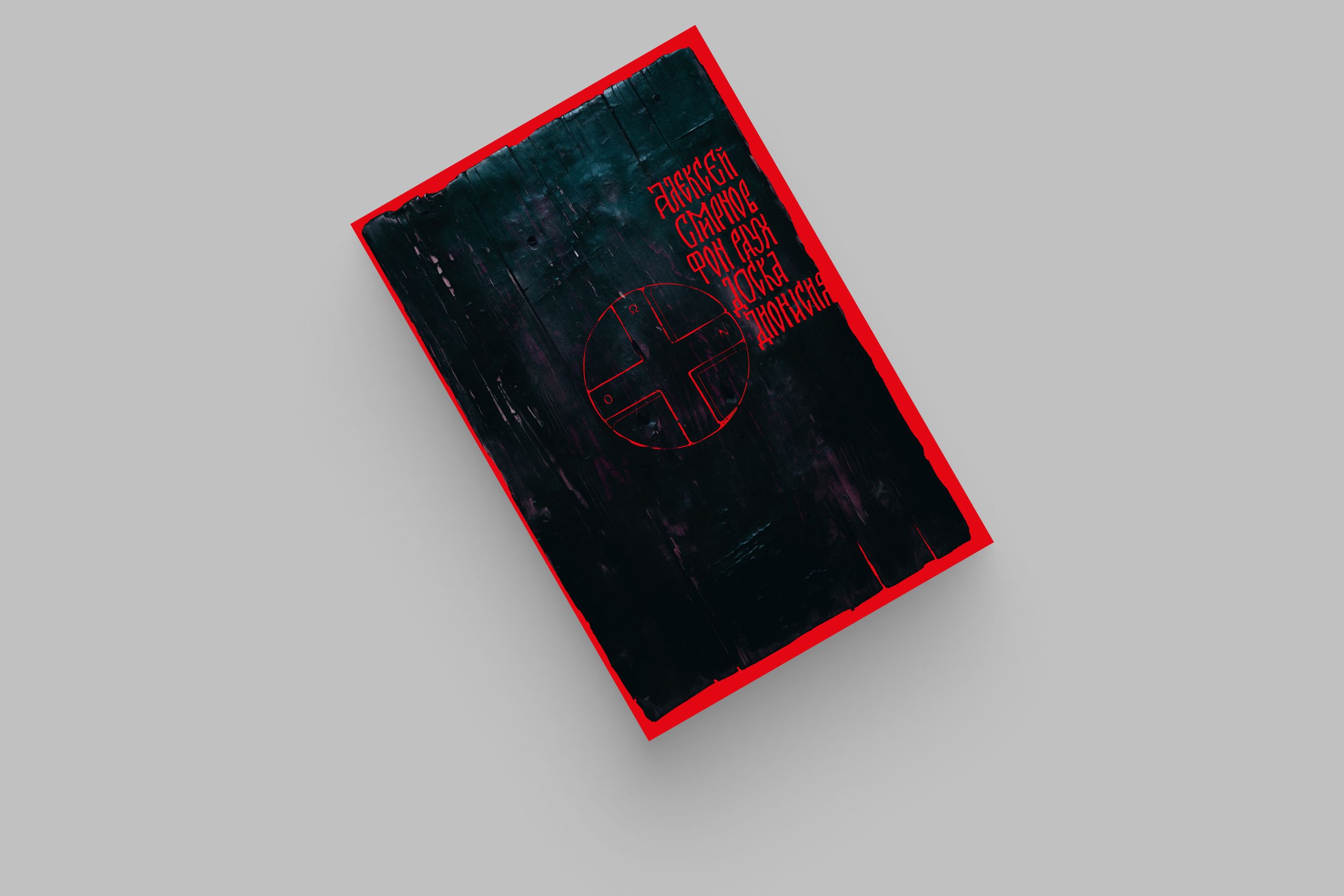
One of the most amazing innovations of this year was written in 1976-and has not yet been published. Its author, the artist Alexei Smirnov, was in itself a character of bright: a descendant of the nobles, he added to his usual surname the aristocratic “von rauh” (from German - “from smoke”), deeply despised Soviet power, and the Russian people called “the most dangerous beast, which is not only dangerous, but also destroyed for all Christian civilization.” For most of his life, he restored the icons.
Von Rauch died in 2009. In 2015, a collection of his essay “Complete and Full Ugliness” was published, where he again and again called Russia “The Dormant Imperial Outskirts of Europe” with the Byzantine Fler. The “Dionysius Board”, which was waiting for the publication for almost half a century, is another philosophical sentence to the Motherland, written with special pessimism (however, today it seems extremely justified). But this is also a peppy detective (in the center of the plot - the search for an ancient icon), as well as a fascinating production novel about creators, restorers, crooks and art critics.
"Testament of the water." Abraham Vergsee
Publishing house "Fantom-Press". Translated from English Maria Alexandrova
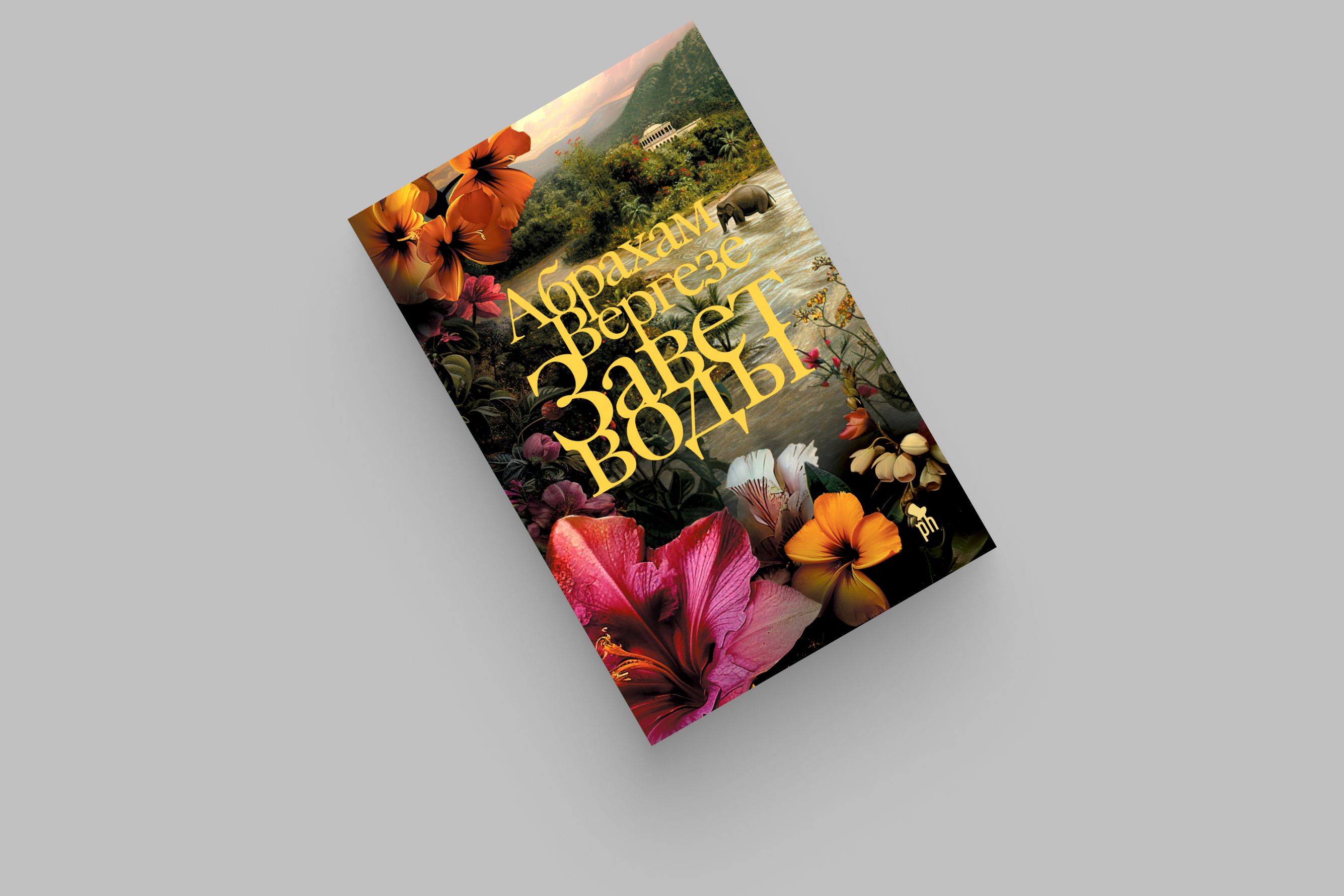
Abraham Vergsee is one of the most famous physiotherapists in the world, professor of medicine of Stanford University and at the same time the author of two completely outstanding novels.
The first-“Dischard of Stone”-was released in 2008, after which he did not leave the list of bestsellers The New York Times for two years and became one of the most noticeable translated novels of recent years.
Fifteen years later, Verghez wrote the family saga "Testament of the Water". The action of the novel takes place in the Indian state of Kerala (from there - parents of the writer) over the past century - the author describes the history of the place and his rapid changes.
Vergsee knows how to build characters, holds the plot threads tightly, but the most amazing thing is how the writer manages to combine the magical realism of distant exotic places with a scientific medical approach. It turns out that many miracles are able to explain the simple anatomy of a person (but they do not become less incredible from this).
"Evrotresh." Christian Krakht
Publishing House Ad Marginem. Translated from German Maria Sokolskaya
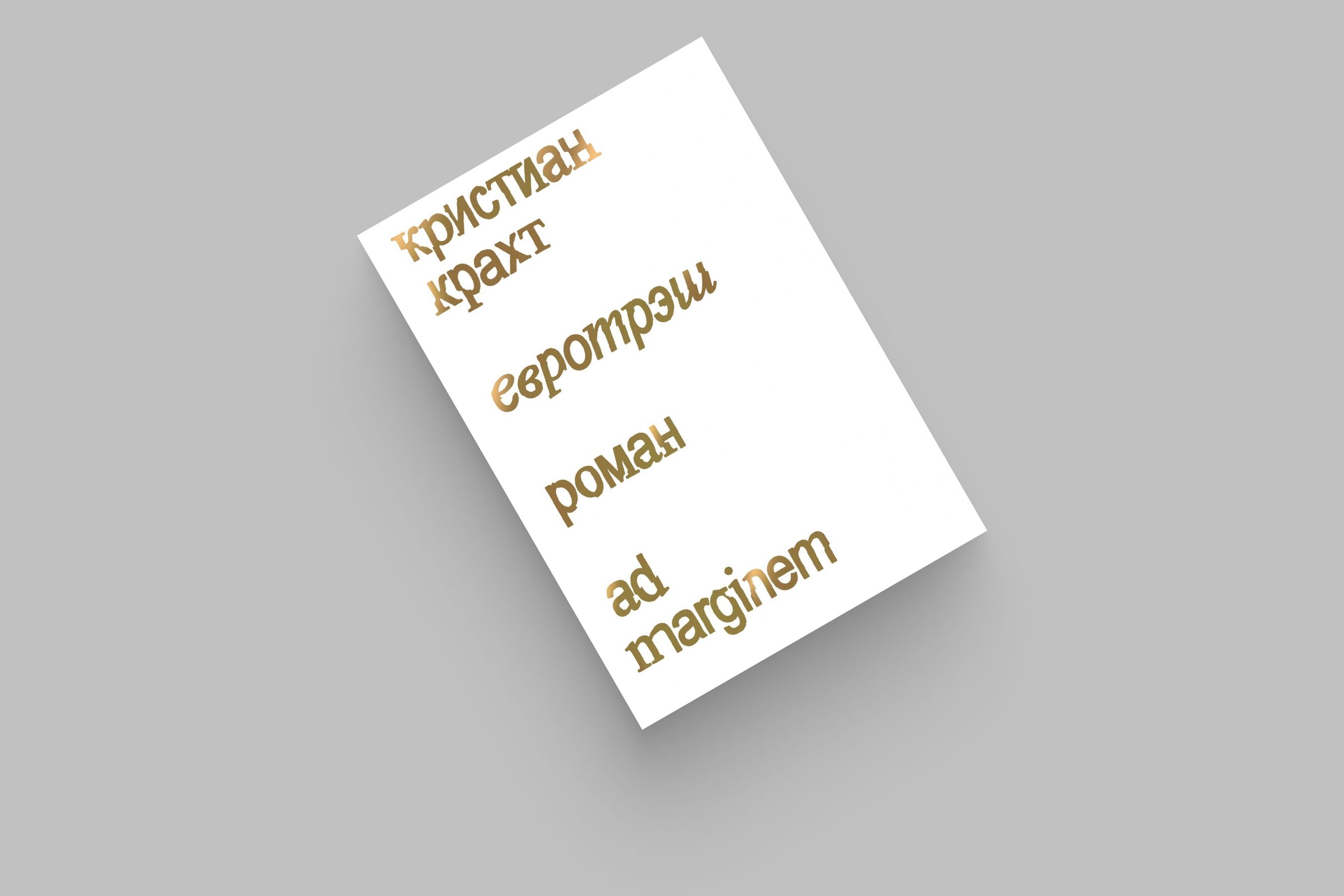
In 1995, the Swiss prose writer Christian Krakht released the debut novel “Faserland” about the journey of a young man rioting against the consumer society in a classic way: sex, alcohol, bright angry passages in the first person. Thanks to this novel, Krakht was remembered as a bright representative of the German-speaking literature of the 1990s (this book was also in Russian), after which he repeatedly confirmed this status: he published magazines in North Korea (he managed to live there, as well as in Somalia and Katmanda), defiantly left Germany to Argentina and released texts about an unbeatable sunset. Europe.
“Evrotresh” (2021) is a kind of postscript to “Faserland”, a novel about the return of the same hero to the places of his childhood. But this time he travels in the company of his eighty -year -old mother, who “treats” an unnamed mental illness with alcohol and drugs. During a strange walk, the heroes all the time return to the starting point and in many ways heal. In addition, composing for the mother of history, where fiction cannot be distinguished from reality, Kramt reminds its readers as therapeutic fiction.
"Voice and wax." Valery Zolotukhin
UFO Publishing House
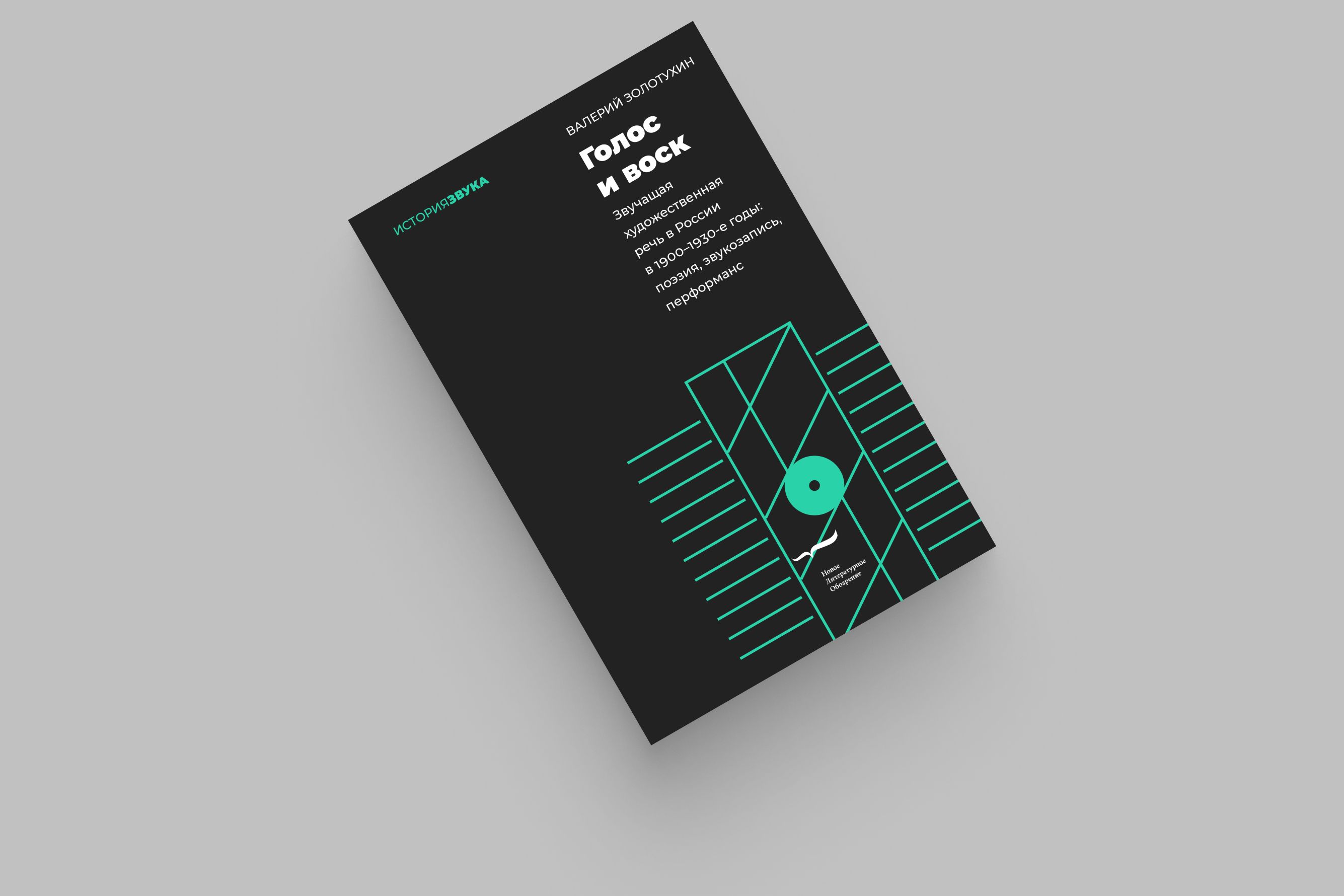
A book that risks remaining unnoticed. Meanwhile, this is a very deep study, the subject of which was the sound recording at the beginning of the 20th century - and its revolutionary role in the art of that period. By sound recordings, you can trace how speech has turned into a performative instrument. Meyerhold, for example, using the technical innovation, began to build musical scores taking into account intonation, and the records of Alexander Blok-restrained and detached-influenced the manner of prisoners who were shocked, first hearing the poet’s voice (until this moment the recitation was mainly melodramatic).
In addition, Valery Zolotukhin writes about an attempt to preserve and restore the audio documents of those years as another way of forming cultural memory.
"Against hatred." Caroline Emke
Publishing house Ivan Limbach. Translated from German Anna Kukes
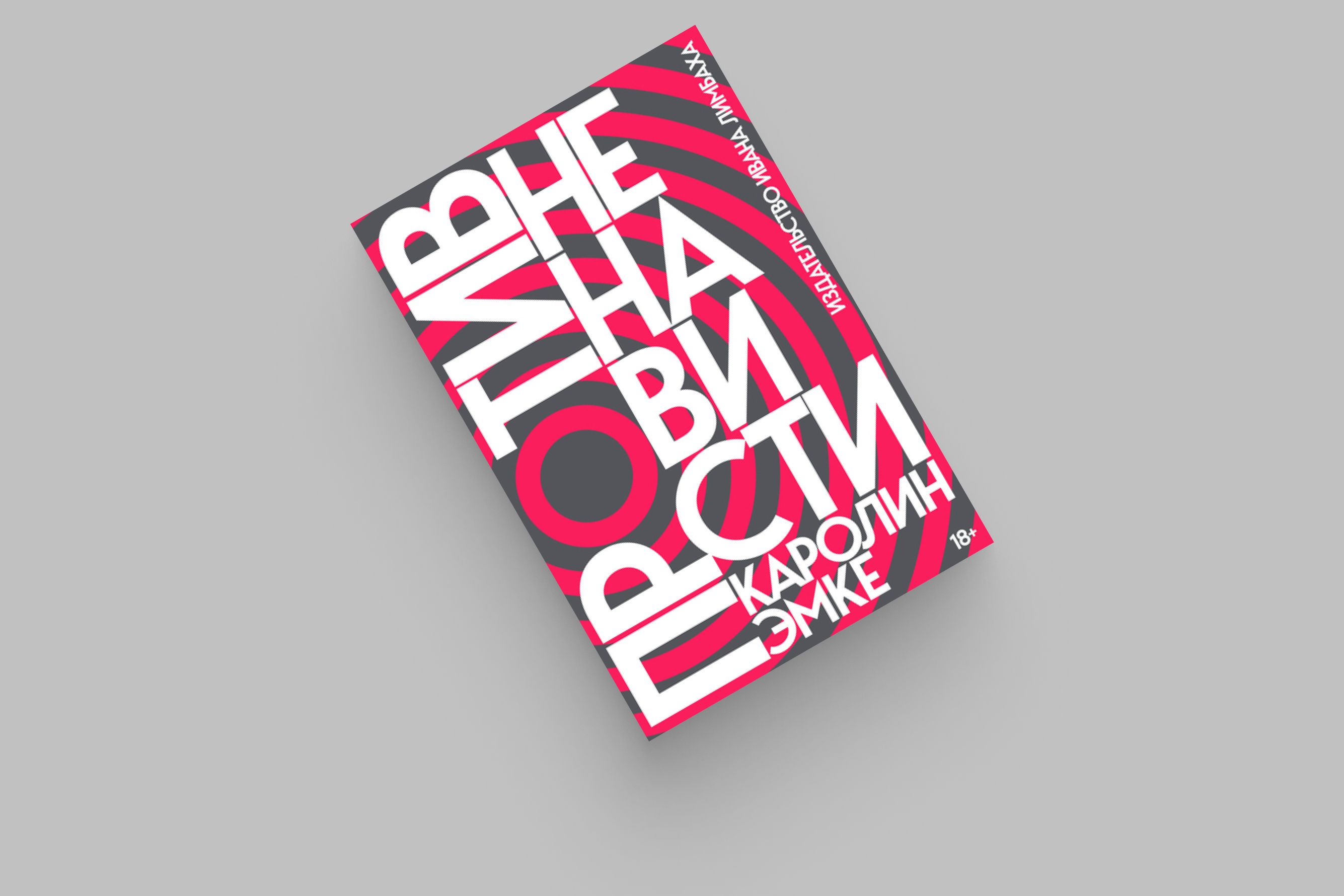
Karolin Emke is a German journalist who worked for many years a military correspondent. The granddaughter of Alfred Herrhausen, a German banker, killed as a result of a terrorist attack, probably organized by the “Red Army faction” . Emke devoted her “silent violence” to the murder of her grandfather - and how difficult it is to find a reason for sympathy and dialogue in such a situation.
The same “against hatred” is an emotional pamphlet written in 2016, after the refugees from the Middle East poured out of ISIS in Syria and ISIS actions in Germany. Caroline Emke writes about discrimination and violence that visitors faced, and claims that to know about it is as important as you know about the Holocaust. The author is sure that only joint sympathy and joint actions can be opposed by hatred - this is how the collective “we” necessary for modern democracy is born.
Hatred is harmful not only from a moral point of view, Emke writes - it interferes with the achievement of the common good. And the dream of prosperity, in turn, can become the most effective vaccination from xenophobia.
"Cadaurus." Alexey Polyarinov
Inspiria Publishing House
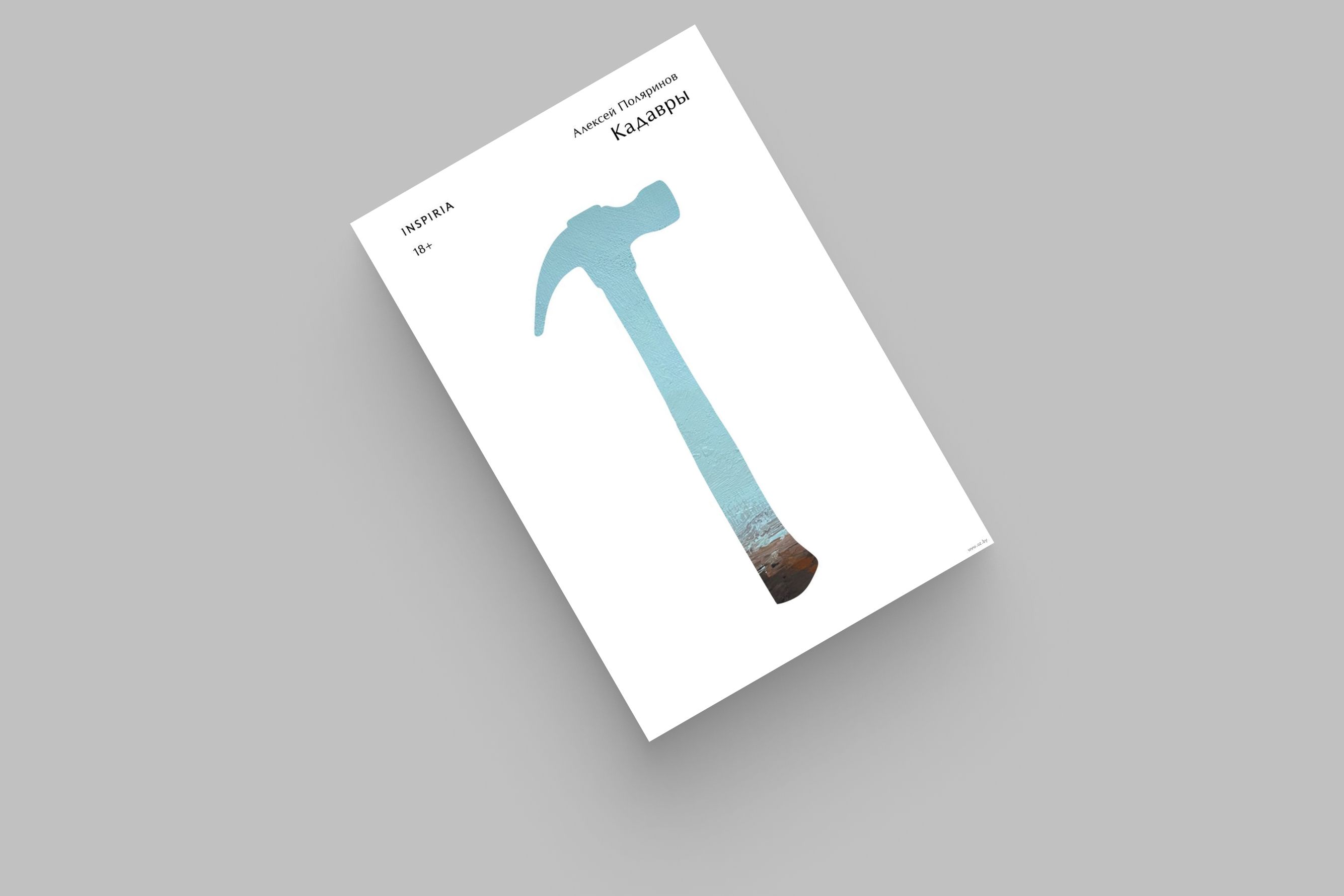
“Cadaurus” is the third novel by Alexei Polyarinov, translator, critic and specialist in American modernism. Prior to this, there was a “center of gravity” - about young Muscovites, who daily resist the complex modern world, and the “reef” - about totalitarian sects in the Russian North.
In a sense, these texts are formed in a single trilogy, each part of which genaro resembles a large American novel. Like the classic of the genre, postmodernist Don Delillo, Polyarinov’s texts simultaneously tell how the society works, how a person works, how endless the world around him is and how inevitable the influence of history. At the same time, the language of Polyarinov-prose is clear, and the plots are available and understandable. Probably, thanks to these qualities in the past few years, the author of the Center for gravity and Reef became one of the most noticeable Russian novelists.
“Cadaurus” is his most successful novel. Either a piercing family drama, or a post -apocalyptic horror about the trip - according to the plot, brother and sister go to different corners of Russia in order to study the dead children similar to zombies (they are called “cadarracs”). But in fact, this is a journey to the depth of personal pain, inseparable from the history of the country: "The fact that there, on the other side of the border, seemed to be collapsed, the end of the world, in Russia was felt like everyday life."
"Tunnel". Yana Wagner
Publishing house Elena Shubina

"Tunnel" by Yana Wagner is the main book of this spring in Russian. The writer, as always, managed to create a frightening metaphor of Russia - or even a country in miniature: the action of the novel unfolds in a traffic jam, in a tunnel at the entrance to Moscow. One and a half hundred cars - nearly five hundred heroes of various prosperity, professions and nationalities - are locked underground.
Wagner wrote this novel for six and a half years. She managed to show how people in difficult circumstances find in themselves and show unexpected features - by the way, not necessarily bad. But reading the “tunnel” is still very scary. It is worth talking about this book in more detail - “Medusa” will prepare a separate material about it.
"Family vocabulary." Natalia Ginzburg
Publishing House "Signature Publications". Translated from Italian Henry Smirnov
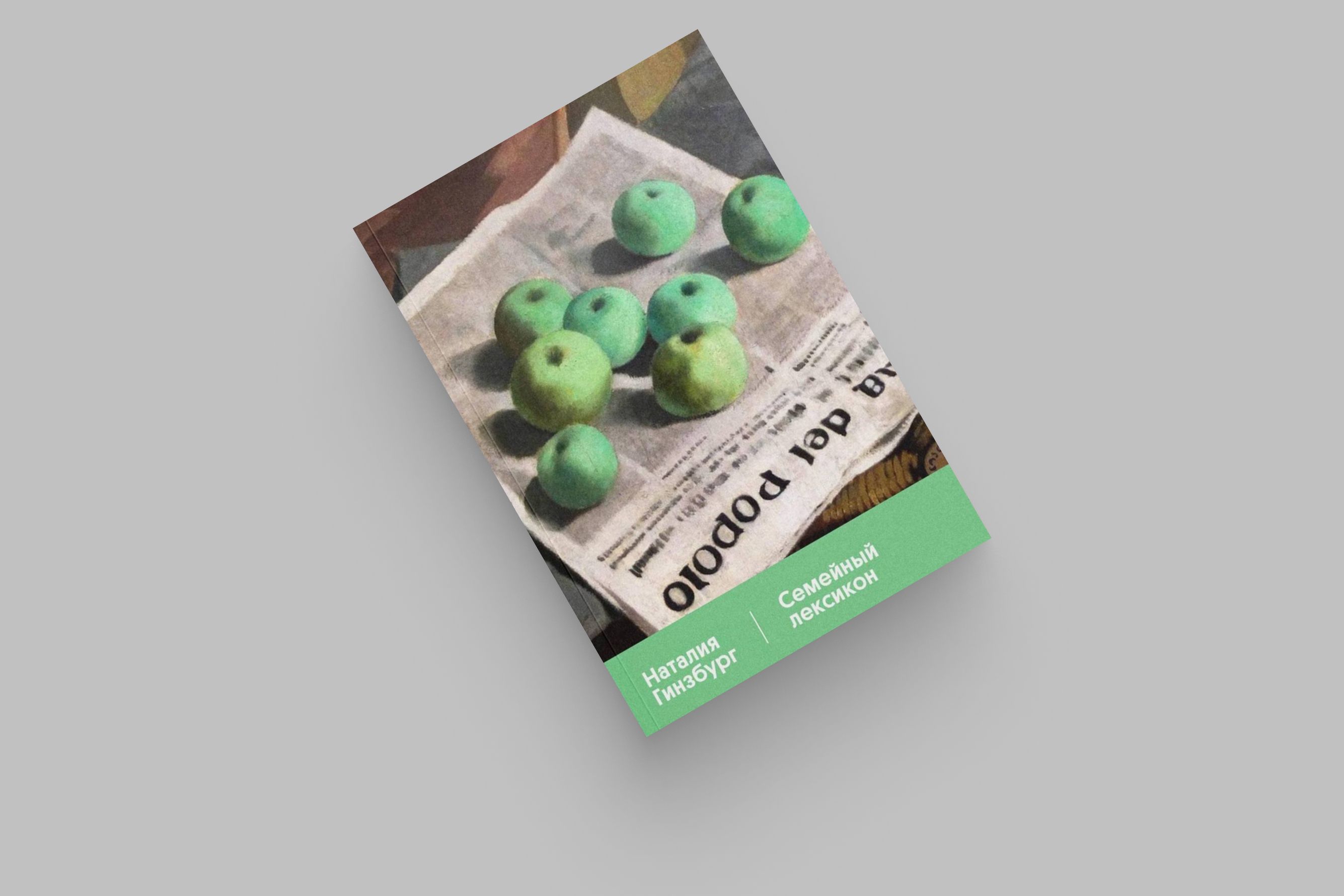
The autobiographical novel by Natalia Ginzburg was published in Italy in 1963. Now this is a classic of Italian literature and one of the main books about the Holocaust (despite the fact that not a word is said about him in the text).
"Family Lexicon" is more like a play than a novel: it consists of replicas, family sayings and shoes. The plot does not describe large steps of history, although the events of the novel occur during the reign of Mussolini and the Second World War - of course, there were tragedies in this family. But the author is more important to show a small world, which, contrary to everything, remains happy.
Already in the preface, Ginzburg says that all places, events and characters in her book are real: she always wanted to write a book about loved ones. But “memory is a flexible thing,” and any autobiographical book, in fact, is only “a weak echo of what happened to see or hear.” Ginzburg tries to preserve the voices of his dead - and decides to remember them alive and bright, talking to each other. Their speech continues to sound even when the voices have long been silent.
"What we did while you taught us to live." Ivan Bevz
Publishing house "Scooter"
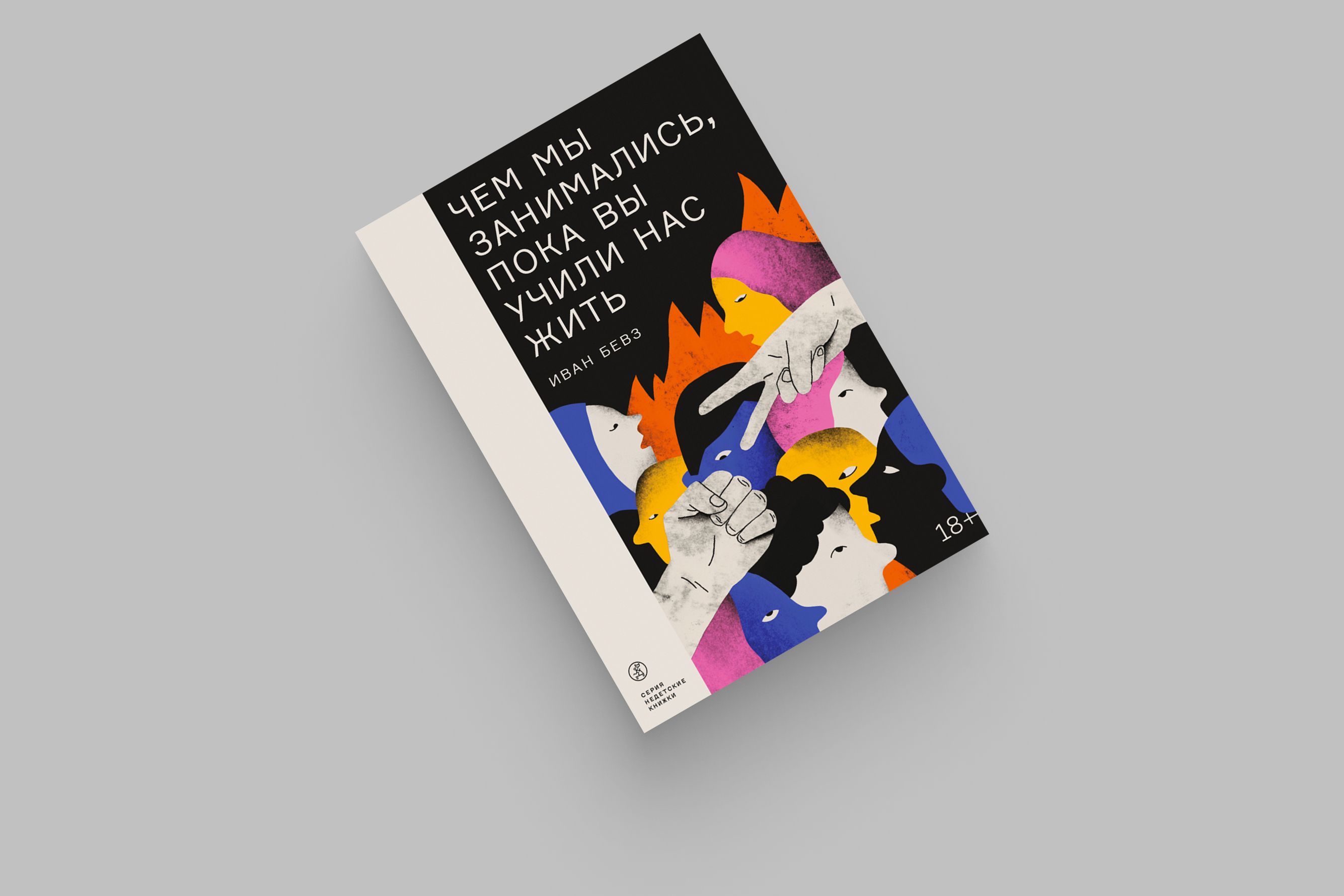
The debut of Ivan Bevza is a story about the struggle for power at school. An inconspicuous tenth grader Red, thanks to incredible luck in a game of hundreds, unexpectedly becomes an informal leader among students. But suddenly he has a strong rival - the eleventh grader of Dinara. The brand new, thanks to intrigues and their own determination, breaks into school dictators.
All this happens in zero - with their market economy, career capabilities, MTV; Here everyone wants to break out of the school routine and build a new world, "to reform everything to the damn grandmother." But even unleashed from the best motives, the war of high school students from the story of Bevz does not lead to anything good.
"The Russian Middle Ages. The world of ideas. " Dmitry Antonov, Lyudmila Sukina, Mikhail Mayzuls
Publishing house "Word"
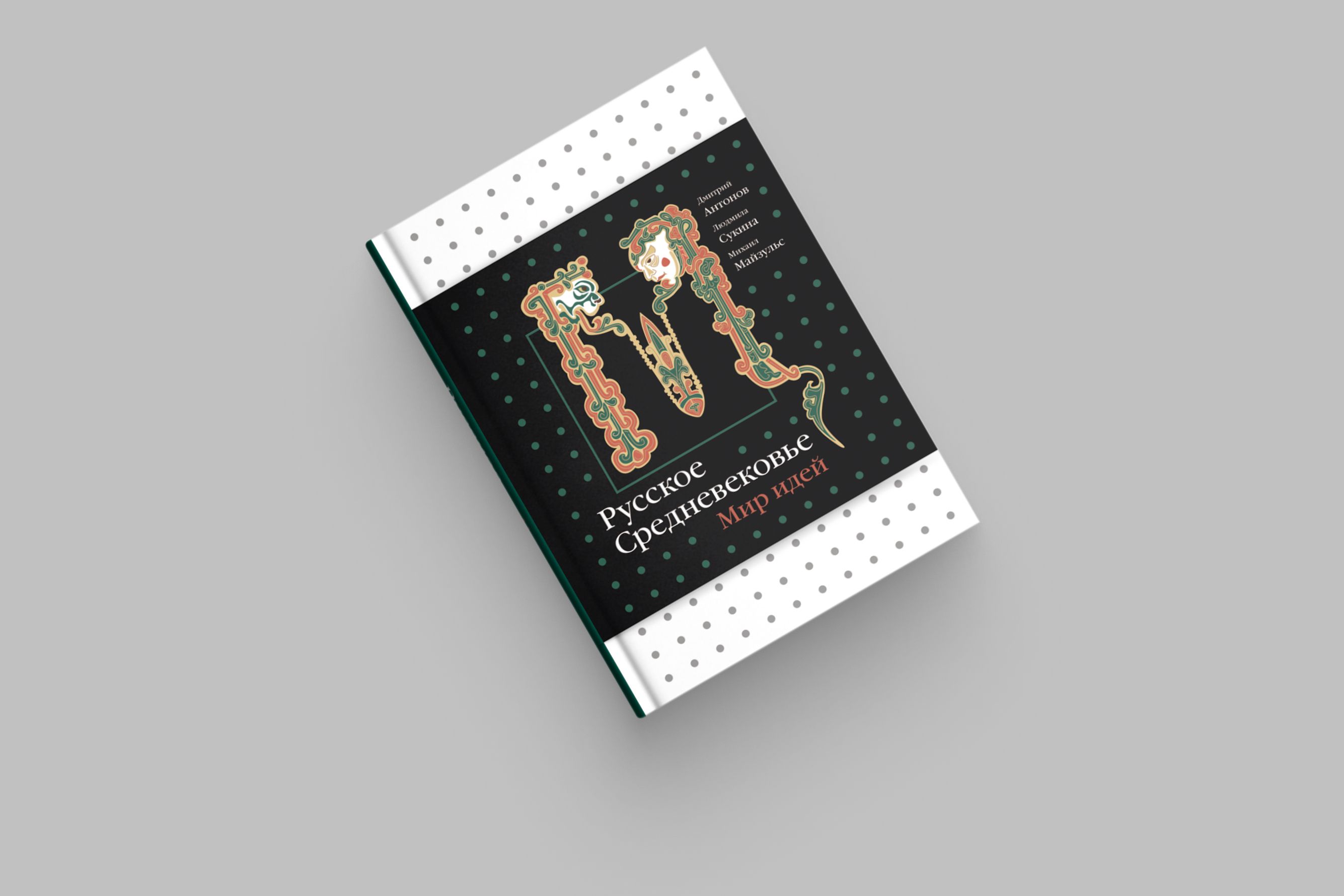
A new book of medical historians, authors of many books about the Middle Ages and Old Russian culture-Dmitry Antonov, Lyudmila Sukina and Mikhail Mayzuls. Researchers devoted their work to the influence of religious and near -religious ideas on culture. They explain in detail, for example, how the arrangement of family, state and hell are related; as they understood time and history; as portrayed angels; What borrowed from Byzantium, and what they came up with in Russia.
The “Russian Middle Ages” is an attempt to show what the ideas of people of that time were: accessible, in Russian and with pictures. In some ways, it resembles the book “Civilization of the Medieval West” (1964) of the medical historian Jacques Le Goff, who first tried to describe the world, as the medieval European saw him.
By the way, if you want to buy the books of the Medusa publishing house, follow this link . When buying our books, you help us to pay fees to the authors and support the publishing project, which is created so that the non -certificate literature is even now available to readers in Russia.
Lisa Birger