
Translated material
In the morgue, under fire
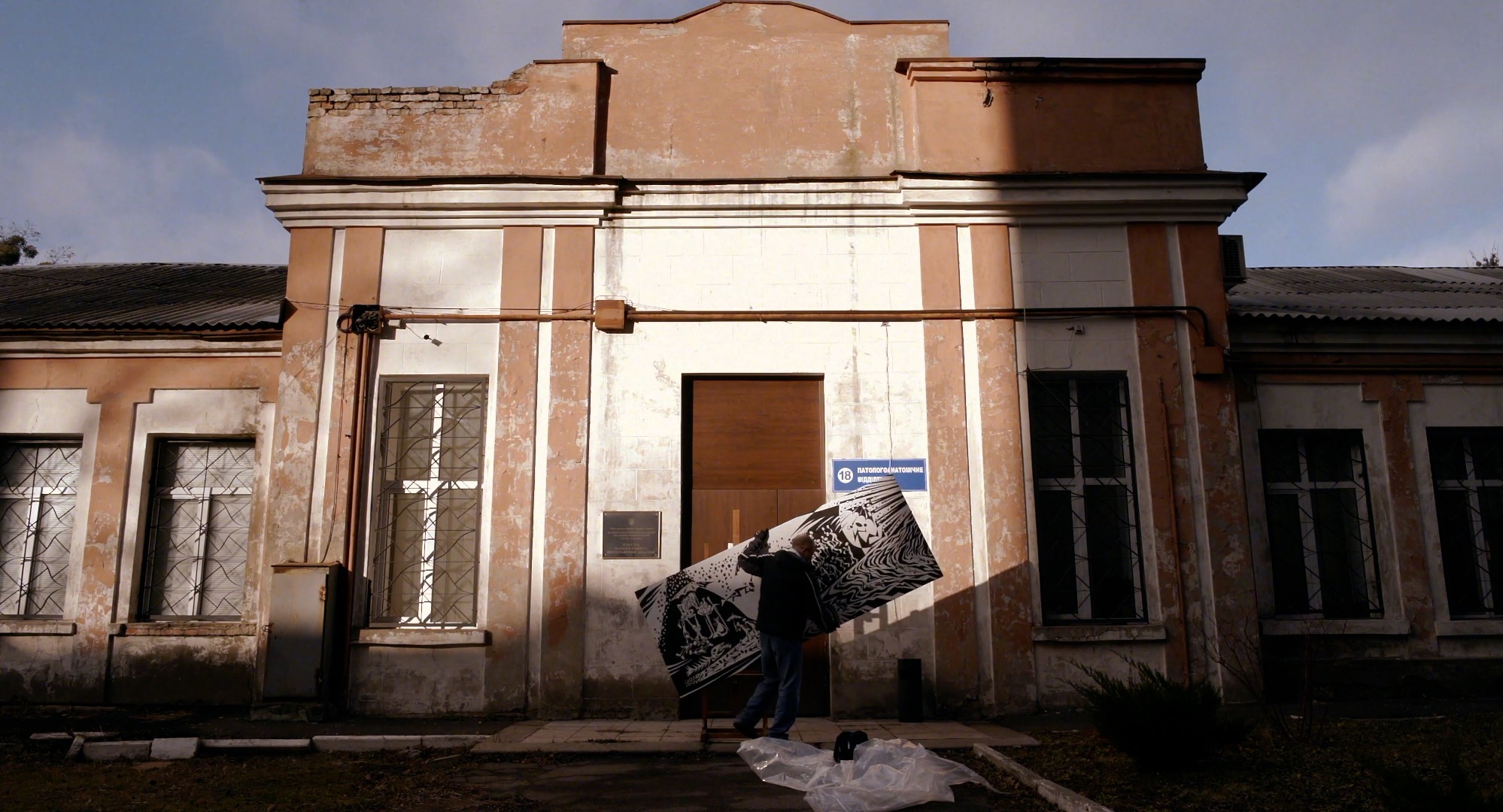
Family archive and relations with loved ones - the main plot of the documentary of Olga Chernykh under the name "Photo to Memory" . This is the history of the Russian invasion of Ukraine, and the history of the refugee family from Donetsk 2014.
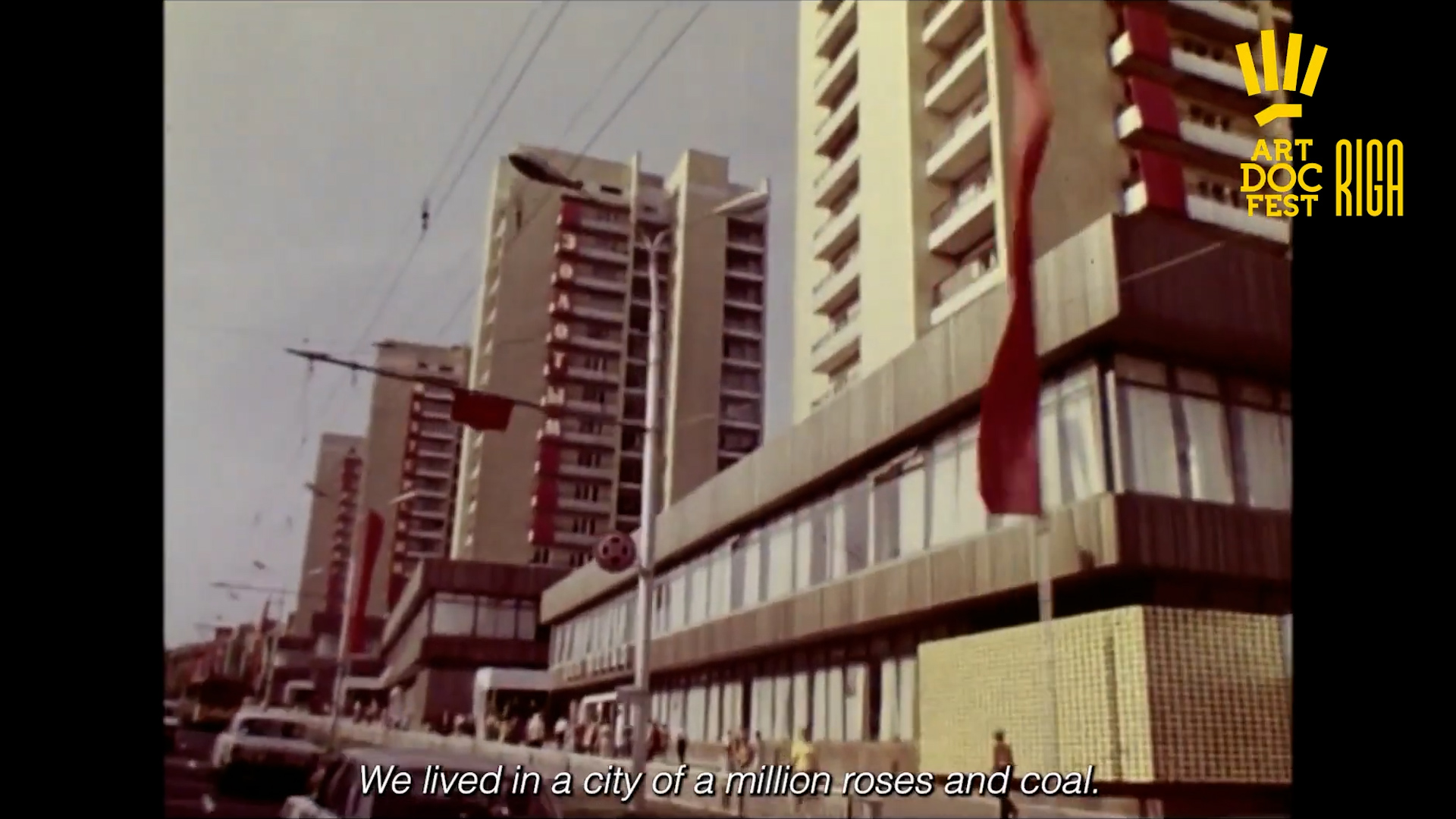
The first night of the war, February 24, 2022, Olga spent at her mother at work, in Kiev morgue. It was safer there, and the film day old begins with this scene. He is full of photographs from the family archive and conversations with relatives recorded by the author. And the film recreates the image of Donetsk, the city of roses and the coal industry, as it was from Soviet times to the capture of the city in 2014. The conversation with Olga Chernykh is recorded at the Festival of Independent Documentary Cinema Artdocfest/Riga .
- It seems that Russia's invasion of Ukraine forced not only you, but also several other authors (judging by the selection of the festival) to reconstruct family stories. Or did you start working on this project earlier?
Olga spent the first night of the war in the Kiev morgue
- In 2019. But, probably, the war made it clear that it cannot be avoided, you can’t just be launched by a background, a background event, but you need to talk about it in a different way. It is necessary to revise your own story, based on what is happening, and to do it very honestly. I had to look at the history of several generations of my family and my country. The war was the trigger.
- Are we talking about the country Ukraine or the country of the Soviet Union? Conversation about the Donbass. Your family from Donetsk. When you are talking about grandfather or ancestors, one of them restored the Donbass after the Second World War, someone fought in the First World War. How did it get?
- Everything was contacted through the family itself, through the concept of "family". I selected the memories that in the film in such a way that they were in one way or another relevant the stories of a huge number of people within the country. We can call this country the "Soviet Union" or "post -Soviet space", because the history of the Gulag, Memory Policy, both world wars - they are inextricably linked with a huge number of people and very different territories.
It was important for me to find these moments in my family, to focus on them and build a narrative so that it covers not only the current period, not only an independent Ukraine, but would talk more than 100 years of our life. Everything is very connected.
-Was someone repressed in your family?
- My great -great -grandfather was in the Gulag, sat for ten years, came from Siberia near Donetsk, to Yasinovataya.
- Is the reason that he was repressed?
The war was the trigger
- Yes. They lived very well. His father was a white officer. It was an officer family, they served the king for a long time, in fact, for this his father was shot, and he himself, after some time, when he had grown a little, was arrested and sent to the Gulag.
- How does the Ukrainian audience perceive the film? You mention that "Donbass people have their own pride." And the question of identifying in your family, as refugees from Donetsk, from a million, blooming city, “City of a million roses and coal”, as far as I know, was relevant before the invasion of 02.24.22: who are Donetsk, the people of Donbass. I met people who were forced to escape from there in 2014. They mentioned the difficulties of how they were accepted in Kyiv or in the western regions of the country.
- This is true. I will not be cunning, there is the complexity of perception, it was associated with a biased attitude. Now they refuse him, and this is a topic for discussions within our country. But I do not think that we are ready for her, especially now. In the 14th year, we were faced with this (my parents, I left earlier): "Well, you are Donetsk." And this is like a stigma, such a biased attitude. Of course, this is not everyone, this is not a "average in the hospital", but it was.
"Well, you are Donetsk" is like a stigma
How does the Ukrainian audience perceive the film? The question is open, in Ukraine we have not yet shown the film, only abroad. And my compatriots, who saw, reacted mainly very positively, did not arise of conflicting thoughts. On the contrary, there was a pretty good feedback that "we do not see the region, we know very little about him, it is good that there is a film that shows him with love." True, we are not a “typical” family from Donetsk, intelligent: doctors and artists.
- The film has an amazing image of Donetsk. And a common phrase that "Donetsk will never kneel."
- Yes, no one will knelt there.
- But according to the context that you show, are planes and shelling, destroyed houses - it is clear that this region has humiliated. Although there is a wonderful archive image of the city-a dancing girl at the World Cup.
“Yes, this is Beyoncé .” Akhmetov paid money for her to come to speak at the opening of the Donbass Arena. I don’t know how much he damped her. Beyoncé is the most expensive performer in the world.
- This image of sex and life, beating from her dance and girls on dancing, is very expressive. And all this show on the Donbass Arena is amazing.
City of a million roses and coal
-It was some kind of phantasmagoria, full of surgery! I remember this show. When we were looking for an image, how to show this part to us, I remembered what was happening there, and it seemed to me a good metaphor.
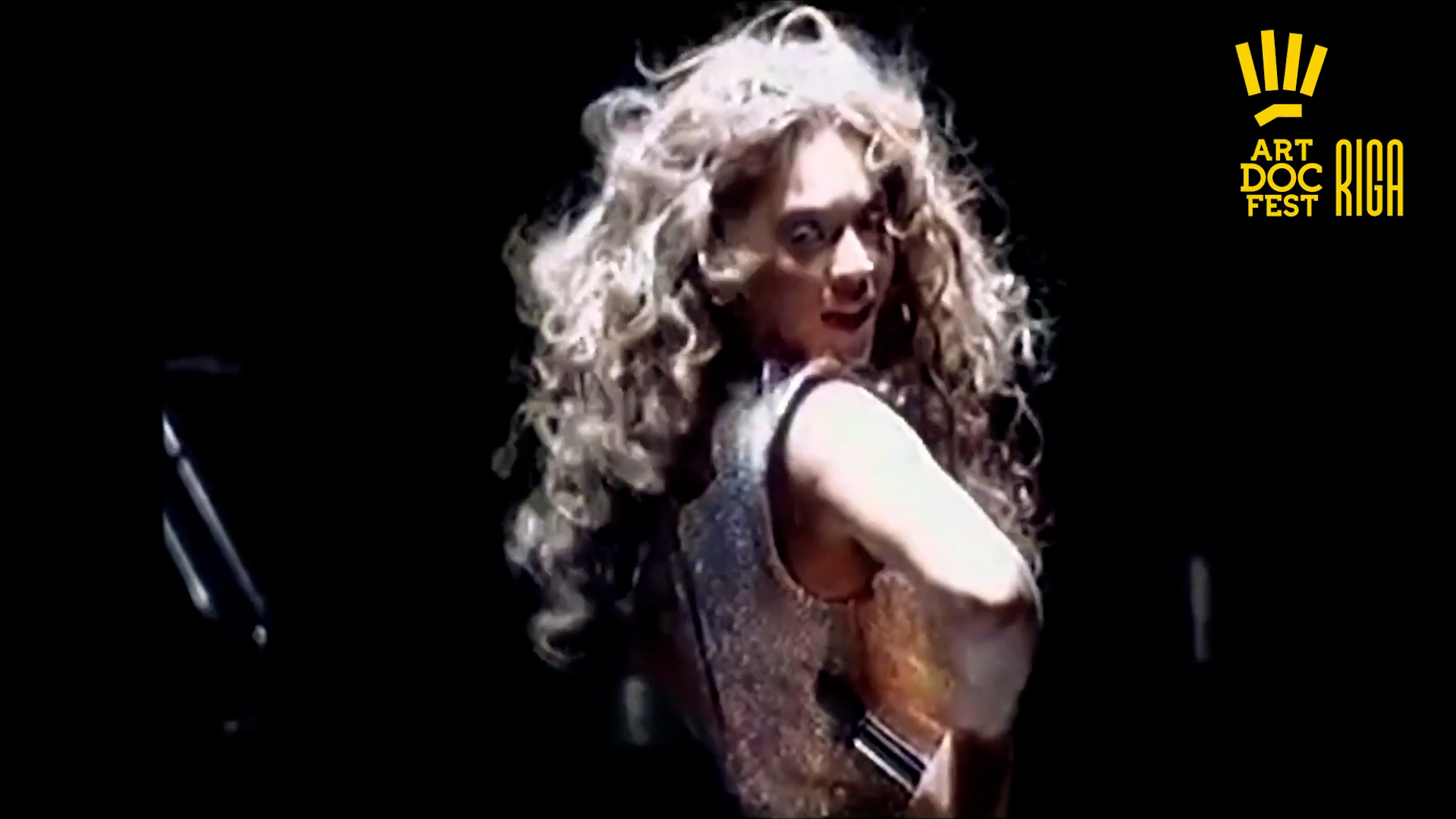
- After the Maidan, huge stretch marks hung in Kyiv: "Rinat, who are you? Decide." He decided. Akhmetov put quite a lot in this region, and used it. I remember his Mariupol projects. As far as I understand, he lost all assets with the beginning of the Russian invasion?
For ten years, Donetsk has turned into a prosperous city
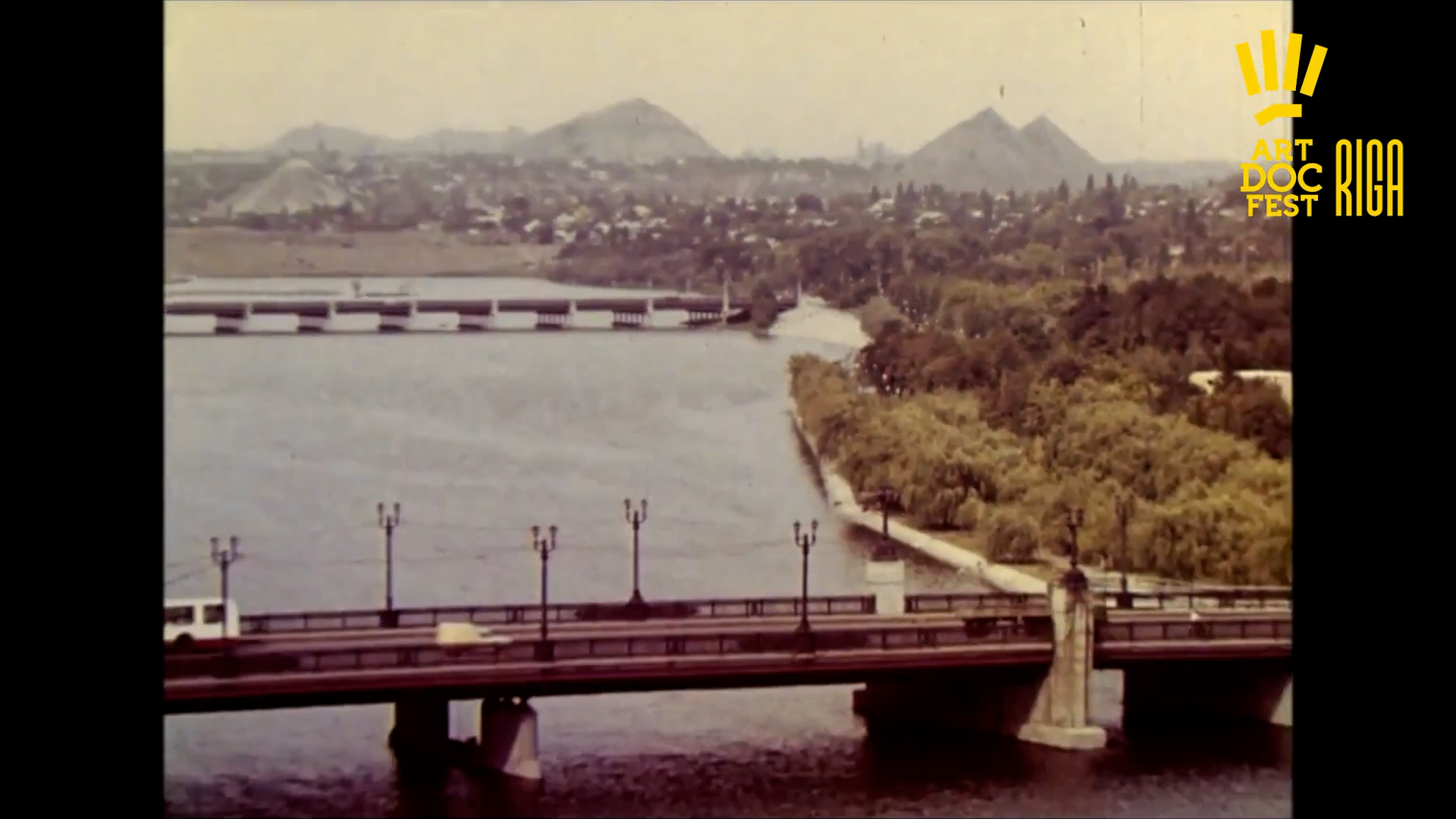
“I don't follow him.” Donetsk as a city was in a sense unique in Ukraine by the fact that the oligarchs and the “raspberry jackets” of the 90s, the bandits who turned into businessmen remained in the city, did not leave. Their children remained too. And at some point they began to invest in the city, wash it, clean, make parks, whiten facades, and spend more electricity. Somewhere in ten years, Donetsk turned into a prosperous city that I am talking about.
This was no longer in the country. Kyiv is too large, it is difficult to cover its scale. In addition, Kyiv has a rather difficult political situation: the struggle for power and so on. And in other cities this did not happen. And the unique context of the heavy industry, and then a huge amount of money that was invested, created pride and unwillingness to leave, and the following attitude: "Yes, we ourselves can. We will build the airport now. We will have the best, the best then."
- There was one of the best East European and European cultural centers - “isolation” , which then turned into a torture prison.
All this collapsed before my eyes
- If there were no 2014, there would be no war, we would now have another city of Donetsk. But it happened. And the reasons are not to me anymore, we will not talk about them. Unfortunately, all this is destroyed, including Mariupol. This is a huge chain that created industry, a huge conglomerate of coal, steel, metal, rental, coke ... This is not one mine, not one Azovstal, these are kilometers of the area of a single industrial complex, which is destroyed to the base.
- I was in Mariupol in 2020. He made a great impression, including how the "hipster" center of the city arose. I was not in Donetsk, but the people I met in Mariupol were refugees from Donetsk. With burning eyes, they talked about the beautiful Donetsk, who were forced to leave.
There was a tragedy of loss of some place
- This myth remained, but people do not believe in many ways. And many say: "What a pity that I did not have time to visit Donetsk." In the film, I wanted to convey this feeling of the city to some extent. I am not saying that I love him, that I want to live there all my life, no. But there is a certain resentment, tug, longing, because it is a special city, although it is heavy, tough because of industry, because of business, because of this rather difficult story.
- Industrialization of the Soviet era.
- Yes. And then the heavy 90s. All this laid out the mark. Nevertheless, development, internationalization, globalization, the arrival of the cultural sector - all this gradually changed the city. New clusters appeared there, their own intelligentsia appeared, no longer Soviet, but new, independent Ukraine. But all this collapsed and fell apart before my eyes.
In principle, other cities fall apart. And in the film, I wanted to make sure that if people in their country know any other city that disappears in any way, it would be some kind of connection, metaphor. We will call him not Donetsk, but Artsakh or somehow. Or spitat destroyed the earthquake. But there was a tragedy of loss of some place, your connection with this place, a great pain that happened due to the event. In our case, in my film, this is a war.
- In what year did you leave Donetsk to Kyiv?
We then thought the hospitals would not bomb
-After school, in 2008 or 2007. I left to study. She graduated from the Kiev Polytechnic Institute, the Faculty of Economics, then- Karpenko-Karoy , and the operator. Then-once again, Karpenko-Karoy, but already a magistracy.
- Parents came to you in Kyiv in 2014?
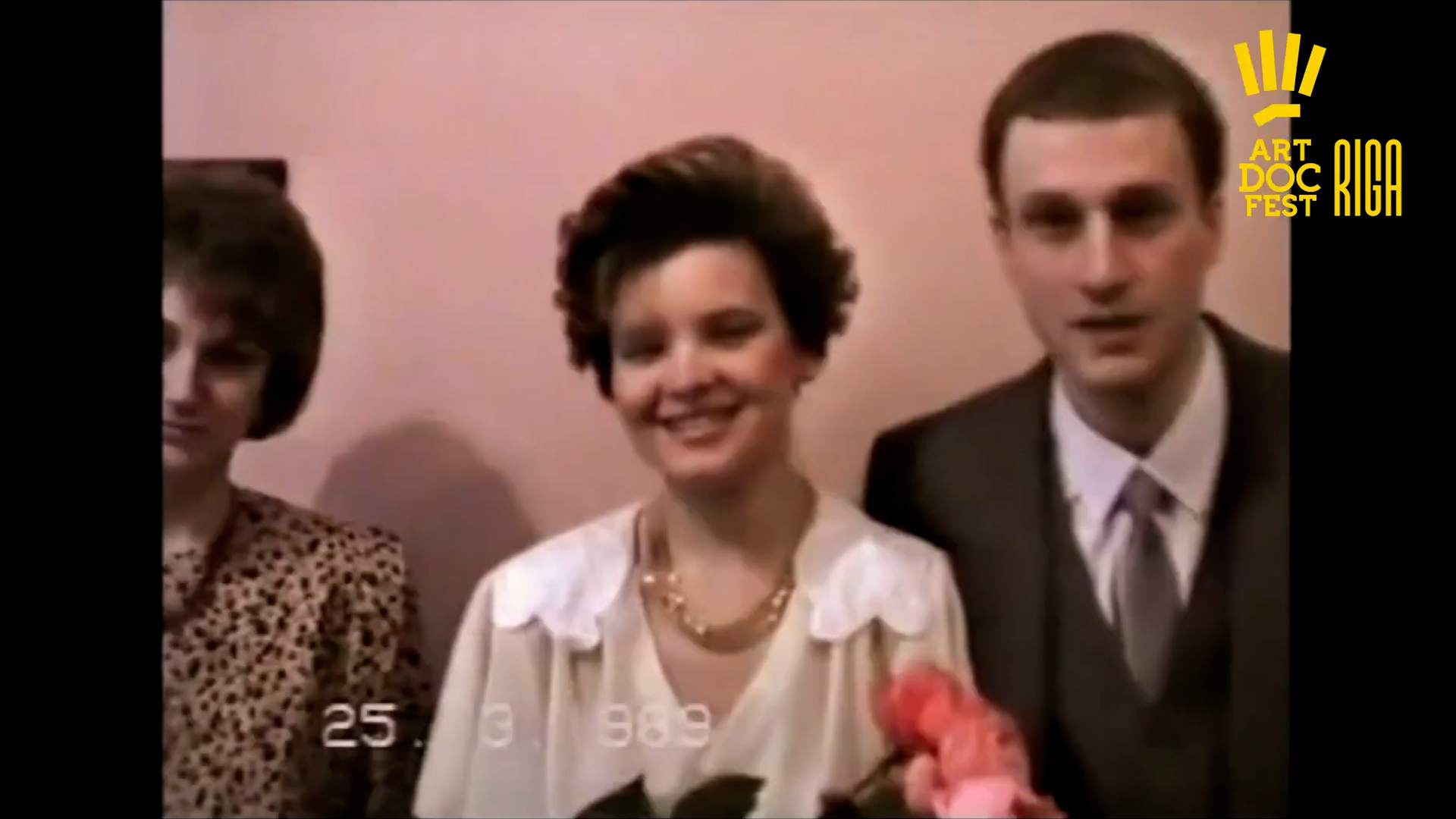
- Yes. Dad gathered in the summer, and mom did not want to leave until the last. But in the end, dad and I persuaded her.
- Part of the action in the film takes place in the Kiev morgue where mother works. Where did she work in Donetsk?
We had a "lux" - basement
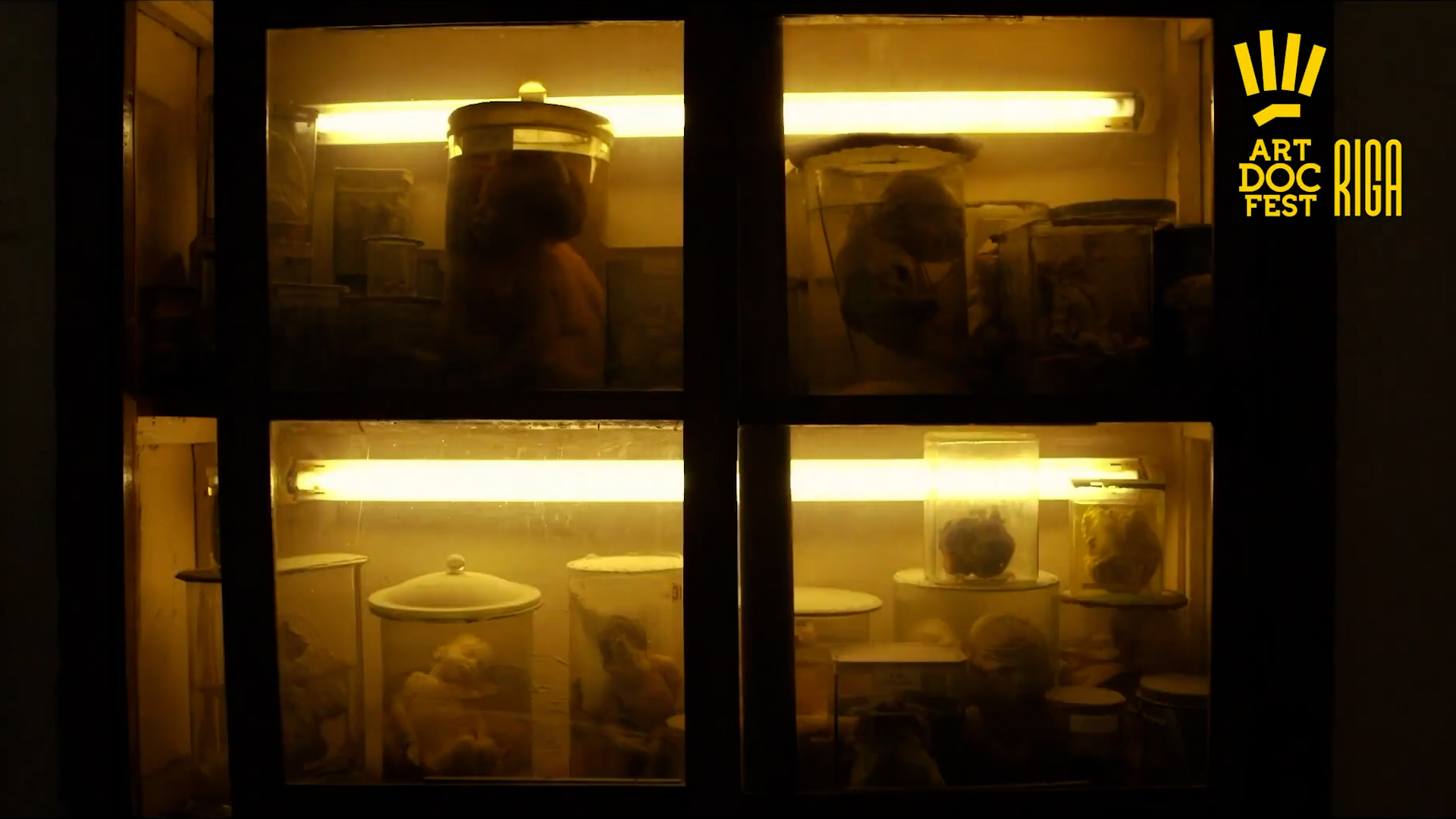
- About the same place. This is the city morgue at the hospital in Kyiv. But, since mom is also engaged in pedagogical activity, she always combined: both in Donetsk and in Kyiv. When I looked at her in 2019, starting to make a film, I thought that this is an identical place in which I am, and even the same is located: there is a department, there is a morgue, here is a hospital. She always had it like this.
- Paradoxically, the morgue turned out to be the safest place for you on the first night of the war. Bombing of Kyiv on February 24–25, 2022 did you spend with mom at work?
- Yes. The war began, and I thought: we must go somewhere. And they have a good building, a hospital, there is a concrete basement. There is water, there is electricity. We gathered and went. Hospitals, as we thought then, will not bomb, they will not capture either: well, the banal thoughts of a civilian person.
- As can be seen in Mariupol, it was exactly the opposite.
It is necessary to be afraid of the living
- Exactly! But at that moment we had ideas about some kind of humanity. Everyone went to schools, to universities, to hospitals. And we had a "luxury" - a basement. This is a hospital in which there is a children's department and a building nearby, where a basement in which there were small children. And we were in the basement, where exactly a refrigerator with deceased, well, the children there are not good, because it is a little buzzing.
And I was very calm. My mother and I joked: if that, we open the refrigerator, we will hide there.
- Judging by how much time you spent at work at work, you had nothing to fear: if you spend the night in the morgue ...
- That's what is there, I'm not afraid at all. There is nothing to be afraid of the dead, they will no longer do anything to you. It is necessary to be afraid of the living.
- And it turned out clearly. How long did you spend there? Was there a father there? When did you leave Kyiv? Where is mom and dad now?
- We deliberately made the film ...
- To avoid this?
- Yes, because it is a rather complicated logistics. For about a week we stayed in that basement. And then I decided that I had to leave Kyiv, because there was already a completely tense atmosphere. I left, and my mother stayed, flatly refused to leave.
- And what was her motivation?
I do not want to throw my house. Where will I go?
- In that state, it was difficult to probe motivation. Well, the second time in your life there is a tragedy, and you need to make decisions that you could not make then and cannot be taken now. For her, it was very difficult and traumatic. As a result, after some time she also left. Just the buch was already occupied, Irpen was very bad. And she left, we persuaded her. A fragment of the rocket hit the building: he didn’t hurt him much, but psychologically it worked, which also flew here.
- She left for Europe or Western Ukraine?
- To Europe. And I also left for Europe.
- And the father?
- Also in Europe. He left after 2014. I left for him. And my mother, accordingly, at some point also came to us, and then, after a couple of months, returned. She lives in Kyiv, works exactly in the same setting that is shown in the film, with the same people. In fact, everyone returned to the state to: who, where, how and what they are doing.
- My Kharkov acquaintances and friends returned, I am struck by this decision.
-Kharkov is still a front-line city. Yes, many have returned. People who are in the film are all in Kyiv now.
- Another powerful character of your story is your grandmother, who remains in Donetsk. She didn't want to leave in the 14th year?
- Yes. Elderly: "I do not want to throw my house. Where will I go?" She still works in a antenatal clinic, and before that all her life was a gynecology factory.
- She says that the blows broke the windows, she changes glass. In general, she is the most fun and persistent in your family. She talks about shelling from which side? Or is it not clear whose missiles fall?
This is a mutual desire to save each other
- It is not clear, because there is an exchange of blows on both sides. Given that Russian artillery and technology are very inaccurate (we know this, because we have many confirmations, what and where it falls), it is very likely that it can be Russian missiles. And we know many cases when Russia specially shot around the city, thereby provoking a certain mass media reaction.
- Talking on Skype, you do not ask political questions, a conversation within the framework of a family narrative: who feels how, what a mood. The viewer understands that it is behind the question about "your mood", but this does not speak. Did you follow this? How to avoid a possible conflict and reproaches that "you, mother, have not left", "you abandoned me," - in that spirit?
- This is a mutual desire to save each other. I have a difficult family situation, and my grandmother is the only person who holds family members, communicates with everyone. All are scattered in different places, and, thanks to her character, attitude to life, she continues to maintain a connection with everyone. Through her there is a feeling that there is still a family. It does not provoke and is not conducted for provocation in conversations. Of course, acute topics are sometimes raised, but my mother and I are trying to smooth it as much as possible.
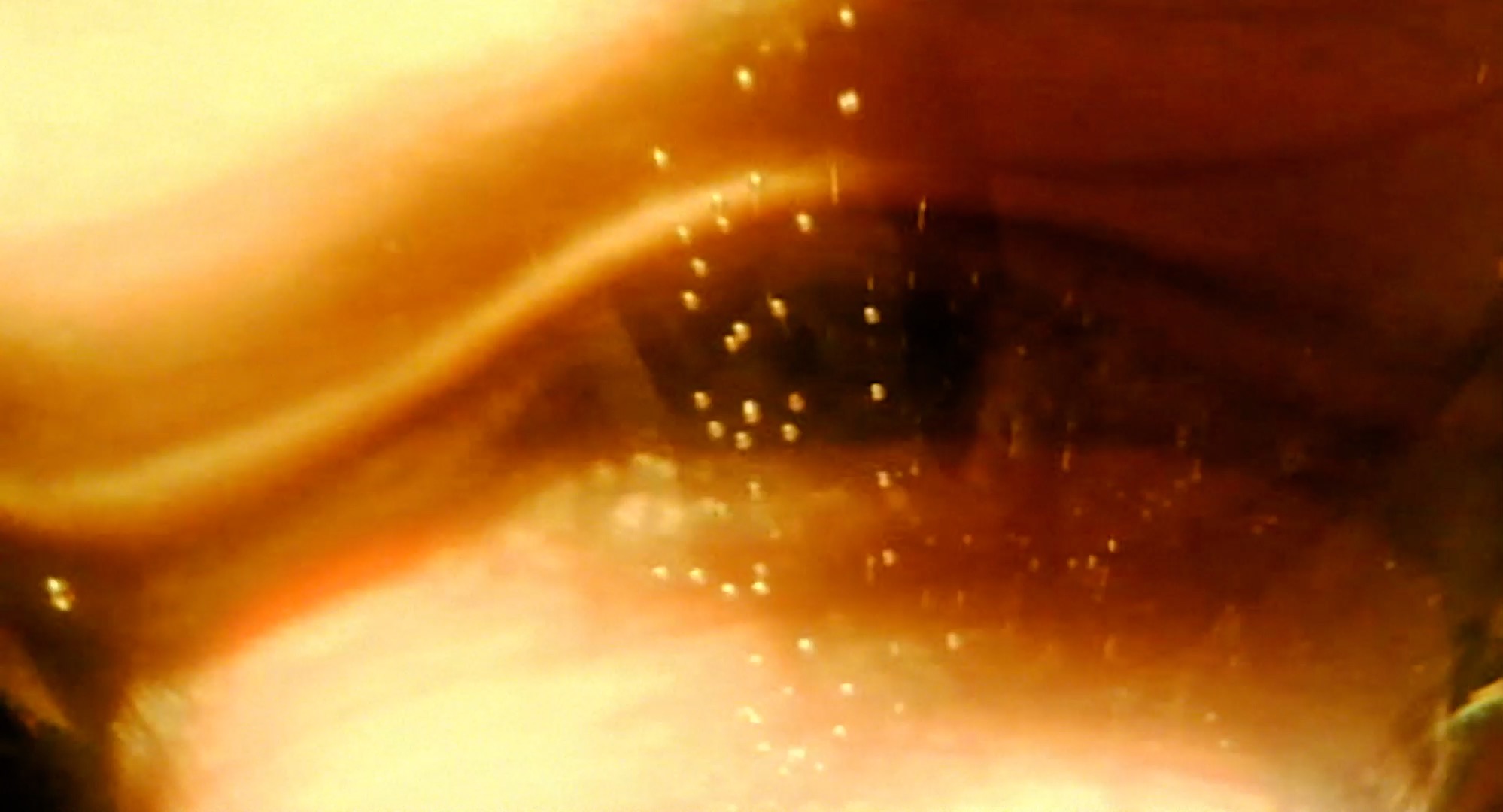
- I saw quite a lot of filming the beginning of the war: the night of February 24 in Kyiv. But you did not see the way you start. This is a huge luminous ball over the city, which ends with an explosion. This makes a terrible impression. Where did you find these frames?
I collected an archive associated with Donetsk for a long time
- These are shots from surveillance cameras in Kyiv. I also saw a lot of personnel and deliberately tried to find either something that I did not see, or something that is indirectly creating a feeling of huge grief that is falling on us right now, at that moment. In addition, I needed a contrast with the history of champagne in the morgue.
- This is a bottle that you opened that night. Mom remembered that she had in the refrigerator ...
-Yes, someone gave them, as always, he brought the doctors a bottle of good champagne. And she is: "When, how not now?!" We drank more than one, I tell you about one. We opened a jar of red caviar, which stood in the same refrigerator, in my opinion, from the new year there was an undisputed one. They ate fried potatoes with red caviar and drank, as I remember, Rose. Well, it was, of course, not champagne, but some Italian Prosecco.
- And after this almost animated scene, when shooting goes through champagne (we do not see people, only hear voices), there is the beginning of the war with surveillance cameras. And then the visual image of Donbass, Donetsk.
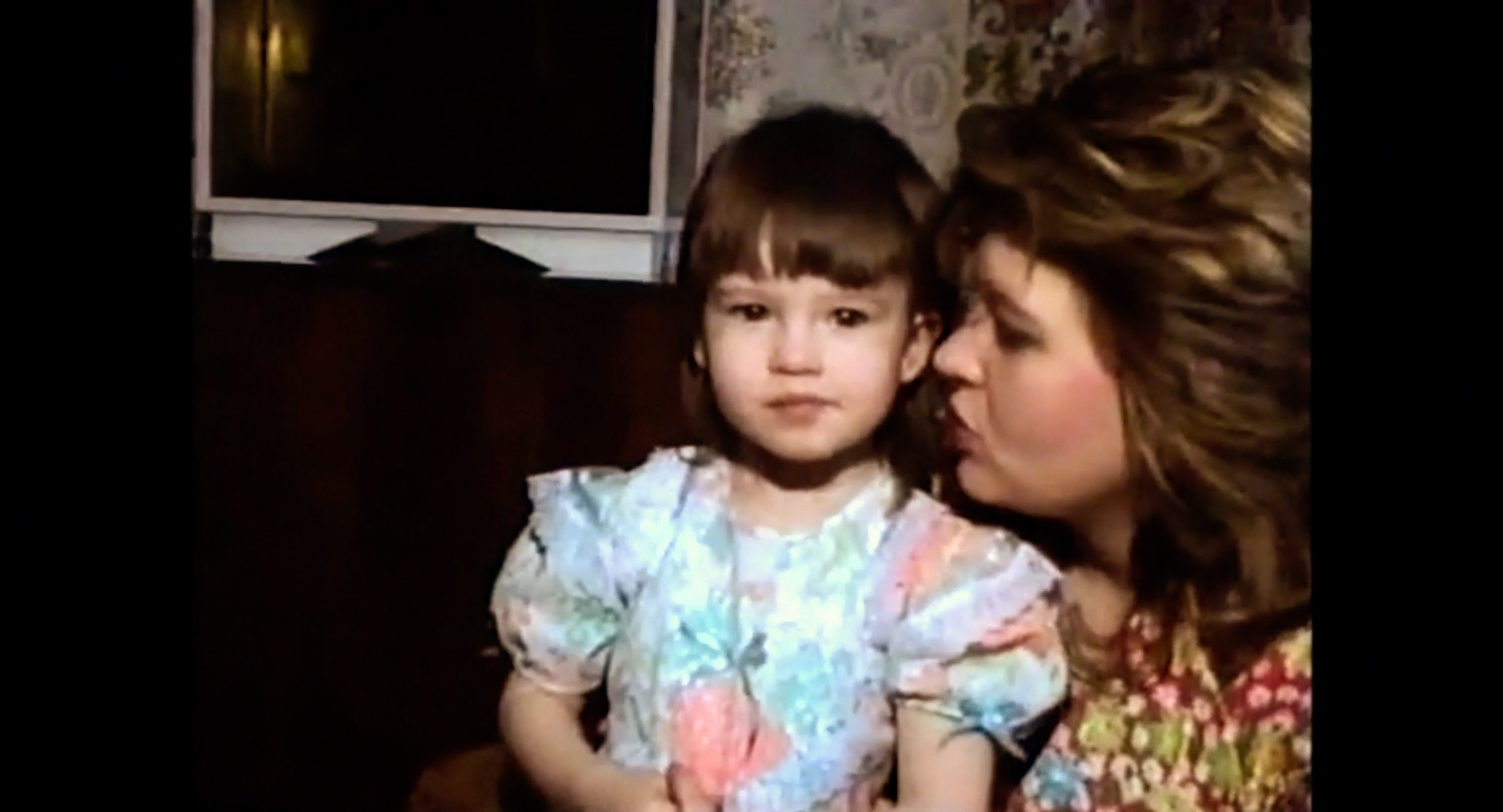
There is a lot of archive in the film, and this is not only your family archive, where both the grandfather, grandmother, and the wedding of parents, and your birth, but also the city archive.
- I collected the archive associated with Donetsk for quite some time. A few years before the war, probably even before I began to make the film. I don’t know where to find some personnel that are in the film now: I tried to find them on the network again - they are not. This applies to military personnel. I was looking from the "DPR", from the separatists, from Russia. These channels are either blocked or video deleted and cleaned.
It was relevant in the second world, and now
There are many archival personnel, mainly Soviet times, the Soviet chronicle. There is a film by Dzigi Vertov "Symphony of Donbass", shots from there. And it seemed to me pretty iconic. This is a kind of dialogue that I like to lead with the viewer. This is the final song of Vera Lynn . If you are in the know, then build another parallel to yourself. If not, then this will work at a different level.
In fact, this is like the second anthem of Britain, the song of Vera Lynn from the Second World War. It was a number one hit. Under her, the soldiers, perhaps, did not die, but she sounded from everywhere, from each reproduct. The lyrics of the song is crazy, very lyrical. And for me here the historical connection of these wars: it was relevant in the Second World War, and now it is relevant.
We searched for a long time, thought. Это связано и с правами на музыку. Хотели написать что-то оригинальное, но не работало. А тут такое исполнение с оркестром, с мужским хором, очень поднимающее настроение. Это запись 1944 года. А впервые она спела эту песню в 1942 году. Когда у меня была премьера в Амстердаме, я разговаривала с несколькими британскими журналистами, и, конечно, первый вопрос был про эту песню. По-моему, она даже звучала на похоронах королевы.
– Всё начинается с того, что вы открываете архивный фотоальбом, который родители привезли к вам в Киев: 2014 год?
Трагические события, к сожалению, повторяются
– Да, папа привез. Это такие папки. Сцена с множеством фотографий на листе – это папа решил так организовать нашу память: подписано, структурировано, расписано по семейным линиям. Я думала: как мне это использовать? Дальше начала копать, искать материалы и выяснять. В фильме я смешиваю историю обеих линий: бабушкиной и папиной. Мамина и папина линии тоже смешаны, истории идентичны. Трагические события, к сожалению, повторяются: и тут расстрел, и тут расстрел; и тут ГУЛАГ, и тут ГУЛАГ; и тут биографию меняли, и тут меняли. И вот эти параллели натолкнули меня на то, что именно такие, одинаковые моменты нужны мне в фильме.
Podcast "Babylon Moscow" can be listened to on any convenient platform here . Subscribe to the podcasts of Radio Liberty on the site and in the studio of our podcasts in Telegram .