
Translated material
30 years without Kurt Cobain
For which we value the soloist Nirvana and why we do it wrong. The musical critic Nikolay Ovchinnikov argues
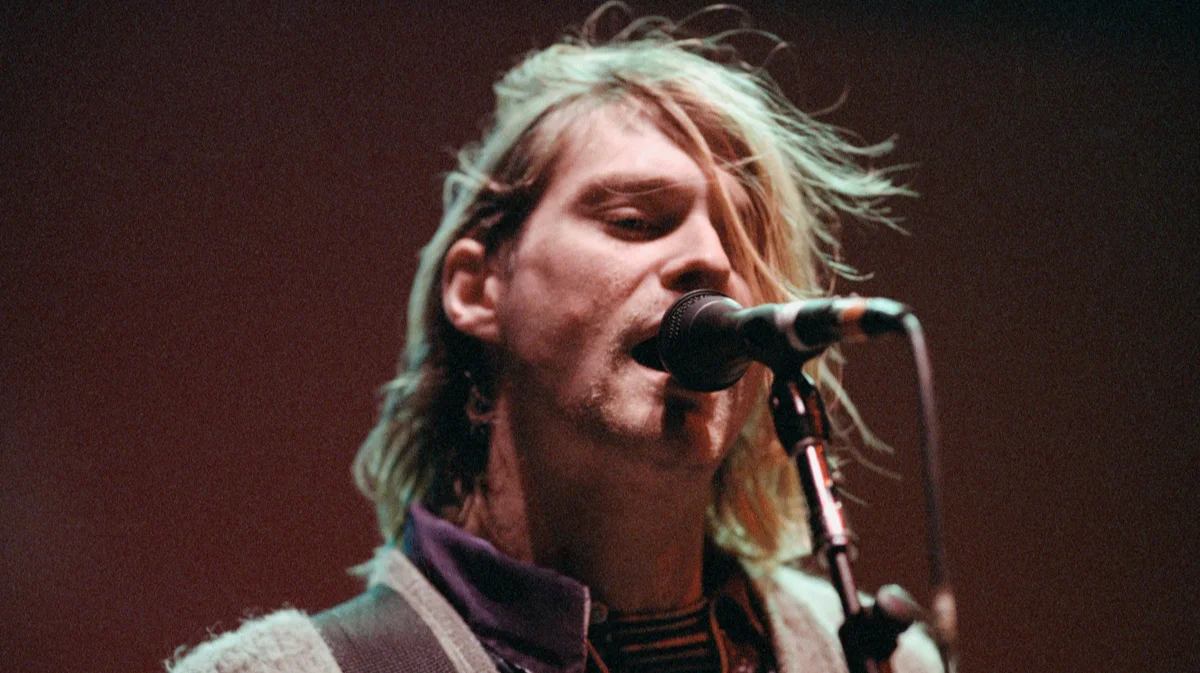
Kurt Kobain at the concert of the Nirvana group in the state of Minnesota, USA, December 1993. Photo: Andy King / Sygma / Getty images
When was the last time I listened to Kurt Kobein and contacted his legacy? Just yesterday morning. I was driving in a taxi, and on the radio I played some crazy mix from the post-grange-veterans of the nineties of Stain, Australian retro-rockers from the zero The Vines, Lana Del Rei, Hip-Hop-Hop-Hop-Hop Snow-Brush and Indie-Rroke-Snroaches of the twenties Snail Mail. All of them - yes, even Lana Del Rei - most likely, would not have taken up music if Smells Like Teen Spirit would not have appeared on September 10, 1991, if Cobain did not dare to record Nevermind if he had not been born at all.
Cobain is a rare musician who does not become obsolete either aesthetically or ethically. And, probably, the second is now even more important than the first. Cobain despised gender stereotypes-and it is not only about a dress on stage and friendship with punk performers. He contrasted the hairy rock of the 1970-1980s, which pestrated with toxic masculinity, music of a completely different order-more vulnerable, more feminine, sympathetic to everyone and for everyone, despite his external aggression. He directed this aggression towards homophobic laws and sexist stereotypes, eagerly : if you are for this, we are not on the way, leave us alone.
And he added : "I am not gay, but I would like to be them to annoy the homophobes."
He showed that to lose, stumble and admit his defeat is sometimes much more important than continuing to pretend that you are on a horse. He helped to reach a large scene of the whole generation of losers from Rock: people who have lived in poverty and hopelessness for years, suddenly found themselves with the contracts of large labels under the arm and clips on MTV. If necessary, he put on a T -shirt with the cover of a good album to help the author.
Cobain was always ready to give in to others and give them a voice. This is probably why Nirvana cannot be considered separately from everything else that happened in 1991 - they were simply louder and sharper than the rest. But that year was the last great revolution in the world of music, when the Lrasers, renegades, lazy people, gouges and other heroes of the generation X (also the term, glorified in 1991 by the Roman of Douglas Copland) unexpectedly began to rule the world. Alternative rock, grunge, new metal, trip-hop, Fank-metal and other fractures of the musical world, waiting for a long time, knocked out the pan cover so that everything that was before was sewn at once.
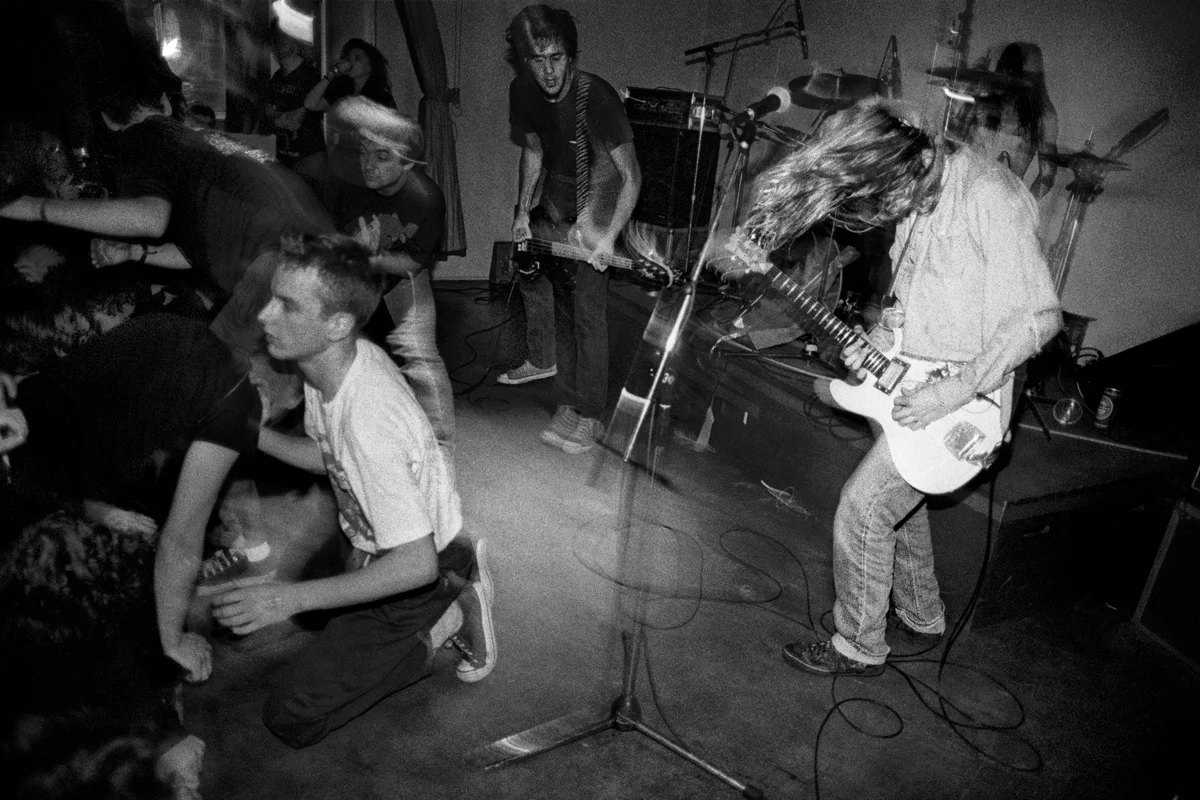
Russian music also lives with Cobain in the shower. Grange and an alternative as a whole, which Nirvana pulled up, became a base for several generations of our musicians. “Himire” and Noize MC, Tequilajazzz and Lumen, Psyche and Pharaoh, Little Big and Three Days of Rain - all these people would hardly become those who are, without cobane and his music.
Another thing is that we have lost ethics for aesthetics. Nirvana and its main hits in our country (and not only) were often understood as well-made very loud music-pop music at maximum volume (Nirvana at the same time possessed proper self-irony and themselves reminded of the pops of their hits). What is sung about there does not matter.
Like many, I built personal relationships with Nirvana music, and for me, she, too, for a long time, was a way to loudly break in my soul and not think much about words. For me, it was also music that I appreciated not for the unity of thought and sound, but simply for endless and frantic aggression. And this was a big mistake that was subsequently corrected, but many did not correct.
For many, the ethical heritage of Cobain is separated from the aesthetic, and the latter is much more important to them, and they ignore the first.
This aesthetic heritage of Cobain is also used by those who do not believe that equality, non-power and inclusiveness are something important. On this heritage, those who can maintain military aggression or beat women and not support those who are vulnerable parasitize. On this legacy, everyone parasitizes in a row. Cobain showed that you can be vulnerable and vulnerable, but many perceived his music as an opportunity to be just loud, aggressive and shameless (in a bad sense, sometimes loss of shame is a very useful activity).
But on the other hand, we do not have a monopoly on his legacy. Cobain, like any dead and shut up forever, does not belong to anyone - he belongs to the world. And in this world there are assholes, freaks, criminals and just unpleasant people. They also have the right to this heritage whether we like it or not.
But to try to read the texts and study his biography is still worth it.