
Translated material
Apocalypse in the underground "tunnel"
The new thriller Yana Wagner came out. This is a gloomy thought about the social structure of present Russia
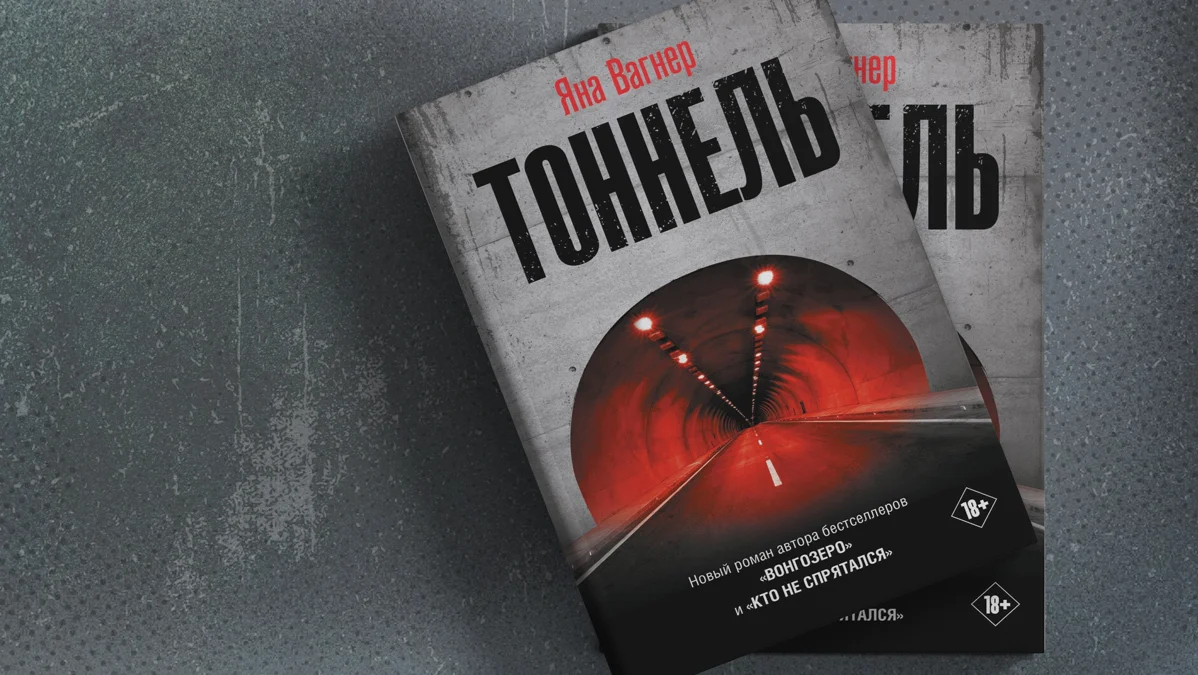
Illustration: "New Europe"
“Tunnel” is a Moscow apocalyptic novel. This specific suck has already become (and, alas, unsuccessfully) very popular. From the first pages, Wagner locks the action of the book in the north-western tunnel, laid under the Moscow river near Silver Bor. The tunnel is blocked on both sides with concrete gates and metal lattices: a mechanism created in case of a nuclear strike or biological attack worked. And, it seems, there really was a disaster at the top - no one is in a hurry to rescue the “hostages”. There is no connection with the outside world. The supplies of food, water and medicines are limited. And oxygen threatens to end even earlier.
Perhaps you should not expect conceptual insights from a novel. Almost the entire genre anti-utopic literature translates similar meanings, only in different ways placing accents. Wagner is unlikely to tell her lovers (and simply politically savvy readers). And yet the novel is interesting. First of all, how very dissimilar people interact in it, by the will of the occasion, which are in a closed space and trying to find a common language with each other.
Describing the canvas of the “tunnel”, it is difficult not to recall Ivan Filippov’s novel “Mouse” (Freedom Letters, 2023). Both there and there in the center of the plot Apocalypse. Only in Filippov it is effectively smeared in capital's locations, and Wagner, on the contrary, is concentrated. Both books ask for a screen. Reading the “tunnel”, sometimes you catch yourself on the feeling that you are dealing with the script of the mini-series. Both novels are about communication. But the “mouse” is an amazingly kind book about empathy. Therefore, it is concentrated on several main characters. The “tunnel” is tougher, more restrained and more analytical. Personal destinies and psychological intricacies are not too interested in Wagner. Rather, she draws the “panorama of society” with characteristic character characters.
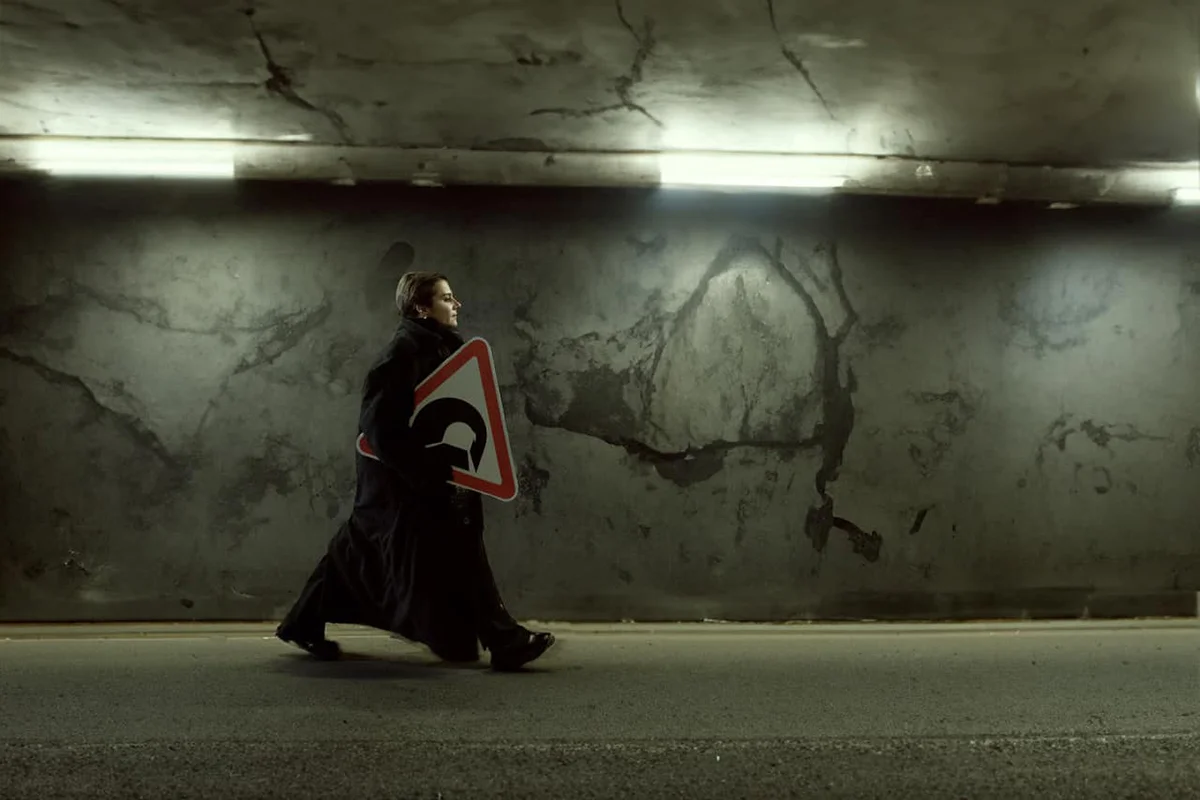
There is a decaying family of a brushy and cold opposition journalist Sasha, a strongly drinking non-earnest engineer Mitya and his teenage daughter from his first marriage. In the neighborhood in UAZ Patriot, a rude and ingenuous family of Patriots was located. Its head is a “candidate from the people” with all the pros and cons. The uncle is sincere, but his style of communication for an amateur: “ Yes, say so - pissed,” said Patriot. - Pick up, girls, we will figure it out without you. Yes, glasses? “And he laid a heavy wet paw on the Mitino shoulder .” There is a timid dentist, which, of course, pile the duties of a universal healer-rescue. There is a painful priest in Lexus, neglecting the help of a neighbor for the sake of saving his own soul, an elderly professor from the Caucasus, labor migrants from Central Asia and Donbass, Majora, the echoing mother and her child with special needs.
In a police car, a young lieutenant, who is thinking about his instinct of submission to any teams and exhausting through a carefree beauty from a neighboring convertible, throughout the book; a pot -bellied captain, specializing in abuse of authority; The beaten arrested who, after the expected escape, will be a psychopath and a brilliant manipulator.
No less danger comes from the status car in the tunnel. In Maybach, a fantastic four lives-a brisk and cynical “official”, a hem driver, a guard and an elderly, through the sick, but by no means a Chekist’s ambitions. He instantly matures a plan for managing a crowd, which his assistants should be realized. The idea of the boss, of course, is amazingly inhuman and woven from fine self -interest, pathos of the Great Mission and the complete lack of values. Needless to say, the future performer of this role in the series, in order to better feel the image, will have to revise many “lessons of history” and “direct lines”.
The “tunnel” is more like a serpentine. The fractional narrative consists of a series of plot turns. It will not work out, but getting confused in a constant change of tasks and the Czech of the characters is easy.
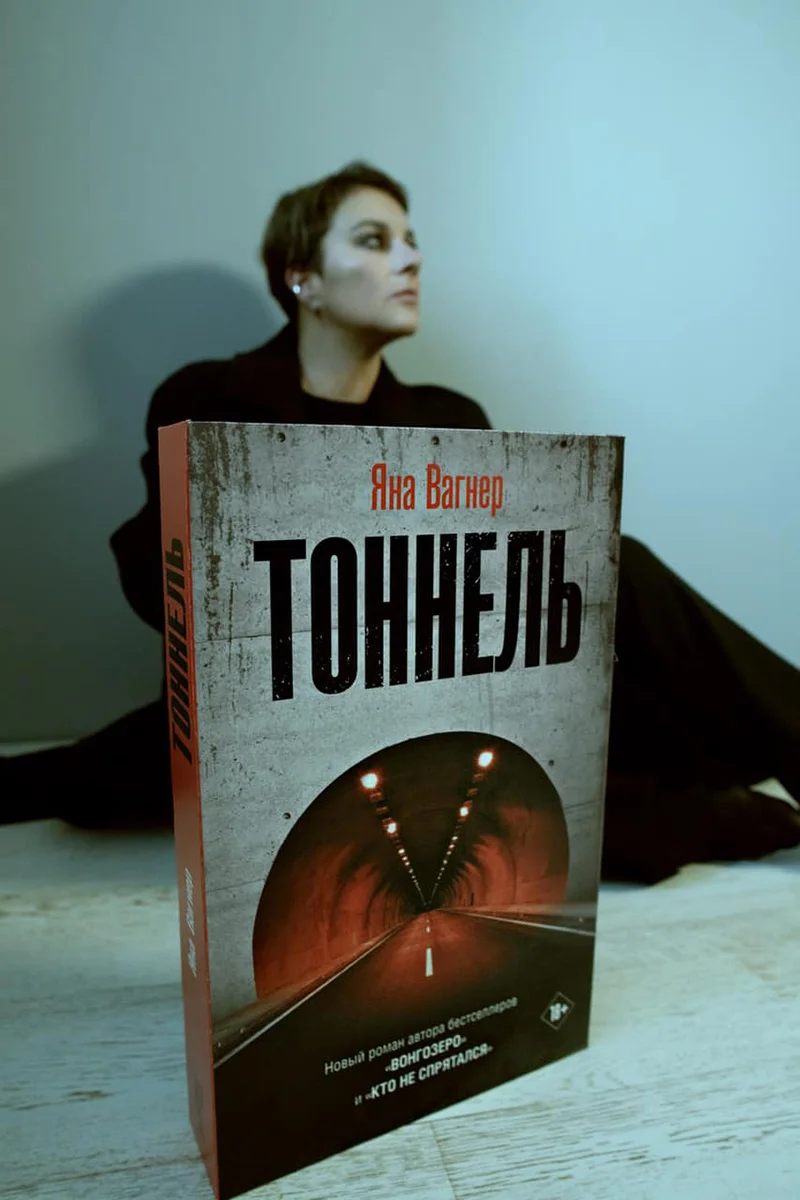
In the chaotic world of normal heroes, two actually similar “passionaries” - “official” and psychopaths are driven from opposite sides. The first is selflessly striving to implement the bossy plan: “And you take control of the situation,” said the yellow [elderly Chekist] sharply . - This is your work. Panic should not be allowed under any circumstances. You can manage the situation only on condition that people are able to hear you, and you need to make them listen. They begin to worry and ask questions only if they are not busy with anything, so find them a lesson. People are simply arranged, and if you give them an explanation, any, they will accept it. No one wants chaos, this is an unnatural state, everyone needs a plan. ”
The reader is tormented by curiosity that it was the "serviceists" that started. At first, the attempts of the “officials” to impose on citizens the rules look irritating, but relatively harmless. However, then she has armed reinforcements, and it becomes clear - the jokes ended and bloodshed cannot be avoided.
The second “wedge” is the very runaway psychopath that is the main “oppositionist” for the Chekists. Understanding that he has no chances to fit into their “their” society, he is trying to create an alternative and collects a detachment of Muslims who build barricades and block access to water for “fellow citizens”. The confrontation of "passionaries" strengthens the structure of the book, simultaneously turning the novel into a political one.
The reasonable question: how are two services (the “grandfather” is dressed in a totalitarian fog and does not get out of the “Maybach” to the finals, but there is no sense from the driver) and an unpretentious fugitive criminal can be forced to play by their own rules? But the tunnel "residents" obey them with amazing ease. Partly because antagonists offer a plan and a collective action. Both are ways to saddle fear. But a significant role is played by the inability of the heroes to unite on their own.
The nuances are important. The novel begins with a skirmish of migrants, a taxi driver and a truck driver, which none of the witnesses intends to separate, and the patriot accompanies the spectacle with remarks: “Let them understand, Churbani” and “Yesterday they drove on the pieces of heating.” Household chauvinism is a trump card for a psychopath, which in the middle of the book provoke a conflict on national-religious grounds. It will be just a taxi driver from Uzbekistan to assist: “they called him“ you ”,“ drove ”or just“ hey ”, they plopped into his car without greeting him, and clapped him on his back like a horse ... They were late for twenty minutes or did not go out at all, forgetting to cancel the challenge ... They vomit in his back seat. They squeezed their failed women with him and kept any conversations without lowering their voices ... As if he was not at all ... they gave low grades and wrote bad reviews. ”
Or the worker from Donbass is trying to help the mother of the child with special needs: “ Don’t worry, mother,” he said good -naturedly. - Well, the kid will renew, nothing will happen to him. Let's show the road. We will deliver in the best possible way, I have a younger brother the same fool . ”
The doctor asks a pretty woman to bring water for a wounded teenager from a wealthy family and hears: “They think they can ... go to red, people to press at the transitions ... Daddy will still jerk off. Let him let him daddy and brings him. ”
Heroes constantly turn to persons, but to social templates. It is no accident that Wagner emphasizes that the church cassock, the police form, the role of the “doctor”, which is obliged to save everyone and immediately, finally, the power manner of the “officials” set the corresponding tone of behavior. The same applies to the “migrant”, “taxi driver”, “major”, “disabled person”. Roles are automatically embedded in the hierarchy and determine communication. In this sense, the scene is indicative when the “little Doctor” still unknown to the crowd tries to draw attention to the dying teenager, but loses competition for the “official”: “ The problem from the very beginning was precisely in this - his words did not have enough weight .” In order to later “outweigh” the already recognized doctor, the “official” drops his status: “... but you seem to be a veterinarian? And, no, I'm sorry, I forgot, you are a dentist. ”
Supplying and depreciating each other, citizens, on the one hand, create an atmosphere of distrust, preventing them from consolidating, and on the other hand, they allow the authorities to enter with them the same way and enter their own abstract model. “ You see, people for the most part do not want to do evil ... ” the professor argues. - If you ask them separately, everyone - they will want good, almost everything. Be sure to start someone, understand? .. Deceive them, confuse or scare ... to give them a weapon, show the enemy with a finger. And this one who started is always more to blame. Or even this one is to blame . ”
This is the central thesis of the book.
The problem is that the only culprit (be it an elderly Chekist or a smiling psychopath) is simply the most radical bearer of the same neglect of a living creature who lives in a small dose in everyday, familiar models of perception and behavior.
This is what the society makes vulnerable to the radicals on the throne or on the barricades.
Closer to the end of the “tunnel”, when the forces are already at the end, the authorities are also gradually “humanized”. The exhausted, swollen official, almost fainting from a headache, contrary to the growing pressure of the “leadership” is no longer able to command the crowd. Disappointment in the “system”, which denies its own personality, pushes it towards the internal transformation: it becomes softer and is even imbued with sympathy for others.
The Chekist from the omnipotent “scurry shuler” turns into an embittered weak old man who is thinking in the Cold War paradigm and does not know how to handle the computer. Then suspicions crept in: was there a nuclear blow or attack by biological weapons in the “outside world” only by the fruit of his personal fantasy, in which he tried to involve fellow citizens? Maybe the tunnel “war” is also only a projection that leaked into reality from several sick heads?
A symbolic scene where citizens find a passage to a neighboring tunnel. His "hostages" managed not to panic and establish a healthy communication, without breaking the ventilation system (in the first tunnel it was destroyed by a detachment of workers with the unspoken motto of "dementia and courage"). And for some reason, no one also arranged a “bloody bath” there either. From behind the door, the heroes are shining with a tempting “normality”. It recalls how important it is to break out of the “tunnel” of the sick imagination of the cynical and limited “grandfather” in time. But this is only the first (so far even metaphorical) step to salvation. Will the heroes be able to get out? And what actually happened in the "outside world"? Wagner will not leave the reader unanswered, but the intrigue will be stored to the last pages.