
Translated material
Translation difficulties
About the novel "Yellouis" Rebecca Kuang, the main novelty - and the main failure - the spring fair non/fiction
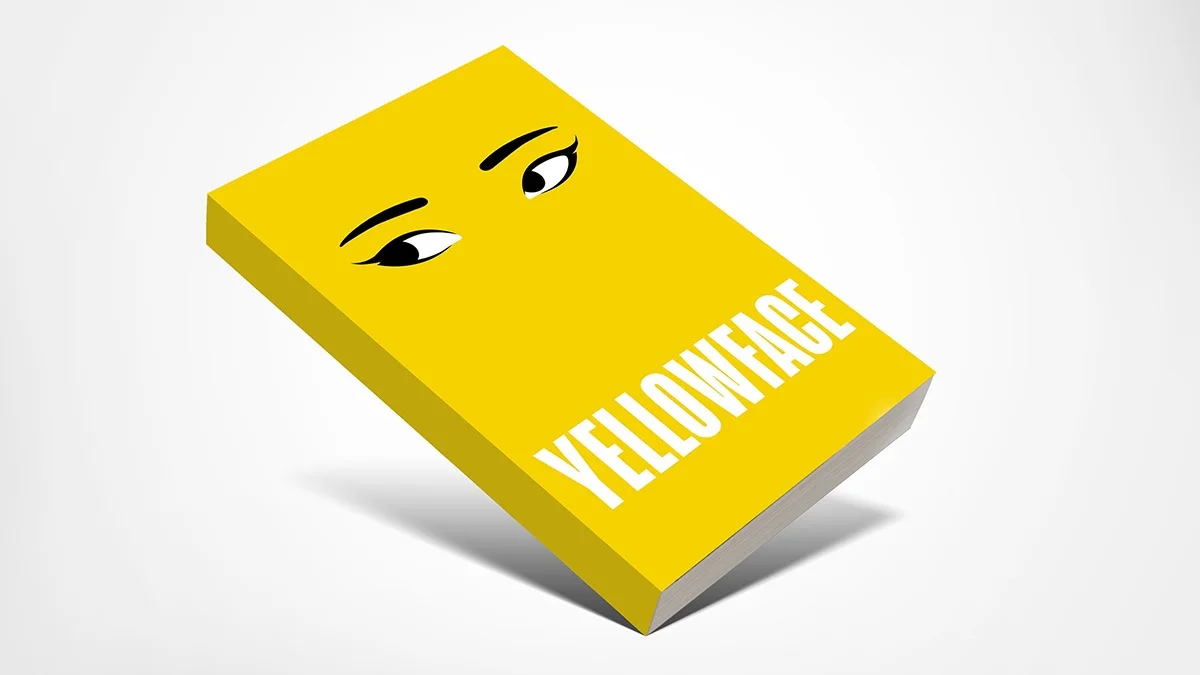
The cover of the novel "Yelloufase"
The spring version of the Non/Fiction fair has become considered a lightweight version of the winter: during the winter they manage to prepare and expose all the main news of the year, to develop a rich (as far as possible) intellectual program, to collect people. In the spring, there remains something between the winter version and usually quite relaxed after summer vacations with the MMKYA fair with roll towards the second. Nevertheless, this spring Non/Fiction follows a rather acute drama: one of the main events of the exhibition was the scandal around the translation of Yellowface Rebecca Kuang.
Let's start by tradition with the chronicle. Yelloufase, published in Russia at the Fanzon Publishing House (Eksmo), was one of the most anticipated news of spring:
Firstly, Kuang after her “opium wars” and “Babylon” managed to love both Russia and around the world,
And secondly, a satire on a book business with a detailed description of all the backdrop, and even written as a thriller, could not but cause a desire to at least look through the book.
Licked through the English version - and they were delighted. Then they turned around the Russian - and horrified.
Galina Yuzefovich devoted a large post on her blog to the parsing (indulging) of the Fanzonic translation. She compared excerpts from the original text with the translation, and it turned out that the translator added a lot of interesting things-for example, replaced the place of the Creative Writing scholarship “Position of the Pen-Club creator”.

The idea of Yuzefovich “to equalize and to see” was supported by many scribes, began to practice linguistic comparative studies in their telegram channels, and it soon became clear that there are incredibly many translation blunders in the book. Moreover, these mistakes are present not only in the use of terms or names of posts, but also simply in the style, which - starting from the very first line of the novel - looks completely mechanical (some readers have a suspicion that it is so).
Finally, after the wave of indignation, on April 5, on the press-riding of the Inspiria publishing house, the head of the exmo science fiction department Vyacheslav Bakulin reacted by accusing the literary editor and promised to correct the translation-including in electronic, and in the auditors of Yellouis-and send new copies to everyone who bought a fresh novel and remained for them Unhappy. (Bakulin, however, clarified at the same time that the translation “is actually good”-and nodded towards Tolkien: there, they say, like the “lord of the rings” at one time, healed). And everything would look quite neutral if a little later the same Vyacheslav Bakulin did not add:
“In fact, Roman Rebecca Kuang is also devoted to two very important things. This is an Internet grass, heit and cancellation culture. Things that are perhaps the most vile in our modern civilization. In this regard, I want to say to everyone: friends, love the book, love those who do it, and most importantly - love each other, because, unlike hatred, in this world of love there is never too much. ”
And then it became clear that the publisher did not read the published book.
Of course, there is nothing wrong with a sweet call to “love each other” - such calls are now rare, and they, of course, must be appreciated. The problem here is that these are a little not the words that readers, translators expect from the publisher - and the unfortunate nameless literary editor, who was made by the scapegoat. The fact is that
The situation with the translation of the Yellouis is not a one -time action, but a systemic error that has been sitting in Eksmo's policy for a long time and firmly.
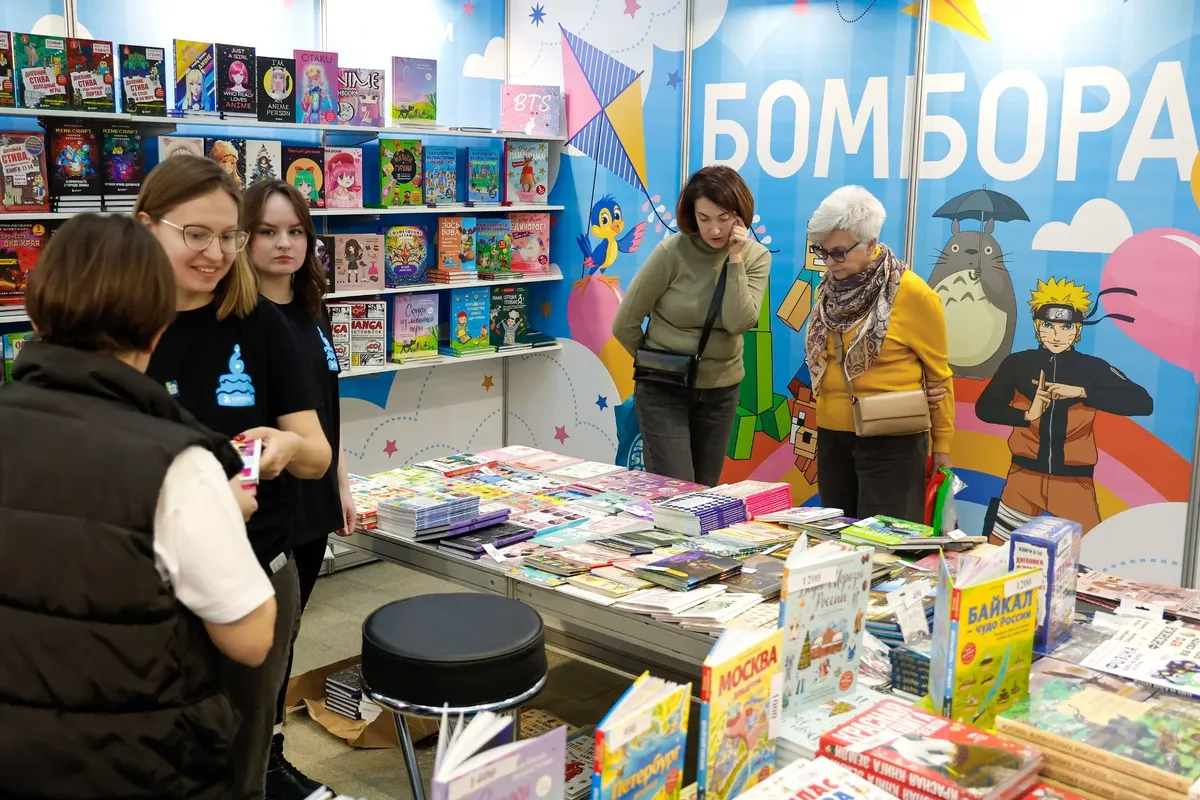
There were a lot of cases when the numerous imprints of Eksmo had to apologize for transfers: you can recall, for example, the book “Blood, Sweat and Pixels” by Jason Schreyer published by Bombor. After the release of the book in Russian, it became clear that the translator simply has no idea about the video game industry, which is dedicated to the book of Schreyer, confuses the terms, slang gaming expressions, does not know the history of game companies and even plots of the most famous games, which is why their names also suffered “artistic interpretation”. Then “Eksmo” agreed to completely reprint the text and - as now - to exchange books to those who remained dissatisfied with the purchased copy, and the editors of “Bombors” stated that the case with the translation “gave invaluable experience and fundamentally changed the attitude to the publication of books of a similar genre”.
But this case was far from the only one.
In 2017, Sports.ru scolded the biography of the football coach Claudio Ranieri - the translation was so bad that even the names of the teams were confused.
In 2019, everyone was dissatisfied with the translated "magic worlds of Hayao Miyazaki",
In 2021, they were outraged by the Russian publication of the book “Friends. More than just a series. "
In general, the “bomber” among its target audience received a reputation as a “black mark” for translations (despite the fact that no one refuses her in the ability to choose good and useful books).
Eksmo-Fanzon himself this translation scandal is also not the first. The most famous story is associated with the fantasy cycle of R. Scott Backer “The Second Apocalypse”: After the four books of the cycle published well and read benevolently, the fifth book suddenly suffered the translation of the fiasco: the text was even attended by uneathered English words, there were a lot of inconsistent amounts of typos, so that it reminded him more A randomly composed collage. When the magazine “The World of Fantastic” was outraged by the quality of the Eksmo-Fanzon, the publishing house’s official response followed:
“The editorial office had three versions of the same text. Unfortunately, the wrong file was taken into the work, and therefore such gross errors arose. ”
Do not "love each other", of course, but also not bad. The further fate of the cycle, alas, is quite sad: in 2017, the series began to reinteen, and the first four books with a ready -made translation were published quickly. Several different translators worked on the long -suffering fifth book for several years - and could not finish it, because they were not satisfied with the working conditions. Finally, in 2021, a new translation of Alekseeva was released - but the readers did not feel the difference. Many problem areas from the text were simply removed, details like names, names and terms remained unprofitable, and in terms of style and meaningfulness the translation clearly resembled machine.
The editors eventually responded to claims. And accused of everything ... a literary editor:
The translation was completed according to the text provided by the copyright holder, and the number of chapters in the publication corresponds to him. You can verify this by screenshots below.
The allegations that a machine transfer has been published is not true, but criticism of the translation in places is fair. The literary editor is primarily responsible for the quality of the text. Neither with him, nor with the northwest who prepared the translation of the warrior of good luck, the Fanzon editors will not cooperate anymore. ”
(answer on the Fantlab forum dated March 29, 2021)
This is how a brief excursion in the history of difficulties of translations looks like, now and then the Eksmo publishing house. This excursion is an attempt to hint again about the global systemic mistake of the publishing business, which once again indicated the scandal around the Yellowofis, due to the significance of the author and the book is much more loud than the previous one. It is clear that book publishing is a business, and monopolists, such as Eksmo, can feel calm in it. But neither repeating verbatim rhetoric about “not the same files” and always guilty litreds, nor legends walking around the book market about how poorly working for monopolists to translators (payment for the author’s sheet is so small that you don’t want to, but you will begin to translate via PROMT), all this does not help improve the reputation of the publisher.
The system error lies in the fact that the deadlines and volumes of release, as well as the desire to have time to release the novelty to each other's duplicate fairs, are placed above the quality of each individual translation,
above working conditions of each individual translator, etc. And while the monopolists do not revise this publishing policy, readers will have to listen to excuses about errors with files and publishers to do the same useless work several times, and readers will be disappointed in publishing brands.
But the main thing is to love each other, of course.