
Translated material
"Most will not leave." Migrants are blown up for the ISIS terrorist attack, but remain in Russia
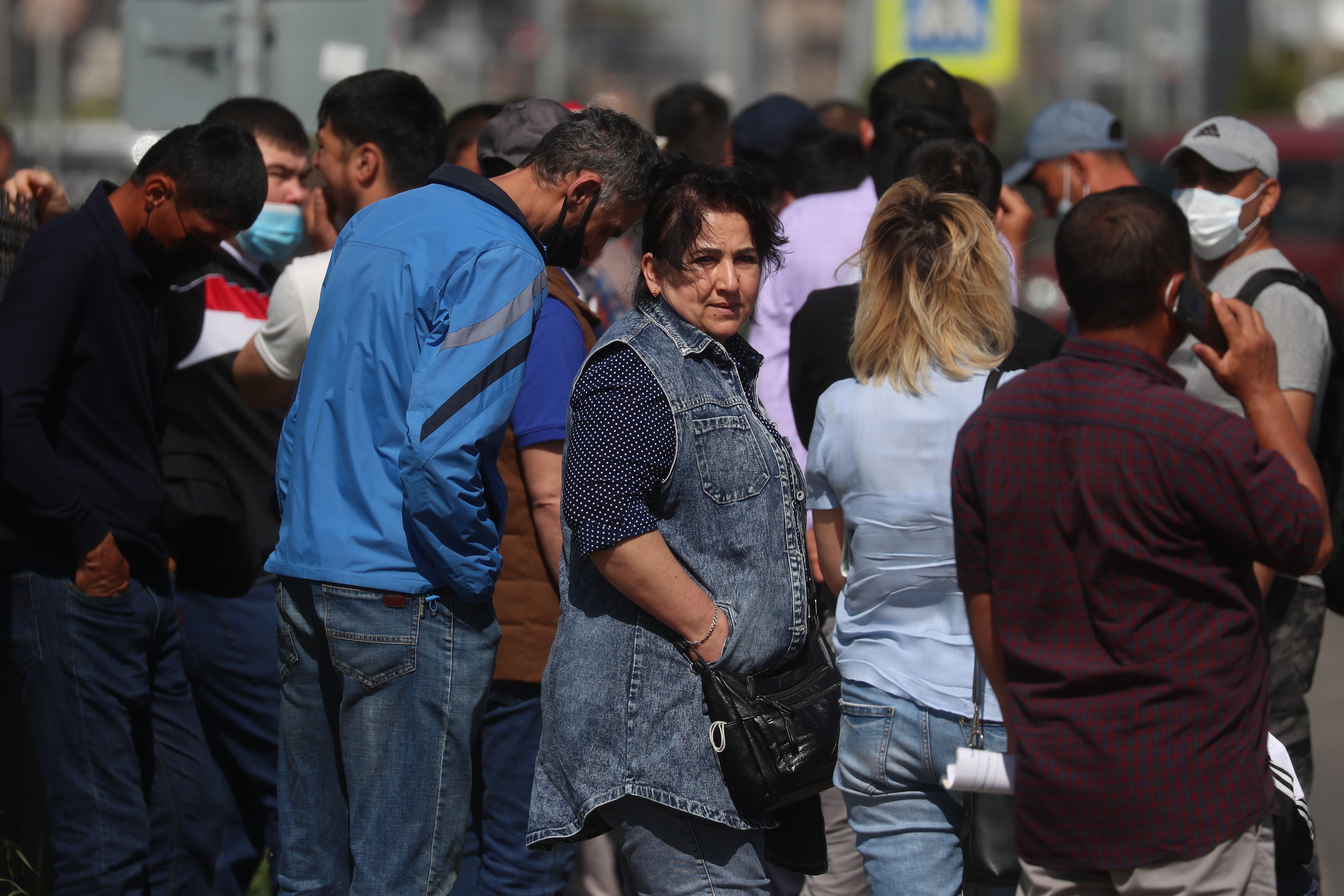
After the terrorist attack in Crocus City Hall, which occurred on March 22 in Krasnogorsk near Moscow and where 144 people were killed, a wave of raids on labor migrants began in Russia. They are haunted by various neo -Nazi groups, and police officers beat and try. Every day hundreds of complaints from immigrants from Central Asia, forced to stay in Russia , come daily , human rights activists tell the "window" . Migrants themselves are most often afraid to speak with journalists, trying to stay as inconspicuously these days.
Text : window
Sanya is from Egypt. Its real Arab name is difficult for Russians by ear, so he has long been presented only in this way - Sanya. He has been living in Russia for 11 years, he received citizenship of the Russian Federation four years ago, but did not refuse Egyptian.
Sanya works in a small cafe in the Primorsky district of St. Petersburg, prepares Shaverm. He speaks Russian well, and his appearance is typical Arabic, not at all Tajik. He is a smiling and friendly person, works at night, his shawarmic - round -the -clock. Conflicts there are not uncommon, drunk and aggressive visitors come. But Sanya, a former soldier of the special forces of the Ground Forces of Egypt, usually copes with them. He broke up with the service 20 years ago: mockery and grandfature were then a serious problem there. Once Sanya could not stand it, beat the commander and was fired from the army. And then he moved to Russia.
When in the evening of March 22 there was a terrorist attack in the Moscow Crocus City Hall, he slept before work.
- I am replacing by 23 o’clock, everything has already happened. I really feel sorry for these people, I remember perfectly how we had terrorist attacks in Egypt, the executions of tourists, this is terrible. I just went to work, make delicious food. And somewhere at 5 in the morning, very drunken men came, took beer, sat down and began to discuss the terrorist attack loudly. It seemed to me that they wanted to provoke me, the phrases "ISIS", "black", "freaks" and so on, a couple of times slipped, slipped through "so, - says Sanya, in their conversation. “It seems to me that they showed me at that moment.” I just ignored. Then they began to order food, but very rudely, they began to "poke", I asked them to leave and refused to cook them. They sent me, but left.
Publications of torture in relation to terrorists in Russian pro -government media shocked him.
- I saw at first this ear was cut off, then these wires, a nightmare. I saw such things in Egypt, all these "Muslim brothers" and other cruel people. We had violence in our army, I had to defend myself, but I left for Russia, including from this. And now it's shit here, ”says the former special forces. - After the attack, there were other visitors. Two took food and began to interrogate me: how do you relate to [the terrorist attack in the Crocus], and could it? Imagine, they asked if I could shoot people! I said that I would not speak on such topics, and they: right, be silent, or they will cut off something to you.
Three days were calm, then the boss warned him of possible troubles.
- The boss said that people came during the day, and they directly provoke conflict, simply because we are non -Russian. Somewhere by one in the morning three men came, as I understood later, they came during the day. At first they just ordered food, they were not drunk. I did not say anything bad, smiled. I gave them to the Shaverm, taking the order, one of them quit: you would [leave] from here. The three of them got up, they began to say that I came to them, my "friends" here [insolent] that we were terrorists. I tell them: "Who" we "? Do you even know who I am by nationality?" They said they did not care. And one of them grabbed my hand, as I understand it, he wanted to hit me, like pulling me. I broke his hand on the reflex, bounced, and they began to scream, try to climb to me through the counter. I ran into the office and called the police, took the knife just in case. The police came quickly, but they had no complaints about these morons, although there are cameras in the cafe and everything was recorded. They simply brought these guys and began to check my documents. The police laughed at my accent, asked several times what I said when I confused the case or like that.
After this story, Sanya decided to return to his homeland in Egypt.
“I decided to take a break from Russia for a month or two,” he says. -I will live a little where they do not mock me because of my speech and appearance until it passes. I am a condolences of the Russian tragedy, this is my tragedy, I am a Russian and Egyptian. Terrorism is disgusting, you have to deal with it, but you don’t have to deal with me, I am with you.
24-year-old Murat, Tajik by nationality, has been living in Moscow since 2016. According to him, there have always been verification of migrant documents here. But after the terrorist attack in Crocus, the police stopped him four times per day.
- I remember, then I ordered a taxi, we drove to Vykhino, we were stopped. They began to check the passports with me and the taxi driver. At that time I did not have a passport - he is at the embassy, I make a visa, I want to leave Russia. As a result, I was taken to the department. They released it in an hour - I showed them a certificate from the embassy. I order a new taxi, I get to the Butyrsky district, they take me again. At the same time, they call from my hostel, where I am registered and live: get up urgently, checking documents, they are waiting for you. In general, then a day after the "crocus" I was detained four times.
Now he almost does not leave home - only to the store and vice versa, "so that there are no extra problems with the police," he explains.
"They started to delay everyone"
On March 28, in the Balashikha near Moscow, the Rosgvardists broke into the hostel of the LCD "Airplane", where the builders-migrants live. They are registered there, everyone has documents for work.
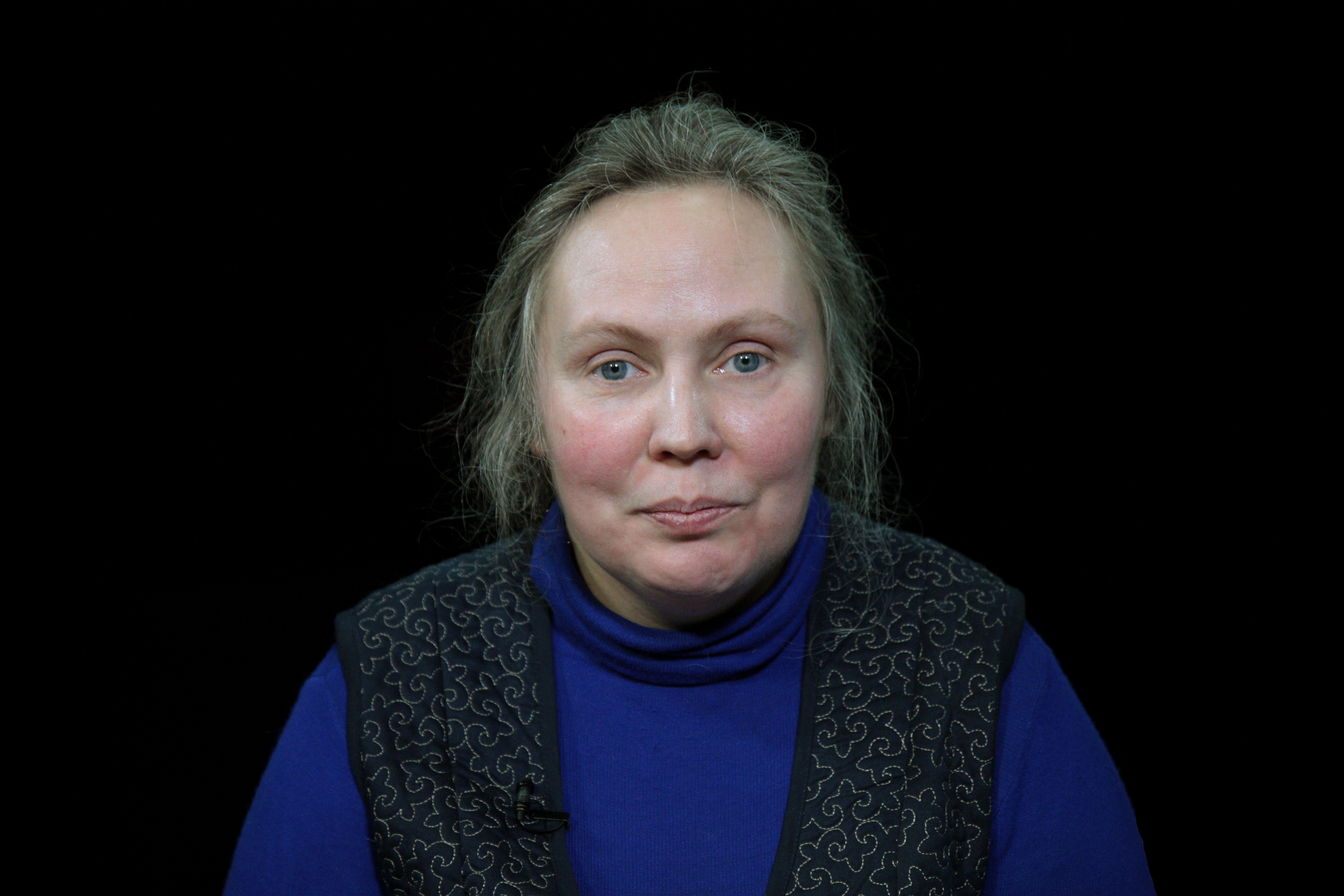
- It was not a search, it was a beating and robbery. The Rosgvardists broke, knocked everyone on the floor. There were 76 people, ”says human rights activist Valentin Chupik. - Then they brought them to the corridor, put it up to the wall with his hands. And at that time they themselves went, dug in their things, took money, phones, tablets, perfumes.
According to the human rights activist, the Rosgvardists beat migrants with iron reinforcement.
- The eye was knocked out with this reinforcement, the other was broken in three places. When he was hit for the first time, he shouted, cried that they had broken his hand. So they let him beat him with this reinforcement on the same hand, - the Chupik continues. - Then the Rosgvardists left. The victims phoned us, our lawyer arrived, ensured that the ambulance took two people to the hospital - with an eye out and a broken hand. And people just returned to the hostel. The meaning of this action consisted of picking up money, phones, tablets from them.
After the terrorist attack in the organization of Tong Jahoni ("Morning of the World"), which is headed by the Chupik, received 1700 appeals from migrants - Kyrgyz, Uzbeks, Tajiks - every day.
-March 23 in Moscow, the Moscow Region, St. Petersburg and the Leningrad Region, taxi drivers were massively detained. This is entirely Kyrgyz, because the Kyrgyz driver's rights are recognized in Russia and 80% among taxi drivers - Kyrgyz. Then there was a lull of about six hours. And on Sunday, March 24, from 10 in the morning, they began to delay everyone, ”she says.
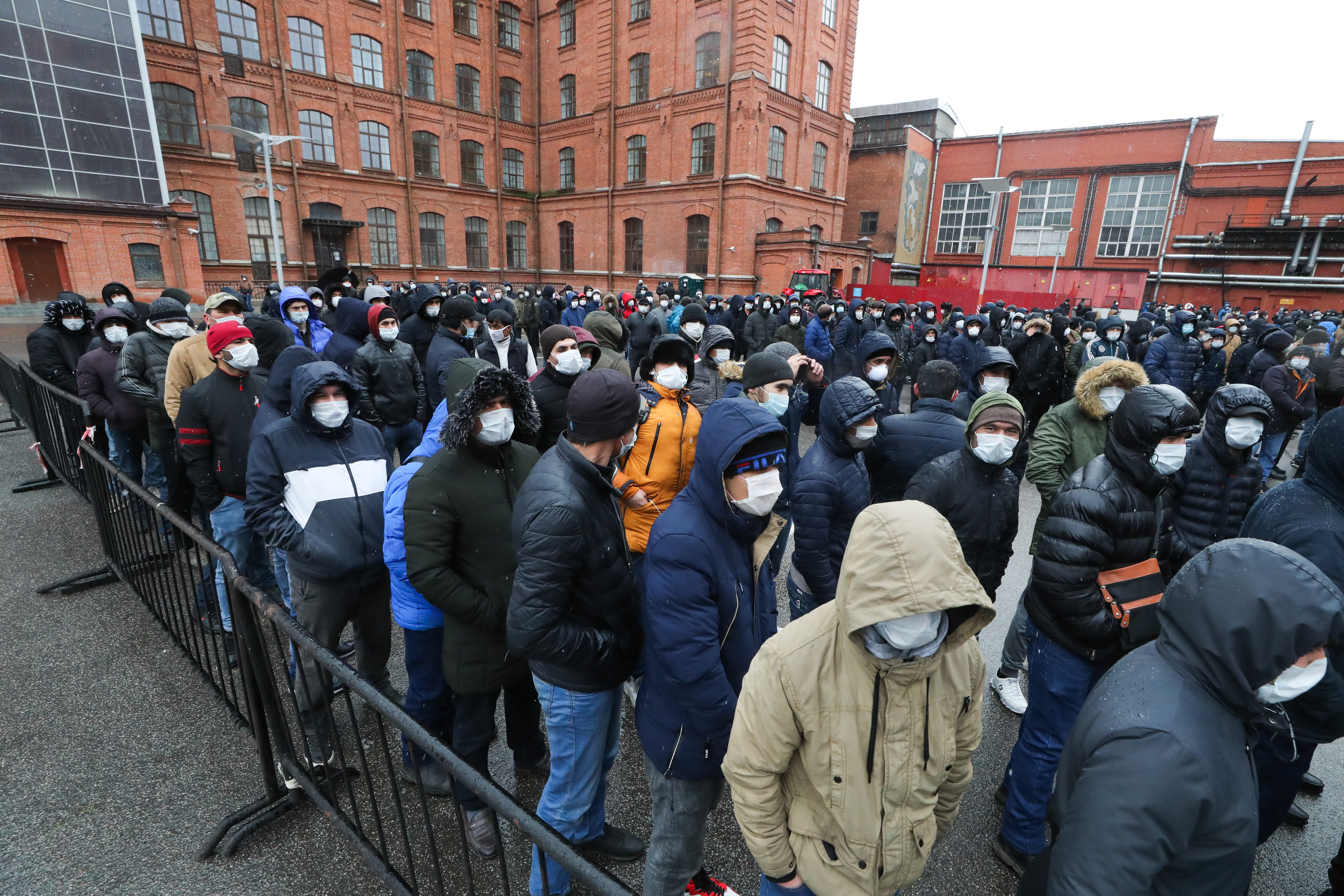
On April 1, the Moscow police began checking housing - they have been looking for overpopulated apartments and places where illegal migrants can live. For this, special groups of district police officers and criminal investigators have been created. Their task is to get around all houses on their territory. The FMS will massively cancel the migration accounting to everyone who is registered at one address along with more than ten other people.
The most complaints to human rights activists were from Moscow, St. Petersburg, Yekaterinburg. People were detained in Irkutsk, Vladivostok, Komsomolsk-on Amur, Volgograd, Krasnodar, Stavropol, Sochi, Kaliningrad and the Samara region. There were signals from small cities.
- In Michurinsk in the Tula region, traffic cops made a new type of robbery. They stopped all the drivers of "non -Slavic appearance" and demanded, in addition to documents, to give wallets. They pulled out all the money, discount cards. And if people began to resent, they falsified the attempt to give a bribe. Of those who turned to me, they falsified that he tried to give a bribe of 4,000 rubles, and for three - that was 500 rubles, says Chupik.
Two -thirds of migrant appeals were associated with illegal detentions. There were many complaints about the torture conditions of the detention in the police: migrants are kept in the cold and not let into the room, and also do not let them into the toilet, people are without food for days, water can only be drunk from the toilet crane, says the human rights activist.
"Courts stamp the administrative"
At the end of March, a large -scale operation “Anti -Migrant” was held in St. Petersburg to identify and deport migrants, reports “First Department”.
“There are no way to do the temporary detention centers. There are a lot of special equipment and buses for a trip to the airport. There are also raids for dormitories and apartments. All special receptions are crowded,” said the lawyer of the First Department.
The detainees were taken to Pulkovo airport by buses, in respect of whom a decision was made to expel. On March 28, more than 64 foreign citizens were deported from the Vyborg district of St. Petersburg. Two full aircraft flew out, the lawyer notes.
- They are supposed to be deported allegedly because he did not take up migration records. At the same time, in the court decision, they write that such and such has arrived in Russia with such and such a number, registered at the address, lives there. Expel it from the territory of the Russian Federation with a fine of 5,000 rubles for exceeding the deadlines. And there was no excess. The courts stamp the administrative, ”says Chupik.
According to the agency, raids against migrants were held in 68 regions of Russia: in markets, construction sites, dormitories, hotels and cafes, special services participated in some of them. According to their results, at least 161 criminal cases were instituted, more than 1.7 thousand foreigners were decided to expel from the country, more than 300 people received summons to the military registration and enlistment office. This led to the departure of migrants, which is why in Dagestan and North Ossetia there were already problems with garbage collection.
Most migrants were expelled in St. Petersburg, Moscow, Chelyabinsk, Samara, Saratov, Rostov, Tyumen and Astrakhan regions.
A human rights activist from Tajikistan Sasha Sagdiev says that in recent days he receives many messages from his compatriots about the close attention of the police in Russian cities. Many of them are afraid to stay in Russia.
- Moscow, Peter - the police come, check documents with a vengeance, on the streets, in the Central Asian cafes, where you can take pilaf, in places of work, dormitories. And now many are afraid to stay in Russia. I personally know three people who, because of the last events, returned to Tajikistan, then to make documents and go to a safer place, to Europe. One of these people lived in Russia for more than 15 years, the other woman - 7–8 years old. But because of fear, they left.
Xenophobic moods intensified throughout the country. In the Blagoveshchensk of the Amur Region, unknown people set fire to the pavilion belonging to Tajikistan citizens. In Kaluga, a group of unknowns beat three migrants, after which one of them went to the hospital.
Neo-Nazis are increasingly attacking migrants and they themselves post a video of attacks in their telegram channels, often with a delay, so that it is more difficult to calculate them, the expert of the Anti-Discriminal Center "Memorial" Stefania Kulaev. Because of this, human rights activists will become known about some attacks later.
- We fix the growth of the number of attacks, and I think it will not stop easily. The authorities have an instrument to combat street violence - this is criminal prosecution, it is necessary to hold accountable for every attack. If you react hard, then you can knock down this flame. But the contradiction is that the security forces themselves carry out racial profiling when they take people similar to immigrants from Central Asia. But even before the Crocus there were checks, raids, arrests, cooperation of security forces with the extreme right, when the police, along with neo -Nazis, went to the markets. Such an event as a terrorist attack in Crocus could not but spur anti -migrant sentiments, ”Kulaeva explains.
The researchers of the Center for "Owl", which studies the problems of nationalism and xenophobia in Russia, in March became known about sixteen attacks on the motive of hatred. Among the victims are natives of the Caucasus, Central Asia. At least four serious attacks were committed after the attack in Moscow and was supplied as “revenge”, experts say.
After March 22, there were reports of 25 street attacks with gas cans on migrants, including two girls in hijabs. In March, ultra -right violence in March turned out to be approximately more than twice as much as in the previous month, they note in the "Ivy". Punches of car tires with numbers from Chechnya, Dagestan, Kazakhstan, Kyrgyzstan, Tajikistan and Uzbekistan were recorded. On March 24, in one of the ultra -right channels, a video appeared with an unknown, throwing a bag with the head of a pig into the mosque during prayer.
Fortable resources actively replicate the video with the torture of the alleged terrorists, which was distributed by telegram channels associated with the security forces. And they call for racist attacks.
“Now hatred and xenophobia are injected in the country,” Kulaeva notes. - The authorities accuse the West, Ukraine, and some enemies of Russia in everything. And such injection cannot but nourish the xenophobic environment. In addition, now it has become more difficult to live in the country, the Russians are massively dying in the war, all this affects the economic situation. And this discontent needs to be directed somewhere.
"Though they will go to hell, if only the work was"
From the very beginning of the invasion of Ukraine, the Russian authorities send labor migrants to the front. With the outbreak of war, representatives of the Ministry of Defense They placed advertisements in Russia and the countries of Central Asia, where they promised salaries up to 200 thousand rubles per month. The Wagner PMC and the PMC also led her campaign. Representatives of the Ministry of Defense call young people with Russian citizenship, threatening to take it away in the event of evasion, experts of the Memorial anti -discrimination center state . Migrants with Russian passports prohibit departure from Russia, supposedly due to the fact that they are on mobilization lists.
After mobilization, even those who do not have citizenship became obtained.
- There were many cases when people were sent to the front contrary to law. Directly in Sakharovo (Migration Center in Moscow. - “Window”) they opened a recruiting station, that is, they openly recruited citizens of those countries where it is considered mercenary, and we know that there were cases of persecution for this in the native countries of migrants. The Russian authorities sent people to war against their will, there were cases of abduction near the metro. Or seduced citizenship, and with it they immediately gave the agenda. And if Russian citizens have wives, mothers, sisters who can go to the Kremlin, then the migrants are far far from. So it turns out - they can be mercilessly sent to death, ”Kulaeva notes.
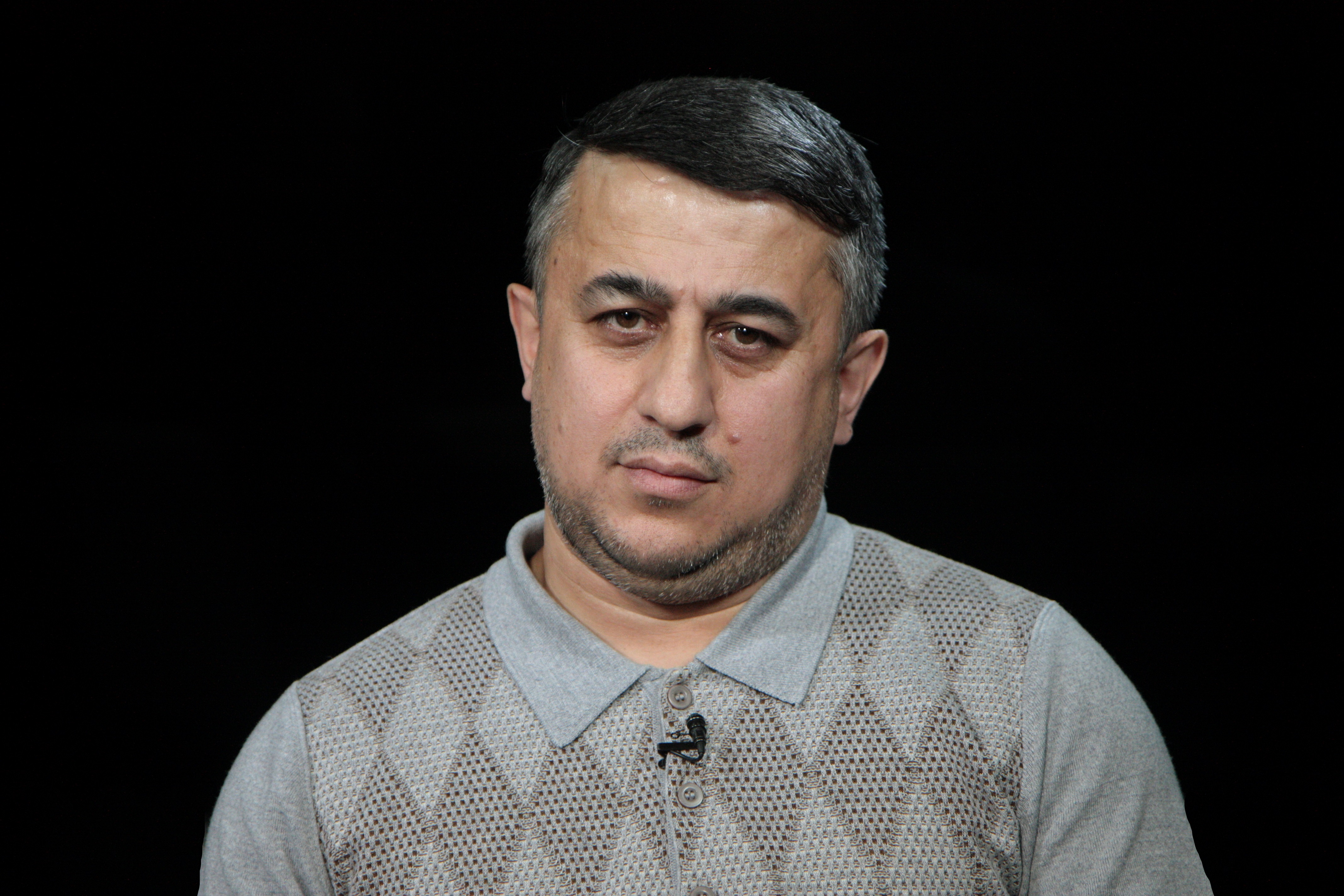
“But still, you look at how Tajikistan citizens massively receive Russian citizenship, despite the fact that they get a summons with it,” says Karimjon Yorov, activist Tong Jahoni . - They believe: maybe he will carry it. We are always hoped for luck, but in order to change fate by himself - no. They have such a thing that, having received citizenship, they will be freed from the patent. But they do not think that there will be more taxes. They sacredly believe that Russia will give them pensions and matkapapapapapapapapapapapapapapapapapapapapapapapapapapapapapapapapap.
According to Yorov, there is nowhere to leave the migrants - everyone needs to feed families.
- I think ours are such - even if they go to hell, if only there was work. Families must be fed. I recall how many skinheads killed ours in the late 90s, in 2008-2009. There was a Cherkizov market, there were several departments of the police that atrocious. No one did anything. And then, well, 10-15% refused the trip. And so - no.
- In the pandemic, people returned to Central Asia - there was no work in Russia, the construction stood up. But in their countries hunger began, the UN offices were distributed to the population. Therefore, many will now hide, sit out, wait for the wave to fall, but the majority will not leave, ”says Kulaeva. - If we have millions of migrants, they previously talked about 12 million, then hundreds leave.
According to Chupik, in recent days a wave of appeals from migrants has subsided, about 300 complaints are received a day.
- I do not think this is due to the departure of people. Rather, with the fact that now there is no longer such an active FAS team. And I think the countries of origin began to complain. Therefore, the security forces are not so active, ”she said. - If there are sharp changes at the front or there will be sharp political changes, they will instantly forget about migrants. If nothing happens, then it will be so, nor Shatko nor the Walkko.
- What will happen next? I think nothing will happen, ”says Yorov. - Tajikistan, as far as I see, is still silent. Silence is a sign of consent. Former Union republics from Moscow are greatly dependent. There are their own teams, everyone is sitting quietly. Ну что, министр какой-то из-за нескольких таджиков будет что-то говорить?
Российские власти после теракта в "Крокусе" предлагают ужесточить мигрантам въезд в Россию и условия пребывания. К депортации за малейшее правонарушение, даже административное, призывает вице-спикер Госдумы, экс-кандидат в президенты Владислав Даванков.
1 апреля МВД направило в правительство предложения об ужесточении миграционной политики. Предлагается вдвое сократить срок временного пребывания в стране – со 180 до 90 дней в год, запретить оказывать какие-либо услуги нарушителям миграционного законодательства и ввести цифровой профиль иностранца.
На фоне ажиотажа власти могут принять законопроект о порядке въезда, выезда и пребывания иностранных граждан в РФ, который МВД разработало еще в 2019 году. Он регламентирует трудоустройство и проживание мигрантов в России так, что делает их положение кабальным, считают правозащитники.
– Законопроект требует, чтобы у мигрантов отобрали их национальные паспорта, а вместо этого выдали им документ в МВД, удостоверяющий их личность, в котором будут указаны только ФИО, дата рождения и гражданство, а все остальные данные будут записаны в чипе. Доступа к этой базе у мигранта никогда не будет, человек не будет знать, легально ли он на территории России. Его можно в любую секунду объявить нелегалом, – говорит Валентина Чупик. – Пункт второй: по этому закону, мигрант не имеет права устраиваться на работу самостоятельно, менять работодателя и место жительства. И мигранты превращаются в рабов, они не смогут уйти от работодателя, который нарушает их права. Работодатель должен будет авансовым платежом платить за работников налог, а если не заплатит, то мигранта депортируют. Есть там и еще одна норма: мигрант должен будет "давать клятву верности России" – подписывать соглашение о лояльности. Это инструмент для еще одного закабаления мигрантов работодателем и колоссальный источник взяток. Теперь каждого можно будет остановить, угрожать ему депортацией и даже тюрьмой, и чтобы его отпустили, он даст взятку.